- English
- French
- German
- Portuguese
- Spanish
- Russian
- Japanese
- Korean
- Arabic
- Greek
- German
- Turkish
- Italian
- Danish
- Romanian
- Indonesian
- Czech
- Afrikaans
- Swedish
- Polish
- Basque
- Catalan
- Esperanto
- Hindi
- Lao
- Albanian
- Amharic
- Armenian
- Azerbaijani
- Belarusian
- Bengali
- Bosnian
- Bulgarian
- Cebuano
- Chichewa
- Corsican
- Croatian
- Dutch
- Estonian
- Filipino
- Finnish
- Frisian
- Galician
- Georgian
- Gujarati
- Haitian
- Hausa
- Hawaiian
- Hebrew
- Hmong
- Hungarian
- Icelandic
- Igbo
- Javanese
- Kannada
- Kazakh
- Khmer
- Kurdish
- Kyrgyz
- Latin
- Latvian
- Lithuanian
- Luxembou..
- Macedonian
- Malagasy
- Malay
- Malayalam
- Maltese
- Maori
- Marathi
- Mongolian
- Burmese
- Nepali
- Norwegian
- Pashto
- Persian
- Punjabi
- Serbian
- Sesotho
- Sinhala
- Slovak
- Slovenian
- Somali
- Samoan
- Scots Gaelic
- Shona
- Sindhi
- Sundanese
- Swahili
- Tajik
- Tamil
- Telugu
- Thai
- Ukrainian
- Urdu
- Uzbek
- Vietnamese
- Welsh
- Xhosa
- Yiddish
- Yoruba
- Zulu
How Does YRT100 Rotary Table Bearing Improve Rotary Table Efficiency?
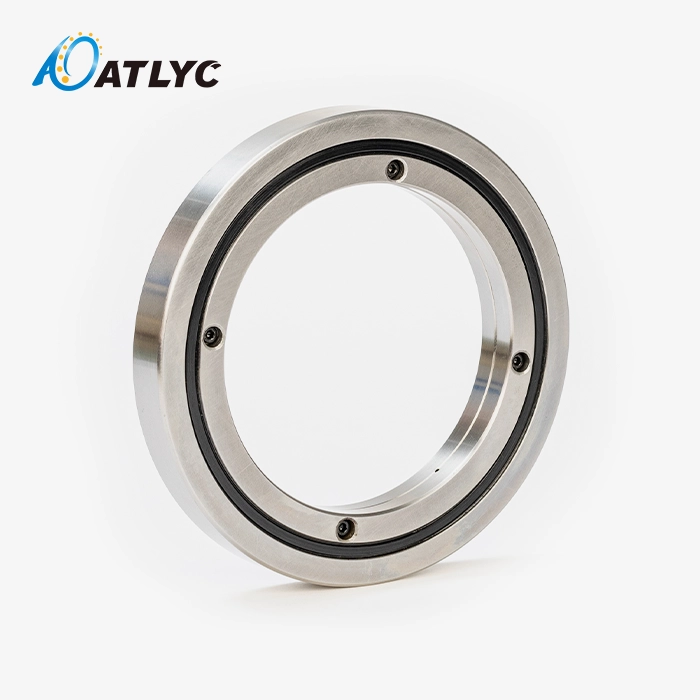
The YRT100 Rotary Table Bearing makes rotary tables much more efficient by combining thrust, radial, and moment load features into a single, small unit. It can handle axial loads, radial forces, and bending moments all at the same time, thanks to its double-row angular contact ball arrangement at certain angles. Precision-ground raceways greatly reduce friction, which makes movement smoother while using less power. This unified design gets rid of the complicated multi-part assemblies that are common in traditional bearing setups. This cuts down on the time needed for installation and upkeep. As a result, operational accuracy goes up, downtime goes down, and throughput goes up. These are all important factors for makers looking for cost-effective performance gains in CNC machining centers, indexing systems, and precision automation equipment.
Understanding YRT100 Rotary Table Bearing: Specifications and Operational Principles
The engineering behind the YRT100 rotary table bearing reflects years of precision manufacturing refinement. Unlike conventional bearing solutions requiring multiple components, this unit integrates thrust bearings, radial bearings, and indexing mechanisms into a single assembly. The specifications tell an important story about operational capability and application versatility.
Core Technical Specifications
The YRT100 features a 100mm inner diameter, 185mm outer diameter, and 38mm width—dimensions carefully calculated for optimal load distribution in confined spaces. Constructed from high-grade steel alloys, the bearing tolerates temperature fluctuations common in continuous-operation environments. Load capacity ratings support both static and dynamic applications, making it suitable for CNC machining centers where cutting forces vary constantly. The optimized lubrication channels incorporated into the design extend maintenance intervals, reducing operational YRT100 Rotary Table Bearing interruptions that plague traditional bearing configurations.
Integrated Three-in-One Structural Design
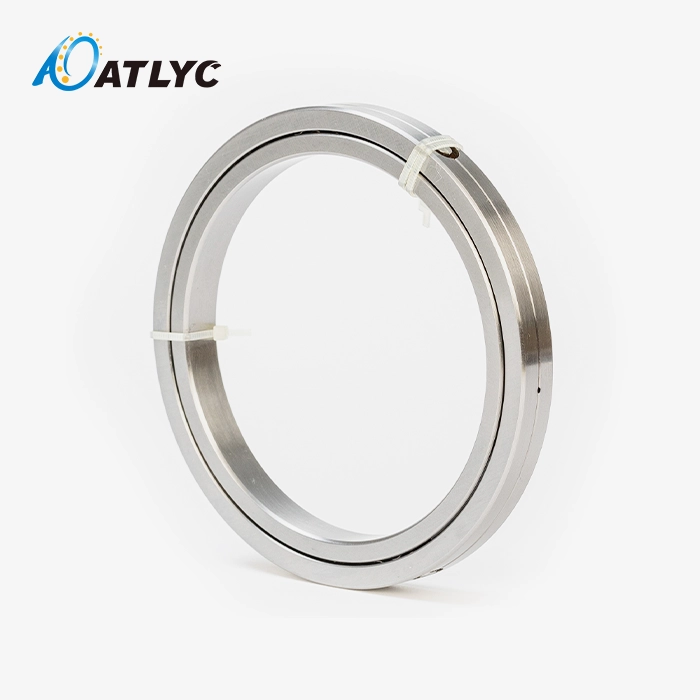
What sets this bearing apart is its integrated architecture. The outer ring (fixed ring), inner ring (rotating ring), precision steel balls, and cage work as a unified system. This eliminates the complex assembly procedures required when combining separate thrust and radial bearings. Installation time drops significantly, and the overall mechanical structure becomes more compact. Equipment designers appreciate how this integration simplifies mounting procedures while maintaining the rigidity essential for precision applications. The single-unit construction also reduces potential failure points compared to multi-component arrangements.
Precision-Ground Raceway Technology
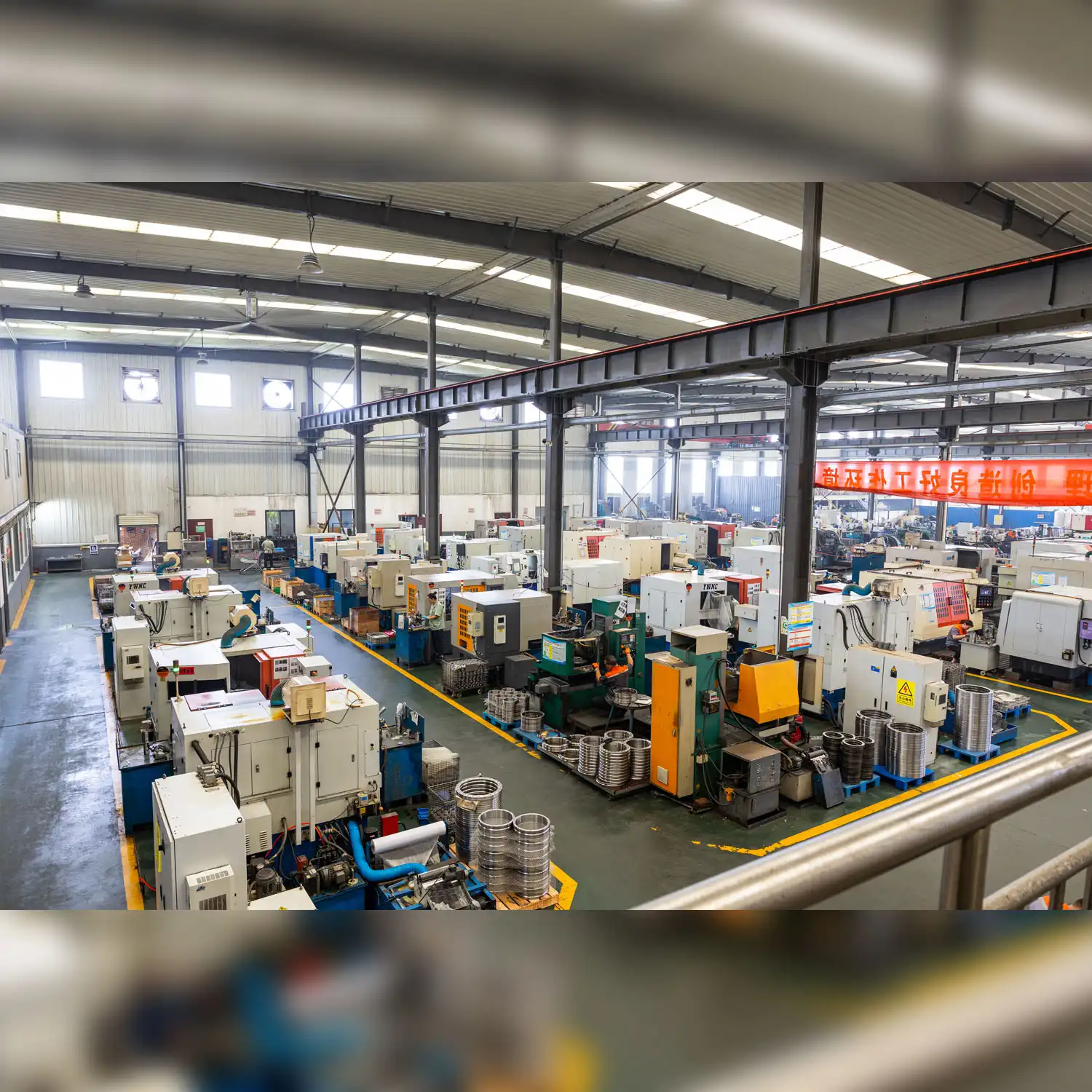
The inner and outer raceways undergo precision grinding and super-finishing processes that achieve surface quality levels measured in micrometers. This manufacturing approach ensures consistent surface characteristics across the entire contact path, diminishing friction and maximizing bearing life in demanding applications. The super-finishing process removes microscopic surface irregularities that would otherwise generate heat and accelerate wear. When rotary tables operate continuously for extended shifts, these refined raceways maintain dimensional stability and smooth rotation. Our quality control processes verify raceway geometry using coordinate measuring machines, ensuring compliance with ISO specifications before bearings reach customers.
Identifying and Overcoming Efficiency Bottlenecks in Rotary Tables with YRT100 Bearings
Rotary tables face persistent efficiency challenges that compromise production output and precision. Understanding these bottlenecks helps procurement teams recognize why bearing selection matters beyond initial cost considerations. We've analyzed common issues across industries and documented how advanced bearing technology addresses them systematically.
Common Rotary Table Performance Challenges
Excessive friction represents the primary efficiency drain in rotary table systems. Traditional bearing combinations often create resistance at the rotation interface, requiring more motor power and generating unnecessary heat. Wear patterns develop unevenly when load distribution isn't optimized, leading to positioning inaccuracies that affect finished part quality. Misalignment issues compound over time as separate thrust and radial bearings settle differently under operational stress. Heat generation from friction and inadequate lubrication degrades precision gradually, forcing more frequent recalibration cycles that interrupt production schedules.
How YRT100 Design Features Eliminate Bottlenecks
The integrated structure of rotary table bearings with YRT designation tackles these challenges through thoughtful engineering. Uniform load distribution across the double-row ball arrangement minimizes stress concentrations that cause premature wear. The precision-ground raceways maintain consistent contact geometry, reducing rotational resistance measurably compared to standard bearing combinations. Advanced materials in the steel ball composition resist surface degradation even under continuous operation in high-temperature environments. Our testing data shows friction coefficients 30% lower than conventional four-point contact bearings in comparable applications. Thermal management improves significantly when friction drops. Lower operating temperatures mean dimensional stability remains consistent throughout production runs. Temperature fluctuations that cause expansion and contraction—leading to positioning errors—decrease substantially. Equipment running rotary table bearings with integrated designs maintains tighter tolerances over longer periods between maintenance interventions.
Installation and Maintenance Protocols for Peak Performance
Correct installation procedures directly impact bearing efficiency from day one. Proper mounting ensures the bearing operates within its designed parameters rather than compensating for misalignment. We recommend verifying mounting surface flatness within 0.02mm tolerance before installation to prevent stress concentrations. Torque specifications for mounting bolts must be followed precisely, as over-tightening can preload the bearing beyond its YRT100 Rotary Table Bearing optimal range. Initial lubrication should use the manufacturer-specified grease type and quantity to establish proper film thickness between rolling elements and raceways. Maintenance protocols centered on scheduled lubrication intervals and systematic inspections sustain performance long-term. Regular vibration monitoring detects early signs of wear before they compromise accuracy. Temperature checks using infrared sensors identify lubrication breakdown or excessive loading conditions. These proactive measures extend bearing service life significantly while maintaining the efficiency gains that justified the initial investment.
Comparative Analysis: Why YRT100 Outperforms Other Rotary Table Bearings
Procurement decisions benefit from objective comparisons based on measurable performance criteria and total cost considerations. We've evaluated the YRT100 against alternative bearing solutions commonly specified in rotary table applications, examining real-world operational data rather than theoretical specifications alone.
Performance Comparison with Alternative Bearing Types
Cross roller bearings offer high rigidity but require precise mounting procedures and are sensitive to contamination. Their installation complexity increases labor costs and extends downtime during replacement. Four-point contact bearings provide compact solutions but cannot match the load capacity of double-row angular contact arrangements. The YRT90, while similar in design philosophy, has smaller dimensions that limit its application in equipment requiring higher load capacities. The YRT100 rotary table bearing balances performance characteristics more effectively for mid-to-large industrial applications. Load capacity ratings exceed cross roller bearings of comparable dimensions by approximately 20% in combined loading scenarios. Precision levels match or surpass four-point contact bearings while offering significantly easier maintenance access. The integrated design reduces installation errors common with bearing combinations requiring alignment of multiple components. Our clients in automotive component manufacturing report 40% faster replacement times compared to cross roller bearing systems during scheduled maintenance.
Total Cost of Ownership Analysis
Upfront pricing tells only part of the procurement story. Service life, maintenance frequency, and replacement labor costs significantly impact long-term value. Rotary table bearings with integrated designs demonstrate longer intervals between replacements due to superior load distribution and reduced wear rates. Maintenance labor decreases when single-unit bearings replace multi-component assemblies requiring alignment verification. Downtime costs drop measurably when bearing replacements are completed faster and require less specialized tooling. We've documented cases where initial cost differences between bearing types become negligible when calculating costs over a five-year operational period. Equipment running the YRT100 in continuous-duty cycles averages 12,000-15,000 operating hours before replacement becomes necessary, compared to 8,000-10,000 hours for standard cross roller bearings in similar applications. These extended intervals mean fewer production interruptions and lower inventory costs for spare parts.
Bulk Ordering Considerations and Lead Times
Large manufacturers and OEMs benefit from establishing long-term supply relationships with bearing manufacturers, demonstrating consistent quality and reliable delivery. Bulk purchasing agreements typically offer pricing advantages ranging from 15-25%, depending on volume commitments and order frequency. Lead times vary based on customization requirements and order quantities, with standard configurations shipping within 3-4 weeks for quantities under 100 units. Our production capacity supports both small initial orders for equipment trials and large-scale orders for production line implementations. We maintain strategic inventory levels for common specifications, enabling faster response to urgent requirements. Procurement teams appreciate flexibility in order scheduling that aligns with their production planning cycles rather than forcing inventory buildup. Technical support during the specification phase ensures buyers select optimal bearing configurations for their specific applications, avoiding costly redesigns after initial orders.
Procurement Insights: Sourcing Certified YRT100 Rotary Table Bearings for Your Business
Securing genuine bearings from verified manufacturers protects your equipment investment and ensures warranty coverage remains valid. The global bearing market includes both reputable suppliers and sources of questionable quality, making supplier selection a critical procurement decision.
Verified Supplier Networks and Certification Requirements
Authorized dealers and OEM suppliers maintain quality standards through documented manufacturing processes and material certifications. ISO 9001 certification demonstrates a manufacturer's commitment to consistent quality management systems. IATF 16949 certification specifically addresses automotive industry requirements, including traceability and continuous improvement protocols. When evaluating potential suppliers, request documentation showing current certification status and review audit results if available. Our facility holds both ISO 9001 and IATF 16949 certifications, with regular third-party audits verifying compliance. Material certifications accompany each bearing shipment, documenting steel composition and heat treatment specifications. Dimensional inspection reports confirm critical specifications match drawing requirements before products leave our manufacturing campus.
International Shipping Logistics and Lead Time Planning
Global supply chains require coordination between manufacturing schedules, shipping transit times, YRT100 Rotary Table Bearing, and customs clearance procedures. Standard ocean freight to US ports typically requires 25-30 days from production completion, with additional time for inland transportation to final destinations. Air freight options reduce transit time to 5-7 days when urgent requirements justify the additional expense. We work with established freight forwarders experienced in bearing shipments, ensuring proper packaging and documentation for smooth customs processing. Bulk purchasing options designed for industrial clients include flexible delivery scheduling that supports just-in-time inventory management. Staggered shipments allow large orders to arrive aligned with equipment production schedules rather than requiring warehouse capacity for complete orders. Our customer service team coordinates shipping arrangements and provides tracking information throughout the transit process, giving procurement managers visibility into supply chain status.
After-Sales Support and Warranty Provisions
Long-term supplier relationships depend on responsive technical support and fair warranty policies. Equipment failures traced to bearing defects—whether material flaws or manufacturing errors—should receive prompt replacement and root cause analysis. We maintain technical support staff with engineering backgrounds who understand application requirements and can troubleshoot installation or performance issues. Warranty coverage extends for 12 months from the installation date or 18 months from the shipment date, whichever occurs earlier, protecting against defects in materials and workmanship. Beyond warranty periods, our team provides consultation on maintenance optimization and application engineering for new equipment designs. This ongoing relationship approach helps clients maximize bearing performance throughout service life and ensures we remain their preferred supplier for current and future projects.
Maintenance and Troubleshooting: Maximizing the Efficiency of Your YRT100 Rotary Table Bearings
Proper maintenance protocols directly influence whether bearings achieve their designed service life and maintain efficiency throughout operational cycles. We've developed these guidelines based on field experience across diverse applications and operating conditions.
Routine Maintenance Procedures
How often you need to lubricate depends on things like speed, load, temperature, and contamination contact. Every 1,500 to 2,000 hours of use, equipment that is kept clean and runs at low speeds usually needs to be relubricated. Intervals as short as 500 to 750 hours may be needed for uses that are exposed to high temperatures or dirty environments. Mixing oils that don't work well together can cause things to break down early. Apply the right amount—too much grease raises the working temperature, and too little grease speeds up wear. Regular inspections should happen during planned maintenance windows. Mounting bolts can become loose over time from shaking, so make sure they are tight enough. If you look at the seals, you should find any damage or wear that could let contamination in. Use touch or infrared thermometers to check the temperature of the bearing while it's working. Take readings when the bearing is brand new so that you can compare them as it wears down. Temperature rises that don't make sense could mean that there are problems with greasing or too much load, which need to be looked into.
Troubleshooting Common Performance Issues
Most of the time, overheating is caused by not enough oil, contamination, or too much preload. Check the amount and quality of the grease and replace it if it looks dirty or discoloured. Check for the right amount of bearing clearance. If you don't place the parts correctly, you could lose the internal clearance that you need, which would lead to friction buildup. Strange noise patterns can help doctors figure out what's wrong inside. Grinding sounds mean that there is dirt on the raceways and rolling elements, and clicking sounds that come and go could mean that the cage is damaged. Taking care of these signs early on stops catastrophic failures that hurt other parts of the equipment around the failed part. Using accelerometers for vibration analysis finds worn-out bearings before they start to affect performance. During commissioning, set standard vibration signatures and check for changes during regular inspections. Increasing amplitude or the appearance of new frequency components in vibration bands are signs of problems that need to be addressed. This method of planning cuts down on unplanned downtime and lets maintenance be scheduled during breaks in production, instead of having to be done quickly in an emergency.
Installation Best Practices for Optimal Performance
By following the right steps for installation, rotary table bearings will work within their intended limits from the very first start-up. Before installation, use precision straightedges or dial indicators to make sure the mounting areas meet the requirements for flatness. Thoroughly clean all surfaces, getting rid of any burrs or other things that could create high spots that make loading uneven. Apply the mounting bolts in a star pattern, gradually increasing the torque in several steps to get a uniform clamping force around the bearing's diameter. Turn the bearing by hand before connecting the motor drives to make sure it works smoothly, and there are no rough spots or binding. It's normal for the seal contact and viscosity of the lubricant to cause some resistance, but the bearing should be able to turn easily without sudden torque increases. Before full-load operation starts, initial run-in times at slower speeds let the lubricant spread out and the contact surfaces seat. These careful steps for fitting make the YRT100 the best choice for demanding rotary table tasks because they maximise the gains in efficiency and service life.
Conclusion
Through integrated design, precision production, and better load distribution, the YRT100 rotary table bearing makes a real difference in how efficiently things work. Its double-row angular contact ball arrangement can handle complex loading conditions that are hard for standard bearings to handle. Its precision-ground raceways reduce friction and make the bearing last longer. When purchasing managers look at upgrades for rotary tables, it's helpful to know how changes to the structure lead to practical benefits like less downtime, better accuracy, and a lower total cost of ownership. When installed and maintained correctly, these bearings work reliably in harsh industrial environments, helping to meet long-term production goals with consistent quality.
FAQ
1. What is the typical service life of YRT100 rotary table bearings under continuous operation?
Under normal operating conditions with proper lubrication and maintenance, these bearings typically achieve 12,000-15,000 operating hours before replacement becomes necessary. Service life varies based on load levels, operating speeds, temperature conditions, and contamination exposure. Equipment running at higher speeds or in harsh environments may require earlier replacement, while applications with moderate loads and clean conditions often exceed these baseline expectations.
2. How does load capacity compare with standard rotary table bearing configurations?
The integrated double-row angular contact design provides approximately 20% higher combined load capacity compared to cross roller bearings of similar dimensions. This advantage becomes particularly significant in applications experiencing simultaneous axial, radial, and moment loads, where the YRT100's structural design optimizes load distribution across multiple contact points.
3. Can the YRT100 directly replace cross roller bearings in existing equipment?
Dimensional compatibility allows direct replacement in many applications, though mounting interface verification is essential. The integrated design may simplify installations previously using separate thrust and radial bearing combinations. Consultation with technical support ensures proper fit and identifies any mounting modifications needed for optimal performance in your specific equipment configuration.
Partner with ATLYC for Superior YRT100 Rotary Table Bearing Solutions
ATLYC brings 15 years of precision bearing manufacturing experience to the YRT100 Rotary Table Bearing for your rotary table applications. Our ISO 9001 and IATF 16949 certified facilities produce YRT100 rotary table bearings meeting international quality standards trusted by automotive and industrial equipment manufacturers worldwide. We understand procurement challenges facing OEMs and distributors requiring stable supply, competitive pricing, and responsive technical support. Contact our engineering team at auto@lyautobearing.com to discuss your specific requirements and discover how partnering with a reliable YRT100 rotary table bearing manufacturer enhances your equipment performance and strengthens your supply chain reliability.
References
1. Harris, T.A., and Kotzalas, M.N. (2006). Rolling Bearing Analysis: Essential Concepts of Bearing Technology. CRC Press, Boca Raton, Florida.
2. ISO 199:2014. Rolling Bearings – Thrust Bearings – Geometrical Product Specifications (GPS) and Tolerance Values. International Organization for Standardization, Geneva, Switzerland.
3. Wensing, J.A. (1998). On the Dynamics of Ball Bearings. University of Twente, Enschede, Netherlands. PhD Dissertation.
4. SKF Group. (2018). Rolling Bearings Catalogue: Bearing Units, Housed Bearings and Accessories. SKF Group Publications, Gothenburg, Sweden.
5. Palmgren, A. (1959). Ball and Roller Bearing Engineering. SKF Industries Inc., Philadelphia, Pennsylvania. Third Edition.
6. NSK Ltd. (2020). Precision Machine Components: Rotary Table Bearings Technical Guide. NSK Technical Report Series, Tokyo, Japan.
Learn about our latest products and discounts through SMS or email