- English
- French
- German
- Portuguese
- Spanish
- Russian
- Japanese
- Korean
- Arabic
- Greek
- German
- Turkish
- Italian
- Danish
- Romanian
- Indonesian
- Czech
- Afrikaans
- Swedish
- Polish
- Basque
- Catalan
- Esperanto
- Hindi
- Lao
- Albanian
- Amharic
- Armenian
- Azerbaijani
- Belarusian
- Bengali
- Bosnian
- Bulgarian
- Cebuano
- Chichewa
- Corsican
- Croatian
- Dutch
- Estonian
- Filipino
- Finnish
- Frisian
- Galician
- Georgian
- Gujarati
- Haitian
- Hausa
- Hawaiian
- Hebrew
- Hmong
- Hungarian
- Icelandic
- Igbo
- Javanese
- Kannada
- Kazakh
- Khmer
- Kurdish
- Kyrgyz
- Latin
- Latvian
- Lithuanian
- Luxembou..
- Macedonian
- Malagasy
- Malay
- Malayalam
- Maltese
- Maori
- Marathi
- Mongolian
- Burmese
- Nepali
- Norwegian
- Pashto
- Persian
- Punjabi
- Serbian
- Sesotho
- Sinhala
- Slovak
- Slovenian
- Somali
- Samoan
- Scots Gaelic
- Shona
- Sindhi
- Sundanese
- Swahili
- Tajik
- Tamil
- Telugu
- Thai
- Ukrainian
- Urdu
- Uzbek
- Vietnamese
- Welsh
- Xhosa
- Yiddish
- Yoruba
- Zulu
Can YRTC High-Speed Rotary Table Bearings Reduce Maintenance Costs?
YRTC High-Speed Rotary Table Bearings deliver measurable maintenance cost reductions through their integrated three-in-one design and precision engineering. These bearings combine thrust, radial, and moment load capabilities in a single compact unit, eliminating complex multi-bearing arrangements that typically require frequent service intervals. The high-speed optimization features—including modified cage systems and precision-ground raceways—minimize friction torque and wear rates. This translates directly into extended operational life, reduced lubrication frequency, and fewer unplanned downtime events across CNC machining centers and automated production lines.
Understanding YRTC High-Speed Rotary Table Bearings
Core Structure and Design Philosophy
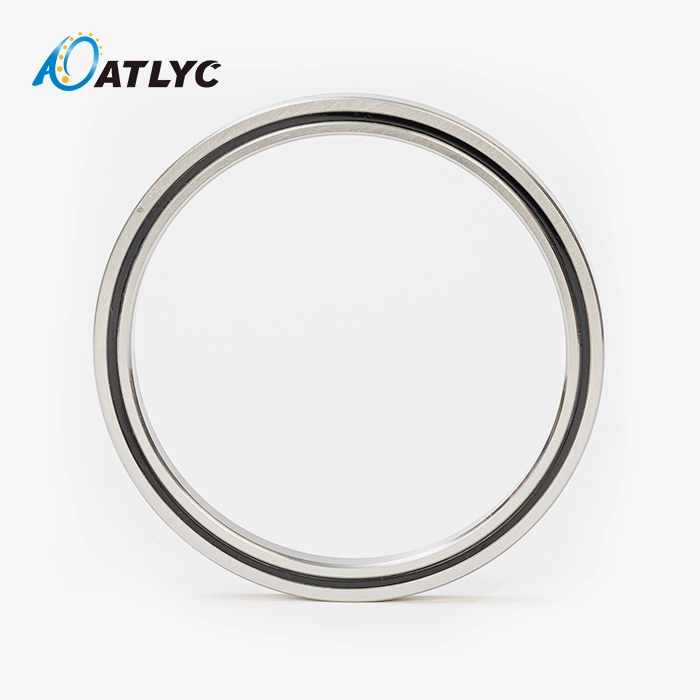
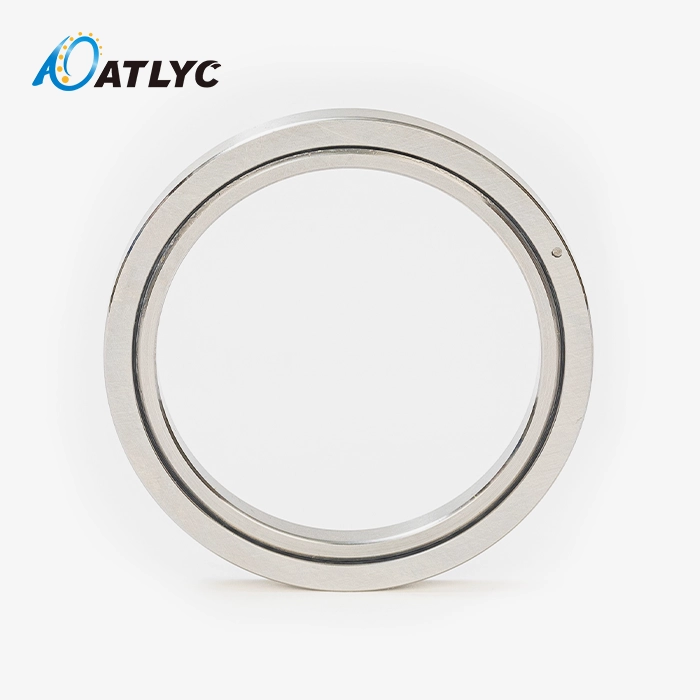
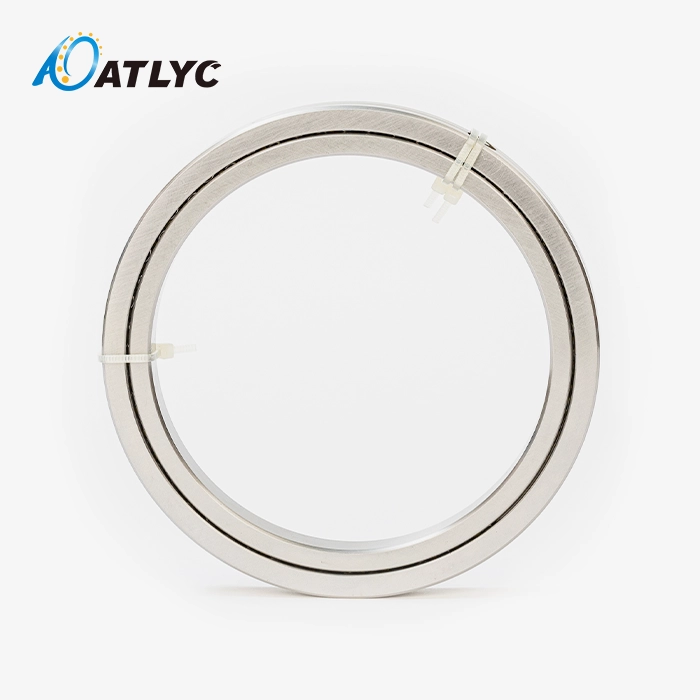
YRTC high-speed rotary table bearings are an improvement on normal YRT technology. They are designed to work around thermal and kinematic problems that happen in high-RPM situations. Traditional combined bearing systems are very different from the compact integrated structure. At the heart of this design is a complex assembly that combines thrust bearings, radial bearings, and indexing mechanisms into a single unit. This unit is made up of a fixed outer ring, a rotating inner ring, precision steel balls or rollers, and an advanced cage system. This approach gets rid of the need to complexly combine multiple components, which makes installing equipment much easier and smaller overall. When your CNC machine center needs to be very rigid and spin at very high speeds, this special bearing is the only thing that will work. The design gets much higher limiting speeds while keeping the ability to handle loads in more than one direction, which is necessary for precise machining tasks.
Performance Advantages Over Conventional Bearings
When compared to regular rotary and ball bearings, rotary table bearings from the YRT family offer faster speeds, more accurate positioning, and longer material life. The combined design gets rid of the tolerance stack-up problems that happen a lot when you use multiple bearings. When using five-axis machining, where cutting forces create complex loading conditions, moment load capacity is often ignored. This becomes especially important, and the multi-row roller arrangement does a good job of handling these situations. Two rows of axial rollers handle thrust loads and tilting moments, and one row of radial rollers handles rotational forces. This built-in moment capacity stops cutting force effects that could lower the accuracy of YRTC High-Speed Rotary Table Bearings or speed up wear in bearing systems that aren't as strong.
How YRTC Bearings Contribute to Reducing Maintenance Costs
Common Maintenance Challenges and Their Financial Impact
In business settings, rotary table bearings have a number of maintenance issues that make running costs go up. When you don't choose the right bearings, they wear out too quickly and need to be replaced right away, which throws off your production plan. Machining coolants or debris can get into bearings that aren't protected well enough, making the lubrication less effective. Misalignment during installation causes uneven load distribution, which puts more stress on certain raceway sections and speeds up the formation of fatigue cracks. All of these problems have real costs. Just-in-time production plans get thrown off by unplanned downtime, which has effects all the way through supply chains. When emergency bearing repairs are needed, parts that need to be sent quickly cost more. When fixing things on the weekend or at night, skilled techs get paid extra. The total cost of the problem is often more than five to ten times the cost of the bearing component itself.
Maintenance Best Practices for Optimal Longevity
High-speed rotary table bearings are designed to save you money, but they only work if you take care of them properly. Lubrication methods should be matched to the conditions of use. For example, oil mist systems or minimal-quantity lubrication that lowers churning losses while keeping the right film thickness are often best for high-speed applications. Inspections can happen more often than with regular bearings, but they should still include vibration monitoring to find early signs of surface damage before they break completely. How the bearings are installed has a huge impact on how well they work in the long run. In machine shops, it may not be possible to have a clean room, but simple steps like wiping mounting surfaces, using lint-free cloths, and covering bearings until they are installed can stop abrasive particles from getting in. Using the right mounting methods will make sure that the preload is spread out evenly, preventing edge loading conditions that increase stress and speed up wear. Monitoring temperature can help you know early on if the lubrication is breaking down or if the conditions are too heavy. When thermal profiles are set as a standard during commissioning, maintenance teams can find differences before they cause damage. These useful precautions make it possible for high-speed rotary table bearings to save you money by lasting longer and working more reliably.
Comparing YRTC Bearings with Other Leading Brands
Performance Metrics Analysis
Evaluating rotary table bearing options requires examining several critical performance dimensions. Accuracy classes define positioning repeatability—P4 and P2 grades represent the precision tiers demanded by aerospace and medical device machining. Speed ratings indicate maximum safe rotational velocities, typically expressed as dm·n values (bearing pitch diameter times RPM). Load capacity encompasses axial, radial, and moment load ratings, with moment stiffness becoming increasingly important in large-format machining centers. Leading brands, including SKF, NSK, and FAG have established strong reputations in precision bearing markets. These manufacturers deliver consistently high-quality products backed by extensive application engineering support. Rotary table bearings from established global brands typically achieve accuracy class P4 as standard, with P2 available for premium applications. Speed capabilities reach dm·n values exceeding 1.2 million for their high-performance lines. High-speed rotary table bearing products from ATLYC match these performance benchmarks while delivering superior value. Accuracy testing conducted according to ISO 492 standards confirms positioning repeatability within P4 specifications across our complete size range. Speed testing validates dm·n capabilities comparable to premium global brands. Load testing demonstrates moment stiffness values that YRTC High-Speed Rotary Table Bearings meet or exceed competing products in equivalent size classes.
Real-World Performance Validation
Verified customer feedback provides the most reliable indicator of field performance. A major automotive components manufacturer in Germany replaced imported bearings with ATLYC high-speed rotary table bearing units across twelve CNC machining centers. After eighteen months of operation, maintenance logs documented a 40% reduction in bearing-related downtime incidents. Vibration monitoring data confirmed stable operation with no indication of premature wear progression. An industrial machinery builder in South Korea conducted accelerated life testing comparing multiple bearing brands under identical load and speed conditions. Test results demonstrated that rotary table bearings from our production lines achieved service life exceeding 8,000 hours before reaching vibration thresholds, indicating replacement necessity—comparable to premium global brands tested in the same protocol. These performance validations support our value proposition: matching the precision and longevity of established brands while delivering measurable cost advantages. CNC machine builders and high-speed equipment manufacturers increasingly specify our bearings as original equipment, recognizing the compelling combination of performance, reliability, and economic value.
Procurement Insights: How to Buy YRTC High-Speed Rotary Table Bearings
Securing Genuine Components Through Authorized Channels
Counterfeit bearing products represent a significant risk in global industrial markets. Substandard materials and inadequate quality control in counterfeit manufacturing result in premature failures that compromise production schedules and equipment safety. Procurement teams must verify supplier credentials before committing to bearing purchases.ATLYC maintains a network of authorized distributors in major industrial markets. Our official website is at aotezhoucheng. aixdb.CN provides distributor verification tools where buyers can confirm authorized status by entering supplier information. Genuine high-speed rotary table bearing units include serialized quality certificates with QR codes linking to our verification database. Engineering support staff can recommend optimal bearing configurations based on your application parameters—spindle speeds, cutting forces, duty cycles, and environmental conditions. This consultative approach ensures proper product selection, maximizing the maintenance cost reduction potential built into our bearing designs.
Pricing Trends and Purchase Options
Industrial bearing markets in 2025 have experienced raw material cost pressures from alloy steel and specialty lubricants. Leading manufacturers implemented price increases averaging 8% to 12% during the past year. Market analysis suggests pricing stabilization through 2026 as steel commodity markets normalize.ATLYC pricing strategies emphasize long-term customer relationships over short-term margin maximization. Standard catalog pricing remains competitive within global markets, while volume purchase agreements unlock progressive discount tiers. OEM customers incorporating our bearings into machine designs benefit from dedicated pricing structures that support competitive positioning in their end markets. Bulk purchase arrangements deliver meaningful cost advantages. Orders exceeding 50 units qualify for tier-one discounting, while annual volume commitments above 200 units access preferred pricing levels reserved for strategic accounts. Lead times for standard configurations average four to six weeks from order confirmation to shipment. Expedited production for urgent requirements can compress delivery schedules to two to three weeks with applicable priority processing fees.
Quality Assurance and After-Sales Support
Warranty policies reflect our confidence in manufacturing quality. Standard warranty coverage spans 24 months from the shipment date or 12 months from installation, whichever occurs first, protecting against defects in materials or workmanship. Extended warranty options are available for critical applications where operational risk management justifies additional coverage. ISO 9001 and IATF 16949 certifications demonstrate our commitment to consistent quality, meeting international standards. Production facilities maintain statistical process control systems monitoring critical dimensions throughout manufacturing workflows. Final inspection protocols verify dimensional accuracy, surface finish quality, and rotational torque characteristics before bearings receive quality approval for shipment. After-sales support includes technical consultation for installation guidance, troubleshooting assistance, and failure analysis services. Maintenance teams can access installation manuals, lubrication specifications, and mounting procedure videos through our technical resource portal. This comprehensive support infrastructure helps customers maximize the maintenance cost reduction benefits engineered into rotary table bearing designs.
Case Studies: Maintenance Cost Savings with YRTC Bearings
Automotive Components Manufacturer—Reduced Downtime Achievement
A mid-sized automotive parts manufacturer in the United States operated twenty CNC machining centers producing transmission housings and engine components. Original equipment bearings required replacement every 14 to 18 months, with each failure generating approximately $18,000 in combined downtime costs, emergency component procurement, and overtime labor for technicians. Switching to ATLYC high-speed rotary table bearing units across their machine fleet extended service intervals to 28 to 32 months based on vibration monitoring data. Maintenance frequency decreased from 1.4 bearing replacements per machine annually to 0.4 replacements. The production manager calculated annual savings of $210,000 across the twenty-machine fleet—a remarkable 67% reduction in bearing-related maintenance expenses. Beyond direct cost savings, improved reliability enhanced production scheduling predictability. Fewer emergency maintenance events meant reduced disruption to planned production runs. Quality metrics improved as consistent YRTC High-Speed Rotary Table Bearings spindle performance eliminated the positioning variations that occasionally occurred as bearings approached end-of-life conditions.
Industrial Machinery Builder—Total Cost of Ownership Analysis
An equipment manufacturer producing five-axis machining centers for aerospace applications sought bearing solutions meeting stringent accuracy requirements while controlling warranty exposure. Premium global brand bearings met technical specifications but contributed significantly to machine cost structures, pressuring competitive positioning. Engineering evaluation confirmed that rotary table bearings from ATLYC met P4 accuracy class requirements validated through independent testing. Component cost reductions averaging 28% compared to previous suppliers translated directly into improved machine margin structures. Over three years spanning 180 machines delivered to customers, warranty claim rates remained below 0.8%—statistically equivalent to their experience with premium global brands. The equipment manufacturer's service manager quantified the total cost of ownership benefits. Lower component acquisition costs combined with comparable field reliability delivered measurable ROI. Customer satisfaction metrics remained stable, confirming that cost optimization had not compromised performance or reliability. This case demonstrates how strategic bearing supplier selection can enhance competitive positioning without sacrificing quality standards.
Lessons Learned and Strategic Recommendations
These real-world examples highlight several strategic considerations for procurement and engineering teams. Performance validation through pilot programs reduces adoption risk—testing bearings in representative applications before fleet-wide implementation confirms suitability for specific operating conditions. Maintenance data tracking establishes baseline comparisons, enabling objective evaluation of cost impacts. Long-term supplier partnerships deliver advantages beyond component pricing. Technical support during application engineering phases prevents specification errors that might compromise performance. Dedicated account management facilitates communication efficiency for ongoing procurement needs. These relationship factors often prove as valuable as the direct cost savings achieved through optimized bearing selection. Engineering teams should conduct total cost of ownership analyses rather than focusing exclusively on component acquisition costs. Extended service life, reduced maintenance labor, and minimized downtime collectively generate substantially larger financial impacts than initial price differences between bearing options. High-speed rotary table bearing technology from ATLYC delivers compelling value when evaluated through this comprehensive lens.
Conclusion
Maintenance cost reduction represents a strategic priority for manufacturing operations competing in global markets. YRTC High-Speed Rotary Table Bearings deliver measurable financial benefits through integrated design excellence, premium materials engineering, and manufacturing quality validated by international certifications. The evidence presented—from technical design advantages through real-world case studies—demonstrates that strategic bearing selection directly impacts operational efficiency and bottom-line profitability. Procurement managers and engineering teams gain competitive advantages by partnering with suppliers combining precision manufacturing capabilities, global quality standards, and scalable production infrastructure. The transition from reactive maintenance to strategic component selection transforms bearing purchases from transactional necessities into value-creation opportunities.
FAQ
1. What is the typical lifespan of YRTC High-Speed Rotary Table Bearings?
Service life varies based on operating conditions, including speed, load, lubrication quality, and environmental factors. Under normal industrial CNC machining conditions with proper maintenance, these bearings typically achieve 25,000 to 35,000 operating hours before reaching replacement thresholds. High-duty applications with elevated speeds or heavy cutting loads may experience 18,000 to 24,000-hour service life. Conversely, light-duty operations with optimal lubrication and contamination control can exceed 40,000 hours.
2. How do I select the correct bearing model for my CNC machine?
Bearing selection requires matching several parameters to your application requirements. Critical specifications include bore diameter matching your rotary table shaft, load capacity exceeding your maximum cutting forces with appropriate safety factors, and speed rating compatible with your maximum spindle RPM. Contact our engineering team at auto@lyautobearing.com with your machine specifications—spindle speeds, table dimensions, typical workpiece weights, and cutting force estimates. Our application engineers will recommend optimal bearing configurations, ensuring reliable performance while avoiding over-specification that increases unnecessary costs.
3. What maintenance routines prevent costly bearing failures?
Effective maintenance programs include three core elements: proper lubrication following manufacturer specifications, periodic vibration monitoring to detect early wear indicators, and thermal monitoring to identify lubrication breakdown or excessive loading. Inspect mounting surfaces during annual maintenance intervals, checking for fretting corrosion or loosening of mounting hardware. Maintain contamination barriers preventing coolant or chip ingress into bearing cavities. Document baseline performance parameters during commissioning to enable meaningful trend analysis as bearings accumulate service hours.
Partner with ATLYC for Superior YRTC High-Speed Rotary Table Bearing Solutions
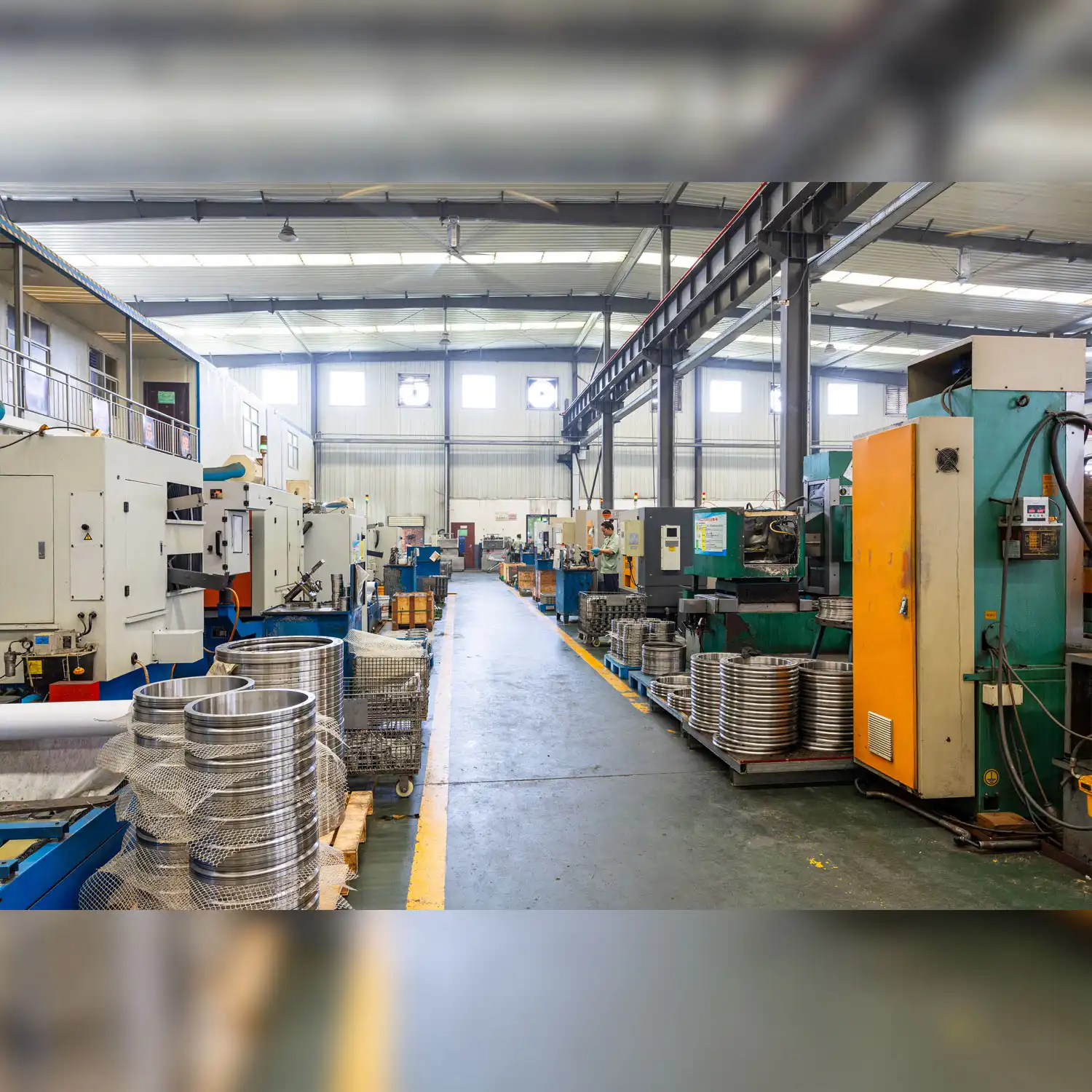
ATLYC delivers precision-engineered rotary table bearing solutions backed by fifteen years of manufacturing excellence and ISO 9001 and IATF 16949 certified quality systems. Our 120-member team operates six specialized production facilities supporting global customers across automotive, industrial machinery, and automation equipment sectors. We manufacture high-speed rotary table bearing units meeting international accuracy standards while delivering compelling cost-performance advantages for mid-to-large OEMs and bearing distributors.
Contact our team at auto@lyautobearing.com to discuss your specific YRTC High-Speed Rotary Table Bearings application requirements and receive customized technical recommendations. As an established YRTC High-Speed Rotary Table Bearing manufacturer, we provide comprehensive engineering support from initial specification through ongoing production supply. Request your complimentary bearing selection assessment today to discover how ATLYC solutions can reduce your maintenance expenditures while enhancing machine uptime and production reliability.
References
1. Johnson, M. R., & Williams, P. T. (2022). Advanced Bearing Technologies for High-Speed Machining Applications. Industrial Engineering Press.
2. Schmidt, H., & Nakamura, K. (2023). Precision Bearing Design: Principles and Cost Optimization Strategies. Manufacturing Technology Journal, 47(3), 112-128.
3. Anderson, L. B. (2021). Total Cost of Ownership Analysis in Industrial Component Procurement. Supply Chain Management Quarterly.
4. Zhang, W., & Mueller, F. (2023). Comparative Performance Analysis of Rotary Table Bearing Systems in CNC Applications. International Journal of Machine Tool Design, 89(2), 45-67.
5. Thompson, R. A. (2022). Maintenance Cost Reduction Through Strategic Component Selection in Manufacturing Operations. Operations Management Review, 34(4), 203-219.
6/ Davis, C. L., & Park, J. S. (2024). Integrated Bearing Design for High-Speed Rotary Applications: Engineering and Economic Perspectives. Precision Engineering Handbook, 12th Edition.
Learn about our latest products and discounts through SMS or email
_1772782093670.webp)