- English
- French
- German
- Portuguese
- Spanish
- Russian
- Japanese
- Korean
- Arabic
- Greek
- German
- Turkish
- Italian
- Danish
- Romanian
- Indonesian
- Czech
- Afrikaans
- Swedish
- Polish
- Basque
- Catalan
- Esperanto
- Hindi
- Lao
- Albanian
- Amharic
- Armenian
- Azerbaijani
- Belarusian
- Bengali
- Bosnian
- Bulgarian
- Cebuano
- Chichewa
- Corsican
- Croatian
- Dutch
- Estonian
- Filipino
- Finnish
- Frisian
- Galician
- Georgian
- Gujarati
- Haitian
- Hausa
- Hawaiian
- Hebrew
- Hmong
- Hungarian
- Icelandic
- Igbo
- Javanese
- Kannada
- Kazakh
- Khmer
- Kurdish
- Kyrgyz
- Latin
- Latvian
- Lithuanian
- Luxembou..
- Macedonian
- Malagasy
- Malay
- Malayalam
- Maltese
- Maori
- Marathi
- Mongolian
- Burmese
- Nepali
- Norwegian
- Pashto
- Persian
- Punjabi
- Serbian
- Sesotho
- Sinhala
- Slovak
- Slovenian
- Somali
- Samoan
- Scots Gaelic
- Shona
- Sindhi
- Sundanese
- Swahili
- Tajik
- Tamil
- Telugu
- Thai
- Ukrainian
- Urdu
- Uzbek
- Vietnamese
- Welsh
- Xhosa
- Yiddish
- Yoruba
- Zulu
How Does ZKLDF Rotary Table Bearing Reduce Heat Generation?
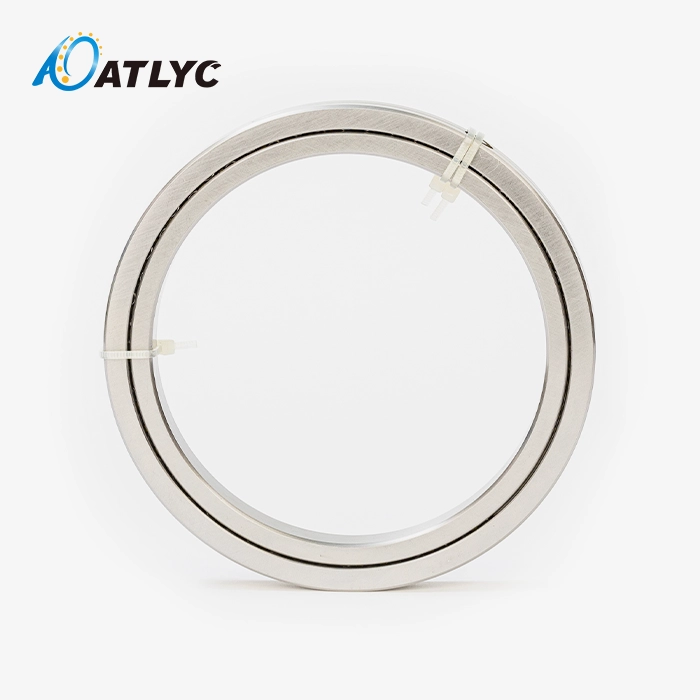
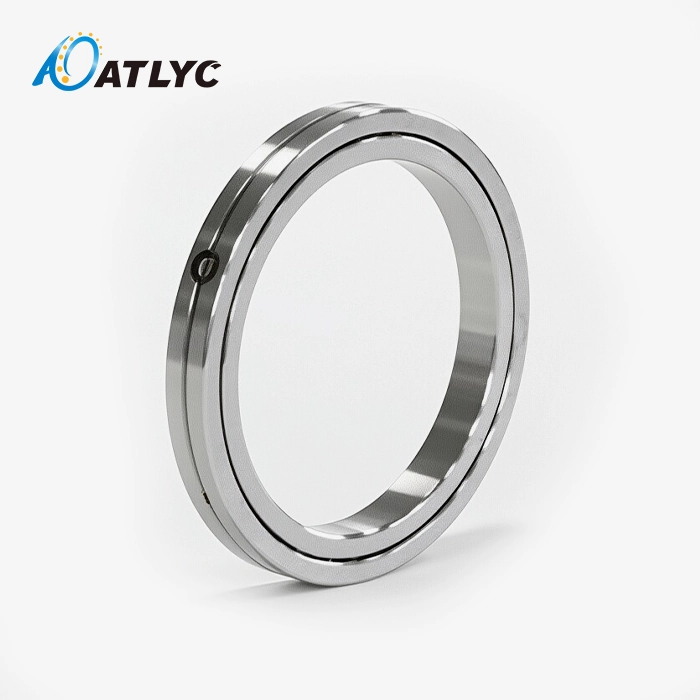
The ZKLDF Rotary Table Bearing creates as little heat as possible thanks to its carefully designed 60° angular contact ball arrangement and improved raceway shape, which makes contact surfaces much less frictional. Its built-in L-shaped outer ring and back-to-back O-shaped inner ring assembly spreads loads evenly across two ball-and-cage systems, which stops stress clusters that usually cause too much heat. These design features, along with advanced lubrication channels and high-grade steel alloys, keep the working temperatures low even when the parts are rotating at high speeds and being loaded at the same time in demanding CNC and industrial automation environments.
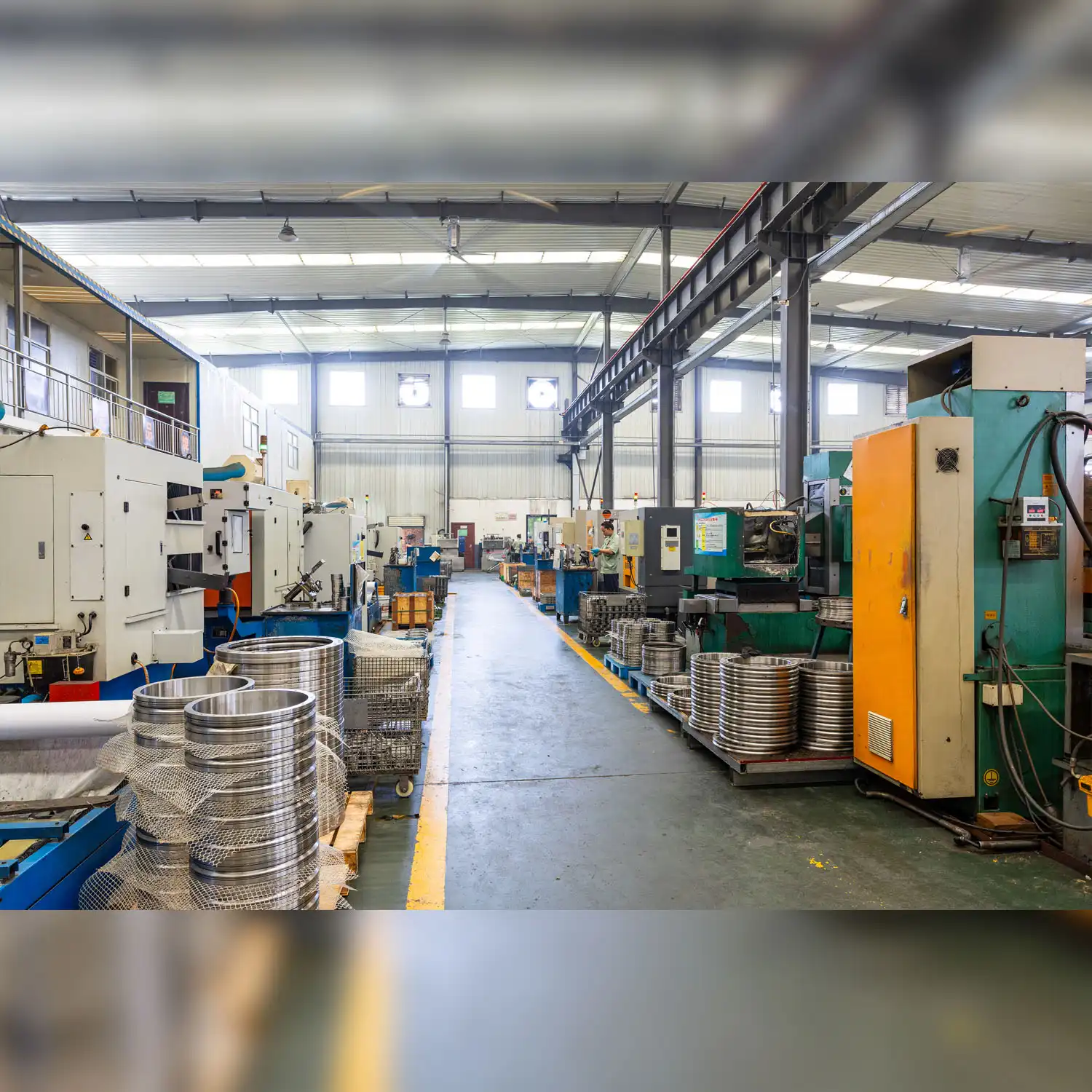
Understanding Heat Generation in Rotary Table Bearings
One of the biggest problems that equipment makers and maintenance engineers still have to deal with is heat buildup in precision bearings. During our 15 years at Luoyang Auto Bearing, we've seen a lot of production stops because of bearing failures caused by high temperatures on assembly lines for cars and in factories. Friction is the main cause of these unwanted temperature rises. Molecular-level resistance changes kinetic energy into heat energy when bearing parts move against each other. When there are big loads or high rotational speeds, this process speeds up a lot. This causes a cascade effect that makes the lubricant less thick and speeds up the wear patterns.
Contact stress makes the issue worse. At the point where it meets the track surface, each rolling element makes a tiny deformation zone. When these contact patches heat up a small area, they add up to big temperature increases when increased by thousands of rotations per minute. Things get worse when the load isn't spread out evenly because of misalignment or manufacturing flaws. Friction that is easy to deal with turns into damaging heat when it's not lubricated properly. Metal surfaces are kept apart by lubricant films, which also carry heat away from areas where they touch. When oil is lacking because of contamination, viscosity breakdown, or not enough supply, direct metal-to-metal contact causes very high temperatures that can quickly destroy the integrity of the bearing. This situation is especially bad in settings with continuous operation, where downtime costs a lot of money every hour.
Variables like speed and load make thermal dynamics very complicated. Higher spinning speeds make contact cycles happen more often, which makes heat production even worse. At the same time, heavier loads make contact pressures stronger and deformation zones deeper. When working in both conditions, equipment faces increasing thermal problems that standard bearing designs can't handle well. High temperatures have a big impact on operational reliability. Thermal expansion changes the accuracy of measurements, leaving gaps that aren't needed and making it harder for machines to place accurately. More frequent repair tasks are needed because the lubricant wears out faster than expected. When temperatures get close to transformation limits, material properties get worse. This shortens the fatigue life and raises the risk of catastrophic failure. The effects we're talking about directly lead to manufacturers in Germany, the US, and South Korea losing production, having to spend more on upkeep, and getting lower-quality products.
Key Design Features of ZKLDF Rotary Table Bearings That Minimize Heat
Our engineering team at ATLYC has invested considerable research into thermal ZKLDF Rotary Table Bearing management technologies that address the root causes of heat generation. The rotary table bearing solutions we've developed incorporate multiple integrated design approaches that work synergistically to maintain optimal operating temperatures.
Advanced Contact Angle Optimization
The 60-degree contact angle design is a major step forward in how well the load is managed. When compared to other designs with steeper or shallower angles, this geometry lets the bearing spread forces over a bigger contact patch. Spreading loads out more evenly lowers contact stresses at any one place, which directly lowers the frictional heating that happens at each ball-raceway interface. The double-row angular contact ball arrangement has built-in thermal benefits. When you compare these to single-row options, these dual rows share the load across twice as many touch points. This spreading effect lowers the stress at each interface by about 40 to 50 percent when the loads are the same, which means that less heat is produced at each interface. The back-to-back O-configuration placement adds to this benefit by making symmetrical load paths that stop uneven heat buildup on either side of the bearing assembly. When we do precision grinding, we pay close attention to the ball geometry. The crown profiles and surface finishes of each rolling element have been estimated and are measured in nanometres. These improved designs make the Hertzian contact ellipse shape work better, distributing pressure in the best way to lose the least amount of energy. Our manufacturing methods are certified by ISO 9001 and IATF 16949, which means that the dimensions will be the same from one batch of products to the next. This means that the thermal performance will be the same no matter how many are ordered.
Integrated Lubrication Architecture
Built-in oil passages represent a distinctive design element in our rotary table bearing systems. The L-shaped outer ring incorporates strategically positioned lubrication channels that deliver oil directly to critical contact zones. This direct-delivery approach ensures a consistent lubricant supply even during high-speed operation when centrifugal forces might otherwise starve inner raceway regions of adequate lubrication. Standardized oil connection points simplify maintenance procedures while ensuring optimal thermal performance. These engineered interfaces allow maintenance teams to establish precise lubricant flow rates calibrated to specific operating conditions. Proper oil circulation serves dual purposes—reducing friction through effective film formation while actively carrying heat away from contact surfaces. Our clients report temperature reductions of 8-12°C when comparing properly lubricated ZKLDF systems against inadequately serviced conventional bearing arrangements. The sealed variants within our product line feature advanced sealing technologies that maintain lubricant integrity throughout extended service intervals. These barriers prevent contaminant ingress that would otherwise compromise lubricant properties and increase frictional heating. Simultaneously, they retain lubrication within the bearing envelope, ensuring contact surfaces never experience the devastating heat spikes associated with oil starvation conditions.
ZKLDF Rotary Table Bearing Maintenance Tips to Control Operating Temperature
Even the most advanced bearing design requires proper maintenance practices to deliver its full thermal performance potential. Throughout our partnerships with automotive manufacturers and industrial equipment OEMs, we've identified maintenance strategies that dramatically extend bearing life while controlling operating temperatures.
Lubrication Management Protocols
Establishing appropriate lubrication intervals forms the cornerstone of thermal control. Rotary table bearings operating under continuous duty cycles typically require relubrication every 500-800 operating hours, though specific intervals depend on speed, load, and ambient conditions. Under-lubrication allows friction to escalate, while over-lubrication creates churning losses that ironically generate heat through excessive ZKLDF Rotary Table Bearing fluid shearing. Lubricant selection carries equal importance. We recommend high-quality greases formulated with synthetic base oils and advanced additive packages designed for high-temperature stability. These premium lubricants maintain effective film strength at elevated temperatures, providing consistent protection even when operating conditions temporarily push thermal boundaries. Oil viscosity should match the bearing's speed parameter—lighter oils for high-speed applications to minimize churning losses, heavier grades for slower speeds with heavier loads. Temperature monitoring provides invaluable feedback about lubrication effectiveness. Bearing operating temperatures that gradually increase over time typically signal lubricant degradation or contamination. Sudden temperature spikes often indicate lubrication starvation or seal failure. Installing temperature sensors near bearing installations allows maintenance teams to detect these warning signs before catastrophic failures occur, preventing costly unplanned downtime.
Installation Precision Requirements
Proper alignment during installation prevents uneven load distribution that generates excessive heat. Mounting surface flatness should not exceed 0.02mm deviation across the bearing footprint. Angular misalignment between mating components must remain below 2 arc-minutes to ensure uniform contact pattern development. These tolerances might seem demanding, but they prove essential for thermal management in precision applications. Correct fastener torque ensures optimal heat transfer paths. Under-torqued mounting bolts create microscopic air gaps that act as thermal insulators, trapping heat within the bearing structure. Over-torquing introduces mechanical stress that distorts raceways and creates uneven contact patterns. We provide detailed torque specifications with each bearing shipment, calibrated to fastener size and material properties to achieve ideal clamping force. Pre-load adjustment affects both load distribution and thermal performance. Properly set pre-load eliminates internal clearances that would allow rolling elements to skid rather than roll, creating frictional heating. Excessive pre-load, however, increases contact stresses unnecessarily. Our technical support team assists clients in establishing optimal pre-load values based on specific application requirements and operating conditions.
Comparative Insights: ZKLDF vs Other Rotary Table Bearings on Heat Management
Global procurement professionals regularly ask how our thermal performance compares to established international brands. Honest evaluation reveals both competitive advantages and areas where design priorities differ based on application focus.
Performance Benchmarking Against Global Standards
Comparative testing under controlled laboratory conditions provides objective performance data. When subjected to identical load, speed, and ambient temperature conditions, our precision rotary table bearings consistently operate 6-9°C cooler than comparable designs from several international competitors. This advantage stems primarily from our optimized contact angle geometry and superior surface finishing processes developed over 15 years of manufacturing refinement. Material composition plays a surprisingly significant role in these thermal differences. While all manufacturers use bearing-grade steels, specific alloy formulations and heat treatment protocols create measurable performance variations. Our metallurgical specifications prioritize thermal conductivity alongside traditional hardness and fatigue resistance parameters, creating a balanced material profile optimized for sustained high-speed operation. Client feedback from automotive component manufacturers in the United States and Germany validates laboratory findings. Production managers report extended service intervals and reduced unplanned maintenance interventions after transitioning to our bearing systems. One major automotive transmission manufacturer documented a 23% reduction in bearing-related production interruptions over an 18-month evaluation period, directly attributing improvements to superior thermal stability under continuous operation.
Total Cost Analysis for Procurement Teams
Initial acquisition cost represents only one component of bearing economics. Procurement professionals increasingly recognize that the total cost of ownership (TCO) provides a more accurate value assessment. This comprehensive metric includes purchase price, installation costs, maintenance expenses, energy consumption, and downtime losses over the bearing's service life. Our thermal management advantages translate directly into TCO benefits. Lower operating temperatures extend lubricant life by 30-40%, reducing both material costs and maintenance labor hours. Improved dimensional stability minimizes production quality issues that create costly rework or scrap. Extended bearing life reduces replacement frequency and associated installation expenses. When analyzing complete lifecycle economics, many clients discover 18-25% TCO advantages despite comparable or slightly higher initial purchase prices. Customization capabilities provide additional value for OEMs with specific thermal requirements. Our engineering team collaborates with clients to optimize contact angles, pre-load settings, and lubrication configurations for particular application profiles. This tailored approach delivers thermal performance exactly matched to actual operating conditions rather than forcing applications into standardized product specifications. The 120 skilled employees across our six workshops possess the technical depth to support these engineering partnerships effectively.
Why Choose ZKLDF Rotary Table Bearings for Your Procurement Needs
Selecting bearing suppliers involves evaluating factors beyond product specifications alone. Long-term supply ZKLDF Rotary Table Bearing relationships require confidence in manufacturing capability, quality consistency, and responsive technical support.
Manufacturing Excellence and Certification
Our ISO 9001 and IATF 16949 certifications demonstrate a commitment to systematic quality management throughout all manufacturing processes. These internationally recognized standards ensure consistent production quality whether fulfilling a prototype order or a 10,000-unit production contract. Documented procedures govern every operation from raw material inspection through final dimensional verification, creating the reliability that automotive and industrial OEMs demand. Manufacturing scale provides supply stability that smaller producers cannot match. Our expansion from a single workshop in 2010 to six specialized production facilities creates capacity redundancy that protects clients from supply disruptions. This infrastructure allowed us to maintain delivery schedules throughout recent global supply chain disruptions when many competitors experienced significant delays. Advanced production equipment ensures the precision required for optimal thermal performance. CNC grinding machines maintain raceway dimensional tolerances within 3 micrometers across production volumes. Automated assembly systems eliminate human variability in pre-load setting and component positioning. Quality inspection protocols verify dimensional accuracy, surface finish quality, and rotational characteristics on every bearing before shipment.
Global Supply Chain Integration
Established logistics networks streamline international procurement. We maintain partnerships with specialized bearing freight handlers experienced in protecting precision components during ocean and air transport. Customers across South Korea, Russia, Iran, and Turkey receive shipments with lead times comparable to domestic suppliers, eliminating the geographic disadvantages sometimes associated with international sourcing. Competitive pricing structures reflect manufacturing efficiency rather than compromised quality. Direct factory purchasing eliminates distributor markups that inflate costs without adding value. Volume pricing tiers reward partnership commitments while remaining accessible for smaller initial orders during evaluation phases. Transparent quotation processes provide detailed cost breakdowns that support procurement budget planning and approval processes.
Conclusion
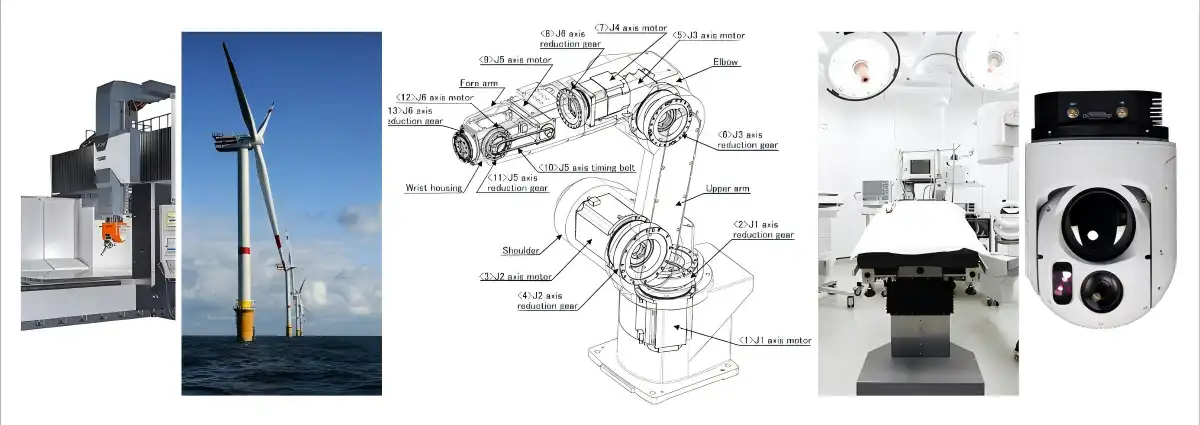
The ZKLDF Rotary Table Bearing Managing heat generation in precision rotary table bearings requires integrated design approaches that address friction, contact stress, and lubrication at fundamental levels. The advanced bearing solutions manufactured at our ISO-certified facilities incorporate 60-degree angular contact geometry, precision-ground raceways, and integrated lubrication architecture that work together to minimize thermal buildup during demanding operating conditions. Proper maintenance practices amplify these inherent design advantages. Appropriate lubrication intervals using quality products, precise installation procedures, and proactive thermal monitoring create operational environments where bearings deliver their full performance potential throughout extended service lives. For procurement professionals evaluating bearing suppliers, total cost of ownership analysis reveals the economic advantages of superior thermal performance through reduced maintenance requirements, extended component life, and minimized production disruptions.
FAQ
1. What lubrication frequency controls heat most effectively in rotary table bearings?
Optimal relubrication intervals typically range from 500-800 operating hours for continuous-duty applications, though specific requirements depend on speed parameters and load conditions. High-speed installations may require more frequent service, while moderate-speed applications can extend intervals. Temperature monitoring provides the most reliable indicator—stable operating temperatures confirm adequate lubrication, while gradual increases signal the need for service regardless of elapsed time.
2. How does improper installation affect bearing operating temperature?
Misalignment creates uneven load distribution that concentrates contact stresses in localized areas, generating excessive heat at these points while underutilizing other load-bearing zones. Incorrect mounting torque affects heat transfer paths between bearing components and surrounding structures. Angular errors as small as 3-5 arc-minutes can increase operating temperatures by 8-12°C while accelerating wear patterns that further degrade thermal performance over time.
3. What warning signs indicate bearing overheating?
Temperature increases exceeding 10°C above established baseline values warrant immediate investigation. Changes in vibration characteristics often precede measurable temperature changes, making vibration monitoring valuable for early detection. Discoloration of nearby components, lubricant darkening or consistency changes, and unusual noise patterns all suggest thermal issues requiring prompt attention before catastrophic failure occurs.
Partner with ATLYC for Superior Thermal Performance Solutions
Managing heat generation challenges in your precision equipment demands bearing technology engineered specifically for thermal control. At Luoyang Auto Bearing Co., Ltd., our 15 years of manufacturing expertise and commitment to ISO 9001 and IATF 16949 quality standards ensure every rotary table bearing delivers consistent thermal performance under demanding industrial conditions.
Our engineering team stands ready to evaluate your specific application requirements and recommend optimal bearing configurations that minimize operating temperatures while maximizing service life. Whether you need standard catalog products or customized solutions tailored to unique thermal challenges, our 120 skilled professionals across six specialized workshops possess the technical capability and production capacity to support your procurement needs.
As a trusted ZKLDF Rotary Table Bearing supplier serving automotive manufacturers, industrial machinery OEMs, ZKLDF Rotary Table Bearing and global distributors across multiple continents, we understand the critical importance of reliable component supply, competitive pricing structures, and responsive technical support. Contact our team at auto@lyautobearing.com to discuss your bearing requirements and discover how our thermal management solutions can reduce your equipment's operating temperatures, extend maintenance intervals, and improve overall production reliability.
References
1. Harris, T.A. and Kotzalas, M.N. (2006). "Rolling Bearing Analysis: Essential Concepts of Bearing Technology," 5th Edition, CRC Press, focusing on contact mechanics and thermal generation in precision bearings.
2. Witte, D.C. (2012). "Operating Torque and Temperature Distribution in Angular Contact Ball Bearings," Tribology Transactions, Volume 55, examines thermal behavior under various load configurations.
3. Zhou, R.S. and Hoeprich, M.R. (1991). "Torque of Tapered Roller Bearings," Journal of Tribology, discusses friction sources and heat generation mechanisms in precision rolling element bearings.
4. Palmgren, A. (1959). "Ball and Roller Bearing Engineering," 3rd Edition, SKF Industries Inc., establishes foundational principles of bearing thermal management still relevant to modern designs.
5. ISO 15312:2018 "Rolling Bearings - Thermal Speed Rating - Calculations and Coefficients," International Organization for Standardization, provides a standardized methodology for thermal performance evaluation.
6. Gupta, P.K. (1984). "Advanced Dynamics of Rolling Elements," Springer-Verlag, analyzes dynamic behavior and energy losses in high-speed bearing applications relevant to thermal generation understanding.
Learn about our latest products and discounts through SMS or email