- English
- French
- German
- Portuguese
- Spanish
- Russian
- Japanese
- Korean
- Arabic
- Greek
- German
- Turkish
- Italian
- Danish
- Romanian
- Indonesian
- Czech
- Afrikaans
- Swedish
- Polish
- Basque
- Catalan
- Esperanto
- Hindi
- Lao
- Albanian
- Amharic
- Armenian
- Azerbaijani
- Belarusian
- Bengali
- Bosnian
- Bulgarian
- Cebuano
- Chichewa
- Corsican
- Croatian
- Dutch
- Estonian
- Filipino
- Finnish
- Frisian
- Galician
- Georgian
- Gujarati
- Haitian
- Hausa
- Hawaiian
- Hebrew
- Hmong
- Hungarian
- Icelandic
- Igbo
- Javanese
- Kannada
- Kazakh
- Khmer
- Kurdish
- Kyrgyz
- Latin
- Latvian
- Lithuanian
- Luxembou..
- Macedonian
- Malagasy
- Malay
- Malayalam
- Maltese
- Maori
- Marathi
- Mongolian
- Burmese
- Nepali
- Norwegian
- Pashto
- Persian
- Punjabi
- Serbian
- Sesotho
- Sinhala
- Slovak
- Slovenian
- Somali
- Samoan
- Scots Gaelic
- Shona
- Sindhi
- Sundanese
- Swahili
- Tajik
- Tamil
- Telugu
- Thai
- Ukrainian
- Urdu
- Uzbek
- Vietnamese
- Welsh
- Xhosa
- Yiddish
- Yoruba
- Zulu
How to Select RA Series Crossed Roller Bearings?
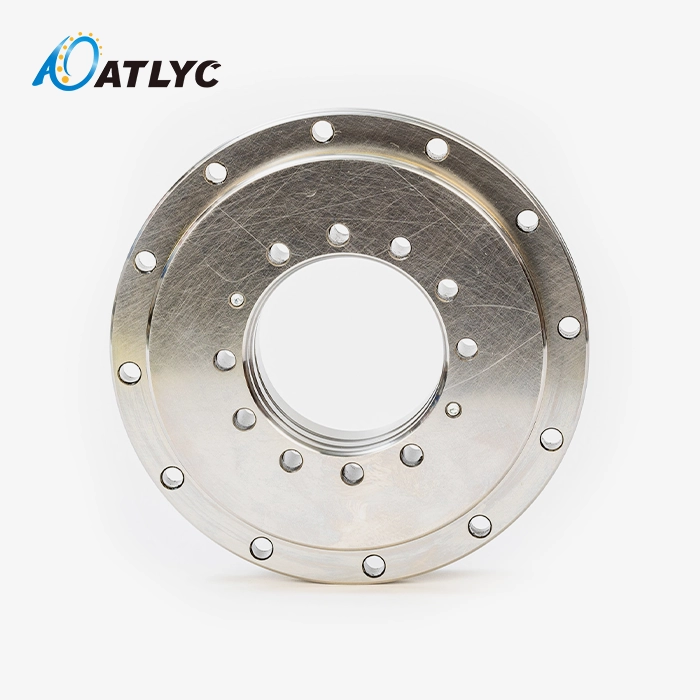
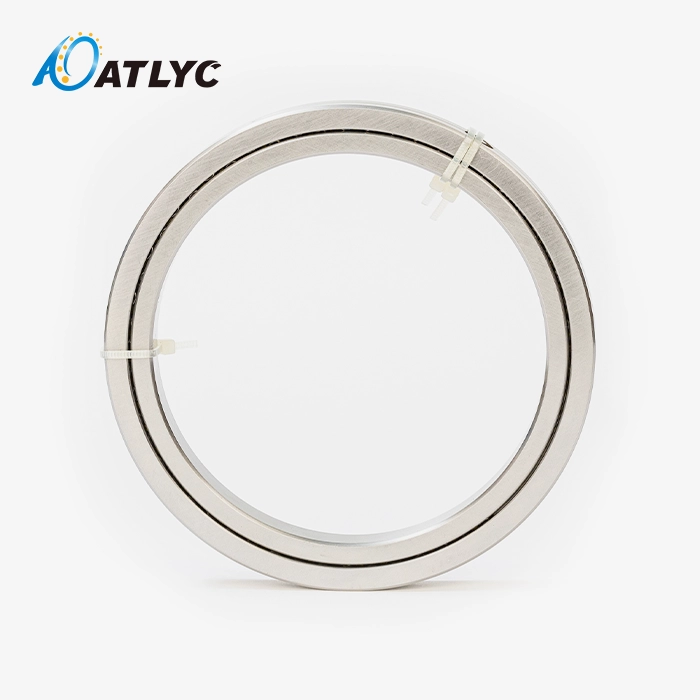
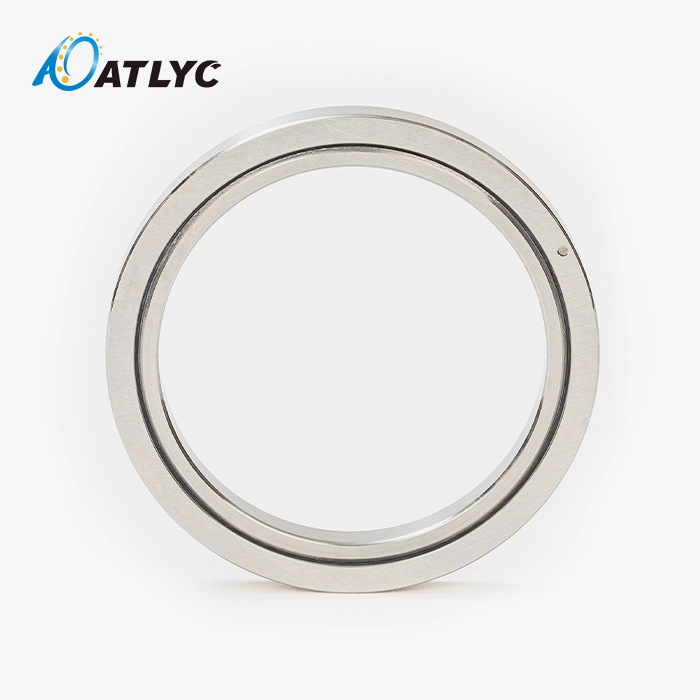
It's not enough to just match the dimensions of the RA Series Crossed Roller Bearing, the crossed roller bearing you want to use in precision machinery; you also need to know how the design, material, and practical needs come together to ensure reliable performance. The RA Series Crossed Roller Bearing is the best choice for uses that need the most rigidity in the smallest amount of space. This bearing has an outer ring that can be separated and an inner ring that can rotate. It does this by using cylindrical wheels that are positioned at right angles to each other at 90° angles to handle radial, axial, and moment loads at the same time. When purchasing these bearings for industrial robots, rotary tables, or measuring tools, procurement teams must look at load capacities, accuracy grades, environmental compatibility, and seller credentials to make sure the bearings work well with other parts and last a long time.
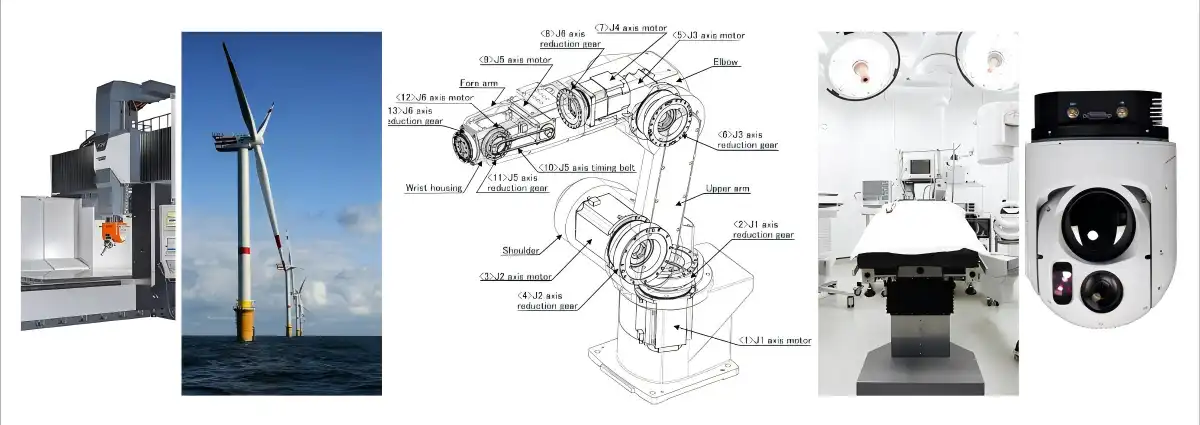
Understanding RA Series Crossed Roller Bearings
Design, Architecture, and Engineering Principles
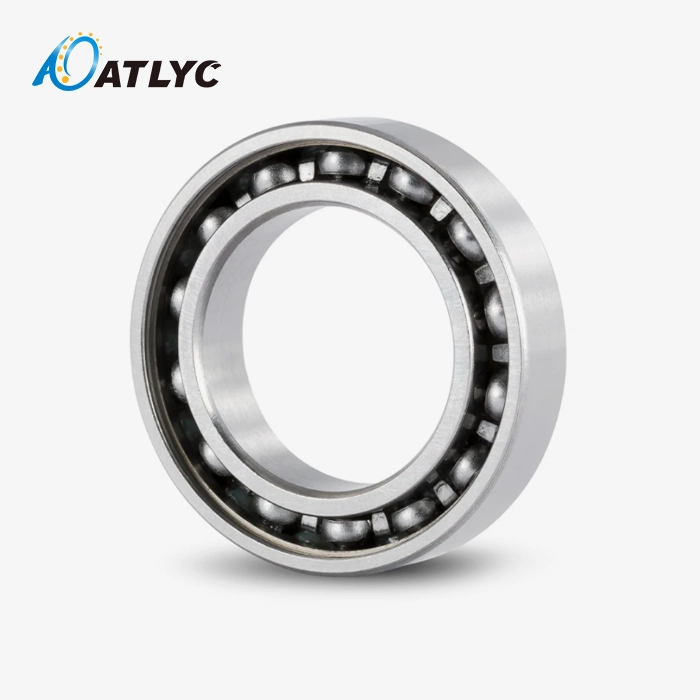
The physics behind crossed roller bearings solves one of the most important problems in industrial automation: how to get huge load capacities without taking up too much space on the machine? The RA Series uses cylinder-shaped rollers that are placed perpendicular to each other and divided by precision spacers along the V-groove surfaces of the raceways. This crossed layout spreads contact points out evenly across the bearing, so you don't need multiple bearing kits. What makes this series different from other types of bearings is the separate outer ring structure and the integrated inner ring. This style makes the installation process a lot easier. Maintenance teams can install or change the bearing without taking apart nearby parts. This cuts down on downtime during regular maintenance. With thin-wall construction, the cross-sectional dimensions take up very little room while the structure stays strong even when heavy loads are applied.
Technical Specifications and Dimensional Ranges
Knowing the range of sizes that are available helps people who buy things match bearings to the needs of particular machines. The RA Series has inner sizes ranging from 20mm to 350mm, outer diameters ranging from 70mm to 540mm, and widths ranging from 12mm to 45mm. This wide range of sizes can be used for a lot of different things, from small robotic joints to big rotary turning tables used in machining centers. The type of material used directly affects how well the bearing works and how long it lasts. The RA Series uses Gcr15 and Gcr15SiMn bearing steels, which are both known for being very hard, resistant to wear, and stable in size even when heated and cooled many times. These materials go through precise heat treatment methods that improve their microstructure so they work the same way across all temperature ranges.
Performance Advantages in Industrial Applications
The crossed roller arrangement has measured benefits that directly lead to better machine performance. The high rotational load capacity comes from the perpendicular roller contact pattern, which spreads forces over a larger contact area. Axial load resistance works in both directions, so the bearing can stop movement in both directions without the need for extra thrust bearings. The ability to handle moment loads is especially useful in cantilevered applications where tilting forces act on the rotating axes. Runout accuracy is another important performance factor. The RA Series has great concentricity thanks to its precisely ground raceway surfaces and controlled wheel spacing. This level of accuracy means that motion patterns are smoother, vibrations are lower, and positioning RA Series Crossed Roller Bearing repeatability is better in CNC machines and coordinate measuring machines. Because the crossed roller design has a low friction coefficient, it uses less energy and produces less heat during operation than other kinds of bearing setups.
Evaluating RA Series Crossed Roller Bearings Against Alternatives
Comparison with Traditional Roller and Ball Bearings
To handle combined loads, traditional cylindrical roller bearings usually need two different setups, one for radial forces and one for axial thrust. The RA Series combines these tasks into a single unit, which makes assembly easier and lowers the total amount of tolerance for size. This integration makes machine design easier and increases total rigidity. Ball bearings can handle moderate loads, but they can't match the load density that crossed roller configurations can achieve. When cylindrical rollers make line contact, they can carry a lot more weight per unit of bearing area than when ball elements make point contact. This benefit stands out even more in situations with strong cutting forces or spinning masses with a high moment of inertia.
Distinguishing Features Compared to Other Crossed Roller Types
Different types of crossed roller bearings are available to meet the needs of different applications. The RE Series is good for situations where the outer ring should rotate. It has a combined outer ring and a separate inner ring. With its separate outer ring and built-in inner ring, the RA Series is the best choice for setups that need the inner ring to rotate. This difference in structure affects how the bearings are mounted, how the load is distributed, and how easy it is to do maintenance. The KR Series crossed roller bearings have mounting holes built right into the rings, but the RA Series is smaller because it doesn't have any built-in mounting features. This choice in design lowers the cross-sectional height, which makes the RA Series perfect for applications with limited room, like robotic wrist joints and small rotary actuators.
Core Selection Criteria for RA Series Crossed Roller Bearings
Load Capacity Assessment and Calculation
A correct load study is the first step in choosing the right bearings. There are three different types of loads that engineers have to figure out how to measure: axial forces that run parallel to the shaft, radial forces that try to turn the shaft, and moment loads that try to move the shaft. The crossed roller bearing can handle all three at the same time, but each one has to stay within certain limits. To figure out the corresponding dynamic load, you have to add up these forces using standard formulas that take into account how the load is spread across the roller complement. Specifications for purchases should include both static and dynamic load standards. Static capacity tells you how well a bearing will resist permanent deformation under peak loads, while dynamic capacity tells you how long it will last under cyclic loading conditions. Accurate life expectancy predictions can be made by knowing the application's duty cycle, which includes the load amounts, rotational speeds, and working times.
Precision Grade Requirements
Accuracy grades have a direct effect on how well and how much a machine works. The RA Series comes in a number of different precision classes, including P6, P0, P5, and P4. P4 is the best standard accuracy. Applications that need placement accuracy down to the micron level, like making semiconductors and using precise measuring tools, usually ask for P5 or P4 grades. P0 or P6 precision is usually good enough for most industrial machinery and standard robotic uses. Higher precision grades cost more but have real operational benefits. Less runout makes the surface finish better during machining, makes it easier for assembly robots to repeat their positions, and extends the life of parts by reducing wear caused by shaking. To balance the need for precision with the need to stick to a budget, you need to know how bearing accuracy directly affects the quality of the end product.
Environmental and Operational Considerations
The operating climate has a big effect on the choice of bearing material and the sealing needs. Extreme temperatures change the gaps between bearings and the viscosity of lubricants. When there are changes in temperature, it's important to pay close attention to how the bearing parts and housing materials expand and contract differently. The RA Series uses Gcr15 and Gcr15SiMn materials, which stay the same size across normal industrial temperature ranges. However, extreme conditions may require special heat treatment or different materials. Another important thing to think about is contamination. To protect precision surfaces in places where there is dust, water, or chemical exposure, better sealing options are needed. Even though the crossed roller design of the RA Series protects it naturally, extra covers or external sealing arrangements may be needed in harsh environments. Whether grease or oil is used for lubrication relies on the speed of rotation, the type of load, and how easy it is to do maintenance.
Supplier Qualification and Certification Verification
Working with qualified bearing makers ensures that the supply of RA Series Crossed Roller Bearing chain is stable and that the products are reliable. The ISO 9001 certification shows that quality management is done in a planned way, and the IATF 16949 standard talks about the needs of the car industry to stop defects and lower variations. These certifications show that the manufacturing process uses statistical process control, traceability systems, and methods for continuous growth. Checking a supplier's production capacity is another way to make sure that deliveries are always on time. If a factory has more than one production line and enough extra inventory, it can handle changing demand without affecting wait times. Another important factor is the ability to provide technical support. Suppliers who give application engineering help, custom modification services, and responsive after-sales support add a lot of value beyond the physical product.
Procurement Strategies for RA Series Crossed Roller Bearings
Identifying Qualified Suppliers and Distribution Channels
Effective procurement begins with supplier identification and vetting. Globally recognized bearing manufacturers maintain extensive distribution networks, but direct engagement with manufacturing sources often provides cost advantages and customization flexibility. When sourcing crossed roller bearings for OEM applications or aftermarket replacement, verifying supplier credentials through reference checks and facility audits reduces supply chain risks. Distribution partners offering value-added services—such as inventory management programs, technical consultation, and expedited logistics—can streamline procurement operations. Authorized distributors typically maintain stock positions that enable shorter lead times compared to direct factory shipments. However, establishing relationships with manufacturing sources facilitates custom engineering projects and high-volume production support.
Pricing Structure and Volume Considerations
Understanding bearing pricing requires examining multiple cost components beyond the unit price. Tooling charges for custom configurations, minimum order quantities, and payment terms all influence total acquisition cost. Volume commitments often unlock tiered pricing structures that substantially reduce per-unit expenses. Procurement managers should model the total cost of ownership, incorporating factors like bearing life expectancy, maintenance requirements, and machine downtime costs associated with bearing failures. Negotiating framework agreements with established pricing and delivery terms simplifies ongoing procurement while providing budget predictability. Long-term supply agreements can secure favorable pricing while ensuring allocation during periods of high market demand. However, these arrangements require accurate demand forecasting and inventory management to avoid excess stock holding costs.
Quality Assurance and Inspection Protocols
Implementing incoming inspection procedures verifies that supplied bearings meet specified requirements. Dimensional verification using coordinate measuring equipment confirms conformance to drawing tolerances. Surface finish inspection detects manufacturing defects that could compromise bearing life. Rotational torque testing identifies assembly issues or contamination before installation. Documentation requirements should include material certifications, dimensional inspection reports, and traceability information linking bearings to specific production lots. This documentation proves essential for quality investigations and warranty claims. Establishing clear acceptance criteria and rejection protocols with suppliers minimizes disputes while maintaining quality standards.
Building Strategic Supplier Relationships
Transitioning from transactional purchasing to strategic partnerships generates mutual benefits. Collaborative relationships enable suppliers to invest in application-specific development, maintain dedicated inventory positions, and prioritize delivery during capacity constraints. Regular performance reviews covering quality metrics, delivery reliability, and responsiveness help maintain accountability while identifying improvement opportunities. Sharing application information and performance feedback assists suppliers in optimizing product designs and recommending alternative solutions. This technical collaboration often reveals opportunities for cost reduction through design modifications or material substitutions that maintain functional performance while improving manufacturability.
Maintaining and Extending the Life of RA Series Crossed Roller Bearings
Lubrication Best Practices
Proper lubrication remains fundamental to bearing longevity. The crossed roller RA Series Crossed Roller Bearing configuration requires lubricants that provide adequate film thickness between rollers and raceways while managing heat generation. Grease lubrication suits most applications, offering simplicity and long relubrication intervals. Selecting grease with appropriate consistency, base oil viscosity, and additive package ensures compatibility with operating conditions.Oil lubrication systems provide superior cooling capacity and contaminant flushing in high-speed or high-temperature applications. Circulating oil systems require filtration equipment and temperature control but deliver extended bearing life under demanding conditions. Lubrication intervals depend on operating parameters—higher speeds, loads, and temperatures necessitate more frequent relubrication to maintain protective films.
Predictive Maintenance and Condition Monitoring
Implementing condition monitoring strategies identifies developing issues before catastrophic failures occur. Vibration analysis detects imbalance, misalignment, and bearing wear through characteristic frequency patterns. Temperature monitoring reveals lubrication breakdown, excessive preload, or inadequate cooling. Acoustic emission sensors identify crack propagation and surface distress in early stages. Establishing baseline measurements during initial commissioning provides reference points for comparison during ongoing monitoring. Trending these parameters over time reveals gradual degradation patterns that enable planned maintenance interventions. Integrating condition data with computerized maintenance management systems optimizes resource allocation and minimizes unscheduled downtime.
Troubleshooting Common Performance Issues
Abnormal noise during operation often indicates inadequate lubrication, contamination, or excessive preload. Grinding sounds suggest direct metal-to-metal contact requiring immediate investigation. Elevated operating temperatures beyond normal ranges may result from insufficient lubricant quantity, incorrect viscosity selection, or external heat sources affecting the bearing environment. Premature wear patterns visible during inspection reveal installation errors or operating condition mismatches. Scoring on raceway surfaces indicates contamination, while uniform wear suggests normal fatigue progression. Cage damage typically results from excessive acceleration, inadequate lubrication, or improper handling during installation. Identifying root causes enables corrective actions that prevent recurrence and extend the remaining bearing population life.
Conclusion
Selecting the optimal RA Series Crossed Roller Bearing requires balancing technical specifications against operational requirements and supply chain considerations. The unique design combining separable outer rings with crossed roller arrangements delivers exceptional load capacity within compact envelopes, making these bearings indispensable for precision machinery applications. Successful specification involves thorough load analysis, appropriate precision grade selection, environmental compatibility assessment, and supplier qualification. Strategic procurement practices—including supplier relationship development, quality verification protocols, and total cost analysis—ensure a reliable supply of components meeting stringent performance standards. Implementing proper installation, lubrication, and condition monitoring practices maximizes bearing service life while maintaining machine accuracy and productivity.
FAQ
1. What applications benefit most from RA Series Crossed Roller Bearings?
These bearings excel in applications requiring high rigidity within a limited space. Industrial robot joints utilize the compact design and multi-directional load handling to achieve precise positioning. Rotary tables in machining centers depend on the exceptional runout accuracy for maintaining tight tolerances during cutting operations. Medical imaging equipment, semiconductor manufacturing devices, and precision measuring instruments all leverage the stability and accuracy these bearings provide.
2. How do I determine the appropriate precision grade for my application?
Precision grade selection depends on positioning accuracy requirements and rotational consistency needs. Applications requiring micron-level repeatability, such as coordinate measuring machines or optical alignment equipment, typically specify P5 or P4 grades. General industrial automation and standard machining operations often perform adequately with P0 or P6 precision. Consider the direct relationship between bearing accuracy and final product quality specifications when making this determination.
3. What maintenance practices extend RA Series bearing service life?
Establishing proper lubrication schedules according to manufacturer guidelines forms the foundation of bearing maintenance. Regular inspections detecting wear indicators, temperature anomalies, or unusual noise patterns enable proactive interventions before failures occur. Maintaining clean operating environments minimizes contamination that accelerates wear. Monitoring vibration signatures and temperature trends provides early warning of developing issues. Proper installation procedures, including correct mounting torque and alignment verification, prevent premature failures caused by installation errors.
Partner with ATLYC for Reliable RA Series Crossed Roller Bearing Solutions
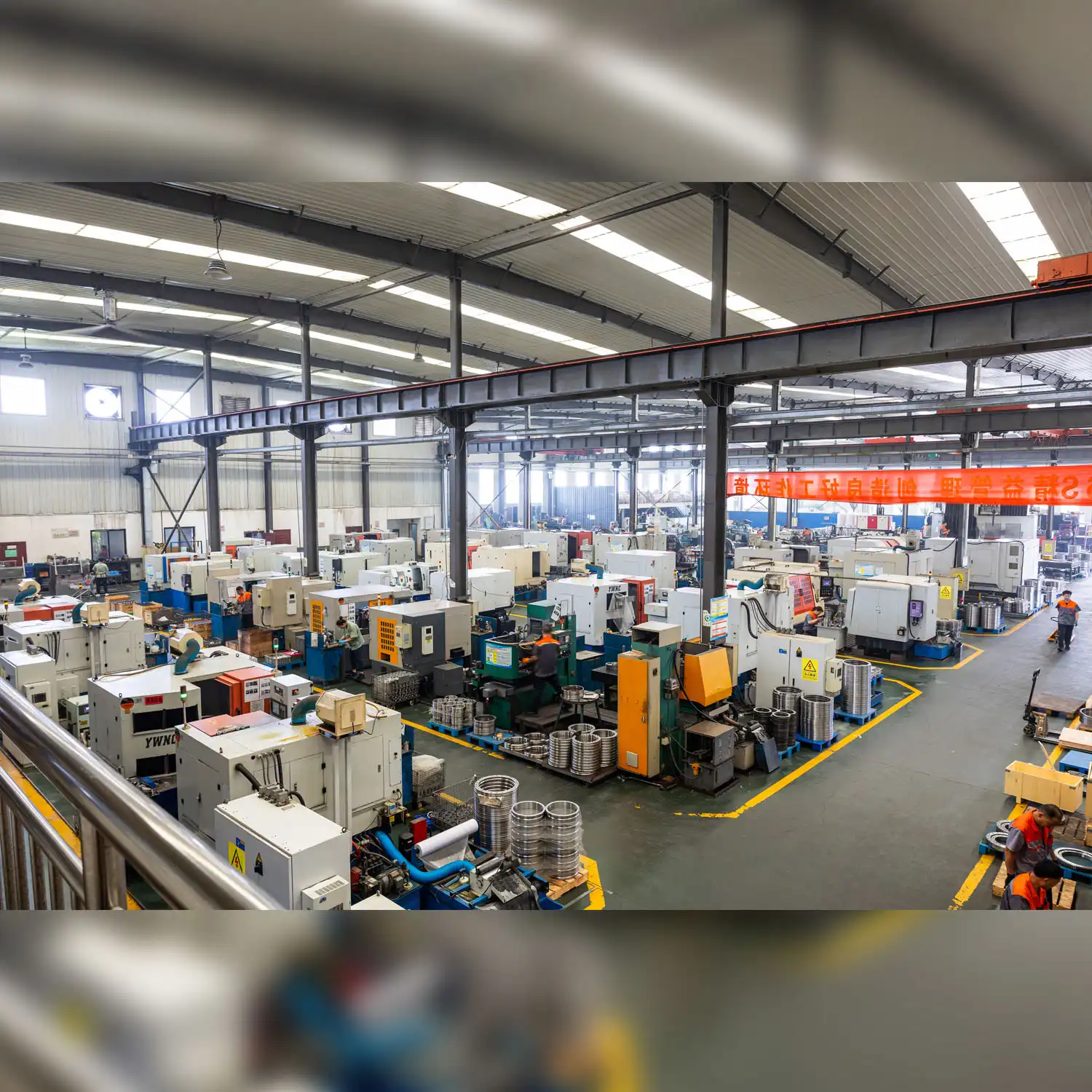
ATLYC brings fifteen years of bearing manufacturing excellence to your precision machinery requirements. As an ISO 9001 and IATF 16949 certified RA Series Crossed Roller Bearing manufacturer, we maintain the quality management systems and production capacity that mid-to-large OEMs and industrial equipment producers demand. Our facility houses 120 dedicated professionals across six specialized workshops, ensuring consistent product quality with accuracy grades ranging from P6 to P4 and dimensional capabilities spanning 20mm to 350mm inner diameters.
We understand that reliable supply chains and technical support for the RA Series Crossed Roller Bearing prove as critical as product quality. Our engineering team provides application consultation, custom modification services, and responsive after-sales support throughout your product lifecycle. With established export operations serving customers across North America, Europe, and Asia, we deliver the combination of precision manufacturing, international standards compliance, and scalable production that strategic partnerships require. Contact our team at auto@lyautobearing.com to discuss how our RA Series Crossed Roller Bearing solutions can enhance your machinery performance and supply chain reliability.
References
1. Harris, T.A. & Kotzalas, M.N. (2006). Advanced Concepts of Bearing Technology: Rolling Bearing Analysis, Fifth Edition. CRC Press, Taylor & Francis Group.
2. Schaeffler Technologies AG & Co. KG. (2019). Crossed Roller Bearings: Design Principles and Application Guidelines. Technical Documentation Series, Bearing Engineering Division.
3. ISO 5593:1997. Rolling Bearings — Vocabulary. International Organization for Standardization, Geneva, Switzerland.
4. Weck, M. & Brecher, C. (2006). Machine Tools: Design and Construction, Volume 1: Structure and Elements. Springer-Verlag Berlin Heidelberg.
5. American Bearing Manufacturers Association. (2018). Load Ratings and Fatigue Life for Roller Bearings. ABMA Standard 11-1990 (R2018), Washington, D.C.
6. Budynas, R.G. & Nisbett, J.K. (2014). Shigley's Mechanical Engineering Design, Tenth Edition. McGraw-Hill Education, New York.
Learn about our latest products and discounts through SMS or email