- English
- French
- German
- Portuguese
- Spanish
- Russian
- Japanese
- Korean
- Arabic
- Greek
- German
- Turkish
- Italian
- Danish
- Romanian
- Indonesian
- Czech
- Afrikaans
- Swedish
- Polish
- Basque
- Catalan
- Esperanto
- Hindi
- Lao
- Albanian
- Amharic
- Armenian
- Azerbaijani
- Belarusian
- Bengali
- Bosnian
- Bulgarian
- Cebuano
- Chichewa
- Corsican
- Croatian
- Dutch
- Estonian
- Filipino
- Finnish
- Frisian
- Galician
- Georgian
- Gujarati
- Haitian
- Hausa
- Hawaiian
- Hebrew
- Hmong
- Hungarian
- Icelandic
- Igbo
- Javanese
- Kannada
- Kazakh
- Khmer
- Kurdish
- Kyrgyz
- Latin
- Latvian
- Lithuanian
- Luxembou..
- Macedonian
- Malagasy
- Malay
- Malayalam
- Maltese
- Maori
- Marathi
- Mongolian
- Burmese
- Nepali
- Norwegian
- Pashto
- Persian
- Punjabi
- Serbian
- Sesotho
- Sinhala
- Slovak
- Slovenian
- Somali
- Samoan
- Scots Gaelic
- Shona
- Sindhi
- Sundanese
- Swahili
- Tajik
- Tamil
- Telugu
- Thai
- Ukrainian
- Urdu
- Uzbek
- Vietnamese
- Welsh
- Xhosa
- Yiddish
- Yoruba
- Zulu
How to Select the Right YRTC High-Speed Rotary Table Bearing?
Selecting the right YRTC High-Speed Rotary Table Bearing begins with understanding your operational demands—speed requirements, load capacity, environmental conditions, and precision tolerances. The bearing must handle axial thrust, radial forces, and tilting moments simultaneously while operating at elevated RPMs without overheating or premature wear. Matching these requirements with specific YRTC models that feature optimized cage designs, precision-ground raceways, and appropriate sealing configurations ensures reliable performance. Procurement managers should verify compliance with ISO 9001 and IATF 16949 standards, assess manufacturer capacity for consistent supply, and evaluate long-term technical support capabilities to secure genuine bearings that deliver measurable value throughout the equipment lifecycle.
Understanding YRTC High-Speed Rotary Table Bearings
What Makes YRTC Bearings Unique in Industrial Applications
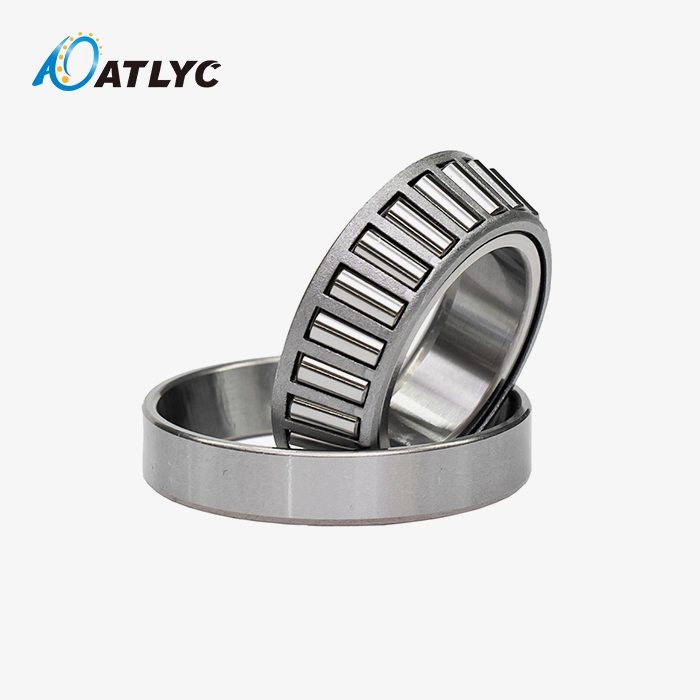
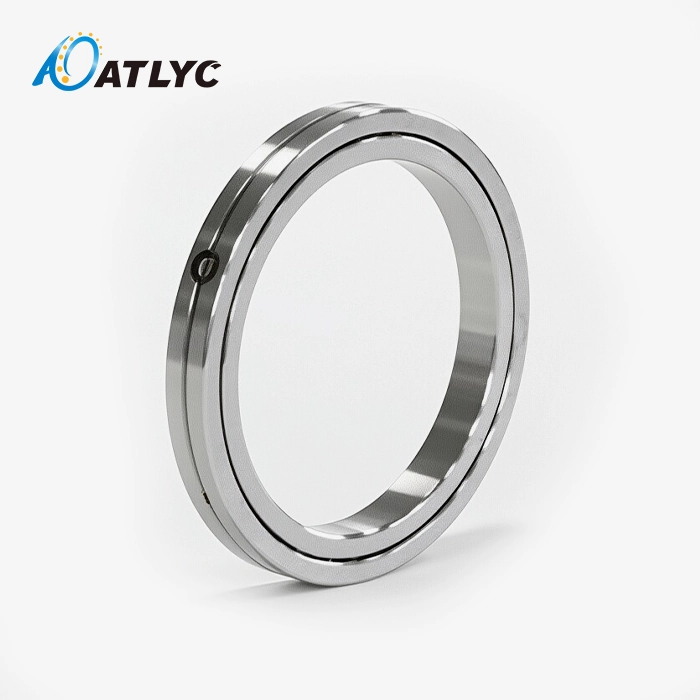
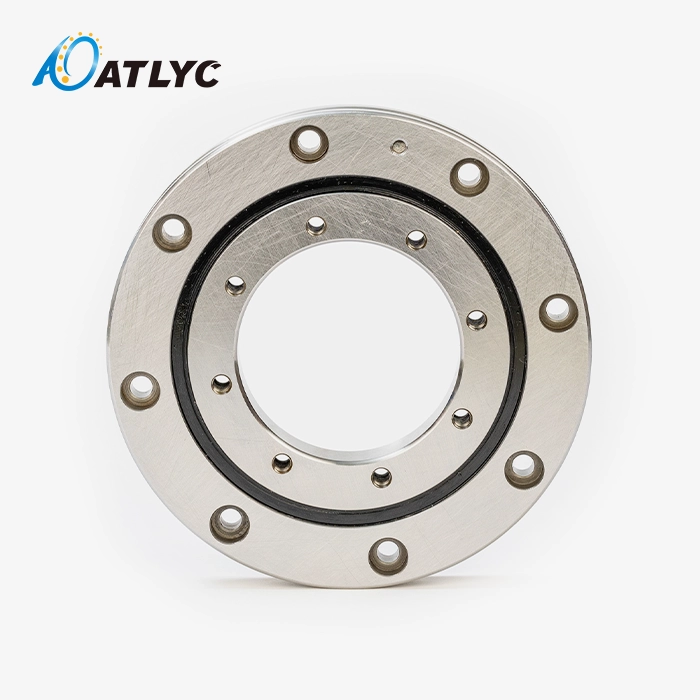
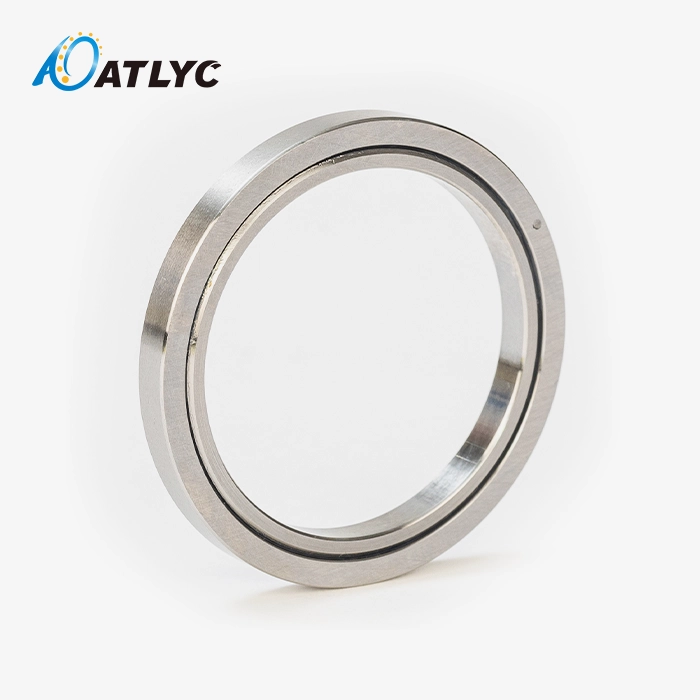
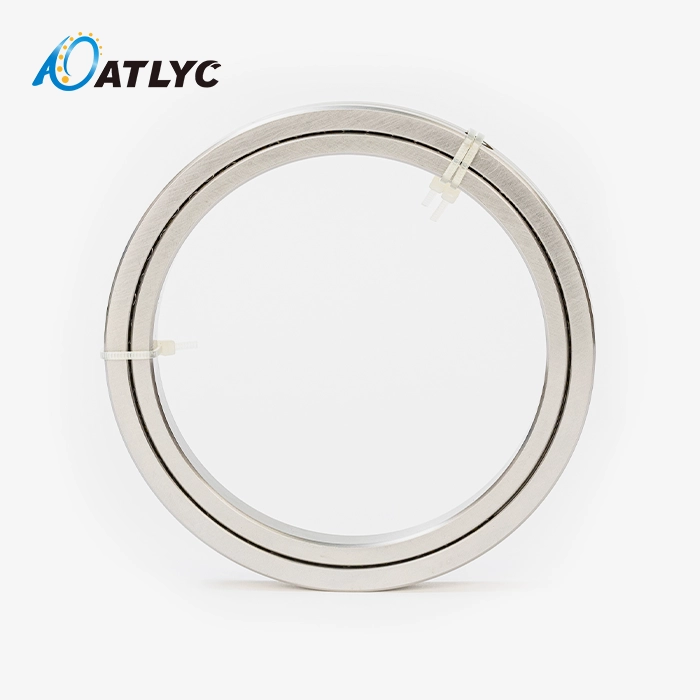
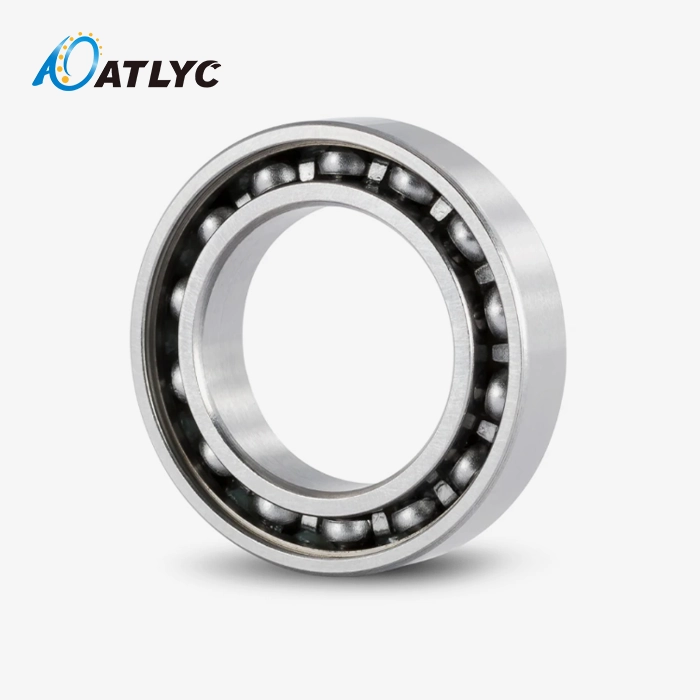
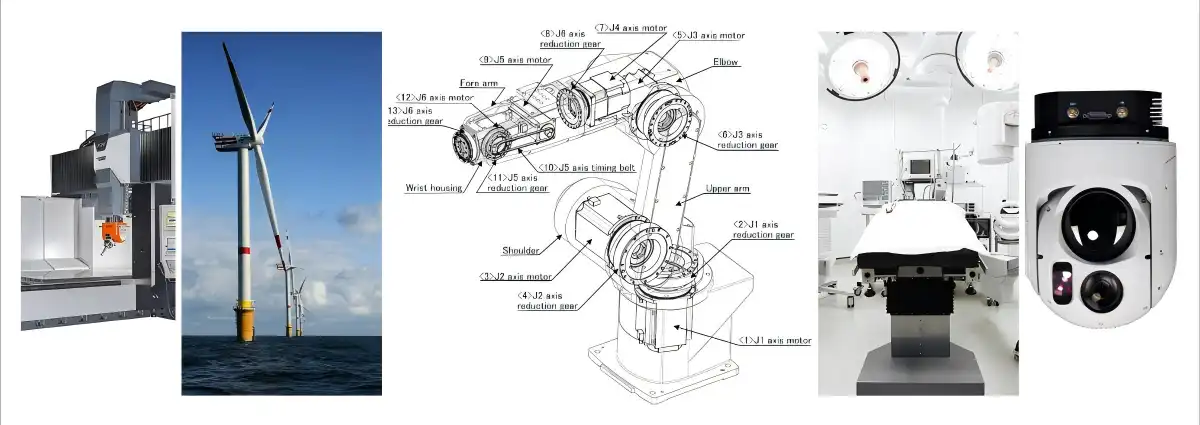
Specific high-precision parts called YRTC High-Speed Rotary Table Bearings are designed to support smooth rotational motion in tough situations where regular bearing sets can't do their job. These bearings are well-known in the industrial bearing market because they consistently work well in situations where they need to handle complex loads in multiple directions at high speeds. The designation "YRTC" means that certain design changes have been made to make it work better at high RPM while still being able to handle loads in multiple axes, which is important for precise machining. The main job of rotary table bearings is to support the workpiece, tools, and cutting forces in machine tools, robotic systems, and automated manufacturing equipment. Standard YRT bearings work well for moderate speeds, but high-speed versions use better materials and geometric designs to lower friction torque and keep temperatures from getting too high.
Load Distribution Mechanisms and Capacity Ratings
Engineered load distribution lets the multi-row roller arrangement handle a wide range of loading situations. Two rows of axial rollers handle thrust loads and stop twisting moments that would otherwise bend the part, and the YRTC High-Speed Rotary Table Bearing makes it less accurate. One row of radial rollers handles radial forces that come from cutting, the weight of the object, and dynamic unbalance. The built-in moment capacity stops cutting force reactions without the need for extra support bearings. Knowing load rates helps you match bearing specifications to the needs of the application. Dynamic load rates show how much weight a bearing can handle for a certain amount of time, which is usually given in terms of one million rotations. Static load rates tell you how much weight a bearing can hold without permanently deforming when it's not moving or when it's moving very slowly. The tilting moment capacity is given by the moment load number. This is especially important in situations where loads are overhung or cutting forces are off-center.
Criteria for Selecting the Right YRTC High-Speed Rotary Table Bearing
Analyzing Your Operational Requirements and Load Conditions
To choose the right bearings, you must first carefully look at your unique operational parameters. The required speed has a direct effect on the internal geometry, cage design, and lubrication needs of the bearing. Applications that run constantly at speeds above 500 RPM usually need high-speed optimisations. On the other hand, applications that run intermittently at high speeds may be able to make different design compromises. Bearing experts can help you find the right solutions by looking at your real operating speeds as well as the maximum nameplate ratings. Load characterisation involves figuring out all the force vectors that are acting on the bearing while it is running. Axial thrust loads come from clamping forces on the workpiece, the pull of gravity on machines with a vertical axis, and cutting forces that have axial parts. Putting a part off-center, cutting forces, and belt or gear gearbox forces can all cause radial loads. When loads act far from the bearing center, they create pressure that tries to tilt the bearing rings relative to each other. Environmental factors have a big effect on how well bearings work and how long they last. The operating temperature changes the viscosity of the lubricant, the size of the material because it expands when heated, and the metallurgical qualities of the material at very high temperatures. Exposure to contamination from coolant spray, machining chips, or airborne dust requires the right shielding solutions. Vibrations from nearby equipment or vibrations caused by the process may mean that the preload or damping needs to be increased.
Evaluating Design Features for Maintenance and Longevity
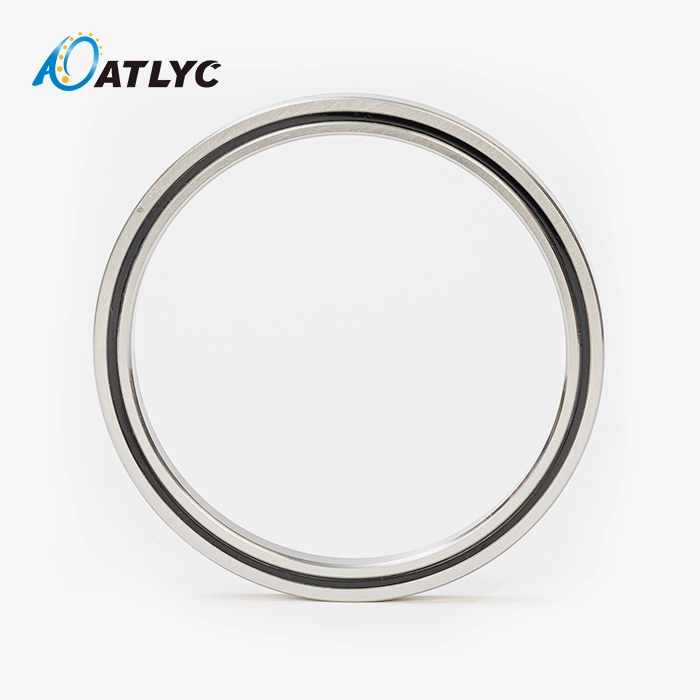
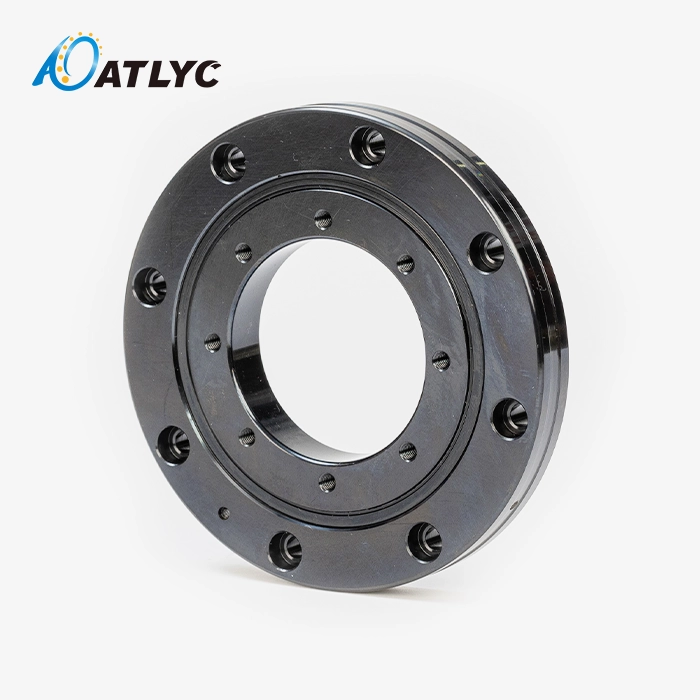
Sealing configurations directly impact maintenance intervals and contamination resistance. Integral seals built into the bearing assembly provide space-efficient protection against coolant intrusion and chip contamination. These contact or non-contact seals vary in effectiveness, sealing torque, and speed limitations. External shielding solutions offer enhanced protection in severe environments but add complexity to machine design. The optimal sealing approach balances contamination exclusion against frictional losses and accessibility for inspection. Lubrication specifications define grease type, quantity, and relubrication intervals or oil circulation requirements. Grease-lubricated bearings offer simplicity and reduced maintenance but limit maximum speeds due to churning losses and thermal constraints. Oil lubrication using circulation systems enables higher speeds and better cooling, but requires pumps, filters, and associated infrastructure. Some high-speed applications employ oil-air or oil-mist minimal quantity lubrication that delivers cooling benefits with reduced fluid volumes. Mounting arrangements affect installation precision, thermal management, and disassembly for maintenance. Through-hole mounting with bolted connections provides secure attachment but requires careful alignment during installation. Some designs incorporate pilot diameters or precision-ground mounting surfaces that facilitate accurate positioning. Thermal expansion considerations matter when bearing operating temperatures differ significantly from ambient conditions—proper mounting practices accommodate dimensional changes without introducing preload variations or misalignment.
Procurement Insights: Buying and Ordering YRTC Rotary Table Bearings
Identifying Authorized Channels and Ensuring Authenticity
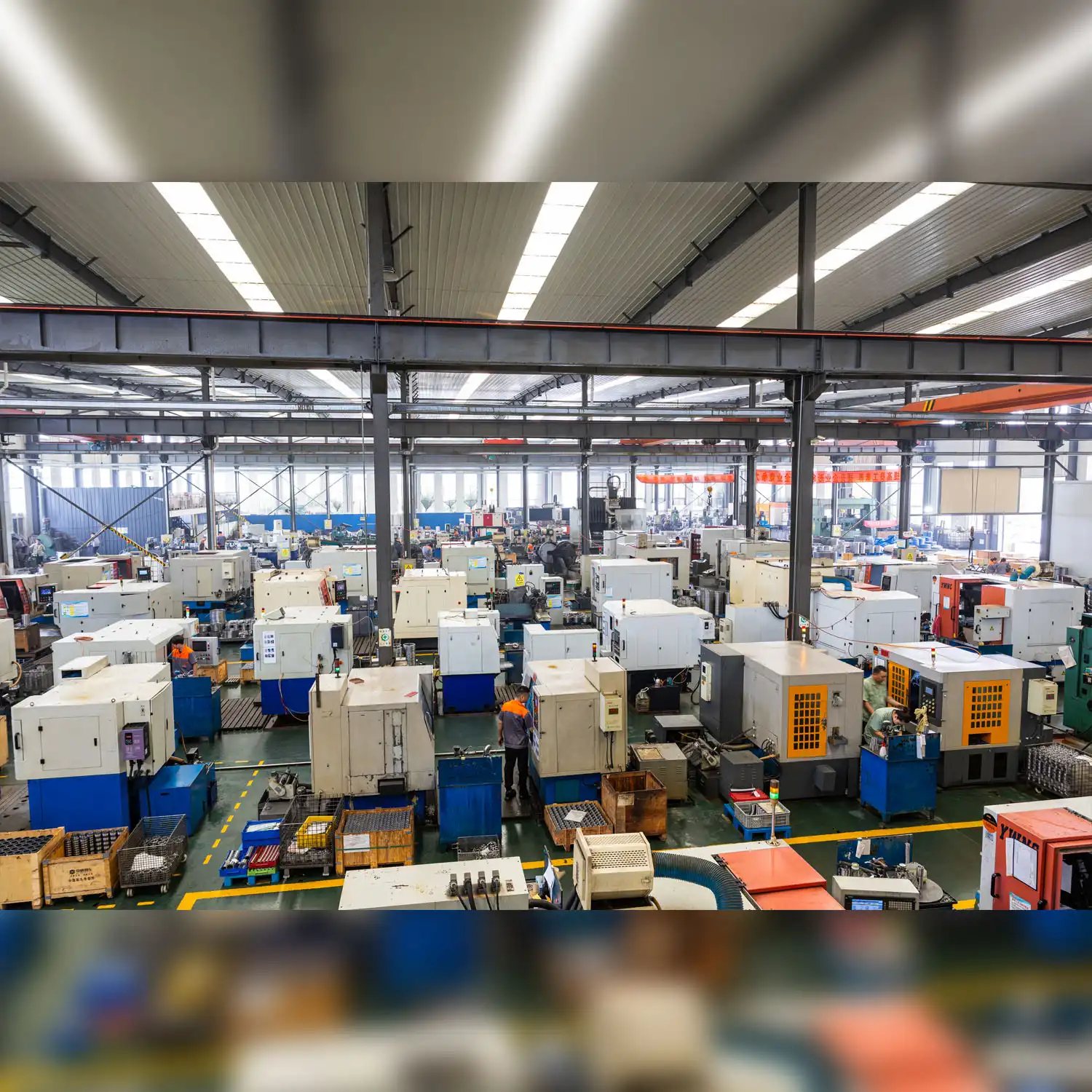
Securing genuine bearings through authorized channels protects you from counterfeit products that plague the bearing industry. Counterfeit bearings often appear visually identical to authentic products but use inferior materials, inadequate heat treatment, and substandard manufacturing processes that lead to premature failure. Authorized distributors maintain direct relationships with manufacturers, ensuring product authenticity and enabling warranty claims when necessary. When evaluating potential suppliers, verification of ISO 9001 and IATF 16949 certifications demonstrates commitment to consistent quality management systems. These internationally recognized standards require documented processes, regular audits, and continuous improvement practices. Manufacturers holding IATF 16949 certification specifically meet automotive industry quality requirements, indicating the capability to serve demanding OEM applications with zero-defect expectations. Established in 2010, Luoyang Auto Bearing Co., Ltd. exemplifies the manufacturing capability of YRTC High-Speed Rotary Table Bearing available from qualified Chinese bearing producers. With 120 skilled employees dedicated across production, research and development, quality inspection, and assembly operations, the company has expanded from one workshop to six specialized facilities. This growth trajectory demonstrates manufacturing scalability essential for supporting OEM partnerships requiring volume consistency. The company serves global markets including South Korea, the United States, Germany, Russia, Iran, and Turkey—geographic diversity that indicates international quality acceptance.
Managing Delivery Timelines and Warranty Expectations
Planning for lead times has an effect on scheduling production and keeping track of supplies. Standard bearings from well-known companies usually ship within two to four weeks. Custom configurations, on the other hand, may take six to twelve weeks, based on how complicated the manufacturing is. These timelines get longer when there is a lot of demand or when there are problems in the supply chain. Keeping the right amount of safety stock on hand for important applications can help avoid delays that are out of your control, but this takes money and space to store the inventory. Warranty terms are an important way to lower the risk of bearing purchase. Bearings from reputable companies come with warranties that cover material defects and manufacturing flaws. Usually, the guarantee covers replacement within 12 to 24 months of purchase or a certain number of operational hours. It's also important to know what the warranty doesn't cover. For example, damage caused by improper installation, inadequate lubrication, contamination, or operation beyond the rated limits usually isn't covered. When something fails too soon, you can file a warranty claim if you keep records of the installation steps, maintenance, and working conditions. Clear ordering methods make buying things easier and cut down on communication mistakes. Giving full details, like the bearing designation, quantity, delivery location, and any unique needs, during the inquiry stage speeds up the quote process. Technical drawings or descriptions of the application help sellers make sure the product is right for the job and find any problems that might arise before the order is placed. Setting up point contacts within partner organisations helps build relationships that make it easier to solve problems quickly when they come up.
Common Challenges and Troubleshooting with YRTC Rotary Table Bearings
Identifying Early Warning Signs and Root Causes
One of the first signs that a bearing's performance has gone downhill is abnormal noise. High-pitched whining or buzzing sounds usually mean that there isn't enough grease or oil to keep the rolling elements and raceways from touching each other. Low-frequency rumble or growling sounds usually mean that the lubricant is contaminated with abrasive particles that speed up wear. Sometimes, hearing clicking or snapping sounds could mean that the rollers or raceways are broken and need to be looked into right away to avoid a catastrophic failure. When there is too much vibration, it can be felt, seen, or picked up by electronic tracking systems. The amplitude and frequency of vibrations help find the root causes. Low-frequency vibration that happens at the same time as the rotational speed could mean that moving parts are not balanced or that the bearing preload changes. Higher-frequency shaking at the pass frequencies of the rolling element means that there are localised flaws like dents, cracks, or uneven surfaces. Spectrum analysis of vibration patterns lets predictive maintenance methods plan the replacement of bearings before they stop working and stop production. Early wear patterns seen during a bearing check show problems with the installation or operation. If the diameter wears unevenly, it means that the bearing and housing or shaft are not lined up correctly. Seeing a lot of wear in a few places could mean that the edges are being loaded too much from tilting moments that are beyond their carrying capacity. Pitting rust happens when moisture gets into lubricants or when there aren't enough corrosion inhibitors in them. By understanding these wear patterns, you can fix problems with the whole system instead of just changing parts that have broken.
Establishing Maintenance Protocols for Maximum Service Life
Lubrication management represents the single most influential maintenance activity affecting bearing longevity. Establishing relubrication schedules based on operating hours, speeds, loads, and environmental conditions prevents lubricant degradation that leads to premature wear. Over-lubrication causes excessive churning, temperature rise, and seal damage, while under-lubrication creates boundary lubrication conditions with metal-to-metal contact. Following manufacturer recommendations for lubricant type, quantity, and intervals optimizes bearing performance. Inspection routines detect developing problems before functional failure occurs. Visual inspections during scheduled maintenance intervals identify obvious issues such as seal damage, lubricant leakage, YRTC High-Speed Rotary Table Bearing, or mounting bolt looseness. Temperature monitoring using contact thermometers or infrared cameras reveals abnormal heating that indicates inadequate lubrication, excessive preload, or bearing damage. Vibration monitoring programs establish baseline signatures when equipment is new, enabling detection of subtle changes that signal developing problems. Contamination control extends bearing service life in harsh environments. Implementing proper machine tool coolant management prevents excessive coolant spray that overwhelms bearing seals. Maintaining positive air pressure in bearing housings using filtered air supplies prevents contaminant ingress. Regular seal inspection and replacement maintain protection integrity throughout the bearing's operational life.
Why YRTC High-Speed Rotary Table Bearings Are the Preferred Choice
Manufacturers of industrial equipment and people who work in maintenance know that rotary table bearings that are properly specified offer reliable and consistent performance in harsh production environments. Customer reviews from companies that make automotive parts talk about longer service intervals compared to older bearing solutions. This means that there is less unplanned downtime and lower costs for repair labour. OEM partners in the automation equipment industry say that better location accuracy raises the quality of products and lowers the number of scraps. Premium rotary table bearings have special benefits that come from the latest design ideas, the best materials, and the most precise production methods. The first step in choosing materials is to choose high-quality steel alloys that go through specific heat treatment processes to get the best levels of hardness, toughness, and dimensional stability. The surfaces of rolling parts are treated in ways that make them more resistant to fatigue and wear. Engineered plastics or precisely machined metals are used in cage materials to keep their shape over a wide range of temperatures while reducing friction and wear. Ongoing research and development make sure that bearing growth meets the needs of new industries. Product refinement is ongoing because more automation technologies are being used, machining speeds are being sped up, and people want a better energy economy. Putting money into engineering skills, testing facilities, and quality processes shows that a manufacturer is serious about meeting the challenges of the future. When you take a forward-looking approach, you can be sure that the bearing options you choose will work well for at least 10 to 15 years, depending on the equipment.
Conclusion
Selecting the appropriate high-speed rotary table bearing requires careful analysis of operational requirements, a thorough understanding of technical specifications, and evaluation of supplier capabilities. The integrated design combining thrust, radial, and moment load capacity delivers space-efficient solutions for demanding applications. High-speed optimizations, including advanced cage designs, precision-ground raceways, and proper sealing configurations, enable operation at elevated RPMs without thermal limitations or premature wear. Procurement success depends on partnering with manufacturers demonstrating quality certifications, manufacturing capacity, and technical support capabilities. Verifying ISO 9001 and IATF 16949 compliance, assessing production scalability, and establishing clear communication channels protect your investment and ensure consistent long-term supply. Proper installation procedures, maintenance protocols, and contamination control maximize bearing service life and minimize the total cost of ownership.
FAQ
1. What lifespan can I expect from YRTC rotary table bearings under heavy-duty operation?
Service life depends significantly on operating conditions, including speeds, loads, contamination exposure, and maintenance practices. Under properly maintained conditions with appropriate lubrication and contamination control, these bearings typically achieve 10,000-20,000 operational hours in continuous-duty applications. Intermittent-duty operations with lower average speeds and loads often exceed 30,000 hours. Implementing condition monitoring programs enables predictive maintenance approaches that maximize bearing utilization while preventing unexpected failures.
2. Can ATLYC provide customized bearing solutions for specialized OEM requirements?
We routinely develop customized bearing configurations addressing unique application requirements. Modifications span seal materials optimized for specific coolant chemistries, cage designs for extreme temperature ranges, special raceway geometries for unusual load distributions, and dimensional changes accommodating existing machine structures. Our engineering team collaborates throughout the development process from initial concept through prototype validation and production implementation, ensuring solutions meet your technical specifications and quality standards.
3. What warranty coverage does ATLYC provide for rotary table bearings?
Our standard warranty covers material defects and manufacturing flaws for 18 months from the delivery date or 12 months from installation, whichever occurs first. Warranty coverage includes replacement bearings and technical support for root cause analysis. Claims require documentation of proper installation procedures, adherence to specified operating parameters, and maintenance records demonstrating appropriate lubrication practices. This warranty demonstrates our confidence in manufacturing quality while establishing clear expectations for proper bearing application and care.
Partner with ATLYC for Your High-Precision Bearing Requirements
ATLYC's 15-year manufacturing heritage positions us as your dependable YRTC High-Speed Rotary Table Bearing supplier, combining precision engineering with scalable production capacity. Our ISO 9001 and IATF 16949 certified facilities house six specialized workshops staffed by 120 skilled professionals dedicated to delivering consistent quality that meets international standards. We serve automotive OEMs, industrial machinery manufacturers, and global distributors across South Korea, the United States, Germany, Russia, Iran, and Turkey with bearings engineered for demanding applications.
Whether you require catalog specifications or customized solutions tailored to unique operational requirements, our engineering team provides technical support throughout the selection and implementation process. Contact us at auto@lyautobearing.com to discuss your bearing requirements, request technical documentation, or obtain volume quotations. Our commitment to manufacturing excellence, competitive pricing, and reliable delivery schedules makes ATLYC your strategic partner for precision bearing solutions that optimize equipment performance and reduce lifecycle costs.
References
1. Harris, T.A. and Kotzalas, M.N. (2006). Advanced Concepts of Bearing Technology: Rolling Bearing Analysis, Fifth Edition. CRC Press, Taylor & Francis Group.
2. ISO 76:2006. Rolling bearings — Static load ratings. International Organization for Standardization, Geneva, Switzerland.
3. Weck, M. and Brecher, C. (2006). Werkzeugmaschinen 2: Konstruktion und Berechnung [Machine Tools 2: Design and Calculation], 8th Edition. Springer-Verlag Berlin Heidelberg.
4. SKF Group. (2018). Rolling Bearings Catalogue: Technical Reference Guide for Bearing Selection and Application. SKF Group Publication, Gothenburg, Sweden.
5. Budynas, R.G. and Nisbett, J.K. (2015). Shigley's Mechanical Engineering Design, Tenth Edition. McGraw-Hill Education, New York.
6. German Machine Tool Builders' Association (VDW). (2019). Precision Bearing Systems for High-Speed Machining Applications: Technical Guidelines and Best Practices. VDW Technical Report Series, Frankfurt, Germany.
Learn about our latest products and discounts through SMS or email