- English
- French
- German
- Portuguese
- Spanish
- Russian
- Japanese
- Korean
- Arabic
- Greek
- German
- Turkish
- Italian
- Danish
- Romanian
- Indonesian
- Czech
- Afrikaans
- Swedish
- Polish
- Basque
- Catalan
- Esperanto
- Hindi
- Lao
- Albanian
- Amharic
- Armenian
- Azerbaijani
- Belarusian
- Bengali
- Bosnian
- Bulgarian
- Cebuano
- Chichewa
- Corsican
- Croatian
- Dutch
- Estonian
- Filipino
- Finnish
- Frisian
- Galician
- Georgian
- Gujarati
- Haitian
- Hausa
- Hawaiian
- Hebrew
- Hmong
- Hungarian
- Icelandic
- Igbo
- Javanese
- Kannada
- Kazakh
- Khmer
- Kurdish
- Kyrgyz
- Latin
- Latvian
- Lithuanian
- Luxembou..
- Macedonian
- Malagasy
- Malay
- Malayalam
- Maltese
- Maori
- Marathi
- Mongolian
- Burmese
- Nepali
- Norwegian
- Pashto
- Persian
- Punjabi
- Serbian
- Sesotho
- Sinhala
- Slovak
- Slovenian
- Somali
- Samoan
- Scots Gaelic
- Shona
- Sindhi
- Sundanese
- Swahili
- Tajik
- Tamil
- Telugu
- Thai
- Ukrainian
- Urdu
- Uzbek
- Vietnamese
- Welsh
- Xhosa
- Yiddish
- Yoruba
- Zulu
Is RU42UU Cross Roller Bearing Suitable for Semiconductor Equipment?
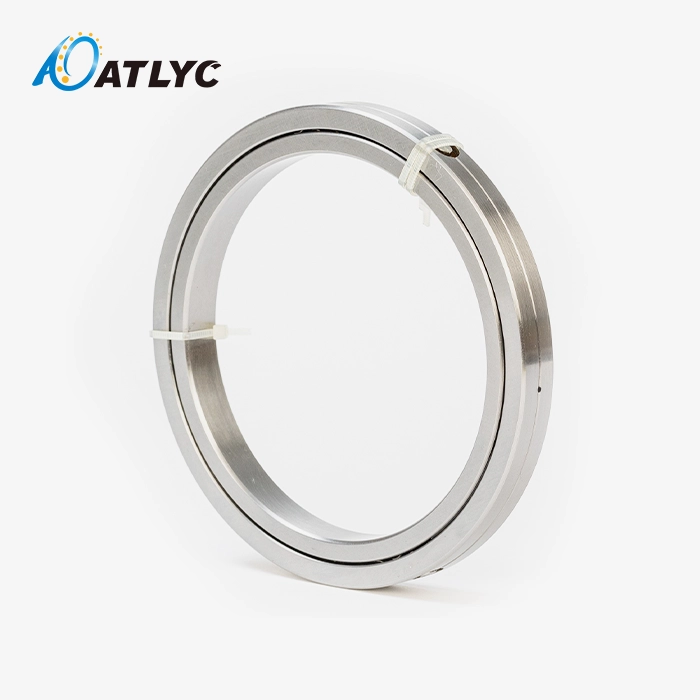
The RU42UU Cross roller bearing proves highly suitable for semiconductor equipment applications due to its exceptional rotational accuracy, compact footprint, and superior load-handling capabilities. With dimensions of 20mm inner diameter, 70mm outer diameter, and 12mm width, this integrated bearing delivers the precision motion control essential for wafer handling systems, IC manufacturing devices, and precision robotic stages. Its crossed roller configuration provides minimal runout and excellent moment capacity, meeting the demanding environmental and performance requirements inherent in semiconductor fabrication processes.
Understanding RU42UU Cross Roller Bearings: Specifications and Design Features
The technical foundation of any bearing evaluation begins with understanding its core specifications and design architecture. The RU42UU represents an integral ring design within the RU series, engineered specifically for applications where space constraints meet precision requirements.
Dimensional Specifications and Load Ratings
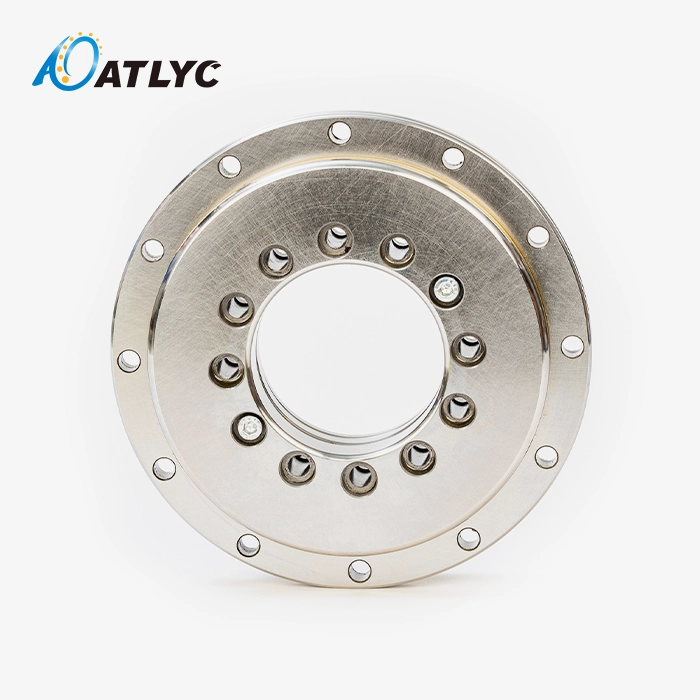
With a 20mm bore diameter, 70mm outer diameter, and 12mm width, the bearing has a small shape that makes it perfect for robotic joints and precision stages. Engineers can get a high load capacity with this geometry without giving up important equipment envelope space. The crossed roller arrangement can handle radial, axial, and moment loads all at the same time in a single bearing unit. This is a big improvement over traditional ball bearing designs, which usually need more than one bearing to handle complex load vectors. These bearings are made in our factory from Gcr15 and Gcr15SiMn bearing-grade steel, which was chosen because it stays the same size and doesn't wear down quickly when used continuously. We use precise grinding methods to make sure that the surface finish and concentricity meet accuracy classes ranging from P6 (standard grade) to P2 (ultra-precision grade), which covers a wide range of precision levels for semiconductor equipment.
Cross Roller Configuration and Motion Characteristics
The unique arrangement of the rollers in crossed roller bearings makes them different from other types. Cylindrical rollers move back and forth between the inner and outer raceways at 90-degree angles. Precision-machined gaps in the RU42UU Cross roller bearing keep the rollers from touching each other. This arrangement spreads the weight evenly around the whole circle, reducing the amount of stress that builds up in one area and speeding up wear. The design provides very accurate rotation, which is measured by runout and has a direct effect on how repeatable positioning is in semiconductor equipment. Even small changes of one micron can make it hard to line up lithography patterns or inspection sensors during wafer transfer processes. The low friction coefficient built into this design makes sure that the rotation is smooth and that the torque changes very little. This keeps heat from building up and vibrations from reaching sensitive measuring instruments next to where the bearing is mounted.
Dual Seal Protection System
The "UU" designation means that there are two contact seals on both bearing faces. These seals protect against contamination, which is very important in semiconductor settings. These seals keep particles from getting in from the cleanroom air around them while keeping the lubricant in the bearing hole. We've seen that the efficiency of the seal is directly related to the service life of the bearing in cleanroom settings, where even tiny contaminants speed up wear. The design of the contact seal keeps working well across the operating speed range of the bearing. This is because it balances the sealing performance with the small increase in friction that comes with contact-type seals.
Evaluating the Suitability of RU42UU Cross Roller Bearings for Semiconductor Equipment
Semiconductor equipment presents a unique convergence of performance requirements that challenges bearing selection. Assessing whether the RU42UU meets these demands requires examining specific operational characteristics against industry benchmarks.
Precision and Rotational Accuracy Requirements
Precision limits measured in single-digit microns govern how semiconductor production equipment works. Robots that handle wafers have to place substrates over and over again within ±3 microns, and inspection steps need rotational runout below 2 microns to keep the optics lined up. These levels of accuracy are possible because of the RU42UU's crossed roller design and the way it was made. Our P4 and P2 precision grades have runout values that are good for difficult positioning jobs. This was proven by testing coordinate measuring machines at our quality inspection facility. This accuracy stays the same across the load range of the bearing. This is different from some ball bearing designs, where changes in preload due to changing loads cause position shifts that can be seen.
Load Capacity in Compact Envelopes
Designers of semiconductor equipment have to constantly weigh performance against space limitations. This is especially important in cluster tool setups where several process modules circle a central wafer transfer chamber. The RU42UU can handle a lot of moment loads for its 70 mm outer diameter. This lets engineers make robot joints that are small without losing structural rigidity. A single crossed roller bearing can be used instead of two bearing pairs, which would take up more room and need precise spacer manufacturing. Robotic arm makers who used these bearings said that the joint assembly height was 30% lower than with their old angular contact ball bearing setups. This freed up valuable room for routing cables and adding sensors.
Environmental Compatibility and Material Stability
Even though temperatures are managed in semiconductor cleanrooms, equipment parts still go through thermal cycling when they are being used and when they are not. We use Gcr15SiMn material in our luxury RU42UU versions. It has silicon and manganese added to it, which makes it more stable in terms of size across a range of temperatures. This means that bearing geometry changes less, which keeps positioning accurate. The two-seal design stops the lubricant from moving, which is a problem in vacuum-adjacent areas where greases could pollute process rooms by releasing gases. We recommend vacuum-compatible oils to customers whose equipment works in partial vacuum, making sure that the seals and grease meet the needs of the process.
Installation and Maintenance Best Practices for RU42UU Bearings in Semiconductor Equipment
Proper installation and maintenance protocols directly determine whether bearings achieve their rated service life and performance specifications. Through technical support interactions with equipment manufacturers across our RU42UU Cross roller bearing global customer base, we've identified best practices that maximize bearing reliability.
Installation Procedures and Alignment
Before installing crossed roller bearings, verify that mounting surfaces meet flatness specifications—typically within 0.01mm across the bolt circle diameter. Surface finish also matters; rough machining marks create stress concentrations that can distort the bearing rings when bolts reach torque specifications. We recommend using precision-ground mounting faces and verifying flatness with a dial indicator before bearing installation. During mounting, apply bolts in a star pattern sequence, progressively reaching the torque specification across multiple passes. This technique distributes clamping forces evenly, preventing localized ring distortion. Clean all surfaces with lint-free cleanroom wipes and semiconductor-grade solvents, avoiding any contamination introduction during assembly. When handling the RU42UU, wear powder-free gloves and avoid touching raceway surfaces or seal lips, as skin oils can accelerate corrosion and compromise seal effectiveness.
Lubrication Strategy and Regreasing Intervals
The factory-filled grease in RU42UU bearings suits most semiconductor applications, selected for low outgassing, wide temperature range, and extended service intervals. Regreasing requirements depend on operating conditions—continuous duty at moderate speeds typically extends lubrication life to 12-18 months, while intermittent operation in climate-controlled environments may extend intervals to 24 months. Monitor bearing operating temperature and audible noise characteristics; temperature increases above normal operating baseline or new acoustic signatures often indicate lubrication degradation before functional failure occurs. Our maintenance guidelines recommend temperature monitoring with non-contact infrared sensors during scheduled equipment maintenance windows, establishing baseline temperatures during commissioning for comparison throughout the bearing's service life.
Troubleshooting Common Issues
If you notice increased friction or positioning errors developing gradually, suspect lubricant contamination or seal degradation. Particle contamination accelerates abrasive wear, creating detectable increases in operating torque. Seal failures allow contaminant ingress or lubricant loss, producing similar symptoms. Temperature excursions beyond specification ranges can thermally degrade lubricants, reducing their viscosity and load-carrying capability. We provide technical support for customers experiencing bearing issues, analyzing operating conditions and wear patterns to identify root causes and implement corrective actions that prevent recurrence across their equipment fleet.
Procurement Considerations for RU42UU Cross Roller Bearings
Sourcing precision bearings requires evaluating multiple factors beyond initial purchase price. Total cost of ownership encompasses quality consistency, delivery reliability, technical support, and long-term supply stability—considerations particularly relevant for equipment manufacturers building production volumes.
Supplier Evaluation and Quality Verification
When sourcing crossed roller bearings, verify that manufacturers hold relevant quality certifications demonstrating process control and measurement capability. Our ISO 9001 and IATF 16949 certifications reflect the quality management systems we've implemented across our six manufacturing workshops, ensuring consistent production output. Request material certifications and dimensional inspection reports that document compliance with specifications. Reputable suppliers maintain traceability systems linking finished bearings to raw material heats and production batches, enabling root cause analysis if field issues emerge. We provide customers with inspection reports including critical dimensions, runout measurements, and material certifications, supporting their incoming quality control processes and equipment validation requirements.
Brand Comparison and OEM Alternatives
The bearing market includes established Japanese and European brands alongside capable Chinese manufacturers offering competitive alternatives. Japanese manufacturers like NSK developed crossed roller bearing technology and maintain strong reputations for precision and consistency, though their pricing reflects premium positioning and longer lead times for non-standard variants. European brands deliver comparable quality with similar cost structures. Chinese bearing manufacturers, including our facility in Luoyang, have invested substantially in precision machining equipment and quality systems, now producing bearings meeting international standards at competitive price points. We've supplied RU42UU bearings to equipment manufacturers in Germany and the United States who validated our products against Japanese equivalents, confirming dimensional and performance equivalency while achieving 25-30% cost reductions—savings that improve their equipment competitiveness without compromising quality.
Technical Support and Long-Term Partnership
Beyond product delivery, technical support distinguishes suppliers in precision component markets. We provide application engineering assistance, helping customers select appropriate bearing specifications during equipment design phases. Our team analyzes load calculations, reviews mounting designs, and recommends precision grades matching performance requirements and budget constraints. Throughout the product lifecycle, we support troubleshooting and maintenance optimization, leveraging our installation experience across diverse applications. Building long-term relationships with equipment manufacturers enables us to anticipate their needs, maintain relevant inventory, and adapt our production capabilities as their applications evolve. This partnership approach aligns with semiconductor industry practices where equipment platforms remain in production for years, requiring consistent RU42UU Cross roller bearing component supply and backward compatibility.
Case Studies and Applications of RU42UU Bearings in Semiconductor Equipment
Real-world implementations demonstrate how crossed roller bearings perform in demanding semiconductor production environments, providing validation beyond theoretical specifications.
Wafer Handling Robot Applications
Automated wafer handling represents a primary application for precision bearings in semiconductor fabs. A European robotics manufacturer integrated RU42UU bearings into their atmospheric robot arm joints, which transfer 300mm wafers between process tools and storage pods. The compact bearing design enabled joint envelope reductions that improved robot reach within existing tool footprints. The customer reported positioning repeatability within ±2 microns across the robot workspace, meeting their equipment specification requirements. After 18 months of continuous fab operation, bearing performance remained stable with no measurable degradation in positioning accuracy. The successful implementation led to adoption across their product line, with orders now comprising regular production volumes supporting their manufacturing schedules.
Precision Stage and Positioning Systems
A United States-based metrology equipment manufacturer employed RU42UU bearings in rotary stages for wafer inspection systems. The application demanded minimal runout to maintain optical alignment between inspection sensors and wafer surfaces during rotation. Our P4 precision grade bearings delivered runout below 1.5 microns, meeting their specification with a margin. The integrated mounting holes simplified their stage assembly, reducing part count and assembly time compared to their previous bearing housing design. The manufacturer calculated 15% assembly cost savings attributable to the simplified mounting design, improving their product margins. They've expanded RU42UU usage into additional product models, establishing our facility as an approved bearing supplier within their vendor qualification system.
Return on Investment Analysis
Bearing cost represents a small fraction of semiconductor equipment value, yet bearing failures create disproportionate impacts through production downtime and maintenance labor. Equipment manufacturers calculate the total cost of ownership by combining purchase price, installation labor, expected service life, and failure-related costs. A semiconductor equipment OEM compared lifetime costs between premium Japanese bearings and our RU42UU alternatives across their equipment fleet. Their analysis showed that while our unit price averaged 28% lower, performance and reliability proved equivalent based on three years of field data tracking. The cost savings enabled them to improve equipment pricing competitiveness, securing contracts where price sensitivity influenced purchasing decisions. They documented zero field failures attributable to our bearings across 200+ installed systems, validating their supplier diversification strategy and establishing confidence in long-term supply relationships.
Conclusion
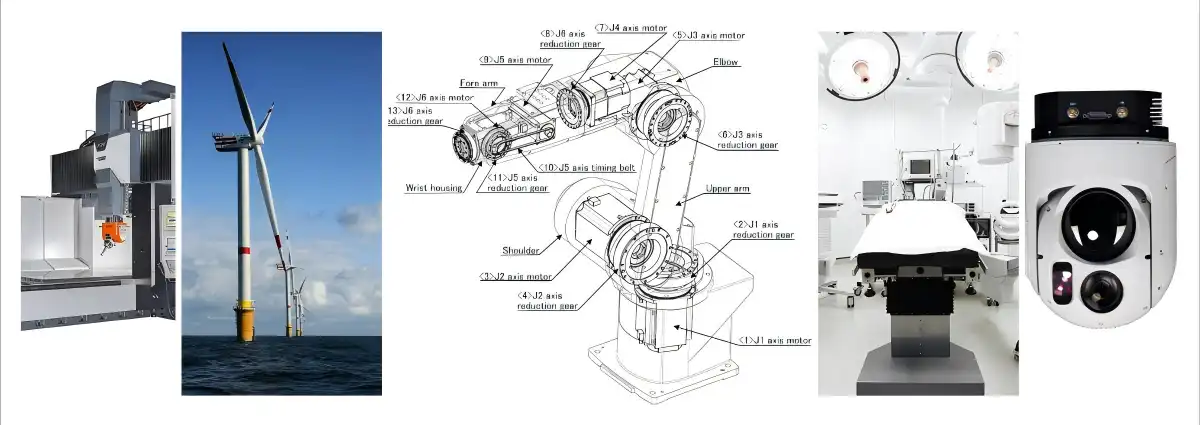
The RU42UU Cross roller bearing demonstrates clear suitability for semiconductor equipment applications through its precision manufacturing, compact design, and robust load-handling characteristics. Its crossed roller configuration delivers the rotational accuracy essential for wafer positioning systems while providing moment capacity in space-constrained envelopes. The integral ring design with mounting holes simplifies installation and enhances system accuracy compared to alternative bearing configurations. When sourcing these precision components, equipment manufacturers benefit from evaluating suppliers based on quality certifications, technical support capabilities, and long-term supply reliability rather than focusing solely on initial purchase price. Our 15-year manufacturing heritage, ISO 9001 and IATF 16949 certifications, and established relationships with semiconductor equipment manufacturers across global markets position us to support precision bearing requirements with consistent quality and responsive service.
FAQ
1. How does the RU42UU compare to standard ball bearings for precision positioning?
The crossed roller configuration provides superior moment rigidity and rotational accuracy compared to single-row ball bearings. While ball bearings excel at high speeds, they typically require paired arrangements to handle combined loads, consuming additional space and requiring precise spacer manufacturing. The RU42UU handles radial, axial, and moment loads simultaneously in a compact envelope, delivering positioning repeatability essential for semiconductor equipment.
2. What maintenance frequency should we expect in cleanroom environments?
Under typical semiconductor fab conditions—climate-controlled environments with intermittent operation—lubrication intervals extend to 18-24 months. Monitor bearing temperature and acoustic signatures during preventive maintenance windows; significant changes from baseline indicate potential issues requiring investigation. Our dual-sealed design protects against cleanroom particle contamination, extending service life compared to open bearing configurations.
3. Can we substitute RU42UU bearings from different manufacturers?
Dimensional interchangeability exists between manufacturers following standardized sizing, but verify critical specifications, including mounting hole patterns, seal types, and accuracy grades. Request dimensional inspection reports and material certifications to confirm compatibility. We provide customers with complete specification documentation supporting design validation and incoming inspection processes, ensuring seamless integration into their equipment designs.
Partner with ATLYC for Your Precision RU42UU Cross Roller Bearing Requirements
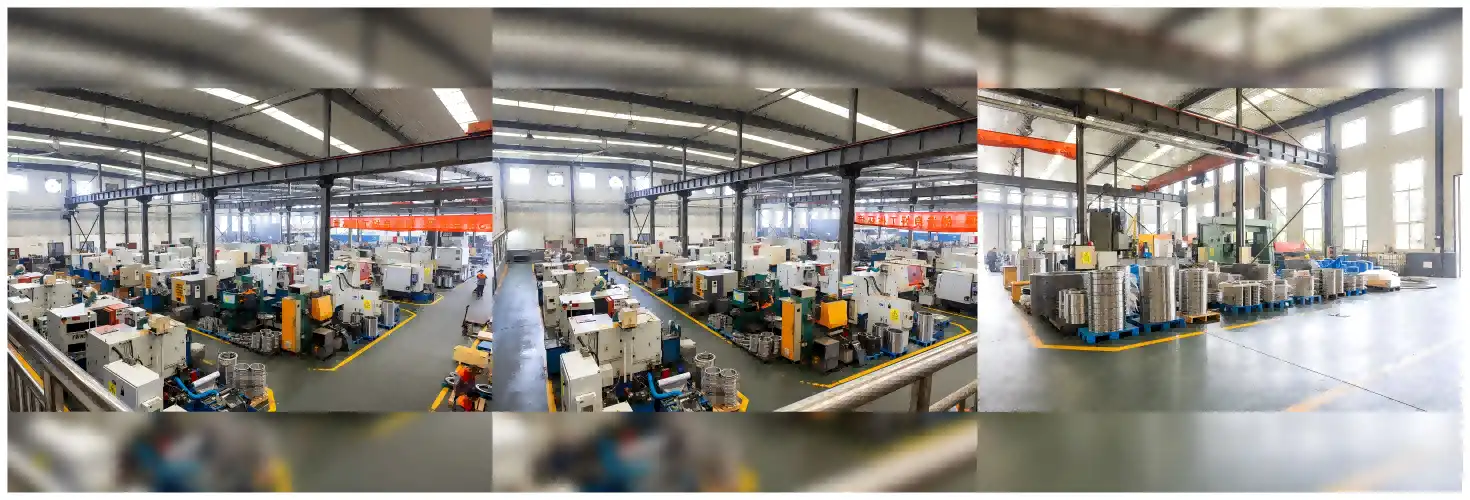
Selecting a reliable RU42UU Cross roller bearing supplier directly impacts your RU42UU Cross roller bearing equipment performance and production continuity. ATLYC brings 15 years of bearing manufacturing excellence, supporting mid-to-large OEMs and global distributors across automotive and industrial sectors with precision components that meet international quality standards. Our 120-person team operates six specialized workshops equipped with advanced machining centers, delivering consistent quality backed by ISO 9001 and IATF 16949 certifications. We understand the critical nature of semiconductor equipment applications, having supplied precision bearings to manufacturers across the United States, Germany, and South Korea who demand reliable supply chains and technical expertise. Contact our engineering team at auto@lyautobearing.com to discuss your specific application requirements, request technical specifications, or obtain quotations from a trusted RU42UU Cross roller bearing manufacturer committed to your long-term success.
References
1. Schaeffler Technologies AG & Co. (2021). Crossed Roller Bearings: Design and Application Guidelines for Precision Machinery. Industrial Bearing Technical Manual Series.
2. Harris, T. A., & Kotzalas, M. N. (2020). Advanced Concepts of Bearing Technology: Rolling Bearing Analysis (6th ed.). CRC Press.
3. International Organization for Standardization (2019). ISO 492:2014 Rolling Bearings — Radial Bearings — Geometrical Product Specifications and Tolerances. Geneva: ISO Standards Catalog.
4. SEMI International Standards (2022). SEMI E10-0304: Specification for Definition and Measurement of Equipment Reliability, Availability, and Maintainability. Semiconductor Equipment and Materials International.
5. Bhushan, B. (2018). Principles and Applications of Tribology in Semiconductor Manufacturing Equipment (2nd ed.). John Wiley & Sons.
6. NSK Ltd. Technical Department (2020). Precision Bearings for Semiconductor Manufacturing Equipment: Selection and Application Engineering Guide. NSK Technical Journal, Volume 47.
Learn about our latest products and discounts through SMS or email