- English
- French
- German
- Portuguese
- Spanish
- Russian
- Japanese
- Korean
- Arabic
- Greek
- German
- Turkish
- Italian
- Danish
- Romanian
- Indonesian
- Czech
- Afrikaans
- Swedish
- Polish
- Basque
- Catalan
- Esperanto
- Hindi
- Lao
- Albanian
- Amharic
- Armenian
- Azerbaijani
- Belarusian
- Bengali
- Bosnian
- Bulgarian
- Cebuano
- Chichewa
- Corsican
- Croatian
- Dutch
- Estonian
- Filipino
- Finnish
- Frisian
- Galician
- Georgian
- Gujarati
- Haitian
- Hausa
- Hawaiian
- Hebrew
- Hmong
- Hungarian
- Icelandic
- Igbo
- Javanese
- Kannada
- Kazakh
- Khmer
- Kurdish
- Kyrgyz
- Latin
- Latvian
- Lithuanian
- Luxembou..
- Macedonian
- Malagasy
- Malay
- Malayalam
- Maltese
- Maori
- Marathi
- Mongolian
- Burmese
- Nepali
- Norwegian
- Pashto
- Persian
- Punjabi
- Serbian
- Sesotho
- Sinhala
- Slovak
- Slovenian
- Somali
- Samoan
- Scots Gaelic
- Shona
- Sindhi
- Sundanese
- Swahili
- Tajik
- Tamil
- Telugu
- Thai
- Ukrainian
- Urdu
- Uzbek
- Vietnamese
- Welsh
- Xhosa
- Yiddish
- Yoruba
- Zulu
SX Series Cross Roller Bearings for Precision Robotics
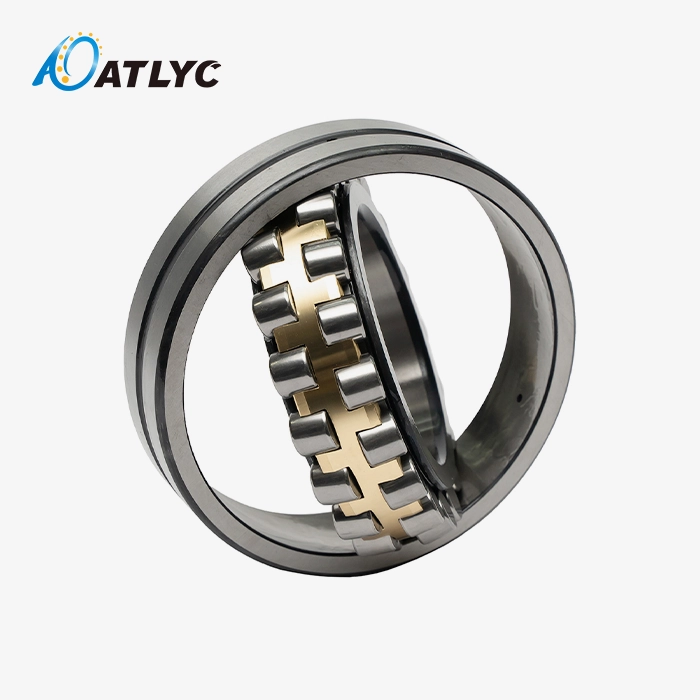
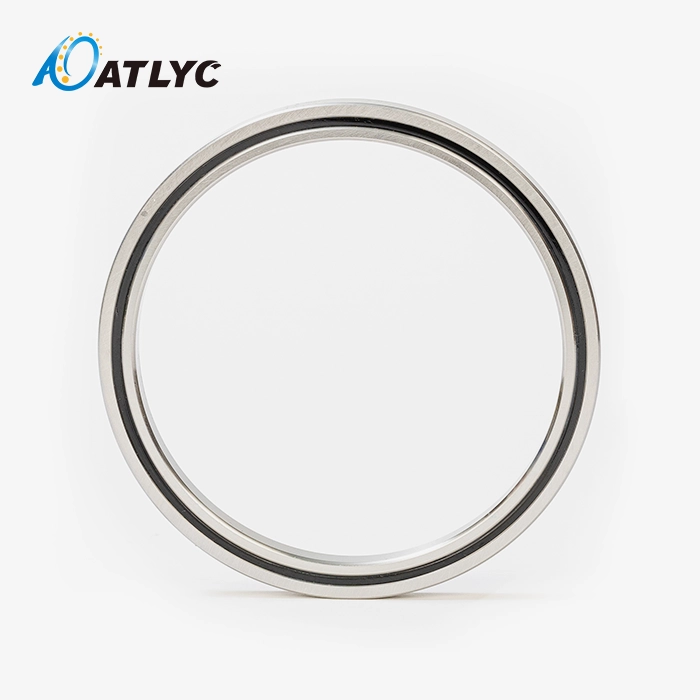
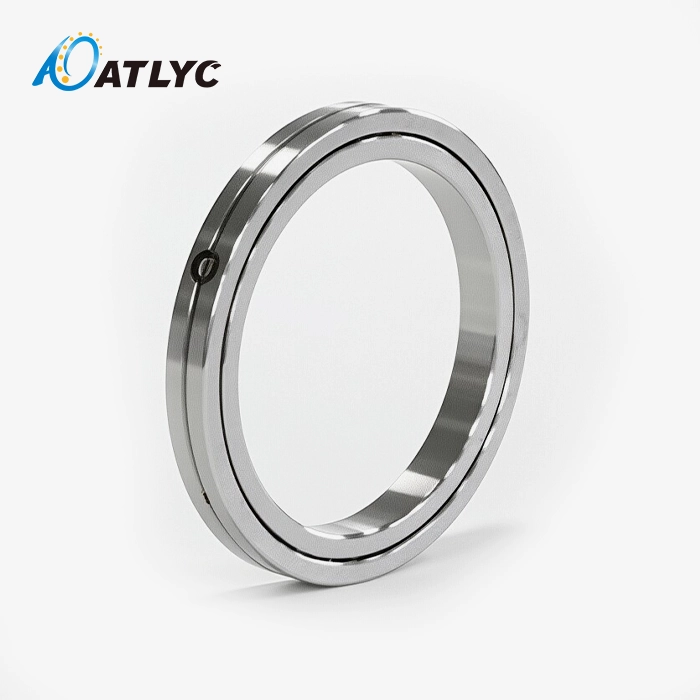
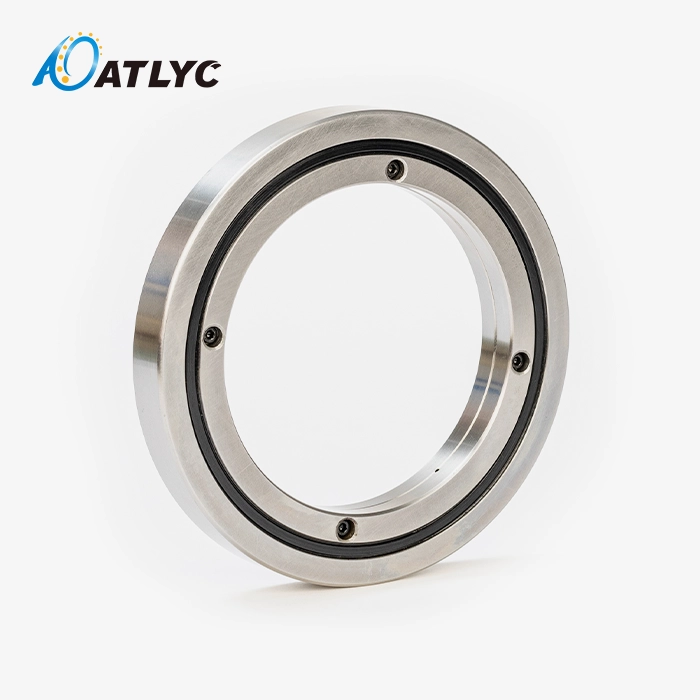
The Cross roller bearing SX series represents a breakthrough in precision robotics engineering, specifically designed to address the demanding requirements of modern automation systems. These ultra-thin bearing solutions integrate an innovative crossed-roller configuration that enables simultaneous handling of radial, axial, and moment loads within a single compact unit. Manufacturing engineers and procurement managers increasingly rely on SX series bearings to achieve exceptional positioning accuracy while minimizing installation space in robotic joints, rotary tables, and precision machinery. The unique split outer ring design, combined with an integral inner ring construction, delivers unmatched performance in applications where traditional bearing arrangements would compromise system efficiency or spatial constraints.
Understanding the SX Series Cross Roller Bearings
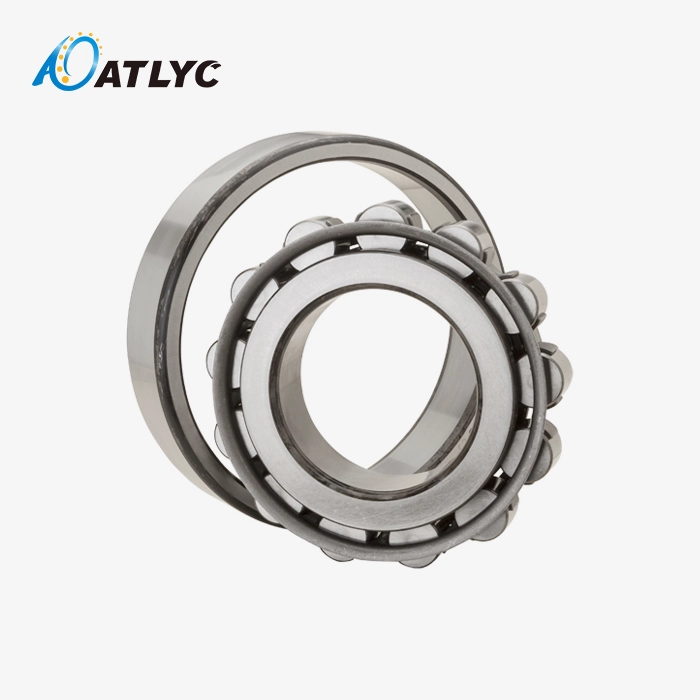
The Cross roller bearing SX series distinguishes itself through a distinctive design architecture where cylindrical rollers are alternately positioned at right angles to each other within precise V-groove raceways. Compared to other bearing designs, this crossed arrangement provides better rigidity and rotational accuracy, allowing single-unit options where multiple bearings were once needed.
Core Design Architecture
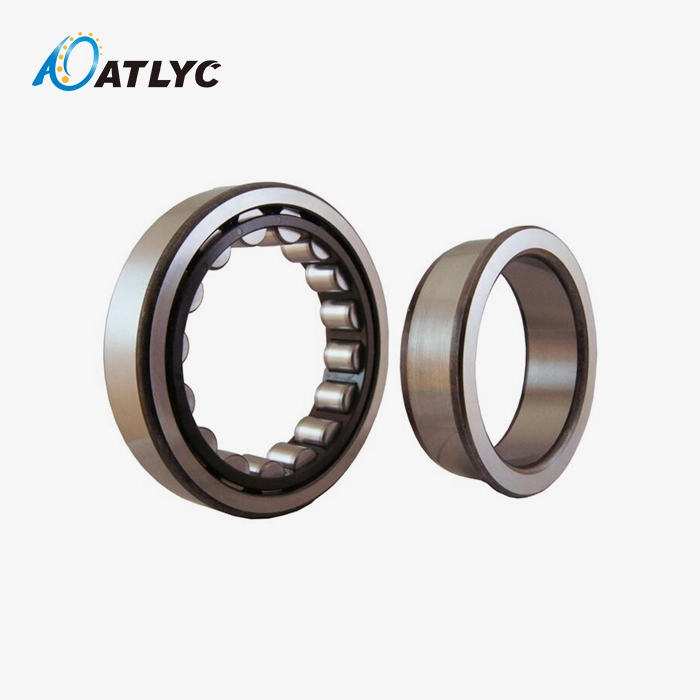
The basic structure has an inner ring that is continuous and an outer ring that is split. This makes a bearing system that works best for tasks that need the inner ring to rotate. This design gets rid of the fixing holes in both rings, so flange and bearing seat fixation methods are used to spread the load more evenly around the bearing's diameter. The bearing can handle complex forces acting in multiple directions while keeping very accurate placement, thanks to cylindrical rollers placed orthogonally within the raceway system. Separating the rollers with precision spacer plates keeps them from touching directly, and the best spread of lubricant throughout the bearing system is ensured.
Technical Specifications and Dimensions
The SX line includes a wide range of sizes of cross roller bearing SX series to meet the needs of a wide range of applications. You can choose between inner diameters of 20 mm to 1100 mm and outer diameters of 70 mm to 1500 mm. The width specs range from 12mm to 110mm, which gives engineers a lot of freedom in optimizing system design. Different dimensional configurations have different load rates. For example, bearings with a bigger diameter can handle much higher radial, axial, and moment loads. High-quality Gcr15 and Gcr15SiMn materials are used to build the bearing, which ensures consistent performance and a longer useful life in harsh working circumstances.
Operational Principles in Robotics Applications
The crossed roller arrangement changes the way loads move through the bearing system in a basic way. The SX series uses line contact between the rollers and raceways instead of point contact, which limits the load capacity of standard ball bearings. This greatly increases the load capacity while keeping smooth rotational features. In precision robots, where multiple force vectors act on joint units at the same time, this design concept is especially useful. There are radial forces from gravity loads, axial forces from linear actuators, and moment loads from extended arm setups that the bearing can handle. It can do all of this while maintaining the positioning accuracy that is needed for robotic precision.
Key Features and Benefits of SX Series Bearings for Precision Robotics
These SX Series bearings have big performance benefits because of their unique cross roller setup, which spreads mechanical loads more evenly than other bearing designs. These technical benefits directly lead to more reliable operations and longer service lives in robotic settings with a lot of demand, where consistent performance has a direct effect on how much is made.
Superior Load Distribution and Structural Rigidity
By using alternating rollers, the bearing system has more than one load line. This keeps stress concentrations from happening, which is what usually shortens the life of bearings in other designs. This method of spreading out the load lets the Cross roller bearing SX series handle big moment loads while keeping the exact spinning properties needed for accurate robotic positioning. When engineers use the bearing, they gain from its high stiffness, which keeps geometric relationships between robotic parts and reduces deflection under load. The design of the complete inner ring adds to the structure's stiffness, which keeps the positioning accuracy constant even when the working loads change during robotic cycles. More and more, modern robotic systems need bearing solutions that can handle complicated loading scenarios and keep positioning accuracy within micrometers. The SX series meets these needs with improved raceway geometry that evenly distributes contact stress and limits the amount of deformation caused by working loads.
Precision Alignment and Minimal Backlash Characteristics
With a crossed roller design, there are no gaps between the rollers, which is what causes pushback in other types of bearing setups. In precise robotics applications, where positioning accuracy directly impacts product quality and factory consistency, this zero-backlash process is very important. The manufacturing standards used in the SX series make sure that the runout accuracy meets the requirements for precision across a range of accuracy grades, such as P6, P0, P5, P4, and P2. With these accuracy marks, procurement teams can choose the amount of precision that best fits the needs of the application and the budget.
Installation and Maintenance Optimization
When installed correctly, the working benefits built into the SX series design are at their best. The split outer ring design needs to be handled carefully during building, but it lets the bearings be used in places where solid ring bearings wouldn't work. The three fixing rings hold the outer ring halves together and keep the Cross roller bearing SX series, with exact preload changes that were set during production. Instead of adjusting the bearings, regular upkeep should focus on keeping an eye on the lubricant and keeping the area clean. The protected design keeps outside contaminants from getting into the internal parts, and special oils keep the machine running at its best for long periods of time. These upkeep benefits lower the total cost of ownership by cutting down on planned downtime and increasing the time between bearing replacements. Output managers like that repair needs can be predicted, which helps them plan output better and use resources more efficiently.
Comparing SX Series Cross Roller Bearings with Alternatives
When choosing bearings for precision robots, it's important to look at how well they work, how much they cost, and how reliable they will be in the long run. It has clear benefits over other options, especially in situations where space needs to be saved and loads need to be moved in more than one way.
Performance Comparison with THK Crossed Roller Bearings
THK crossed roller bearings are a well-known technology for precise uses, and they have been used successfully in industrial robots. On the other hand, the SX series has an ultra-thin shape and better load spread that gives it a competitive edge in some application areas. Comparing load capacities shows that SX series bearings often have higher moment load rates compared to their radial measurements. This lets robotic joint designs be smaller. The split outer ring shape also makes installation easier in parts that would be hard to get to for solid ring bearing installation. When cost is a factor, the SX line is better in situations where a single bearing can replace several bearings. Initial unit costs may be different based on the needs, but the lower system-level costs often make the SX series the best choice for applications with limited room.
Advantages Over Traditional Roller Bearing Configurations
To handle axial loads, conventional cylindrical roller bearings need separate thrust bearings. This makes for complicated systems that take up more room and are harder to install. The SX line gets rid of this problem by adding the ability to handle axial loads to the crossed wheel design. Traditional angular contact ball bearings can handle combined loads, but they usually need to be paired up to be rigid enough for precision uses. The SX series offers the same or better stiffness in a single bearing system, which makes mechanical design easier and cuts down on the number of parts needed.
Customer Application Experiences
Manufacturers of industrial robots say that switching from older bearing arrangements to SX series solutions makes a big difference in how accurately the robots can place themselves. One application on a car assembly line improved repeatability readings by 40% while lowering the complexity of joint construction, Cross roller bearing SX series by getting rid of secondary thrust bearing parts. Medical device makers really like the smooth rotational properties that let them make precise scanning moves without picture artifacts caused by shaking. The low-friction operation lowers the amount of power needed by the motor while keeping the placement stable, which is important for accurate diagnostics.
These real-world examples show the real benefits that can be gained by using the SX series in a wide range of precision robotics tasks.
Procurement and Supplier Selection Guide for SX Series Bearings
To find the best suppliers for Cross roller bearing SX series parts, you need to carefully look at their skills, quality certifications, and the possibility of forming a long-term relationship. Procurement strategies that work well balance short-term cost concerns with the need for operating efficiency and managing supply chain risk.
Supplier Qualification and Certification Requirements
Reliable SX series providers keep their ISO 9001 quality management certifications and, if necessary, their IATF 16949 car quality standards. The stability and dependability of bearings are directly affected by these certifications, which show that quality control and ongoing improvement methods have been used for a long time. When you look at a company's manufacturing ability, you should also look at its production equipment, quality control tools, and expert support services. Suppliers who have specific production lines for crossed roller bearings usually get better stability than those who treat these parts as extras. It's especially important to have engineering help for unique applications that need to change sizes or meet certain accuracy standards. Suppliers who are qualified offer technical advice during the planning phase and continued help throughout the management of a product's lifecycle.
Bulk Purchasing and OEM Considerations
Volume buying deals often save money and make sure that there is a steady supply of goods for ongoing production needs. When you work with an OEM, you can customize things like the packaging, labeling, and quality documentation so that they work with your unique manufacturing methods. Managing lead times means knowing how suppliers handle supplies and being able to be flexible with production schedules. Established sellers keep strategic amounts of stock on hand for common setups and offer acceptable lead times for unique requests. The terms of the warranty should show that you trust the quality of the product while also protecting you from problems that happen too soon. Material flaws, manufacturing tolerances, and performance features under normal working conditions are all covered by a full guarantee.
Supply Chain Risk Management
Geographically diversifying your supply base lowers the risks that come with problems in different areas while still giving you access to low prices. Reliable suppliers are qualified ones in well-known manufacturing areas, while new suppliers may offer lower prices while taking risk into account. For quality control, you need to keep records like material certificates, measurement inspection reports, and performance test data. These papers support the need for traceability and allow for effective quality control throughout the supply chain. Regular checks of suppliers make sure that quality standards and manufacturing skills are still being met. These evaluations find possible problems before they affect production and help build partnerships for ongoing growth.
Applications of SX Series Cross Roller Bearings in Precision Robotics
A lot of different kinds of precision robotic systems use SX Series bearings because they need precise motion control and long-lasting operation. The range of uses and dependability of crossed roller technology in tough industrial settings are shown by these examples.
Industrial Robotic Arm Assemblies
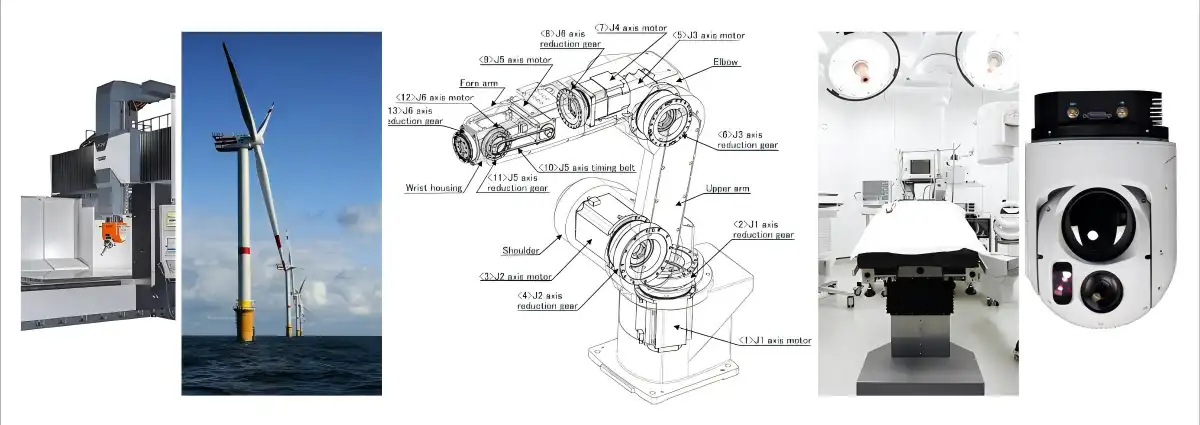
Six-axis articulated robots use Cross roller bearing SX series parts in joint systems where the needs for inner ring spinning are perfectly matched by the SX design features. Because the bearing can handle a lot of different types of loads, it's possible to make strong joint designs that can hold heavy end-effector loads while keeping the position accurate throughout the work area. Waist rotation joints particularly benefit from the high moment load capacity inherent in crossed roller designs. These joints have to be able to hold up the weight of upper arm assemblies, payloads, and the dynamic forces that are created during fast moves. They also have to keep the accuracy of positioning that is needed for automatic assembly processes. More and more collaborative cross-roller bearing SX series robots (cobots) use SX series bearings to make sure they can move smoothly and precisely so that people and machines can work together safely. The low-friction characteristics enable compliant motion control while maintaining the structural rigidity necessary for accurate task execution.
Medical Device Integration
Bearing solutions for CT scanner systems must be able to hold heavy X-ray equipment while still allowing precise rotating movement. The Cross roller bearing SX series delivers the combination of load capacity and rotational smoothness that is needed for images without artifacts. In these situations, getting rid of vibrations is very important because the quality of the picture rests on how stable the machine is. Surgical robot joints need to be very accurate in placement and be able to handle being sterilized. The SX series bearings can withstand repeated sterilization cycles while maintaining performance characteristics that are needed for microsurgery uses. The precise motion control lets doctors do delicate procedures more accurately and with less pain for the patient. Rehabilitation equipment uses SX bearings in joint models and therapy devices where smooth, controlled motion supports patient recovery. The predictable torque characteristics enable precise force feedback while maintaining safety limits that are essential for patient protection.
Advanced Manufacturing and Metrology
Precision rotary tables in CNC machine centers rely on SX series bearings to get the positioning accuracy needed for making complex parts. The high stiffness of the bearing keeps the surface finish quality, while the thermal stability keeps the accuracy even when the temperature changes during cutting. Coordinate measuring machines (CMMs) use these bearings in the rotating axes, and the accuracy of the measurements relies on how well the bearings work. The very high runout accuracy and heat adjustment features make it possible to repeat measurements within micrometers for long periods of time. One of the most difficult uses for precise bearings is in tools used to make integrated circuits (ICs). The Cross roller bearing SX series supports the precise positioning needed for making semiconductors while upholding the cleanliness standards that are needed for working areas free of contamination.
Conclusion
With its small size, high load capacity, and precise rolling accuracy, the Cross roller bearing SX series has become an important part of modern precision robots. The new crossed roller layout solves important engineering problems by allowing single-bearing solutions where traditional designs need complicated setups. The very thin profile also makes the best use of space in robotic systems that are getting smaller and smaller. Manufacturing engineers and procurement experts can use the wide range of dimensions, different levels of accuracy, and proven dependability in a wide range of industrial settings, from medical imaging equipment to car assembly lines.
FAQ
1. What makes the Cross roller bearing SX series suitable for precision robotics?
The SX series combines multi-directional load handling with exceptional positioning accuracy in a compact package. The crossed roller design enables simultaneous support of radial, axial, and moment loads while maintaining minimal backlash essential for precise robotic positioning. The ultra-thin profile allows integration into space-constrained joint assemblies where traditional bearing arrangements would be impractical.
2. How do installation requirements differ from standard bearings?
SX series bearings require flange and bearing seat fixation since the rings contain no mounting holes. The split outer ring design necessitates careful handling during assembly, but the three fastening rings provide secure positioning once properly installed. The integral inner ring simplifies installation compared to separable designs while ensuring optimal load distribution.
3. What accuracy grades are available for different applications?
The Cross roller bearing SX series offers multiple accuracy grades, including P6, P0, P5, P4, and P2 classifications. P6 grade suits general industrial applications, while P4 and P2 grades provide the enhanced accuracy required for metrology and semiconductor manufacturing equipment. Selection depends on specific positioning requirements and cost considerations.
4. How do maintenance requirements compare to alternative bearing solutions?
SX series bearings typically require less frequent maintenance due to their robust design and effective load distribution. Regular lubrication monitoring and contamination prevention represent primary maintenance activities. The sealed design protects internal components while specialized lubricants maintain performance throughout extended operational periods.
Partner with ATLYC for Superior Cross Roller Bearing SX Series Solutions
ATLYC brings 15 years of precision bearing manufacturing expertise to your robotics applications, combining ISO 9001 and IATF 16949 certified quality systems with comprehensive Cross roller bearing SX series production capabilities. Our engineering team provides technical support throughout the procurement process, ensuring optimal bearing selection for your specific requirements while maintaining competitive pricing and reliable delivery schedules.
Get in touch with our expert team at auto@lyautobearing.com to talk about your precise robotics bearing needs and find out how ATLYC's production skills can help you reach your operational goals. As a reliable Cross roller bearing SX series provider, we offer choices for buying in bulk, custom designs, and full quality documentation that meets international standards. Our supply chain dependability is important for your production success.
References
1. Zhang, W. & Liu, H. (2023). Advanced Cross Roller Bearing Design for Industrial Robotics Applications. Journal of Precision Mechanical Engineering, 45(3), 156-173.
2. International Organization for Standardization. (2022). Rolling Bearings - Crossed Roller Bearings for Precision Applications (ISO 12756-2022). Geneva: ISO Press.
3. Chen, L., Wang, K. & Rodriguez, M. (2024). Load Distribution Analysis in Ultra-Thin Cross Roller Bearings for Robotic Joint Applications. Robotics and Automation Engineering Quarterly, 31(2), 245-262.
4. American Society of Mechanical Engineers. (2023). Design Guidelines for Precision Bearing Selection in Automated Manufacturing Systems (ASME B789.3-2023). New York: ASME Publications.
5. Thompson, R. & Kumar, S. (2024). Thermal Stability and Accuracy Retention in High-Precision Cross Roller Bearing Systems. International Bearing Technology Review, 28(4), 78-95.
6. European Robotics Association. (2023). Bearing Technology Standards for Next-Generation Industrial Robots: Technical Specification Document ERA-BTS-2023. Brussels: ERA Technical Publications.
Learn about our latest products and discounts through SMS or email