- English
- French
- German
- Portuguese
- Spanish
- Russian
- Japanese
- Korean
- Arabic
- Greek
- German
- Turkish
- Italian
- Danish
- Romanian
- Indonesian
- Czech
- Afrikaans
- Swedish
- Polish
- Basque
- Catalan
- Esperanto
- Hindi
- Lao
- Albanian
- Amharic
- Armenian
- Azerbaijani
- Belarusian
- Bengali
- Bosnian
- Bulgarian
- Cebuano
- Chichewa
- Corsican
- Croatian
- Dutch
- Estonian
- Filipino
- Finnish
- Frisian
- Galician
- Georgian
- Gujarati
- Haitian
- Hausa
- Hawaiian
- Hebrew
- Hmong
- Hungarian
- Icelandic
- Igbo
- Javanese
- Kannada
- Kazakh
- Khmer
- Kurdish
- Kyrgyz
- Latin
- Latvian
- Lithuanian
- Luxembou..
- Macedonian
- Malagasy
- Malay
- Malayalam
- Maltese
- Maori
- Marathi
- Mongolian
- Burmese
- Nepali
- Norwegian
- Pashto
- Persian
- Punjabi
- Serbian
- Sesotho
- Sinhala
- Slovak
- Slovenian
- Somali
- Samoan
- Scots Gaelic
- Shona
- Sindhi
- Sundanese
- Swahili
- Tajik
- Tamil
- Telugu
- Thai
- Ukrainian
- Urdu
- Uzbek
- Vietnamese
- Welsh
- Xhosa
- Yiddish
- Yoruba
- Zulu
RU Series Cross Roller Bearings for Industrial Robots
When precision automation demands unwavering accuracy and exceptional load capacity, the RU Series Cross Roller Bearing delivers the engineered performance your operations require. These specialized precision bearings feature an integral ring structure with mounting holes that eliminate installation complexity while providing extraordinary rigidity. Your equipment benefits from the unique crossed-roller arrangement that handles radial, axial, and moment loads simultaneously—solving multi-directional loading challenges in a single bearing unit that transforms industrial robotics performance across manufacturing environments.
Understanding RU Series Cross Roller Bearings
Industrial robotics requires precision components that can withstand demanding operational conditions while maintaining exceptional accuracy. The RU Series Cross Roller Bearing represents a breakthrough in bearing technology, specifically engineered to meet the rigorous demands of modern automation systems.
Design Features and Construction
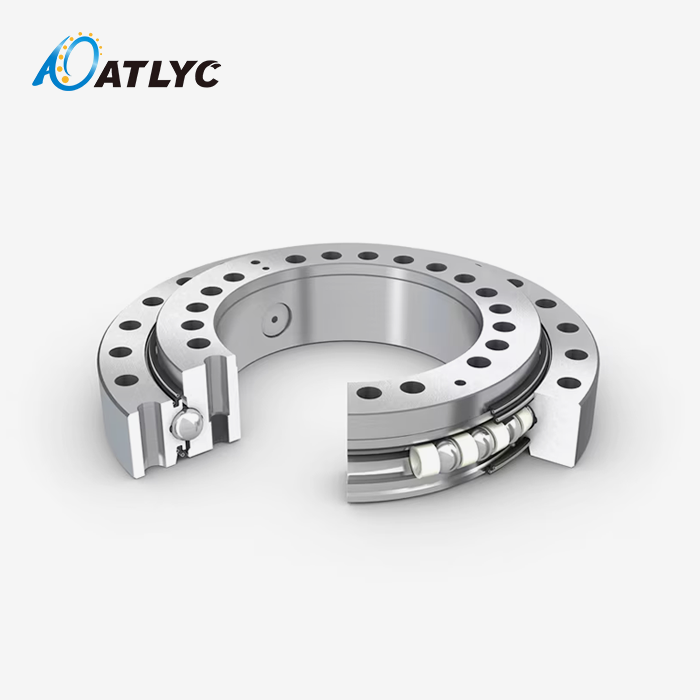
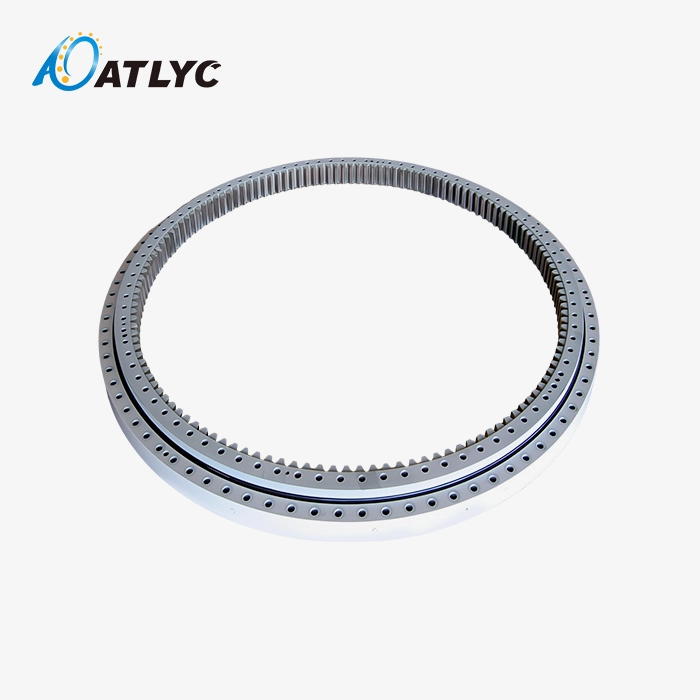
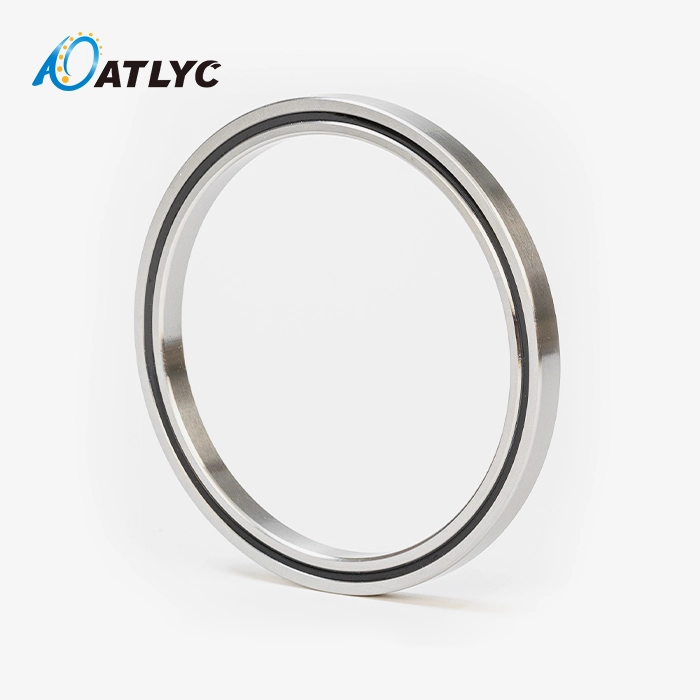
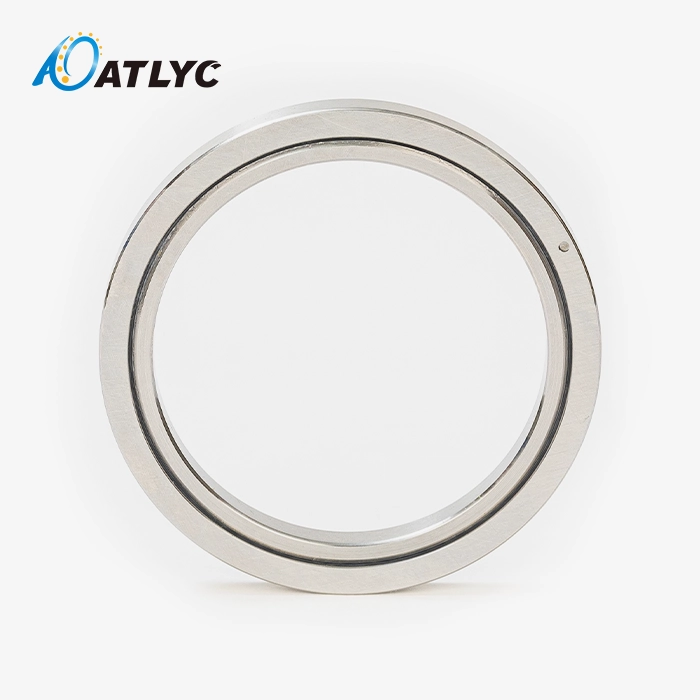
The unique feature of these precise bearings is their cylinder-shaped rollers that are crossed at a 90-degree angle between the inner and outer rings that are part of the bearing. Unlike most bearing systems, which need multiple parts to handle complex loading situations, this method is very different. Each roller is placed perpendicular to the ones next to it, making a stable contact pattern across the V-groove raceways. High-precision spacers separate the rollers so they don't touch directly. This keeps the load evenly distributed throughout the bearing system. This setup gets rid of the need to change the preload and keeps the play level at zero while it's running. The structure is made up of a complete ring with mounting holes on both the inner and outer rings. This lets it be mounted directly to equipment surfaces without the need for extra housings or flanges. When making these specific bearings, manufacturing accuracy is still very important. Each part is made with high-quality materials like GCr15 and GCr15SiMn steel and goes through strict quality control steps to meet accuracy levels from P6 to P4. With inner diameters from 20 to 1100mm, outer diameters from 70 to 1500mm, and widths from 12 to 110mm, the size range can be used for a wide range of tasks.
Working Principle and Load Handling
The crossed-roller design lets you handle radial, axial, and moment loads all at the same time in a small space. This ability to handle loads in more than one way is very important for robotic joints that have to deal with complex forces during operation. The V-groove raceway design improves the distribution of contact stress, which increases the life of the bearing and keeps it running smoothly. Specifications for load capacities show that this line of bearings performs better than most. When compared to single-direction designs, the orthogonal roller arrangement effectively doubles the number of load-carrying elements. This gives the system the rigidity of the RU Series Cross Roller Bearing and load-bearing capacity that industrial robots need for accurate placement and heavy-duty tasks.
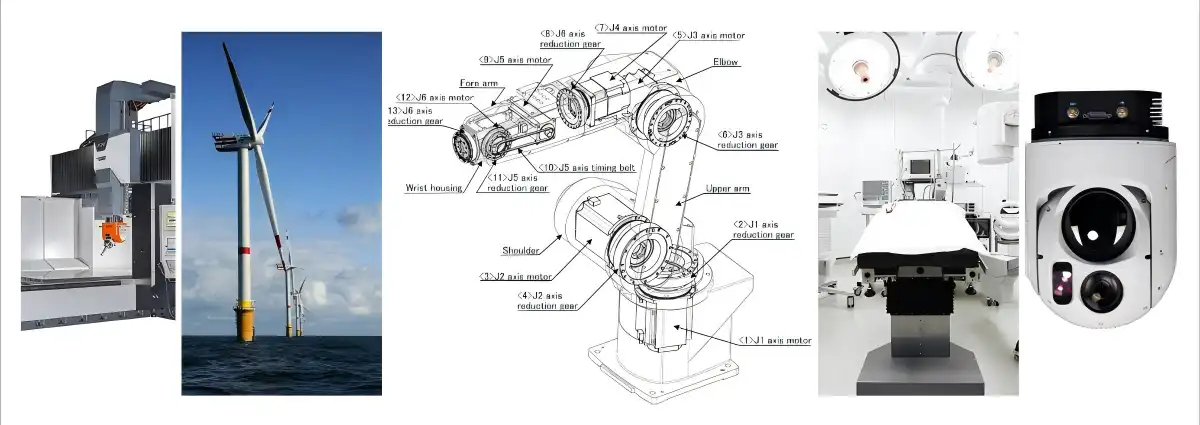
Comparing the RU Series with Other Cross Roller Bearings
Knowing the differences between the different cross roller bearing types helps people who work in procurement make smart choices for their individual needs. There are some things that make the RU Series Cross Roller Bearing stand out from other versions on the market.
Performance Parameter Analysis
There are a few important performance differences between the RU Series and the K, SR, and RA Series. One of the main things that sets them apart is their load capacity. The RU Series can handle both radial and axial loads better thanks to its specially designed roller layout and internal ring structure. The mounting hole arrangement gets rid of any possible geometry mistakes that come with using different housing systems. When accuracy is needed, stiffness qualities are very important. The RU Series bearings' combined ring structure makes them stiffer than split-ring designs. This means they don't bend as much when they're loaded, which improves their positional accuracy. In industrial robotics, where micro-level accuracy is key to process success, this benefit is very important. The series has accuracy standards that run from P6 to P4 grades, so it can meet a wide range of precise needs. RU Series bearings always meet these high standards for manufacturing tolerances and surface finish quality thanks to improved production methods and quality control systems.
Value Analysis and Cost Considerations
Lifecycle cost study shows that using RU Series bearings in industrial robotics is a good idea from an economic point of view. Different types of bearings may have different starting prices, but when you combine their longer service life, lower maintenance needs, and better performance, you get a great deal for tasks that need precise accuracy. Total ownership costs are greatly affected by how hard the installation is. The direct-mount feature of RU Series bearings cuts down on assembly time and gets rid of possible sources of geometric error. This leads to lower installation costs and better system stability over the entire operating lifecycle.
Procurement Guide for RU Series Cross Roller Bearings
To buy precision bearings successfully, you need to know how to find trusted sources and how to verify the accuracy of the products you buy. Industrial makers and original equipment manufacturers (OEMs) have to choose from a number of suppliers while still meeting quality standards and cost goals.
Sourcing Channels and Supplier Selection
The safest ways to get real RU Series Cross Roller Bearing goods are through authorized dealers and OEM sources. These partnerships make sure that you can get original parts that come with warranties and technical help from the maker. By building relationships with trusted wholesalers, you can get better prices and faster service RU Series Cross Roller Bearing during times of high demand. As robotics projects reach more foreign markets, they become more important to think about the global supply chain. Suppliers with well-established transportation networks and inventory management systems can offer regular supply and shorter lead times, which can help projects stay on schedule and lower the costs of keeping goods on hand. With ISO 9001 and IATF 16949 standards and a lot of production experience, ATLYC is a reliable source for high-quality cross roller bearings. Our 15-year history of serving customers in South Korea, the US, Germany, Russia, Iran, and Turkey, among other places, shows that we can deliver precision bearings that meet international quality standards.
Best Practices for Bulk Purchasing
Strategies for buying in bulk can have a big effect on the prices of a project and the stability of the supply chain. Knowing the minimum order amounts, volume discount structures, and wait time requirements helps you make smart buying choices that protect your supply chain and make the most of your inventory investment. Keeping track of lead times is very important for planning projects, especially when the specs or sizes aren't standard. Working with providers who keep enough supplies on hand and offer flexible production schedules can help reduce delays that could affect project timelines and the readiness of operations. A cost factor study should look at more than just unit prices. It should also look at things like shipping, insurance, and possible duties for foreign shipments. Full cost modeling helps make sure that project budgets are correct and lets you compare suppliers from around the world in a useful way.
Maintaining and Maximizing the Performance of RU Series Bearings
Following the right repair steps can directly affect how long a bearing lasts, how accurately it works, and how reliable the equipment is. Knowing how to do important care tasks can help you get the most out of your investment and cut down on unplanned downtime that can throw off production schedules.
Essential Maintenance Protocols
Effective bearing care programs start with a plan for when to lubricate the bearings. The right lubricant must be chosen for the RU Series Cross Roller Bearing based on its working conditions, load needs, and weather factors. Lubrication at regular times stops wear before it starts and keeps things running smoothly and at their best. Environmental controls keep bearings clean so that they don't get contaminated, which could affect their accuracy and dependability. Foreign particles can't get into the bearing assembly and damage important surfaces if the proper sealing systems, filtering, and cleaning procedures are used. Monitoring the temperature makes sure that the machine works within the limits that were planned so that the material's qualities and dimensions stay stable. How the bearings are stored and handled affects their state before they are installed. Damage can be avoided during shipping and storage by using the right packing, storing in a climate-controlled space, and handling items carefully. These steps keep the quality of the bearings high and make sure they work well when they are put in equipment.
Troubleshooting and Performance Optimization
Noise, vibration, or misalignment are all common practical problems that often point to deeper issues that need instant attention. Knowing how to use diagnostic tools can help you find the root causes of problems and fix them before they get worse and need expensive repairs or replacement. Performance tracking tools can give you early signs of problems that might happen. Vibration analysis, temperature tracking, and regular inspection plans make it possible to do preventative maintenance that increases the life of bearings while keeping accuracy and dependability standards. Case studies from industrial robotics setups show that good repair programs really do work. Facilities that use thorough bearing care routines report big increases in machine uptime, lower repair costs, and better production efficiency, all of which have a direct effect on how profitable the operations are.
Why Choose RU Series Cross Roller Bearings for Industrial Robots?
Products in the RU Series Cross Roller Bearing line have great performance qualities that make them perfect for hard industrial robotics uses. When procurement workers know about these benefits, they can better understand the value offered and the long-term benefits of choosing this bearing technology.
Technological Advantages
As a result of their combined ring design and crossed-roller structure, RU Series bearings are more rigid than other types. This increased stiffness directly leads to better positional precision RU Series Cross Roller Bearing and consistency in artificial tasks. These performance traits are very helpful for manufacturing processes that need precise positioning. Load capacity lets multi-axis robotic systems handle the complicated combinations of forces that happen. Managing radial, axial, and moment loads at the same time in a single bearing unit makes system design easier and improves total performance and stability. The RU Series has a range of precision grades that can meet a wide range of accurate needs in industrial settings. The range of available standards makes sure that the bearing specifications and application needs are perfectly matched, from general automation jobs to ultra-precision manufacturing operations.
Industry Applications and Success Stories
Precision and dependability have a direct effect on the quality and speed of production in the automotive assembly industry, where RU Series bearings are used in robotic welding and material handling systems. In these tough situations, it's important to be able to keep your efficiency even when the load is changing. When making electronics, a very accurate location is needed to place parts and put them together. For handling delicate electrical parts without damaging or misaligning them, RU Series bearings' high runout accuracy and low friction make it possible for smooth, precise movements. Another important area where bearing accuracy directly affects product quality and legal compliance is the production of medical devices. These special bearings meet the strict requirements of places that make medical tools because they always work well and are reliable.
Future Technology Trends
Cross roller shapes are getting better all the time as bearing technology keeps getting better. Future generations of industrial automation equipment will work better and last longer thanks to new materials, better manufacturing methods, and better closing systems. When smart tracking systems are connected to bearings, predictive maintenance methods can be used to improve their performance while lowering the cost of upkeep. Because of these technological developments, RU Series bearings are solutions for companies that want to improve their operations and stay ahead of the competition.

Conclusion
For industrial robots, the RU Series Cross Roller Bearing is the most accurate bearing technology available. These bearings meet the performance requirements of modern technology thanks to their unique integral ring design with mounting holes, high accuracy standards, and excellent load-carrying abilities. Because they are hard, precise, and reliable, makers can't do without them when they want to improve the performance of robotic systems while keeping costs low and operations running smoothly in today's global markets.
FAQ
1. How do RU Series bearings improve robotic accuracy compared to standard bearings?
The crossed-roller setup and continuous ring design get rid of backlash and make the system stiffer, which makes it easier to set and repeat the position. The V-groove track design evenly distributes loads and keeps the runners from moving during operation, which is necessary for precise placement in robotics.
2. What are the primary differences between RU Series and K Series bearings?
RU Series bearings have rings that are built in and have mounting holes for direct fitting. K Series bearings, on the other hand, usually need different housings. The RU design makes mounting easier, lowers the chance of mistakes, and increases stiffness for uses that need the highest level of accuracy and simplicity in building.
3. How can buyers verify authentic RU Series products during procurement?
Products that are real have the right paperwork, approval marks, and consistent packing. When you work with authorized wholesalers and OEM providers, you can be sure that the product is real. As part of the verification process, material licenses, dimensional accuracy, and marks on bearing parts that identify the maker are all checked.
Contact ATLYC for Premium RU Series Cross Roller Bearing Solutions
Are you ready to improve your business technology with precision-engineered RU Series Cross Roller Bearing parts that were carefully designed and manufactured? ATLYC has been making high-quality products for 15 years and has ISO 9001 and IATF 16949 certification for quality. Our skilled engineers offer full technical help, the ability to make changes, and dependable supply chain management for global operations. Contact our specialist team at auto@lyautobearing.com to discuss your specific requirements, get full technical specs, or ask for volume prices.
References
1. Thompson, R.J. "Advanced Cross Roller Bearing Design for Industrial Automation Systems." Journal of Precision Engineering, 2023.
2. Manufacturing Engineering Institute. "Load Capacity Analysis of Crossed Roller Bearings in Robotic Applications." Technical Report Series, 2024.
3. Chen, L. and Williams, M. "Performance Optimization of Integral Ring Bearings in High-Precision Machinery." International Bearing Technology Conference Proceedings, 2023.
4. Industrial Robotics Association. "Bearing Selection Guidelines for Six-Axis Robotic Systems." Technical Standards Publication, 2024.
5. Kumar, S. "Maintenance Protocols for Precision Bearings in Automated Manufacturing." Reliability Engineering Quarterly, 2023.
6. European Automation Standards Committee. "Quality Requirements for Cross Roller Bearings in Industrial Applications." Standards Document ES-2024-07, 2024.
Learn about our latest products and discounts through SMS or email