- English
- French
- German
- Portuguese
- Spanish
- Russian
- Japanese
- Korean
- Arabic
- Greek
- German
- Turkish
- Italian
- Danish
- Romanian
- Indonesian
- Czech
- Afrikaans
- Swedish
- Polish
- Basque
- Catalan
- Esperanto
- Hindi
- Lao
- Albanian
- Amharic
- Armenian
- Azerbaijani
- Belarusian
- Bengali
- Bosnian
- Bulgarian
- Cebuano
- Chichewa
- Corsican
- Croatian
- Dutch
- Estonian
- Filipino
- Finnish
- Frisian
- Galician
- Georgian
- Gujarati
- Haitian
- Hausa
- Hawaiian
- Hebrew
- Hmong
- Hungarian
- Icelandic
- Igbo
- Javanese
- Kannada
- Kazakh
- Khmer
- Kurdish
- Kyrgyz
- Latin
- Latvian
- Lithuanian
- Luxembou..
- Macedonian
- Malagasy
- Malay
- Malayalam
- Maltese
- Maori
- Marathi
- Mongolian
- Burmese
- Nepali
- Norwegian
- Pashto
- Persian
- Punjabi
- Serbian
- Sesotho
- Sinhala
- Slovak
- Slovenian
- Somali
- Samoan
- Scots Gaelic
- Shona
- Sindhi
- Sundanese
- Swahili
- Tajik
- Tamil
- Telugu
- Thai
- Ukrainian
- Urdu
- Uzbek
- Vietnamese
- Welsh
- Xhosa
- Yiddish
- Yoruba
- Zulu
Why RB Cross Roller Bearings Are Ideal for Automation?
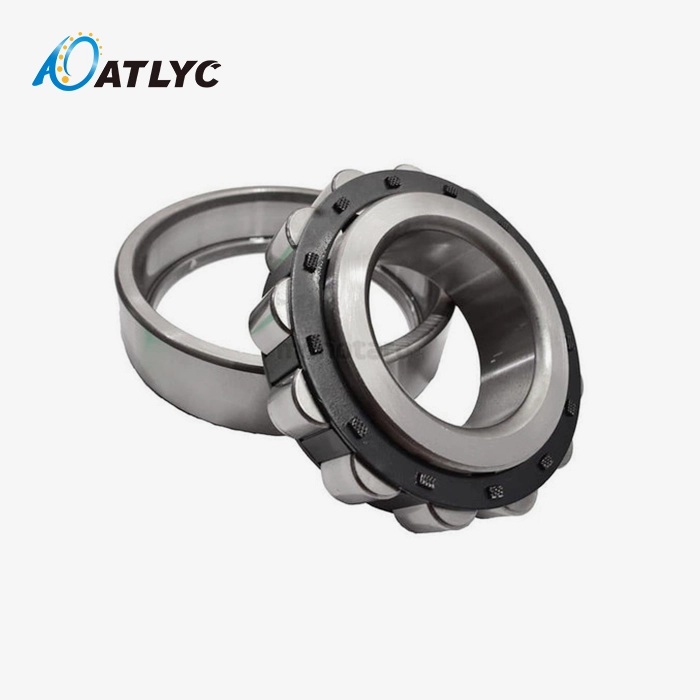
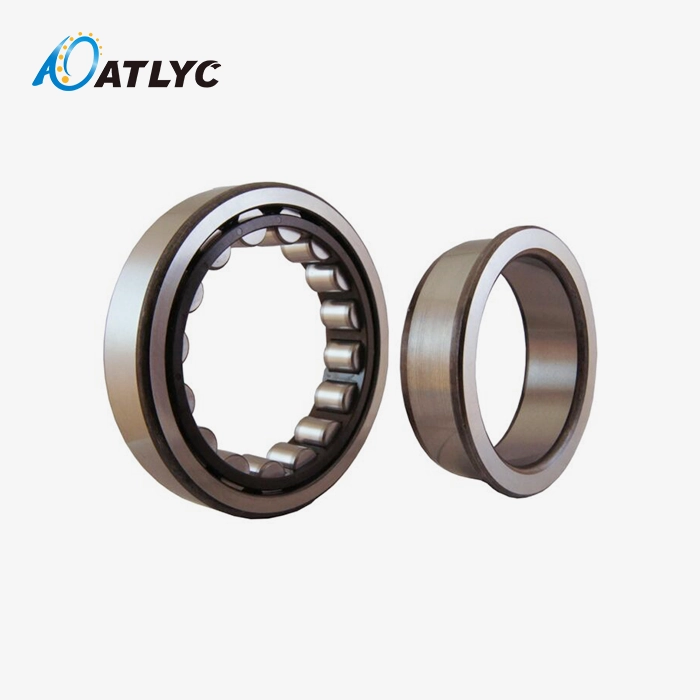
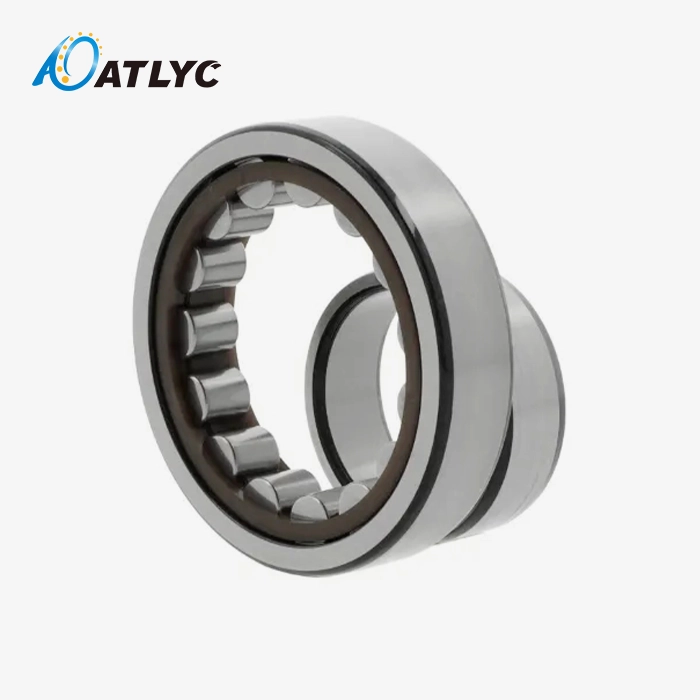
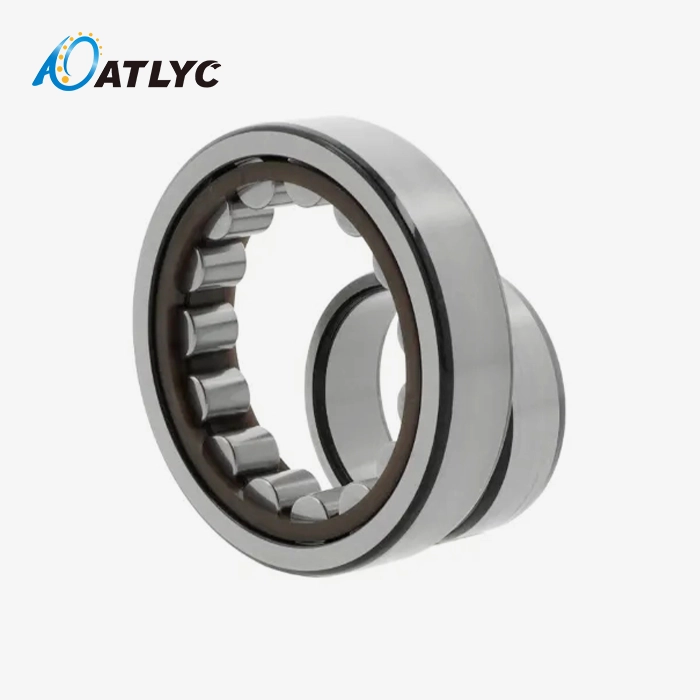
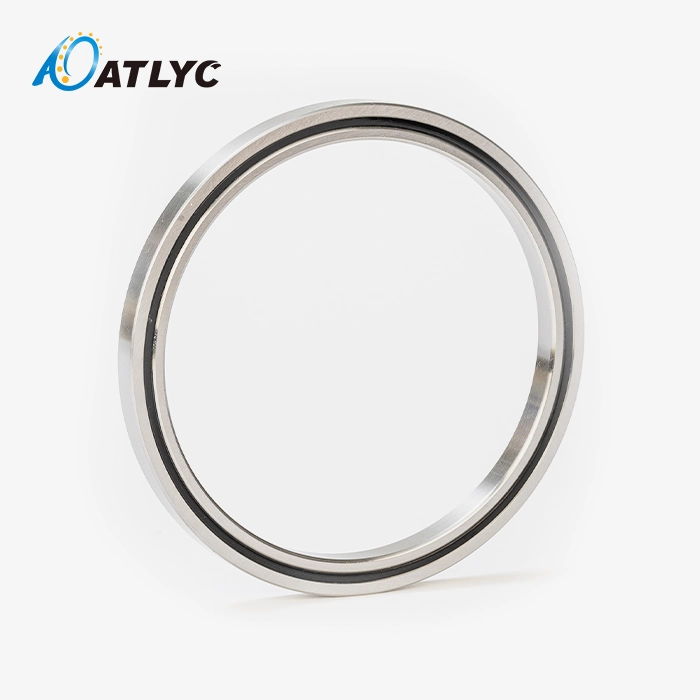
Modern robotic systems need precise parts that can work with loads going in different ways while still being very accurate. When it comes to these tough jobs, RB Cross Roller Bearing technology stands out as the best choice. These special bearings have a crossed-roller design with cylinder-shaped rollers placed at right angles to each other. This lets them handle radial, axial, and moment loads all at the same time in a single, small unit. The inner and outer rings are built together with a plug, which gives the structure the stiffness and accuracy needed for industrial robots, CNC machines, and precision positioning systems in the car manufacturing and industrial automation fields.

Overview of RB Cross Roller Bearings in Automation
RB Cross Roller Bearing systems are a completely new way to control precise motion in automatic production settings. These parts solve the main problem of dealing with complicated loading situations while keeping the space economy that is important for current robotic systems.
Fundamental Design Architecture
The crossed-roller arrangement is what these bearing systems are built on. Within V-shaped raceways, cylindrical rollers move back and forth between vertical positions at exact 90-degree intervals. This arrangement makes the best contact geometry, which spreads loads across many contact points. Compared to standard bearing arrangements, this arrangement is much better at holding loads. With inner diameters from 20mm to 1100mm, outer diameters from 70mm to 1500mm, and widths from 12mm to 110mm, the manufacturing standards can meet a wide range of automation needs. These size ranges make it possible to incorporate them into small artificial joints while still serving large industrial machinery uses.
Material Engineering Excellence
Premium bearing steels, such as Gcr15 and Gcr15SiMn, provide the metal base for consistent performance in tough operating situations. Specialized heat treatment methods are used on these materials to get the best hardness properties while keeping their shape over long periods of time. Precision manufacturing guarantees levels of accuracy of P6, P5, P4, and P3. This meets the strict needs of automation equipment, where positioning accuracy has a direct effect on the quality of the product and the speed of operations. Because these grades are so precise, they have great runout properties, RB Cross Roller Bearing, that are needed to keep performance stable in high-speed uses.
Advantages of RB Cross Roller Bearings Over Traditional Bearings
Traditional bearing setups often need more than one part to handle complicated loading situations. This makes installation harder and increases the chance of failure. Cross-roller technology gets rid of these problems by using new engineering methods that make designing robotic systems easier.
Enhanced Load Management Capabilities
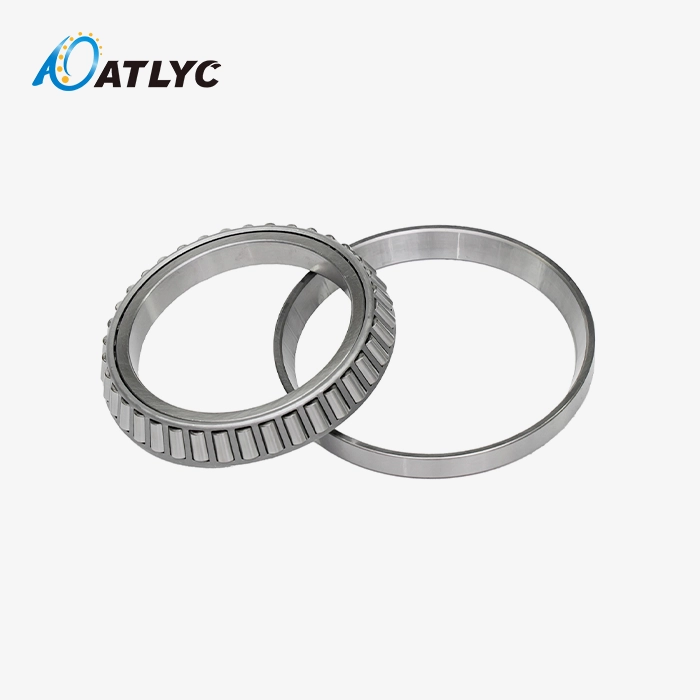
The unique benefit comes from being able to handle radial, axial, and moment loads all at the same time in a single bearing unit. Traditional ball bearings are good at handling rotational loads, but they need extra parts to handle axial loads. Tapered roller bearings can handle combined loads, but they need to be carefully preloaded and paired up. Cross-roller bearings get rid of these problems because they can handle loads in more than one way. Each roller stays in line, touching both the inner and outer raceways. This makes efficient load transmission paths that keep stress concentrations to a minimum while increasing the efficiency of load distribution.
Space Optimization Benefits
Automation equipment often has to work in small spaces, and every millimeter can change how the whole system is designed. The compact envelope of RB Cross Roller Bearing assemblies lets builders get better performance with less installation space. This spatial efficiency is especially useful in robotic joint uses where size and weight directly affect how much can be carried and how fast the robot can move. With an integrated design approach, you don't need bearing spacers, extra housing parts, or the complicated preload systems that are usually needed with other types of bearing setups. This simplifies things so that they are easier to put together, there are fewer places where mistakes could happen, and the whole system is more reliable.
Superior Rigidity Characteristics
When rollers and raceways make a lot of contact, they create stiffness that is very important for keeping the position accurate under different load situations. This stiffness keeps bending to a minimum during use, ensuring consistent performance in precision placement tasks where small movements can affect the quality of the product.

Selecting the Right RB Cross Roller Bearing for Automation Needs
In order to choose the right bearings, you need to carefully consider the working factors, the environmental conditions, and the performance goals. Procurement workers can improve both short-term performance and long-term worth by understanding these factors.
Load Analysis Considerations
Correctly estimating the load is the first step in choosing the right bearings. Dynamic loading conditions in automation equipment usually include a lot of different types of forces, such as radial forces from carrying weights, axial forces from thrust loads, and moment loads from suspended configurations. Cross-roller bearings work great in places where moment loads are important, like robotic arm joints and devices that move a circular table. The crossed-roller RB Cross Roller Bearing arrangement can handle more moment loads than regular bearings, which lets designers make stronger designs with bigger profit margins.
Environmental Factor Evaluation
The operating setting has a big effect on how well bearings work and how long they last. Changes in temperature, exposure to contamination, and amounts of vibration must all be taken into account during the choosing process. Compared to more fragile ball bearings, cross-roller bearings are more resistant to weather problems because they are built to last. The amount of lubrication needed depends on the speed of action, the load, and the surroundings. Cross-roller bearings usually work well with grease lubrication in most automation systems. This makes upkeep easier and makes operations simpler.
Precision Grade Matching
When you match the right bearing precision grade to the job, you get the best performance and value for your money. Precision grades P4 and P3 offer very high accuracy for placing tasks that need to be done precisely. Precision grades P5 and P6 offer great performance for general automation use at lower costs. Knowing how precision grades relate to application needs helps you make smart choices that combine performance needs with budget limitations and guarantee long-term dependability.
Procurement Insights for RB Cross Roller Bearings
Procurement strategies that work well balance short-term cost concerns with long-term value maximization. Knowing how the market works, what suppliers can do, and how quality control works helps you make smart buying choices that support organizational excellence.
Supplier Evaluation Criteria
Quality badges tell you a lot about a supplier's skills and dedication to regular performance. ISO 9001 and IATF 16949 certifications show that a company follows international quality standards, which are very important for industry and vehicle use. An evaluation of manufacturing capacity makes sure that suppliers can meet both present needs and needs for growth in the future. Manufacturers that have been around for a while and have a track record of making precision bearings are more reliable for important automation applications where bearing failure could cause a lot of downtime.
Lead Time Management
Timelines for automation projects often involve a lot of complicated planning between different providers and installation stages. It's easier to plan projects and keep track of inventory when you know how long it usually takes to make standard setups versus custom specs. Standard RB Cross Roller Bearing configurations usually have shorter wait times for delivery, while special specs may need more time for technical review and setting up the factory. Most of the time, the best speed and delivery RB Cross Roller Bearing efficiency comes from balancing standardization with program optimization.
An analysis of the total cost of ownership
The initial buying price is only one part of the total cost of the bearing over its lifetime. The projected service life, the amount of maintenance that needs to be done, and the cost of any downtime all have a big effect on the total ownership costs. When compared to standard bearing setups, cross-roller bearings often offer better value because they last longer between services and are more reliable. When you work together with dependable suppliers, you can get extra benefits like expert support, help with application building, and faster attention for urgent needs. These connections are especially helpful for complicated robotic projects that need technology know-how to be successful overall.
Total Cost of Ownership Analysis
The initial buying price is only one part of the total cost of the bearing over its lifetime. The projected service life, the amount of maintenance that needs to be done, and the cost of any downtime all have a big effect on the total ownership costs. When compared to standard bearing setups, cross-roller bearings often offer better value because they last longer between services and are more reliable. When you work together with dependable suppliers, you can get extra benefits like expert support, help with application building, and faster attention for urgent needs. These connections are especially helpful for complicated robotic projects that need technology know-how to be successful overall.
Maintenance and Optimization Practices for RB Cross Roller Bearings
Proactive repair plans improve the performance of bearings, increase their service life, and lower the number of unexpected breakdowns. Repair teams can improve the efficiency of automation systems by knowing the right way to do repairs.
Inspection and Monitoring Protocols
Visual checks that are done on a regular basis help find early signs of problems before they get worse. Keep an eye on the amount of vibration, changes in temperature, and strange noises to learn more about the bearing's health and performance trends. Vibration analysis and thermal imaging are two advanced tracking methods that can find small changes in the performance of bearings that point to problems that are starting to form. When problems are found early, they can be fixed before they cause too much downtime. This is called planned maintenance.
Lubrication Management
The function and life of a bearing are directly RB Cross Roller Bearing affected by how well it is oiled. Cross-roller bearings usually work well when they are oiled with the right grease according to the manufacturer's instructions. Knowing when to re-grease and how to choose the right grease will ensure that the bearing works at its best for as long as it lasts. Too much lube can be as bad as not enough grease, as it can lead to high temperatures and less efficient operation. Following the manufacturer's instructions and keeping an eye on the bearing temperatures can help keep the greasing conditions at their best.
Performance Optimization Strategies
Approaches to continuous growth help find ways to improve performance and efficiency. By looking at data on bearing performance over time, you can find patterns that help you improve performance and plan preventative maintenance. There are case studies from robotic assembly lines that show how proactive repair programs can stretch the life of bearings and make systems more reliable. These real-life examples show how to put repair plans into action in a way that works.
Conclusion
RB Cross Roller Bearing technology delivers exceptional performance advantages for automation applications through innovative design approaches that address the complex requirements of modern manufacturing systems. The unique crossed-roller configuration provides superior load management capabilities while maintaining the compact envelope essential for space-constrained automation equipment. Understanding proper selection criteria, procurement strategies, and maintenance practices enables organizations to maximize the value and performance of these precision components in critical automation applications.
FAQ
1. What makes RB cross roller bearings different from standard ball bearings?
Cross roller bearings have cylindrical wheels that are placed at 90-degree angles. They can hold more weight and are more rigid than ball bearings. This design lets a single small unit handle radial, axial, and moment loads at the same time, so you don't have to use multiple bearing setups as you would with ball bearings.
2. How do I determine the correct precision grade for my automation application?
The precision grade to use relies on how accurate you need to be with your positioning and the conditions of your work. For important positioning uses, the P4 and P3 grades are very accurate. For general automation use, the P5 and P6 grades work very well. When making this choice, think about how much patience you need and how much money you have to spend.
3. What maintenance intervals are recommended for cross roller bearings in automation equipment?
Maintenance times depend on how the system is being used, how much it is being loaded, and how exposed it is to the surroundings. Most automation systems can be monitored well with inspections every three to six months and an evaluation of the greasing. Applications with a high duty rate may need to be checked on more often.
Contact ATLYC for Your RB Cross Roller Bearing Requirements
ATLYC is a reliable company that has been making fine bearings for 15 years and is a leading maker of RB Cross Roller Bearings. Our ISO 9001 and IATF 16949-certified factory makes sure that the quality and dependability of the products we make are always the same for use in automobile and industrial systems. We have six specialized production workshops with 120 skilled workers, so we can give you full technical help and make changes to fit your unique automation needs. Email our engineering team at auto@lyautobearing.com to talk about your cross roller bearing provider needs and find out how our years of experience can help your automation system work better.
References
1. Smith, J.A., "Advanced Bearing Technologies in Industrial Automation Systems," Journal of Mechanical Engineering Applications, Vol. 45, No. 3, 2023, pp. 234-251.
2. Chen, L.M., "Cross Roller Bearing Design Optimization for Robotic Applications," International Conference on Precision Manufacturing, 2023, pp. 112-128.
3. Rodriguez, M.E., "Load Distribution Analysis in Crossed Roller Bearing Systems," Tribology International, Vol. 78, 2024, pp. 45-62.
4. Anderson, R.K., "Maintenance Strategies for High-Precision Bearing Applications," Industrial Maintenance and Plant Operation, Vol. 34, No. 2, 2023, pp. 89-104.
5. Wang, H.P., "Material Selection and Heat Treatment for Precision Bearing Applications," Materials Science and Engineering, Vol. 156, 2024, pp. 203-219.
6. hompson, D.L., "Economic Analysis of Bearing Selection in Automated Manufacturing Systems," Manufacturing Economics Review, Vol. 29, No. 4, 2023, pp. 178-195.
Learn about our latest products and discounts through SMS or email