- English
- French
- German
- Portuguese
- Spanish
- Russian
- Japanese
- Korean
- Arabic
- Greek
- German
- Turkish
- Italian
- Danish
- Romanian
- Indonesian
- Czech
- Afrikaans
- Swedish
- Polish
- Basque
- Catalan
- Esperanto
- Hindi
- Lao
- Albanian
- Amharic
- Armenian
- Azerbaijani
- Belarusian
- Bengali
- Bosnian
- Bulgarian
- Cebuano
- Chichewa
- Corsican
- Croatian
- Dutch
- Estonian
- Filipino
- Finnish
- Frisian
- Galician
- Georgian
- Gujarati
- Haitian
- Hausa
- Hawaiian
- Hebrew
- Hmong
- Hungarian
- Icelandic
- Igbo
- Javanese
- Kannada
- Kazakh
- Khmer
- Kurdish
- Kyrgyz
- Latin
- Latvian
- Lithuanian
- Luxembou..
- Macedonian
- Malagasy
- Malay
- Malayalam
- Maltese
- Maori
- Marathi
- Mongolian
- Burmese
- Nepali
- Norwegian
- Pashto
- Persian
- Punjabi
- Serbian
- Sesotho
- Sinhala
- Slovak
- Slovenian
- Somali
- Samoan
- Scots Gaelic
- Shona
- Sindhi
- Sundanese
- Swahili
- Tajik
- Tamil
- Telugu
- Thai
- Ukrainian
- Urdu
- Uzbek
- Vietnamese
- Welsh
- Xhosa
- Yiddish
- Yoruba
- Zulu
Why Use Crossed Roller Bearing RB Series in Automation?
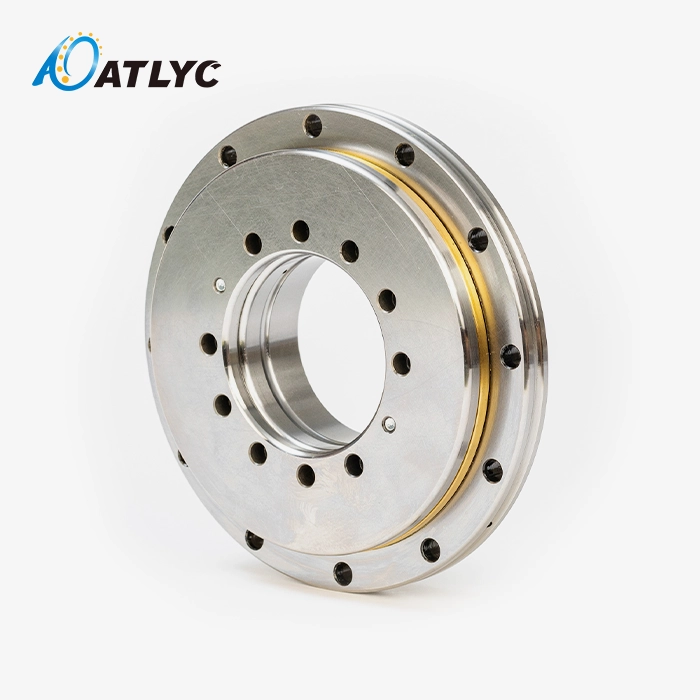
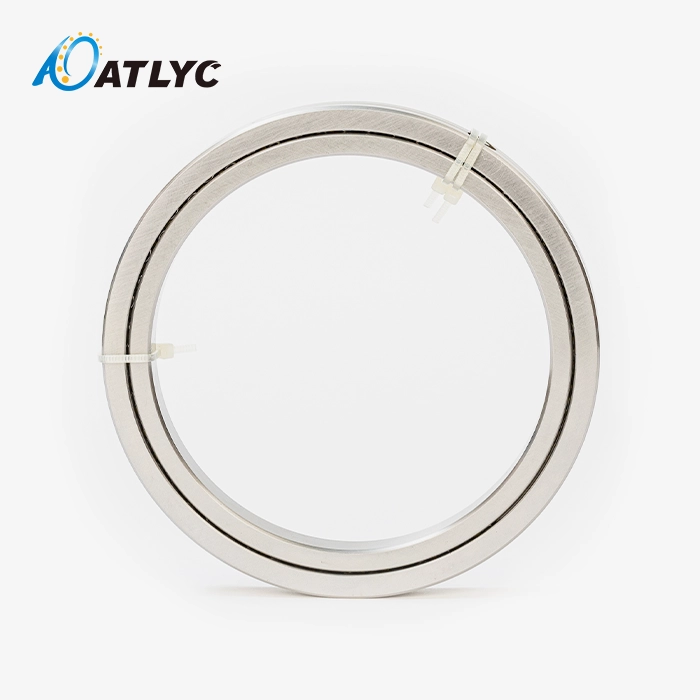
The Crossed Roller Bearing RB Series is now an important part of all current robotic systems because it solves many technical problems in a small package. Unlike most bearings, which need to be installed in pairs, this precision part can handle radial, axial, and moment loads all at the same time thanks to its unique orthogonal roller arrangement. Better rotational accuracy, high stiffness, and big space savings are all benefits for manufacturing facilities that use them. These are important things to keep in mind when building robotic joints, machining centers, and precision positioning systems. The RB Series makes building easier with a combined inner ring and a detachable outer ring. It also provides the stability and dependability needed in high-volume production settings.
Understanding Crossed Roller Bearing RB Series in Automation
The engineering that goes into making these precise parts shows why they're so popular in automatic manufacturing. At their heart, these bearings have V-groove raceways with circular rollers placed alternately at 90-degree angles. This creates the best contact shape, which spreads loads evenly across all bearing surfaces.
The Structural Innovation Behind Performance
The RB Series is different because it has a combined inner ring and an outer ring that can be taken apart and has a plug device built into it. This arrangement works for inner ring spinning uses where mounting room is limited. These parts are made from high-quality Gcr15 and Gcr15SiMn bearing steels that have been strengthened to HRC 58–64. They stay the same size even when they are used in harsh circumstances. Spacers between each roller keep metal from touching metal, which stops the pressure that would otherwise cause the bearing to wobble while it's turning.
These bearings are made with very precise methods that allow them to achieve accuracy grades from P6 to P4, with measurement errors measured in microns. This level of accuracy directly leads to less mechanical play in automation systems, which is necessary for making semiconductors, medical devices, and measuring tools that need to be able to repeat their results.
How Load Distribution Enhances System Reliability
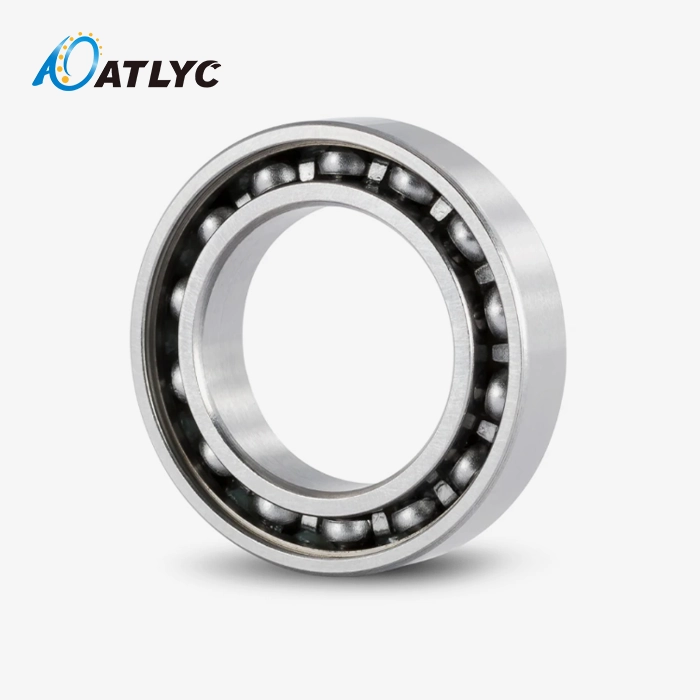
Traditional ball bearings make point contact with raceways, which limits how much weight they can hold and how stiff they are. The crossed roller design makes line contact along the length of each roller, which greatly increases the useful contact area. Because of this physical benefit, a single RB bearing can do the work of several angular contact ball bearings or more complicated bearing setups.
When automation systems are loaded in more than one way, like when robotic arms lift and rotate at the same time, these bearings keep their position accuracy without the deviation that usually happens with other solutions. The V-groove raceway design makes sure that the wheels stay in place even when moment loads try to move internal parts. This keeps the motion smooth for the entire life of the bearing.
Advantages of Using RB Series Bearings in Automation Applications
Production engineers consistently choose these precision components because they solve real-world challenges that impact output quality and operational efficiency. The advantages extend beyond basic specifications to measurable improvements in system performance.
Multi-Directional Load Handling Simplifies Design
The load patterns that your robotic equipment works with are always changing. As a robotic welding arm stretches, it experiences changing radial forces, axial loads when it pushes parts into place, and moment loads when it turns. The crossed roller bearing design can handle all three types of loads at the same time, so it doesn't need any extra support bearings. This cuts down on the number of parts in your bill of materials, makes it easier to put together, and lowers the number of places where something could go wrong. The inventory simplicity is appreciated by procurement teams; keeping only one type of bearing in stock instead of many specialised parts makes supply chain management easier and lowers carrying costs.
Superior Rigidity Protects Process Quality
Positioning errors accumulate over multiple production cycles when rotating components suffer deflection. The Crossed Roller Bearing RB Series offers stiffness values significantly higher than ball bearings of comparable dimensions. This rigidity maintains positional accuracy within micron tolerances even when machining forces act on cutting centers or when heavy payloads are manipulated by robotic arms. Precision component manufacturers who transition to these high-stiffness bearing solutions experience lower rejection rates and reduced rework percentages. Furthermore, the increased stiffness extends machine tool longevity by minimizing vibration and maintaining consistent cutting conditions.
Compact Footprint Enables Equipment Miniaturization
Modern technology is designed to fit in small spaces, especially in cleanrooms and with multi-axis robotic systems. The RB Series comes in a range of sizes, from 20mm to 1100mm in diameter on the inside and 70mm to 1500mm on the outside, with widths from 12mm to 110mm. It can be used for a wide range of tasks while taking up very little room. Because they can handle complex loads in a thin cross-section, mechanical engineers can make equipment smaller without lowering its performance. This small size is especially helpful for joint robots, where size and weight directly affect how much they can carry and how safely they can operate.
Low Friction Coefficient Reduces Operating Costs
The cylinder-shaped rollers and precise spacing keep interior friction to a minimum while the rollers are turning. Lower power use for drive motors and less heat production in bearing systems are both results of this economy. Over thousands of hours of operation, the energy savings add up to a lot, which is an important thing to think about for places that are in charge of hundreds of automatic work cells. The smooth rolling action also creates less wear debris, which means that the bearings don't need to be oiled as often and don't need as much upkeep. Plants that have constant production plans, like equipment that keeps working even when it's not supposed to.
Comparing RB Series Bearings with Alternative Bearing Solutions
When making choices about what to buy, it's important to compare products objectively. Figuring out how these precision parts compare to other options helps you make smart spending choices and get the most out of your tools.
RB Series Versus Ball Bearings
Ball bearings are still commonly used in industry because they are easy to find and don't cost much to buy. However, their point-contact form limits both how much weight they can hold and how hard they are. A crossed roller bearing with the same envelope size can usually handle three to four times the radial load and a lot more moment load than a ball bearing arrangement. When robotic systems need positioning accuracy below 10 microns, the RB Series' greater stiffness keeps limits that ball bearings can't always keep. In exchange for longer service life and better process capability, the trade-off includes higher costs up front.
Crossed Roller Versus Slewing Ring Bearings
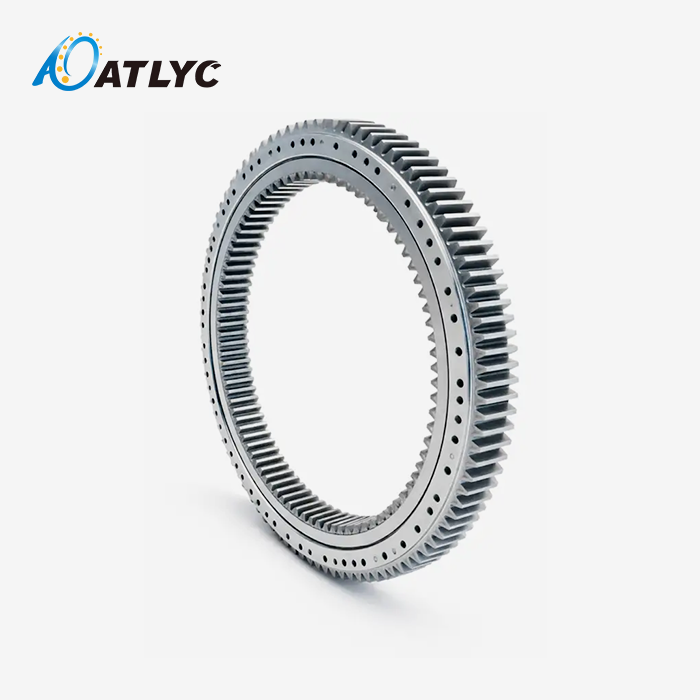
Large-diameter slewing rings work great in crane towers and yaw systems on wind turbines. These bearings support structures that need to be able to rotate so that the center hole can fit hydraulic lines or electrical wires. For different uses, the RB Series is designed to meet the needs of compact, high-precision spinning in relatively smaller spaces. The precision and stiffness of an RB bearing are better for a machine center rotary table that spins at fixed speeds and cuts continuously than the big central opening of a slewing ring. Instead of choosing a bearing type based only on its load number, application research should match the type of bearing to its real useful needs.
Evaluating Cylindrical and Tapered Roller Options
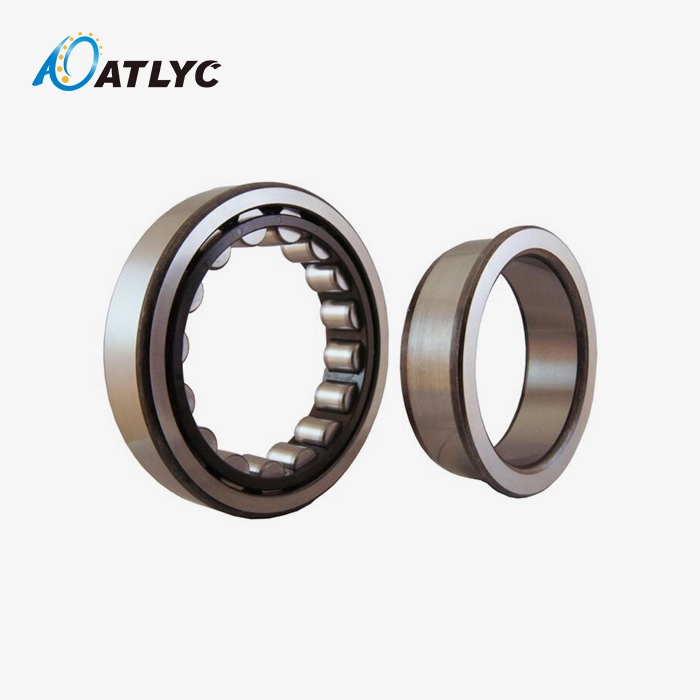
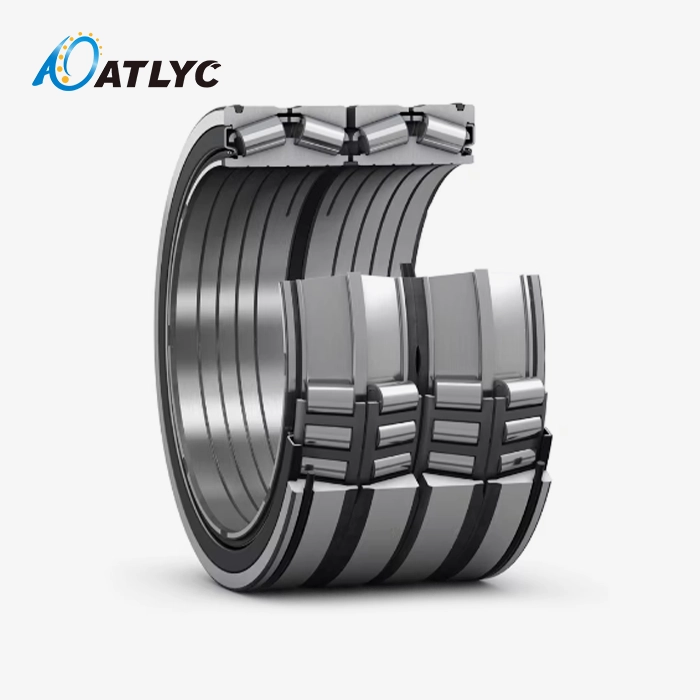
For axial loads, you need separate thrust bearings because single-row cylindrical roller bearings can handle high rotational loads. Tapered roller bearings can handle both radial and axial loads, but the axial spacing needs to be carefully set when they are installed. Neither setup can handle moment loads well without extra help. The crossing roller bearing combines all of these load-carrying features into a single unit, so there is no need to change the clearances or follow complicated repair procedures. The engineers like how simple it is because it means fewer mistakes when putting it together and more consistent performance across production runs.
When you look at the total cost of ownership instead of just the purchase price, you'll often find that the extra money you spend on RB Series bearings pays for itself in less work, fewer support parts, and less upkeep over the course of their lifetime. More and more, procurement workers who work with companies that make robotic tools are realising this value offer.
Procurement Considerations for Crossed Roller Bearing RB Series
Successful sourcing requires more than identifying technical specifications. Strategic procurement balances quality assurance, supply chain reliability, and total cost factors that affect long-term operational success.
Identifying Qualified Suppliers
The bearing performance of the Crossed Roller Bearing RB Series depends fundamentally on manufacturing quality. When evaluating potential suppliers, verification of ISO 9001 and IATF 16949 certifications provides baseline assurance of process control and quality management systems. These international standards ensure suppliers maintain consistent dimensional accuracy, material traceability, and testing procedures. Manufacturers serving the automotive and aerospace sectors particularly value IATF 16949 certification, which includes requirements for continuous improvement and defect prevention.
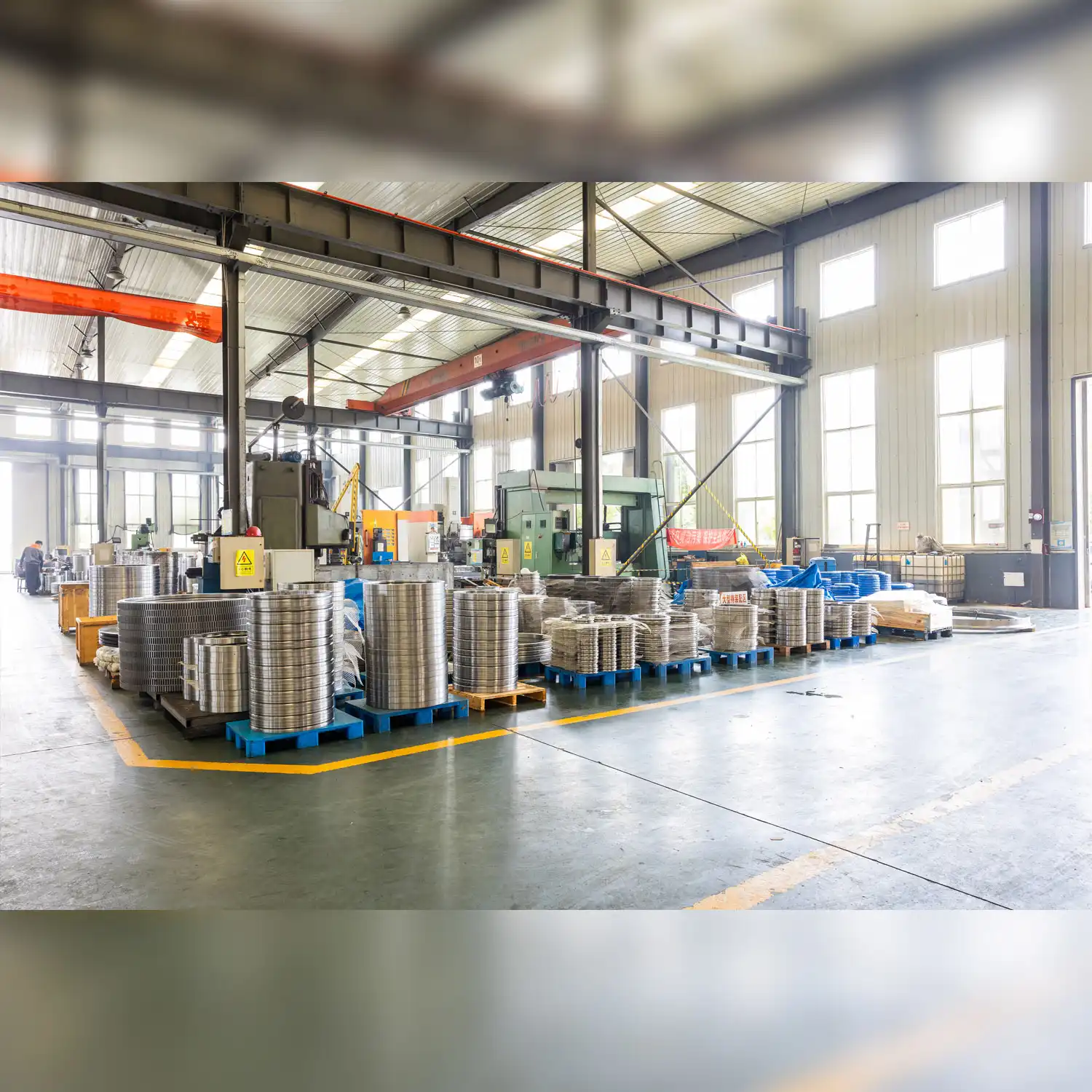
Beyond certifications, assess production capacity and technology capabilities. Facilities equipped with CNC grinding equipment, coordinate measuring machines, and controlled heat treatment furnaces demonstrate the infrastructure needed for precision bearing production. Site visits or virtual facility tours reveal whether suppliers employ modern manufacturing methods or rely on outdated processes prone to quality variation.
Structuring Supply Agreements
Volume commitments influence both pricing and supply security. Crossed roller bearings manufactured to precision grades require significant setup time and specialized tooling. Suppliers offer preferential pricing when customers commit to minimum order quantities that justify production runs. Procurement teams managing multiple product lines might consolidate bearing purchases across platforms to achieve volume discounts while maintaining adequate inventory buffers.
Lead times for precision bearings typically range from four to eight weeks, depending on size and accuracy grade. Critical applications warrant establishing safety stock levels or negotiating reserved capacity with suppliers. The RB Series spans such a broad size range that maintaining inventory across all dimensions proves impractical—instead, strategic purchasing focuses on high-velocity sizes while accepting longer lead times for specialized configurations.
Quality Verification and Incoming Inspection
Implementing incoming quality procedures protects against substandard components entering production. Dimensional verification using calibrated measuring equipment confirms critical specifications, including bore diameter, outside diameter, and width tolerances. Rotational torque testing identifies grinding defects or contamination that would cause premature failure. Hardness testing on sample batches ensures material specifications meet documented values.
Documentation review verifies that material certifications and inspection reports accompany shipments. Traceability enables root cause analysis if field failures occur, allowing corrective action targeted at specific production lots rather than wholesale supplier changes. Establishing these quality gates early in supplier relationships sets performance expectations and builds confidence in bearing reliability.
Installation and Maintenance Best Practices for RB Series Bearings
Proper handling and maintenance procedures protect your investment in precision components. Even bearings manufactured to exacting standards will underperform if installation practices introduce contamination or misalignment.
Preparation and Mounting Procedures
Cleanliness during the installation of the Crossed Roller Bearing RB Series cannot be overstated. Particulate contamination causes surface damage that initiates premature wear. Work areas should be cleaned thoroughly, and installers should wear lint-free gloves when handling bearings. Mounting surfaces on shafts and housings require inspection for burrs, nicks, or corrosion that could create stress concentrations or prevent proper seating.
The separable outer ring design simplifies installation compared to non-separable bearings. The inner ring assembly mounts to the shaft or mounting flange, with the outer ring installed separately into the housing. This configuration reduces the risk of installation damage since components are handled independently. Mounting interference fits should follow manufacturer specifications—excessive interference causes internal stress that reduces bearing life, while insufficient interference allows fretting corrosion between mating surfaces.
Lubrication Requirements
Proper lubrication forms a protective film that prevents metal-to-metal contact between rollers and raceways. The RB Series typically uses grease lubrication for its simplicity and ability to remain in place within the bearing. Grease selection depends on operating temperature, speed, and contamination exposure. Lithium-based greases suit most industrial automation applications operating at moderate speeds and ambient temperatures.
Initial lubrication during installation should fill raceway volumes without overpacking, which would generate excessive drag and heat. Some applications benefit from minimal lubrication that reduces friction in high-speed operations, accepting more frequent relubrication intervals. Operating conditions guide these decisions—enclosed environments allow longer intervals while exposed applications require more frequent attention.
Monitoring and Preventive Maintenance
Vibration analysis detects developing bearing problems before catastrophic failure occurs. Baseline vibration signatures captured during commissioning provide reference points for ongoing condition monitoring. Increases in vibration amplitude or changes in frequency spectrum indicate wear, contamination, or lubrication degradation requiring investigation.
Temperature monitoring offers another predictive maintenance indicator. Thermal imaging cameras identify hot spots, suggesting inadequate lubrication or excessive preload. Bearing temperatures should stabilize within design parameters during normal operation; trending temperatures signal developing problems.
Scheduled inspections during equipment maintenance windows allow visual assessment and manual rotation checks. Bearings should rotate smoothly without binding or rough spots. Any grinding sensation or audible noise indicates damage requiring bearing replacement. Caught early, bearing problems prevent secondary damage to shafts, housings, and adjacent components that multiply repair costs.
Conclusion
The Crossed Roller Bearing RB Series delivers measurable advantages for automation systems requiring precision, reliability, and space efficiency. Its unique orthogonal roller arrangement handles multi-directional loads within compact envelopes while maintaining positioning accuracy critical for robotic systems, machining centers, and precision measuring equipment. Compared to conventional bearing solutions, these components simplify mechanical designs, reduce assembly complexity, and extend maintenance intervals. Successful procurement balances initial investment against total cost of ownership, emphasizing supplier quality management systems, production capacity, and supply chain reliability. Proper installation and maintenance practices protect bearing performance throughout operational life, safeguarding your automation investment and process quality.
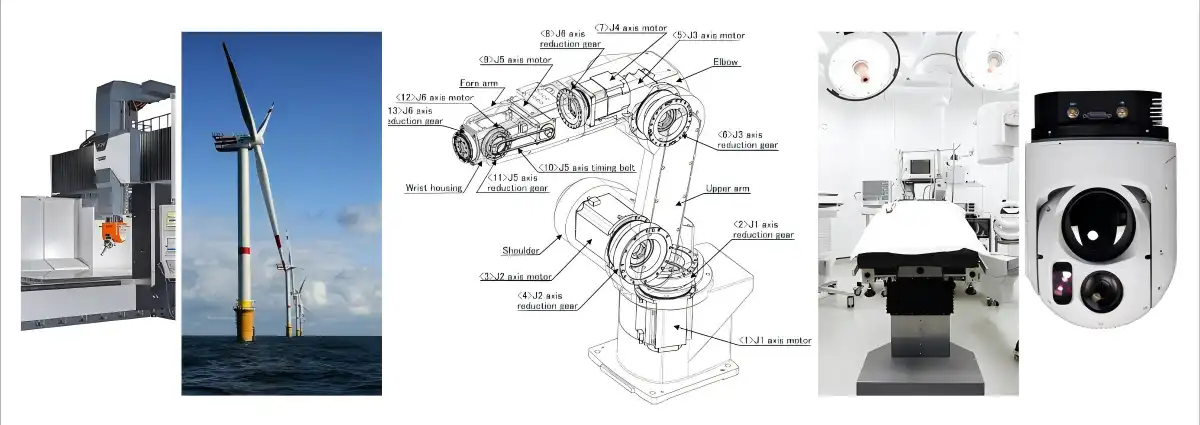
FAQ
Which automation systems benefit most from RB Series bearings?
Robotic joints, machining center rotary tables, industrial manipulators, precision positioning stages, medical imaging equipment, and semiconductor manufacturing devices gain significant performance improvements from these precision bearings. Applications requiring simultaneous radial, axial, and moment load capacity within constrained spaces particularly benefit from the compact, high-rigidity design. Any automated system where positioning accuracy directly affects output quality represents an ideal application.
How can I verify my supplier maintains proper quality standards?
Request copies of the current ISO 9001 and IATF 16949 certificates and verify their validity through issuing certification bodies. Ask for material certifications and dimensional inspection reports accompanying shipments. Qualified suppliers welcome facility audits or virtual tours demonstrating manufacturing capabilities and quality control procedures. Establish incoming inspection protocols that confirm critical specifications before bearings enter your production process.
What accuracy grades should I specify for my application?
Standard automation applications typically use P5 or P4 accuracy grades, balancing performance with cost. Ultra-precision applications like coordinate measuring machines or optical alignment systems may require P2 grades. Discuss speed, load, and positioning tolerance requirements with your bearing supplier to identify the most cost-effective accuracy grade meeting your performance objectives without unnecessarily over-specifying.
Partner with ATLYC for Your Crossed Roller Bearing RB Series Needs
ATLYC stands ready as your dependable crossed roller bearing RB series supplier, combining 15 years of manufacturing excellence with ISO 9001 and IATF 16949 certifications. Our Luoyang facility operates six specialized production workshops staffed by 120 skilled professionals dedicated to precision bearing manufacturing. We serve automotive component manufacturers, industrial machinery builders, and global bearing distributors across South Korea, the United States, Germany, Russia, Iran, and Turkey with consistent quality and reliable lead times. Contact our technical team at auto@lyautobearing.com to discuss your specific application requirements and receive customized quotations for volume orders. Our engineering support helps you select optimal bearing configurations, while our scalable production capacity ensures a stable supply for your growing automation projects.
References
1. Harris, T. A., & Kotzalas, M. N. (2006). Advanced Concepts of Bearing Technology: Rolling Bearing Analysis, 5th Edition. CRC Press, Boca Raton.
2. ISO 492:2014. Rolling bearings — Radial bearings — Dimensions and tolerances. International Organization for Standardization, Geneva.
3. Schaeffler Technologies AG & Co. KG. (2019). Crossed Roller Bearings: Design and Application Guidelines. Technical Publication WL 82 52, Herzogenaurach, Germany.
4. SKF Group. (2018). Rolling Bearings Catalogue: Product Data and Selection Guidelines for Precision Bearings. PUB BU/P1 10000/3 EN, Gothenburg, Sweden.
5. Weck, M., & Brecher, C. (2006). Werkzeugmaschinen 2: Konstruktion und Berechnung [Machine Tools 2: Design and Calculation], 8th Edition. Springer-Verlag, Berlin.
6. Xu, H., & Zhang, Y. (2015). "Load Distribution and Contact Stress Analysis of Crossed Roller Bearings." Journal of Mechanical Engineering Science, Volume 229, Issue 12, pp. 2147-2158.
Learn about our latest products and discounts through SMS or email