- English
- French
- German
- Portuguese
- Spanish
- Russian
- Japanese
- Korean
- Arabic
- Greek
- German
- Turkish
- Italian
- Danish
- Romanian
- Indonesian
- Czech
- Afrikaans
- Swedish
- Polish
- Basque
- Catalan
- Esperanto
- Hindi
- Lao
- Albanian
- Amharic
- Armenian
- Azerbaijani
- Belarusian
- Bengali
- Bosnian
- Bulgarian
- Cebuano
- Chichewa
- Corsican
- Croatian
- Dutch
- Estonian
- Filipino
- Finnish
- Frisian
- Galician
- Georgian
- Gujarati
- Haitian
- Hausa
- Hawaiian
- Hebrew
- Hmong
- Hungarian
- Icelandic
- Igbo
- Javanese
- Kannada
- Kazakh
- Khmer
- Kurdish
- Kyrgyz
- Latin
- Latvian
- Lithuanian
- Luxembou..
- Macedonian
- Malagasy
- Malay
- Malayalam
- Maltese
- Maori
- Marathi
- Mongolian
- Burmese
- Nepali
- Norwegian
- Pashto
- Persian
- Punjabi
- Serbian
- Sesotho
- Sinhala
- Slovak
- Slovenian
- Somali
- Samoan
- Scots Gaelic
- Shona
- Sindhi
- Sundanese
- Swahili
- Tajik
- Tamil
- Telugu
- Thai
- Ukrainian
- Urdu
- Uzbek
- Vietnamese
- Welsh
- Xhosa
- Yiddish
- Yoruba
- Zulu
60 Series Ball Bearings for High-Speed Applications
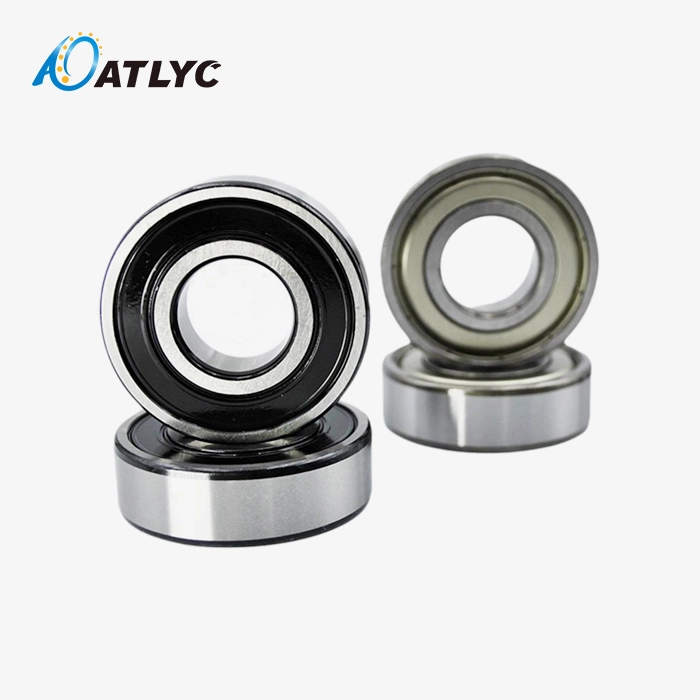
60 Series Ball Bearings are the best choice for high-speed industrial uses when precise engineering and small design standards are met. When room is limited, and weight reduction is still important, these ISO metric "Light" series bearings work exceptionally well. These deep groove ball bearings are made from high-quality GCr15 bearing steel and come in precision grades from P0 to P4. They can handle radial loads and moderate axial loads in both directions at high rotational speeds, which makes them essential for modern automation and precision machinery.
Understanding 60 Series Ball Bearings: Specifications and Critical Dimensions
60 Series Ball Bearings have special features that affect how well they work in high-speed, challenging situations. These single-row deep groove ball bearings are made to strict ISO 15 and DIN 625 dimensions. They have a smaller cross-section to hole size compared to the 62 (Medium) and 63 (Heavy) series options.
Essential Dimensional Parameters
Some of the most important measurements for these precise bearings are their bore diameter, outer diameter, and width, which directly relate to their load limits and top speeds. The small outer diameter form makes the best use of radial room while keeping the structure strong when it's under stress from operation. The standard bore sizes are 3mm to 20mm, and the outer widths are found by multiplying the series name by itself. This makes sure that the dimensions are the same across the whole product range.
Material Composition and Heat Treatment
High-carbon chrome steel (GCr15/SAE 52100) that goes through specific heat treatment methods is used in our production process. The best hardness values for this process are between 60 and 64 HRC, which guarantees the longest fatigue life and best wear protection. The makeup of the material gives it better dimensional stability when subjected to thermal cycles, which is common in high-speed uses.
Precision Grade Classifications
Precision grades range from P0 (ABEC-1) to P4 (ABEC-7), 60 Series Ball Bearings with high-precision versions having radial runout values of less than 5 micrometers. These exact classes have a direct effect on the accuracy of rotation, the noise level, and the smoothness of operation. Choosing the right precision grades relies on the needs of the product, the conditions of use, and the expected performance. A comparison of the 62 series and the 6000 series bearings shows clear benefits for uses with limited room. While the 62 series bearings can handle more weight, the 60 series bearings can handle higher speeds while being lighter and smaller. This makes them perfect for uses that need to be small and operate at high speeds.
Performance Optimization for High-Speed Applications
To get the most out of light series bearings in machinery that moves quickly, you need to pay close attention to typical performance bottlenecks like managing heat, making sure the bearings are well-oiled, and preventing wear. When spinning speeds go beyond normal working limits, these problems become even more serious.
Advanced Lubrication Strategies
Choosing the right lubricant has a big effect on how well bearings work and how long they last in high-speed situations. Low-viscosity synthetic lubricants lower friction inside the moving parts while keeping the right film thickness at high temperatures. The amount of time between lubrications varies depending on how the machine is being used. For example, sealed versions (2RS) have longer maintenance intervals than open configurations. To make sure that the grease works the same way at all temperatures, it's important to choose one that is both flexible at low temperatures and stable at high temperatures.
Thermal Management and Heat Dissipation
As rotational speed goes up, heat production goes up dramatically. This means that thermal control is very important for long-term high-speed operation. Because the 60 series bearings are small, they can move heat more efficiently thanks to their improved housing designs. When the shaft and housing fit together correctly, they keep the working gaps and allow enough heat to escape. Monitoring the temperature of a bearing while it is in use can help you spot problems with the grease or the amount of load that it is carrying.
Vibration Control and Noise Reduction
Standard output meets noise levels of Z2V2, and electric motor quality (EMQ) versions meet performance standards of Z3V3 or Z4V4. The type of cage you choose affects the vibrations. For example, cast steel cages are a cheap option, but synthetic materials are better at blocking out noise. The right way to measure bearing clearance makes sure that the operating conditions are just right, which stops wear from happening too soon and stops vibrations from reaching other parts of the machinery.
Comparing 60 Series Ball Bearings: Making the Right Choice
To find the best bearing options, you have to look at a lot of technical and business factors, such as the size and shape requirements, the type of material used, and how reliable the seller is. Knowing these factors helps you make smart purchasing choices that match the need for performance with the need to save money.
Series Comparison Analysis
60 Series Ball Bearings are clearly better than 62 Series options in situations where small size and high speed are important. 62 series bearings can indeed hold about 30% more weight, but 60 series bearings have better speed rates and less friction. The smaller cross-section makes it possible to significantly reduce the size of the housing. This helps lower the total system weight and improve power-to-weight ratios for mobile use.
Material Selection Considerations
Steel with 60 Series Ball Bearings, the standard GCr15 bearings work very well in most industry settings and are the best compromise between price and function. Chrome steel versions have a slightly higher load capacity than stainless steel versions (AISI 440C), but stainless steel versions are better at resisting rust in harsh environments. Ceramic ball options can move very quickly and don't expand as much when they get hot, so they can be used in precise applications that need to keep temperature drift to a minimum.
Cage Configuration Options
The choice of cage has a big effect on how well the bearing works and how much it costs. For standard uses, steel stamped cages are a cost-effective option that works well enough. Machined metal bars are more stable at higher speeds and better at keeping lubricant in place. Synthetic cage materials are better at blocking noise and resisting chemicals, so they can be used in specific situations where repair times need to be longer. The choice between sealed (2RS) and shielded (ZZ) configurations relies on how well the environment needs to be protected and how easy it is to do upkeep. When it comes to protecting against contamination, sealed bearings are better and need to be oiled less often, while protected types make it easier to re-oil them for situations that need to be done more often.
Procurement Guidance for Global B2B Clients
To successfully buy bearings, you need to carefully choose your suppliers and follow the rules for quality control and managing risks in the supply chain. These things are especially important for global businesses that need to make sure that quality standards and shipping times are always met in different parts of the world.
Supplier Qualification Criteria
Bearing companies with a good reputation keep their ISO 9001 and IATF 16949 standards, which shows that they are committed to consistent quality management systems. When evaluating a supplier, you should look at their manufacturing ability, quality control methods, and technical help skills. Manufacturers that have been around for a while and have a track record in the car and industrial markets make the supply chain more stable and the products they make more reliable.
Quality Verification Protocols
To be sure that bearings are real, their dimensions, material approvals, and performance test results must be checked. Suppliers you can trust will give you full test certificates that include measurement records, hardness checks, and data from vibration analyses. Incoming inspection processes and supplier audit programs should be part of quality assurance steps to make sure that product quality stays the same.
Bulk Purchasing Strategies
Buying in bulk can save you a lot of money and make sure that your business operations always have what they need. By negotiating framework deals with qualified providers, you can set stable prices and delivery dates. Carrying costs and supply security should be balanced in inventory management strategies, especially for important uses where a bearing failure could cause major production delays. Managing lead times becomes very important for custom specs or precise grades that need special ways to be made. Standard setups usually have shorter wait times for delivery, while special orders may need longer ones based on how complicated the specifications are and how far along they are in the manufacturing queue.
Installation and Maintenance Best Practices
The service life and dependability of bearings are directly affected by the right way to place them and perform preventative maintenance. When working conditions get close to the limits of a bearing's performance, these practices become more and more important for high-speed uses.
Installation Protocol Guidelines
To avoid damage during assembly, the right way to place a bearing requires special tools and methods. Using hydraulic pullers for cold fitting makes sure that the force is spread out evenly and stops the ring from deforming. For interference fits, hot installation methods might work, but keeping an eye on the temperature keeps things from getting too hot, which could change the way the material works. Preparing the shaft and case includes checking the surface finish and making sure the dimensions are correct.
Preventive Maintenance Scheduling
Routine repair plans extend the life of bearings and cut down on sudden breakdowns. Monitoring vibrations gives early warnings of problems that might be happening, such as 60 Series Ball Bearings, which allows maintenance to be done during planned breaks. How often you need to change the lubrication depends on how the machine is being used. Usually, high-speed users need more frequent attention. Temperature tracking during operation finds situations where grease might be breaking down or loads are too high.
Failure Analysis and Replacement Indicators
Fatigue spalling, pollution harm, and lubrication breakdown are all common ways for things to break. Visual inspection methods find early signs of wear and tear before they become too big to fix. Using portable tools for noise measurement, bearing degradation can be found in real-time operating circumstances. The time of replacements should take into account how important the part is to the business and when the repair window is open. This way, reliability needs can be met while still being efficient. Condition-based maintenance plans are possible with the help of advanced diagnosis tools like vibration analysis and acoustic emission tracking. These methods find the best times for maintenance while cutting down on replacing bearings that don't need to be, which lowers total running costs and makes the system more available.

Conclusion
It's important to know a lot about technical specs, working needs, and best practices for buying things in order to choose and use 60 Series Ball Bearings for high-speed uses. These small precision bearings have great performance qualities that meet important industry needs for small size, light weight, and fast rotating speeds. To be successful, you need to make sure that the bearing specifications meet the needs of the product and that strict quality standards are met throughout the buying and installation process. Selecting the right provider, following the right installation steps, and keeping up with upkeep can help make sure that the equipment works well and lasts a long time, which improves overall operating efficiency and reliability in tough industrial settings.
FAQ
1. How do I select the appropriate precision grade for my high-speed application?
The choice of precision grade relies on how accurate the spin needs to be, how fast it needs to run, and how much noise it can handle. P0 grade is good enough for most uses, while P6 grade gives you better accuracy for modest, precise needs. The P5 and P4 grades are very precise and are best for demanding tasks that need very little shaking and runout. More accurate precision grades usually cost more, but they work better in tough situations.
2. What lubrication options work best for high-speed 60 series bearings?
High-speed applications benefit from low-viscosity synthetic greases that maintain film thickness while reducing spinning losses, which is good for high-speed uses. Greases made from polyurea are very stable at high temperatures and don't oxidize easily. For uses that need to go very fast, oil lubrication systems provide superior heat dissipation and contamination removal capabilities. Lubrication selection should consider operating temperature range, speed needs, and ease of upkeep.
3. Can these bearings be customized for specific industrial requirements?
Yes, you can change things like the internal gaps, the cage material, the greasing, and the way the seals are set up. Custom specifications usually have longer lead times than standard goods, so you need to start working with your providers early on. For custom uses, you might need to place a minimum order and get extra technical help to make sure they work perfectly.
4. How do sealed versus shielded configurations impact performance?
Sealed bearings (2RS) protect better against contamination and last longer between cleaning cycles, but they have a little more roughness at high speeds. Shielded versions (ZZ) make it easier to re-oil and reduce the speed as little as possible, but they need to be serviced more often in dirty environments. The choice relies on the surroundings, the ability to maintain, and the level of performance that is most important.
Partner with ATLYC for Premium Bearing Solutions
ATLYC offers complete bearing solutions and has been making high-quality products for 15 years. Their quality methods are ISO 9001 and IATF 16949 approved. Our large stock of high-quality 60 Series Ball Bearings guarantees a steady supply for your important uses. Standard shipping times are just 7 working days, and OEM customization is available. As a reliable bearing maker, we serve customers all over the world, such as in the US, Germany, and South Korea. We offer technical know-how, low prices, and a quality guarantee that never wavers. Email our engineering team at auto@lyautobearing.com to talk about your unique needs and find out how our precision bearing solutions can help you improve the performance and dependability of your operations.
References
1. Harris, Tedric A. "Rolling Bearing Analysis: Essential Concepts of Bearing Technology." 2020, CRC Press.
2. ISO 15:2018. "Boundary dimensions and general plan for rolling bearings and radial bearings." International Organization for Standardization.
3. You, Arvid Palmgren. From SKF Industries Inc., 2019: "Ball and Roller Bearing Engineering."
4. Institute for American National Standards. "ANSI/AFBMA Standard 20: Radial Bearings of Ball, Cylindrical Roller and Spherical Roller Types." ANSI Web Pages.
5. You, Paul Eschmann. A book by John Wiley & Sons in 2021 is called "Ball and Roller Bearings: Theory, Design, and Application."
6. DIN 625-1:2018. "Rolling bearings - Deep groove ball bearings - Boundary dimensions, geometrical product specifications and tolerance values." EN ISO 9241:2012. German National Standards.
Learn about our latest products and discounts through SMS or email