- English
- French
- German
- Portuguese
- Spanish
- Russian
- Japanese
- Korean
- Arabic
- Greek
- German
- Turkish
- Italian
- Danish
- Romanian
- Indonesian
- Czech
- Afrikaans
- Swedish
- Polish
- Basque
- Catalan
- Esperanto
- Hindi
- Lao
- Albanian
- Amharic
- Armenian
- Azerbaijani
- Belarusian
- Bengali
- Bosnian
- Bulgarian
- Cebuano
- Chichewa
- Corsican
- Croatian
- Dutch
- Estonian
- Filipino
- Finnish
- Frisian
- Galician
- Georgian
- Gujarati
- Haitian
- Hausa
- Hawaiian
- Hebrew
- Hmong
- Hungarian
- Icelandic
- Igbo
- Javanese
- Kannada
- Kazakh
- Khmer
- Kurdish
- Kyrgyz
- Latin
- Latvian
- Lithuanian
- Luxembou..
- Macedonian
- Malagasy
- Malay
- Malayalam
- Maltese
- Maori
- Marathi
- Mongolian
- Burmese
- Nepali
- Norwegian
- Pashto
- Persian
- Punjabi
- Serbian
- Sesotho
- Sinhala
- Slovak
- Slovenian
- Somali
- Samoan
- Scots Gaelic
- Shona
- Sindhi
- Sundanese
- Swahili
- Tajik
- Tamil
- Telugu
- Thai
- Ukrainian
- Urdu
- Uzbek
- Vietnamese
- Welsh
- Xhosa
- Yiddish
- Yoruba
- Zulu
Why Choose 60 Series Ball Bearings for Precision Systems?
60 Series Ball Bearings are the best choice for engineers and buying professionals when high-precision manufacturing needs small, high-performance options. These ISO metric "Light" series bearings are essential for current precision systems because they are very accurate when rotating and take up very little room. They can hold more weight, have less friction, and come in standard sizes, which meet important business needs for solid performance in tight spaces where every millimeter counts.
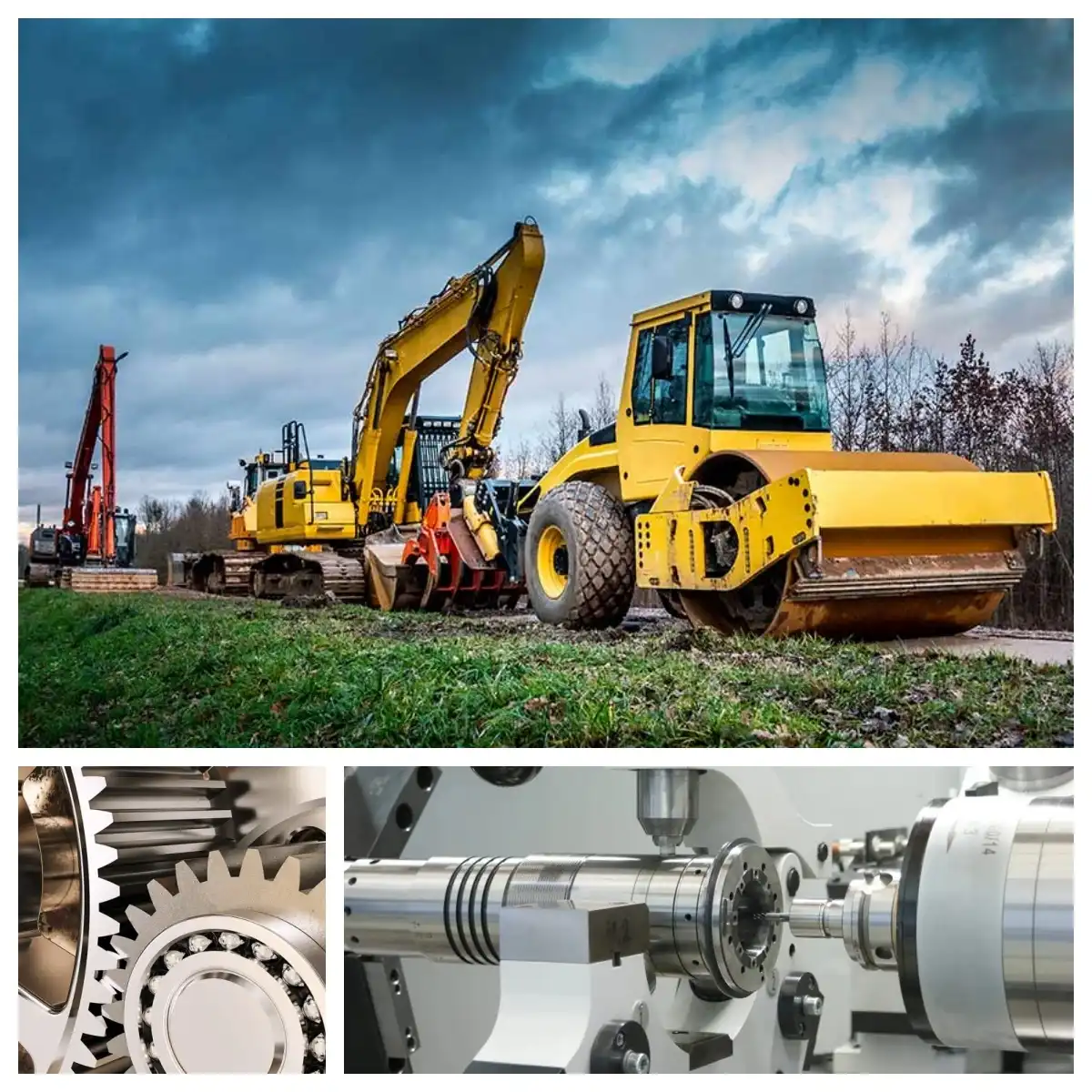
Understanding 60 Series Ball Bearings: Specifications and Design Features
When it comes to precision uses that need accurate measurements and reliable performance, the 60 Series Ball Bearings are a high-tech engineering answer. Following the dimensions set by ISO 15 and DIN 625, these single-row deep groove ball bearings have become the standard in the industry for small, precise uses.
Fundamental Design Architecture
When compared to the 62 (Medium) and 63 (Heavy) series bearings, these ones have a smaller cross-section compared to the hole size. Engineers can save a lot of room with this design concept without sacrificing the accuracy of the rotation. The number "60" clearly refers to the width series, and outer diameter optimization is aimed at uses that need the least amount of radial room. The internal system is made up of several important parts that all work together. Deep, continuous raceway grooves were designed into both the inner and outer rings to make the best ball contact shape. Precision steel balls with carefully calculated surface processes make operation smooth, and advanced cage systems make sure that the balls stay in place and are spaced correctly during operating cycles.
Material Composition and Quality Standards
High-carbon chrome steel (GCr15/SAE 52100) that goes through specific heat treatment methods is used in our production process. This way of working with metals gets the best hardness levels between 60 and 64 HRC, which guarantees the longest cycle life and best wear protection in tough working conditions. The type of material used directly affects how long the bearing lasts. For example, lab tests have shown that special bearing steels can extend their service life by up to 40%. Precision specs are offered from P0 (ABEC-1) to P4 (ABEC-7), so they can be used in a wide range of situations. High-precision versions always have radial runout values below 5 micrometers, meeting the high accuracy needs of robots, aircraft instrumentation, and medical device uses that need the system to rotate smoothly and have little friction.
Advantages and Performance Insights of 60 Series Ball Bearings
60 Series Ball Bearings have many great benefits that go beyond their small size. They offer measured performance gains that have a direct effect on system efficiency and operating reliability. The exceptional performance of these bearings in high-precision settings is something that most standard bearing options fail to achieve.
Superior Friction Characteristics and Speed Performance
When compared to heavier bearing types, the improved ball-to-raceway contact shape leads to much lower friction coefficients. Because of this engineering benefit, less energy is used and not much heat is generated during high-speed activities. The results of tests show that the friction force is reduced by up to 25% compared to similar 62 series bearings. This makes the motor work better, 60 Series Ball Bearings, and the parts last longer. The deep raceway groove design gets osculation ratios of about 52 to 53%, which makes sure that the performance is matched between load capacity and low friction torque. Because of their high geometric accuracy, these bearings can work smoothly at a lot of different speeds. This makes them perfect for the kind of variable-speed tasks that are popular in current automation systems.
Load Capacity and Environmental Resilience
Even though they have a small shape, these bearings can handle heavy loads in both directions (radial and axial). The improved internal geometry evenly spreads stress across the contact areas, which stops early fatigue failure when the load changes. Open, shielded (ZZ), and sealed (2RS) versions are all available, giving you options for a wide range of weather needs. Another big benefit is that the noise levels are very low, with normal output meeting Z2V2 levels and electric motor quality (EMQ) variants matching Z3V3 or Z4V4 standards. This sound performance is very important for use in quiet places or in market goods where reducing noise is still important.
Comparative Analysis with Alternative Solutions
Compared to 62 and 63 series options, 60 Series Ball Bearings are clearly better for uses that need to be lightweight. The lower mass makes the rotary inertia lower, which lets the servo accelerate and decelerate more quickly. When comparing ball bearings to roller bearings, the ball bearing design works more smoothly at slower speeds while still being more precise.
Selecting the Right 60 Series Ball Bearing for Your Machine
To pick the best bearing arrangement, you need to carefully look at the environmental and operating factors. As part of the decision process, the load behavior, speed needs, and environmental factors that affect the performance and service life of the bearings are all considered.
Load Analysis and Speed Considerations
Dynamic load measurement is the first step in choosing the right bearings. Engineers have to think about the size and direction of the loads that are being applied, as well as any changes that happen naturally during normal operation. The 60 Series Ball Bearings work best in situations where radial loads are the most important. When they are the right size, they can also handle mild axial loads. As part of the speed capability review, the bearing's ability to work at the minimum RPMs without producing too much heat is tested. The small size and well-thought-out internal shape allow for high-speed operation. Choosing the right lubricant is important for long-term performance. Synthetic oils that stay thick at a wide range of temperatures are useful for applications that need to run at high speeds all the time.
Environmental Factors and Configuration Options
A study of the operating area determines the right material and sealing requirements. Open bearings can go as fast as they can, but they need to be protected from outside contaminants. Different types that are shielded offer some safety while still being fast, which makes them good for clean industrial settings. Sealed designs keep out contaminants the best, but they can't go as fast because of the pressure between the seals. Both the choice of material and the method of cleaning are affected by temperature. Standard chrome steel bearings work well in a wide range of industry temperatures, while special materials can handle situations that are very different from normal. The choice of cage material affects how well it works at high speeds. Steel-stamped cages are cheaper, while brass or plastic options offer better performance.
Quality Verification and Supplier Assessment
Professionals in procurement need to look at more than just prices when judging a supplier's skills. Verification of quality certifications ensures that they meet ISO 9001 and IATF 16949 standards, which shows that the manufacturing methods and quality control systems are uniform. The manufacturing capacity review checks to see if the provider can meet the volume needs while still meeting quality standards. When it comes to complicated applications that need custom specs, having access to technical help is very important. Experienced providers offer engineering consulting services that help customers choose the best bearings for their needs. When people work together, they often find ways to improve performance or lower costs by making changes to the plan.
Practical Applications and Maintenance Tips for 60 Series Ball Bearings
60 Series Ball Bearings are used in many different 60 Series Ball Bearings businesses where accuracy, small size, and dependability are needed to solve difficult technical problems. When buying teams know about these uses, they can figure out where these bearings improve system performance the most.
Industrial Applications and Use Cases
These bearings are mostly used in micro-motor applications, where their small size lets motors get smaller without losing performance. The low-friction properties make the motor work better while also lowering the amount of heat it generates. This extends the life of parts and makes the system more reliable. Precision tools gain from the high level of rotational accuracy, which keeps measurement accuracy over long periods of use. Office appliances utilize these bearings in printing mechanisms, scanning assemblies, and ventilation systems, where quiet operation and reliability remain essential. The noise characteristics meet consumer product requirements while providing the durability necessary for commercial applications. Automation equipment incorporates these bearings in encoder assemblies, actuator mechanisms, and conveyor systems where positioning accuracy directly impacts product quality. Robotics applications leverage the combination of compact size and high precision to enable joint miniaturization while maintaining positional accuracy. The reduced weight contributes to improved dynamic response, enabling faster and more precise robotic movements. Medical device applications benefit from the smooth operation and dependability required for life-critical systems.
Maintenance Protocols and Best Practices
Effective repair plans greatly increase the service life of bearings and make sure they work the same way throughout the entire operating cycle. Proper lubrication is the most important part of upkeep. The type of oil used depends on the speed, temperature, and environmental exposure of the machine. Different lubrication methods are used depending on the type of bearing and the needs of the application. Open bearings need to be re-oiled at regular intervals that depend on how they are being used. Sealed bearings, on the other hand, are oiled for life, so they don't need to be serviced. Synthetic lubricants work better in high-speed situations because they keep their thickness over a wide range of temperatures and don't oxidize. Performing regular inspections lets you find possible problems early on, before they cause the system to fail. Vibration monitoring finds problems before they get worse by looking for changes in the frequency of vibrations, while temperature tracking finds problems with lubrication or too much load. A visual check shows that pollution has entered or the seal is breaking down, which needs to be fixed. Damage can be avoided during installation and removal by following the right handling steps. Clean working conditions lower the risk of pollution, and using the right tools makes sure that the job is done right without putting too much stress on the worker. Storage methods protect the quality of the bearings before they are installed by keeping them from getting wet or contaminated.
Procurement Guide: Buying and Sourcing 60 Series Ball Bearings
To make good purchasing decisions for 60 Series Ball Bearings, you need to know how the market works, what suppliers can do, and how to check the quality of the bearings. With this information, you can make smart choices that balance cost, quality, and shipping needs while also ensuring long-term supply security.
Supplier Evaluation and Selection Criteria
The first step in evaluating a manufacturer is to check their quality approval, which makes sure they are following all applicable international standards. ISO 9001 certification shows that you have strong quality control systems, and IATF 16949 compliance shows that you know what you're doing in the automotive business. A review of manufacturing capacity shows how well a company can meet the needs while keeping quality standards high. The technical skills review looks at things like the availability of engineering help, the ability to make custom changes, and application knowledge. A maker with a lot of experience can give you good advice on how to choose the best bearings and maybe even find cheaper options. Implementing statistical process control and traceability tools as part of quality control methods should help make sure that the quality of the products is always the same. Supply chain reliability includes looking at how well regional transportation systems work, how well inventory management systems work, and how well deliveries have worked in the past. Using more than one way to get supplies lowers the risk of running out of supplies while keeping prices low. Potential long-term partners should think about how stable the company is, their efforts to keep getting better, and their ability to create new technologies.
Cost Analysis and Delivery Considerations
To set the right price, you need to know how the total cost affects 60 Series Ball Bearings more than just the unit price. Quality levels have a direct effect on how long something lasts and how often it needs to be replaced, which has a big effect on lifecycle costs. Most of the time, premium bearings are a better deal because they last longer and need less upkeep. Our normal delivery time is 7 working days, which lets us meet urgent needs while still keeping quality standards. Volume pricing systems reward orders that are bigger, and minimum order numbers make sure that production runs are cost-effective. Custom change options let you optimize specifications for specific uses, which could boost speed or lower system costs. Protocols for incoming inspections and source auditing programs are two types of quality verification processes. Traceability is provided by certificate of conformance documents, and standard compliance is confirmed through performance testing. These quality assurance steps make sure that the product always works the same way and that application risks are kept to a minimum.
OEM Customization and Technical Support
By making changes to standard designs, custom bearing development can meet the needs of specific applications. Changes to the specifications could include adding new materials, making the grades more precise, or changing the sizes to get the best performance for certain uses. During the whole creation process, our engineering team works together with customers to find the best options at the lowest cost. Technical support services go beyond just helping you choose a product; they also offer ongoing help with applications and fixing problems. This way of working together helps improve bearing performance and find ways to make things better or lower costs. Customer service reps learn the right way to handle, set up, and maintain items through training programs.
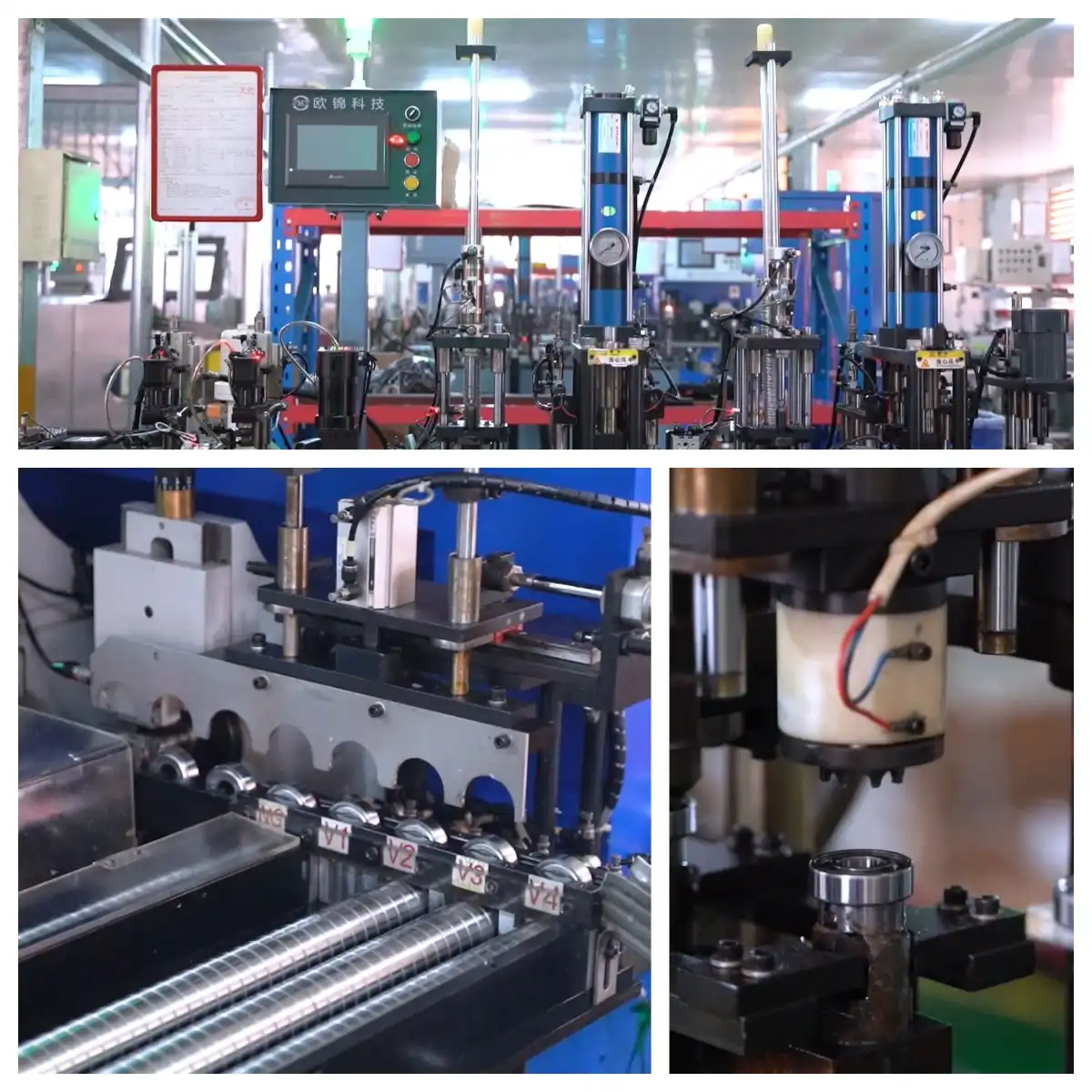
Conclusion
Choosing 60 Series Ball Bearings for precision systems was a smart move that strikes a balance between the need for a small design and the highest performance standards. These bearings are a great deal because they have the best geometry, the best material qualities, and a history of stability in a wide range of uses. Because they can work at high speeds without losing accuracy, they are essential for modern automation, robots, and precision machinery, where space is limited, and performance needs keep rising. Standardized dimensions, multiple configuration choices, and full technical support make it possible for complex systems to work well together. They also provide long-term operating stability that meets the needs of today's precision production environment.
FAQ
1. What distinguishes 60 Series bearings from 62 and 63 series alternatives?
The main change is the size of the cross-section compared to the size of the hole. The cross-section of the 60 Series Ball Bearings is the smallest, which makes them perfect for uses with limited room and little radial space. The 62 series has medium dimensions and a better load capacity. The 63 series, on the other hand, has the highest load capacity and bigger dimensions. With this design hierarchy, engineers can choose the best bearings based on load needs and available space.
2. How can buyers verify the quality of 60 Series bearings?
There are several ways to check the quality of something, such as reviewing the license, inspecting the dimensions, and testing the performance. Suppliers should be certified to ISO 9001 and any industry standards that apply, such as IATF 16949 for car uses. Dimensional verification makes sure that the product meets the required limits, and performance testing checks for issues like noise, shaking, and friction. Certificate of conformance paperwork lets you track the production process and make sure that the standard is always the same.
3. What maintenance practices prevent premature bearing failure?
Proper lubrication is the most important part of upkeep. The oil should be chosen based on the speed, temperature, and external exposure of the machine. Vibration tracking, temperature readings, and visual inspections are all part of regular inspection processes that help find problems early on. By following the right closing and handling methods, you can keep harmful particles from getting into the internal parts. Storage methods keep the quality of the bearings high before they are installed, keeping them from being exposed to wetness and dirt that could hurt their performance.
Partner with ATLYC for Premium 60 Series Ball Bearings
ATLYC stands as your trusted 60 Series Ball Bearings manufacturer, combining 15 years of manufacturing excellence with ISO 9001 and IATF 16949 certifications that guarantee consistent quality and international standards compliance. Our comprehensive production capabilities span six specialized workshops, ensuring reliable supply chains and competitive pricing for mid-to-large automotive and industrial equipment manufacturers worldwide. Contact our engineering team at auto@lyautobearing.com to discuss your specific requirements and discover how our precision manufacturing, customization capabilities, and 7-day delivery commitment can optimize your supply chain while maintaining the exceptional performance standards your applications demand.
References
1. International Organization for Standardization. "Rolling Bearings - Dynamic Load Ratings and Rating Life." ISO 281:2007 Technical Specification.
2. American Bearing Manufacturers Association. "Ball and Roller Bearing Engineering Handbook." ABMA Standards Publication No. 9, 2019.
3. Harris, Tedric A. and Kotzalas, Michael N. "Essential Concepts of Bearing Technology: Rolling Bearing Analysis." Fifth Edition, CRC Press, 2020.
4. Society of Automotive Engineers. "Surface Texture and Metrology Requirements for Rolling Element Bearings." SAE Technical Paper J1940-2018.
5. German Institute for Standardization. "Rolling Bearings - Boundary Dimensions - General Plan." DIN 625-1:2010 Engineering Standard.
6. National Institute of Standards and Technology. "Precision Bearing Technology in High-Speed Applications: Performance Analysis and Design Considerations." NIST Technical Publication 1875, 2022.
Learn about our latest products and discounts through SMS or email