- English
- French
- German
- Portuguese
- Spanish
- Russian
- Japanese
- Korean
- Arabic
- Greek
- German
- Turkish
- Italian
- Danish
- Romanian
- Indonesian
- Czech
- Afrikaans
- Swedish
- Polish
- Basque
- Catalan
- Esperanto
- Hindi
- Lao
- Albanian
- Amharic
- Armenian
- Azerbaijani
- Belarusian
- Bengali
- Bosnian
- Bulgarian
- Cebuano
- Chichewa
- Corsican
- Croatian
- Dutch
- Estonian
- Filipino
- Finnish
- Frisian
- Galician
- Georgian
- Gujarati
- Haitian
- Hausa
- Hawaiian
- Hebrew
- Hmong
- Hungarian
- Icelandic
- Igbo
- Javanese
- Kannada
- Kazakh
- Khmer
- Kurdish
- Kyrgyz
- Latin
- Latvian
- Lithuanian
- Luxembou..
- Macedonian
- Malagasy
- Malay
- Malayalam
- Maltese
- Maori
- Marathi
- Mongolian
- Burmese
- Nepali
- Norwegian
- Pashto
- Persian
- Punjabi
- Serbian
- Sesotho
- Sinhala
- Slovak
- Slovenian
- Somali
- Samoan
- Scots Gaelic
- Shona
- Sindhi
- Sundanese
- Swahili
- Tajik
- Tamil
- Telugu
- Thai
- Ukrainian
- Urdu
- Uzbek
- Vietnamese
- Welsh
- Xhosa
- Yiddish
- Yoruba
- Zulu
Angular Contact Ball Bearing Design: Why It Matters?
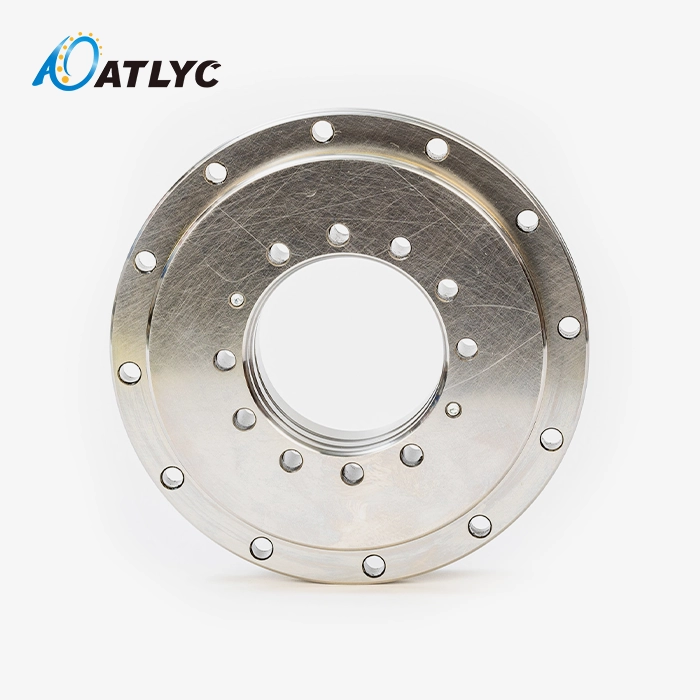
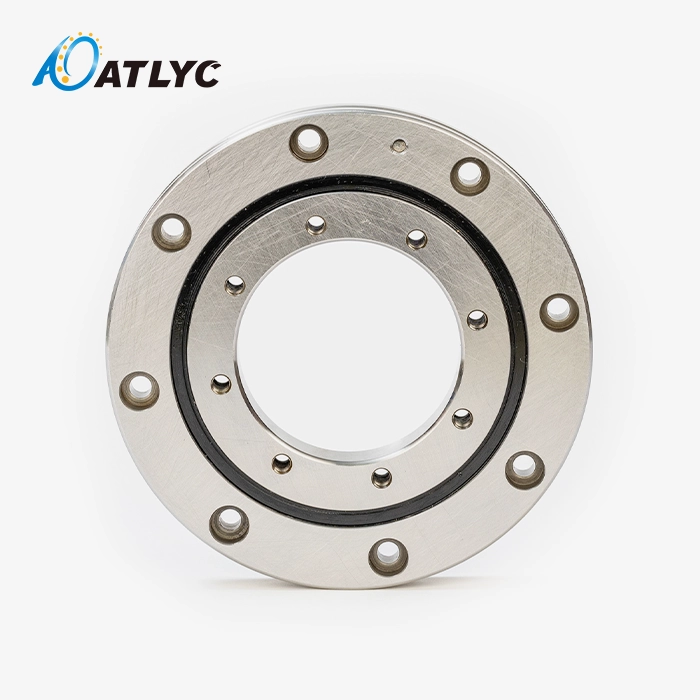
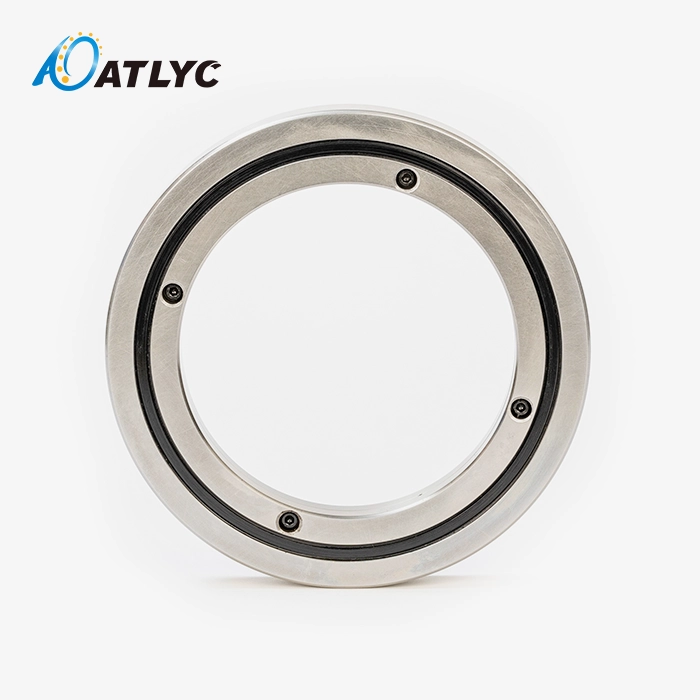
The design of your angular contact ball bearing affects how well your equipment angular contact ball bearing can handle radial and axial loads together in tough working conditions. Because the inner and outer raceways are spaced apart along the bearing axis, these precision parts have a certain contact angle that controls how much load they can handle, how fast they can go, and how long they will last. When your machinery needs to manage thrust in only one direction at high rotational speeds, have rigid axial guidance in precision assemblies, or have as little vibration as possible in places like CNC spindles and turbochargers, these design principles become very important.
Understanding Angular Contact Ball Bearing Design
The physics behind angular contact ball bearings makes them different from regular radial bearings because of their special shape. These special parts have inner and outer ring raceways that are moved away from each other in the axial direction. This makes a contact angle between the balls and the raceways that is usually between 15° and 40°. This angle relationship lets radial and axial forces work together at the same time, moving loads from one track to the next along the contact angle line.
Why Angular Contact Ball Bearing Design Matters in B2B Procurement
Total cost of ownership estimates, which drive B2B buying choices, are directly affected by how complicated the angular contact ball bearing design is. Optimized bearing shape lowers friction coefficients, which saves energy, increases maintenance intervals by spreading wear evenly across raceway surfaces, and stops costly unexpected downtime that delays production plans. Instead of just looking at prices, your buying plan should take into account how the form of the bearings fits with the needs of the business.
Enhancing Reliability in Critical Industrial Sectors
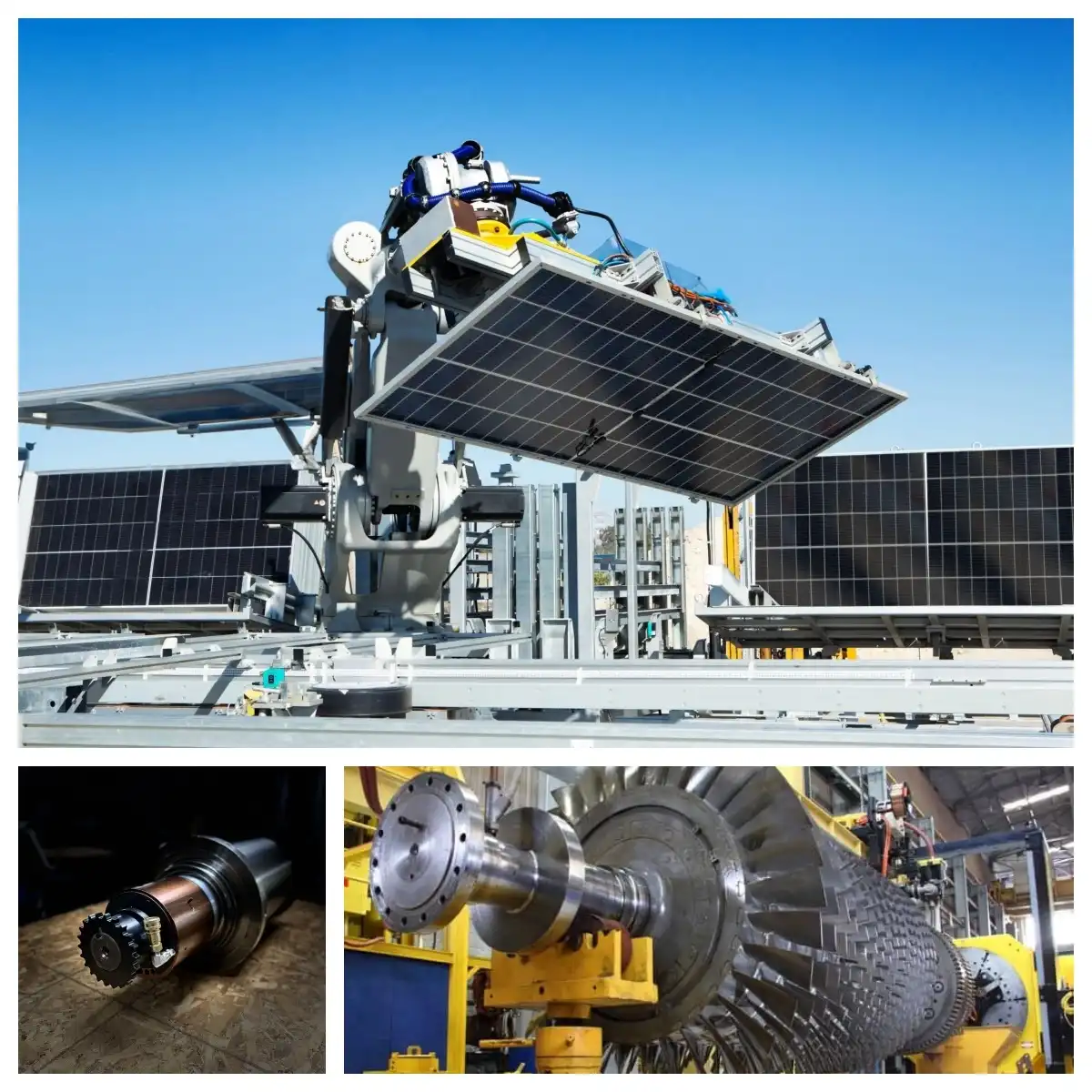
For aerospace uses, you need angular contact ball bearings that can keep their accuracy even when the temperature changes a lot, and there are a lot of vibrations, which would destroy other types of bearings. In the aircraft business, these parts are used in flight control actuators, landing gear systems, and auxiliary power units. If they fail, it could be very dangerous. Automotive companies use angular contact ball bearings in transmission kits, differential units, and electric car motor systems. These systems need to be small enough to handle changes in direction and shock loads all the time. Machine tool wheels are probably the toughest places to use bearings because the quality of the surface finish and the accuracy of the dimensions depend on how well they work. A badly designed bearing in a CNC machining center causes runout mistakes measured in microns that add up over production runs and result in scrap costs that are much higher than the cost of the bearing itself. Precision component manufacturers know that the quality of the bearings affects the value of the finished product. This means that choosing a provider is more of a strategic choice than a transactional purchase.
When Angular Contact Designs Outperform Alternatives
When you look at angular contact ball bearings next to cylindrical roller bearings, tapered roller bearings, and regular deep groove ball bearings, you can see that they work better in some situations. Although cylindrical roller bearings can handle higher circular loads, they can't handle axial loads without additional thrust bearings, which makes the system more complicated. Tapered roller bearings can handle mixed loads well, but they make more heat and friction, which limits their speed. Standard deep groove ball bearings can handle small loads going in both directions, but they are not as strong or accurate as angular contact designs, which can be achieved by setting the preload correctly. When the spinning speed needs to be above 10,000 RPM, and the axial thrust needs to be modest, angular contact ball bearings are the best choice. These bearings can be put together in back-to-back or face-to-face arrangements, which gives designers more options than other types of bearings. Engineers can change the stiffness of the system by changing the pressure and the distance between the bearings. Pump makers who work with the chemical processing industry really like this adaptability because it lets them use standard housing designs that can fit different bearing arrangements when the rotor configurations change.
Design Impact on Maintenance Costs and Equipment Longevity
The shape of a bearing affects how often it needs to be inspected, oiled, and replaced, all of which add up to big running costs over the life of an item. Well-designed angular contact ball bearings with hardened raceway surfaces and high-quality steel construction stop wear over time and keep their shape over millions of operating cycles. The shape of the raceway affects the formation of the lubricant film. Surfaces that are properly shaped keep their lubrication even when metal-to-metal contact threatens the stability of the surface. The design of the cage affects how garbage is handled inside the bearing. Precisely made cages keep the ball spacing constant, which stops skidding and the wear patterns that come with it. Equipment workers who keep an eye on bearing temperature trends can see that better designs keep thermal profiles stable, which means that the load is distributed well and there is enough lubricant. On the other hand, bearings that get hotter over time are showing signs of problems that need to be fixed before they fail completely. When looking at long-term supplier relationships, procurement professionals should check how the philosophy behind bearing design matches up with maintenance capabilities. For example, facilities that don't have a lot of skilled technicians can benefit from bearing designs that allow for more mistakes during installation and need less service, compared to ultra-precision designs that need special handling techniques.
Maintenance, Lubrication, and Longevity Considerations Based on Design
The design of the angular contact ball bearing affects the maintenance steps that need to be taken to get the stated service life. Angular contact ball bearings that are used in systems that are properly kept often last longer than their calculated L10 fatigue life ratings. On the other hand, the same bearings that are oiled or contaminated too little fail early, even if quality standards were met during production.
Grease vs. Oil Lubrication: Design Compatibility Factors
Grease lubrication makes bearing housing design easier because it gets rid of the need for external oil circulation systems. This lowers the cost of equipment and makes upkeep easier. Grease recipes contain thickening agents that keep lubricating oils in the bearing spaces. This keeps the lubrication film fresh even when the equipment is not in use. Because of this, grease can be used in places where operations aren't continuous or where repair access is limited. But grease-lubricated angular contact ball bearings can't go as fast because the spinning resistance makes them hot at high RPMs. Most of the time, operating speeds must stay below 65% of the bearing's oil greasing speed limit to keep temperatures from rising too quickly, which breaks down the structure of the grease and speeds up oxidation. When designing equipment, the right amount of grease must be specified—usually 25 to 35 percent of the bearing's free space—because too much grease causes spinning problems that limit speed, and too little grease can cause starvation under load. Using circulation systems, splash methods, or oil mist producers to apply oil lubrication allows for maximum speed and better cooling, which are both very important for high-speed machines. The constant flow of oil removes dirt and combustion products that would otherwise build up in the bearing spaces, which increases their useful life in hard conditions. If you choose the right oil based on its viscosity-temperature features, the film thickness will be right across all of the temperature ranges that your equipment is used in. When purchasing bearings, teams should check to see if the recommended lubrication requirements match up with what is already possible for maintenance. If maintenance staff don't know how to manage oil circulation systems, specifying bearings that need them will lead to reliability issues, even if the bearings themselves are of high quality.
Addressing Noise Issues Through Design and Maintenance
Noise in bearings is caused by geometric flaws, not enough lubrication, contamination, or mistakes in fitting that make the load on the moving elements uneven. Standard tolerance grades (P0/P6) for angular contact ball bearings make noise levels that are fine for general industry machines, but could be a problem in precision equipment or places that are sensitive to noise. When you move up to P5, P4, or P2 precision grades, the noise level goes down gradually. This is because tighter dimensional tolerances make sure that the load is spread out evenly, which stops individual hits between the balls and raceways during spinning. The shape of the cage has a big effect on how noisy it is. Machined brass or bronze cages usually make less noise than pressed steel cages because the damping qualities of the materials soak up vibrations before they reach the bearing rings. Installation mistakes, like not aligning the shaft and case properly or applying too much preload, make noise patterns that are different from manufacturing flaws. Maintenance workers who do vibration analysis know that discrete frequency jumps at ball pass frequencies are a sign of defective bearings, while broadband noise is a sign of problems with contamination or not enough lubricant. Before declaring bearings as broken, troubleshooting steps should include checking that the mounting tolerances are correct. Bearing makers' specifications list the needed shaft and housing tolerances that must be met to achieve recommended performance. Noise that gets louder over time is often caused by contamination that makes the lube less effective or preload loss that lets too much internal clearance happen. Setting up standard vibration signatures as soon as the installation is complete gives condition tracking tools a way to find problems before they become so bad that they stop production for good.
Installation Best Practices: Preserving Design Integrity
When makers send angular contact ball bearings, they have precise raceway surfaces and exact dimensions. If they are installed incorrectly, they can be forever damaged. When you hit bearing rings directly with a hammer to drive them onto shafts, you cause brinelling, which is a localized deformation of the raceway surfaces that later shows up as regular vibration patterns that match the frequency of the ball moving. For proper fitting, bearing heaters or induction heating tools are used to thermally expand bearing rings so that they can slip-fit onto shafts without any mechanical force being needed. To keep metallurgical changes from lowering the strength of the material, heating temperatures should not go above 120°C (250°F). When you use hydraulic presses for cold mounting, the installation forces are spread out evenly across the bearing faces. This stops the limited loads that damage raceways. It's very important that the installation area is clean; tiny particles that are introduced during the mounting of the bearings become lodged in the raceway surfaces, causing stress concentrations that cause fatigue cracks. Clean up the work area well, and keep the bearings in their protective package until you are ready to place them. Even before they are installed, the storage environment affects the state of the bearings. For example, changing temperatures in warehouses that aren't heated cause condensation to form on precision surfaces, and shipping vibrations can cause damage that looks like operational fatigue but is actually false brinelling. Contracts with providers of bearings should include specifics about how the product should be packed and stored to protect its purity throughout the supply chain. Manufacturers who care about quality give detailed installation directions that are specific to each type of bearing. They do this because they know that even perfectly made bearings will fail early if they are installed incorrectly. Teaching maintenance staff the right way to install bearings is a small investment that saves the much larger amounts of money that have been spent on fine machinery and the production capacity that those machines represent.
Procurement Insights: Selecting the Right Angular Contact Ball Bearing Design
Comparing catalog specs is only one part of successful angular contact ball bearing buying. Other parts include evaluating suppliers, figuring out total costs, and using risk management strategies to make sure the supply chain is reliable in the long term. The decision to buy bearings affects how well the equipment works for years after it is first installed. This makes choosing a seller more of a strategic choice than a simple transactional purchase.
Aligning Supplier Capabilities with Technical Requirements
When an OEM needs to change a bearing, they usually list dimensions, precision grades, angular contact ball bearing, and load rates that common catalog items from multiple sources should be able to meet. But looking at how different makers meet these requirements shows big differences in quality that affect how long something lasts and how reliable it is. Asking about where the steel comes from and how it is processed will show you if the sellers use vacuum degassing methods to get rid of the inclusions that cause wear failures to happen too soon. How the raceways are ground determines the quality of the surface finish, which affects how the oil film forms and how loud they are. Suppliers who use precision CNC grinding equipment can keep a better track of dimensions than companies that still use older hand methods, but this quality benefit usually comes at a higher cost. For custom design needs like non-standard sizes, special materials, or changed internal geometries, sellers need to have engineering skills that go beyond just selling stock products. Checking the technical staff qualifications and design tools of possible suppliers shows whether they can help with custom development projects. Lead time management is especially important for equipment makers whose production plans require reliable delivery of parts. Suppliers who keep enough common bearing sizes in stock are more likely to have them available than companies that only make parts when they are ordered. However, stated lead times that are too short may mean that suppliers have too many slow-moving items in stock instead of using efficient manufacturing methods. Asking for examples from customers in related fields and types of applications can give you information about a supplier's performance reliability that you can't get from just visiting their facilities or hearing about their capabilities.
How Design Complexity Affects Pricing and Procurement Strategy
Standard-sized simple single-row angular contact ball bearings are common goods that can be bought at a price that is fair from a number of qualified sources. As the level of design complexity rises due to tighter tolerances, special materials, custom setups, or integrated sealing systems, the number of suppliers decreases, and prices move away from published list prices and toward discussed quotes. By understanding how these markets work, procurement professionals can come up with good buying strategies that balance lowering costs with making sure there is a steady supply of goods. Bearings that need P2 precision grades or ceramic blend construction might only be made by a few global companies. This could make it harder to negotiate, but it could also make sense to have a single-source relationship to ensure quality stability. Making a promise to buy in bulk can often lead to price cuts big enough to cover the costs of keeping inventory, especially for bearings that are used in a manufacturing process on a number of different types of equipment. Blanket purchase orders with scheduled releases give buyers the freedom to adapt to shifting needs while giving sellers the information they need to plan their production. Dual sourcing methods for key bearing uses protect against supply disruptions and keep suppliers competitive, which encourages them to keep getting better. But to satisfy secondary sources, validation efforts must be made to show similar performance. This adds costs that must be weighed against the benefits of reducing risk. When you buy something from another country, the exchange rate, customs fees, and longer wait times can make it harder to figure out the total cost. Over the past ten years, Chinese bearing makers have gotten a lot better at quality control. Leading companies have even earned ISO 9001 and IATF 16949 certifications, which show that they consistently control the manufacturing process. These manufacturers often offer great deals by combining low prices with good quality that works well in a wide range of industrial settings. However, before committing to long-term supply relationships, procurement teams should carefully vet these companies by doing things like on-site audits and accelerated life testing validation.
Building Trust and Long-Term Supplier Partnerships
Transactional procurement that only looks at the lowest unit price usually leads to higher total costs because of inconsistent quality, supply problems, and a lack of expert assistance when application problems arise. Strategic providers who care about building long-term relationships with their customers offer more than just products. They also offer help with app engineering, failure analysis, and ongoing improvement projects that aim to lower costs or improve performance. For these partnerships to work, both sides must be honest about their strengths, weaknesses, and goals. When buyers share their production predictions and timelines for developing new products, it helps sellers plan investments in capacity and inventory that will help customers grow. When suppliers tell customers about the limits of their manufacturing processes and how they check for quality, it helps them set realistic goals and the right standards for acceptance. Reviewing delivery performance, quality measures, and commercial terms on a regular basis is a good way to make sure that both parties stay on the same page as market conditions and company goals change. Technical teamwork projects that look into why bearings fail or find the best bearings for new uses show that a supplier's commitment goes beyond just fulfilling orders. Quality agreements that make inspection methods, acceptance standards, and corrective action protocols official stop disagreements and make sure that everyone can understand what's going on when problems happen. Payment terms that take into account a supplier's financial stability and the level of maturity of the relationship between the two parties should be used to balance cash flow optimization with supply chain risk. If payment terms are too strict, they could put suppliers into places where they can't maintain quality or keep running their businesses. The best bearing procurement programs see their sellers as extensions of their own engineering and production departments. They choose partners whose technical knowledge and business values match the buyer's organization's culture and long-term goals.
Conclusion
In conclusion, the design of your angular contact ball bearing directly affects how well your equipment works, how much it costs to maintain, and how reliable it is for production in many important industry settings. The contact angle, track shape, material choice, and precision grade all affect the load capacity, speed, and service life, which in turn affect how much it costs to own the whole thing. Understanding these design variations helps you make smart purchasing choices that meet the needs of your specific application. For example, the ultra-compact 718 Series bearings solve problems with limited room in designs, and new materials like ceramic hybrids increase the speed that can be used. Comparing specifications is only one part of successful bearing buying. Other parts include evaluating suppliers, making sure quality systems work, and building partnerships that ensure the supply chain will be reliable in the long run. When factories buy bearings as strategic components instead of just another item, they always get better equipment performance and lower lifecycle costs. They can do this by carefully choosing their suppliers and working together with them on technical issues.
FAQ
1. What determines the ideal contact angle for my application?
Choosing the right contact angle combines the horizontal and axial loads that are needed for the way your equipment is used. 15° contact angles work best for applications with mostly radial loads and mild axial forces. 25° or 40° angles work better for equipment with heavy axial pressure. Talking to bearing makers and giving them full load data will help you get the best specifications for your needs.
2. Can angular contact ball bearings operate without preload?
Angular contact ball bearings need preload to work properly, which gets rid of the internal space that would let too much vibration and bad placement happen otherwise. The amount of preload needs to be carefully determined based on speed, temperature, and load. Not enough preload can cause problems, and too much preload creates extra friction and heat that shortens the life of the bearing.
3. How do I determine when bearing replacement becomes necessary?
Monitoring the condition of a bearing through sound analysis, temperature trends, and regular inspections shows that it is wearing out before it fails completely. Noise levels going up, temps going up, or frequency components matching patterns of bearing defects all mean that replacement is needed. This lets maintenance be planned ahead of time, which avoids unplanned equipment downtime and the production costs that come with it.
4. What quality certifications should I require from bearing suppliers?
The ISO 9001 certification shows that a basic quality management system has been put in place, while the IATF 16949 specifically addresses automotive industry requirements, including statistical process control and continuous improvement. Suppliers serving critical applications should provide material certifications, dimensional inspection reports, and test data documenting compliance with specified performance parameters, ensuring consistent product quality.
Partner with ATLYC for Reliable Angular Contact Ball Bearing Solutions
Selecting the right angular contact ball bearing manufacturer determines whether your equipment achieves the designed performance and reliability targets. Luoyang Auto Bearing Co., Ltd. (ATLYC) has evolved since 2010 from a single workshop into a comprehensive bearing manufacturing enterprise with six specialized production facilities serving global customers across South Korea, the United States, Germany, Russia, Iran, and Turkey. Our 120 skilled employees dedicated to production, R&D, quality inspection, and assembly ensure every bearing meets stringent international standards backed by ISO 9001 and IATF 16949 certifications.
We understand that mid-to-large automotive and industrial equipment manufacturers require more than catalog products—you need technical partnership supporting custom design requirements, responsive communication addressing application challenges, and consistent quality enabling your production planning. Our precision manufacturing capabilities deliver the high-performance bearings your machinery demands while maintaining competitive pricing and reliable lead times. Whether you're specifying ultra-compact 718 Series bearings for space-constrained applications or need volume quantities of standard configurations, ATLYC provides the manufacturing scale and engineering expertise supporting your operational success.
Connect with our technical team at auto@lyautobearing.com to discuss your specific application requirements and discover how partnering with an experienced angular contact ball bearing supplier enhances your equipment performance and supply chain reliability.
References
1. Harris, T. A., & Kotzalas, M. N. (2006). Essential Concepts of Bearing Technology: Rolling Bearing Analysis, Fifth Edition. CRC Press.
2. ISO 15 (2017). Rolling Bearings - Radial Bearings - Boundary Dimensions, General Plan. International Organization for Standardization.
3. Eschmann, P., Hasbargen, L., & Weigand, K. (1985). Ball and Roller Bearings: Theory, Design and Application, Second Edition. John Wiley & Sons.
4. SKF Group (2018). Rolling Bearings Technical Catalogue. SKF Motion Technologies AB.
5. Hamrock, B. J., & Dowson, D. (1981). Ball Bearing Lubrication: The Elastohydrodynamics of Elliptical Contacts. John Wiley & Sons.
6. ANSI/ABMA Standard 20 (2016). Radial Bearings of Ball, Cylindrical Roller, and Spherical Roller Types - Metric Design. American Bearing Manufacturers Association.
Learn about our latest products and discounts through SMS or email