- English
- French
- German
- Portuguese
- Spanish
- Russian
- Japanese
- Korean
- Arabic
- Greek
- German
- Turkish
- Italian
- Danish
- Romanian
- Indonesian
- Czech
- Afrikaans
- Swedish
- Polish
- Basque
- Catalan
- Esperanto
- Hindi
- Lao
- Albanian
- Amharic
- Armenian
- Azerbaijani
- Belarusian
- Bengali
- Bosnian
- Bulgarian
- Cebuano
- Chichewa
- Corsican
- Croatian
- Dutch
- Estonian
- Filipino
- Finnish
- Frisian
- Galician
- Georgian
- Gujarati
- Haitian
- Hausa
- Hawaiian
- Hebrew
- Hmong
- Hungarian
- Icelandic
- Igbo
- Javanese
- Kannada
- Kazakh
- Khmer
- Kurdish
- Kyrgyz
- Latin
- Latvian
- Lithuanian
- Luxembou..
- Macedonian
- Malagasy
- Malay
- Malayalam
- Maltese
- Maori
- Marathi
- Mongolian
- Burmese
- Nepali
- Norwegian
- Pashto
- Persian
- Punjabi
- Serbian
- Sesotho
- Sinhala
- Slovak
- Slovenian
- Somali
- Samoan
- Scots Gaelic
- Shona
- Sindhi
- Sundanese
- Swahili
- Tajik
- Tamil
- Telugu
- Thai
- Ukrainian
- Urdu
- Uzbek
- Vietnamese
- Welsh
- Xhosa
- Yiddish
- Yoruba
- Zulu
Angular Contact Ball Bearing Maintenance Tips & Guide
To properly maintain angular contact ball bearings, you must first understand how they are put together: inner and outer raceways that are moved along the bearing axis form a contact angle that can handle both radial and axial loads at the same time. This high-precision design needs different upkeep methods than regular deep groove bearings. Taking good care of things keeps them from breaking down too soon, extends their useful life, and keeps the tight standards needed for high-speed machines. Engineering teams that are in charge of CNC machines, car parts, and industrial robotics depend on disciplined maintenance plans to keep things running smoothly and avoid costly unplanned downtime.
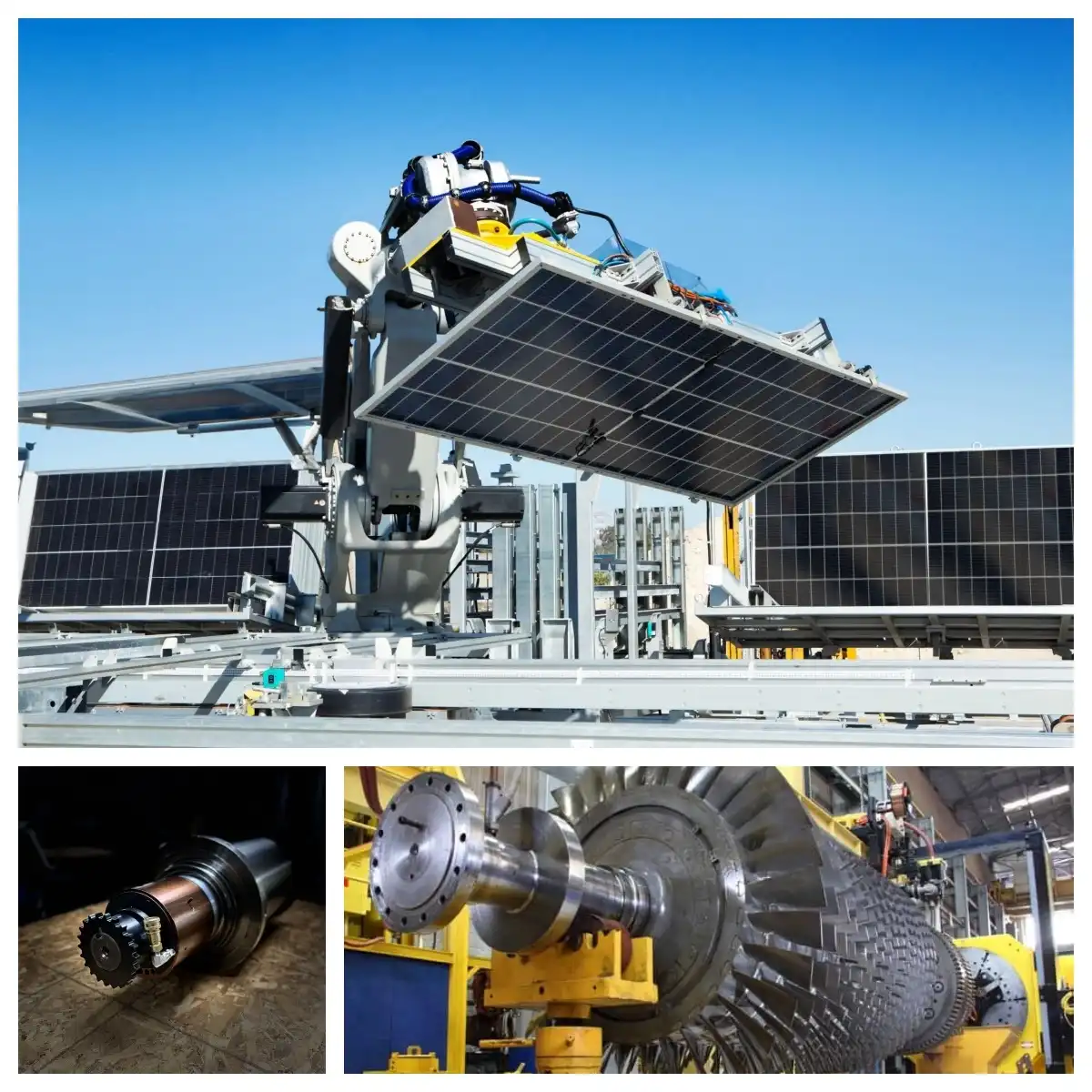
Understanding Angular Contact Ball Bearings and Their Maintenance Needs
What Makes Angular Contact Ball Bearings Different
Angular contact ball bearings have raceways that are tilted toward the axial direction. This makes contact angles that are usually between 15° and 25°. This shape lets rotational forces and one-way push loads work together at the same time. The vertical load capacity goes up as the contact angle goes up. Unlike radial bearings, which have holes that are all the same size, angular contact designs put preload pressure through angled races. This makes them very stiff, but they are easily damaged by misalignment or bad installation. The 718 Series is the latest in ultra-thin-section angular contact ball bearing technology. These parts, which are in ISO measurement series 18, solve important problems with space, weight, and stiffness. They are made from high-purity vacuum-degassed bearing steel (GCr15/52100) and have precision-ground raceways that allow for bigger shaft sizes without making the body bigger. This design increases the stiffness of the system while lowering the spinning mass, which is very helpful in tight installation areas where high performance is needed.
Why Maintenance Requirements Are Unique
Because single-row angular contact ball bearings can only handle radial loads in one direction, they need to be mounted in pairs. Back-to-back systems are good at handling loads that go in both directions and brief forces. Face-to-face setups can handle more imbalance, but they can't handle as much time. Tandem positioning can handle the most vertical load in a single direction. Because each configuration needs a different preload setting and level of accuracy in alignment, servicing procedures are more complicated than for normal bearing types. The advanced models, like the 718, have a thin cross-section that lets heat escape quickly. This is important for keeping the preload fixed during ongoing high-speed operation. But because of the way they were made, these bearings are more likely to get dirty or stop working properly when they're oiled. When installing precision-machined cages, whether they are made of Bakelite or Nylon, they need to be handled with care. Running accuracy with runout usually less than 2.5 microns is possible with manufacturing limits to P4 or P2 standards. However, these performance levels depend on proper care practices being used throughout the bearing's lifecycle.
Key Maintenance Tips for Angular Contact Ball Bearings
Routine Inspection Protocols
Setting up regular inspection plans stops problems that come up out of the blue. Visual checks should be done once a month for normal uses and once a week for important or high-speed equipment. Check the bearing surfaces for discoloration that could mean they are too hot. Check the seals and covers for damage that lets contaminants in. Check for grease leaks at the points where the housings meet. Ultrasonic devices used for acoustic monitoring can find early signs of bearing discomfort before they show up as visible symptoms. Monitoring temperatures gives you important performance information. Comparing points are set by baseline readings taken during normal functioning. Temperature rises of 10 to 15°C above the average should be looked into. Thermal imaging cameras find hot spots that mean the grease is breaking down or the parts are not lined up correctly. Using accelerometers to measure vibrations near bearing housings shows how problems are forming. Higher volume at rotational frequencies of the bearings shows that the wear is getting worse, in angular contact ball bearings, while harmonic patterns show problems with the fitting or how the load is being distributed.
Lubrication Best Practices
80% of angular contact ball bearing problems can be avoided by using the right lubricant. Most angular contact uses can be lubricated with grease, and the amount of time between relubrications is based on the speed factor, which is the bearing bore width times the RPM. Synthetic greases with an NLGI Grade 2 consistency are needed for high-speed tasks. When speeds are too high for grease to handle or when heat removal requires rotating systems, oil greasing is needed. Precision surfaces are kept safe by keeping the oil clean to ISO 4406 standards of 16/14/11 or better. Too much lubrication leads to too much churning, which creates heat that breaks down the qualities of the oil. When surfaces don't have enough oil on them, they wear out faster. Automatic lubrication methods give the right amount of oil at the right time. It is important to make sure that new and old lubricants are compatible with each other. Mixing greases that don't work well together breaks down thickeners. When changing types of oil, it is important to clean the bearings and purge the case to keep them from getting dirty. The way you store things is also important. Sealed bearings keep their lubricant integrity for years, but open bearings need protective coatings and climate-controlled spaces.
Installation and Handling Techniques
How long a bearing lasts depends on how well it was installed. When putting things together, pollution is avoided when the work area is clean. Wear lint-free gloves when working with bearings because skin oils and moisture can cause them to rust. When a press fit is done, the force should go through the race that is being mounted. Pressing through rolling elements damages them by making indents in them. Induction heaters heat bearings evenly to 90–100°C and allow controlled thermal expansion for interference fits. Never go over 120°C, because high temperatures change the way things work. Tolerances on the shaft and case must match the bearing specs. When recommending fits for angular contact ball bearings, loading needs and heat expansion are taken into account. For mounting surfaces, the roughness level needs to be a certain number, usually Ra 0.8 for shaft seats and Ra 1.6 for housing bores. Radii and chamfers keep stress from building up. It is very important to get the position right when installing the bearings; even a small error of 0.001 inches can greatly shorten their life. Before the final bearing is mounted, dial markers check the shaft's runout and straightness. Accuracy is needed when adjusting the preload. When there isn't enough preload, there is internal space, which causes stalling and wear that happens too soon. Too much loading makes heat and shortens the wear life. Thermal expansion is taken into account naturally by spring preload devices. When figuring out rigid preload, you have to be very careful and take weather factors into account. As a general rule, the preload force for back-to-back pairs is 1% to 2% of the basic dynamic load rate. The right settings are guaranteed by measuring the force or the axial movement.
Environmental Monitoring and Protection
14% of bearing problems are due to contamination. Sealing systems keep particles, water, and toxic substances from getting in. Labyrinth seals work well in high-speed situations where friction is low. At low speeds, contact seals offer better safety. Magnetic seals keep the force low while catching metal particles. Seals must be chosen based on how harsh the environment is. For example, food preparation equipment needs designs that can withstand being washed, and mining equipment needs heavy-duty protection against rough dust. The operating temperature has a big effect on the life of bearings. Every 15°C rise above 70°C cuts the life of the grease in half. In high-speed applications, cooling systems keep things at the right temperature. Moving oil around successfully gets rid of heat. External fans help move air around the housings better. When the engine is cold, thermal blankets keep the bearings warm, which keeps the grease from getting stiff. Controlling humidity stops mist, which leads to rusting. Desiccant breathers on housings keep the insides dry while allowing for thermal breathing.
Troubleshooting Common Angular Contact Ball Bearing Issues
Identifying Symptoms and Root Causes
Problems are starting to show up as strange noise signs in angular contact ball bearings. Grinding sounds mean that there is dirt or a lack of grease. A steady clicking sound means that the raceways or moving parts are broken. High-frequency screaming means that the bearings are not properly oiled. Bearing noise gets louder over time as it wears down, but rapid changes need to be looked into right away. Comparing acoustic signals to baseline data helps figure out how fast things are breaking down and how long they will still be useful. A lot of shaking can mean a number of different fault situations. Unbalance makes sound peaks happen once every rotation. When there is misalignment, twice-per-revolution harmonics happen. Bearing flaws cause vibrations that match the features of the cage, ball pass, and raceway. With advanced vibration research, fault types and levels of seriousness can be told apart. Condition-based maintenance lets you change bearings before they fail, so you don't have to buy new ones too soon. Trend analysis tracks shaking levels over time. There are several reasons why things can get too hot. When there isn't enough lube, metals touch each other, which causes too much friction heat. When you lubricate too much, you lose spinning. Rolling resistance goes up when there is too much loading. Sliding friction is caused by misalignment. Heat from outside sources moves through the tubes and housings. Thermal cameras find the source of heat. Temperature trends show when things are slowly getting worse versus when something suddenly goes wrong and needs immediate attention.
Diagnostic Techniques and Solutions
Troubleshooting is based on telling the difference between dynamic and steady load effects. Dynamic loads from operation cause fatigue wear that shows up as surface flaking. Brinelling, or lasting depressions at ball points, is caused by static loads during standstill. Different designs can be seen in false brinelling caused by vibrations during shipping. Correct diagnosis decides whether changes to operations or better treatment stop the problem from happening again. Changing the preload can fix a lot of speed problems. Using gear markers to measure axial play shows that the preload is not enough. Too much starting power means that the load is too high. Temperature-compensating setup methods keep the best settings even when the temperature changes. Field changes are possible with adjustable gaps. After a long time of use, replacing the springs in systems that use them returns the right preload. Keeping records of the original settings of angular contact ball bearings makes repairs more accurate.
Replacement Decision Criteria
Clearance adjustment takes into account the needs of each application. The C3 gap is good for situations where the inner and outer rings are at different temperatures. The C4 gap allows for bigger heat expansion. Tighter-than-normal clearance (C2) makes precise machines stiffer. Choosing the right internal clearance during buying keeps operations from going wrong. Using feeler gauges or special tools to measure ensures that the supplied clearance meets the requirements. When ISO 281 standards are used to calculate a bearing's life, the predicted L10 life hours until 10% of the bearings show wear damage is reached. The actual working life depends on how it is used. Well-kept bearings often last longer than their estimated life. But it needs to be replaced when the vibration levels hit warning levels, the temperature rises too quickly, or damage can be seen. A cost-benefit study weighs the cost of replacement against the risks of downtime and additional damage. Total lifetime costs, not just the original purchase price, must be looked at by procurement teams. Premium bearings made from better materials and with tighter specs last longer, so they don't need to be replaced as often and require less upkeep work. Manufacturers offer technical support that helps with application building and fixing problems. Coverage under a warranty lowers the risk. Long buying processes mean that extra parts stocks need to be bigger. Lead times affect the amount of inventory that is needed.
Choosing and Procuring the Right Angular Contact Ball Bearings
Design Configuration Selection
Single-row angular contact ball bearings are small and light, but they need to be paired up to support loads moving in both directions. Double-row versions have two sets of bearings in one unit, which makes fitting easier and makes sure the right pressure is applied. Paired single-row bearings make it easy to change the pressure and adjust it. The best setup depends on the application. For example, machine tool spindles usually use precision-paired sets, while car wheel hubs use combined double-row designs. The choice of contact angle matches the load capacity in both directions. Standard 15° angles work well for situations where the loads are mostly radial. When angles are raised by 25° or 40°, they can handle more axial loads, but they lower the speed rate and rotational capacity. Matching the application loads to the bearings' powers keeps them from failing too soon. Using bearing maker catalogs to figure out loads makes sure that safety factors are right, which are usually between 1.5 and 2.0 for commercial uses. The 718 Series is an example of how specialized design can meet tough needs. Cross-sections that are very thin allow for new performance at very high speeds. Because the component mass is lower and the ball sizes are optimized, centrifugal force is lessened. This means that the bearings stay precise and stable at higher RPMs than traditional bearings. These bearings have very high moment stiffness, whether they are placed back-to-back or face-to-face. Engineers can make structures stiffer without making tools bigger, which solves the problem of limited room while still meeting performance goals.
Material and Precision Grade Considerations
Standard bearing steel (GCr15/52100) can handle temperatures up to 150°C and is used in most industry settings. Stainless steel grades don't rust in places like food preparation, medical equipment, and the ocean. Ceramic rolling elements make things lighter, reduce friction, and enable them to handle temperatures up to 400°C for longer. Hybrid ceramic bearings have both ceramic balls and steel races. They work better but cost more. Precision grades set limits on tolerances that affect how well a bearing works. The normal grade, P0, is good for most industrial machines. Electric motors and pumps work more accurately with P6 grade. The P5 grade meets the needs of machine tools. For grinding spindles, coordinate measuring tools, and aircraft uses, the P4 and P2 types offer the highest level of accuracy. Higher precision costs more, but it has better runout traits and is quieter, which are important in demanding uses. The materials and patterns of the cage affect how fast it can go and how long it will last. For modest speeds, pressed steel bars are a cheap option. The cages should be made of machined brass or metal for faster speeds and loads. Bakelite or Nylon polymer cages lower the weight and friction while blocking electrical transmission. There are different types of cage designs, such as ball-riding, inner-ring-riding, and outer-ring-riding guidance. Which one to use relies on the speed, acceleration, and type of oil.
Supplier Selection and Procurement Strategy
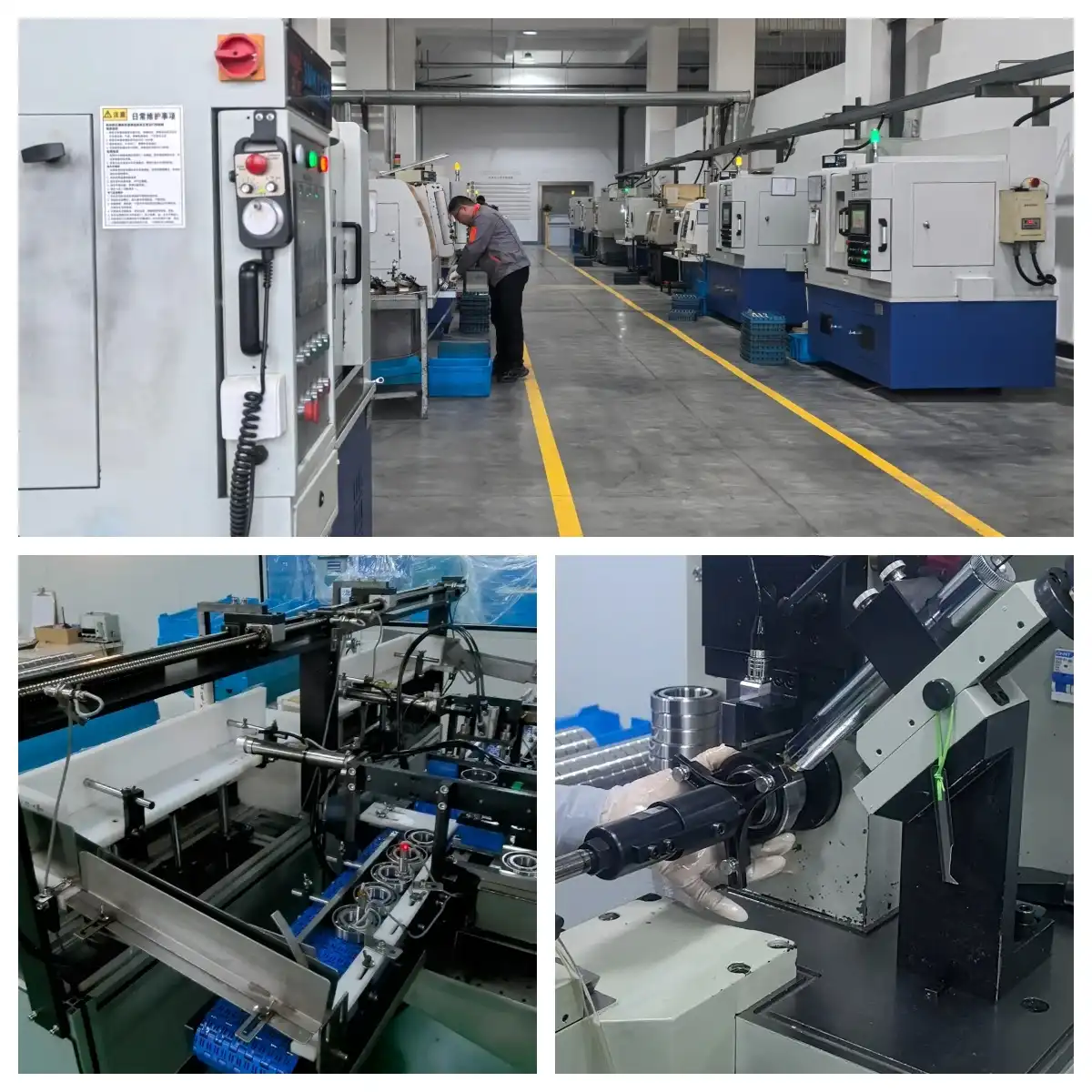
Quality and stability are guaranteed when you buy from well-known makers. Getting ISO 9001 and IATF 16949 certifications shows that you are dedicated to quality management systems and the standards set by the car business. The manufacturing capacity decides how reliably deliveries can be made and how much output can be increased. Help with engineering, application analysis, and fixing are all examples of technical support services that add value beyond just supplying parts. Catalog depth changes how flexible a project can be. Standardization across machinery lines is made easier by the wide range of product types. This makes inventory management and repair training easier. Lead times affect when to start making things and how much operating cash is needed. Minimum order amounts need to match the rate of usage; too high minimums raise the cost of inventory. The warranty terms show that the maker trusts the product and gives you options if it breaks down too soon. Luoyang Auto Bearing Co., Ltd. shows how progress can happen when you focus on making things precisely. The company started in 2010 with just one workshop, but now it has six production sites where they make high-precision bearings. 120 trained workers with ISO 9001 and IATF 16949 credentials make sure that quality is maintained throughout production, development, quality angular contact ball bearings testing, and assembly. The business has customers in South Korea, the US, Germany, Russia, Iran, and Turkey. It uses world standards for precision manufacturing and scalable output to meet a wide range of needs.
Conclusion
To properly maintain angular contact ball bearings, you need to know how they were made and follow strict procedures for checking, greasing, installing, and keeping an eye on them. When properly kept, advanced series like the 718 give great performance in high-speed precision uses where traditional bearings fail. Using technologies like vibration analysis, temperature tracking, and predictive maintenance in proactive programs can increase the life of bearings and lower their running costs. When you buy bearings from certified makers who are committed to quality and technical support and choose the right bearing configurations, materials, and precision grades, you can be sure that they will work well and help you meet your industrial goals for a long time.
FAQ
1. How Often Should Angular Contact Ball Bearings Be Lubricated?
How often you need to re-oil angular contact ball bearings depends on the speed factor, which is the bearing hole width (mm) times the RPM. For normal speeds, most experts say that relubrication should be done every 500 to 1000 hours. For high speeds, however, the time between relubrications may only need to be 100 hours. Frequency is also affected by the operating temperature, the amount of pollution, and the shaking. Automatic lubrication methods give the right amount of oil at set times. Checking the temperature of the bearings helps figure out if the present intervals are lubricating them well enough. For accurate scheduling, check the manufacturer's suggestions that are special to the bearing type and the conditions of the application.
2. Can Angular Contact Bearings Operate in High-Temperature Environments?
Standard bearing steel keeps its qualities up to about 150°C. After this temperature, the strength of the material reduces, which means it can't hold as much weight and won't last as long. For high-temperature uses, you need to think about things like synthetic oils that can handle high temperatures, ceramic rolling elements that can handle temperatures up to 400°C, or through-hardened materials that stay stable above normal limits. In tough situations, temperature control is done by moving oil, external fans, or water tanks. Temperature tracking makes sure that the machine stays within the limits of the material and lubricant, which stops failing before it's time.
3. What Indicators That Angular Contact Ball Bearings Need Replacement?
Multiple signs show that change is needed. When vibration levels go above the set warning levels, it means that the wear is advanced. Temperature rises that don't go away when you try to cool them down are a sign of friction from broken surfaces. Grinding, clicking, or squeaking sounds are signs of pollution or damaged parts. Bearing discomfort is proven by darkening, spalling, or cracking that can be seen with the naked eye. More lube use or leaks are signs that the seal is failing. When more than one sign shows up at the same time or when individual markers go over critical levels, replacement is needed to stop further damage and production interruption.
Partner with ATLYC for Your Precision Bearing Requirements
ATLYC has been making precision angular contact ball bearings for 15 years and works with medium to big original equipment makers (OEMs) and industrial equipment manufacturers all over the world. Our ISO 9001 and IATF 16949 certifications make sure that our quality is always the same and that we follow international rules. Six specialized production sites and 120 skilled workers make sure that high-precision bearings for demanding automotive, industrial machinery, and automation uses are delivered on time and in good condition. We offer full technical support, the ability to customize, and short wait times that help you keep your business going. Get in touch with our engineering team at auto@lyautobearing.com to talk about your needs with a reliable angular contact ball bearing provider that wants to build a long-term relationship with you and provide solutions that can grow with your business.
References
1. Harris, T.A. and Kotzalas, M.N. (2006). "Advanced Concepts of Bearing Technology: Rolling Bearing Analysis." Fifth Edition, CRC Press, Taylor & Francis Group.
2. Eschmann, P., Hasbargen, L., and Weigand, K. (1985). "Ball and Roller Bearings: Theory, Design and Application." Second Edition, John Wiley & Sons.
3. ISO 281:2007. "Rolling Bearings - Dynamic Load Ratings and Rating Life." International Organization for Standardization, Geneva, Switzerland.
4. Tallian, T.E. (1992). "Simplified Contact Fatigue Life Prediction Model - Part I: Review of Published Models." Journal of Tribology, Transactions of ASME, Volume 114, pp. 207-213.
5. Palmgren, A. (1959). "Ball and Roller Bearing Engineering." Third Edition, SKF Industries Inc., Philadelphia.
6. Hamrock, B.J. and Dowson, D. (1981). "Ball Bearing Lubrication: The Elastohydrodynamics of Elliptical Contacts." John Wiley & Sons, New York.
Learn about our latest products and discounts through SMS or email