- English
- French
- German
- Portuguese
- Spanish
- Russian
- Japanese
- Korean
- Arabic
- Greek
- German
- Turkish
- Italian
- Danish
- Romanian
- Indonesian
- Czech
- Afrikaans
- Swedish
- Polish
- Basque
- Catalan
- Esperanto
- Hindi
- Lao
- Albanian
- Amharic
- Armenian
- Azerbaijani
- Belarusian
- Bengali
- Bosnian
- Bulgarian
- Cebuano
- Chichewa
- Corsican
- Croatian
- Dutch
- Estonian
- Filipino
- Finnish
- Frisian
- Galician
- Georgian
- Gujarati
- Haitian
- Hausa
- Hawaiian
- Hebrew
- Hmong
- Hungarian
- Icelandic
- Igbo
- Javanese
- Kannada
- Kazakh
- Khmer
- Kurdish
- Kyrgyz
- Latin
- Latvian
- Lithuanian
- Luxembou..
- Macedonian
- Malagasy
- Malay
- Malayalam
- Maltese
- Maori
- Marathi
- Mongolian
- Burmese
- Nepali
- Norwegian
- Pashto
- Persian
- Punjabi
- Serbian
- Sesotho
- Sinhala
- Slovak
- Slovenian
- Somali
- Samoan
- Scots Gaelic
- Shona
- Sindhi
- Sundanese
- Swahili
- Tajik
- Tamil
- Telugu
- Thai
- Ukrainian
- Urdu
- Uzbek
- Vietnamese
- Welsh
- Xhosa
- Yiddish
- Yoruba
- Zulu
High Rigidity RB Series Cross Roller Bearings Explained
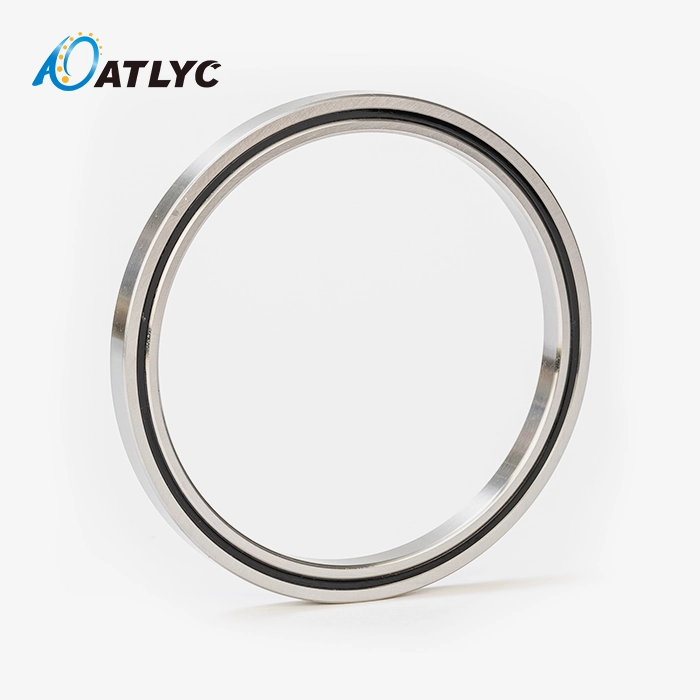
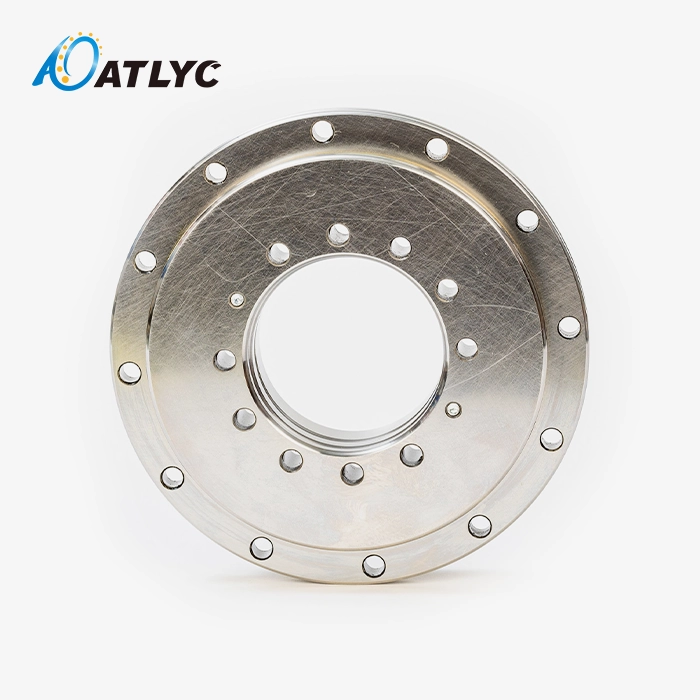
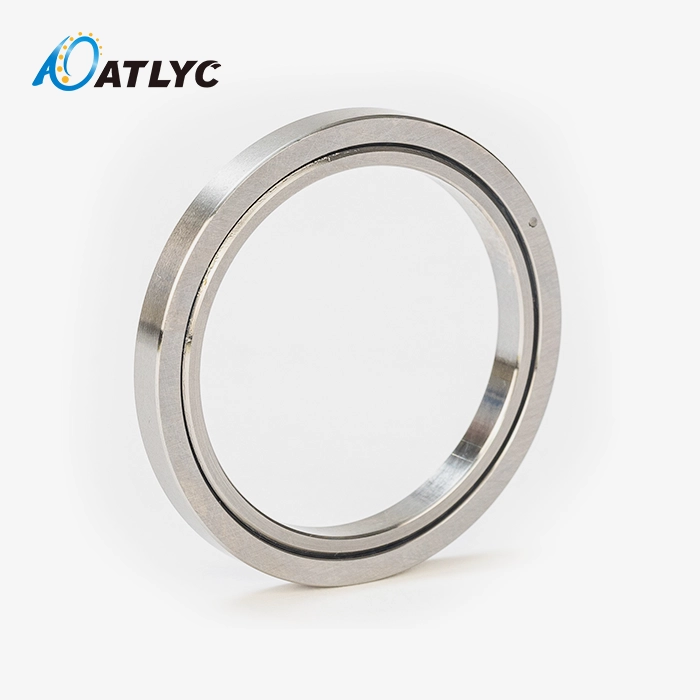
The Cross roller bearing RB series is the pinnacle of technical excellence in precision bearing technology. It was made for uses that need high rigidity and the ability to handle loads in more than one way. These high-tech bearings have cylindrical rollers spaced out 90° apart between V-grooved inner and outer rings. The RB series has a combined inner ring and a split outer ring design with a plug system. Because of their special shape, they can rotate accurately and hold a lot of weight, which makes them essential for industrial robots, precision machining centers, and automated manufacturing equipment that needs to be reliable and work well all the time.
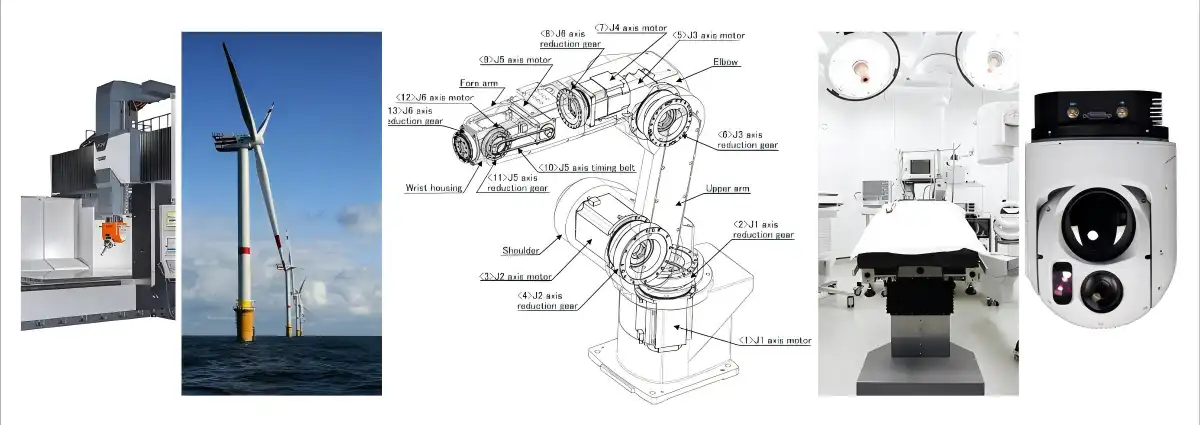
Understanding RB Series Cross Roller Bearings
The RB series cross roller bearings are a high-tech option designed to provide better stiffness and precise performance in tough industrial settings. These bearings use advanced structure design and strong materials to handle complex loads in multiple directions at the same time. It's important for procurement workers and engineering teams looking at bearing options for important uses to understand their technical specs and how they work.
Advanced Structural Configuration
It's an interesting design for the Cross roller bearing RB series that the outer ring has a plug system, but the inner ring stays completely solid. This arrangement allows exact placement during installation and upkeep tasks, which makes the assembly simpler and easier to service in the field. The inner ring stays solid and continuous, which makes the structure stiffer than with split rings. Each bearing unit can handle radial loads from vertical forces, axial loads from thrust forces, and moment loads from twisting forces all at the same time, thanks to the orthogonal roller arrangement. This ability to carry loads in more than one way gets rid of the need for multiple bearing systems. This makes the equipment much smaller and simpler to work with while still providing excellent performance.
Technical Specifications and Dimensional Range
The RB line of bearings can handle a wide range of sizes to meet the needs of a wide range of industries. The inside diameters range from 20 mm to 1,100 mm, the outside diameters from 70 mm to 1,500 mm, and the widths from 12 mm to 110 mm. Because of this wide range of sizes, engineers can choose the best bearing sizes for each application without sacrificing performance or dependability. High-quality Gcr15 and Gcr15SiMn steel alloys are used in the material makeup, which gives it great durability and steady performance under tough operating conditions. These materials are carefully heated to get the right level of strength and physical stability, which ensures they will work reliably for a long time in serious situations.
Working Principle and Load Distribution
Through the 90° V-groove design, cross-arranged cylindrical wheels spread loads equally across all contact areas. This design makes sure that the load is spread out evenly and that the contact shape stays the same throughout all operating cycles. The arrangement reduces stress concentrations and increases bearing service life under heavy-duty situations. This makes it ideal for settings with constant operation. The combined inner ring is more rigid than other designs, and the outer ring plug method makes it easier to put the parts together correctly. This combo gives very accurate spinning with little runout, which is important for high-precision tracking systems and machining.
Comparative Analysis of RB Series vs Other Bearings
Procurement professionals can make better choices, Cross roller bearing RB series, based on application needs and performance standards, when they know how RB series bearings compare to other bearing technologies. This study looks at the main performance factors and use-specific benefits that make the Cross roller bearing RB series different from other bearing options.
Performance Benchmarks Against Angular Contact Bearings
When handling loads in more than one way at the same time, RB series cross roller bearings are much better than standard angular contact ball bearings. Angular contact bearings usually need to be paired up to handle mixed loads, but an RB series bearing can handle radial, axial, and moment loads well on its own. This feature makes installation easier and gets rid of the need to change the preload, which is common in paired bearing designs. Comparing load capacities shows that RB series bearings are much better in situations with moment loads. Cylindrical rollers spaced at 90° intervals provide a larger contact area than point contact ball bearings, which results in better moment stiffness. This means that the setting is more accurate and there is less movement when the load changes.
Advantages Over Standard Cylindrical Roller Bearings
The old-fashioned cylinder roller bearings work great for rotational loads, but not for large axial or moment loads. The Cross roller bearing RB series gets around these problems with its orthogonal roller design, which lets it handle a lot of weight in a single block. This gets rid of the need for extra push bearings or complicated bearing setups that are common in high-precision settings. Another important difference is the correctness of the rotation. Precision grades for RB series bearings range from P6 to P2. Grades P4 and P2 offer the highest level of runout accuracy, making them ideal for the most precise uses. Because of how they are built, standard cylindrical roller bearings usually can't reach the same levels of accuracy.
Application-Specific Performance Benefits
Because of the way they are designed, RB series bearings work especially well in certain industrial settings. In robotic joints, their ability to handle complicated load combinations with no backlash ensures that the joints always stay in the same place. The high moment stiffness of the machining center rotating tables helps keep the table flat even when cutting loads change. Applications in medical tools take advantage of their smooth, low-vibration operation. The improved contact shape and advanced lubrication retention reduce friction coefficients, which makes the equipment run more quietly and last longer, which is very important for medical imaging and precision diagnostic tools.
Installation and Maintenance Guide for RB Series Bearings
The performance and service life of Cross roller bearing RB series parts are directly affected by how they are installed and maintained. By following known best practices, you can be sure that your bearings will work at their best and avoid premature failure modes that could cause expensive machine downtime. In this detailed book, there are useful suggestions for both installation methods and routine upkeep.
Installation Best Practices and Procedures
When installing RB series bearings, it's important to pay close attention to how clean, aligned, and handled they are. The place where the bearings are put together must be kept very clean so that contaminants don't get in and hurt the performance of the bearings. For installing precision bearings, all tools and operating gear should be clean and up to the task. For the outer ring plug system to be put together correctly, it needs to be installed in a certain way. To keep the ring's integrity while allowing for thermal growth, the plug must be placed with the right amount of force. Stress concentrations that could cause early wear or failure can be avoided by making sure the installation is aligned correctly. Preparing the housing is a very important part of getting the best bearing performance. To meet the standards for accuracy and surface finish, mounting areas must be machined. Fit limits that are just right make sure that there is enough support while still allowing for heat expansion and contraction during use.
Lubrication Requirements and Schedules
The type of lubrication used and the frequency of upkeep have a big effect on how well bearings work and how long they last. Most of the time, high-quality lithium-based greases made for precision bearing uses are used in RB series bearings. For best performance, the grease formula must match the speed and temperature ranges needed for the job. The amount of time between relubrications depends on things like speed, load, temperature, and the surroundings. In normal workplace settings, relubrication is needed every 2,000 to 5,000 hours of use. In a clean room or lab, however, the gaps may be much longer. Taking samples of the grease on a regular basis to check on its state helps make maintenance plans work better. The right amount of grease makes sure that there is enough friction without going overboard, which could cause working temperatures to rise. The outer ring plug method makes it easier to add grease and perform controlled lubrication processes without taking the bearing apart.
Troubleshooting Common Issues
Finding possible bearing problems early on keeps them from breaking down completely and lowers the cost of upkeep. Vibration tracking tells you a lot about the state of a bearing; changes in the way it vibrates can show that problems are starting to appear. Monitoring the temperature helps find problems with lubrication or situations where there is too much load. Noise patterns cross roller bearing RB series often point to specific problems with bearings. Grinding or scratching sounds could mean that the bearings are dirty or not well-oiled, while strange noise patterns could mean that the rollers or raceways are damaged. These problems can be found before they affect the performance of bearings by following regular checking routines. Keeping good records of maintenance tasks and data from checking on performance lets you look for patterns and plan for maintenance needs. This method extends the life of bearings the most while reducing unexpected downtime.
Procurement Insights and Transaction Guidance
To successfully buy Cross roller bearing RB series units, you need to know what the provider can do, what the quality standards are, and how to handle logistics that can affect project timelines and the total cost of ownership. This part gives practical advice for people who are in charge of buying things how to find bearings and make sure that quality and dependability standards are met.
Supplier Evaluation and Selection Criteria
When looking at possible suppliers, you need to look at their manufacturing skills, quality control systems, and technical help resources. Certifications like ISO 9001 and IATF 16949 show that a company follows set quality management practices that are necessary to ensure stable bearing quality. Manufacturing capacity and the ability to increase or decrease production make sure that providers can meet both present and future number needs. When it comes to custom apps or unique needs, technical help skills become very important. Suppliers should show that they have technical knowledge in analyzing bearing applications and making designs that work better. This includes the ability to make custom bearings when normal designs can't meet the needs of an application. Delivery dependability and the security of the supply chain have an effect on project plans and methods for managing inventory. It's safer to buy from suppliers who have built global distribution networks and keep enough inventory on hand. This is especially important for critical uses where a bearing failure could mean big production losses.
Pricing Structure and Order Considerations
Pricing models for bearings usually take into account breaks for larger orders, the need for customization, and the level of accuracy needed. Standard precision grades (P6, P0) usually have the best prices. High precision grades (P4, P2), on the other hand, cost more because they need more steps in the manufacturing process and stricter quality control. Minimum order amounts are different for each provider and each size of bearing. Because of the costs of setting up the factory and buying materials, larger diameter bearings usually have higher minimum order requirements. Understanding these needs helps improve tactics for managing supplies and placing orders at the right time. Long-term supply deals often offer better prices and ensure a steady flow of goods for ongoing production needs. These deals are good for both sides because they promise a certain amount of goods in return for competitive prices and first choice when supplies are low.
Quality Assurance and Compliance Requirements
Different businesses and uses have different needs for quality documentation. IATF 16949 compliance and certain quality paperwork packages are usually needed for automotive uses. To meet legal standards, medical gadget applications may need extra certifications and proof of traceability. Critical bearing qualities, such as dimensional correctness, surface finish, and rotational performance, should be checked during the incoming inspection process. Statistical sample plans that are right for the number of items being ordered make sure that the quality is checked properly without spending too much on inspections. Certificate of compliance paperwork is an important way to make sure that key applications are of high quality. This paperwork should have approvals for the materials, records on the sizes of the parts, and performance test results that show the bearings meet the requirements.
Trusted RB Series Bearing Brands and Supplier Information
Finding trustworthy sources and genuine bearing makers is important for making sure the quality of the products you buy and the stability of your supply in the long term for the Cross roller bearing RB series. Both well-known companies have been making precision bearings for a long time, and new companies that are starting up are giving competitive options for uses that need to save money.
Established Industry Leaders and Emerging Suppliers
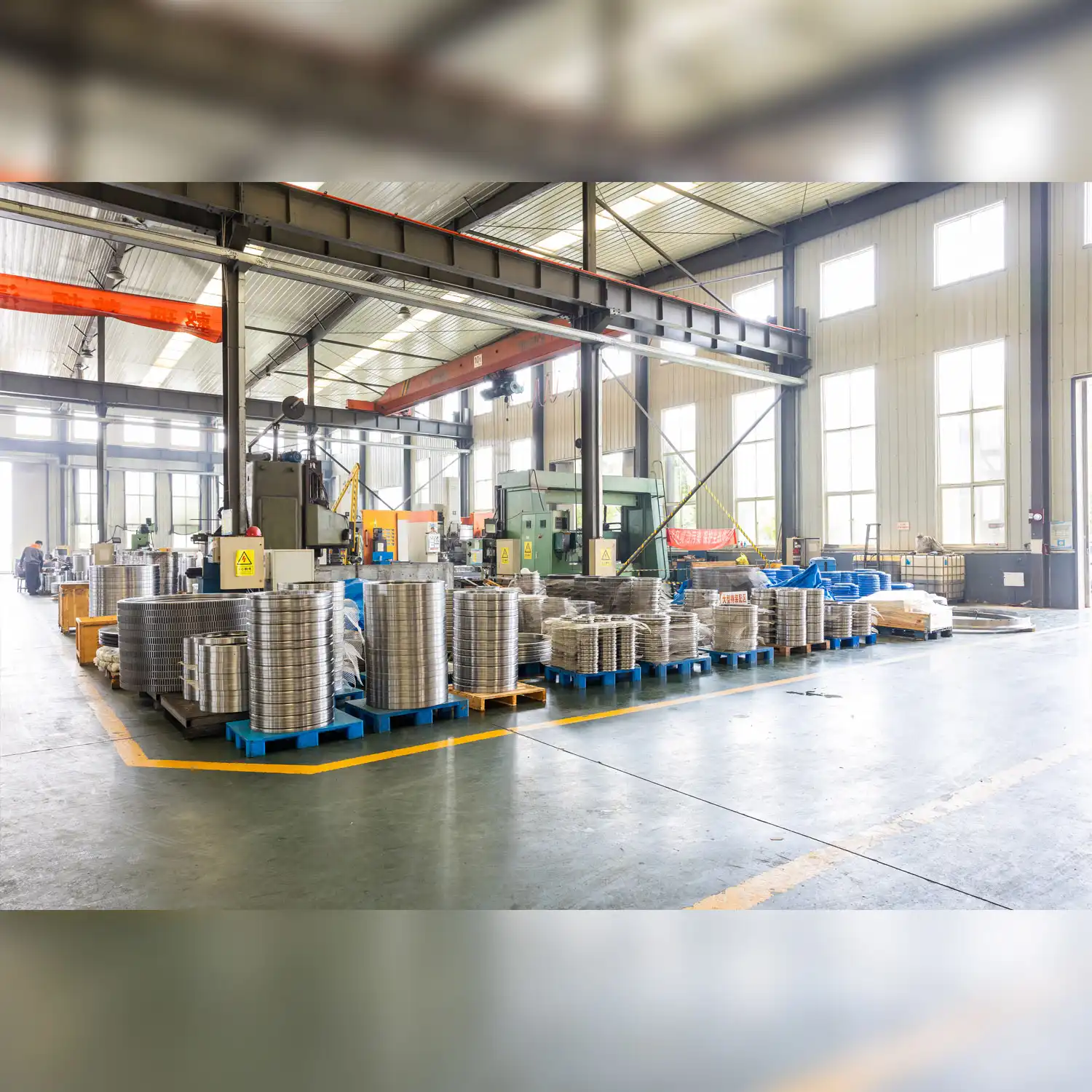
There are well-known companies in the global bearing market that have been making cross roller bearings for decades. These businesses usually have a wide range of products, offer a lot of professional help, and have distribution networks all over the world. In serious situations, their goods are often used as standards for how well they work and how reliable they are. Established in 2010 as Luoyang Auto Bearing Co., Ltd., ATLYC has grown into a major player in the production of precision bearings in its 15 years of business. The company keeps its ISO 9001 and IATF 16949 certifications, which show that it follows international quality standards. ATLYC has 120 trained workers who work in production, research, quality testing, and assembly. They can make everything needed for cross roller bearing applications. The business has grown from one workshop to six specialty buildings, and they are now experts at making high-precision bearings. ATLYC does business in South Korea, the US, Germany, Russia, Iran, and Turkey, among other places. It has built a name for dependability, the Cross roller bearing RB series, and technical skill in these foreign markets.
Verification of Supplier Credentials and Capabilities
The methods for qualifying suppliers should check their ability to make things, their quality systems, and their financial security. Site checks are a great way to learn about how things are made, how quality control works, and how well a company works overall. When the application is critical, and a bearing failure could have big effects, these tests become even more important. Certifications for quality management systems give you a basic guarantee of good quality practices. But approval by itself doesn't promise that a product or provider will do a good job. Better long-term data for evaluating suppliers comes from keeping an eye on performance over time through quality measures and tracking shipping performance. An evaluation of technical skills should look at things like engineering help, the ability to make unique designs, and application knowledge. Strong expert teams at suppliers can help with choosing the right bearings, making sure the application works best, and fixing problems when they happen.
Customer Support and Technical Resources
Technical advice, application building, and service after the sale are all parts of comprehensive customer support. Suppliers should make technical resources like product catalogs, application guides, and selection tools easy to get to so that the bearing design and buying processes go more smoothly. Training materials help customer service reps learn the right way to set up, maintain, and fix problems. This help is especially useful for companies that are new to cross roller bearing technology or that are moving into new areas that need special bearing solutions. Respondent customer service makes sure that technical questions and order inquiries are answered quickly. When it comes to complicated buying needs and pressing shipping needs, suppliers with dedicated customer service teams and set contact methods are better able to help.
Conclusion
The Cross roller bearing RB series is the best choice for tough industrial uses that need high rigidity, accuracy, and the ability to handle loads in more than one way. The original design of these high-tech bearings, which have orthogonal roller arrangements and an integrated inner ring construction with outer ring plug systems, makes them work better than others. Because they can handle radial, axial, and moment loads at the same time in a single bearing unit, they are much better than traditional bearing setups because they make equipment simpler while also making it more reliable and accurate. RB series bearings are a reliable choice for important bearing uses that need the highest quality and performance standards. They come in a wide range of sizes and precision grades and have been tested and proven to work in a wide range of industrial settings.
FAQ
1. What makes RB series cross roller bearings different from other bearing types?
RB series bearings have cylindrical rollers spaced at 90° intervals between V-grooved races. This lets a single bearing unit handle radial, axial, and moment loads at the same time. This gets rid of the need for multiple bearing sets and makes the system more rigid and accurate than regular bearing setups.
2. What precision grades are available for the Cross roller bearing RB series?
There are six different levels of precision for the RB series bearings: P6, P0, P5, P4, and P2. P2 is the highest level of precision and is best for applications that need to be very accurate. The choice of grade is based on the precise placement and rotational needs of the device.
3. How do I determine the correct size for my application?
To choose the right size, you need to think about the load, the mounting restrictions, and the level of accuracy you need. Inner sizes of RB series bearings range from 20 mm to 1,100 mm, outer diameters from 70 mm to 1,500 mm, and widths from 12 mm to 110 mm. Talking to bearing experts about technical issues can help you choose the best size for your needs.
4. What maintenance is required for RB series bearings?
Maintenance includes lubricating parts on a regular basis, checking for dirt and grime, and making sure they are working properly by checking their sound and temperature. Depending on the conditions of use and the surroundings, relubrication times are usually between 2,000 and 5,000 hours.
5. Can RB series bearings be customized for specific applications?
Many makers let you change things about their products, like the size or the material they use, or they can change the design to fit your needs. To make sure that custom solutions work well and are compatible with current equipment, they need to be reviewed by engineers.
Partner with ATLYC for Superior Cross Roller Bearing Solutions
ATLYC is ready to help you with your bearing needs because we can make all kinds of Cross roller bearings RB series, and have been in the business for 15 years. Certified by both ISO 9001 and IATF 16949, our sites consistently provide high quality and dependability for difficult industrial uses in the robotics, automotive, and precision machinery sectors. With a skilled engineering team and a manufacturing capacity that can be expanded or contracted, we can make unique bearing solutions that meet all of your needs at a price that is competitive and on time. ATLYC is a reliable Cross roller bearing RB series maker that uses cutting-edge production technology and quick customer service to make sure your project is a success. Get in touch with our technical experts at auto@lyautobearing.com to talk about your unique needs and find out how our precision bearing solutions can improve the performance and longevity of your equipment.
References
1. Harris, Tedric A., and Michael N. Kotzalas. "Essential Concepts of Bearing Technology: Rolling Bearing Analysis." CRC Press, 2019.
2. Palmgren, Arvid. "Ball and Roller Bearing Engineering: Fundamentals of Rolling Bearing Technology." Industrial Press, 2018.
3. International Organization for Standardization. "Rolling Bearings - Tolerances: ISO 492 Standards and Applications." ISO Publications, 2020.
4. Society of Automotive Engineers. "Automotive Bearing Standards and Performance Requirements: SAE J692 Specifications." SAE International, 2021.
5. American National Standards Institute. "Load Ratings and Fatigue Life for Ball and Roller Bearings: ANSI/ABMA Standard 9." ABMA Publications, 2019.
6. Japanese Industrial Standards Committee. "Cross Roller Bearings: Dimensional and Performance Standards JIS B 1551." JSA Publications, 2022.
Learn about our latest products and discounts through SMS or email