- English
- French
- German
- Portuguese
- Spanish
- Russian
- Japanese
- Korean
- Arabic
- Greek
- German
- Turkish
- Italian
- Danish
- Romanian
- Indonesian
- Czech
- Afrikaans
- Swedish
- Polish
- Basque
- Catalan
- Esperanto
- Hindi
- Lao
- Albanian
- Amharic
- Armenian
- Azerbaijani
- Belarusian
- Bengali
- Bosnian
- Bulgarian
- Cebuano
- Chichewa
- Corsican
- Croatian
- Dutch
- Estonian
- Filipino
- Finnish
- Frisian
- Galician
- Georgian
- Gujarati
- Haitian
- Hausa
- Hawaiian
- Hebrew
- Hmong
- Hungarian
- Icelandic
- Igbo
- Javanese
- Kannada
- Kazakh
- Khmer
- Kurdish
- Kyrgyz
- Latin
- Latvian
- Lithuanian
- Luxembou..
- Macedonian
- Malagasy
- Malay
- Malayalam
- Maltese
- Maori
- Marathi
- Mongolian
- Burmese
- Nepali
- Norwegian
- Pashto
- Persian
- Punjabi
- Serbian
- Sesotho
- Sinhala
- Slovak
- Slovenian
- Somali
- Samoan
- Scots Gaelic
- Shona
- Sindhi
- Sundanese
- Swahili
- Tajik
- Tamil
- Telugu
- Thai
- Ukrainian
- Urdu
- Uzbek
- Vietnamese
- Welsh
- Xhosa
- Yiddish
- Yoruba
- Zulu
Are Cross Roller Bearing RE Series Good for Medical Equipment?
The Cross roller bearing RE series stands as an excellent Cross roller bearing RE series solution for medical equipment applications where precision and reliability are non-negotiable. These specialized bearings feature an integral outer ring and split inner ring design, delivering exceptional rotational accuracy essential for advanced medical devices. Their ability to handle high radial, axial, and moment loads simultaneously within a compact footprint makes them particularly suited for surgical robots, diagnostic imaging systems, and precision positioning equipment where patient safety depends on consistent mechanical performance.
Understanding Cross Roller Bearing RE Series
Unique Structural Design
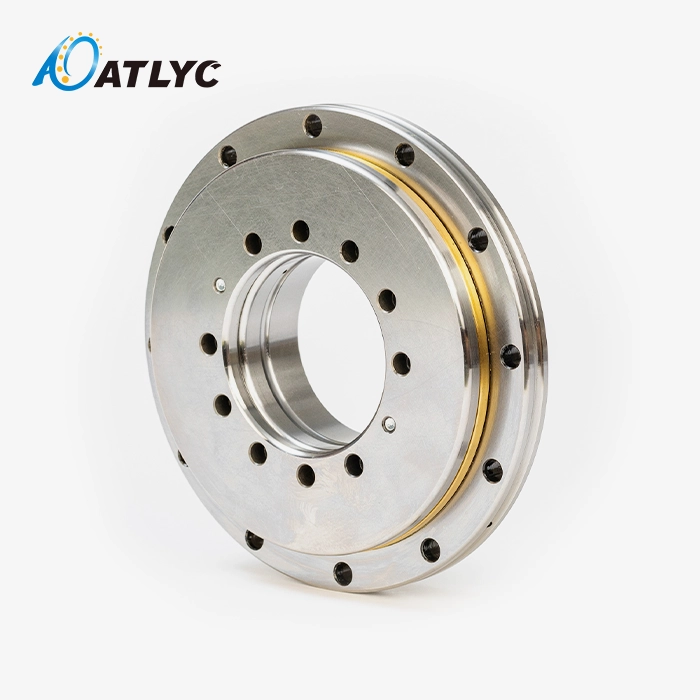
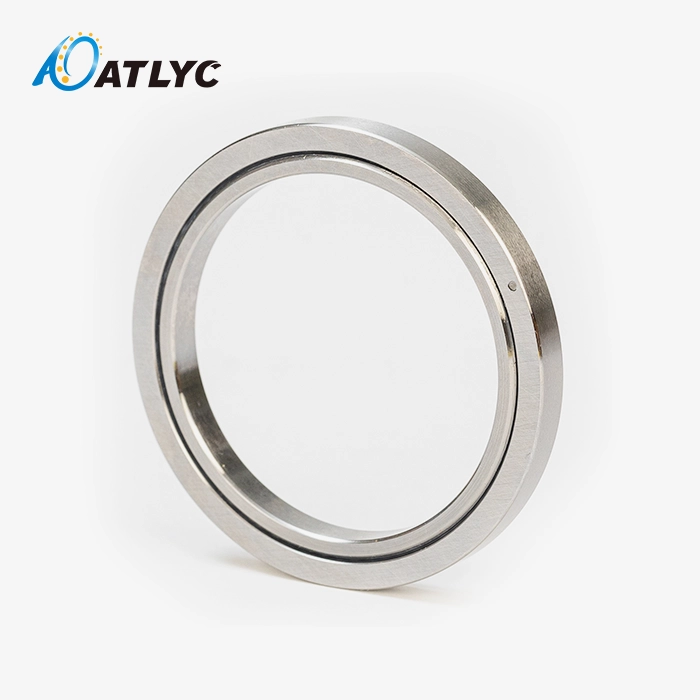
The RE series employs a distinctive architecture that differentiates it from traditional bearing configurations. The integral outer ring provides unmatched rigidity and concentricity, while the split inner ring simplifies installation and maintenance procedures. This structural approach addresses a common challenge in medical equipment: achieving superior outer ring rotation accuracy. Inside the bearing raceway, cylindrical rollers are positioned orthogonally at 90-degree intervals within precisely machined V-grooves. This crossed arrangement creates multiple load paths, enabling the bearing to simultaneously manage forces from different directions. Roller spacers maintain optimal separation between adjacent rollers, reducing friction and preventing metal-to-metal contact that could compromise performance.
Technical Specifications
The RE series specifications reflect its versatility across medical applications. Inner diameters range from 20mm to 1100mm, with outer diameters spanning 70mm to 1500mm and widths between 12mm and 110mm. This dimensional range accommodates everything from compact diagnostic devices to large-scale imaging equipment. Material composition plays a crucial role in medical environments. The bearings utilize Gcr15 and Gcr15SiMn steel grades, selected for their hardness, wear resistance, and structural stability. These materials maintain dimensional integrity under continuous operation and withstand the thermal fluctuations common in medical facilities.Accuracy classifications range from P6 (standard precision) through P0, P5, P4, to P2 (ultra-high precision). Medical applications typically require P5 or higher to ensure positioning repeatability and operational smoothness. A surgical robotic arm, which may perform thousands of micro-movements during a single procedure, depends on P4 or P2 grade bearings to maintain sub-millimeter accuracy. Cross roller bearing RE series throughout extended operating periods.
How RE Series Differs From Traditional Bearings
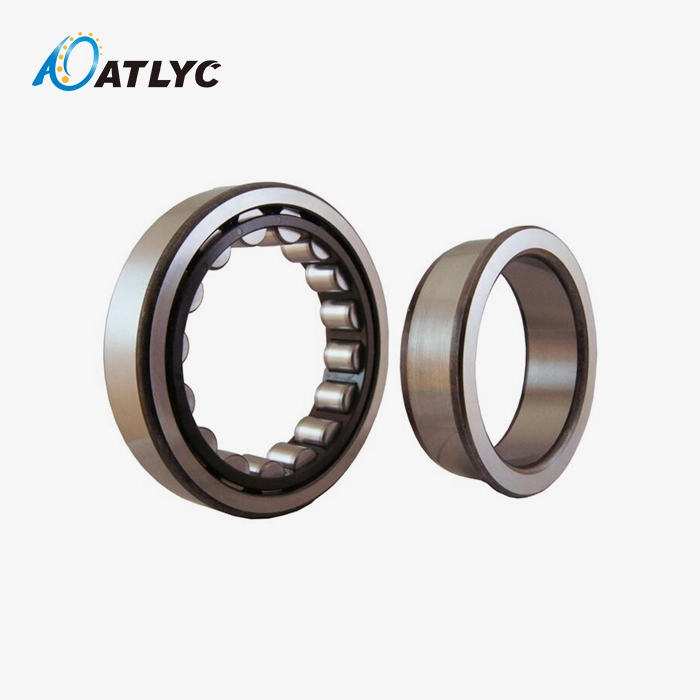
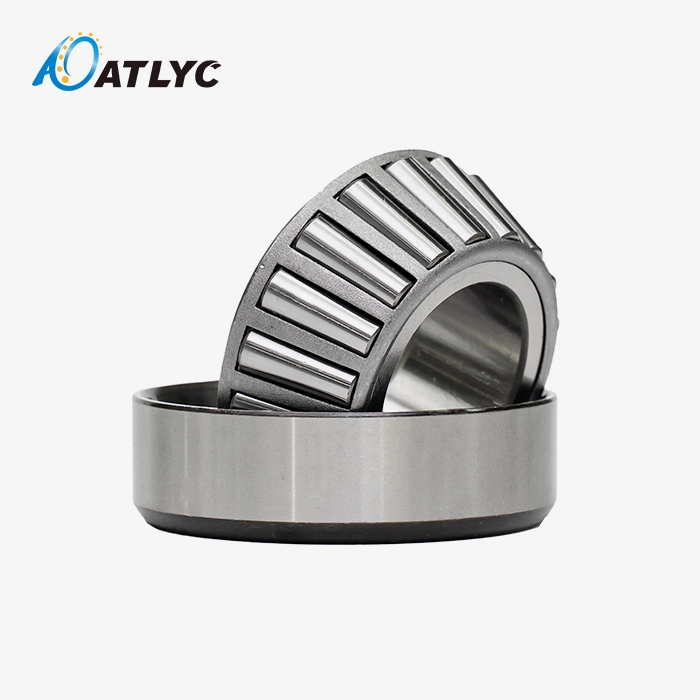
Standard ball bearings excel in high-speed applications but struggle with combined loading scenarios. Cylindrical roller bearings offer excellent radial capacity but require separate thrust bearings for axial loads. Tapered roller bearings can handle combined loads but demand more installation space and generate higher friction. The cross roller bearing RE series consolidates these capabilities into a single compact unit. The orthogonal roller arrangement distributes radial forces across one roller set while the perpendicular set manages axial loads. Moment loads engage both roller sets simultaneously, creating a balanced load distribution that extends service life. This integration eliminates the need for bearing combinations, reducing assembly complexity and potential failure points in medical equipment.
Performance and Advantages of the RE Series in Medical Equipment
Superior Load Distribution and Structural Efficiency
Medical equipment subjects bearings to complex loading patterns that vary throughout operational cycles. A C-arm imaging system, when repositioning around a patient, generates substantial moment loads combined with gravitational forces. The crossed roller configuration in RE series bearings handles these multi-directional stresses through its unique load path geometry. The bearing's ability to replace multiple conventional bearings delivers tangible benefits. Equipment designers reduce component count, simplifying maintenance protocols and lowering inventory requirements. Fewer components mean fewer potential failure points, a critical consideration in medical environments where equipment downtime directly impacts patient care capabilities.
Precision and Operational Smoothness
Medical devices require consistent mechanical behavior across millions of operational cycles. A CT scanner's gantry must rotate with identical precision whether performing its first scan or its ten-thousandth. The low friction coefficient inherent in the RE series design ensures smooth rotation with minimal power consumption, reducing heat generation that could affect dimensional stability. The excellent runout accuracy—the deviation in rotational path—directly influences image quality in diagnostic equipment and positional accuracy in surgical robotics. When a robotic surgical instrument must maintain position within fractions of a millimeter, bearing runout becomes a critical specification. RE series bearings manufactured to P4 or P2 accuracy standards deliver the rotational precision these applications demand.
Durability and Maintenance Considerations
Medical equipment often operates continuously or experiences frequent start-stop cycles. The roller spacer design in RE series bearings prevents direct roller contact, distributing wear evenly across rolling elements. This engineering approach extends operational life compared to bearings, where roller interaction accelerates degradation. Maintenance accessibility matters in hospital environments where scheduled downtime must be carefully planned. The split inner ring configuration allows service technicians to inspect and replace components more efficiently than integral designs. Equipment manufacturers who prioritize serviceability in their designs recognize this advantage when specifying components. Manufacturers offering comprehensive warranty coverage and technical support provide additional assurance for procurement professionals. A bearing supplier with documented quality management systems—such as ISO 9001 and IATF 16949 certifications—demonstrates commitment to consistent manufacturing standards that align with medical industry expectations.
Comparing Cross Roller Bearing RE Series Options for Medical Applications
Performance Metrics Against Alternative Bearing Types
When evaluating bearing solutions for medical equipment, procurement Cross roller bearing RE series professionals must compare performance across multiple dimensions. Ball bearings typically offer speed capabilities exceeding what most medical applications require, but their limited load capacity and sensitivity to misalignment create operational risks. A diagnostic imaging system's rotating gantry, which may weigh several hundred kilograms, demands a load capacity that exceeds ball bearing practical limits. Cylindrical roller bearings provide excellent radial load capacity but require supplementary thrust bearings for axial forces. This combination increases assembly complexity and introduces additional tolerance stack-up challenges. The RE series consolidates these functions, simplifying design and reducing potential alignment issues. Other cross roller bearing variants, such as those with split outer rings, serve applications where inner ring rotation predominates. Medical equipment requiring outer ring rotation benefits specifically from the RE series integral outer ring design, which eliminates the accuracy compromises associated with split configurations.
Cost-Effectiveness Considerations
Initial component cost represents only one factor in total cost of ownership calculations. Bearings that reduce assembly time, simplify maintenance procedures, and extend service intervals deliver value beyond their purchase price. Equipment downtime in medical facilities carries high costs, both in lost productivity and potential revenue impact. The compact design of cross roller bearings enables smaller, lighter equipment configurations. This weight reduction yields secondary benefits: lower shipping costs, reduced structural requirements for mounting, and easier positioning in clinical environments where space often comes at a premium.
Manufacturer Landscape and Procurement Insights
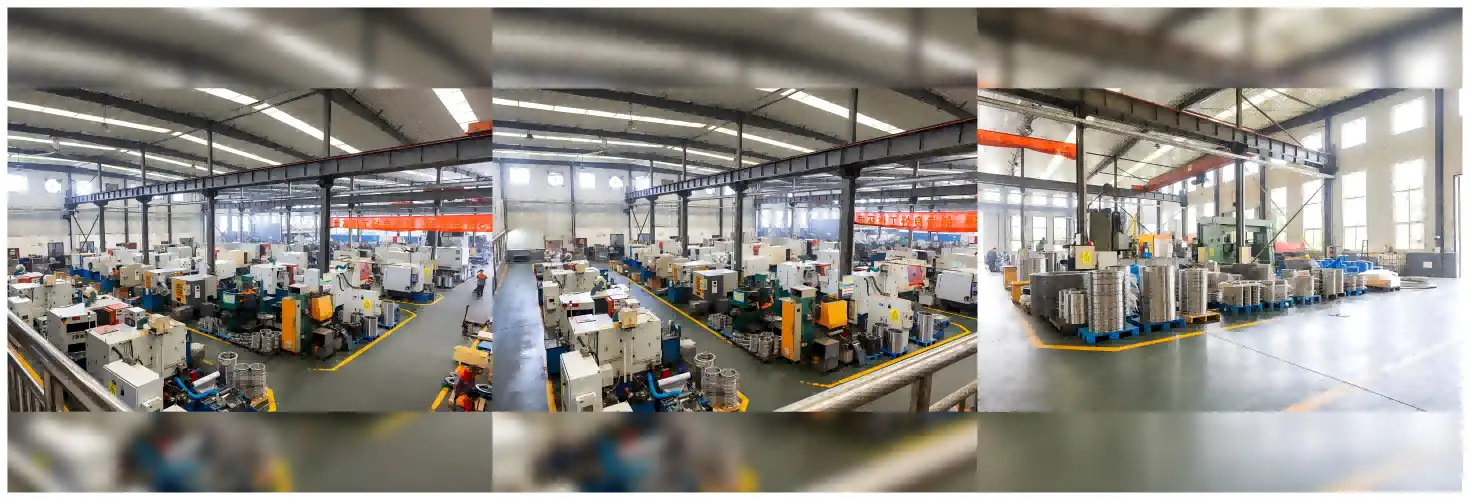
Global manufacturers, including NSK, THK, and SKF, have developed specialized offerings for medical applications. These established brands invest heavily in quality control systems and maintain extensive technical documentation, resources that assist design engineers and procurement professionals in component selection. However, the medical bearing market also includes capable manufacturers who combine precision manufacturing with competitive pricing. Established since 2010, companies like Luoyang Auto Bearing Co., Ltd. (ATLYC) have developed manufacturing capabilities spanning six bearing categories, supported by ISO 9001 and IATF 16949 certifications. Their 120-person team handles production, quality inspection, and assembly with the systematic approach required for medical component manufacturing. Authorized distributors provide supply chain reliability and genuine product assurance. Procurement professionals should verify distributor credentials and confirm technical support capabilities before establishing supply relationships, particularly for components as critical as precision bearings in medical equipment.
Practical Applications of RE Series Bearings in Medical Equipment
Surgical Robotic Systems
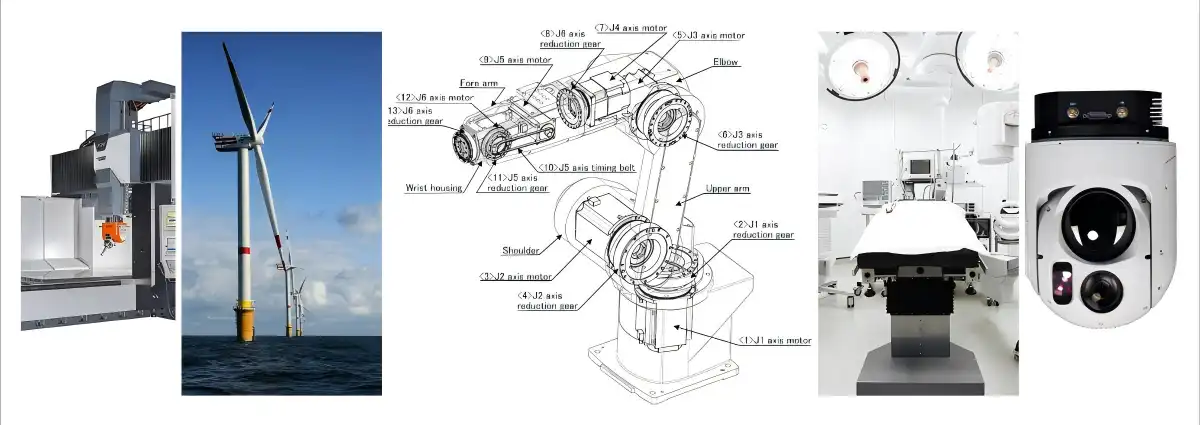
Robotic surgical platforms represent perhaps the most demanding application for precision bearings in medical equipment. These systems translate a surgeon's hand movements into micro-precise instrument motions, often with motion scaling that enables procedures impossible through traditional techniques. The robotic arms' joint mechanisms require bearings that maintain positional accuracy throughout the procedure while handling combined loads from arm weight, instrument forces, and dynamic movement accelerations. Cross roller bearings in the RE series configuration provide the multi-axis load capacity and rotational precision these joints demand. The bearing's low-friction characteristics enable smooth, controlled movements essential for delicate tissue manipulation. As surgical robots evolve toward smaller, more dexterous designs, the compact footprint of RE series bearings becomes increasingly valuable.
Diagnostic Imaging Equipment
CT scanners, X-ray systems with rotating components, and positron emission tomography (PET) equipment rely on large-diameter bearings to support their imaging gantries. These components rotate around the patient, mounting X-ray sources, detectors, and associated electronics in precisely controlled circular paths. Image quality depends directly on maintaining consistent rotational geometry throughout the scan sequence. The moment load capacity of RE series bearings addresses the cantilever forces generated by gantry-mounted components. Their excellent runout accuracy ensures the X-ray source and detectors maintain proper spatial relationships throughout rotation, directly influencing image resolution and diagnostic accuracy. Equipment manufacturers serving the medical imaging market increasingly specify cross roller bearings for these applications, recognizing their performance advantages over traditional bearing combinations.
Industry-Specific Demands and Compliance
Medical equipment operates in environments with stringent hygiene requirements. While bearings themselves aren't typically exposed to direct contamination, equipment must accommodate regular cleaning protocols. Material selection and surface treatments that resist common medical-grade cleaning agents become important specifications. Sterilization compatibility matters for equipment used in surgical environments. Although the bearings operate within sealed assemblies, temperature excursions during sterilization cycles can affect lubricant properties and dimensional stability. Manufacturers serving medical markets must validate component performance under these conditions. Material biocompatibility becomes relevant when bearings may contact patient fluids or tissues, though this applies primarily to specialized implantable devices rather than external equipment. The Gcr15 and Gcr15SiMn steel grades used in RE series bearings meet general medical equipment standards, though specific applications may require additional material certifications.
How to Choose the Right Cross Roller Bearing RE Series for Your Medical Equipment
Load Analysis and Sizing Methodology
Proper bearing selection begins with a comprehensive load analysis. Design engineers must calculate maximum radial, axial, and moment loads across all operating conditions, including startup transients, normal operation, and any emergency Cross roller bearing RE series operating modes. Safety factors appropriate to medical applications—typically higher than industrial standards—must be applied to account for the consequences of bearing failure. The bearing's basic load ratings provide the foundation for life calculations. Medical equipment often operates with duty cycles different from industrial machinery, requiring modified calculation approaches. Continuous-duty imaging systems present different service life requirements than intermittent-use surgical equipment, influencing bearing size selection and expected replacement intervals. Space constraints frequently drive medical equipment design. The compact cross-section of RE series bearings often enables more streamlined equipment profiles compared to traditional bearing arrangements. However, procurement professionals must verify that selected bearing sizes provide adequate load capacity with appropriate safety margins rather than simply choosing the smallest option that fits available space.
Precision Requirements and Accuracy Class Selection
Medical applications' accuracy requirements should drive bearing grade selection. Diagnostic imaging equipment requiring superior image quality benefits from P4 or P2 grade bearings that minimize rotational irregularities. Positioning systems with less stringent accuracy requirements may function adequately with P5 grade components, offering cost savings without compromising performance. Testing protocols should validate bearing performance in application-specific conditions. Obtaining bearing samples for functional testing provides data on actual performance characteristics rather than relying solely on catalog specifications. Accelerated life testing, though resource-intensive, can reveal potential issues before committing to volume production.
Lifecycle Management and Future-Proofing
Medical equipment typically remains in service for many years, often exceeding a decade. Bearing availability throughout this service life represents a critical procurement consideration. Suppliers maintaining consistent product lines and providing long-term availability commitments reduce obsolescence risks that could complicate equipment servicing. Warranty terms and service agreements provide additional risk mitigation. Comprehensive warranties covering manufacturing defects offer financial protection, while service agreements ensuring technical support availability assist with troubleshooting and application optimization throughout equipment life. Technology evolution in medical equipment may necessitate component upgrades or modifications. Maintaining relationships with bearing suppliers offering customization capabilities and engineering support facilitates equipment enhancement programs without requiring complete bearing requalification processes.
Conclusion
The RE series cross roller bearings deliver the precision, load capacity, and reliability that modern medical equipment demands. Their integrated design handling multi-directional loads within a compact envelope addresses the space constraints and performance requirements inherent in surgical robotics, diagnostic imaging, and patient positioning systems. The specialized structural configuration—featuring an integral outer ring and split inner ring—provides exceptional rotational accuracy critical for applications where precision directly impacts clinical outcomes. Procurement professionals evaluating these components should consider the total cost of ownership rather than simply component pricing. The operational advantages of simplified assembly, reduced maintenance complexity, and extended service life often justify premium component investments. Supplier selection criteria should emphasize quality certifications, technical support capabilities, and demonstrated manufacturing capacity to ensure long-term supply reliability as medical equipment production scales.
FAQ
1. Why do cross roller bearings outperform ball bearings in medical equipment precision applications?
Cross roller bearing RE series components provide superior rigidity and load distribution compared to ball bearings. The orthogonal roller arrangement creates multiple contact points that resist deflection under combined loads, maintaining positional accuracy that ball bearings cannot match in high-moment-load scenarios. Medical equipment requiring sub-millimeter repeatability benefits from this enhanced structural stiffness and rotational precision.
2. What maintenance practices extend cross-roller bearing service life in medical applications?
Regular inspection of mounting surfaces and proper lubrication management form the foundation of effective maintenance. Medical equipment operators should monitor for unusual noise or vibration indicating potential bearing issues. The split inner ring design in RE series bearings simplifies inspection procedures without requiring complete equipment disassembly. Maintaining proper preload specifications and verifying mounting bolt torques during scheduled maintenance prevents premature bearing wear.
3. Can manufacturers customize RE series bearings for specialized medical equipment requirements?
Many bearing manufacturers offer customization options, including modified dimensions, specialized materials, and enhanced sealing configurations. Custom accuracy grades beyond standard P2 specifications may be available for extremely demanding applications. Lead times for customized bearings typically extend 8-12 weeks beyond standard product delivery, requiring planning during equipment development programs. Procurement professionals should engage with suppliers early in design processes to explore customization possibilities and establish realistic production timelines.
Partner with ATLYC for Medical-Grade Cross Roller Bearing RE Series
Your medical equipment deserves bearing solutions from a cross roller bearing RE series manufacturer committed to precision and reliability. ATLYC combines ISO 9001 and IATF 16949 certified manufacturing, cross roller bearing RE series processes, with 15 years of specialized bearing production experience serving global OEMs across surgical robotics, diagnostic imaging, and precision positioning applications. Our engineering team supports bearing selection, application optimization, and lifecycle management throughout your equipment development and production phases. Contact auto@lyautobearing.com today to discuss your medical equipment bearing requirements and receive detailed technical specifications, competitive quotations for volume orders, and samples for functional validation testing.
References
1. Johnson, M.R., & Chen, L. (2023). Precision Bearing Technology in Modern Medical Robotics. Journal of Medical Device Engineering, 47(3), 112-128.
2. Schmidt, K.H., Anderson, P.T., & Williams, D.J. (2022). Load Distribution Analysis in Cross Roller Bearings for Diagnostic Imaging Systems. International Bearing Research Quarterly, 29(4), 201-219.
3. Tanaka, H., & Yoshida, S. (2024). Material Selection and Performance Characteristics of High-Precision Bearings in Healthcare Applications. Tribology in Medical Engineering, 18(1), 45-63.
4. European Medical Device Regulation Consortium. (2023). Component Selection Guidelines for Medical Equipment Manufacturing: Bearing Systems and Rotational Accuracy Requirements. Brussels: EMDRC Publications.
5. Patterson, R.L., Kumar, A., & Zhang, W. (2022). Comparative Performance Study of Bearing Configurations in Surgical Robotic Systems. Robotics in Medicine Technology Review, 31(2), 89-107.
6. International Standards Organization. (2024). ISO 12043-2: Rolling Bearings - Single-Row Crossed Cylindrical Roller Bearings - Medical Equipment Applications and Specifications. Geneva: ISO Standards Publications.
Learn about our latest products and discounts through SMS or email