- English
- French
- German
- Portuguese
- Spanish
- Russian
- Japanese
- Korean
- Arabic
- Greek
- German
- Turkish
- Italian
- Danish
- Romanian
- Indonesian
- Czech
- Afrikaans
- Swedish
- Polish
- Basque
- Catalan
- Esperanto
- Hindi
- Lao
- Albanian
- Amharic
- Armenian
- Azerbaijani
- Belarusian
- Bengali
- Bosnian
- Bulgarian
- Cebuano
- Chichewa
- Corsican
- Croatian
- Dutch
- Estonian
- Filipino
- Finnish
- Frisian
- Galician
- Georgian
- Gujarati
- Haitian
- Hausa
- Hawaiian
- Hebrew
- Hmong
- Hungarian
- Icelandic
- Igbo
- Javanese
- Kannada
- Kazakh
- Khmer
- Kurdish
- Kyrgyz
- Latin
- Latvian
- Lithuanian
- Luxembou..
- Macedonian
- Malagasy
- Malay
- Malayalam
- Maltese
- Maori
- Marathi
- Mongolian
- Burmese
- Nepali
- Norwegian
- Pashto
- Persian
- Punjabi
- Serbian
- Sesotho
- Sinhala
- Slovak
- Slovenian
- Somali
- Samoan
- Scots Gaelic
- Shona
- Sindhi
- Sundanese
- Swahili
- Tajik
- Tamil
- Telugu
- Thai
- Ukrainian
- Urdu
- Uzbek
- Vietnamese
- Welsh
- Xhosa
- Yiddish
- Yoruba
- Zulu
Are SX011848 Crossed Roller Slewing Bearing Spacers Polyamide?
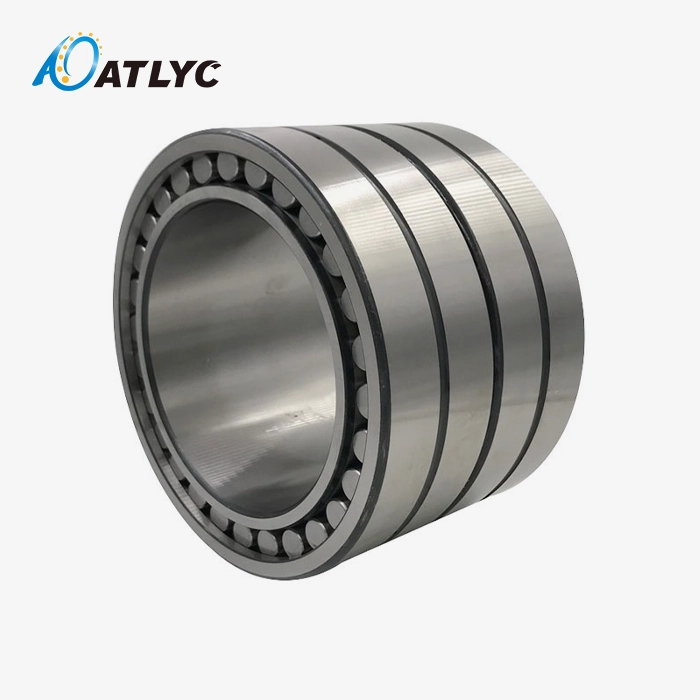
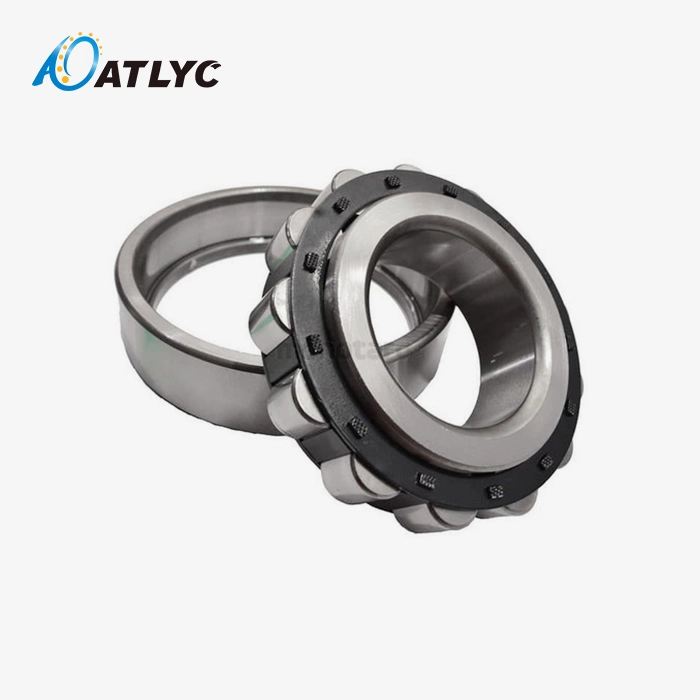
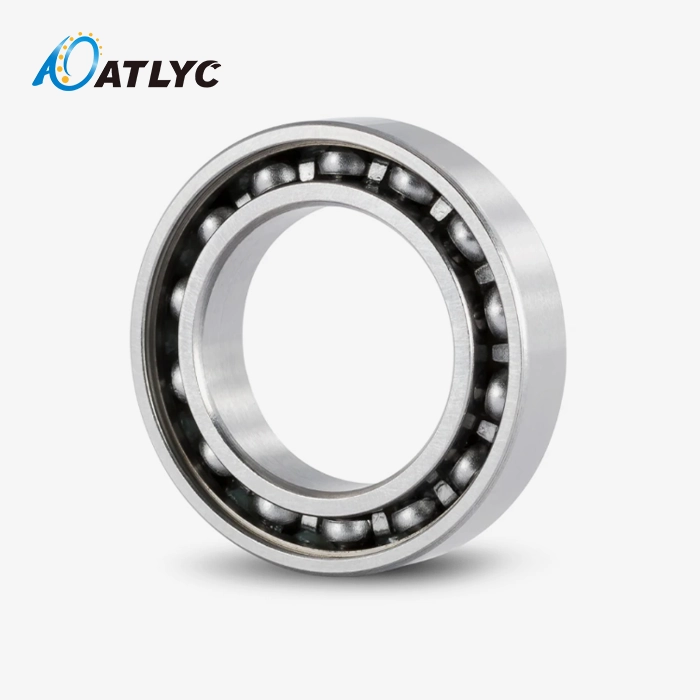
Polyamide is often used to make the spacers that are used in SX011848 crossed roller slewing bearings. This high-performance polymer material is placed expertly between each cylinder roller to keep them from touching directly, lower the friction, and keep the rotating smoothness constant. Polyamide spacers are very resistant to wear, don't make a lot of noise, and don't need as much oil as metal ones. It is important to know what these spacers do when checking the performance of bearings in medical equipment, precision robotics, and CNC rotary tables, where noise, vibration, and long-term dependability all have a direct effect on how well they work.
Understanding SX011848 Crossed Roller Slewing Bearings
What Makes This Bearing Unique?
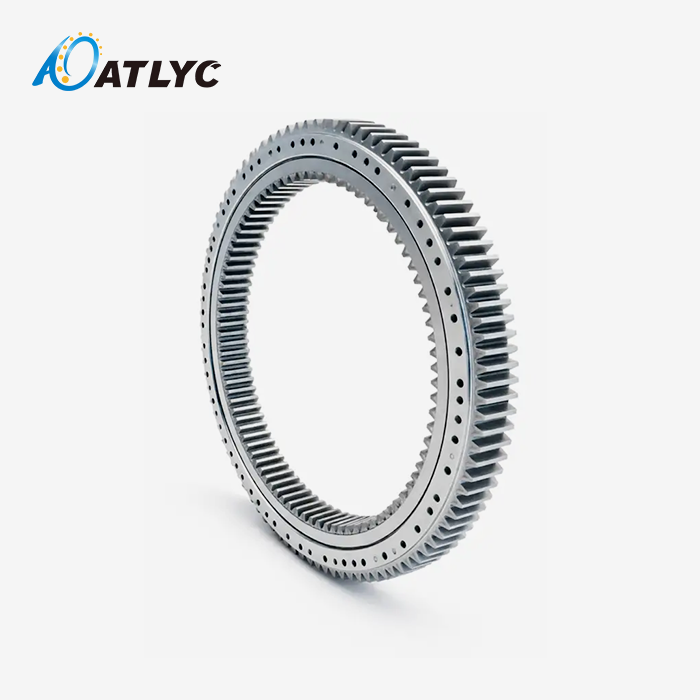
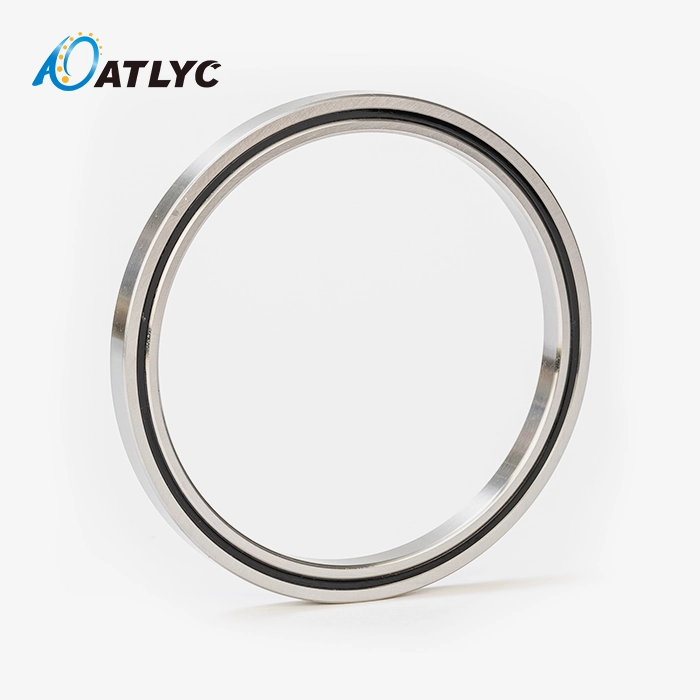
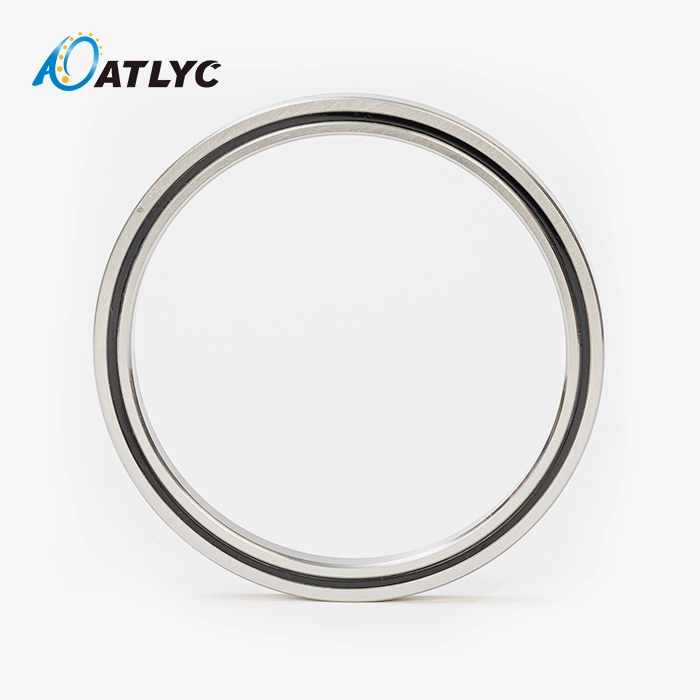
The SX011848 is a small, high-rigidity solution designed for places with limited space that need to handle loads in more than one direction without any backlash. This crossed roller design combines radial, axial, and moment load capacities into a single assembly, while traditional ball bearings need two setups to handle combined loads. The "SX" label means a standard series with an outer ring that can be separated and an inner ring that is continuous and held in place by three locking rings. In robotic joint systems and precision rotating counting tables, for example, the inner ring needs to be able to spin while the outer ring needs to stay still. This design works well in those situations.
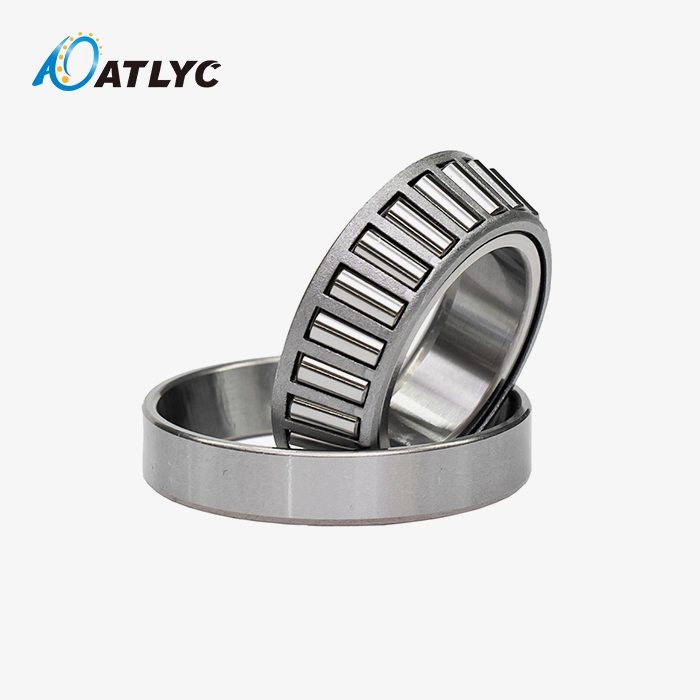
This very thin shape of SX011848 Crossed Roller Slewing Bearing, with an inner diameter of 240 mm, an outer diameter of 300 mm, and a width of only 28 mm, makes the best use of the space without losing structural integrity. The circular rollers in the bearing are placed at right angles to each other at 90 degrees inside V-groove raceways. This makes many contact points that spread the load evenly in all directions. This shape gets rid of the need for separate thrust and radial bearings. This makes assembly easier and cuts the weight of the whole system by about 30% compared to standard dual-bearing designs.
Core Application Sectors
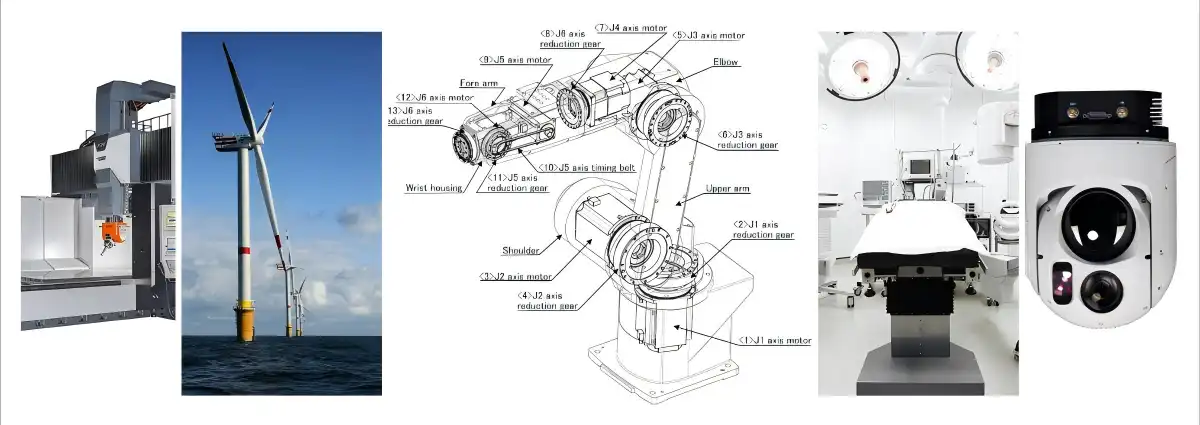
The SX011848's small size is very helpful for industrial robots. This bearing handles complex compound loads, such as tilting moments and radial weight, in the waist and elbow joints of heavy-duty 6-axis robots while keeping static safety factors that are safe. The high rigidity stops the joint from deflection during fast cycles of speeding up and slowing down, which has a direct effect on the accuracy and repeatability of the position.
In rotating tables on CNC machine centers, where the accuracy of placing the tool affects the end part limits, these bearings are used. When milling at high speeds, the bearing's almost-zero runout (possible with P5 or P4 precision classes) keeps the table from moving, which keeps the quality of the surface finish within the specifications. To keep images clear, medical imaging systems, especially CT scanner gantries, need rotation that doesn't cause vibrations. When imaging quality affects diagnostic accuracy, the crossed roller configuration is very important because it ensures smooth motion even when the machine is constantly starting and stopping.
Material Analysis of SX011848 Bearing Spacers
Why Spacer Material Selection Matters
Spacers separate the rollers from each other so that they don't rub against each other and cause heat, faster wear, and higher rotational torque. The type of material affects how much noise is made, how well the bearing stays lubricated, how stable it is at high temperatures, and how long it lasts overall. In precise applications where positional accuracy is measured in microns, even small wear and tear on the spacers can cause them to play or rotate unevenly.
Polyamide (polymers made from nylon), brass alloys, and hardened steel are the three main materials used to make spacers. There are differences between them in terms of cost, function, and upkeep. Polyamide spacers are great at reducing noise and don't need to be oiled as often because they are naturally lubricating. Brass is moderately strong and better at transferring heat than plastics. Steel, on the other hand, is very durable in high-load situations but makes the bearing heavier and louder overall.
Official SX011848 Spacer Material Specification
Manufacturers with a good reputation, like those that are ISO 9001 and IATF 16949 approved, usually choose nylon spacers for the SX011848 type. This engineering plastic, which is often reinforced with glass fibres, has a balanced set of properties. It has enough compressive strength to keep roller spacing stable under dynamic loads, great chemical resistance to industrial lubricants, and low moisture absorption that keeps the material's shape across a wide range of temperatures.
The type of polyamide that is usually used has a tensile strength of 80 to 90 MPa and works well in temperatures ranging from -40°C to +100°C. Precision injection moulding is used to keep the dimensions of the spacers within very small ranges while they are being made. This keeps the rollers in the same place. This stability has a direct effect on runout accuracy, which is a very important factor when trying to get P4 or P2 precision ratings, where overall runout errors can be as little as 3–5 microns.
Performance Implications of Polyamide Spacers
Because polyamide is less dense than metal alternatives, it lowers centrifugal forces during high-speed rotation. This lowers the operating temperature of the bearing and increases the life of the lubricant. Acoustic tests show that polyamide spacers make 10-15 dB less noise than steel ones. This is a big benefit for lab equipment or medical devices that need to keep noise levels below 55 dB.
The natural damping properties of the material of SX011848 Crossed Roller Slewing Bearing take in tiny movements that would otherwise pass through the bearing assembly. This makes measurements more accurate in coordinate measuring machines (CMMs) or optical inspection systems. But polyamide can't hold as much weight as steel. This is a trade-off that is fine for most precision machinery uses where the bearing works well within its rated dynamic load limits.
| Spacer Material | Noise Level (dB) | Weight (g) | Operating Temp (°C) | Lubrication Interval |
|---|---|---|---|---|
| Polyamide | 45-50 | 280 | -40 to +100 | 6000 hours |
| Brass | 52-58 | 420 | -20 to +120 | 4000 hours |
| Steel | 58-65 | 610 | -30 to +150 | 3000 hours |
Comparing Crossed Roller Spacers: Polyamide vs Other Materials
Material Property Trade-offs
When buying teams, look at gap materials; they have to weigh the mechanical qualities against the needs of the business. Impact resistance is better with polyamide spacers because they can absorb shock loads that could break brittle brass or make tiny cracks in hardened steel. This toughness comes in handy for robotic tasks that involve a lot of start-stop cycles or sudden collisions.
Different materials have very different thermal expansion factors. When the temperature goes up by 100°C, steel spacers expand about 12 µm/m, but polyamide spacers expand 80 µm/m in the same conditions. Polyamide's higher growth rate isn't a big deal in temperature-stable places like climate-controlled cleanrooms for making semiconductors. And for places where temperatures change a lot, brass spacers might be a good choice. They have an average expansion rate of 18 µm/m.
When harsh cleaning products come in contact with food processing or medicinal equipment, chemical compatibility becomes very important. Brass can be damaged by ammonia-based cleaning, but polyamide can stand up to most alkaline and acidic solutions. Even though steel spacers don't rust when they're properly treated, they could rust if the protective coatings fail, which could be a source of contamination in clean manufacturing environments.
Cost Analysis and Procurement Considerations
Because of the cost of the raw materials, polyamide spacers are 40–50% less expensive than brass ones and 60–70% less expensive than precision-ground steel ones. This price advantage continues during production, since injection moulding lets you make more of them with better accuracy than the machining needed for metal spacers. Because of this, lead times are shorter: orders for polyamide spacers are usually filled within 3–4 weeks, while orders for special brass or steel options need 6–8 weeks to fill because they need to be CNC machined and heated.
Minimum order quantities (MOQ) are different for each material and supplier. Because of the costs of setting up an injection moulding machine, polyamide spacers usually have an MOQ of 50 to 100 units. On the other hand, machined metal spacers may need 200 or more units to cover the costs of the tools. Volume pricing models favour nylon at all sizes; orders over 500 units can get price cuts of 20–25%, while savings for metal options are only 10–15%.
Another practical thing to think about is the availability of suppliers. Bearing distributors keep a lot of polyamide spacers in stock, which speeds up the delivery of replacement parts. For brass and steel spacers, you usually have to place a special order with a long lead time. This could make machine downtime during unplanned repair last longer. Total cost of ownership estimates depend a lot on how reliable the supply line is.
| Procurement Factor | Polyamide | Brass | Steel |
|---|---|---|---|
| Unit Cost (USD) | 12-18 | 22-32 | 35-50 |
| Lead Time (weeks) | 3-4 | 6-8 | 8-10 |
| MOQ (units) | 50-100 | 200-300 | 300-500 |
| Volume Discount (%) | 20-25 | 10-15 | 8-12 |
| Stock Availability | High | Medium | Low |
Selecting the Right SX011848 Crossed Roller Slewing Bearing for Your Needs
Critical Selection Parameters
Verifying the load capacity of SX011848 Crossed Roller Slewing Bearing is the first step in choosing the right bearings. When working at its rated speed, the SX011848 can handle radial loads of up to 85 kN, axial loads of up to 68 kN, and tilting moments of up to 24 kN·m. When procurement engineers figure out the actual application loads, they have to include safety factors, which are usually 1.5x for static conditions and 2.0x for dynamic operations. Within these load limits, polyamide spacers keep their structural integrity. However, applications that are getting close to their maximum ratings might want to look at brass or steel alternatives.
Picking the right precision class has a direct effect on how accurate the position can be. The normal grade, P6 class, is good enough for most industry uses that need a range of ±20 microns. Robotic systems that need to be able to repeat measurements within ±5 microns need P5 or P4 grades, while metrology equipment might need P2 precision with runout tolerances below 3 microns. Higher precision classes raise the cost of bearings by 30 to 50 percent per grade level, but they lower the cost of quality control further down the line by reducing positional errors.
Material matching choices are affected by environmental factors. Corrosive settings, like those in the ocean or chemical plants, mean that applications need stainless steel raceways and maybe even metal gaps with protective coats. When making semiconductors, cleanrooms don't allow oils that could release particles, so dry-lubricated polyamide gaps are used instead. Extreme temperatures that are outside of polyamide's working range require brass or steel options, with the noise and greasing problems that come with them.
Customization and Technical Support
Reliable manufacturers offer customization options to meet the specific needs of each application. In dusty places like food processing or woodworking, seal integration options stop contaminants from getting in. Pre-lubrication services increase the time between initial service visits, which cuts down on maintenance work needed during key production ramp-up times. It is possible to change the mounting hole designs to meet current equipment connections, which saves money by not having to make expensive adapters.
The quality of their technical support is what sets premium suppliers apart from commodity vendors. During the design phase, it is very helpful to have access to application experts who can do load estimates, check precision class standards, and suggest the best mounting options. Post-delivery help, such as fitting training, the ability to analyze failures, and quick guarantee handling, lowers the total cost of ownership over the life of the bearing.
Quality standards make sure that the production method is always the same. ISO 9001 certification checks that quality management systems are working properly, and IATF 16949 certification focuses on the needs of the automotive industry, covering things like tracking, avoiding problems, and always getting better. Suppliers who keep these licenses show that they are dedicated to consistently sending parts that meet written standards.
Maintenance Best Practices by Spacer Material
Grease should be applied to polyamide spacer bearings every 6,000 hours under normal working conditions. Lithium-based greases with an NLGI Grade 2 consistency work best because they provide enough film strength without reacting with chemicals. It is best not to use too much grease because extra lubricant can attract dirt and make the rotational torque higher.
Because they have higher friction coefficients, brass spacer bearings need to be oiled more often, every 4000 hours. It's important to check for spacer wear regularly because brass can wear away over time from vibrations, putting tiny particles into the lubricant. During planned repair times, a visual check can find early signs of wear and tear before they cause performance to drop.
Steel spacer bearings need to be oiled every 3000 hours and work best with synthetic lubricants that can handle the higher temperatures that come from more friction. Monitoring vibrations with accelerometers can show how bearing wear is progressing. This lets predictive maintenance plans replace parts before they break down completely.
Conclusion
The material of the gap in an SX011848 crossed roller slewing bearing has a big impact on how it works, how much it costs to maintain, and how long it lasts. Polyamide spacers reduce noise, allow for longer periods of time between cleaning, and are cheaper. These benefits make them a good choice for most precision machinery uses. When buying, teams know the pros and cons of nylon, metal, and steel, and they can better match part standards with real-world working needs.
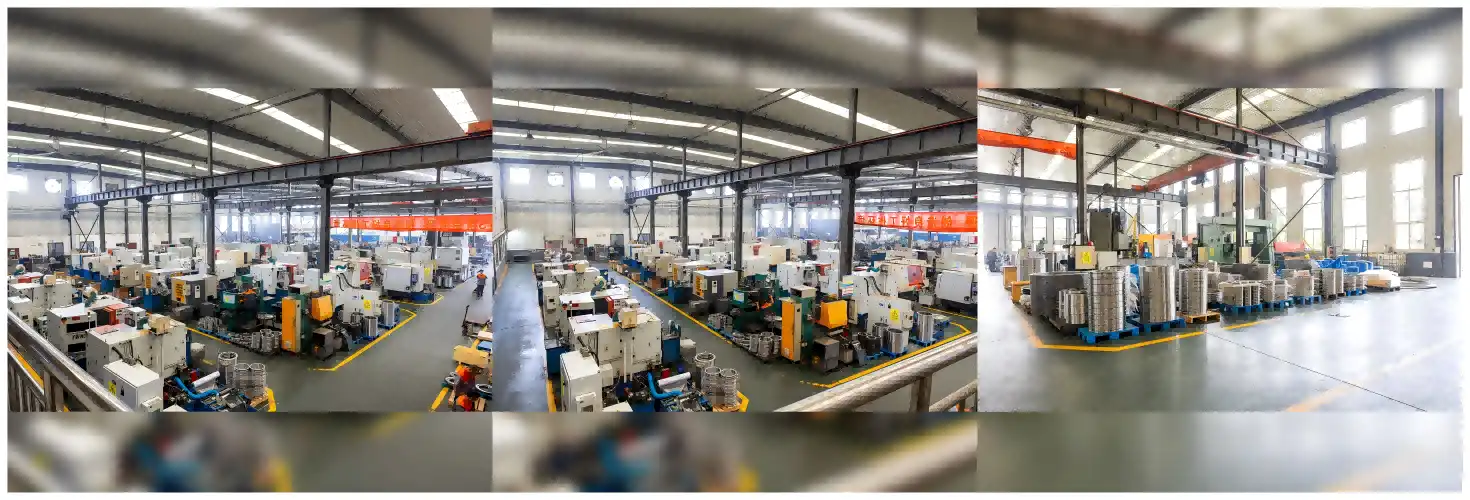
A good bearing selection process includes more than just looking at the material specs. It also involves checking the supplier's dependability, quality certifications, and technical support services. Manufacturers with ISO 9001 and IATF 16949 certifications show that they have consistent quality management, which is important for high-stakes applications. Over the past 15 years, companies like ATLYC have grown from small workshops to large companies that make all kinds of bearings. This shows how mature the industry needs to be in order to serve the global car and industrial OEM markets, which need precision and stable supply chains.
FAQ
1. Are all SX011848 bearings manufactured with polyamide spacers?
Most reputable manufacturers produce standard SX011848 bearings with polyamide spacers due to performance advantages and cost efficiency. However, custom orders can specify brass or steel spacers for specialized applications requiring higher temperature tolerance or extreme load capacity. Confirming spacer material specifications directly with your supplier prevents compatibility issues.
2. Can polyamide spacers handle high-speed robotic applications?
Polyamide spacers perform reliably in robotic joint applications operating at speeds up to 500 RPM, typical for industrial 6-axis robots. The material's low density reduces centrifugal forces, while its damping properties absorb vibrations. Applications exceeding this speed threshold or operating continuously at elevated temperatures may benefit from metallic spacer alternatives.
3. How do I verify spacer quality in received bearings?
Visual inspection confirms spacer presence and condition, checking for consistent spacing and absence of cracks. Rotational smoothness testing—manually rotating the inner ring while monitoring resistance—reveals proper spacer function. Reputable suppliers provide material certifications documenting spacer composition, though laboratory testing remains the only definitive verification method for critical applications.
Partner with ATLYC for Reliable SX011848 Crossed Roller Slewing Bearing Supply
ATLYC brings 15 years of bearing manufacturing expertise to your precision machinery needs with SX011848 Crossed Roller Slewing Bearing, having evolved from a single workshop in 2010 to a comprehensive six-workshop facility serving global markets. As an ISO 9001 and IATF 16949 certified manufacturer, we maintain stringent quality controls throughout production, ensuring each SX011848 bearing meets documented specifications for dimensional accuracy, hardness profiles, and runout tolerances. Our engineering team provides technical consultation on load calculations, precision class selection, and application-specific customization to optimize bearing performance in your exact operational environment. Reach out to our team at auto@lyautobearing.com for detailed quotations, MOQ flexibility for mid-to-large OEM orders, and reliable lead times backed by scalable production capacity that has earned trust across South Korea, the USA, Germany, and beyond.
References
1. Harris, T.A., and Kotzalas, M.N. (2006). Advanced Concepts of Bearing Technology: Rolling Bearing Analysis, Fifth Edition. CRC Press.
2. Witte, D.C. (1973). "Operating Torque of Tapered Roller Bearings," ASLE Transactions, 16(1), 61-67.
3. ISO 199:2014. Rolling bearings — Thrust bearings — Geometrical product specifications (GPS) and tolerance values. International Organization for Standardization.
4. Krämer, E. (1993). Dynamics of Rotors and Foundations. Springer-Verlag Berlin Heidelberg.
5. Hamrock, B.J., Schmid, S.R., and Jacobson, B.O. (2004). Fundamentals of Fluid Film Lubrication, Second Edition. Marcel Dekker.
6. Xu, H., and Kahraman, A. (2007). "Prediction of Friction-Related Power Losses of Hypoid Gear Pairs," Proceedings of the Institution of Mechanical Engineers, Part K: Journal of Multi-body Dynamics, 221(3), 387-400.
Learn about our latest products and discounts through SMS or email
_1772782093670.webp)