- English
- French
- German
- Portuguese
- Spanish
- Russian
- Japanese
- Korean
- Arabic
- Greek
- German
- Turkish
- Italian
- Danish
- Romanian
- Indonesian
- Czech
- Afrikaans
- Swedish
- Polish
- Basque
- Catalan
- Esperanto
- Hindi
- Lao
- Albanian
- Amharic
- Armenian
- Azerbaijani
- Belarusian
- Bengali
- Bosnian
- Bulgarian
- Cebuano
- Chichewa
- Corsican
- Croatian
- Dutch
- Estonian
- Filipino
- Finnish
- Frisian
- Galician
- Georgian
- Gujarati
- Haitian
- Hausa
- Hawaiian
- Hebrew
- Hmong
- Hungarian
- Icelandic
- Igbo
- Javanese
- Kannada
- Kazakh
- Khmer
- Kurdish
- Kyrgyz
- Latin
- Latvian
- Lithuanian
- Luxembou..
- Macedonian
- Malagasy
- Malay
- Malayalam
- Maltese
- Maori
- Marathi
- Mongolian
- Burmese
- Nepali
- Norwegian
- Pashto
- Persian
- Punjabi
- Serbian
- Sesotho
- Sinhala
- Slovak
- Slovenian
- Somali
- Samoan
- Scots Gaelic
- Shona
- Sindhi
- Sundanese
- Swahili
- Tajik
- Tamil
- Telugu
- Thai
- Ukrainian
- Urdu
- Uzbek
- Vietnamese
- Welsh
- Xhosa
- Yiddish
- Yoruba
- Zulu
CRBH Cross Roller Bearing Buying Guide for Engineers
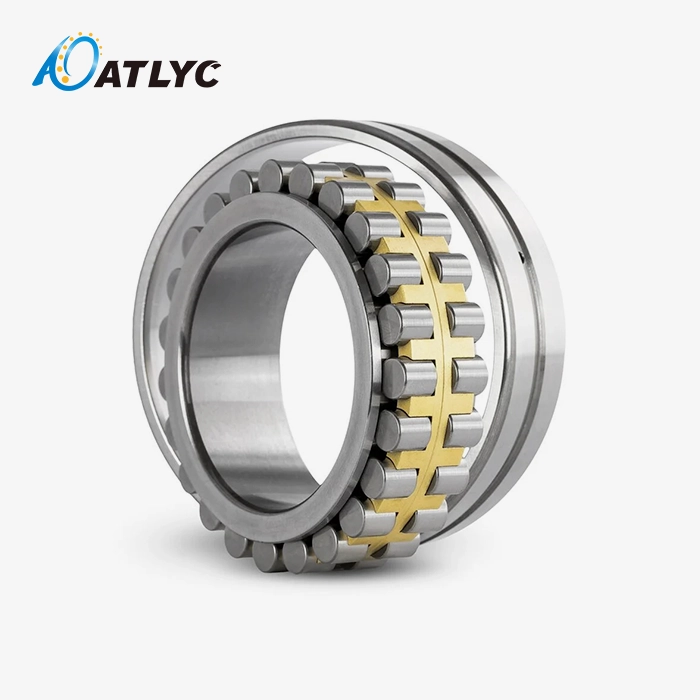
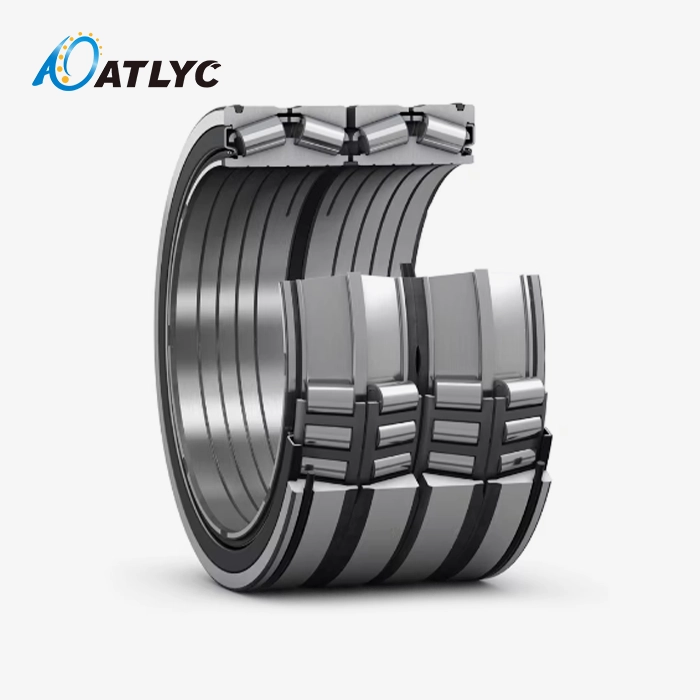
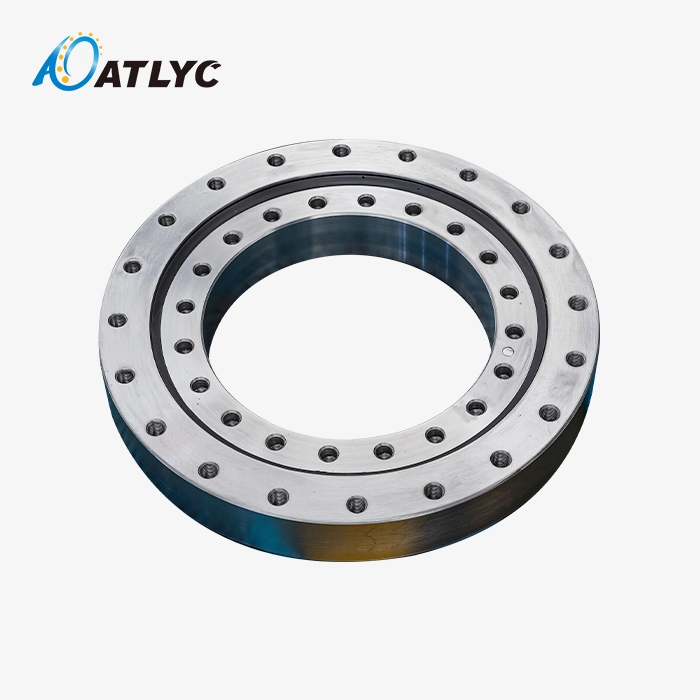
The CRBH Cross roller bearing gives your applications the strength and accuracy they need when you need a bearing that can handle complex multidirectional loads in the smallest space possible. This high-rigidity crossed roller bearing has an inner and outer ring structure that are built in together. This makes fitting easier and removes the mistakes that often happen with split-ring designs. The product has a single small unit that can handle radial, axial, and moment loads, while most bearing setups need more than one unit. The cylinder-shaped rollers are placed 90° apart and perpendicularly within V-groove raceways. Precise spacers separate them to ensure smooth operation and a longer service life.

Understanding CRBH Cross Roller Bearings
What Makes CRBH Bearings Different
Because it is built all in one piece, the CRBH line is different from other bearing options. Standard RB or RE series bearings have split rings that can bend when they are installed. The CRBH Cross roller bearing, on the other hand, has inner and outer rings that are solid and made of one piece. This design choice solves a major problem in precision machinery: mounting-induced movement that affects the accuracy of spinning. The circular rollers inside these bearings are set up at right angles to each other. This makes an orthogonal design that spreads the load across many contact points. Each roller fits into a V-groove track that has been carefully polished and super-finished to have a surface roughness value below 0.2 Ra. This level of strictness in the production process directly leads to consistent performance in tough environments.
Core Structural Components
With the solid ring structure, there are no structural breaks at all. During the production process, both the inner and outer rings are precisely ground and then super-finished to get rid of any small flaws. This process makes sure that the geometric structure of the contact areas stays the same even when they are under a lot of stress. For the best wear protection, the rings are usually made of high-carbon chromium steel (GCr15 or a similar) that has been hardened to 58 to 62 HRC.
Orthogonal Roller Configuration
At 90-degree angles between the raceways, cylindrical rollers are placed one after the other. This setup lets it handle rotational forces, axial thrust, and falling moments all at the same time without having to make any preload changes. Each roller touches both rings at the best angle, which increases the load-bearing surface area compared to single-row designs.
Precision Spacer System
A man-made divider sits between each roller to keep them from touching directly. These gaps lower the friction coefficients to 0.0015, which lets the parts spin faster while producing less heat. The spacer design also keeps the roller spacing constant over the life of the bearing, which stops the cage wear problems that CRBH Cross roller bearing often happens in full-complement setups.
Industrial Applications Across Sectors
The CRBH line is now necessary in three main building situations. These bearings support flexible robot joints in industrial robotics and harmonic drive units, where complex moment loads happen when the robot moves on more than one axis. Positional accuracy within ±5 arc-seconds is guaranteed by zero backlash, which is very important for automatic assembly jobs. Crossed roller bearings keep precision rotating tables and indexing heads stable in CNC machine centers, even when cutting forces are very high. The bearing keeps its micron-level indexing accuracy even in oily settings and when temperatures change, which is common in machining. The CRBH design is used in imaging device gantries and wafer alignment steps in medical and optical inspection systems. Low starting torque stops vibration effects during high-resolution scans.
Comparing CRBH Cross Roller Bearings with Other Bearing Types
Structural and Functional Differences
When engineers look at bearing choices for precision tools, they have to choose between a number of different technologies. By seeing how the CRBH Cross roller bearing stacks up against other options, you can figure out which one meets your unique business needs the best.
CRBH vs. Angular Contact Ball Bearings
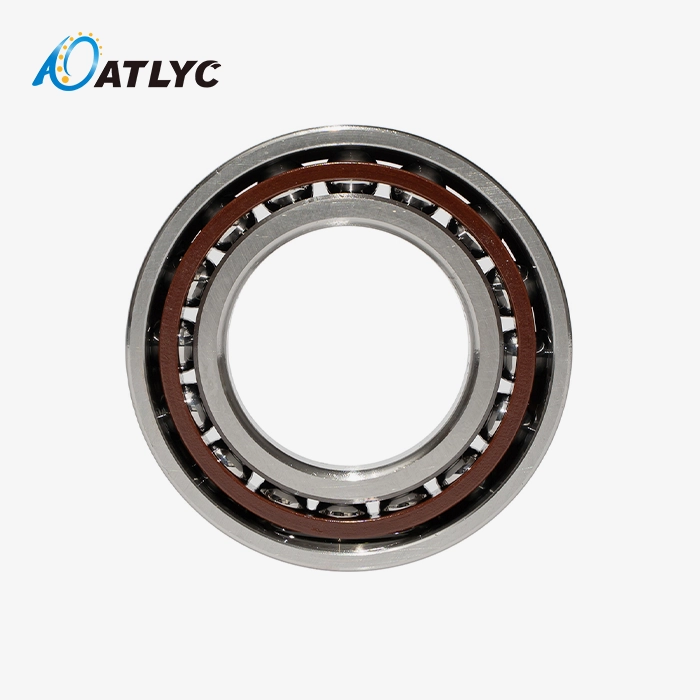
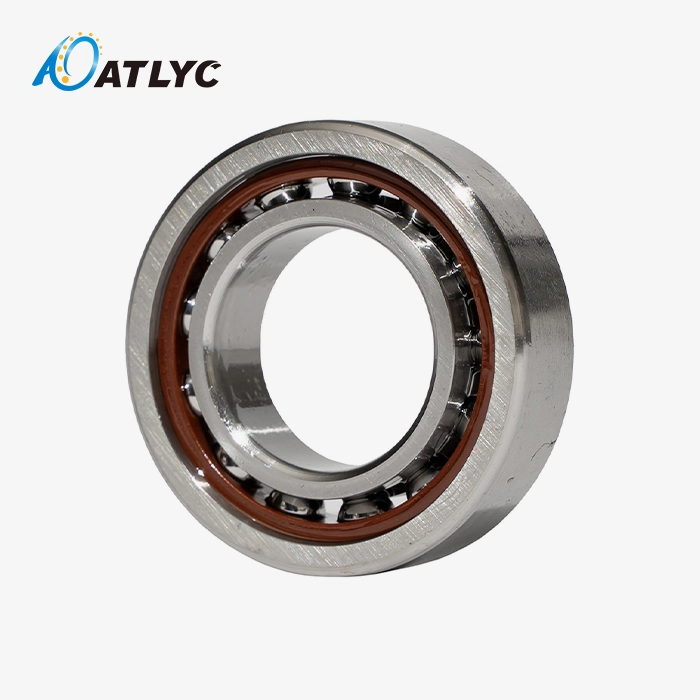
To handle joint loads, angular contact ball bearings need to be paired up, which means that the preload settings must be exact when they are installed. For a 100mm bore diameter application, a back-to-back design usually takes up 60–80mm of axial room. The CRBH alternative has the same load capacity as the other option, but it only has one unit that is 25–35 mm tall. This makes assembly easier and gets rid of the need for preload upkeep. The way the touch force is spread out is very different between these types. Ball bearings can only handle about 40% of the moment load that a crossed roller bearing of the same size can handle because they make point contact, which concentrates stress. In CRBH designs, the linear contact spreads pressures along the whole length of the roller. This lets the machine keep running with higher moment loads without the track becoming depressed too soon.
CRBH vs. Cylindrical Roller Bearings
Standard cylindrical roller bearings work best with rotational loads only and can't handle moments or forces in the other direction. Designers of machinery have to put them together with different thrust bearings, which makes the assembly more difficult and takes up valuable room. The CRBH series combines all load-carrying features into a single package, making it easier to figure out how to arrange bearings and lowering the number of parts that need to be kept on hand. Rigidity traits are also very different. Since cylindrical roller bearings only have one row, they move under moment loads because their load range is not very long. CRBH units have an orthogonal roller design that creates a much wider effective bearing span. This makes the stiffness 2.5–3 times higher for the same size units.
Economic and Longevity Considerations
When buying CRBH bearings for the first time, they usually cost 30–45 percent more than angular contact ball bearing pairs of the same size. When assembly work, preload adjustment time, and the removal of separate thrust bearings are taken into account, this cost difference becomes much smaller. When you look at the total cost of ownership over 5 years, the crossed roller option is often 15-20% cheaper. Comparing service lives using ISO 281 methods reveals that CRBH bearings can last 40–60% longer than ball bearings in situations where there is a lot of moment stress. This advantage in life comes from better load spread and less contact stress. According to market data from European machinery makers, the average number of hours that go by before a bearing needs to be replaced CRBH Cross roller bearing goes from 18,000 to 28,000 when moving from paired angular contact designs to integrated crossed roller units.
How to Choose the Right CRBH Cross Roller Bearing
Application-Specific Selection Criteria
To choose the best crossed roller bearing, you need to carefully look at how your product works. The main thing to think about is the load levels. Using the duty cycle numbers for your machine, figure out the total rotational force, axial thrust, and overturning moment. The CRBH Cross roller bearing series has written load ratings for each size. The loads you figure shouldn't be more than 70% of the rated capacity to make sure there is enough room for shock loads and acceleration spikes. Depending on how fast you need it, either the normal or high-speed version will work. Standard CRBH designs can safely handle speeds of up to 500 RPM. Models with reinforced cages and special grease formulas made for high working temperatures work best for tasks that need 500 to 1200 RPM. If the speed goes above 1200 RPM, you should talk to a bearing expert about oil greasing systems and cooling options.
Dimensional and Mounting Considerations
Carefully measure the space you have for installation, making sure to include mounting hole locations and easy access for installing the bearings. The CRBH line has thin-section profiles with diameter-to-height ratios of up to 10:1. This makes them perfect for places with limited axial room. Check your envelope's measurements against the datasheets provided by the maker. Keep in mind that some sizes offer different height choices for the same bore diameter.
Mounting Surface Requirements
For the combined ring design to work as accurately as it can, it needs precise mounting areas. When the housing and shaft shoulders are mated, they should be flat within 0.01 mm per 100 mm of diameter and straight with the mounting bore axis within 0.02 mm. To keep stress from building up, the finish on fixing surfaces shouldn't be smoother than 3.2 Ra. These limits may seem strict, but they allow the bearing to keep its runout accuracy below 5 microns as promised.
Evaluating Supplier Reliability
Certification and Quality Standards
When looking for CRBH bearings, make sure that any possible sources have ISO 9001 and IATF 16949 certifications. These credentials show that the company has well-established quality control methods that can make sure that all batches of products have the same qualities. Ask for proof of certification instead of just believing what the website says.
Customization and OEM Capabilities
Catalog sizes cover a wide range of uses, but custom machinery designs often need different bearing specs. Check to see if the possible providers can help with engineering for custom sizes, seal configurations that aren't standard, or materials that aren't made to standard standards. ATLYC's engineering team keeps thorough records of a product's use over 15 years of production. This lets us quickly suggest tried-and-true solutions for unique needs.
Installation and Maintenance Guide for CRBH Bearings
Installation Best Practices
To get rid of machine oils, dust, and other debris, clean all mounting surfaces well with lint-free cloths and the right chemicals. Look over the bearing to see if it was damaged during shipping. Make sure the protected plugs are still in place and that the mounting surfaces don't have any rust on them. Using calibrated measuring tools, make sure that the CRBH Cross roller bearing the housing bores and shaft sizes are within the allowed tolerance ranges.
Mounting Procedure
Carefully place the bearing into the housing bore, making sure that the attachment holes line up correctly. Place the mounting nuts in a star design and tighten them gradually over three steps until they reach the required torque value. This gradual tightening keeps the rings from distorting, which would hurt the internal shape of the bearing. For fixing bolt torques, the normal range is between 8 and 12 Nm for M6 screws and 45 to 60 Nm for M12 sizes. However, you should always check the technical documentation that came with your bearing to be sure.
Maintenance Protocols for Extended Service Life
Set up a preventive repair schedule for your tools based on how often it is used and how important it is. Basic checks should be done every 500 hours for apps that are on all the time. Temperature checks with touch or infrared thermometers should be part of these inspections. Bearing temperatures higher than 60°C above ambient signal problems with lubrication or overloading. Using electronic stethoscopes or accelerometer-based vibration analysis tools, listen for strange noise. Changes in sound profile often happen weeks or months before a bearing fails.
Lubrication Guidelines
When you get the CRBH Cross roller bearing, it usually comes with enough grease to last for 2,000 to 3,000 hours of standard use. How often you need to re-grease depends on the speed, load, and surroundings. Relubrication every 6 to 12 months is enough for uses that run below 300 RPM in clean settings. Conditions with higher speeds or more dirt need to be checked more often, maybe every one to three months.
Procurement Insights: How to Buy CRBH Cross Roller Bearings
Sourcing Through Reliable Channels
Finding sources through trustworthy channels involves evaluating more than just the price quotes they give you. Bearing distributors that have been around for a while keep in touch with certified makers and offer expert support that is very helpful during application engineering. Authorized sellers sell real goods with records that can be used to find out where they were made. This gets rid of the risk of buying fake goods that comes with some online markets. Direct manufacturer sourcing becomes advantageous for larger volume requirements or custom specifications. China's bearing manufacturing clusters, particularly in Luoyang and Wafangdian, house numerous ISO-certified facilities producing CRBH cross-roller bearing units to international standards. When evaluating Chinese manufacturers, request facility audit records, third-party quality certifications, and customer reference lists from well-known buyers in developed markets when you're looking at Chinese makers.
Assessing Supplier Credibility
For your individual bearing orders, ask for material certifications and dimensional test results. Suppliers with a good reputation will give you CMM measurement data that shows that important dimensions are within acceptable ranges. Reports on the chemical makeup of rings make sure that the materials used meet certain steel grades. These papers protect you from low-quality materials that might pass an eye test but break early when they're put under load.
Service and Support Evaluation
The level of technical help is what sets great suppliers apart from those who just sell parts. Check to see if possible partners offer application engineering help that can help you choose the right bearing types and mounting setups. When suppliers offer FEA analysis help for important uses, it shows that they have a deep understanding of engineering, which lowers the risk of your project failing.
Bulk Purchase and Negotiation Strategies
With volume agreements, you can get better prices and make sure that you always have supplies. Instead of making one-time purchases, try to come to an annual deal with quarterly delivery dates. This method cuts costs by 8–15% and gives suppliers better insight into production, which makes them more efficient. Include in the contract clauses that say how prices will be adjusted for changes in raw materials and how to handle quality problems. Payment terms influence total procurement costs significantly. Net terms of 30 days are typical, but buyers who buy a lot may benefit from longer terms or consignment inventory deals. When comparing prices and payment terms, keep in mind that sellers often offer savings of 2% to 3% for early payment or shorter payment terms.
Conclusion
The CRBH Cross roller bearing is a high-tech answer for engineers who have to deal with limited room and tricky pressure conditions in precision machinery. Its integrated ring structure, orthogonal roller arrangement, and small shape all work together to solve important design problems that traditional bearing pairs can't do well. In this guide, we've looked at the technical principles behind CRBH performance, compared these bearings to other technologies, and given you useful selection criteria to make sure that the bearing specs match your needs.
FAQ
1. What makes CRBH bearings superior to traditional bearing arrangements?
The combined ring structure gets rid of the installation mistakes that come with split-ring designs. It also combines radial, axial, and moment load capacities into a single, small unit. When compared to paired angular contact bearings, this design cuts the height of the unit by up to 50% while providing 2.5–3 times more rigidity under moment loads.
2. How do I determine the correct CRBH size for my application?
Find your total loads, which should include the rotational force, the axial push, and the overturning moment. Make sure that the loads you figure stay below 70% of the stated ratings when you choose a bearing size. You need to think about the size limits of your envelope and make sure that the fixing areas are flat and straight.
3. Can CRBH bearings be customized for special applications?
Leading makers allow customization, such as changing the sizes, creating unique seals, using different materials in harsh settings, and providing food-grade lubricants for pharmacy equipment. With engineering support, stock designs can be changed to fit the needs of a specific application while still meeting performance standards.
Partner with ATLYC for Your Crossed Roller Bearing Needs
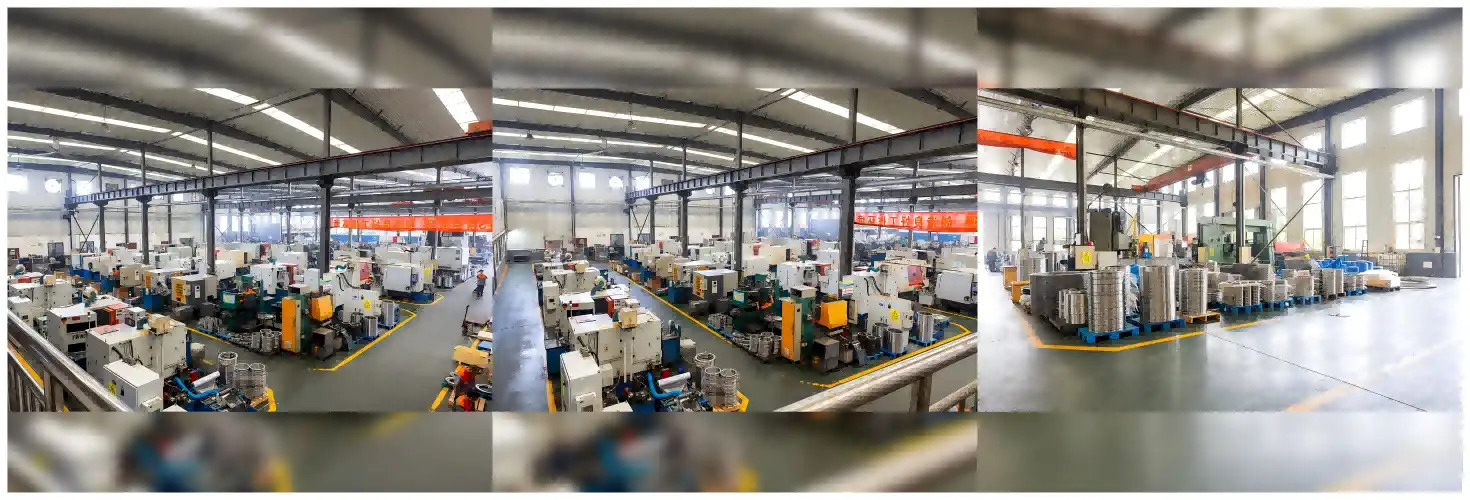
Choosing the right CRBH Cross roller bearing maker is important for making sure that your precision gear consistently meets its performance goals. ATLYC has been making things for 15 years and has ISO 9001 and IATF 16949 approved quality systems, as well as six specialty workshops with advanced production tools. Our engineering team offers full application support and can help you choose the best bearing designs. Our scalable production can handle any number of needs, from small prototypes to long-term series production.
We provide reliable quality and shipping services to original equipment makers (OEMs) of cars and trucks, producers of industrial equipment, and distributors of bearings in South Korea, the US, Germany, Russia, Iran, and Turkey. Our technical experts are ready to look at your application's needs and come up with solutions that have been tested thoroughly and have performance data that can be tracked. Get in touch with our team at auto@lyautobearing.com to talk about your crossed roller bearing needs with a reliable CRBH Cross roller bearing source who wants your project to succeed.
References
1. Harris, T.A. and Kotzalas, M.N. (2006). Advanced Concepts of Bearing Technology: Rolling Bearing Analysis, 5th Edition. CRC Press, Taylor & Francis Group.
2. Witte, D.C. (1973). "Operating Torque of Tapered Roller Bearings". ASLE Transactions, Vol. 16, Issue 1, pp. 61-67.
3. ISO 199:2014. Rolling Bearings – Thrust Bearings – Geometrical Product Specifications (GPS) and Tolerance Values. International Organization for Standardization.
4. Gupta, P.K. (2011). Advanced Dynamics of Rolling Elements. Springer-Verlag New York Inc., pp. 347-382.
5. Palmgren, A. and Lundberg, G. (1952). "Dynamic Capacity of Rolling Bearings". Acta Polytechnica Mechanical Engineering Series, Vol. 2, No. 4, Royal Swedish Academy of Engineering Sciences.
6. Eschmann, P., Hasbargen, L., and Weigand, K. (1985). Ball and Roller Bearings: Theory, Design and Application, 2nd Edition. John Wiley & Sons Ltd., Chichester, UK.
Learn about our latest products and discounts through SMS or email