- English
- French
- German
- Portuguese
- Spanish
- Russian
- Japanese
- Korean
- Arabic
- Greek
- German
- Turkish
- Italian
- Danish
- Romanian
- Indonesian
- Czech
- Afrikaans
- Swedish
- Polish
- Basque
- Catalan
- Esperanto
- Hindi
- Lao
- Albanian
- Amharic
- Armenian
- Azerbaijani
- Belarusian
- Bengali
- Bosnian
- Bulgarian
- Cebuano
- Chichewa
- Corsican
- Croatian
- Dutch
- Estonian
- Filipino
- Finnish
- Frisian
- Galician
- Georgian
- Gujarati
- Haitian
- Hausa
- Hawaiian
- Hebrew
- Hmong
- Hungarian
- Icelandic
- Igbo
- Javanese
- Kannada
- Kazakh
- Khmer
- Kurdish
- Kyrgyz
- Latin
- Latvian
- Lithuanian
- Luxembou..
- Macedonian
- Malagasy
- Malay
- Malayalam
- Maltese
- Maori
- Marathi
- Mongolian
- Burmese
- Nepali
- Norwegian
- Pashto
- Persian
- Punjabi
- Serbian
- Sesotho
- Sinhala
- Slovak
- Slovenian
- Somali
- Samoan
- Scots Gaelic
- Shona
- Sindhi
- Sundanese
- Swahili
- Tajik
- Tamil
- Telugu
- Thai
- Ukrainian
- Urdu
- Uzbek
- Vietnamese
- Welsh
- Xhosa
- Yiddish
- Yoruba
- Zulu
Crossed Roller Bearing RB Series for Industrial Automation Use
The Crossed Roller Bearing RB Series is the designed answer for automation equipment that needs precise movement in a small area. This type of bearing has cylindrical wheels that are set up at right angles to each other at 90 degrees. This lets radial, axial, and moment forces all be controlled at the same time in a single, small unit. The combined inner ring and separate outer ring get rid of paired setups, giving the product high stiffness and measurement-grade accuracy. This bearing design gives current automation systems the mechanical stability and space efficiency they need without any problems, whether your team is making robotic articulation points or high-speed rotary indexing tables.
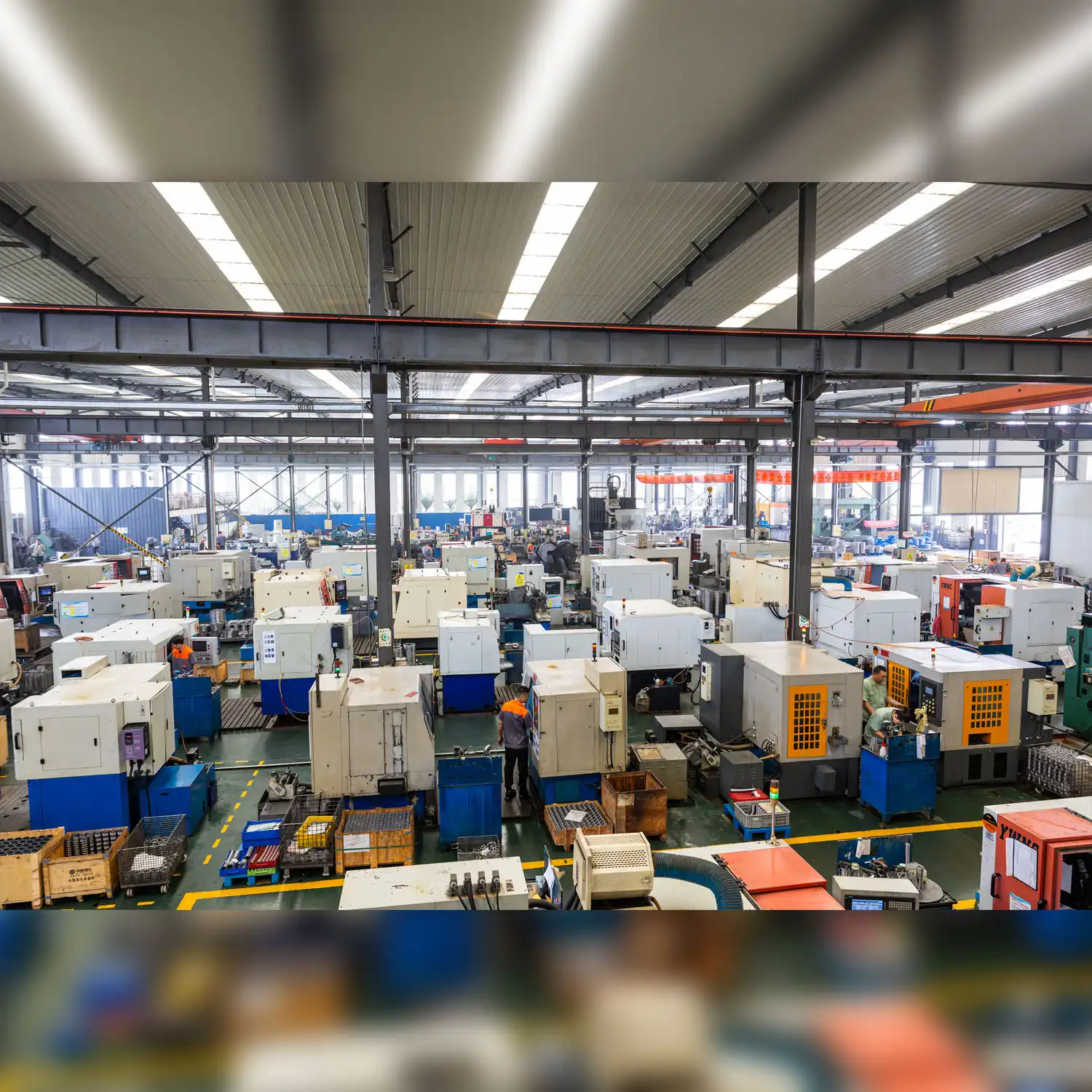
Understanding the Crossed Roller Bearing RB Series
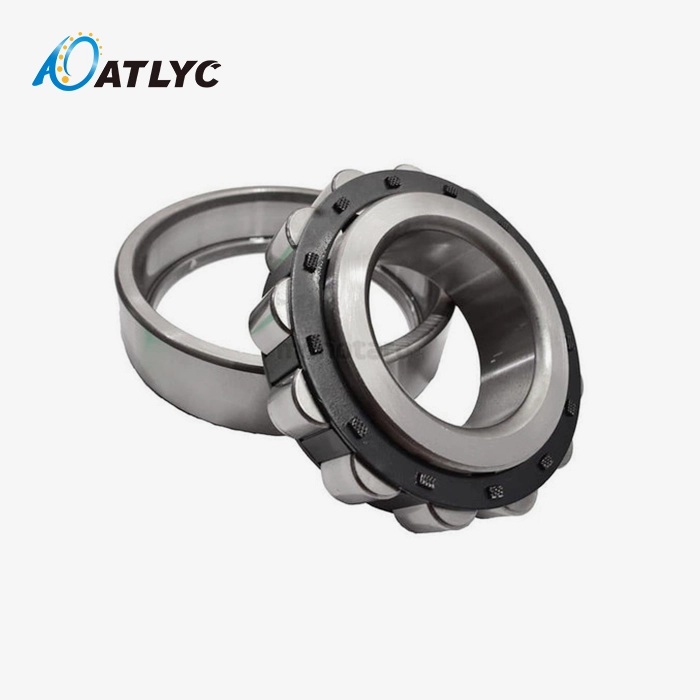
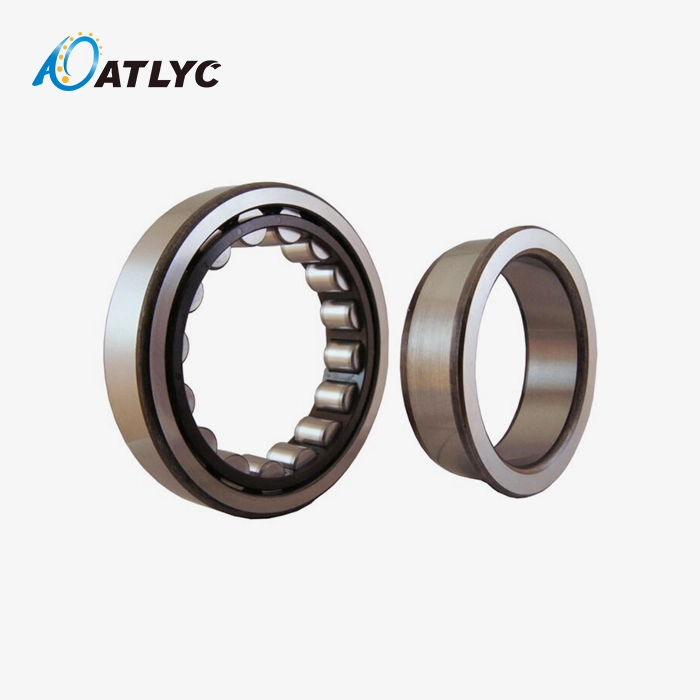
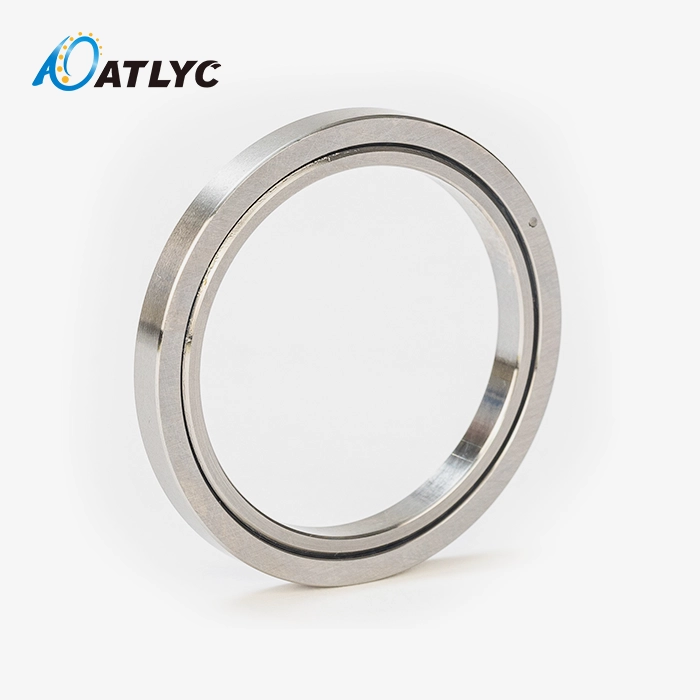
The Crossed Roller Bearing RB Series is a very precise part that was made to work in industrial automation settings where accuracy and load capacity can't be compromised. This type of bearing has precision-ground V-groove raceways with cylindrical rollers grouped in alternate perpendicular orientations. This gives the bearing a mechanical edge that regular ball bearings can't match.
Design Architecture and Construction
The structural integrity of the Crossed Roller Bearing RB Series starts with its combined inner ring design, which gives it unmatched dimensional stability over many operating cycles. The outer ring is designed to be easily separated and has a safe plug mechanism that makes both installation and upkeep easier. This arrangement works especially well when design needs call for the inner ring to rotate. For manufacturing, high-quality Gcr15 and Gcr15SiMn bearing steel are used because they keep their stiffness well and don't wear down easily. The microstructure is improved by heat treatment methods, which raise the surface hardness to levels that ensure long-term use in harsh industrial circumstances. The sizes range from 20 mm to 1100 mm in diameter, with outer lengths up to 1500 mm and widths up to 110 mm, so they can be used for a wide range of purposes.
Precision Grades and Performance Standards
There are different levels of accuracy, such as P6, P0, P5, and P4. Each level corresponds to a different runout limit and amount of rotational precision. P4-grade bearings have a runout accuracy of less than five micrometers, which meets the strict needs of making semiconductors and making precise measuring tools. This range of accuracy helps procurement teams find a good mix between performance needs and price limits. The design of the orthogonal rollers makes the best contact geometry for all load directions. Spacers keep the rollers in the exact place they need to be, so they don't move or rub against each other while the machine is turning. This mechanical setup makes sure that the torque features stay the same and gets rid of the backlash problems that happen with other bearing designs.
Application Areas of RB Series Bearings in Industrial Automation
More and more, the industrial robotics sector is asking for Crossed Roller Bearing RB Series to be used in places where standard bearings don't work well enough. It has been found that this series works especially well in harsh operating settings.
Industrial Robotics and Articulated Systems
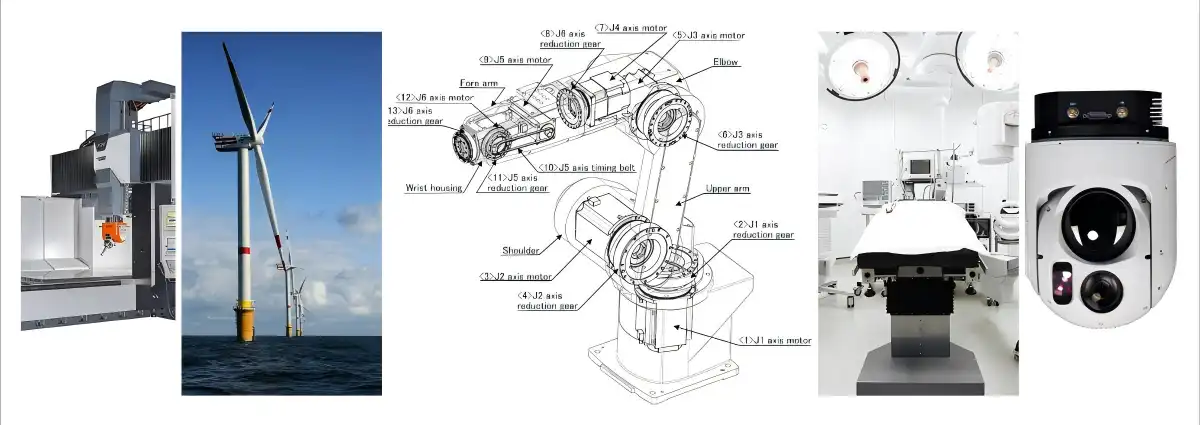
The Crossed Roller Bearing RB Series is an important part of six-axis articulated robots' waist rotation systems and elbow joint devices. Because the bearing can handle high moment loads, robotic arms can reach their full length and lift heavy loads without displacement or positional inertia. This trait directly leads to better repeatability accuracy in assembly line work, where location accuracy impacts both the quality of the output and the speed of cycle time. One of the biggest companies that makes car parts puts Crossed Roller Bearing RB Series units in their robotic welding stations, which cut location drift by 37% over eight-hour shifts of production. Even though they were constantly vibrating and going through changes in temperature, the bearings kept their accuracy to within 0.05 mm. This shows that they are reliable, which is what automation experts need.
CNC Machining Centers and Rotary Tables
High-speed spinning, multi-axis cutting forces, and thermal expansion are all problems that precision rotary tables in CNC machine settings have to deal with at the same time. The Crossed Roller Bearing RB Series can handle these situations because it is naturally stiff and has a small cross-section. Machine tool builders use these bearings in indexing tables where limited floor room limits the size of the unit but not the performance. One German company that makes machine tools said that adding Crossed Roller Bearing RB Series units to their horizontal machining center cut table reduced runout to 3.2 micrometers total indicator reading. This improvement made it possible to tighten machining standards and get rid of the need for extra finishing steps. This cut down on production costs and increased productivity.
Medical Imaging and Measurement Equipment
CT scanners and X-ray rotational gantry systems need to work smoothly and quietly, and they also need to be completely reliable. These needs are met by the Crossed Roller Bearing RB Series, which has low-friction rollers and is carefully made. Medical facilities have to pay a lot to keep their equipment running, so bearing dependability is an important specification feature. P4-grade Crossed Roller Bearing RB Series units are used in measuring tools for inspecting semiconductor wafers to get the nanometer-level location accuracy needed to find defects. The temperature stability and vibration resistance of the bearing keep the calibration accurate over many test rounds.
Comparing RB Series Bearings: Making the Right Choice
When choosing bearings for industrial robotics, it's important to know how the different types of bearings affect performance. The Crossed Roller Bearing RB Series has a certain range of performance that purchasing engineers should compare to the needs of the project.
Load Capacity and Spatial Efficiency
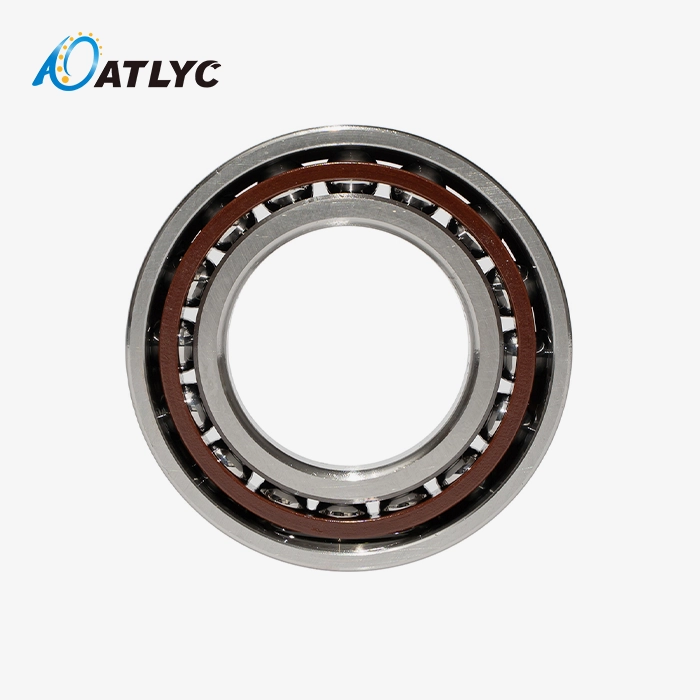
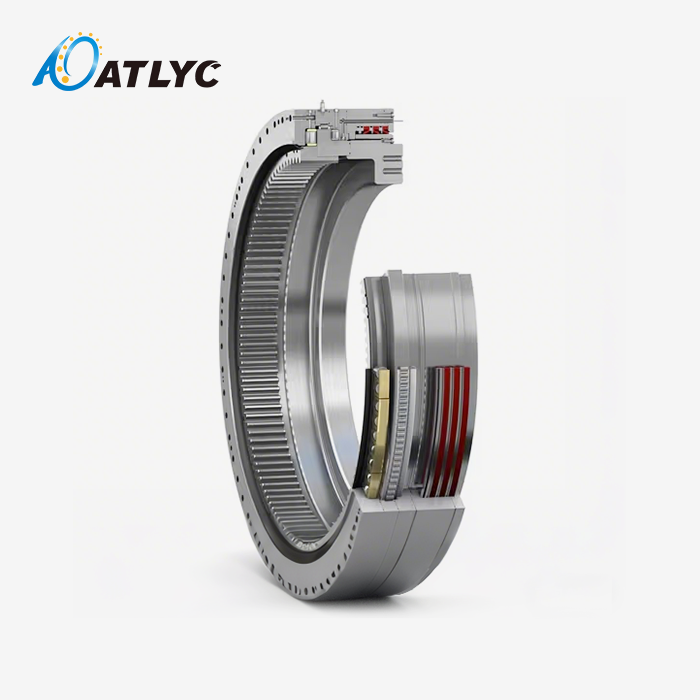
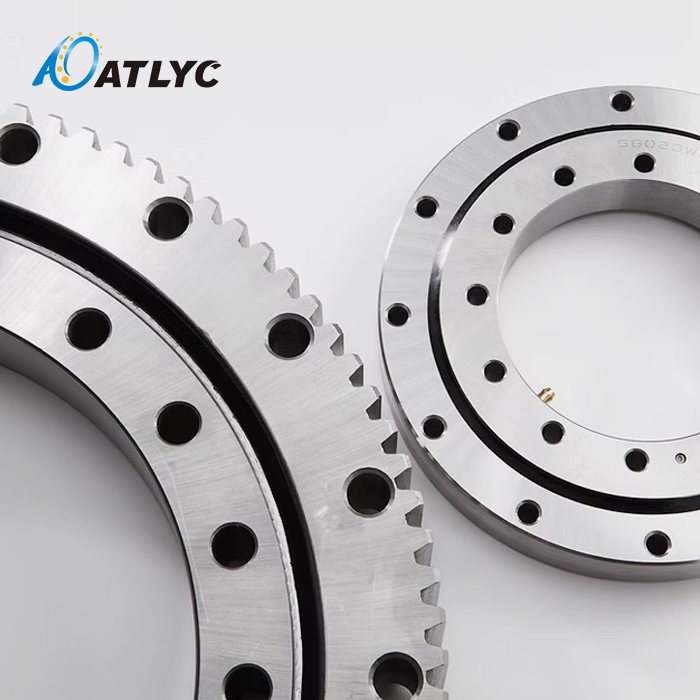
When compared to angular contact ball bearings, the Crossed Roller Bearing RB Series can handle three to five times more moment loads while still having the same envelope size. This benefit comes from the fact that circular wheels have line contact geometry, while ball bearings have point contact geometry. These bearings are clearly better when mounting room is limited but moment stiffness is very important. Slewing ring bearings have bigger hole sizes than the Crossed Roller Bearing RB Series, but they are not as accurate in terms of position. Applications that need spinning accuracy within micrometers usually choose crossed roller designs over slewing rings, recognizing that higher precision comes at the cost of a smaller hole capacity.
Cost-Performance Analysis
Crossed Roller Bearing RB Series units usually cost 40 to 60 percent more than normal ball bearings when they are first bought. Lifecycle cost analysis, on the other hand, often favors these bearings because they need less upkeep and have fewer downtime events. When looking at robotic joint bearings side by side, it was found that RB series units had an average time between failures of more than 35,000 working hours, while paired angular contact ball bearings only lasted 18,000 hours in the same situations. Bearing preload changes and matched mounting are no longer needed. This makes assembly easier and lowers the cost of installation work. This factor is especially important in high-mix production settings where equipment needs to be reconfigured often.
Speed and Thermal Considerations
Crossed Roller Bearing RB Series units are very accurate and can hold a lot of weight, but they have speed limits that you need to think about. When the spinning speed is less than 500 RPM, it works best, which makes it perfect for setting tasks rather than high-speed spindle tasks. Low friction coefficients mean that little heat is produced, and the system usually only needs a small amount of oil flow.
Procurement Considerations for Crossed Roller Bearing RB Series
To buy precision bearings successfully, you need to know how to qualify suppliers, plan transportation, and set up after-sales support. When you buy the Crossed Roller Bearing RB Series from foreign producers, things get more complicated.
Supplier Verification and Certification
Companies that have ISO 9001 and IATF 16949 certifications show that they are dedicated to quality management systems that meet car and industry standards. Luoyang Auto Bearing Co., Ltd. was founded in 2010 and has kept these certifications throughout its 15-year history of business. It now has 120 specialized employees working in research, production, and quality checking. Inspection records from coordinate measuring machines that check the accuracy of measurements give confidence that bearings meet the standards that were set. Ask for certifications of the material that say it is made of Gcr15 or Gcr15SiMn, as well as heat treatment records that say it has the right hardness values and case depth features.
Lead Time Management and Volume Economics
Standard Crossed Roller Bearing RB Series setups usually ship 4 to 6 weeks after an order is confirmed. Customized bearings, on the other hand, may take 8 to 12 weeks to make. Supply chain disruptions are less likely to happen when you keep strategic inventory on hand for important uses, especially for custom sizes or exact grades. When compared to spot purchases, volume purchasing deals can save you 15–25% on costs. This makes annual contracts appealing for OEMs whose consumption habits are predictable. When you negotiate flexible shipping dates within the agreed-upon volumes, you can get the most out of your inventory without putting supply security at risk.
Technical Support and Application Engineering
Experienced bearing makers are different from commodity providers because they offer application engineering help. Costly specification mistakes can be avoided by consulting a technical expert during the design phase. Bearing load finite element analysis, mounting stress estimates, and lubrication system design are all services that add value and lower project risk. Training for installation and the creation of upkeep protocols make sure that the full performance potential of bearings is reached in real-world settings. Many bearing failures are caused by bad fitting techniques rather than problems with the parts themselves, so installation knowledge is an important thing to think about when buying.
Maintenance and Longevity Tips for RB Series Bearings
Crossed Roller Bearing RB Series units need systematic repair plans and proactive tracking methods to last as long as possible. With proper care, repair times are extended and unexpected breakdowns are avoided.
Lubrication Management
Grease based on lithium that is made for precision bearings works well with the Crossed Roller Bearing RB Series. When to lubricate depends on how the machine is being used, but in normal industrial settings, it's usually every 2,000 to 5,000 hours. Too much grease causes too much drag and heat buildup, while not enough grease speeds up the rate of wear. When choosing a grease, you should think about the temperature ranges it will be used in and how much contamination it might expose. For some uses, food-grade lubricants may be needed, and extreme-temperature synthetics are used in places where temperatures change quickly. Check with the maker to make sure that your product will work with theirs.
Inspection and Condition Monitoring
Inspections should be done on a regular basis to check the temperature stability, noise levels, and smoothness of the spinning. Changes in sounds or increased friction torque could be signs of wear or contamination that need to be looked into. Infrared thermography can find strange changes in temperature before they cause a major failure. By checking the spinning runout at regular times, you can see how the bearings are holding up over time. Gradual rises in runout readings show that problems are getting worse, which lets maintenance be planned instead of sudden shutdowns. Keeping track of these factors makes predictive repair possible.
Mounting and Alignment Precision
Proper positioning has a direct effect on how long a bearing lasts. To keep preload changes and misalignment pressures from happening, shaft and housing specs must be within the limits set by the maker. To make sure that the load is spread evenly, surface finish standards for fixing surfaces usually say that Ra values should be less than 1.6 micrometers. Misalignments bigger than 0.03 mm can cut the life of a bearing by half or more. These mistakes can be avoided by using precise fixing tools and dial markers during installation. Writing down how to install something creates formal knowledge that makes repair teams more consistent.
Conclusion
The Crossed Roller Bearing RB Series gives current industrial automation the accuracy, load capacity, and space economy it needs. Its one-of-a-kind orthogonal roller design can handle forces acting in multiple directions within small spaces. This makes it very useful for robotic systems, CNC equipment, and medical instruments. To adopt something successfully, you need to know the technical details, compare performance to other options, and set up reliable ways to buy from certified makers. When chosen, installed, and maintained correctly, these bearings will give you years of reliable service, meeting the needs for accuracy and uptime that competitive production environments have.
FAQ
1. What makes crossed roller bearings suitable for robotic joints?
Robotic joints need to handle radial, axial, and moment loads at the same time, and they have to be installed in a small area. This is possible with the Crossed Roller Bearing RB Series because it has crossed rollers, which give it great rigidity and accuracy without the need for multiple bearing arrangements. The small design cuts down on joint size and weight while keeping the location accuracy that is needed for repetition.
2. How do I determine the appropriate precision grade?
The needs of the application require careful grade choice. P5 and P4 grades are good for things like measurement tools and semiconductor gear that need runout accuracy below 10 micrometers. The P0 and P6 grades are used in general robotic tasks that don't need very precise results. This choice is based on balancing the need for efficiency with the limitations of the budget.
3. Can RB series bearings handle continuous operation?
When properly specified and kept, these bearings are designed to work for constant duty cycles. 24/7 operation is possible by staying within the stated load limits, keeping the right amount of grease on hand, and making sure the mounting conditions are right. Maintaining maintenance plans and keeping an eye on rotational features are the best ways to make operations more reliable.
Partner with ATLYC for Your Precision Bearing Requirements
In our 15 years of business, ATLYC has provided certified Crossed Roller Bearing RB Series options to companies that make industrial automation equipment in six countries. Our ISO 9001 and IATF 16949-certified building has six dedicated production workshops run by 120 specialized staff. This ensures stable quality and the ability to expand to meet your project's needs. As a manufacturer of this series with a lot of knowledge, we offer full expert support, from the initial application planning to installation advice and ongoing upkeep advice.
Our collection of Crossed Roller Bearing RB Series units has inner diameters ranging from 20 mm to 1100 mm and precision grades P6 through P4. These components are ready for reasonable quotes and on-time deliveries. Get in touch with our engineering team at auto@lyautobearing.com to talk about your unique application factors, ask for technical datasheets, and find out how ATLYC's precision bearing solutions can improve the performance and stability of your automation equipment.
References
1. Harris, T.A. and Kotzalas, M.N. "Rolling Bearing Analysis: Essential Concepts of Bearing Technology, Fifth Edition." CRC Press, 2006.
2. Budynas, R.G. and Nisbett, J.K. "Shigley's Mechanical Engineering Design, Tenth Edition." McGraw-Hill Education, 2015.
3. ISO 492:2014. "Rolling bearings — Radial bearings — Geometrical product specifications (GPS) and tolerance values." International Organization for Standardization, 2014.
4. Weck, M. and Brecher, C. "Werkzeugmaschinen: Konstruktion and Berechnung." Springer-Verlag, 2005.
5. Lynwander, P. "Gear Drive Systems: Design and Application." Marcel Dekker Inc., 1983.
6. SKF Group. "Rolling Bearings Catalogue: Engineering Data and Product Information." SKF Technical Publication, 2018.
Learn about our latest products and discounts through SMS or email