- English
- French
- German
- Portuguese
- Spanish
- Russian
- Japanese
- Korean
- Arabic
- Greek
- German
- Turkish
- Italian
- Danish
- Romanian
- Indonesian
- Czech
- Afrikaans
- Swedish
- Polish
- Basque
- Catalan
- Esperanto
- Hindi
- Lao
- Albanian
- Amharic
- Armenian
- Azerbaijani
- Belarusian
- Bengali
- Bosnian
- Bulgarian
- Cebuano
- Chichewa
- Corsican
- Croatian
- Dutch
- Estonian
- Filipino
- Finnish
- Frisian
- Galician
- Georgian
- Gujarati
- Haitian
- Hausa
- Hawaiian
- Hebrew
- Hmong
- Hungarian
- Icelandic
- Igbo
- Javanese
- Kannada
- Kazakh
- Khmer
- Kurdish
- Kyrgyz
- Latin
- Latvian
- Lithuanian
- Luxembou..
- Macedonian
- Malagasy
- Malay
- Malayalam
- Maltese
- Maori
- Marathi
- Mongolian
- Burmese
- Nepali
- Norwegian
- Pashto
- Persian
- Punjabi
- Serbian
- Sesotho
- Sinhala
- Slovak
- Slovenian
- Somali
- Samoan
- Scots Gaelic
- Shona
- Sindhi
- Sundanese
- Swahili
- Tajik
- Tamil
- Telugu
- Thai
- Ukrainian
- Urdu
- Uzbek
- Vietnamese
- Welsh
- Xhosa
- Yiddish
- Yoruba
- Zulu
RE Cross Roller Bearings Load Capacity and Technical Guide
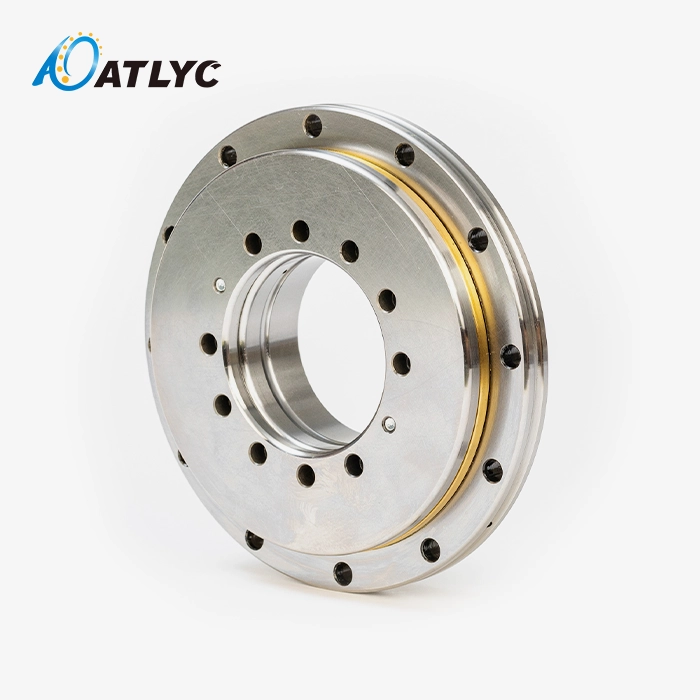
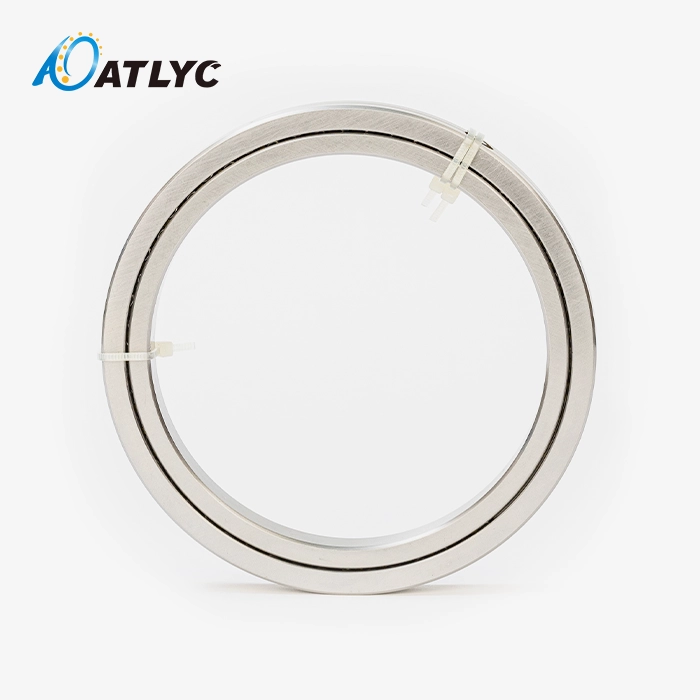
When specifying precision bearings for robotic joints, CNC rotary tables, or automation equipment, understanding load capacity isn't just helpful—it's essential. RE Cross Roller Bearings represent a specialized solution for applications requiring exceptional outer ring rotational accuracy combined with multi-directional load handling. Their integral outer ring and split inner ring design deliver a stiffness-to-volume ratio that conventional angular contact ball bearings simply cannot match. With cylindrical rollers arranged perpendicular to each other in precision V-shaped raceways, these components simultaneously manage radial forces, axial thrust, and overturning moments within a single compact assembly. This technical guide provides the engineering insights procurement managers and OEM clients need to make confident bearing selections.
Understanding RE Cross Roller Bearings: Design and Features
The horizontal layout of the rollers is what makes RE Cross Roller Bearings technology work. Instead of normal ball elements or cylinders that are lined up parallel to each other, these bearings have rollers that are positioned along the track surfaces at right angles to each other. This setup makes line contact instead of point contact, which greatly improves the efficiency of load sharing.
Structural Components and Material Selection
The bearing has four main parts: a high-carbon chromium bearing steel outer ring that is machined from GCr15 or GCr15SiMn (according to Chinese standards, which is the same as SUJ2 in Japanese standards); a two-piece inner ring assembly; precision-ground cylindrical rollers; and spacers that keep the rollers apart. The solid outer ring gets rid of any weak spots that could happen with split designs. This keeps the parts round and centered throughout all operating cycles. The choice of material has a direct effect on how well it works. During production, vacuum-degassing methods are used to get rid of non-metallic inclusions that shorten the wear life of GCr15 steel. Heat treatment raises the hardness to 58–64 HRC, which makes raceway surfaces strong enough to handle contact loads of over 4,000 MPa. The split inner ring design makes it easier to put together and keeps the structure strong after installation is done.
Dimensional Range and Precision Classes
ATLYC can make things with inner sizes ranging from 20 mm to 1,100 mm, outer diameters ranging from 70 mm to 1,500 mm, and widths ranging from 12 mm to 110 mm. This wide range can be used for a lot of different things, from small measuring tools to big industrial machines. There are five levels of accuracy: P6, P0, P5, and P4. Bearings with a P4 grade keep rotational runout below 2 microns, which is very important for medical imaging systems and equipment used to make semiconductors because positional mistakes can cause quality problems that spread. Cross roller types can be installed in small spaces because they have a thin-section outline. A single RE Cross Roller Bearing unit takes up 40–50% less room along the axis than traditional bearing setups that need multiple parts to handle complex loads. It also has the same or higher load ratings.
Load Capacity of RE Cross Roller Bearings: Technical Insights
Load capacity decides whether a bearing is right for a given job, but many engineers have trouble reading maker specs properly. Two main grades are used to make choices: dynamic load capacity (C) and steady load capacity (C0). Because the load is spread out better across the roller line contacts, the RE Cross Roller Bearings design can handle 3–4 times more dynamic loads than angular contact ball bearings of the same size.
Dynamic Load Rating Fundamentals
Dynamic load capacity is the largest load that would cause a bearing to last a million turns at a steady speed and pure rotary loading. This number, given in kilonewtons (kN), is used as a starting point to figure out the reduced service life under real-world working conditions. Using load factors that take into account real-world situations is needed to figure out how long a bearing is likely to last. The basic life equation L10 = (C/P)^(10/3) tells us how long something will last in millions of turns, where P is the equal dynamic load. When radial forces, axial thrust, and moments all act at the same time, engineers have to figure out the equal load using factors given by the maker that show how the bearing is built on the inside.
Static Load Considerations
Static load capacity is the most weight that a fixed bearing can hold without permanently deforming. It can't be more than 0.0001 times the roller width. This standard is very important for indexing tables, robotic joints that need to stop at set times, and positioning steps where accuracy is needed to keep the quality of the product. The 1:1 cross-arrangement of rollers makes balanced load paths that stop stress concentrations. This lets RE Cross Roller Bearings handle static loads that are 5–6 times higher than those of standard ball bearings with the same envelope dimensions. Both dynamic and static scores are directly affected by the quality of the material and how consistently it is heated. Every batch of bearings that comes from our ISO 9001 and IATF 16949-certified factory is inspected with magnetic particles to find any deep cracks that could start wear cracks. This quality control method makes sure that published load ratings show real performance limits, not just theoretical maximums.
Factors Affecting Load Capacity
Several factors affect the actual load capacity above and beyond what is listed in the catalog:
- Lubrication regimen: Using the right lube and replacing it at the right times keeps the elastohydrodynamic film thickness between the wheels and the raceways. Surface damage is sped up by poor greasing, which lowers the useful load capacity by 30 to 40 percent. Our expert team helps clients choose the right greases based on the speeds, temperatures, and levels of contamination that the equipment will be exposed to.
- Preload magnitude: The best preload amounts balance how stiff something is against how much friction force it has. Too much preload makes the bearings heat up and shortens their life, while not enough preload makes setting less accurate. RE Cross Roller Bearings usually come with light to medium preload settings that work for most uses. However, unique preload specifications can be made to fit specific needs.
- Mounting accuracy: The consistency of load spread is affected by how precisely the load is installed. Mounting surface limits for flatness below 0.005mm and perpendicularity within 0.01mm make sure that the rollers share the load evenly. If the housings or shafts are distorted, they cause edge loading conditions that lower the useful capacity no matter how good the bearings are.
- Operating temperature: High temperatures make materials less hard, which lowers the amount of contact force that can be used. For continuous use above 120°C, you need special steels that are supported by heat and synthetic oils that can keep their viscosity at high temperatures.
Applications and Advantages of RE Cross Roller Bearings
RE Cross Roller Bearings technology is widely used in fields that need precise placement and the ability to handle loads on multiple axes. Because the outer ring is built in, these bearings are especially useful in situations where the outer ring needs to rotate. This happens a lot in robotic arm joints, swivel mechanisms, and rotary sorting tables.
Industrial Robotics and Automation
Cross roller bearings are used by robot makers all over the world in shoulder, elbow, and wrist joints where performance needs to be balanced with space limitations. The small cross-section makes it possible for motors and gears to be closely coupled, and the high moment load capacity keeps the parts from deflecting during fast acceleration cycles. Spot welding robots on auto assembly lines use these bearings to make thousands of setting moves every day. When accuracy drops, it directly affects product quality and repair costs. When cross roller bearings are properly oiled, they have low starting power, which is good for collaborative robots (cobots) that work with human operators. Force control algorithms work better when motion starts smoothly and doesn't stick or slip. This makes it safe for people and robots to communicate.
Precision Machine Tools
CNC machines use RE Cross Roller Bearings in rotary tables and trunnion systems where controlling multiple turning axes at the same time is needed for five-axis functionality. The higher rigidity keeps the cutting tool in place in relation to the geometry of the workpiece. This stops measurement mistakes that lead to the loss of important aircraft or medical parts. In a rotary table setting, a single cross roller bearing often takes the place of a group of thrust bearings, radial bearings, and angular contact sets. This makes assembly easier and increases dependability. The combined outer ring design works especially well for vertical lathe uses. The mounting flange design lets you bolt directly to machine structures without the need for complicated bearing housings. This cuts down on the number of parts that could go wrong and the chance of them being misaligned.
Medical and Semiconductor Equipment
CT scanners and X-ray systems use huge gantries that spin around patient openings and hold image sensors and radiation sources. Cross roller bearings allow these rotations to happen accurately, which makes sure that picture reconstruction methods work right. The low vibration transfer feature keeps the picture from blurring during exposure sequences.
The machinery used to make ICs needs the same level of accuracy. Photolithography steppers and wafer inspection systems can place substrates with nanometer accuracy, which is only possible if the bearing parts stay accurate over millions of cycles. Our P4-grade precise products are used in these situations where regular bearings cause too much positional error.
Performance Advantages Summary
There are measured operational gains that come from the unique design features. Cross roller configurations are better than traditional bearing arrangements because they allow for higher load ratings in smaller spaces, better rotational accuracy through balanced roller positioning, lower friction coefficients for energy-efficient operation, and easier assembly processes that lower production costs. All of these benefits meet the main goals of OEM clients who want to stand out from the competition by making tools work better.
Installation, Maintenance, and Best Practices
Precision bearings need to be taken care of throughout their entire operating lifecycle in order to reach their full performance potential. Poor installation methods ruin the accuracy of manufacturing, and poor upkeep speeds up wear no matter how good the product was to begin with. Achieving the full performance potential of RE Cross Roller Bearings requires attention throughout their operational lifecycle.
Installation Procedures
It's very important to keep things clean during building. Particulate pollution is the main reason why bearings fail too soon. Abrasive particles cause three-body wear between the rollers and raceways. Most repairs can't be done in a clean room, but following contamination control rules like covering work areas, wearing lint-free gloves, and cleaning with filtered air makes bearings last a lot longer.
The level of load spread is determined by how well the mounting area is prepared. Surface grinding is better than milling for machine mounting faces because it leaves directed lay patterns that focus loads. Milling leaves flatness tolerances of 0.005mm or better. Get rid of any burrs or sharp edges that keep the bearing flanges from fully fitting against the shoulders.
For the split inner ring shape to work, you need to use certain building methods. Place both inner ring pieces on the shaft or housing hole, making sure that the split gaps are 180 degrees apart to ensure even loading. Tighten the mounting nuts in a star design with calibrated torque tools instead of impact wrenches, which could cause overloading in one area. In our assembly guides, we list the force values that are right for each bearing size and level of accuracy.
Lubrication Management
When choosing the right oils, you have to find the right balance between stickiness, temperature stability, and resistance to contamination. Most uses between -20°C and 100°C are good for lithium-complex greases with ISO VG 100–150 base oils. For high-speed uses, oils with a lower viscosity are better because they reduce spinning losses. On the other hand, thicker greases are needed for heavy loads at slow speeds to keep the film strong under border lubrication conditions.
When to re-grease depends on how the machine is being used. Every 1,000 to 2,000 hours of continuous spinning at modest speeds, new grease is usually needed. Intermittent duty cycles make gaps longer because most wear happens when something is moving. Exposure to environmental pollution shortens intervals. When it's dusty or humid, service needs to be done more often to flush out stored contaminants before they stick to the raceway surfaces.
Condition Monitoring Techniques
Monitoring that is done ahead of time can find problems before they become so bad that they stop production. Using accelerometers to measure vibrations near bearing housings shows specific frequency patterns that can show roller flaws, raceway spalling, or not enough lubrication. Temperature tracking shows that rises in friction that aren't usual could mean that there is contamination or a change in the preload. Ultrasonic signs made by cracks spreading are picked up by acoustic emission monitors. This lets you know about fatigue damage early on.
When our clients use condition-based maintenance programs, which plan maintenance tasks based on signs of bearing health instead of set dates, our expert support team is there to help. This method cuts down on upkeep that isn't needed and stops unexpected breakdowns.
Choosing and Procuring RE Cross Roller Bearings: A Decision-Making Guide
To choose the right RE Cross Roller Bearings, you have to match the skills of the parts to the needs of the application while keeping performance and cost in mind. A systematic review of technical standards makes sure that the best solutions are found.
Load Requirement Assessment
Figure out the real loads that your application creates, such as radial forces from gravity and working loads, axial thrust from pneumatic or hydraulic pumps, and overturning moments from loads that are offset or eccentric. Using formulas found in bearing catalogs or engineering software, you can turn these into similar dynamic loads. For long-term dependability, choose bearings with dynamic load values that are higher than similar loads by safety factors of 1.5 to 2.0.
Different research should be done on static load situations. To keep things from permanently deforming, equipment that experiences shock loads during emergency stops, placement systems that hold loads during power outages, or mechanisms that stay still under load for long periods of time need static load capacity reserves of 3.0 or more.
Speed and Accuracy Requirements
Through friction heating and the formation of a grease film, operating speed affects the life of bearings. Because their roller widths and contact shapes are pretty big, cross roller bearings usually work at speeds below 500 RPM. When speeds go up, rotating forces break up oil films, so cages and lubricant methods need to be changed.
Accuracy standards decide which accuracy grade to give. General industry machinery works well with P5-grade bearings that have runout specs of 5 microns. Coordinate measuring tools, vision systems, and precision assembly equipment all need P4-grade parts that are accurate to within two microns. As part of our production services, we offer custom precision choices for situations where normal grades aren't enough.
Supplier Selection Criteria
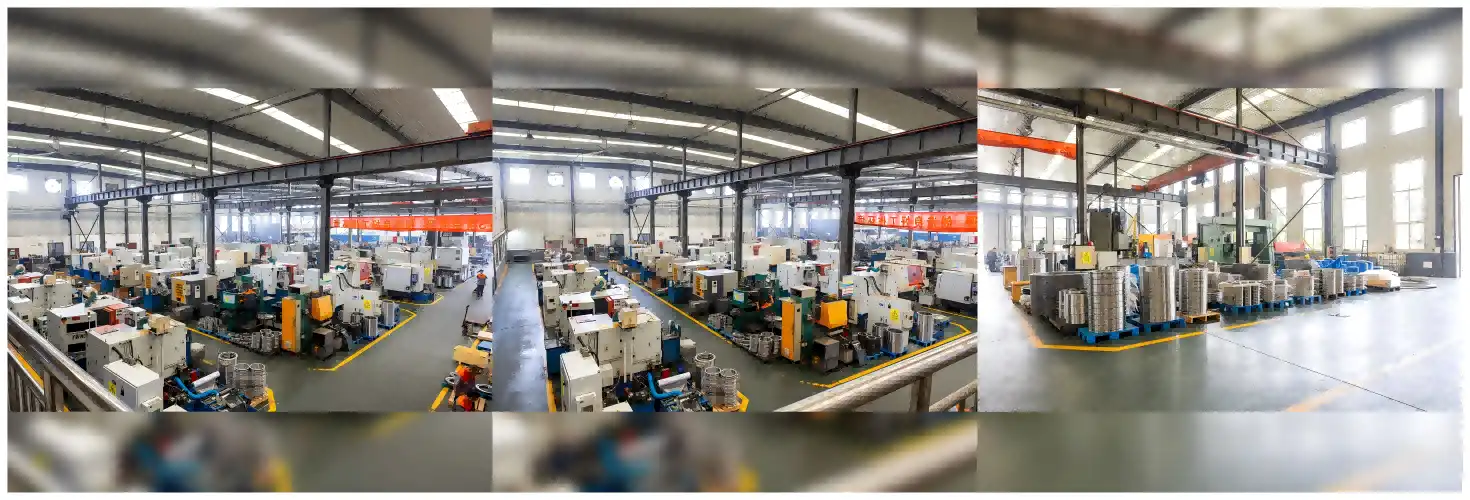
Working with bearing makers that offer full support services adds value above and beyond the price of the parts. ATLYC has been making quality bearings for OEM companies around the world for 15 years. Our six production workshops use CNC grinding machines and laser measurement systems to make sure that the standard is always the same, from processing the raw materials to the final review.
Our ISO 9001 and IATF 16949 certifications show that we are dedicated to managing quality in a structured way and making improvements all the time. Customers in the auto business really like IATF certification, which needs strict oversight of production methods and supply lines. Regular checks by a third party make sure that international standards are being followed. This gives buyers peace of mind that the bearings they buy meet the requirements.

Conclusion
Knowing the basics of load capacity and technical specs helps you choose bearings that will work best for your tools and last as long as possible. RE Cross Roller Bearings have great multidirectional load handling, rotational accuracy, and small fitting shapes that make machine designs easier while also making them more useful. Installing things correctly and keeping up with upkeep will make sure that your automation equipment and precision tools last as long as possible. As manufacturing around the world continues to push for higher standards of quality and efficiency, working with experienced bearing makers who offer approved quality and full technical support becomes a more valuable way to stand out from the competition.
FAQ
1. What differentiates cross roller bearings from traditional ball bearings?
Cross roller bearings have circular rollers that are placed perpendicular to each other. This makes line contact with the raceways instead of point contact, which is what ball bearings do. Because of this basic physical difference, the load capacity is 3–4 times larger within the same envelope measurements. The orthogonal roller setup lets a single compact unit handle radial, axial, and moment loads at the same time, instead of the multiple bearing sets needed with ball bearing designs.
2. How often should RE-type bearings receive fresh lubrication?
How often you need to lubricate depends on things like speed, load, temperature, and contamination contact. For constant duty use at modest speeds, most manufacturers say that lubrication should be done every 1,000 to 2,000 hours. Intervals of up to 3,000 hours may be needed for activities that start and stop often. In harsh settings with dust or moisture contamination, service may need to be done more often, up to every 500 hours, to flush out accumulated particles before they damage the raceway surfaces.
3. Can manufacturers customize cross roller bearings for specialized applications?
Some of the things that can be customized are different internal geometries for different load profiles, special materials for harsh conditions or high temperatures, non-standard mounting measurements that work with current equipment, and precision grades that go above and beyond what is required by law. ATLYC's engineering team works with clients to create custom solutions that meet the specific needs of each application and that can't be met by standard stock goods.
Partner with ATLYC for Precision Bearing Solutions
ATLYC offers approved RE Cross Roller Bearings that have a higher load capacity and are made with the skills learned from 15 years of working with OEM clients around the world. Our ISO 9001 and IATF 16949-certified plant follows strict quality standards to make sure that every bearing meets the stated requirements for accuracy, load rating, and operating life. We can make parts with inner diameters from 20 mm to 1,100 mm and accuracy grades up to P4 classification, so we can help with tough robots, CNC machining, and automation tasks.
Our skilled technical team helps you with everything from choosing the right bearings to fixing problems in the field. This helps you get the most out of your tools while lowering the total cost of ownership. As a dependable company that makes RE Cross Roller Bearings for customers in the US, Germany, South Korea, and around the world, we know how important it is for your production planning to have uniform quality and reliable shipping schedules. Email our technical sales specialists at auto@lyautobearing.com to talk about your unique bearing needs, get more information, or get bulk prices for jobs you have coming up
References
1. Harris, T.A., and Kotzalas, M.N. (2006). Advanced Concepts of Bearing Technology: Rolling Bearing Analysis (5th ed.). CRC Press.
2. ISO 492:2014. Rolling bearings — Radial bearings — Geometrical product specifications (GPS) and tolerance values. International Organization for Standardization.
3. Weck, M., and Brecher, C. (2006). Werkzeugmaschinen 2: Konstruktion und Berechnung (8th ed.). Springer-Verlag.
4. Eschmann, P., Hasbargen, L., and Weigand, K. (1985). Ball and Roller Bearings: Theory, Design and Application (2nd ed.). John Wiley & Sons.
5. JTEKT Corporation. (2018). Technical Report: Cross Roller Bearing Technology for Precision Applications. JTEKT Engineering Journal, 1015E.
6. Yoshioka, T., and Fujiwara, T. (2012). Application of Cross Roller Bearings in Industrial Robotics. Journal of Mechanical Engineering Science, 226(8), 1945-1958.
Learn about our latest products and discounts through SMS or email