- English
- French
- German
- Portuguese
- Spanish
- Russian
- Japanese
- Korean
- Arabic
- Greek
- German
- Turkish
- Italian
- Danish
- Romanian
- Indonesian
- Czech
- Afrikaans
- Swedish
- Polish
- Basque
- Catalan
- Esperanto
- Hindi
- Lao
- Albanian
- Amharic
- Armenian
- Azerbaijani
- Belarusian
- Bengali
- Bosnian
- Bulgarian
- Cebuano
- Chichewa
- Corsican
- Croatian
- Dutch
- Estonian
- Filipino
- Finnish
- Frisian
- Galician
- Georgian
- Gujarati
- Haitian
- Hausa
- Hawaiian
- Hebrew
- Hmong
- Hungarian
- Icelandic
- Igbo
- Javanese
- Kannada
- Kazakh
- Khmer
- Kurdish
- Kyrgyz
- Latin
- Latvian
- Lithuanian
- Luxembou..
- Macedonian
- Malagasy
- Malay
- Malayalam
- Maltese
- Maori
- Marathi
- Mongolian
- Burmese
- Nepali
- Norwegian
- Pashto
- Persian
- Punjabi
- Serbian
- Sesotho
- Sinhala
- Slovak
- Slovenian
- Somali
- Samoan
- Scots Gaelic
- Shona
- Sindhi
- Sundanese
- Swahili
- Tajik
- Tamil
- Telugu
- Thai
- Ukrainian
- Urdu
- Uzbek
- Vietnamese
- Welsh
- Xhosa
- Yiddish
- Yoruba
- Zulu
How Does YRTC High-Speed Rotary Table Bearing Support Combined Loads?
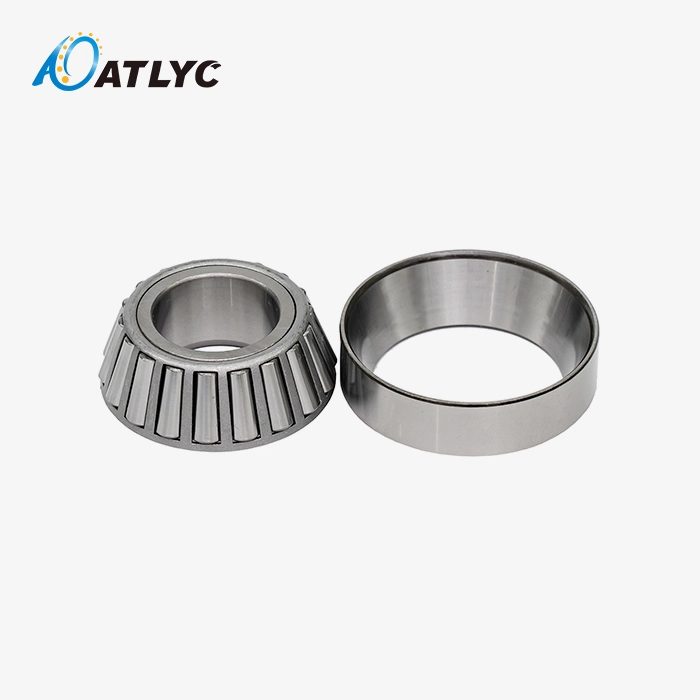
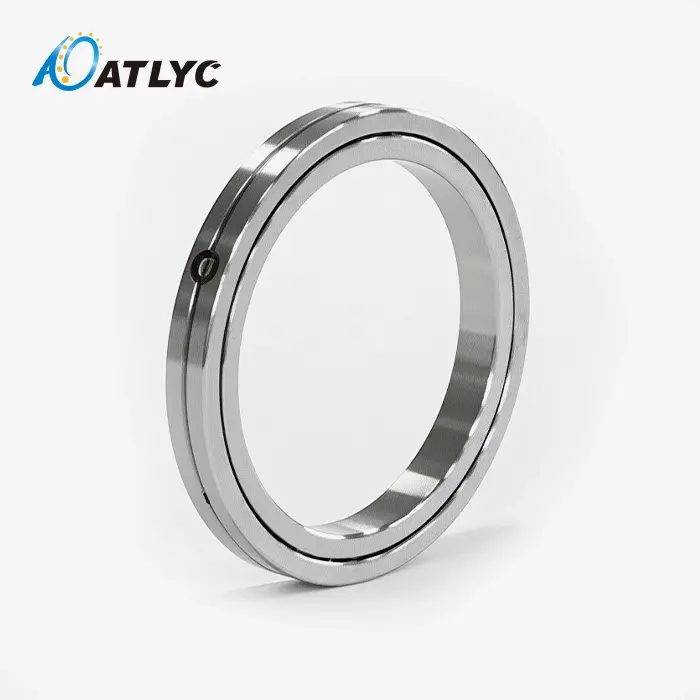
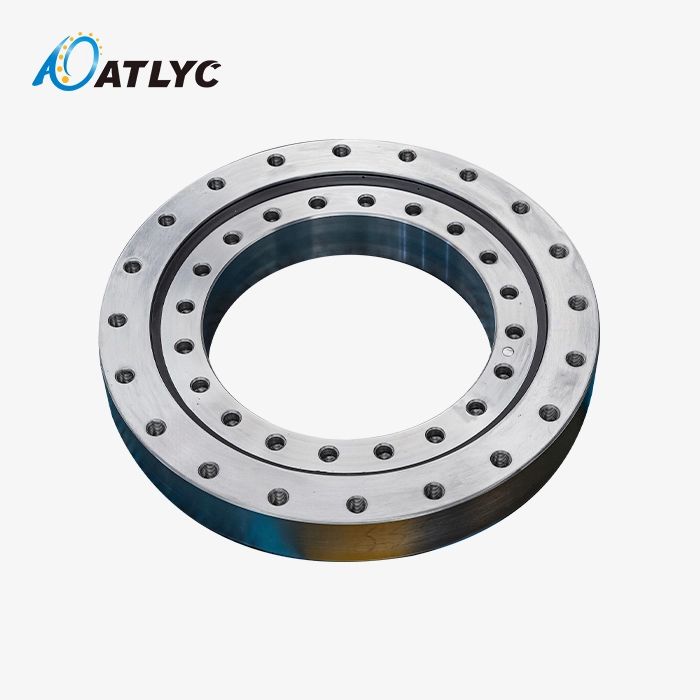
The YRTC High-Speed Rotary Table Bearing manages combined loads through an integrated three-in-one design that simultaneously handles radial forces, axial thrust, and tilting moments within a single compact assembly. Unlike traditional multi-bearing configurations, this specialized bearing employs multi-row roller arrangements—two axial roller rows for thrust loads and moment resistance, plus one radial row for lateral forces—all optimized with precision-ground raceways and advanced cage systems that distribute complex loading conditions efficiently while maintaining thermal stability during high-RPM operations in CNC machining centers and industrial automation equipment.
Introduction
Modern CNC machines, robot platforms, and industrial automation systems work in places that are getting harder to maintain and where speed and accuracy are needed more and more. Understanding bearing technology is important for running a successful business when you need equipment on the factory floor that can handle many forces at once while turning at thousands of RPM. The market for rotary table bearings has changed a lot over the years. High-speed versions have fixed problems that used to make machines less accurate, and parts last less long. This guide talks about the technical aspects, performance features, and buying options for OEMs, bearing distributors, and industrial equipment makers who want to find reliable, high-precision rotary table bearings. We will look at how integrated bearing structures handle loading from multiple directions, how to keep them in good shape so they last longer, and how to make comparisons that help with strategic sourcing choices. Whether you're choosing parts for equipment used to make cars or for industrial equipment that will be sold around the world, knowing about combined load management has a direct effect on the reliability of your equipment and the competitive position of your business.
Understanding Combined Loads in Rotary Table Bearings
Combined loads represent the simultaneous application of multiple force vectors that bearing assemblies must accommodate continuously during machine operation. Recognizing how these forces interact helps explain why specialized bearing designs outperform conventional solutions in precision applications.
The Three Primary Load Types in Rotary Applications
Radial loads act perpendicular to the bearing's rotation axis, typically generated by workpiece weight, unbalanced masses, or lateral cutting forces during machining operations. Axial loads apply force parallel to the rotation axis, resulting from thrust during face milling, gravitational forces on vertical-axis configurations, or pneumatic/hydraulic actuation systems. Moment loads—sometimes called tilting moments—create rotational forces around axes perpendicular to the main rotation, caused by off-center workpieces, asymmetric cutting conditions, or cantilevered tool arrangements. When these three load types occur simultaneously, they create stress concentrations within bearing raceways that accelerate wear patterns and compromise rotational accuracy.
Why Combined Loading Scenarios Challenge Standard Bearings
Traditional bearing assemblies often require multiple separate components—angular contact ball bearings for axial loads, cylindrical roller bearings for radial capacity, and additional structural elements for moment resistance. This multi-component approach introduces several complications that affect machine performance and maintenance requirements. Accumulated tolerance stack-up from multiple bearing assemblies reduces overall system rigidity and positional repeatability. The increased component count expands the installation footprint, complicating machine design and limiting miniaturization opportunities. Separate lubrication requirements for different bearing types complicate maintenance schedules, YRTC High-Speed Rotary Table Bearing, and increase the risk of premature failure. Differential thermal expansion between dissimilar bearing materials creates preload variations that affect operational accuracy. Load path discontinuities between bearing elements generate vibration harmonics that compromise surface finish quality during precision machining.
YRTC High-Speed Rotary Table Bearing Design Principles for Combined Load Support
The engineering philosophy behind high-speed rotary table bearings centers on integrated load path management, where structural elements work synergistically rather than as discrete components. This design approach differentiates specialized rotary bearings from conventional bearing assemblies.
Integrated Three-in-One Structural Architecture
The YRTC bearing achieves combined load capacity through a compact integrated structure fundamentally different from traditional multi-bearing solutions. The assembly incorporates thrust bearing functionality, radial load management, and moment resistance within a single housing unit. The outer ring, serving as the fixed mounting interface, provides dimensional stability and heat dissipation pathways. The inner ring connects directly to rotating machine components, transmitting loads through precision-engineered contact surfaces. The multi-row roller arrangement distributes forces across optimized contact zones, while the advanced cage system maintains roller spacing and prevents skidding during high-speed operation. This integrated architecture eliminates complex assembly procedures associated with stacking multiple bearing types. Installation procedures are simplified dramatically, reducing both initial setup time and potential for assembly errors that compromise performance. The reduced component count minimizes the overall mechanical structure volume, enabling more compact machine designs without sacrificing load capacity. The unified load path provides superior rigidity compared to multi-component alternatives, directly translating to improved machining accuracy and surface finish quality.
Multi-Row Roller Configuration for Load Distribution
The strategic arrangement of rolling elements within rotary table bearings represents perhaps the most critical design feature affecting combined load performance. Two axial roller rows positioned at specific orientation angles manage thrust loads and resist tilting moments from cutting forces or unbalanced workpiece configurations. One dedicated radial roller row carries lateral forces generated by eccentric loading conditions or side-milling operations. This multi-row configuration creates multiple load paths that distribute stress concentrations across larger contact areas, reducing peak contact pressures that accelerate fatigue failures. The contact angle optimization—typically configured between 45° and 60° depending on application requirements—balances axial and radial load capacity while maintaining rotational efficiency. Precision roller profiling minimizes edge stress concentrations that create premature spalling failures. The cage design, modified specifically for high-speed variants, minimizes friction torque and prevents roller skidding even under rapid acceleration conditions. Material selection for rolling elements employs high-carbon chromium bearing steel with through-hardening treatments that provide consistent hardness profiles and superior dimensional stability under thermal cycling.
Performance Advantages of YRTC Bearings Under Combined Loads
When evaluating bearing solutions, procurement teams using YRTC High-Speed Rotary Table Bearing need concrete performance data that demonstrates how design features translate to operational benefits. Testing protocols and application experience provide the evidence necessary for confident specification decisions.
Superior Load Capacity with Compact Form Factor
The integrated design approach enables rotary table bearings to achieve load ratings that would otherwise require significantly larger conventional bearing arrangements. Dynamic load ratings—representing the load magnitude a bearing can sustain for one million revolutions with 90% reliability—exceed comparable values for angular contact bearing pairs by 30-40% in equivalent envelope dimensions. Static load capacity, critical for applications with frequent start-stop cycles or sustained dwell periods under load, demonstrates similar advantages through optimized contact stress distribution. This enhanced capacity directly addresses common application challenges in precision machinery. CNC rotary tables supporting heavy workpieces maintain positional accuracy throughout extended machining cycles without excessive preload adjustments. Industrial robots handling automotive components achieve cycle time reductions through higher acceleration rates that would overload standard bearing configurations. Automated assembly equipment operates reliably despite off-center part presentation that creates significant moment loading.
Enhanced Rotational Accuracy and Reduced Vibration
Precision manufacturing environments demand bearing performance that YRTC High-Speed Rotary Table Bearing maintains, positioning tolerances measured in microns. The unified structure of high-speed rotary bearings minimizes radial runout—the deviation from true circular motion—to values below 5 micrometers in properly installed applications. Axial play, which affects positioning repeatability in vertical-axis configurations, remains within 3-micrometer tolerances through optimized preload configurations. Vibration characteristics significantly impact both machined surface quality and bearing service life. The continuous load path through integrated raceway designs eliminates the vibration sources inherent in multi-component assemblies where discontinuities create resonance frequencies. Frequency analysis of properly maintained rotary table bearings shows dominant vibration peaks below detection thresholds for precision measurement equipment, indicating smooth rolling element motion without detectable defects or misalignment conditions.
Proper Maintenance Practices to Ensure Optimal Support of Combined Loads
Even the most advanced bearing designs require appropriate maintenance protocols to achieve their full service life potential. Understanding proper care procedures protects your equipment investment and maintains production reliability.
Lubrication Requirements for Combined Load Applications
High-performance lubricants play an essential role in managing the thermal and friction challenges inherent in combined loading scenarios. Grease selection should prioritize formulations with lithium complex or polyurea thickeners that maintain consistency across the temperature ranges your equipment experiences during operation. Base oil viscosity must provide adequate film thickness at operating speeds while avoiding excessive drag that generates unnecessary heat. Extreme pressure additives become particularly important when moment loads create high contact stresses that could breach lubricant films under boundary lubrication conditions. Application intervals depend on operating conditions, but general guidelines suggest relubrication every 500-1,000 operational hours for continuous-duty machinery in controlled environments. Equipment exposed to contamination, thermal cycling, or high-humidity conditions requires more frequent lubrication attention. The relubrication quantity should follow manufacturer specifications precisely—excessive grease creates churning losses that elevate operating temperatures, while insufficient lubrication allows metal-to-metal contact that accelerates wear. Proper lubrication channels and relief passages ensure new grease reaches critical contact zones while allowing spent lubricant to purge from the bearing cavity.
Inspection Protocols and Early Wear Detection
YRTC High-Speed Rotary Table Bearing routine condition monitoring detects developing problems before they progress to catastrophic failures that damage expensive machine components. Vibration analysis using accelerometers mounted near bearing housings identifies characteristic frequency patterns associated with specific defect types—outer raceway spalling generates frequencies at specific multiples of rotational speed, while roller defects create distinct impulse patterns. Temperature monitoring establishes baseline thermal profiles and flags abnormal heat generation from inadequate lubrication, excessive preload, or developing damage. Visual inspection during scheduled maintenance intervals reveals contamination ingress, seal degradation, or mounting surface fretting that compromises bearing performance. Lubricant condition assessment through oil analysis or grease appearance evaluation identifies moisture contamination, particle ingress, or chemical degradation requiring corrective action. Acoustic monitoring using ultrasonic detectors captures high-frequency emissions from friction events occurring during early-stage raceway damage, providing advanced warning before defects become visible through other monitoring methods.
Choosing YRTC High-Speed Rotary Table Bearings: Comparison and Procurement Guide
Selecting optimal bearing solutions involves evaluating multiple factors that affect both initial costs and long-term operational expenses. Informed comparisons between available options enable procurement decisions that align with your organization's specific requirements.
Performance Comparison with Alternative Bearing Solutions
When procurement teams evaluate rotary table bearing manufacturers, performance metrics provide objective comparison frameworks. Load capacity specifications should be verified against standardized calculation methods that account for your specific application conditions—operating speed, load magnitude, duty cycle, and environmental factors all influence actual bearing performance. Established manufacturers like NSK and FAG offer proven designs with extensive application histories, but specialized suppliers often provide superior cost-performance ratios for specific application segments. Rigidity characteristics, measured through deflection under applied loads, directly impact machining accuracy and part quality. The integrated structure of specialized rotary bearings typically achieves 15-25% higher rigidity compared to equivalent-capacity conventional bearing combinations, translating to measurable improvements in positional accuracy during cutting operations. Speed capability represents another critical comparison factor—bearings optimized for high-RPM applications incorporate design features that manage thermal generation and lubrication film maintenance at rotational velocities that would damage standard YRTC High-Speed Rotary Table Bearing configurations.
Model Selection Criteria Based on Application Requirements
Proper bearing specification requires systematic evaluation of your equipment's operational parameters. Load analysis should quantify the magnitude and direction of all forces acting on the rotary table throughout complete machining cycles. Peak loads during rapid acceleration or heavy interrupted cutting differ significantly from steady-state loads during continuous operations, requiring careful assessment to avoid under-specification that leads to premature failure. Speed requirements must account for both sustained operating velocities and maximum intermittent speeds during positioning moves or rapid traverse cycles. The bearing's limiting speed—the maximum rotational velocity at which it can operate without excessive temperature rise—should exceed your application requirements by adequate safety margins. Environmental conditions,s including temperature extremes, contamination exposure, and humidity levels, influence seal configuration selection and lubrication specifications. Space constraints within your machine design may dictate envelope dimensions that narrow available options.
Conclusion
YRTC High-Speed Rotary Table Bearing combined load management represents the fundamental engineering challenge that separates specialized rotary table bearings from conventional alternatives. The integrated three-in-one design approach—combining thrust capacity, radial load handling, and moment resistance within unified structures—delivers performance advantages in precision machinery applications. Multi-row roller configurations distribute complex loading conditions efficiently, maintaining rotational accuracy while resisting thermal and mechanical stresses in high-speed operations. Proper selection criteria consider load characteristics, speed requirements, environmental conditions, and envelope constraints. Maintenance protocols emphasizing lubrication, condition monitoring, and correct installation protect bearing functionality and extend service intervals. When evaluating bearing manufacturers for critical applications, consider technical support resources, quality certifications, and supply chain reliability to ensure long-term operational success.
FAQ
1. What types of combined loads can high-speed rotary table bearings handle simultaneously?
High-speed rotary table bearings manage three primary load types concurrently: radial forces acting perpendicular to the rotation axis, axial thrust loads parallel to the shaft centerline, and moment loads creating tilting forces around perpendicular axes. The multi-row roller configuration distributes these complex loading conditions across optimized contact surfaces, with specific models rated for combined loads reaching tens of thousands of Newtons while maintaining rotational accuracy within micrometers.
2. How frequently should lubrication maintenance occur for bearings operating under heavy combined loads?
Lubrication intervals depend on operating conditions, but bearings experiencing heavy combined loads in continuous-duty applications typically require relubrication every 500-1,000 operational hours. Equipment operating in contaminated environments, extreme temperatures, or high-humidity conditions needs more frequent attention. Temperature monitoring and vibration analysis provide condition-based maintenance indicators that may suggest adjustment of standard intervals based on actual bearing performance.
3. What differentiates specialized rotary table bearings from conventional angular contact bearing arrangements?
Specialized rotary table bearings integrate thrust, radial, and moment load capacity within single compact assemblies, eliminating the multiple components required by conventional configurations. This integrated design provides superior rigidity, simplified installation, reduced envelope dimensions, and unified load paths that minimize vibration and improve rotational accuracy. The optimized raceway geometry and advanced cage systems enable higher speed capabilities while maintaining the multi-directional load capacity essential for precision machining applications.
Partner with ATLYC for Your High-Speed Rotary Table Bearing Requirements
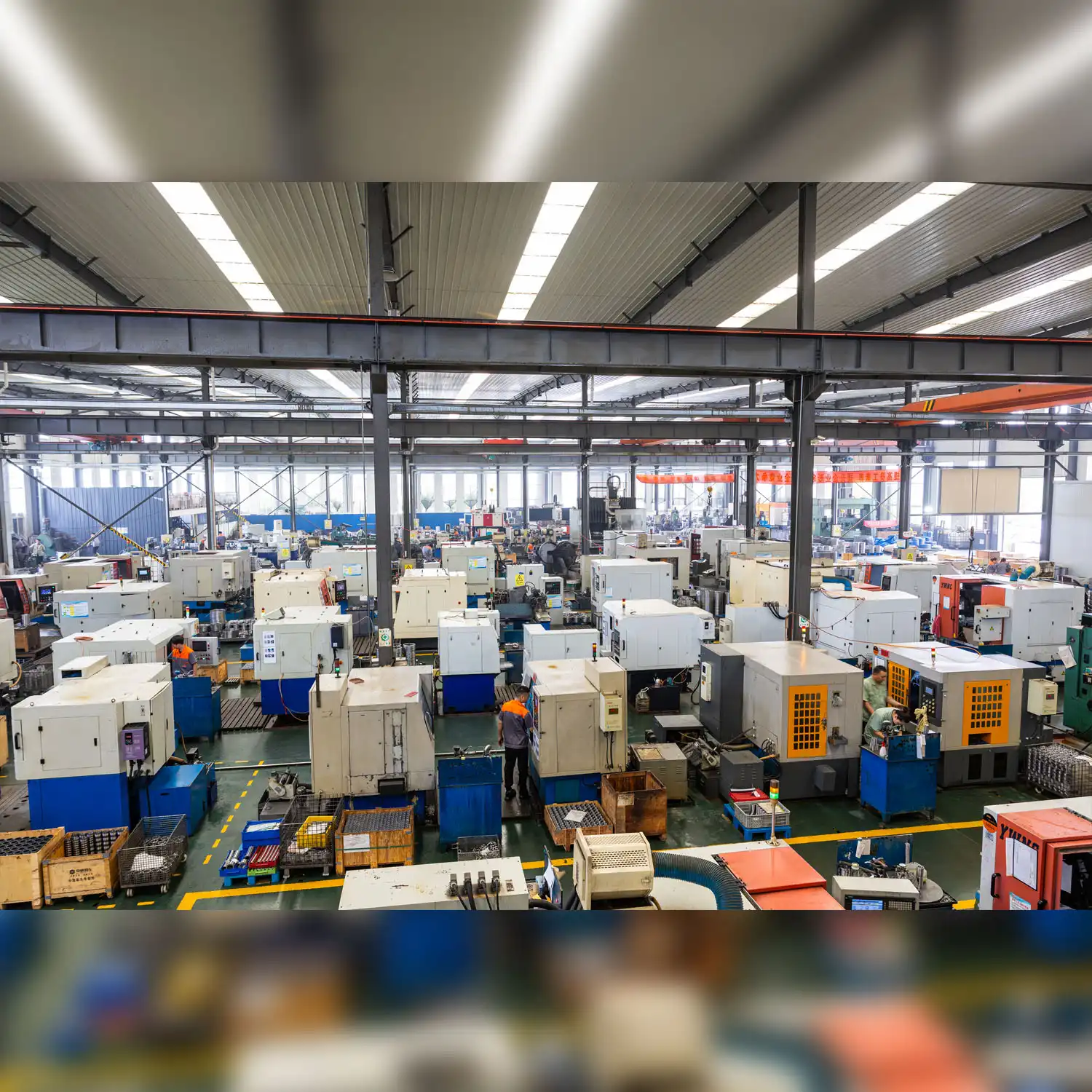
ATLYC combines 15 years of precision bearing manufacturing expertise with ISO 9001 and IATF 16949 certified quality systems, ensuring every high-speed rotary table bearing meets stringent international standards. Our engineering team provides comprehensive technical support throughout your procurement process—from initial specification consultation through installation guidance, YRTC High-Speed Rotary Table Bearing, and ongoing operational assistance. We maintain a ready inventory for standard configurations while offering customization capabilities for specialized application requirements. Global customers benefit from competitive pricing structures that reflect efficient manufacturing processes without compromising quality standards. Contact our technical sales team at auto@lyautobearing.com to discuss your specific combined load applications, request detailed product datasheets, or obtain project-specific quotations. As a trusted YRTC High-Speed Rotary Table Bearing manufacturer serving automotive OEMs, industrial equipment builders, and precision machinery distributors across six continents, we're positioned to support your success through reliable component supply, engineering expertise, and responsive customer service that extends beyond the initial purchase.
References
1. Harris, T.A. & Kotzalas, M.N. (2006). Advanced Concepts of Bearing Technology: Rolling Bearing Analysis, Fifth Edition. CRC Press, Taylor & Francis Group.
2. Weck, M. & Brecher, C. (2006). Machine Tools Production Systems 2: Design and Calculation. Springer-Verlag Berlin Heidelberg.
3. Budynas, R.G. & Nisbett, J.K. (2015). Shigley's Mechanical Engineering Design, Tenth Edition. McGraw-Hill Education.
4. ISO 14728-1:2017. Rolling bearings — Linear motion rolling bearings — Part 1: Dynamic load ratings and rating life. International Organization for Standardization.
5. Hamrock, B.J., Schmid, S.R., & Jacobson, B.O. (2004). Fundamentals of Fluid Film Lubrication, Second Edition. Marcel Dekker, Inc.
6. Tlusty, J. (2000). Manufacturing Processes and Equipment. Prentice Hall, Upper Saddle River, New Jersey.
Learn about our latest products and discounts through SMS or email