- English
- French
- German
- Portuguese
- Spanish
- Russian
- Japanese
- Korean
- Arabic
- Greek
- German
- Turkish
- Italian
- Danish
- Romanian
- Indonesian
- Czech
- Afrikaans
- Swedish
- Polish
- Basque
- Catalan
- Esperanto
- Hindi
- Lao
- Albanian
- Amharic
- Armenian
- Azerbaijani
- Belarusian
- Bengali
- Bosnian
- Bulgarian
- Cebuano
- Chichewa
- Corsican
- Croatian
- Dutch
- Estonian
- Filipino
- Finnish
- Frisian
- Galician
- Georgian
- Gujarati
- Haitian
- Hausa
- Hawaiian
- Hebrew
- Hmong
- Hungarian
- Icelandic
- Igbo
- Javanese
- Kannada
- Kazakh
- Khmer
- Kurdish
- Kyrgyz
- Latin
- Latvian
- Lithuanian
- Luxembou..
- Macedonian
- Malagasy
- Malay
- Malayalam
- Maltese
- Maori
- Marathi
- Mongolian
- Burmese
- Nepali
- Norwegian
- Pashto
- Persian
- Punjabi
- Serbian
- Sesotho
- Sinhala
- Slovak
- Slovenian
- Somali
- Samoan
- Scots Gaelic
- Shona
- Sindhi
- Sundanese
- Swahili
- Tajik
- Tamil
- Telugu
- Thai
- Ukrainian
- Urdu
- Uzbek
- Vietnamese
- Welsh
- Xhosa
- Yiddish
- Yoruba
- Zulu
What Makes the ZKLDF Rotary Table Bearing Suitable for High Load Capacity?
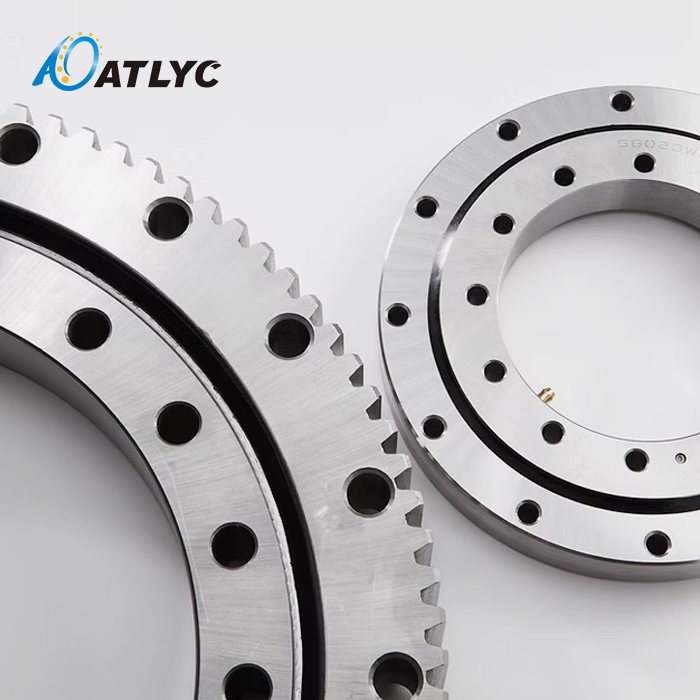
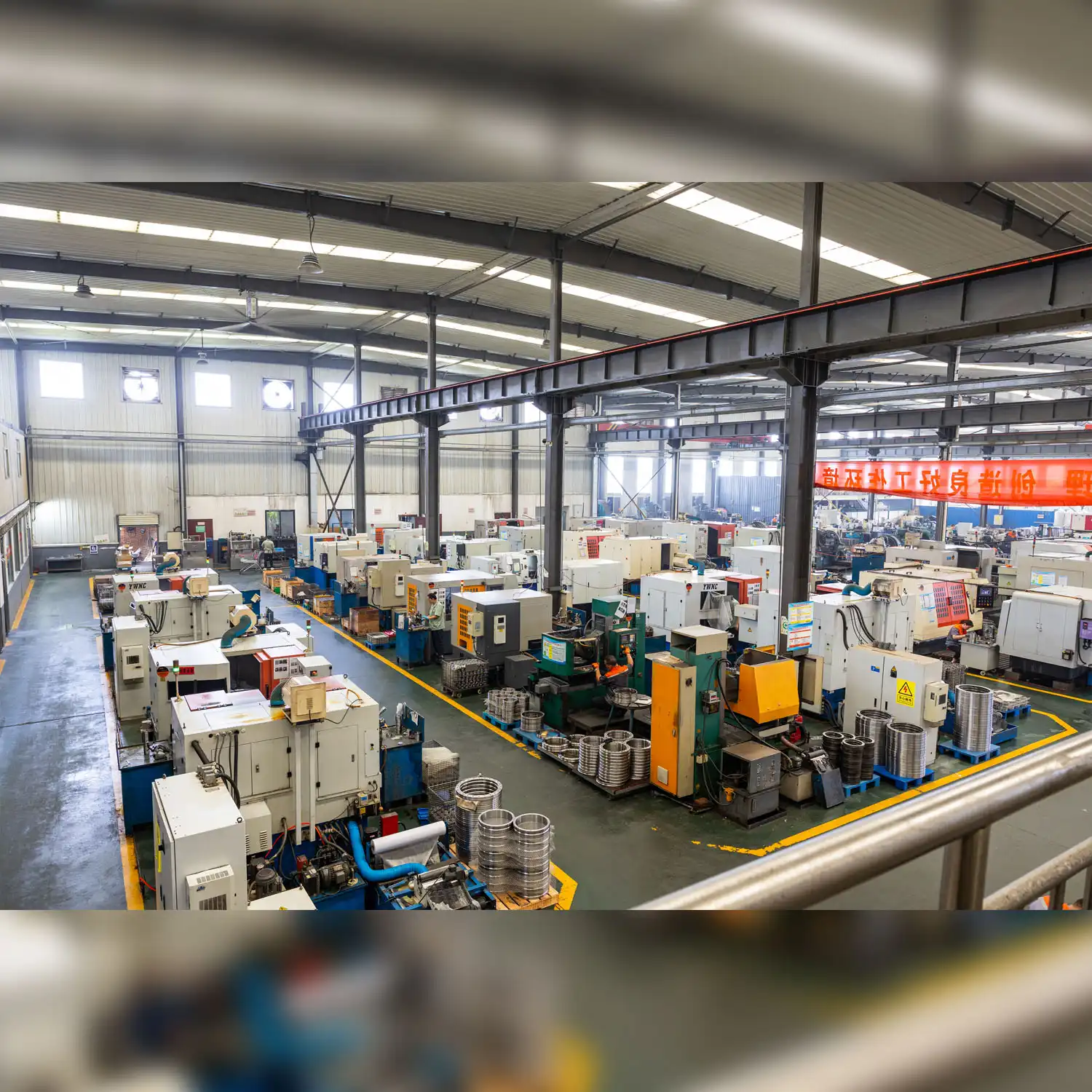
The ZKLDF Rotary Table Bearing achieves exceptional load capacity through its sophisticated double-row angular contact ball configuration arranged in a back-to-back O-pattern with a 60° contact angle. This unique shape spreads axial, radial, and moment loads across many contact points at the same time, making the structure as strong as possible when it's under a lot of stress. These bearings don't need traditional housing because they have precision-ground raceways, premium-grade heat-treated steel, and an L-shaped outer ring design that is built in. They also have better rigidity and load distribution efficiency, which are important for demanding industrial uses.
Understanding the Load Capacity of ZKLDF Rotary Table Bearings
Load capacity defines how much force a bearing can handle before experiencing failure or performance degradation. In industrial environments where machinery faces continuous stress, understanding this capacity becomes crucial for equipment longevity and operational reliability.
Static vs. Dynamic Load Ratings: What Engineers Need to Know
The maximum force that a bearing can handle when it is not moving or when it is moving very slowly is called its "static load capacity." Dynamic load capacity tests how well something works when it is constantly rotating. Due to their dual ball-and-cage assembly setup, ZKLDF rotary table bearings perform well in both categories. When we look at static load scenarios, the bearing's two-piece inner ring design spreads concentrated forces over larger contact surfaces. This stops stress buildup in one area, which usually leads to early failure in single-row designs. During dynamic operations, the precision-ground raceways keep the contact angles the same even when loads change. This makes sure that the bearing works well for a long time.
Material Science Behind Superior Load Performance
Special high-quality chrome steel is used to build ZKLDF bearings. Advanced heat treatments, such as vacuum hardening and sub-zero stabilisation, are used on this material to make the surface hard, which is between 58 and 62 HRC. The heat treatment improves both tensile strength and fatigue resistance, which are important qualities when bearings have to support heavy machinery parts. During thermal processing, the steel's microstructure changes, creating fine-grain carbide distributions that stop cracks from spreading when the load is cycled. This benefit in the way the metal is made directly translates into higher load ratings compared to bearings made from regular steels. Our factory at Luoyang Auto Bearing uses special heat treatment methods that we've come up with over 15 years of making things. This makes sure that the qualities of the materials are the same from batch to batch.
Precision Sealing and Lubrication Systems for High-Load Environments
Keeping the oil intact under heavy loads stops wear before it's due and extends the time between service visits. Standardised oil ports are built into the outer ring of ZKLDF bearings. This lets grease get precisely to areas that need it most. These ports link to centralised lubrication systems that are common in industrial machinery. The sealing arrangement inside the bearing keeps out dirt and keeps the lubricant in place under pressure. Double-sided sealed versions, which are like YRTS designs, work well in places where dust or coolant exposure could affect the performance of the bearing. Proper lubrication lowers the heat that friction creates, which is very important when bearings are working close to their load limits. The seals can handle the radial expansion that happens when heavy loads squeeze internal clearances, so they stay effective across the load range. The lubrication system keeps the dimensions stable and stops thermal expansion that could change the shape of the contact angle by controlling the temperature. This ability of the ZKLDF Rotary Table Bearing to control temperature lets the machine keep running at high loads for a long time without affecting its accuracy.
Comparing ZKLDF Rotary Table Bearings with Other Leading Brands
Procurement professionals evaluating rotary table bearings often compare specifications across established manufacturers, including SKF, NSK, FAG, and INA. Understanding how ZKLDF products stack against these industry references helps buyers make informed decisions based on performance requirements and budget constraints.
Load Rating Benchmarks Across Manufacturers
When looking at catalogue data, ZKLDF bearings show load values that are on par with the best European brands, but they are much cheaper. A typical ZKLDF bearing with a bore size of 200 mm can handle dynamic loads of more than 180 kN, which is about the same as similar FAG goods. Most bearings can handle 280 kN or more of static load, which is enough for most industrial machining centers and rotary indexing tables. These load numbers are not just due to using harder materials, but also because of how the bearing is built. With the right number and diameter of balls, the double-row configuration makes more load-carrying contact points than single-row rivals. Because of this architectural benefit, ZKLDF products can match or beat the load ratings of bearings from manufacturers whose products usually cost more.
Quality Certifications That Validate Performance Claims
Manufacturing consistency directly impacts load capacity reliability across production runs. Luoyang Auto Bearing maintains both ISO 9001 and IATF 16949 certifications, demonstrating adherence to quality management systems recognized globally in automotive and industrial sectors. These certifications require documented process controls, traceability, and statistical process capability that ensure each bearing meets published specifications.IATF 16949 compliance particularly matters for automotive OEMs requiring supplier quality assurance. The standard mandates continuous improvement practices and defect prevention methodologies that reduce variation in critical dimensions affecting load capacity. Buyers sourcing bearings for high-reliability applications gain confidence knowing manufacturing processes undergo regular third-party audits.
Value Proposition for Strategic Procurement
Beyond individual bearing performance, ZKLDF offers advantages that streamline supply chain management. Lead times typically range from 4-6 weeks for standard configurations, with customization capability for specialized dimensional or load requirements. Minimum order quantities remain reasonable for mid-sized manufacturers, avoiding the inventory costs associated with some European suppliers requiring large batch purchases. The cost-performance ratio becomes particularly attractive for OEMs developing new product lines or replacement aftermarket distributors managing diverse inventory. ZKLDF pricing positions approximately 25-40 percent below equivalent SKF or NSK products while maintaining load ratings within 5 percent of premium brands. This value equation allows manufacturers to improve margin profiles without compromising technical performance specifications.
Installation and Maintenance Guidelines to Maximize Load Capacity
Proper installation procedures unlock the full load-carrying potential designed into ZKLDF rotary table bearings. Incorrect mounting techniques can reduce effective load capacity by 30 percent or more through misalignment, uneven preload, or induced stress concentrations.
Step-by-Step Installation Protocol for Heavy-Load Applications
Begin by inspecting mounting surfaces for flatness, ZKLDF Rotary Table Bearing, and cleanliness. The machine base or mounting flange must meet flatness tolerances specified in bearing documentation, typically within 0.02mm across the mounting diameter. Surface roughness should not exceed Ra 3.2 to ensure uniform load transfer across the bearing's mounting interface. Clean all components using lint-free cloths and appropriate solvents to remove preservative coatings applied during manufacturing. Apply the specified lubricant to raceways before assembly, ensuring complete coverage of contact surfaces. Position the bearing carefully onto the mounting surface, aligning mounting holes with machine base threads. Tighten mounting bolts following a star pattern sequence rather than circular progression. This technique distributes clamping forces evenly, preventing localized distortion of the bearing rings. Use calibrated torque wrenches set to manufacturer specifications, typically 60-80 percent of bolt proof load. Over-tightening can deform the L-shaped outer ring, altering internal geometry and reducing load capacity.
Maintenance Schedules Optimized for Sustained Heavy Loads
Lubrication intervals depend on operating conditions, including load magnitude, rotational speed, and ambient temperature. For applications operating near maximum load ratings, inspection schedules should occur every 500-800 operating hours initially. Once baseline performance is established, extend intervals based on observed lubricant condition and wear indicators. Monitor lubricant samples for metallic particles indicating abnormal wear progression. Spectrographic analysis identifies iron, chromium, and other elements whose concentration increases, signaling developing problems before catastrophic failure occurs. This predictive approach prevents unplanned downtime while avoiding unnecessary bearing replacement. Check mounting bolt torque during scheduled maintenance intervals. Vibration and thermal cycling can cause fasteners to loosen over time, reducing clamping force and allowing micro-movements that wear mounting surfaces. Re-torque bolts as needed following the original star pattern sequence to maintain installation integrity.
Troubleshooting Common Operational Challenges
Unusual noise often indicates inadequate lubrication or contamination within the bearing. A grinding sound suggests solid particles between balls and raceways, requiring immediate shutdown and cleaning. High-pitched squealing typically points to insufficient lubricant film thickness, resolved by increasing lubrication frequency or switching to higher viscosity oils. Excessive temperature rise beyond 20°C above ambient signals friction problems. Verify lubricant quantity and distribution, as both under-lubrication and over-lubrication generate excessive heat. Check for misalignment between mating components, which can force the bearing to operate at angles that increase internal friction and reduce effective load capacity. Vibration amplitude increases may indicate developing wear or damage to raceways. Use vibration analysis equipment to establish baseline signatures during commissioning, then compare periodic measurements to detect changes. Frequency analysis helps distinguish bearing defects from other machine components, guiding maintenance decisions about whether bearing replacement becomes necessary.
Procurement Insights for High Load Capacity ZKLDF Rotary Table Bearings
Strategic procurement planning ensures ZKLDF rotary table bearings integrate smoothly into industrial supply chains while optimizing cost-efficiency and delivery reliability.
Selecting Appropriate Models Based on Load Specifications
Calculate actual load requirements, including safety factors, before specifying bearing models. Account for peak loads during abnormal conditions, not just steady-state operating forces. Dynamic load ratings should exceed calculated equivalent loads by a minimum of 30 percent margin to ensure adequate service life in industrial environments. Consider moment loads generated by off-center workpiece positioning or cutting forces applied away from the rotational centerline. ZKLDF bearings handle tilting moments effectively due to their wide effective load spread, but accurate load calculations prevent undersizing that compromises performance. Engineering support from ATLYC assists with load analysis for complex applications where multiple force vectors interact.
Minimum Order Quantities and Customization Availability
Standard catalog items typically require minimum orders of 10-20 pieces, depending on bearing size, accessible for mid-sized OEMs and machine builders. Custom configurations, including non-standard bore diameters, modified mounting patterns, or special seal arrangements, become cost-effective at volumes exceeding 50 units. Custom tooling costs amortize across production quantities, maintaining competitive unit pricing. Lead times extend for customized bearings, typically requiring 8-12 weeks from order confirmation to delivery. Planning during product development phases allows custom bearing integration without delaying production schedules. Maintain communication with ATLYC engineering teams throughout design phases to ensure custom specifications remain manufacturable at reasonable costs.
Transparent Pricing and Bulk Purchase Advantages
Unit pricing decreases progressively with order volumes, reflecting economies of scale in manufacturing and reduced per-unit overhead allocation. Volume discounts typically begin at 50-piece quantities with additional pricing breaks at 100, 250, and 500 units. Annual purchase agreements provide additional advantages, including priority production scheduling and price protection against raw material cost fluctuations. Payment terms accommodate international procurement practices with letter of credit acceptance and flexible deposit/balance arrangements. Established customers with positive payment history may qualify for extended terms that improve cash flow management. Transparency in pricing structure and terms eliminates hidden ZKLDF Rotary Table Bearing costs that can complicate total cost of ownership calculations.
Future Outlook and Innovations in ZKLDF Rotary Table Bearings for Heavy Loads
Continuous investment in research and development positions ZKLDF technology at the forefront of rotary bearing innovation. Emerging materials, structural refinements, and smart technology integration promise enhanced performance for next-generation industrial equipment.
Advanced Materials Engineering for Extended Service Life
Ceramic ball technology offers potential load capacity improvements through superior hardness and reduced density compared to steel. Hybrid bearings combining ceramic rolling elements with steel rings reduce centrifugal forces at high speeds while maintaining load ratings. Material research ongoing at Luoyang Auto Bearing explores ceramic applications for specialized environments, including high-temperature operations or corrosive atmospheres. Surface coating technologies enhance fatigue resistance and reduce friction losses. Diamond-like carbon coatings applied to raceways create ultra-hard surfaces that withstand higher contact stresses without spalling. These coatings also reduce lubrication dependency, extending maintenance intervals in applications where frequent servicing proves difficult or costly.
Smart Sensor Integration for Predictive Maintenance
Embedded sensor technology transforms bearings from passive components into intelligent monitoring systems. Temperature sensors integrated into bearing rings provide real-time thermal data, detecting abnormal conditions before damage occurs. Vibration sensors identify developing defects through characteristic frequency signatures associated with specific failure modes. Wireless data transmission eliminates wiring complexity, particularly valuable in rotating applications where traditional sensor installation proves challenging. Cloud connectivity enables remote monitoring of equipment fleets, allowing maintenance teams to prioritize interventions based on actual component condition rather than arbitrary time-based schedules. This predictive approach reduces unplanned downtime while optimizing maintenance resource allocation.
Meeting Evolving Industry Demands Across Sectors
Manufacturers of heavy machinery are asking for higher power densities more and more, which means they need parts that work better within limited space. ZKLDF bearing designs keep getting smaller with higher load ratings to support the trend of smaller machines without losing their abilities. The robotics and automation industries drive the need for precision and dependability. Collaborative robots and self-guided vehicles need bearings that can keep their positions accurately over long periods of time and handle shock loads from sudden changes in direction. ZKLDF's development roadmaps take these application needs into account by improving quality consistency and optimising shape. Concerns for sustainability affect bearing design by making products more energy efficient and lasting longer. When raceways are optimised, friction losses go down, which means less power is used. This helps meet goals for equipment energy economy. Longer service times mean that things don't need to be replaced as often, which is better for the environment because it saves materials and requires less trash to be thrown away.

Conclusion
The ZKLDF Rotary Table Bearing achieves exceptional high load capacity through integrated structural innovations, including double-row angular contact ball arrangements, precision-ground raceways, premium heat-treated materials, and direct mounting capability. These technical advantages deliver performance competitive with premium global brands while maintaining cost-effectiveness valuable to procurement professionals. Proper installation and maintenance practices unlock full load potential, ensuring prolonged service life in demanding industrial applications. As Luoyang Auto Bearing continues advancing bearing technology through material science research and smart integration, ZKLDF products remain positioned to meet evolving requirements across automotive, industrial machinery, and automation sectors worldwide.
FAQ
1. What maximum load can ZKLDF rotary table bearings support?
Load capacity varies by bearing size and configuration, with dynamic ratings typically ranging from 120 kN to over 300 kN for standard catalog sizes. Static load capacity generally reaches 1.5 to 2 times the dynamic rating. Specific load values depend on bore diameter, overall dimensions, and ball quantity. Consult detailed catalog specifications or contact ATLYC engineering for precise load data matching your application requirements, including combined axial, radial, and moment load calculations.
2. How does the 60° contact angle improve load capacity compared to other angles?
The 60° contact angle optimizes load distribution across axial and radial components simultaneously. This geometry allows the bearing to handle combined loads more efficiently than shallow angles optimized primarily for radial loads or steep angles suited mainly for thrust loads. The back-to-back O-configuration with 60° angles creates a wide effective load spread that resists tilting moments, particularly valuable in machine tool applications where cutting forces generate complex multi-directional loads.
3. What maintenance intervals do you recommend for high-load applications?
Initial inspection should occur after 500-800 operating hours to establish baseline performance under actual operating conditions. Subsequent intervals can extend to 1,500-2,000 hours based on observed lubricant condition and vibration monitoring results. Applications operating near maximum load ratings require more frequent inspection than lightly loaded installations. Implement condition-based monitoring using vibration analysis and lubricant sampling to optimize maintenance timing rather than relying solely on fixed schedules.
4. Can ZKLDF bearings be customized for non-standard load requirements?
Customization capability includes modifications to mounting patterns, seal configurations, lubrication port locations, and dimensional specifications. Load capacity can be enhanced through increased ball quantity, larger ball diameter, or optimized raceway geometry for specific load profiles. Minimum order quantities for custom configurations typically begin at 50 pieces. Contact ATLYC engineering during product development phases to discuss custom requirements and receive application-specific load calculations, ensuring optimal bearing selection.
Partner with a Trusted ZKLDF Rotary Table Bearing Manufacturer for Your High-Load Applications
ATLYC brings 15 years of precision bearing manufacturing and ZKLDF Rotary Table Bearing expertise to your most demanding rotary table applications. Our ZKLDF rotary table bearing product line combines proven load capacity performance with ISO 9001 and IATF 16949 certified quality management, serving global OEMs and distributors across automotive, industrial machinery, and automation sectors. With six specialized production facilities and 120 dedicated professionals, we deliver consistent quality, competitive lead times, and comprehensive technical support tailored to your specifications. Contact our engineering team at auto@lyautobearing.com to discuss how ZKLDF rotary table bearing solutions can optimize your equipment performance and supply chain efficiency.
References
1. Harris, T.A. & Kotzalas, M.N. (2006). Advanced Concepts of Bearing Technology: Rolling Bearing Analysis, Fifth Edition. CRC Press, Boca Raton.
2. Budynas, R.G. & Nisbett, J.K. (2020). Shigley's Mechanical Engineering Design, Eleventh Edition. McGraw-Hill Education, New York.
3. ISO 76:2006. Rolling bearings — Static load ratings. International Organization for Standardization, Geneva.
4. Warda, B. & Chudzik, A. (2016). "Effect of Ring Misalignment on the Fatigue Life of the Radial Cylindrical Roller Bearing." International Journal of Mechanical Sciences, Vol. 111-112, pp. 1-11.
5. Zhou, R.S. & Hoeprich, M.R. (1995). "Torque of Tapered Roller Bearings." Journal of Tribology, Transactions of the ASME, Vol. 117(3), pp. 479-489.
6. Krzemiński-Freda, H. (1999). "The Effect of Preload on the Life of Angular Contact Ball Bearings." Wear, Vol. 227(2), pp. 128-134.
Learn about our latest products and discounts through SMS or email