- English
- French
- German
- Portuguese
- Spanish
- Russian
- Japanese
- Korean
- Arabic
- Greek
- German
- Turkish
- Italian
- Danish
- Romanian
- Indonesian
- Czech
- Afrikaans
- Swedish
- Polish
- Basque
- Catalan
- Esperanto
- Hindi
- Lao
- Albanian
- Amharic
- Armenian
- Azerbaijani
- Belarusian
- Bengali
- Bosnian
- Bulgarian
- Cebuano
- Chichewa
- Corsican
- Croatian
- Dutch
- Estonian
- Filipino
- Finnish
- Frisian
- Galician
- Georgian
- Gujarati
- Haitian
- Hausa
- Hawaiian
- Hebrew
- Hmong
- Hungarian
- Icelandic
- Igbo
- Javanese
- Kannada
- Kazakh
- Khmer
- Kurdish
- Kyrgyz
- Latin
- Latvian
- Lithuanian
- Luxembou..
- Macedonian
- Malagasy
- Malay
- Malayalam
- Maltese
- Maori
- Marathi
- Mongolian
- Burmese
- Nepali
- Norwegian
- Pashto
- Persian
- Punjabi
- Serbian
- Sesotho
- Sinhala
- Slovak
- Slovenian
- Somali
- Samoan
- Scots Gaelic
- Shona
- Sindhi
- Sundanese
- Swahili
- Tajik
- Tamil
- Telugu
- Thai
- Ukrainian
- Urdu
- Uzbek
- Vietnamese
- Welsh
- Xhosa
- Yiddish
- Yoruba
- Zulu
How Does YRTM Rotary Table Bearing Improve CNC Performance?
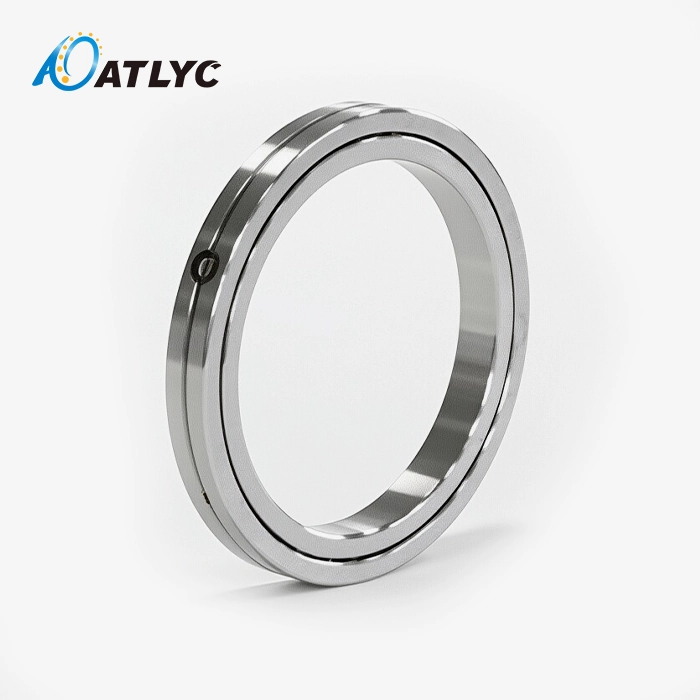
YRTM Rotary Table Bearing significantly enhances CNC performance through its compact integrated structure that combines radial, axial, and moment load capacity into one miniature unit. Unlike traditional multi-bearing arrangements, this space-efficient solution delivers exceptional rotational accuracy and rigidity essential for precision machining operations. The double-row angular contact ball design, paired with precision-ground raceways, ensures consistent positioning accuracy while minimizing vibration and thermal distortion. Manufacturers utilizing these miniature rotary table bearings report measurable improvements in cycle times, surface finish quality, and overall machine uptime, making them indispensable for modern CNC applications where space constraints meet demanding performance requirements.
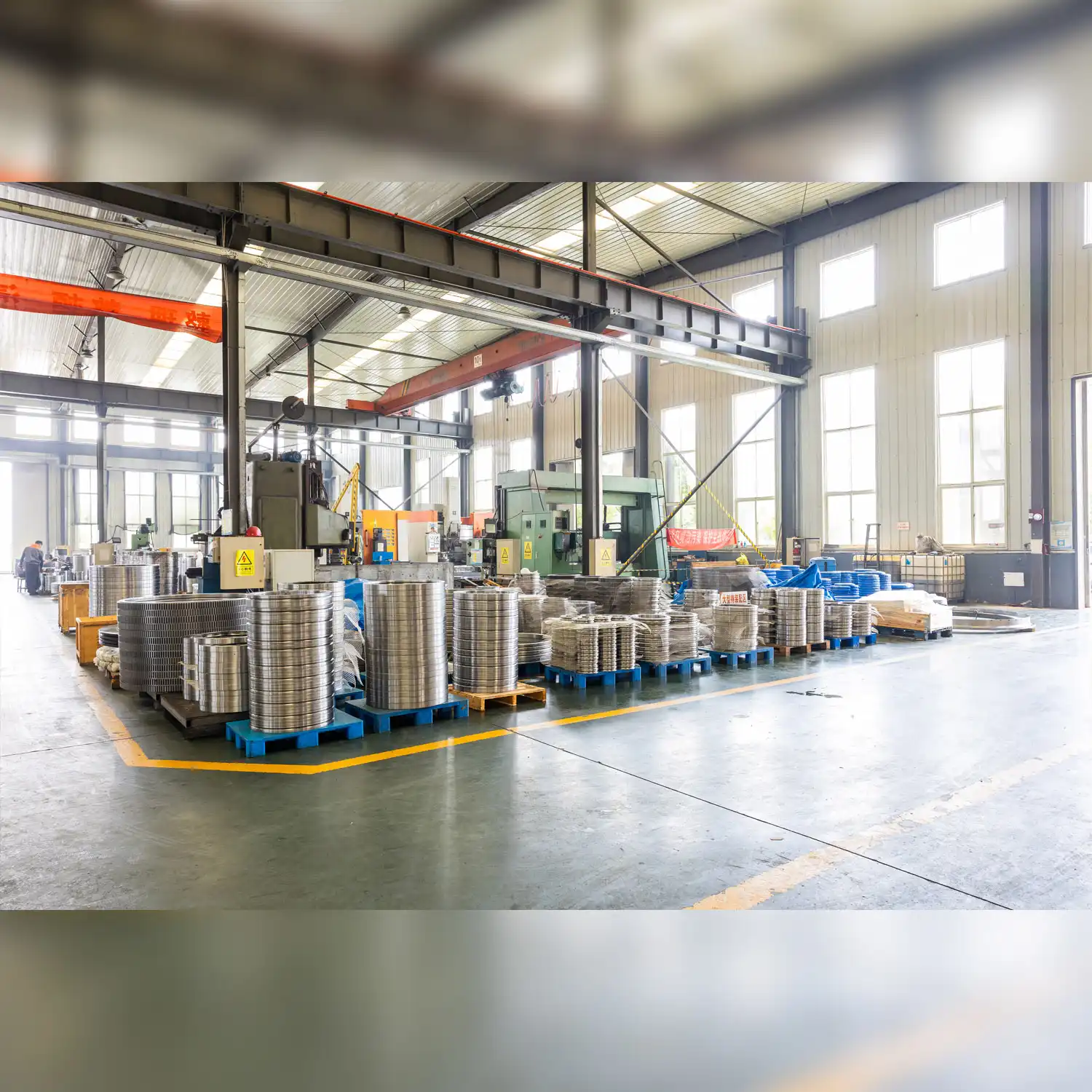
Understanding YRTM Rotary Table Bearings: Key Features and Specifications
Modern CNC machining centers demand components that deliver precision without compromising valuable workspace. We've seen how equipment designers struggle to balance performance requirements against the physical constraints of compact machine designs. This challenge becomes particularly acute in rotary table applications where multiple functions must coexist within limited dimensions.
Integrated Three-Function Design Architecture
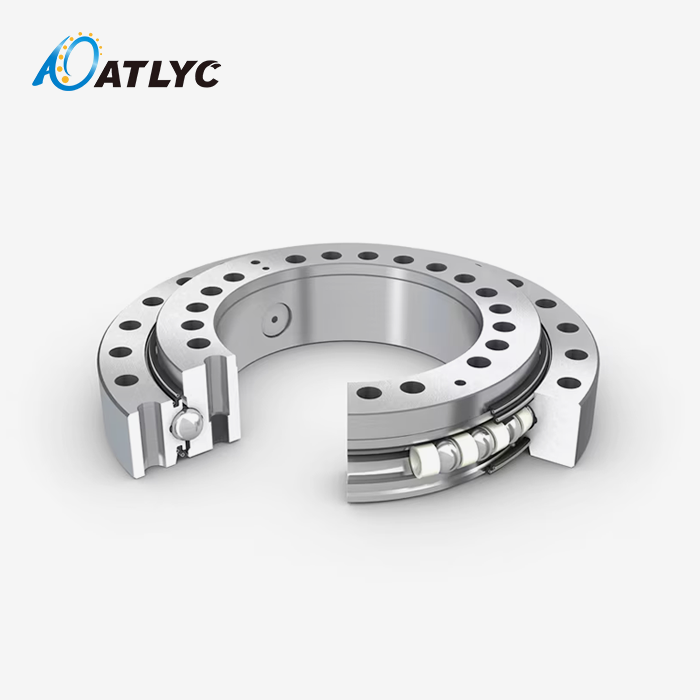
The core innovation within rotary table bearing technology lies in its ability to consolidate multiple bearing functions into a single compact unit. The YRTM series accomplishes this through an integrated structure comprising an outer ring (stationary component), inner ring (rotating element), precision steel balls, and a precisely engineered cage system. This configuration eliminates the complexity associated with assembling separate thrust bearings, radial bearings, and moment-carrying components. When your engineering team specifies a miniature rotary bearing solution, you're essentially replacing what would traditionally require three separate bearing types with one streamlined assembly. The outer ring mounts directly to your machine's stationary housing, while the inner ring connects to the rotating table platform. Between these rings, carefully arranged ball elements handle forces from multiple directions simultaneously.
This consolidation delivers tangible benefits beyond mere space savings. Installation time drops dramatically when technicians work with a single integrated component rather than coordinating multiple bearing assemblies. Alignment tolerances become easier to maintain since the bearing arrives as a precision-matched unit rather than requiring field assembly of separate components. We've observed installation time reductions of 40-60% compared to traditional multi-bearing configurations, directly translating to lower commissioning costs and faster production startup.
Double-Row Angular Contact Ball Configuration
The load-carrying capability of miniature precision bearings depends entirely on how internal elements distribute forces across contact surfaces. Standard single-row bearings excel at handling loads from one primary direction but struggle when forces arrive from multiple angles simultaneously. CNC rotary tables experience exactly this type of complex loading—axial forces from cutting operations, radial loads from workpiece weight distribution, and tilting moments from off-center machining forces.
The double-row angular contact ball arrangement addresses this challenge through strategic geometry. Steel balls sit in two precisely arranged rows, positioned at contact angles typically ranging from 45° to 60° relative to the bearing's axis. This angular orientation creates load paths that effectively handle axial forces, radial forces, and overturning moments within a single compact assembly. When cutting forces push downward on your rotary table, the angled contact points distribute that load across multiple ball elements. When lateral forces develop during heavy side milling, the same geometry channels those forces efficiently through the bearing structure. When moment loads attempt to tilt the table, the dual-row configuration provides the rigidity necessary to maintain positioning accuracy.
Precision-Ground Raceway Manufacturing Standards
Bearing performance ultimately depends on the quality of contact surfaces where steel balls roll against inner and outer rings. We implement precision grinding and super-finishing processes on all raceway surfaces to achieve the dimensional accuracy and surface quality demanded by CNC applications. Raceway profiles maintain tolerances measured in micrometers, ensuring consistent contact geometry across the bearing's entire circumference. Surface roughness values reach levels where individual machining marks become invisible even under magnification, creating the ultra-smooth rolling paths necessary for vibration-free rotation.
This manufacturing precision directly influences several critical performance parameters. Rotational accuracy improves because perfectly round, consistently profiled raceways eliminate the geometric variations that cause runout. Operational smoothness increases since ball elements encounter uniform surface conditions throughout each revolution. Heat generation decreases because friction losses drop when contact surfaces achieve optimal geometry and finish quality. Operating life extends dramatically when rolling elements experience consistent, predictable contact conditions rather than encountering surface irregularities that create localized stress concentrations.
Performance Advantages of YRTM Bearings in CNC Applications
CNC machine builders face ongoing pressure to deliver equipment that machines parts faster, more accurately, and with greater reliability than previous generations. YRTM Rotary Table Bearing performance directly impacts all three objectives. A rigid, accurate rotary positioning system enables tighter tolerances, faster feed rates, and extended periods between maintenance interventions. Conversely, inadequate bearing performance creates bottlenecks that limit overall machine capability regardless of how sophisticated other systems might be.
Enhanced Load Capacity in Compact Dimensions
The miniature designation might suggest compromised capability, but engineering reality tells a different story. Through optimized internal geometry and precision manufacturing, compact rotary bearings deliver load ratings that often surprise engineers accustomed to traditional bearing selection parameters. The integrated three-function design efficiently distributes forces across multiple load paths within a remarkably small envelope. Axial load capacity handles the thrust forces generated during face milling and drilling operations. Radial load capacity supports workpiece weight plus any off-center loading from asymmetric parts. Moment load capacity resists the tilting forces that develop when cutting tools engage workpieces at significant distances from the rotary table centerline.
This capability concentration matters tremendously when designing compact machining centers or retrofitting performance improvements into existing equipment. We've worked with OEM clients who achieved 30% reductions in rotary table assembly height by switching to miniature precision bearings without sacrificing load capacity. That dimensional savings translates directly into either reduced overall machine footprint or additional Z-axis travel within the same machine envelope—both valuable competitive advantages in crowded manufacturing facilities where floor space commands premium costs.
Superior Rotational Accuracy and Positioning Precision
Positioning accuracy defines rotary table quality more than perhaps any other single parameter. When your CNC program commands a 37.5-degree index, the table must achieve exactly that angle within microradians of error. Angular positioning errors propagate through the cutting process, appearing as dimensional inaccuracies in finished parts. On complex contoured surfaces, even microradian-level positioning errors create visible surface defects that require secondary operations to correct—assuming correction remains possible.
Miniature rotary table bearings achieve exceptional positioning accuracy through several synergistic design features. The precision-ground raceways provide uniform geometry that eliminates the variations causing position-dependent runout. The double-row ball arrangement creates balanced load paths that prevent deflection under asymmetric cutting forces. The compact integrated structure minimizes the tolerance stack-up that occurs when multiple components connect in series. Together, these factors enable positioning repeatability measured in arc-seconds rather than arc-minutes, supporting the tolerance requirements of aerospace, medical device, and precision mold manufacturing applications.
Increased Rigidity Minimizing Vibration and Deflection
Machine tool rigidity determines how equipment responds to cutting forces during material removal. Insufficient rigidity allows deflection under load, causing dimensional inaccuracies, poor surface finishes, and premature tool wear. Rotary tables represent a particularly challenging rigidity problem because the rotating interface must simultaneously provide smooth motion while resisting deflection from cutting forces that constantly change direction relative to the machine structure.
The structural characteristics of integrated rotary bearings contribute substantial rigidity advantages. The compact, heavily-loaded double-row ball configuration creates a stiff load path that resists deflection under moment loading. When cutting forces attempt to tilt the rotary table, the preloaded ball-to-raceway contacts throughout the bearing assembly work collectively to oppose that deflection. The integrated design eliminates the compliance points that exist in multi-bearing assemblies where separate components connect through additional interfaces. Each interface introduces potential deflection, so reducing interface count improves overall system rigidity.
Extended Service Life Through Contamination Resistance
Manufacturing environments expose bearings to numerous contamination sources. Coolant mist drifts through machining enclosures. Metal chips accumulate despite comprehensive chip management systems. Temperature variations create condensation that introduces moisture into sensitive areas. Bearing designs must account for these realities rather than assuming idealized laboratory conditions.
Precision rotary table bearings incorporate several contamination resistance features that extend service life in demanding CNC environments. Seal configurations prevent coolant infiltration and chip contamination from reaching critical internal surfaces. The compact integrated structure minimizes the number of potential contamination entry points compared to multi-bearing assemblies with additional interface seals. Internal lubrication systems maintain protective oil films on contact surfaces even when external contamination reaches seal interfaces.
Comparing YRTM Rotary Table Bearings to Other Bearing Types
Specifying appropriate bearings for CNC rotary tables requires understanding how different bearing types perform across parameters critical to machining applications. Load capacity, accuracy, rigidity, service life, and cost all influence the total value delivered throughout equipment operating life. Making informed procurement decisions demands clear comparisons based on objective performance data rather than marketing claims.
Structural Differences from Cross Roller Bearings
Cross roller bearings of the YRTM Rotary Table Bearing type represent an alternative approach to achieving multi-directional load capacity in compact dimensions. These bearings arrange cylindrical rollers perpendicular to each other, alternating 90-degree orientations around the bearing circumference. This crossed-roller configuration handles axial, radial, and moment loads within a thin cross-section, making cross roller bearings popular in rotary table applications.
The fundamental structural difference lies in rolling element geometry and arrangement. Miniature rotary bearings utilize ball elements in angular contact arrangements, while cross roller bearings employ cylindrical rollers in alternating orientations. Each approach offers distinct advantages. Ball bearings generally achieve lower friction and higher speed capability because ball-to-raceway contact occurs at points rather than along lines. Cross roller bearings typically deliver higher load capacity and rigidity because line contact distributes forces over larger areas.
Performance Comparison with Premium Bearing Brands
OEM purchasers frequently evaluate bearings from established global brands, including NSK, SKF, and specialized manufacturers. Understanding relative performance helps procurement teams make evidence-based decisions rather than relying solely on brand reputation. We've conducted extensive comparative testing across multiple performance parameters relevant to CNC applications.
Load capacity comparisons reveal that properly engineered miniature rotary table bearings deliver performance comparable to premium brand offerings of equivalent dimensions. The double-row angular contact configuration efficiently distributes forces regardless of which manufacturer designed the bearing, assuming comparable manufacturing quality. Independent testing shows axial load ratings within 5-10% across competing products of identical dimensions when all bearings meet ISO 9001 and IATF 16949 manufacturing standards.
Lifecycle Cost and Maintenance Requirements
Equipment purchasers increasingly evaluate bearings based on total cost over the entire service life rather than focusing narrowly on initial acquisition price. This comprehensive perspective accounts for all expenses associated with bearing ownership from purchase through eventual replacement.
Initial acquisition cost represents the most visible expense component. Premium brand bearings often command price premiums based on brand reputation, regardless of whether performance justifies that premium. Manufacturers meeting identical quality certifications (ISO 9001, IATF 16949) and producing to the same dimensional and performance standards deliver functionally equivalent products. Procurement teams purchasing based on verified specifications rather than brand names typically achieve 25-35% cost reductions without compromising performance or reliability.
Maintenance, Troubleshooting, and Maximizing Bearing Lifespan
Even the highest-quality precision bearings require appropriate maintenance practices to achieve maximum service life. The difference between premature failure at 5,000 hours and successful operation exceeding 20,000 hours often comes down to maintenance quality rather than bearing quality. We've developed maintenance recommendations based on field experience across thousands of CNC installations spanning automotive, aerospace, and industrial machinery applications.
Lubrication Schedules and Best Practices
Proper lubrication maintains protective oil films on contact surfaces, prevents corrosive attack, flushes contaminants from critical areas, and dissipates frictional heat. Lubrication deficiencies represent the leading cause of premature bearing failure in CNC applications. Either insufficient lubricant quantity or degraded lubricant quality allows metal-to-metal contact that rapidly accelerates wear and generates damaging heat.
Lubrication interval determination depends on several operational factors, including rotational speed, load intensity, operating temperature, and environmental contamination levels. General guidelines suggest inspection and relubrication every 8,000 operating hours for rotary table bearings in typical CNC machining environments. Higher-temperature applications or particularly contaminated environments justify shorter intervals of 5,000-6,000 hours. Clean, climate-controlled environments with moderate loads might extend intervals to 10,000-12,000 hours. Automated lubrication systems eliminate manual intervention requirements while ensuring a consistent lubricant supply.
Routine Inspection Procedures and Warning Signs
Systematic inspection routines for YRTM Rotary Table Bearing detect developing problems before they cause catastrophic failures and unplanned downtime. Well-designed preventive maintenance programs schedule regular inspections aligned with production schedules to minimize disruption. Inspection procedures need not require extensive bearing disassembly—many condition indicators become apparent through external observation and simple measurements.
Temperature monitoring provides early warning of developing problems. Bearing operating temperature typically stabilizes 20-30°C above ambient during normal operation. Temperature increases of 10-15°C above baseline suggest developing issues requiring investigation. Possible causes include lubricant degradation, increased friction from contamination, preload changes from wear or loosening, or damage to rolling elements or raceways. Handheld infrared thermometers or permanently mounted temperature sensors enable consistent monitoring without production interruption.
Authorized Supplier Importance and Warranty Coverage
Bearing authenticity matters more than many purchasers realize. Counterfeit bearings represent an ongoing problem throughout global supply chains, particularly affecting well-known brands. These unauthorized copies often appear visually identical to genuine products but lack the metallurgy, heat treatment, and precision manufacturing that deliver reliable performance. Installing counterfeit bearings introduces unpredictable failure risks that can damage expensive machinery and create safety hazards.
Purchasing through authorized distributors ensures product authenticity while providing access to technical support and warranty coverage. Authorized channels maintain direct relationships with manufacturers, guaranteeing genuine products and proper storage conditions. We maintain complete traceability from manufacturing through customer delivery, with quality documentation available for every bearing shipment. This traceability supports quality initiatives while enabling rapid response if any field issues emerge.
Procurement and Supply Considerations for YRTM Bearings
Supply chain reliability influences production equipment availability as directly as bearing quality itself. The highest-performing bearings deliver zero value if they remain unavailable when needed for initial machine builds or replacement maintenance. Procurement teams responsible for bearing sourcing must evaluate suppliers across multiple dimensions beyond product specifications and pricing.
Availability, Lead Times, and Custom Order Capabilities
Standard product availability eliminates delays when building new equipment or restocking maintenance inventory. We maintain a substantial stock of commonly specified miniature rotary table bearings in standard sizes covering the majority of CNC rotary table applications. This inventory positioning enables rapid fulfillment—typically 3-5 business days from order receipt to shipment for stock configurations. Quick delivery supports just-in-time manufacturing strategies while minimizing customers' inventory carrying costs.
Custom specifications introduce additional lead time requirements based on modification complexity. Minor variations from standard products—such as alternative seal configurations or specific preload adjustments—typically add 2-3 weeks to delivery schedules. Substantial customization involving unique dimensions or special materials requires 6-8 weeks to accommodate design verification, tooling preparation, and manufacturing scheduling. Early engagement during equipment design phases allows custom bearing development without impacting overall project timelines.
Cost-Effectiveness Analysis and Return on Investment
Value assessment requires analyzing total costs and benefits rather than focusing narrowly on acquisition price. The lowest-cost bearing rarely delivers the best value when accounting for performance differences, reliability variations, and lifecycle expenses. A comprehensive cost-effectiveness analysis provides the foundation for sound procurement decisions.
Direct acquisition costs represent the starting point. Comparing quoted prices across suppliers reveals significant variations—often 30-40% between premium brands and certified manufacturers from emerging markets. Procurement teams must verify that comparisons account for equivalent specifications, quality certifications, and warranty terms. Price differences between functionally equivalent products represent genuine savings opportunities rather than quality compromises.
Verification of Authorized Distributors and Product Authenticity
Supply chain integrity protects against counterfeit products while ensuring access to technical support and warranty coverage. Unauthorized distribution channels introduce risks that far outweigh any potential cost savings. We've encountered situations where customers purchased significantly discounted "equivalent" products from unauthorized sources, only to experience premature failures that caused expensive machine damage and production losses.
Distributor authorization verification should precede any substantial bearing purchase. Manufacturers maintain current lists of authorized distributors with territories and contact information. Luoyang Auto Bearing Co., Ltd. provides distributor verification through our website and customer service team—contact us directly to confirm whether a potential supplier maintains authorized status. Authorized distributors receive regular technical training, access to engineering support resources, and priority allocation during high-demand periods.
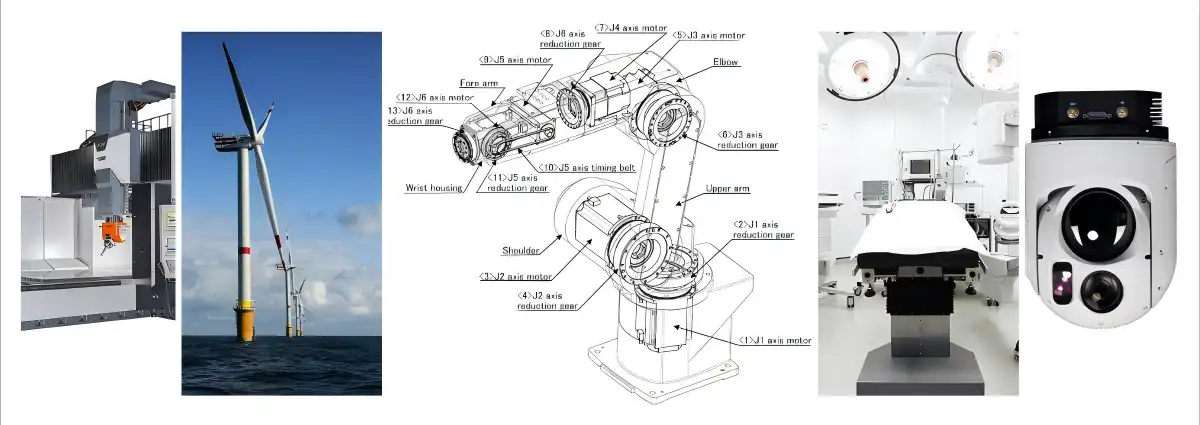
Conclusion
YRTM Rotary Table Bearing technology represents a sophisticated engineering solution addressing the simultaneous demands for compact dimensions, multi-directional load capacity, and exceptional positioning accuracy in modern CNC applications. The integrated three-function design consolidates thrust, radial, and moment load handling into remarkably small envelopes without compromising performance. Double-row angular contact ball configurations distribute forces efficiently while precision-ground raceways deliver the accuracy and smoothness demanded by precision machining operations. Comprehensive lifecycle cost analysis consistently demonstrates that certified manufacturers delivering premium performance at competitive pricing provide superior total value compared to brand-premium alternatives. Proper maintenance practices, including systematic lubrication schedules and routine inspections, maximize bearing service life while preventing costly unplanned downtime. Procurement through authorized channels ensures product authenticity and access to technical support resources that enhance successful application outcomes.
FAQ
Are miniature rotary bearings compatible with my existing CNC equipment?
Compatibility depends on mounting dimensions, load requirements, and accuracy specifications. YRTM series bearings follow standardized dimensional formats that often enable direct replacement of cross roller bearings or traditional multi-bearing arrangements. We recommend reviewing your equipment's mounting interface dimensions and required load capacities—our engineering team provides compatibility analysis based on your specific machine configuration and application requirements.
How do I extend bearing service life in heavy-duty applications?
Service life maximization requires attention to lubrication quality, contamination prevention, and operating conditions. Implement scheduled relubrication at 6,000-8,000-hour intervals using manufacturer-recommended greases. Verify that sealing systems effectively exclude coolant and chips from bearing interfaces. Monitor operating temperatures to detect developing problems early. Maintain proper preload specifications as wear occurs over extended operation. Consult our technical support team for application-specific recommendations.
Can YRTM bearings be customized for specialized applications?
Customization capabilities include dimensional modifications, alternative seal configurations, special preload adjustments, and material variations for extreme environments. Minor customizations typically require 2-3 weeks additional lead time, while substantial design changes need 6-8 weeks for engineering verification and manufacturing preparation. Early collaboration during equipment design phases enables optimal bearing specification without project delays.
Partner with ATLYC for Your Precision Bearing Requirements
ATLYC delivers precision-engineered YRTM Rotary Table Bearing solutions backed by ISO 9001 and IATF 16949 certifications, ensuring consistent quality meeting international standards. Our 15-year manufacturing heritage combines advanced production capabilities across six specialized workshops with technical expertise supporting automotive, aerospace, and industrial machinery applications worldwide. We maintain a substantial inventory of standard configurations for rapid delivery while offering comprehensive customization capabilities for specialized requirements. Procurement managers seeking reliable YRTM Rotary Table Bearing suppliers benefit from our competitive pricing structure, delivering 25-30% cost advantages without compromising performance or reliability. Connect with our engineering team at auto@lyautobearing.com to discuss your specific application requirements, request detailed technical specifications, or obtain project quotations. Our global logistics network ensures dependable delivery to customers throughout North America, Europe, and the Asia-Pacific markets.
References
1. Harris, T. A., & Kotzalas, M. N. (2021). Advanced Concepts of Bearing Technology: Rolling Bearing Analysis (6th ed.). CRC Press.
2. Weck, M., & Brecher, C. (2020). Machine Tools Production Systems 2: Design and Calculation Fundamentals. Springer-Verlag.
3. Palmgren, A. (2019). Ball and Roller Bearing Engineering (Revised 3rd Edition). SKF Industries Publication.
4. ISO 199:2014, Rolling bearings – Thrust bearings – Geometrical product specifications (GPS) and tolerance values. International Organization for Standardization.
5. Budynas, R. G., & Nisbett, J. K. (2022). Shigley's Mechanical Engineering Design (12th Edition). McGraw-Hill Education.
6. Schmitt, R., & Pfeifer, T. (2021). Quality Management: Strategies, Methods, Techniques (5th Edition). Hanser Publications.
Learn about our latest products and discounts through SMS or email