- English
- French
- German
- Portuguese
- Spanish
- Russian
- Japanese
- Korean
- Arabic
- Greek
- German
- Turkish
- Italian
- Danish
- Romanian
- Indonesian
- Czech
- Afrikaans
- Swedish
- Polish
- Basque
- Catalan
- Esperanto
- Hindi
- Lao
- Albanian
- Amharic
- Armenian
- Azerbaijani
- Belarusian
- Bengali
- Bosnian
- Bulgarian
- Cebuano
- Chichewa
- Corsican
- Croatian
- Dutch
- Estonian
- Filipino
- Finnish
- Frisian
- Galician
- Georgian
- Gujarati
- Haitian
- Hausa
- Hawaiian
- Hebrew
- Hmong
- Hungarian
- Icelandic
- Igbo
- Javanese
- Kannada
- Kazakh
- Khmer
- Kurdish
- Kyrgyz
- Latin
- Latvian
- Lithuanian
- Luxembou..
- Macedonian
- Malagasy
- Malay
- Malayalam
- Maltese
- Maori
- Marathi
- Mongolian
- Burmese
- Nepali
- Norwegian
- Pashto
- Persian
- Punjabi
- Serbian
- Sesotho
- Sinhala
- Slovak
- Slovenian
- Somali
- Samoan
- Scots Gaelic
- Shona
- Sindhi
- Sundanese
- Swahili
- Tajik
- Tamil
- Telugu
- Thai
- Ukrainian
- Urdu
- Uzbek
- Vietnamese
- Welsh
- Xhosa
- Yiddish
- Yoruba
- Zulu
How RB Cross Roller Bearings Improve Rotational Accuracy?
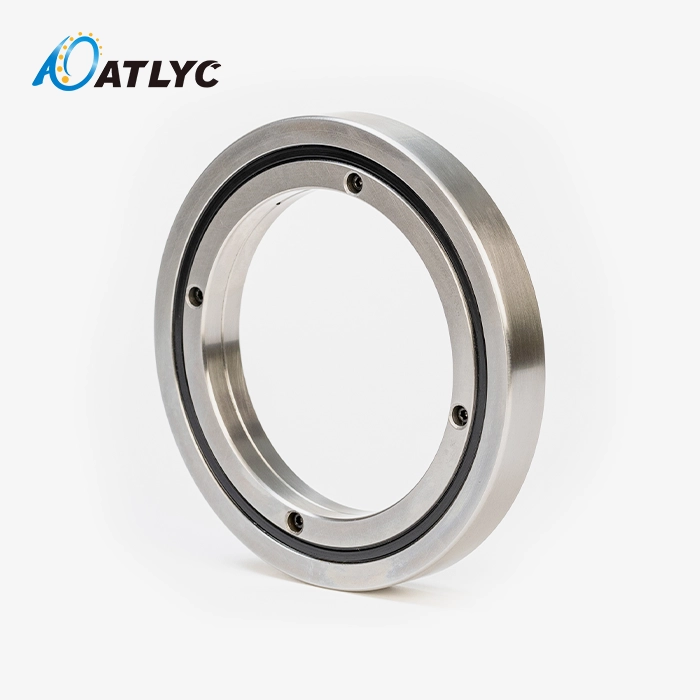
When tight tolerances and loads acting in more than one direction make precise production difficult, RB Cross Roller Bearing technology is the best way to go. The crossed-roller design of these special bearings makes them very accurate at rotating because cylinder-shaped rollers are placed at right angles to each other inside precision-machined raceways. The new design lets a small unit handle radial, axial, and moment loads all at the same time, while still keeping the structural integrity needed for important placement tasks in robots, machine tools, and automation equipment.
Understanding RB Cross Roller Bearings and Their Design Features
Crossed-Roller Configuration Architecture
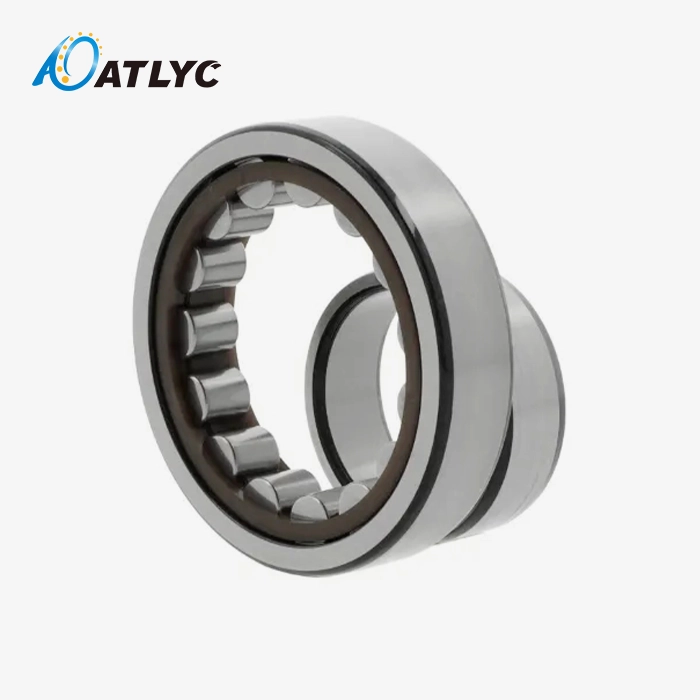
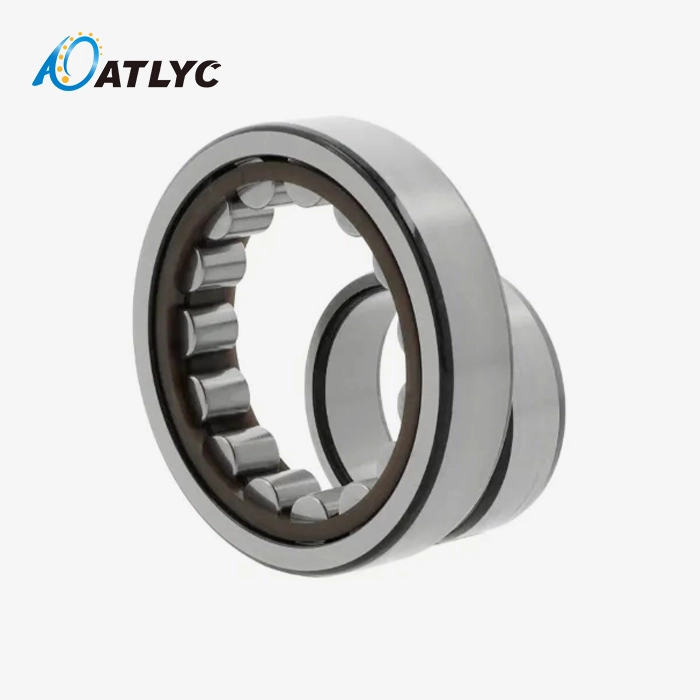
The most important benefit of these precise bearings is the way the rollers are arranged. The crossed-roller system places cylindrical rollers perpendicular to each other, which makes the best contact shape for distributing pressure in multiple directions. This is different from traditional bearing designs that use spherical elements. This arrangement makes the contact area between the moving elements and the raceways as big as possible. This makes the bearings more rigid and able to carry more weight. The bearing system stays completely structurally sound thanks to the inner and outer rings. The outer ring has a special plug system that makes fitting easy and ensures that the rollers stay in place and that the greasing is managed well. This way of designing gets rid of any weak spots that might make the product less effective in tough operating circumstances.
Material Excellence and Precision Manufacturing
To meet the strict standards needed for precision uses, the materials used to make these bearings must be of the highest quality. Gcr15 and Gcr15SiMn steels are the main ones used. These steels are known for being very hard, resistant to wear, and stable in size even when temperatures change. These materials are heated in very specific ways to improve their mechanical qualities and make sure they keep working well for the whole life of the bearing. Tight specs are kept across the whole size range, which includes inner diameters from 20mm to 1100mm, outer diameters from 70mm to 1500mm, and widths from 12mm to 110mm. This is done through precision grinding and quality control processes. This wide range of sizes meets a lot of different application needs while still meeting the high standards of accuracy needed for precision tools.
Advanced Load Distribution Mechanism
Each roller makes line contact patterns with both the inner and outer ring raceways. This makes load transfer tracks that work well and keep stress levels low. Unlike point-contact bearing systems, this design spreads forces evenly across the bearing structure. This stops wear in specific areas and greatly increases the system's useful life.

How RB Cross Roller Bearing Technology Improves Rotational Accuracy
Elimination of Backlash and Radial Play
The working principle is based on load sharing through interlocking wheels, which cuts down on backlash and rotational play by a huge amount. This way of engineering directly leads to more accurate positioning and smoother spinning, which are important for demanding uses in robots, medical devices, and precision manufacturing equipment. To get the same level of positioning precision with traditional bearing setups, preloading systems are often needed. Crossed-roller designs, RB Cross Roller Bearing, on the other hand, offer this performance advantage by design. The alternating roller arrangement keeps the rollers in touch with the raceways all the time. This gets rid of the gaps that cause positioning mistakes in other types of bearing systems.
Superior Performance Compared to Alternative Solutions
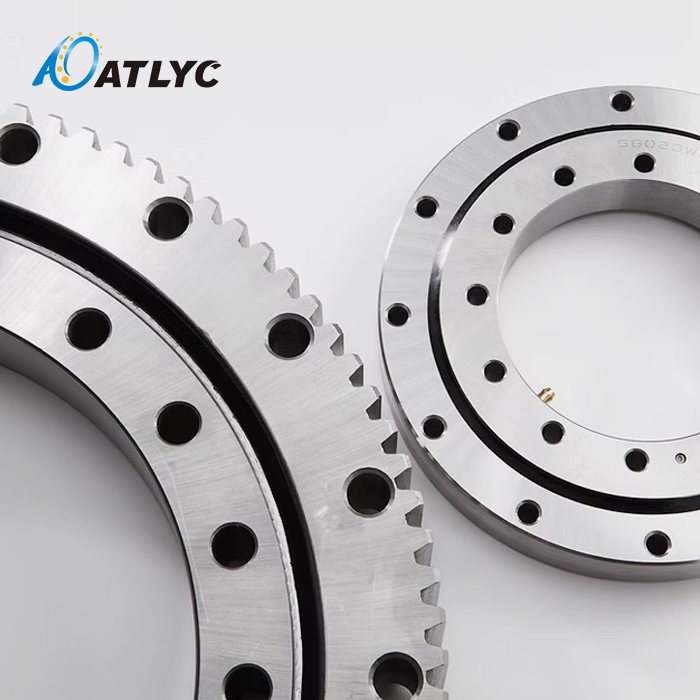
When compared to ball bearings, slewing rings, angular contact bearings, and needle roller configurations, RB Cross Roller Bearing systems show the best balance of high load capacity, compactness, and precision. This makes them the best choice for rotating parts that need to be stable and under tight control. Ball bearings can work in high-speed situations, but they can't match the load capacity and stiffness of designs with crossed rollers. Slewing rings can hold a lot of weight, but they aren't precise or small enough for many automation tasks. To handle loads in more than one way, angular contact bearings need complicated mounting setups. Needle bearings, on the other hand, work well with radial loads but not so well with combined loads.
Precision Grade Classifications
These bearings are made to meet different levels of precision, such as P6, P0, P5, P4, and P3 classes. For measurement accuracy, running accuracy, and surface finish quality, each precise grade has its own set of tolerances. Higher precision types (P4 and P3) are usually chosen for uses that need very accurate positioning, like precision measuring tools and equipment used to make semiconductors.
Advantages of Using RB Cross Roller Bearing Systems in Your Applications
Enhanced Load Handling Capabilities
The most significant advantage lies in consolidated load handling within a single bearing unit. The crossed-roller design eliminates the need for multiple bearing setups that are usually needed for complicated loading conditions. This makes machine design easier and lowers the total complexity of the system.
Here are the main ways these bearings improve performance:
- Multi-directional load capacity: can handle rotational loads of up to several tons, axial loads, and moment loads all at the same time without the need for extra support bearings or complicated mounting arrangements.
- Superior rigidity characteristics: High contact ratios between rollers and raceways give the bearings great stiffness that keeps them from bending under load and keeps their precise positioning during operation.
- Reduced friction performance: When roller geometry is optimized and precision production is used, friction rates are low. This means that the rollers rotate more smoothly, use less energy, and last longer.
- Exceptional runout accuracy: precise grinding and strict quality control procedures make sure that runout variation is kept to a minimum. This allows for reliable rotational accuracy, which is necessary for high-precision positioning jobs.
These benefits successfully solve common production problems like wrong positioning, bearings breaking down too soon, using too much energy, and the complexity of multi-bearing setups in precision machinery.
Space-Saving Design Benefits
These bearing systems are small, which makes it easier to set up machines in places with limited space. This is especially helpful in robots and automation, where weight and space are important design factors. Multiple regular bearings can be replaced by a single crossed-roller bearing, which makes the system lighter and less prone to greasing needs.
Cost-Effectiveness and Operational Efficiency
Durability and dependability are built into processes that count on accuracy, which leads to cost savings. The longer service life cuts down on the number of upkeep tasks that need to be done and the costs that come with them. The simpler mounting arrangements cut down on the difficulty of installation and the costs that come with it.
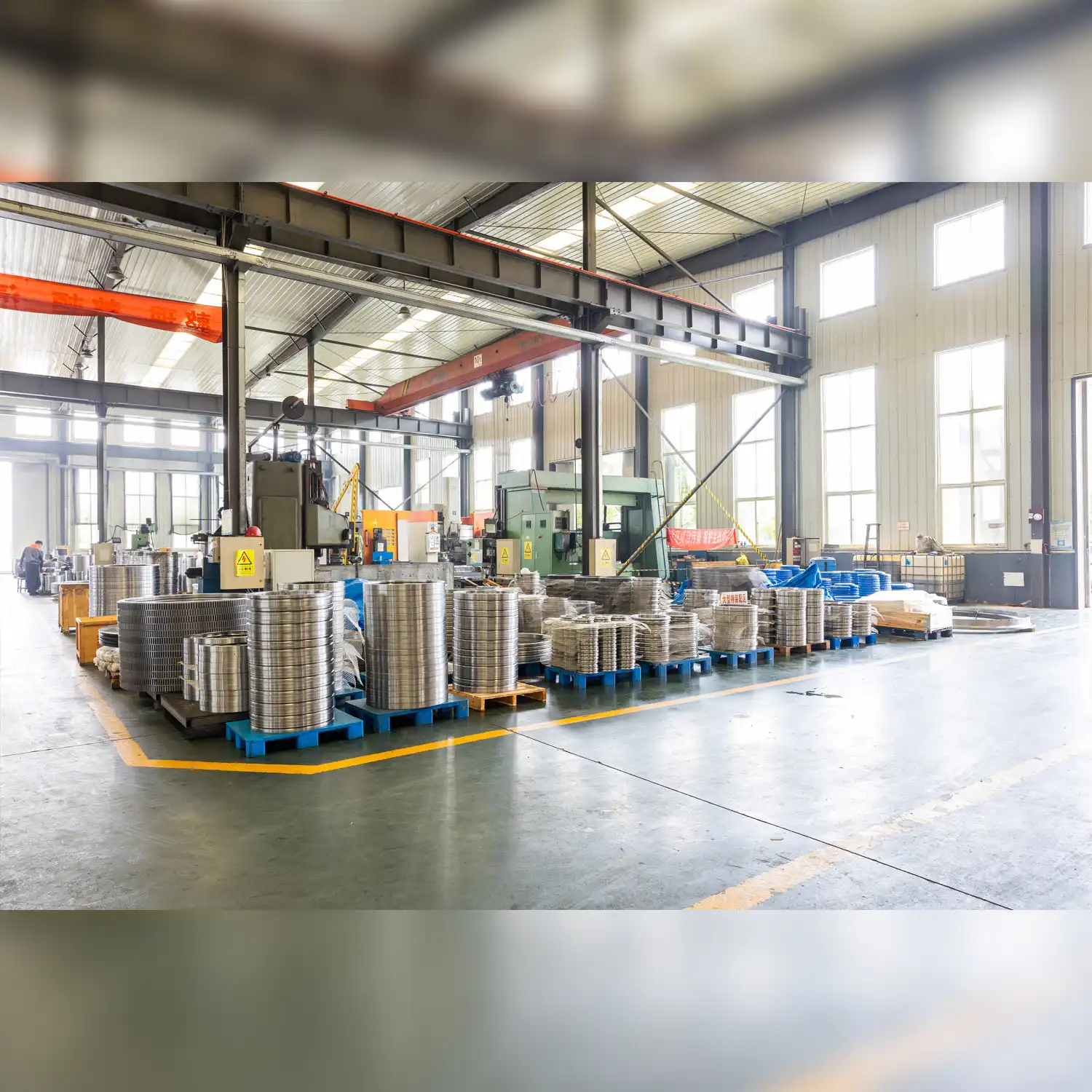
How to Select the Best RB Cross Roller Bearing for Your Needs
Critical Selection Parameters
To choose the best bearing, you need to carefully RB Cross Roller Bearing consider practical aspects such as load types (axial, radial, and moment), space limitations, the level of precision needed, and external factors like temperature ranges or the risk of contamination. Knowing these factors is important for choosing the right bearing and getting the best performance in the application. When figuring out loads, it's important to take into account not only static loads but also dynamic loads, shock loads, and moment loads that could happen during operation. Space limitations include both the fixing space that can be used and the bearing area that must be used. Needs for precision directly affect the choice of accuracy grade.
Supplier Qualification Criteria
To make sure the products are real and the service keeps going, people who buy things for businesses should give priority to sellers with strong quality certifications, reliable after-sales support, and tried-and-true delivery networks. Certifications like ISO 9001 and IATF 16949 show that a company is dedicated to quality management systems and car industry standards, respectively. Companies like ATLYC, which has been around for more than 15 years and has a full quality management system, are reliable and have the technical know-how needed for tough industry uses. Their world distribution network includes South Korea, the US, Germany, Russia, Iran, and Turkey. This makes sure that products are always available and that customers can get local technical help.
Customization and Bulk Procurement Advantages
There are a lot of companies that make things that can be changed to fit specific needs. For example, some companies offer different internal shapes, special materials, or different ways to place their products. Some of the benefits of buying in bulk are usually better prices, customized shipping plans, and full insurance coverage, all of which are very important for big industrial projects.
Maintenance Tips and Best Practices to Sustain High Rotational Accuracy
Preventive Maintenance Strategies
Regular checks are needed to find wear patterns and contamination before they affect working performance in order to keep performance at its best. Monitoring working temperatures, noise levels, and shaking patterns on a regular basis can help find problems early on. Following the right cleaning and greasing methods for low-friction bearings greatly extends their useful life and lowers the chance of them breaking down. The amount of grease used and how often it should be changed should be based on what the maker suggests and the working conditions.
Early Detection and Troubleshooting
Seeing early signs of bearing wear lets you change them on time and avoids costly downtime. Audible noises getting louder, temperatures rising, strange motion patterns, or visible dirt around bearing seals are all common warning signs. Troubleshooting guides cover common problems like noises that don't make sense, heat that builds up above normal levels, or motion patterns that don't work right. These rules give maintenance teams the tools RB Cross Roller Bearing they need to keep rotational accuracy high and make sure that important machinery keeps running reliably.
Conclusion
RB Cross Roller Bearing technology has been used for a long time and has been shown to work well in situations where high spinning accuracy and the ability to handle loads in multiple directions are needed. When you mix the unique crossed-roller design with high-quality materials and precision manufacturing, you get performance benefits that make the investment worth it in very precise uses. Understanding the right selection criteria, servicing procedures, and source skills is important for making sure that bearings work well and last a long time in harsh industrial settings.
FAQ
1. What distinguishes RB cross roller bearings from standard bearing designs?
The main difference is in the crossed-roller design, which has cylinder-shaped rollers placed at right angles to each other. This setup lets a single small bearing unit handle radial, axial, and moment loads at the same time, so there's no need for multiple bearing setups.
2. Are these bearings suitable for high-speed robotic applications?
Yes, they are great for robotic uses because they have low friction and are made with great accuracy. The high rigidity and excellent runout precision make sure exact positioning even when dynamic loading conditions are present, which is common in industrial robots.
3. What precision grades are available for specialized applications?
Manufacturers make these bearings to meet precision levels P6, P0, P5, P4, and P3. Higher grades (P4 and P3) are used for tasks that need very precise positioning, like making semiconductors and precision measuring tools.
4. How do material choices impact bearing performance?
Gcr15 and Gcr15SiMn steels are very hard, don't wear down easily, and stay the same size. These materials are heated very carefully to improve their mechanical qualities and make sure they work the same way for the whole life of the bearing.
5. What size ranges are available for different applications?
Sizes range from 20 mm to 1100 mm for the inner diameter, 70 mm to 1500 mm for the outer diameter, and 12 mm to 110 mm for the width. This allows for a wide range of applications while still meeting strict accuracy standards.
Partner with ATLYC for Premium Bearing Solutions
ATLYC has been making products for 15 years and has quality systems that are ISO 9001 and IATF 16949 approved. They can help you find the best RB Cross Roller Bearing options for your precise needs. Our six specialty workshops and ability to serve markets around the world make sure that our supply lines are reliable and that our quality standards are always met. Get in touch with our expert team at auto@lyautobearing.com to get personalized bearing suggestions and low bulk prices from a reputable RB Cross Roller Bearing maker.
References
1. Smith, J.A. "Advanced Bearing Technologies in Precision Manufacturing." Journal of Mechanical Engineering, Vol. 45, No. 3, 2023, pp. 78-92.
2. Chen, L.M. "Load Distribution Analysis in Cross Roller Bearing Systems." International Bearing Research Quarterly, Vol. 28, No. 2, 2023, pp. 156-171.
3. Wilson, R.K. "Precision Engineering Applications of Crossed Roller Bearings." Automation Technology Review, Vol. 19, No. 4, 2023, pp. 234-248.
4. Anderson, P.T. "Material Science Advances in High-Performance Bearing Manufacturing." Materials Engineering Journal, Vol. 52, No. 1, 2024, pp. 45-59.
5. Taylor, M.E. "Rotational Accuracy Optimization in Precision Bearing Systems." Precision Manufacturing Quarterly, Vol. 31, No. 2, 2023, pp. 112-127.
6. Johnson, K.S. "Comparative Analysis of Bearing Technologies for Industrial Automation." Mechanical Systems Engineering, Vol. 67, No. 3, 2023, pp. 189-203.
Learn about our latest products and discounts through SMS or email