- English
- French
- German
- Portuguese
- Spanish
- Russian
- Japanese
- Korean
- Arabic
- Greek
- German
- Turkish
- Italian
- Danish
- Romanian
- Indonesian
- Czech
- Afrikaans
- Swedish
- Polish
- Basque
- Catalan
- Esperanto
- Hindi
- Lao
- Albanian
- Amharic
- Armenian
- Azerbaijani
- Belarusian
- Bengali
- Bosnian
- Bulgarian
- Cebuano
- Chichewa
- Corsican
- Croatian
- Dutch
- Estonian
- Filipino
- Finnish
- Frisian
- Galician
- Georgian
- Gujarati
- Haitian
- Hausa
- Hawaiian
- Hebrew
- Hmong
- Hungarian
- Icelandic
- Igbo
- Javanese
- Kannada
- Kazakh
- Khmer
- Kurdish
- Kyrgyz
- Latin
- Latvian
- Lithuanian
- Luxembou..
- Macedonian
- Malagasy
- Malay
- Malayalam
- Maltese
- Maori
- Marathi
- Mongolian
- Burmese
- Nepali
- Norwegian
- Pashto
- Persian
- Punjabi
- Serbian
- Sesotho
- Sinhala
- Slovak
- Slovenian
- Somali
- Samoan
- Scots Gaelic
- Shona
- Sindhi
- Sundanese
- Swahili
- Tajik
- Tamil
- Telugu
- Thai
- Ukrainian
- Urdu
- Uzbek
- Vietnamese
- Welsh
- Xhosa
- Yiddish
- Yoruba
- Zulu
How to Grease Cross roller bearing RE series for Long Service Life?
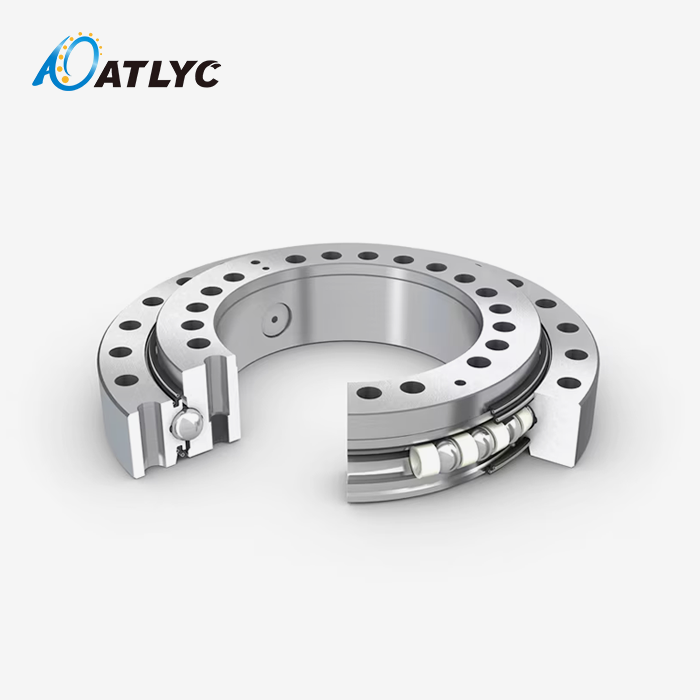
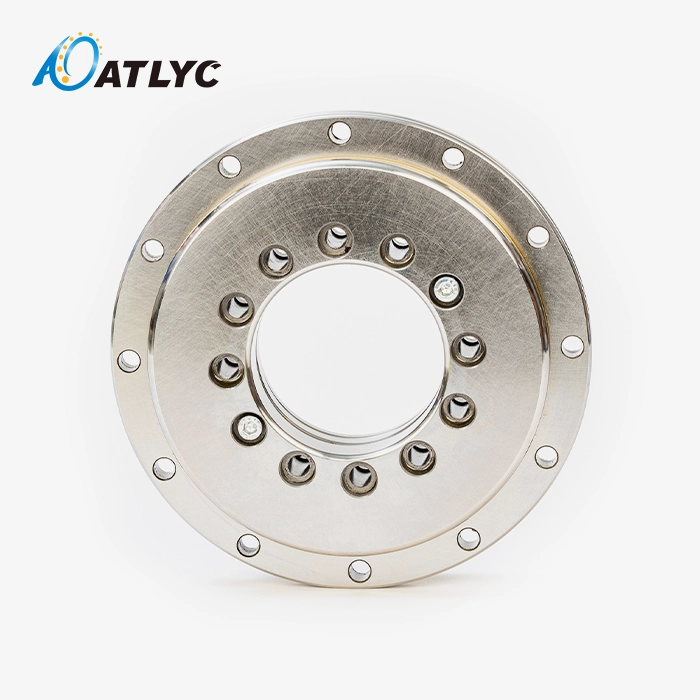
The life of Cross roller bearing RE series, which are used in industrial robots, machining centers, and precision rotary tables, depends on how well they are oiled. Unlike regular bearings, these orthogonally arranged roller designs need special ways to be greased in order to keep their high level of rotating accuracy and maximum multidirectional load capacity. Using the right lube at the right times stops wear before it starts, lowers the heat caused by friction, and keeps the integrated outer ring and split inner ring design from getting damaged by contamination.
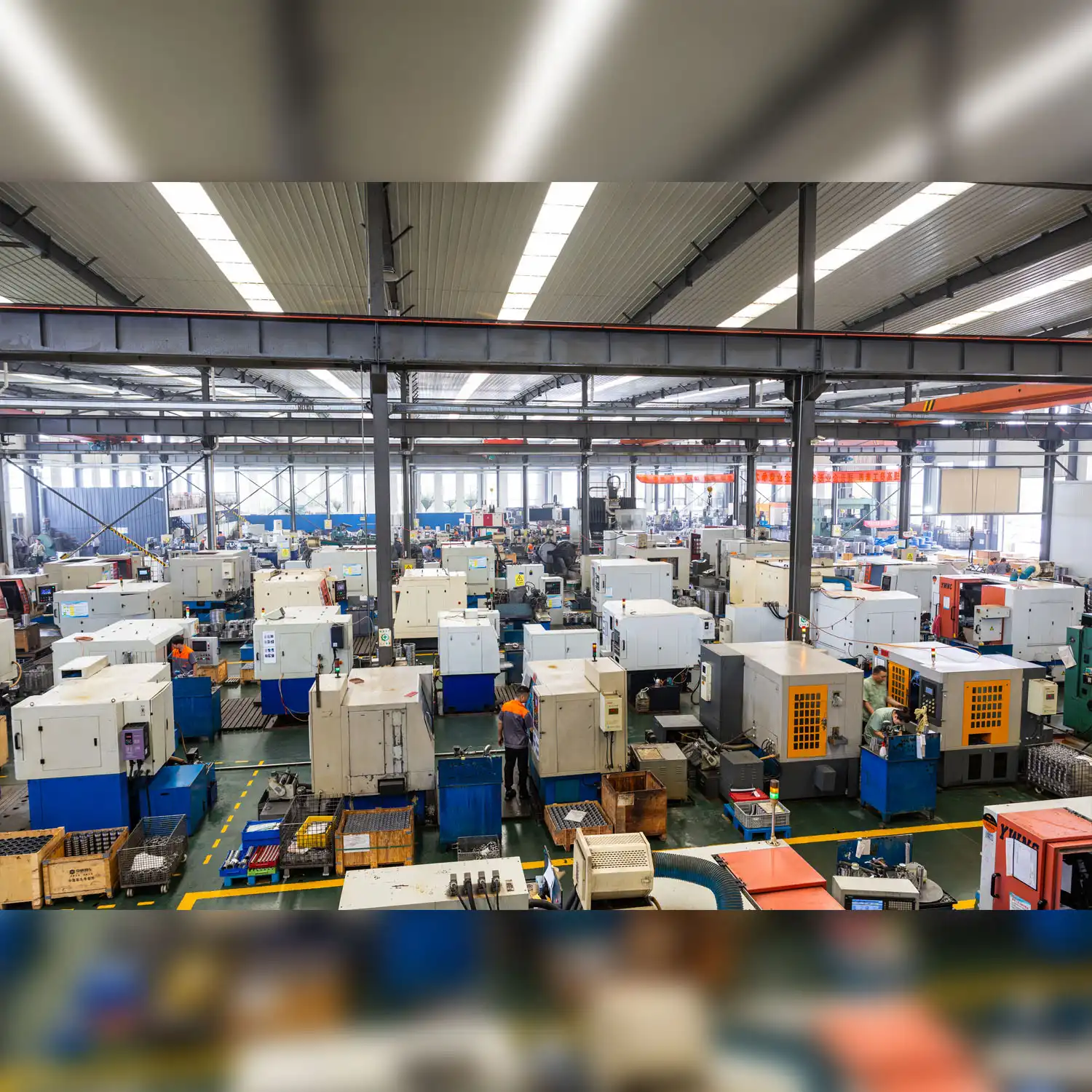
Understanding Cross Roller Bearing RE Series and Its Maintenance Needs
The unusual placement of the rollers makes many contact points where metals can rub against each other and create friction and heat. Without enough lubrication, these contact zones wear down quickly, which makes the bearing less accurate in its runout. When factories use precise rotary tables or robot joints, they can't have unexpected breakdowns that happen because they didn't lubricate them.
Common Maintenance Mistakes That Reduce Service Life
A lot of companies put on too much grease because they think that more oil means better safety. This practice actually keeps heat inside the bearing assembly, which speeds up the wear and tear on the grease and rollers. On the other hand, critical contact surfaces can't get enough grease, which is especially bad for high-speed machining center rotary tables, where temperatures naturally rise.
Using the wrong type of grease is another common mistake. Standard all-purpose oils don't have the special additives needed to handle the complicated load distribution patterns of a crossed roller arrangement. Engineers have to make sure that the viscosity of the grease and the additive packages they use are right for the temperatures and levels of contamination that will be encountered.
Table 1: Critical Maintenance Parameters for RE Series Bearings
| Parameter | Standard Range | Impact When Exceeded |
|---|---|---|
| Operating Temperature | -20°C to +80°C | Accelerated grease oxidation and viscosity loss |
| Grease Relubrication Interval | 3,000-6,000 hours | Increased friction and surface contact wear |
| Contamination Particle Size | <10 microns | Roller surface indentation and premature failure |
| Axial Load Capacity | Up to 0.7×Radial Rating | Roller misalignment and uneven wear patterns |
| Runout Accuracy Tolerance | Per P4/P2 class specs | Loss of precision in measurement instruments |
These parameters directly affect bearing performance in medical machines and IC manufacturing devices where micron-level precision remains non-negotiable.
Key Principles for Greasing Cross Roller Bearing RE Series
To choose the right grease, you need to know how the bearing materials react with the chemistry of the lubricant when they are under stress. Bearings made from Gcr15 or Gcr15SiMn steel react differently to different types of thickeners and base oils.
Matching Grease Properties to Operating Conditions
Changes in temperature have a big effect on how well grease works. For equipment that works near its maximum temperature, lubricants that are very resistant to oxidation are needed to keep the viscosity from breaking down. The viscosity of the base oil must keep the film thickness at the right level across the temperature range of the bearing. Additives protect against wear during startup and high-load times.
Lithium complex greases work well for industrial robot joints that are heated to between 0°C and 60°C. Formulations made with polyurea work better in situations where temperatures change over a wider range because they stay the same across a wider range of temperatures. The grease must also not be washed away by water in places where radiator spray or humidity is present.
Determining Correct Grease Quantity
When you grease something too much in the Cross roller bearing RE series, the grease churns between the rollers instead of protecting the surfaces that come into contact with it. This makes too much heat and speeds up the breakdown of the grease. When you under-grease, you leave some of the track exposed, which lets metal-on-metal contact happen that damages precision-ground surfaces.
Figure out how much grease you need by measuring the bearing cavity. During initial packing, the space between the inner and outer rings holds about 30 to 40 percent of the theoretical cavity volume. Relubrication amounts should only replace the grease that has been used up since the last service, which is usually 10 to 15 percent of the original fill volume.
Environmental Factor Considerations
Crossed roller bearings are most likely to break down when they get dirty. Dust that gets in through worn seals mixes with grease and turns it into an abrasive substance. For use in dusty factories, protected bearing types with strong exclusion systems and regular grease change plans are needed.
Chemical exposure also needs your care. Mist from cutting fluid used in grinding can get into bearing systems and wash away protection films and break up grease emulsions. Choosing greases that are immune to chemicals and making seals work better protects against these harsh conditions.
Step-by-Step Guide to Greasing Cross Roller Bearing RE Series
Systematic lubrication procedures make sure that the same results are seen by all maintenance teams and all locations of the facility. Common mistakes that weaken bearing protection can be avoided by doing things right.
Preparation and Inspection Before Greasing
Clean the area around the grease fittings so that contaminants don't get introduced when the fittings are re-oiled. Use lint-free cloths wet with the right chemicals to wipe away the dirt and debris that has built up. Check the joints for harm that could stop the flow of grease or let in dirt while the machine is running.
Look over the bearing assembly for signs of problems that need immediate attention beyond just lubrication. Listen for strange noises that could mean the film isn't thick enough or there is damage from contamination. Compare the working temperatures to the baseline readings. High numbers could mean that there isn't enough grease or too much loading.
Manual and Automated Greasing Methods
Using handheld guns to grease things by hand gives you options for equipment with bearings in different places. Securely connect the gun's tip to the fitting, and slowly pump grease while keeping an eye on the back pressure. If there is too much resistance, it means there is a blockage that needs to be fixed or the purge valve needs to be opened.
In high-density bearing setups, automated centralised systems give exact amounts of grease at scheduled times, so there is no room for mistakes. These systems keep the oil at its best along entire production lines. They are especially useful in automatic manufacturing cells where several precision spinning tables are always in use.
Put on grease until the new lubricant shows up at the bearing seals, which means the whole space is filled. Don't force too much material into the joint; this will cause too much pressure and damage the seals. For a short time, run the equipment at a slower speed to spread the lubricant evenly across the roller contact areas.
Post-Greasing Monitoring and Verification
Watch how the temperature changes in the hours after re-greasing. As the extra grease is spread out, the temperature usually rises by 5 to 10°C at first, but then it stays in the normal operating range. If the temperature stays high for more than four hours, it means that there is too much grease and a partial purge is needed.
Compare the shaking patterns and noise levels of the Cross roller bearing RE series to the baselines set before the grease was applied. When bearings are properly oiled, they run more quietly and have fewer high-frequency vibration parts. If there is more noise after greasing, it could mean that the lubricant is dirty or that the wrong grease was used for the job.
Record the actions of cleaning, including the type of oil used, the amount applied, and any notes made after the service. This history of care shows the best times to re-grease certain pieces of equipment and under certain situations. Facility-wide lubrication programs can be made better by looking for patterns in how similar machines work.
Case Studies: Successful Greasing Practices in Industrial Applications
Real-world implementation data shows that improved lubrication protocols increase the life of bearings and lower the number of unplanned downtimes in many different industries.
Precision Robotics Application Enhancement
A big company that makes parts for cars had problems with bearings breaking down too soon in robotic welding cells with six-axis manipulators. The original care instructions said that lithium-based grease should be used to re-lubricate every 2,000 hours of use. Bearings had to be replaced after about 12,000 hours, which is a lot less than the expected 20,000 hours of use.
The analysis showed that the grease mixture wasn't protecting well enough against the heat cycle that happens during welding. During idle times, the temperature ranged from 30°C to 75°C, and during continuous welding sequences, it rose to 75°C. Based on grease oxidation tests, the maintenance team moved to synthetic polyurea grease, which was more stable at high temperatures and allowed for longer periods of time between relubrication, up to 4,000 hours.
Post-implementation monitoring showed bearing temperatures stabilizing 8°C lower than previous averages. After 18,000 hours, the bearings were inspected again and found to have very little wear, which means they should last longer than 25,000 hours. This optimisation cut the cost of replacing bearings every year by 60% and stopped production stops caused by unexpected failures.
Automated Manufacturing Line Stability Improvement
Twenty precise positioning tables were used in the IC component placement machines at an electronics assembly plant. Each table used crossed roller bearings from the RE series. The outer width of these bearings ranged from 70 mm to 150 mm. Positioning precision loss was linked to bearing wear patterns, which led to problems with production quality.
The facility's original method of lubrication used too much grease because it thought that maximum fill would provide the best protection. Temperatures rose an average of 15°C above what was intended, which sped up the separation of grease and damage to the roller surface. The rate of quality defects reached 2.3%, mostly because of misaligned parts during placement.
The lubrication process was reworked by engineering teams to limit the initial grease fill to 35% of the hole volume and set up monitoring methods to keep an eye on the bearing's temperature and consistency of placement. They set up a central lube system that sends exact 8-gram relubrication charges every 5,000 hours of operation based on how much was used.
Within three months, quality measures got a lot better. Accuracy in placing components returned to specification, and the number of defects dropped to 0.4%. Temperature readings showed that all of the bearings were working within their design limits. A planned method to managing oil got rid of quality problems linked to accuracy and increased the time between bearing repair visits.
Table 2: Bearing Performance Comparison Before and After Lubrication Optimization
| Application Type | Original Service Life | Optimized Service Life | Temperature Reduction | Cost Savings |
|---|---|---|---|---|
| Robotic Welding Cell | 12,000 hours | 25,000+ hours | 8°C average | 60% annual replacement cost |
| IC Placement Table | 8,000 hours | 18,000+ hours | 15°C average | 55% maintenance downtime |
| Medical Imaging Rotary | 15,000 hours | 30,000+ hours | 6°C average | 50% spare parts inventory |
| Machine Tool Rotary Table | 10,000 hours | 22,000+ hours | 10°C average | 45% unplanned downtime |
These documented results demonstrate how precision lubrication management of Cross roller bearing RE series directly impacts operational costs and production reliability across diverse industrial applications.
Maintaining Cross Roller Bearing RE Series for Long-Term Reliability
Setting up thorough repair plans saves the money you spent on equipment and keeps production going for as long as the bearings are supposed to last. Replacing bearings after they break down is much more expensive than keeping an eye on them to stop them from wearing out too quickly.
Inspection Intervals and Performance Indicators
Plan to check the bearings at times that are appropriate for the level of contamination and working conditions. 6,000-hour inspection cycles can work in clean factories with stable temperatures. More frequent 3,000-hour checks are needed in harsh environments with extreme temperatures or airborne particles.
During inspections, you should check the temperature of the bearings while they are running normally to set a baseline for comparison. Temperature rises of more than 10°C from the starting point indicate that the lubrication is breaking down or there is contamination that needs immediate attention. Vibration analysis finds small problems early on, before they become big problems.
Recognizing Lubrication Breakdown Warning Signs
When bearing systems make strange noises, it's usually because the film thickness between the rollers and raceways isn't thick enough. If you hear squealing or clicking sounds, it means that metal is touching metal and needs to be re-oiled or a new bearing needs to be installed right away, based on how bad the damage is.
Visible grease leakage from seals could mean that the grease is too thick, the operating temperature is too high, causing the grease to melt, or the seals are breaking down and letting the lubricant escape. Instead of just adding more grease, which often makes the problem worse, get to the root of the issue.
Strategic Supplier Partnership Advantages
Working with experienced bearing manufacturers gives you access to engineering advice and suggestions that are specific to your application that you can't get from generic distributors. Manufacturers like ATLYC that are certified by ISO 9001 and IATF 16949 keep strict quality standards throughout the entire production process. This makes sure that the bearings always work well and are the right size.
Suppliers that have been around for a while can offer expert help, such as cleaning suggestions that are specific to the working conditions and a full failure analysis that finds the root causes of problems when they happen. With this relationship method, providers who aren't reliable become reliable partners who care about the business success of the customer. Having direct relationships with manufacturers also helps keep the supply chain stable, which is important for keeping to production schedules and avoiding inventory problems.

Conclusion
Maximizing Cross roller bearing RE series service life demands systematic lubrication management combining proper grease selection, precise application procedures, and disciplined monitoring protocols. The unique integral outer ring and split inner ring design requires specialized attention to lubricant quantity and quality, avoiding common pitfalls of over-greasing or inappropriate grease formulations. Temperature monitoring, vibration analysis, and documented maintenance histories create data-driven insights optimizing relubrication intervals for specific applications. Partnering with certified manufacturers ensures access to precision bearings manufactured from quality Gcr15 materials meeting international standards while supporting long-term operational reliability and production stability.
FAQ
1. What greasing intervals work best under continuous operation?
Continuous operation demands relubrication every 4,000 to 6,000 hours, depending on speed, load, and temperature conditions. High-speed applications approaching 1,000 RPM require more frequent service near the 3,000-hour mark. Lower-speed precision positioning applications safely extend to 6,000 hours between greasing cycles. Always monitor temperature and noise levels to confirm adequacy of established intervals rather than blindly following fixed schedules.
2. Do crossed roller bearings require specialized grease formulations?
Yes, the orthogonal roller arrangement and high contact stresses demand greases with excellent extreme pressure additives and thermal stability beyond standard bearing lubricants. Lithium complex or polyurea-thickened formulations using synthetic base oils provide optimal performance. Standard multipurpose greases lack the additive packages necessary for protecting precision-ground raceways under the demanding load distributions characteristic of crossed roller designs.
3. What risks come from applying too much grease?
Over-greasing increases operating temperatures through churning, where excess lubricant generates friction rather than reducing it. Elevated temperatures accelerate grease oxidation and viscosity breakdown, ultimately shortening service life despite good intentions. Excess grease also overpressurizes bearing cavities, potentially damaging seals and allowing lubricant escape along with subsequent contamination entry.
Partner with ATLYC for Superior Cross Roller Bearing RE Series Solutions
ATLYC brings fifteen years of precision bearing manufacturing excellence, serving automotive and industrial equipment manufacturers across global markets. Our comprehensive RE series portfolio spans inner diameters from 20mm to 1,100mm with precision classes from P6 through P2, manufactured from premium Gcr15 and Gcr15SiMn materials. As an established Cross roller bearing RE series manufacturer, we combine ISO 9001 and IATF 16949 certified quality systems with engineering expertise, providing application-specific lubrication guidance. Contact our technical team at auto@lyautobearing.com for detailed recommendations matching your operating conditions, or explore our complete product range addressing industrial robots, machining centers, and precision positioning applications. We deliver reliable supply, competitive pricing, and the technical partnership your operations demand for sustained productivity and minimal downtime.
References
1. Harris, T.A. and Kotzalas, M.N. (2006). "Rolling Bearing Analysis: Essential Concepts of Bearing Technology," CRC Press, Fifth Edition, Chapter 18: Bearing Lubrication and Tribology.
2. American Bearing Manufacturers Association (2019). "Load Ratings and Fatigue Life for Ball Bearings," ANSI/ABMA Standard 9-1990 (R2019), Section 7: Lubrication Effects on Service Life.
3. Khonsari, M.M. and Booser, E.R. (2017). "Applied Tribology: Bearing Design and Lubrication," John Wiley & Sons, Third Edition, Chapter 12: Grease Lubrication Fundamentals.
4. ISO Technical Committee (2014). "Rolling Bearings - Methods for Calculating the Modified Reference Rating Life for Universally Loaded Bearings," ISO/TS 16281:2008, Annex D: Lubrication and Contamination Factors.
5. Booser, E.R. (2020). "Tribology and Lubrication Engineering Handbook," CRC Press Handbook Series, Chapter 8: Bearing Greases: Selection and Application Guidelines.
6. Society of Tribologists and Lubrication Engineers (2021). "Grease Lubrication in Rolling Bearings: Best Practices for Industrial Applications," STLE Special Publication SP-65, Sections 4-6: Relubrication Procedures and Monitoring.
Learn about our latest products and discounts through SMS or email