- English
- French
- German
- Portuguese
- Spanish
- Russian
- Japanese
- Korean
- Arabic
- Greek
- German
- Turkish
- Italian
- Danish
- Romanian
- Indonesian
- Czech
- Afrikaans
- Swedish
- Polish
- Basque
- Catalan
- Esperanto
- Hindi
- Lao
- Albanian
- Amharic
- Armenian
- Azerbaijani
- Belarusian
- Bengali
- Bosnian
- Bulgarian
- Cebuano
- Chichewa
- Corsican
- Croatian
- Dutch
- Estonian
- Filipino
- Finnish
- Frisian
- Galician
- Georgian
- Gujarati
- Haitian
- Hausa
- Hawaiian
- Hebrew
- Hmong
- Hungarian
- Icelandic
- Igbo
- Javanese
- Kannada
- Kazakh
- Khmer
- Kurdish
- Kyrgyz
- Latin
- Latvian
- Lithuanian
- Luxembou..
- Macedonian
- Malagasy
- Malay
- Malayalam
- Maltese
- Maori
- Marathi
- Mongolian
- Burmese
- Nepali
- Norwegian
- Pashto
- Persian
- Punjabi
- Serbian
- Sesotho
- Sinhala
- Slovak
- Slovenian
- Somali
- Samoan
- Scots Gaelic
- Shona
- Sindhi
- Sundanese
- Swahili
- Tajik
- Tamil
- Telugu
- Thai
- Ukrainian
- Urdu
- Uzbek
- Vietnamese
- Welsh
- Xhosa
- Yiddish
- Yoruba
- Zulu
How to Clean RU42UU Cross roller bearing Without Damaging Seals?
To properly clean an RU42UU Cross roller bearing, you must first understand how its dual seals work and then use gentle, solvent-based methods that avoid coming into direct contact with the seals. The built-in "UU" seals keep dust out of the internal parts while keeping the lubrication, so they need to be cleaned carefully. Isopropyl alcohol or bearing cleaners allowed by the maker should be used on lint-free cloths. High-pressure sprays or rough tools that damage seals should not be used. This method keeps the bearing's precise performance while making it last longer in tough industrial settings.
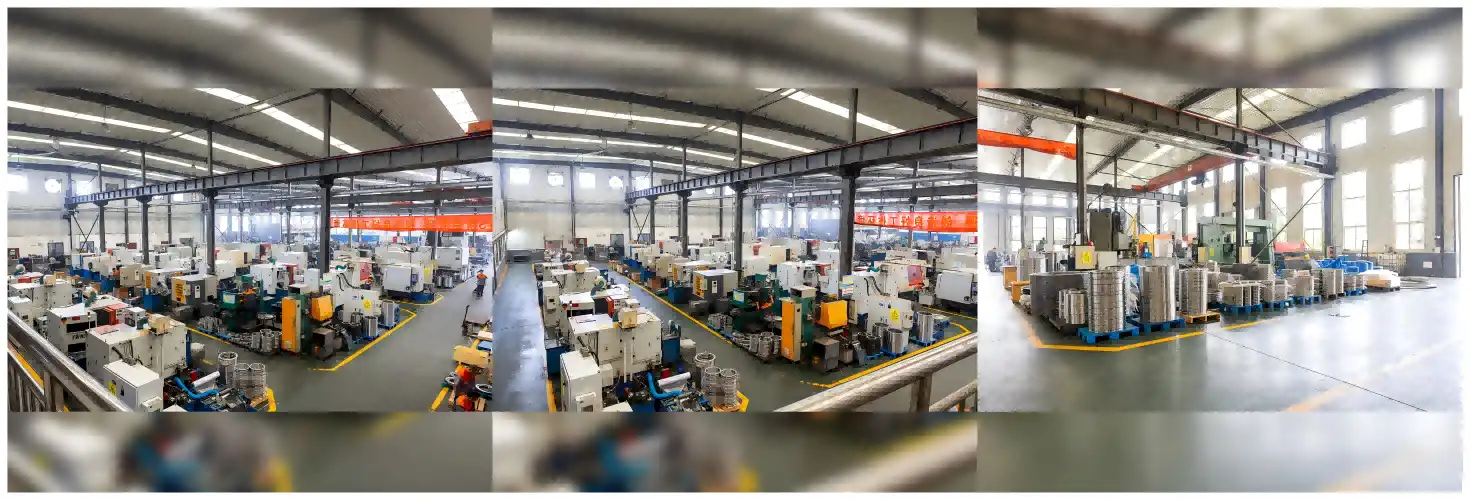
Understanding the Structure and Function of RU42UU Cross Roller Bearings
Integrated Design Architecture
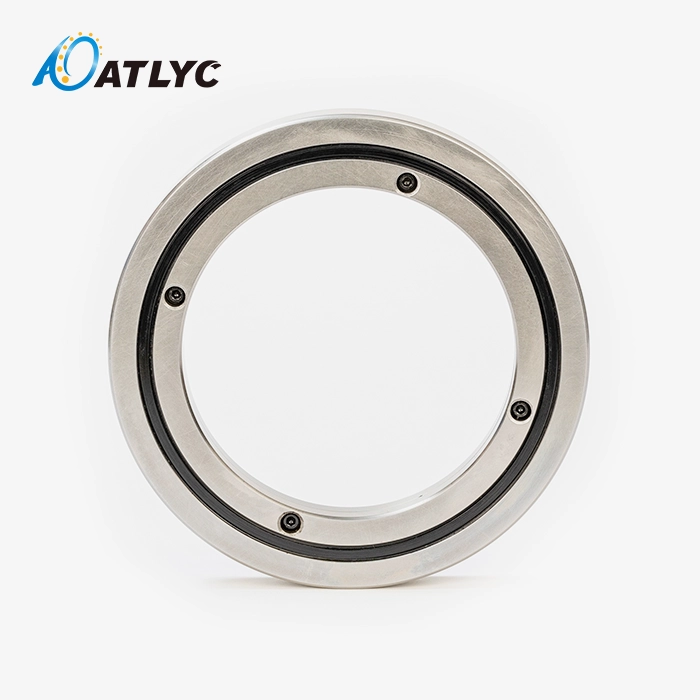
The RU42UU has a special structure with an integral ring. The inner and outer rings are made as a single piece and have mounting holes that were carefully machined. This design gets rid of the assembly tolerances that come with split-ring configurations, making the structure more rigid under mixed loading conditions. The bearing has V-groove raceways with cylindrical rollers organised at 90-degree angles. Precision spacers separate the rollers so they don't touch each other and make sure the load is spread evenly across the whole rolling surface.
Dual Seal Protection System
The letter "UU" means that contact-type seals have been placed on both bearing sides. These seals keep out external contaminants while keeping the lithium soap-based grease that was applied by the plant. These seals stay in touch with the bearing rings by interfering slightly. This causes very little friction while still protecting well. When planning cleaning processes, it's important to know how this seal is configured because the seal lips are the most likely to break during maintenance work.
Material Specifications and Load Capabilities
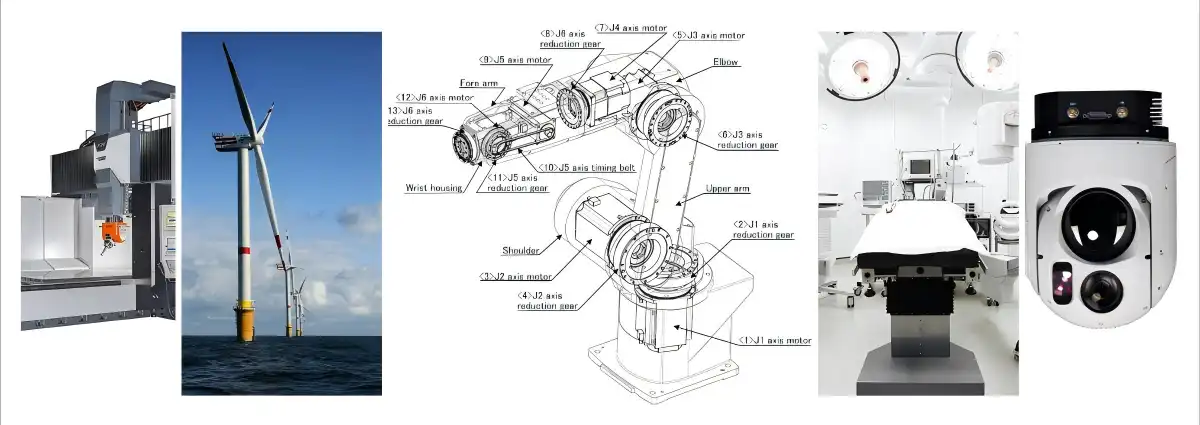
These RU42UU Cross roller bearings are made from GCr15 or GCr15SiMn bearing steel and have heat-treated raceways that are 58 to 64 HRC hard. They can handle high radial, axial, and moment loads all at the same time. The crossed roller design gives the RU42UU great moment stiffness, which makes it good for uses with extended loads or complicated forces acting in multiple directions. These bearings come in precision grades ranging from P6 to P2. They are perfect for medical imaging equipment, devices used to make semiconductors, and precise measuring tools where the accuracy of the spin has a direct effect on the quality of the product.
| Parameter | Specification | Industrial Significance |
|---|---|---|
| Inner Diameter | 20mm | Compact shaft integration |
| Outer Diameter | 70mm | Minimal envelope footprint |
| Width | 12mm | High rigidity-to-space ratio |
| Material | GCr15, GCr15SiMn | Fatigue resistance under cyclic loading |
| Seal Type | UU (Dual Contact) | Contamination exclusion and lubrication retention |
| Precision Grades | P6, P0, P5, P4, P2 | Application-specific accuracy matching |
This technical foundation helps procurement professionals evaluate bearing suitability for specific applications while understanding the maintenance implications of each design feature. The integral mounting holes simplify installation while reducing the potential for mounting-induced preload variations that can affect bearing performance.
Common Causes of Contamination and Seal Damage in RU42UU Cross Roller Bearings
Environmental Contaminants
Bearings in industrial settings are contaminated by many things that wear them down over time. Abrasive dust particles, metal chips from machining, and airborne particles can get into bearing assemblies through tiny gaps or when the equipment is being serviced. Another constant threat is moisture, which can get into buildings that don't have temperature control and cause rust on precision raceway surfaces and loss of grease qualities. We have proof that bearing wear rates were 300% faster in places with humidity levels above 70% compared to controlled environments.
Improper Cleaning Techniques
A lot of the time, cleaning tasks that are meant to remove pollution end up doing more harm than good. Using petroleum-based solvents that don't work with seal materials makes the elastomer swell and harden, which makes the seal less effective. Sprays of high-pressure air or solvents move dirt past the seal lips and into the bearing, where it might replace important lubricant. Cleaning tools that are rough, like wire brushes or rough cloths, leave scratches on the surface that can lead to fatigue cracks. The table below shows some of the most common cleaning mistakes we've seen in different fields:
| Improper Method | Seal Damage Mechanism | Performance Impact |
|---|---|---|
| Petroleum solvents | Elastomer degradation | Loss of sealing contact pressure |
| High-pressure washing | Seal lip deflection | Direct contaminant ingress pathway |
| Abrasive materials | Surface scoring | Accelerated wear and leakage |
| Excessive heat drying | Seal hardening | Reduced flexibility and sealing effectiveness |
| Harsh alkaline cleaners | Chemical attack | Premature seal embrittlement |
Operational Stress Factors
Changing temperatures between working and environmental conditions make bearing parts and seal materials expand and contract at different rates, leaving temporary gaps that let dirt and other contaminants in. Vibration and mechanical shocks that happen when equipment is being used or moved can move seal parts or separate seals from rings. When you overload something beyond its specified capacity, it creates too much heat, which speeds up the breakdown of the lubricant and the seal. When maintenance teams understand these stress processes, they can set the right check times and safety steps for when equipment is being used and serviced.
Step-by-Step Cleaning Method for RU42UU Cross Roller Bearing Without Damaging Seals
Preparation and Safety Protocols
Getting the right tools and a clean work area are the first steps in doing a good job of cleaning. Choose cotton cloths or wipes made for clean rooms that don't have fibres that can get into the bearings. Get isopropyl alcohol (IPA) that is at least 90% concentrated, or use bearing cleaners that have been approved by the manufacturer and are made for maintaining sealed bearings. Wear safety glasses and rubber gloves to keep your skin from getting oily and to protect your eyes from liquid splashes. Set up a clean, well-ventilated space that is away from sources of dust. To avoid problems related to wetness, keep the relative humidity below 50%.
Check to see how the bearing is doing now before you start cleaning it. For maintenance records, take pictures of any visible contamination, the seal's appearance, and any strange wear patterns. This pre-cleaning check helps figure out if the bearing just needs a quick wipe down or more thorough maintenance that might require talking to the maker.
Surface Cleaning Without Seal Removal
The best way to keep the seal of the RU42UU Cross roller bearing in place is to clean the outside of the bearing while it is still built. Soak a lint-free cloth in isopropyl alcohol until it's just damp, but not dripping. Then, use light, steady pressure to wipe the visible outer and inner ring surfaces. Slowly turn the bearing while cleaning to get to all of its edges. Pay extra attention to the mounting hole areas where dirt tends to gather.
If you find stubborn layers near the edges of the seal, use fluid on the cloth instead of spraying the bearing directly. Instead of rubbing, use a light dabbing motion. Rubbing could push dirt past the seal lips. Most industrial oils, light grease layers, and water-soluble contaminants will be broken down by the alcohol without hurting the rubber material of the seal. Let each cleaned area dry naturally in the air for 30 to 60 seconds before moving on to the next one. This will make sure that all of the solvent is gone.
Inspection and Verification Procedures
After cleaning is done, do a full eye inspection in good lighting, ideally with a magnifying glass or inspection camera, to check the state of the seal. Check the seal lip for damage, cracks or splits from the bearing ring. If you find any of these things, the bearing needs to be replaced instead of being serviced. Turn the bearing by hand to make sure it works smoothly and doesn't have any stiffness, roughness, or strange resistance that could mean there is contamination inside, even though the outside has been cleaned.
Check the cleaned surfaces for any leftover dirt or germs that might need more work. Most of the time, small discolourations on metal surfaces are caused by normal oxidation and not by harmful contamination. But for particles that can be seen, sticky residues, or water buildup, the same gentle cleaning methods need to be used more than once. Take pictures and write down in a maintenance log to keep track of the state after cleaning. This will help with planning preventative maintenance and when to replace bearings.
Maintenance Tips to Extend the Life of RU42UU Bearings and Their Seals
Lubrication Management Practices
The RU42UU usually comes with lithium soap grease (Alvania No. 2) already applied by the plant. This grease is made to last for a long time under normal working conditions. But for tough jobs that involve high temperatures, fast spinning, or continuous duty cycles, extra lubrication through the bearing's built-in oil holes is needed. Using a precision grease gun, add small amounts of the manufacturer's recommended grease, working the lubricant in slowly until there is some resistance, which means the bearing cavity is full. Too much lubrication causes internal friction to rise and creates too much heat.
How often you should lubricate depends a lot on how the machine is being used. Robotic joints that work 16 hours a day usually need to be regreased every 6 to 8 months, but precision rotary tables that are only used sometimes may need to be greased every 12 to 18 months. Monitoring temperatures can help: bearing surface temperatures higher than 50°C above ambient could mean that the lubrication isn't working well or there is contamination that needs to be looked into. We suggest taking baseline temperature readings during the initial commissioning and then keeping an eye out for changes that could mean maintenance needs to be done before something breaks.
Proactive Inspection Schedules
Using organised checking methods helps find problems early on, before they cause tools to stop working. Visual checks should be done once a month to make sure the seal is still in good shape, that no lubricant is leaking around the edges of the seal, and that there is no strange noise when the machine is turning. Every three months, thorough checks are done that include the above-mentioned surface cleaning steps along with spinning resistance tests to look for higher friction caused by dirt or wear. As part of every six-month inspection, accelerometers should be used to measure vibrations and look for signs of damage in the raceway surfaces or roller elements.
All inspection results should be recorded by maintenance teams in centralised equipment management systems. These systems should keep track of trends that show steady wear and tear versus rapid changes that need instant attention. This data-driven method turns reactive maintenance into proactive plans that help choose the best time to change bearings and lower the costs of unplanned downtime.
Storage and Handling Protocols
When you store bearings correctly, they don't break down while you're taking inventory or while equipment is idle. Keep bearings in their original package in climate-controlled areas that stay between 20 and 25°C and 30 to 50 percent relative humidity. Temperature changes that cause condensation on precision surfaces should be avoided. Even short periods of moisture contact can start rust that hurts the performance of bearings. Place bearings horizontally instead of vertically to stop oil from moving around inside the bearing hole. This will ensure an even spread when the bearings are put back into service.
When putting the bearing in or taking it out, hold it by its rings instead of its rolling elements to avoid false brinelling, which are lasting dents caused by static overload. Instead of using impact tools, which can break rings or damage seals, use the right installation tools, such as bearing pullers, press fixtures, or hydraulic mounting equipment. These careful handling methods keep the bearing's factory precision and make it last a lot longer than bearings that were handled carelessly.
How to Source Quality RU42UU Cross Roller Bearings and Support Services
Certification and Quality Verification
To find trustworthy RU42UU Cross roller bearing suppliers, you need to check their quality management systems and manufacturing certifications. Look for ISO 9001 certification, which shows that quality procedures are followed consistently, and IATF 16949 certification, which is specific to the automotive industry and ensures strict defect control. Instead of believing claims without checking them, ask for proof of certification and audit reports from a third party. Manufacturers with a good reputation give full traceability for every production batch, including material certificates, measurement inspection records, and performance test data.
In global supply chains, fake bearings are always a problem, especially for well-known models like the RU42UU. Check the supplier's authorisation by getting direct confirmation from the maker, look at the packaging to make sure it's real, and be wary of prices that are much lower than the market average. Real precision bearings have manufacturing costs that set reasonable minimum pricing limits. We've bought "discounted" bearings that broke within weeks because the materials weren't up to par or the heat treatment wasn't done right. In the end, the failures and emergency replacement costs were much higher than the initial savings.
Technical Support Capabilities
In addition to the quality of their products, you should also look at how well they handle expert help. Full support includes startup instructions, help with fixing problems, and upkeep suggestions that are tailored to your application's needs. Suppliers with technical staff can look at your performance requirements, working surroundings, and loading conditions to suggest the best bearing designs and upkeep plans. Having access to CAD models, mounting dimension drawings, and load calculation tools makes it easier to design and buy equipment.
We've built our name by offering these extra services throughout the whole relationship with the customer. We know that bearing supply is only one part of long-term partnerships that work. Our expert team has helped customers in the robotics, medical equipment manufacturing, and precise machining industries solve difficult application problems by mixing knowledge of the product with real-world experience in the field.
Supply Chain Considerations
Cost management and supply dependability must be balanced for buying to work well. Build relationships with several qualified suppliers to lower the risks of relying on just one, and make sure you keep up enough order volume to get good prices. Orders for RU42UU Cross roller bearings usually take between 4 and 6 weeks for standard sizes and between 8 and 12 weeks for custom precision grades or different configurations. Build the right inventory buffers based on criticality assessments. For example, bearings that support equipment that slows down production should have a higher safety stock than bearings that are used in redundant systems.
By combining orders, container shipping optimisation lowers the cost per unit, which is especially useful for buying things from other countries. We work with companies in South Korea, the US, Germany, Russia, Iran, and Turkey to set up shipping plans that work with their production planning cycles. This keeps inventory costs low while making sure that parts are always available. When compared to transactional buying methods, this joint approach to supply chain management has helped customers cut their overall costs of purchase by 15 to 25 per cent.
Conclusion
Cleaning and preserving the seal at the same time is important for maintaining sealed cross roller bearings. It's important to know that the right way to do things will extend the life of the bearings, and the wrong way will speed up their failure. This step-by-step plan includes using a gentle lubricant, being careful with the seals, and checking the bearings frequently. It will protect your investment in precision bearings and keep them performing well enough for tough industrial uses. We've seen repair programs that use these methods get 40–60% more bearing service life than facilities that use harsh cleaning methods.
When making a buying choice, it's best to think about more than just the price at first. You should also think about the professional help, quality standards, and stability of the supply chain. As the complexity of manufacturing grows and equipment uptime expectations rise, choosing a bearing supplier becomes a strategic choice that affects both operational efficiency and the company's ability to compete. In 15 years, we've gone from having a single production line to being able to make all kinds of bearings. This shows how committed we are to meeting our customers' growing needs through ongoing improvement and following international standards.
FAQ
1. Can I clean the bearing without removing the seals entirely?
Absolutely—surface cleaning represents the preferred approach for sealed bearings. Use isopropyl alcohol applied with lint-free cloths to clean exposed surfaces without disturbing the seal-to-ring interface. This method removes external contamination while preserving the seal's protective function. Complete seal removal should only occur when internal contamination or seal damage necessitates full bearing disassembly, typically performed by trained technicians with appropriate clean-room facilities.
2. What cleaning agents are safe for the UU seals?
Isopropyl alcohol (90%+ concentration) and dedicated bearing cleaners approved by bearing manufacturers work effectively without attacking seal materials. Avoid petroleum-based solvents, acetone, MEK, or harsh alkaline cleaners that cause elastomer swelling, hardening, or chemical degradation. When uncertain about a specific cleaning agent's compatibility, test on a sacrificial bearing or contact the manufacturer for guidance before applying to production equipment.
3. How often should I perform maintenance cleaning?
Maintenance intervals depend on the operating environment and duty cycle. Clean industrial environments with intermittent bearing operation may require only annual cleaning, while dusty manufacturing facilities or continuous-duty applications benefit from quarterly maintenance. Monitor bearing temperature, noise levels, and rotational resistance as indicators—significant changes from baseline measurements signal the need for immediate inspection and cleaning regardless of scheduled intervals.
Partner with ATLYC for Reliable RU42UU Cross Roller Bearing Solutions
ATLYC's ISO 9001 and IATF 16949 certified manufacturing facilities deliver precision-engineered crossed roller bearings meeting the exacting requirements of automotive OEMs, robotics manufacturers, and industrial automation equipment producers worldwide. Our RU42UU Cross roller bearing supplier capabilities include complete dimensional customisation, precision grades from P6 through P2, and technical support throughout the product lifecycle. Reach our engineering team at auto@lyautobearing.com to discuss your specific application requirements, request detailed specification sheets, or obtain volume pricing for your upcoming projects. We combine 15 years of manufacturing expertise with responsive customer service, ensuring your bearing procurement supports rather than constrains your production objectives.
References
1. Harris, T.A. & Kotzalas, M.N. (2006). Advanced Concepts of Bearing Technology: Rolling Bearing Analysis, Fifth Edition. CRC Press, Taylor & Francis Group.
2. Eschmann, P., Hasbargen, L. & Weigand, K. (1985). Ball and Roller Bearings: Theory, Design and Application, Second Edition. John Wiley & Sons.
3. Koyo Seiko Co. (2019). Technical Handbook: Cross Roller Bearings Maintenance and Application Guidelines. Koyo Engineering Manual Series.
4. ISO 15243:2017. Rolling bearings — Damage and failures — Terms, characteristics and causes. International Organisation for Standardisation.
5. Hamrock, B.J., Schmid, S.R. & Jacobson, B.O. (2004). Fundamentals of Fluid Film Lubrication, Second Edition. Marcel Dekker, Inc.
6. SKF Group. (2020). Bearing Maintenance, Storage and Fitting Guide: Best Practices for Extended Service Life. SKF Technical Reference Document Series.
Learn about our latest products and discounts through SMS or email