- English
- French
- German
- Portuguese
- Spanish
- Russian
- Japanese
- Korean
- Arabic
- Greek
- German
- Turkish
- Italian
- Danish
- Romanian
- Indonesian
- Czech
- Afrikaans
- Swedish
- Polish
- Basque
- Catalan
- Esperanto
- Hindi
- Lao
- Albanian
- Amharic
- Armenian
- Azerbaijani
- Belarusian
- Bengali
- Bosnian
- Bulgarian
- Cebuano
- Chichewa
- Corsican
- Croatian
- Dutch
- Estonian
- Filipino
- Finnish
- Frisian
- Galician
- Georgian
- Gujarati
- Haitian
- Hausa
- Hawaiian
- Hebrew
- Hmong
- Hungarian
- Icelandic
- Igbo
- Javanese
- Kannada
- Kazakh
- Khmer
- Kurdish
- Kyrgyz
- Latin
- Latvian
- Lithuanian
- Luxembou..
- Macedonian
- Malagasy
- Malay
- Malayalam
- Maltese
- Maori
- Marathi
- Mongolian
- Burmese
- Nepali
- Norwegian
- Pashto
- Persian
- Punjabi
- Serbian
- Sesotho
- Sinhala
- Slovak
- Slovenian
- Somali
- Samoan
- Scots Gaelic
- Shona
- Sindhi
- Sundanese
- Swahili
- Tajik
- Tamil
- Telugu
- Thai
- Ukrainian
- Urdu
- Uzbek
- Vietnamese
- Welsh
- Xhosa
- Yiddish
- Yoruba
- Zulu
How to Install Angular Contact Ball Bearings Correctly?
To properly install an angular contact ball bearing, you need to pay close attention to cleanliness, use the right tools, and make sure everything is lined up perfectly. These special bearings can handle both radial and axial loads at the same time because the raceways are positioned away from the bearing center. The right installation ensures even preload, stops premature wear, and extends the operational lifespan. This is especially important in high-speed applications like CNC spindles, automotive transmissions, and industrial automation equipment, where accuracy and dependability directly affect how efficiently they produce goods.
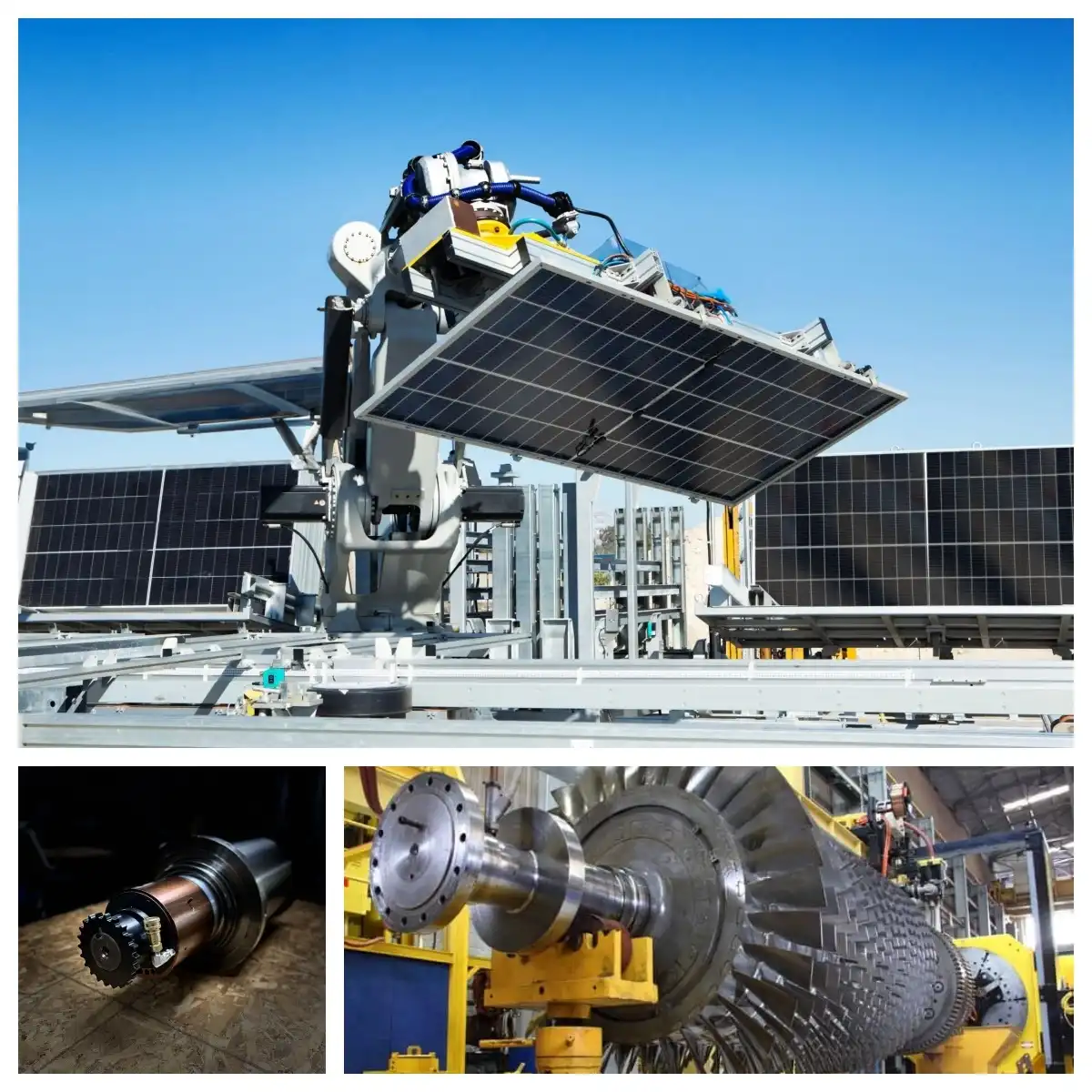
Understanding Angular Contact Ball Bearings
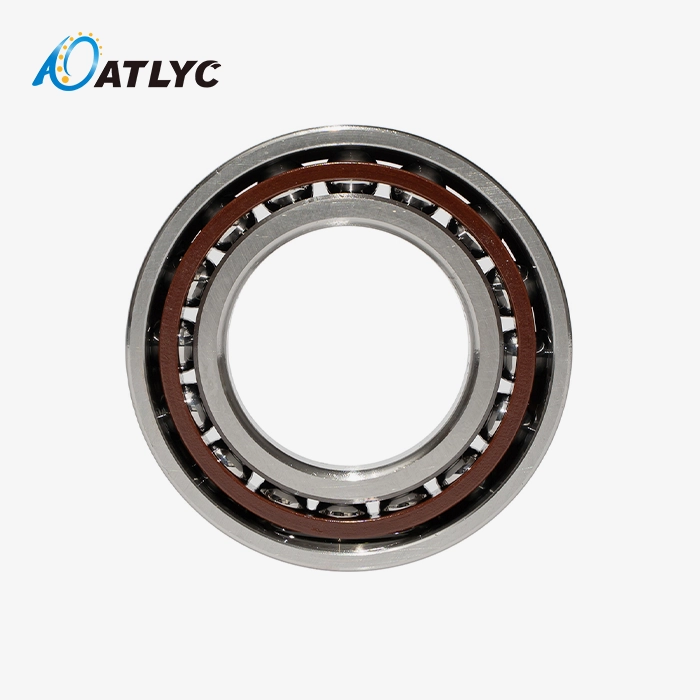
When it comes to precision parts, angular contact ball bearings are made to handle complex loading situations that regular radial bearings can't handle well. The inner and outer ring raceways are set at an angle to each other, which makes a contact angle that is usually between 15° and 40°. Because of its form, the bearing can send forces along a specific load path and support both radial forces and axial thrust that only go in one direction at the same time.
What Makes Angular Contact Bearings Different?
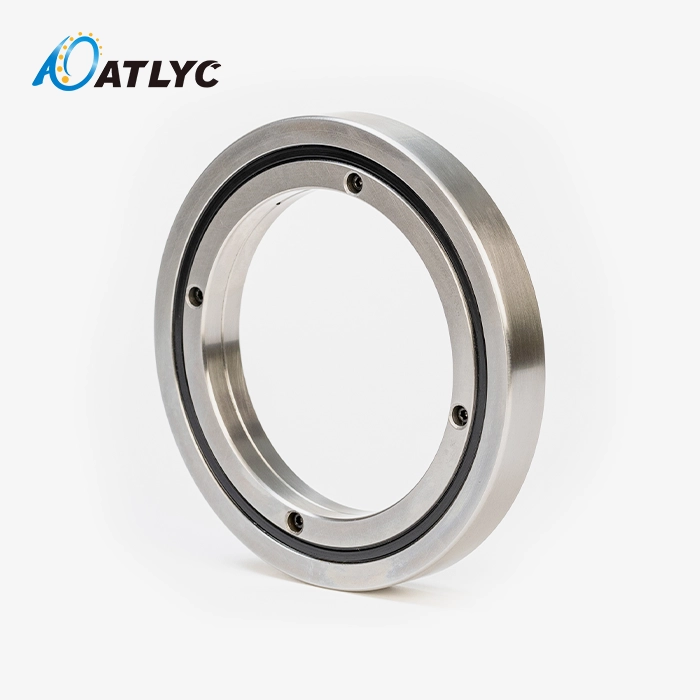
Angular contact ball bearings have asymmetrical raceway movement, while deep groove ball bearings have symmetrical raceway shape. Because of this difference in architecture, they can handle higher axial loads in one direction while keeping their rotational load capacity. The contact angle affects how the load is distributed. Bearings with bigger contact angles can handle more axial loads, while bearings with smaller angles can handle more radial loads. Because they can work in so many situations, they are essential in places where the load direction changes, like machine tool spindles, gears, and car wheel hubs. The 718 Series is made up of ultra-thin-section precision contact ball bearings that are made to handle mixed radial and axial loads in very small areas. As part of ISO measurement series 18, these bearings have a lower cross-sectional height than other bearing series. The design lets you use bigger shaft sizes without making the housing bigger. This makes the system stiffer overall while lowering the spinning mass.
Single-Row vs. Double-Row Configurations
Because single-row angular contact ball bearings can only handle radial loads in one direction, it is important to be careful about how they are mounted. There are three standard ways for engineers to pair two single-row bearings: back-to-back mounting, which is the most common, offers great moment load capacity and can handle axial loads in both directions; face-to-face mounting, which allows for more misalignment but lower moment stiffness; and tandem mounting, which doubles axial load capacity in one direction. Double-row bearings combine two single-row units into a small assembly. This makes fitting easier and provides better stiffness and support for axial loads moving in both directions.
Typical Industrial Applications
Angular contact ball bearings are used by automakers in transmission systems, differential assemblies, angular contact ball bearing and electric car motor units. These are used when space is limited and high load capacities are needed. Builders of machine tools use these bearings on wheel systems that need to be very precise down to the micron level at speeds over 10,000 RPM. Robotic joints and linear actuators are useful for industrial automation tools because they can keep their positional accuracy even when they are loaded with other things. They are used in flight control actuators and backup power units in the aircraft industry, where dependability is essential.
Common Problems During Installation and Their Causes
Installing angular contact ball bearings incorrectly is still the main reason they fail before their expected multi-year service life, which is often only a few weeks. When procurement professionals and repair teams understand these ways that things can go wrong, they can set up procedures that protect expensive tools and keep production running as smoothly as possible.
Misalignment Issues
When the bearing axis moves away from the shaft plane, it's called misalignment. This makes the load spread unevenly across the rolling elements. In high-speed situations, even 0.001-inch changes in angle can cut the life of a bearing by half. Some of the main reasons for this are wrong shaft or housing specs, differences in temperature expansion, and not measuring properly during installation. The effects include faster wear on the raceways, more shaking, higher working temperatures, and catastrophic failure when dynamic loads are applied.
Contamination During Assembly
According to studies from the industry, about 30% of early bearing failures are caused by particle pollution, which includes dust, metal bits, and leftover cleaning agents. Angular contact ball bearings work with gaps of just a few microns, which means that even tiny particles can damage the precision-ground raceways by making them dent. Most of the time, contamination gets in during assembly in uncontrolled settings, through poor cleaning methods, or through storage seals that don't work properly. Noise, shaking, and fast wear and tear of the surface finish are all signs of this.
Incorrect Mounting Force Application
Too much mounting force ruins raceways and rolling elements by deforming them plastically, while not enough force lets fretting rust and bad fitting happen. A lot of techs put force through the rolling elements instead of the right ring, which does lasting damage that can't be seen. People made this mistake because they weren't properly trained, didn't have the right fitting tools, or were under a lot of pressure to finish the job quickly. The operating effects include messed-up preload levels, less hardness, and not knowing when the failure will happen.
Step-by-Step Installation Guide for Angular Contact Ball Bearings
Your angular contact ball bearings will work at their best for longer periods of time if you follow a systematic method that includes proper preparation, exact technique, and thorough proof. Getting the best performance out of a bearing starts long before it touches the shaft.
Preparation and Workspace Setup
Before you start the fitting process, make sure your work area is completely clean. Set up a special place to gather with filtered air flow, or at the very least, a room that is closed off and safe from airborne contaminants. Get together the tools you'll need, such as bearing heaters or induction heating equipment, precision measuring tools (micrometers and dial indicators), fitting sleeves that fit the bearing's dimensions, and torque wrenches that have been properly calibrated. Using precision measuring tools, make sure that the shafts and housings meet the manufacturer's margin requirements. For best performance, the surface finish on fixing surfaces should have Ra values less than 1.6 micrometers.
Handling and Inspection Procedures
Bearings should only be taken out of angular contact ball bearings from their box right before they are installed. Check the raceways and moving elements in good lighting for any damage, rust, or contamination that might have happened during shipping. Check the part numbers against the specs to make sure you have the right charge class and contact angle. Clean, lint-free gloves should always be used to handle bearings. Never use your bare hands because skin oils can cause rust. Keep bearings in their original package in a temperature-controlled area until they are ready to be installed. Keep them away from temperature changes that can cause condensation.
Thermal vs. Mechanical Mounting Methods
Heating the bearing makes the hole bigger, which makes it easier to slide onto the shaft without any power being applied. Use induction heaters or oil baths to heat the bearings evenly to 90–110°C. Never use open flames or other unstable heat sources. Use touch thermometers or infrared devices to keep an eye on the temperature accurately. For mechanical fixing, installation bands or arbor presses are used to put controlled force only on the tight-fitting ring. When mounting on shafts, only press down on the inner ring. When mounting in housings, only press down on the outer ring. Do not put mounting force through rolling parts; this will damage them permanently. The 718 Series can go very fast because its cross-sectional dimensions have been cut down and its ball sizes have been adjusted. Because they are lighter, rolling parts with less rotational force allow your equipment to stay precise and stable at higher RPMs than with regular bearings. The thin-section design helps heat escape quickly, which is important for keeping the preload fixed during high-speed work that never stops.
Alignment and Preload Adjustment
When the bearing is properly aligned, the axis stays in line with the centerlines of the shaft and case within certain limits. During trial construction, use dial indicators to measure runout and make changes until readings stay within 0.001 inches of the total indicator reading. Changing the preload means adjusting the rotational force between two bearings so that the stiffness is just right without making too much contact. For high-speed tasks, a light preload is best, while a heavy preload increases hardness for precise placement. Follow the bearing manufacturer's instructions for choosing the right spacers, adjusting the locknut torque, or setting up spring-loaded setups to get the right preload.
Lubrication Application
Choose the type and amount of oil based on the speed of operation, the temperature range, and the weather. Grease works well at modest speeds and seals well against contamination; fill the housing spaces 30 to 50 percent of the way to their fullest capacity to allow for thermal expansion. Oil greasing, which can be done through circulation systems or oil mist, allows for faster speeds and better cooling. Carefully apply the first grease to prevent contamination, making sure that all of the raceways and rolling elements are covered before starting to use the machine.
Post-Installation Verification
After installing the equipment, it should be thoroughly checked before it can be used in production. Rotate the shafts by hand to make sure they work smoothly and don't have any stiffness or rough spots. Check the temperature of the bearings during the first run-in periods. After a short time of use, the temperatures should settle into the normal ranges. Use accelerometers or vibration pens to keep an eye on the amount of vibration and compare results to the starting point. Make sure the preload is right by checking the shaft end play or housing tension according to the manufacturer's instructions.
Maintenance Tips to Maximize Bearing Lifespan
Preventive repair plans are closely linked to the availability of tools and the length of time that angular contact ball bearings last. Structured inspection processes find problems before they become major. This protects production schedules and lowers upkeep costs by preventing problems before they happen and fixing them before they cost a lot.
Routine Inspection Protocols
Set regular inspection times based on how hard the equipment is being used—every month for important high-speed uses, every three months for standard industrial equipment. During checks, use infrared thermography to keep an eye on the working temperature and look for any unusual heat production that could mean that the lube is failing or there is too much preload. Listen for changes in the sound characteristics. Grinding sounds mean that the fluid is dirty, while whistling sounds mean that there isn't enough protection. Handheld instruments should be used to look for unusual vibrations, and trends should be followed over time instead of taking readings at a single point.
Lubrication Maintenance
Grease-lubricated angular contact ball bearings need to be re-greased at times that depend on the speed, temperature, and amount of contamination they are exposed to. Get rid of all the old grease before adding the new lube so that you don't mix recipes that don't work well together. Oil-lubricated systems need to have their oil analyzed on a regular basis to check for pollution, loss of viscosity, and chemical wear. Instead of replacing oil at random intervals, you should replace it based on test results. This will extend the oil's life while still providing enough protection.
Early Warning Indicators
Temperature rises of 10 to 15°C above the standard point indicate problems that need to be looked into. Increases in vibration amplitude of 50% or more show that wear is progressing, or new flaws are appearing. If you hear strange noises, like grinding, screaming, or growling, you should stop what you're doing right away and look into it. Visible grease leaking means the seal has failed and needs immediate care. These signs give you an earlier notice, so you can schedule maintenance instead of waiting for something to go wrong badly.
Replacement Timing and Upgrade Options
Replace bearings that are getting close angular contact ball bearing to their estimated L10 life ratings, even if there are no signs. The chance of failure goes up exponentially after the design life. When changing failed bearings, find out why they failed in the first place before fitting exact replacements. Fixing sources of contamination, alignment problems, or inadequate lubrication stops failures from happening again. Check out the better bearing choices that offer better performance, such as ceramic rolling elements for faster speeds, better seal designs for harsh settings, or precision classes for tighter tolerances.
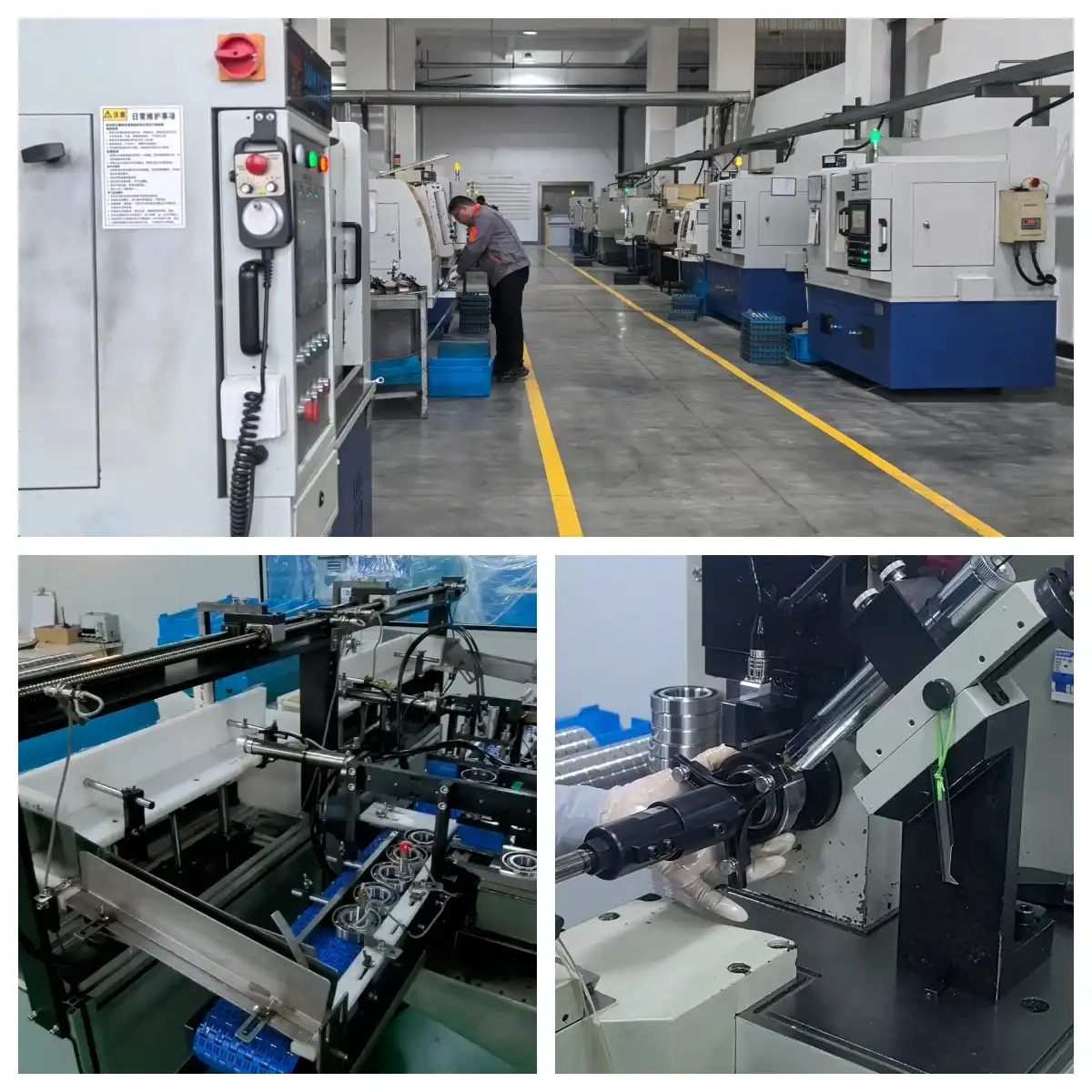
Conclusion
To properly install angular contact ball bearings, you need to make sure the work area is clean, use the right tools, make sure the bearings are lined up correctly, and set the pressure correctly. Following the manufacturer's instructions and best practices in the business will make sure that these fine parts work at their best for a long time. Regular upkeep, such as managing lubricant, keeping an eye on vibrations, and keeping track of temperatures, can spot problems before they become too big to fix. Strategic purchasing choices that weigh technical requirements, source dependability, and total cost of ownership help keep operations running smoothly while keeping upkeep costs low. By following these tips, you can protect your equipment purchases and get the most out of your production uptime in areas like robotics, industrial machinery, and cars.
FAQ
1. What distinguishes angular contact bearings from deep groove ball bearings?
Angular contact bearings feature offset raceways, creating a contact point that can support both radial and axial loads at the same time. Deep groove bearings, on the other hand, have raceways that are uniform and support radial loads only. Angular contact ball bearings can handle more axial loads in one direction, but they need to be paired or preloaded first. Deep groove bearings, on the other hand, can handle axial loads in both directions without any problems, but they can't handle as much.
2. Which installation tools are essential for proper bearing mounting?
For thermal mounting, essential tools include bearing heaters or induction heating equipment; for mechanical mounting, installation sleeves that fit the dimensions of the bearing; for checking alignment, precision measuring tools like micrometers and dial indicators; and for adjusting preload, calibrated torque wrenches. When dealing, using clean, lint-free gloves keeps your hands from getting dirty.
3. How frequently should angular contact bearings be inspected in industrial settings?
The number of checks needed depends on how important the equipment is. For example, critical high-speed equipment should be inspected every month, while normal industrial machinery should be inspected every three months. During each check, keep an eye on the temperature, vibration, and sound signatures, and look for patterns rather than single readings. Replace angular contact ball bearings that are getting close to their estimated L10 life rates, even if there are no symptoms.
Partner with ATLYC for Precision Angular Contact Ball Bearing Solutions
Work with ATLYC to get high-quality angular contact ball bearings. ATLYC has been skilled in manufacturing for 15 years and can help you with your bearing buying problems. They have ISO 9001 and IATF 16949-approved quality systems and can produce enough for mid-to-large OEMs and global distributors. Our angular contact ball bearing line, which includes the high-tech 718 Series, gives you the accuracy, stability, and dependability you need for your auto parts, factory equipment, and automation tools. With six specialized production workplaces and 120 skilled workers, we can guarantee stable supply chains, low bulk prices, and quick technical help for any customization needs. You can email our engineering team at auto@lyautobearing.com to talk about your unique application needs, get technical specs, or get price quotes for large orders from a reliable angular contact ball bearing manufacturer that wants to build long-term partnerships that work.
References
1. Harris, T.A. and Kotzalas, M.N. (2006). Essential Concepts of Bearing Technology, Fifth Edition. CRC Press, Boca Raton.
2. SKF Group. (2018). Rolling Bearings Catalogue: Angular Contact Ball Bearings Installation and Maintenance Guidelines. SKF Industries.
3. Eschmann, P., Hasbargen, L., and Weigand, K. (1985). Ball and Roller Bearings: Theory, Design and Application, Second Edition. John Wiley & Sons, Chichester.
4. ISO 15243:2017. Rolling Bearings — Damage and Failures — Terms, Characteristics and Causes. International Organization for Standardization, Geneva.
5. Palmgren, A. (1959). Ball and Roller Bearing Engineering, Third Edition. SKF Industries Inc., Philadelphia.
6. NSK Ltd. (2020). Precision Machine Components: Angular Contact Ball Bearing Technical Manual. NSK Motion & Control, Tokyo.
Learn about our latest products and discounts through SMS or email