- English
- French
- German
- Portuguese
- Spanish
- Russian
- Japanese
- Korean
- Arabic
- Greek
- German
- Turkish
- Italian
- Danish
- Romanian
- Indonesian
- Czech
- Afrikaans
- Swedish
- Polish
- Basque
- Catalan
- Esperanto
- Hindi
- Lao
- Albanian
- Amharic
- Armenian
- Azerbaijani
- Belarusian
- Bengali
- Bosnian
- Bulgarian
- Cebuano
- Chichewa
- Corsican
- Croatian
- Dutch
- Estonian
- Filipino
- Finnish
- Frisian
- Galician
- Georgian
- Gujarati
- Haitian
- Hausa
- Hawaiian
- Hebrew
- Hmong
- Hungarian
- Icelandic
- Igbo
- Javanese
- Kannada
- Kazakh
- Khmer
- Kurdish
- Kyrgyz
- Latin
- Latvian
- Lithuanian
- Luxembou..
- Macedonian
- Malagasy
- Malay
- Malayalam
- Maltese
- Maori
- Marathi
- Mongolian
- Burmese
- Nepali
- Norwegian
- Pashto
- Persian
- Punjabi
- Serbian
- Sesotho
- Sinhala
- Slovak
- Slovenian
- Somali
- Samoan
- Scots Gaelic
- Shona
- Sindhi
- Sundanese
- Swahili
- Tajik
- Tamil
- Telugu
- Thai
- Ukrainian
- Urdu
- Uzbek
- Vietnamese
- Welsh
- Xhosa
- Yiddish
- Yoruba
- Zulu
How to Install RE Cross Roller Bearings Correctly?
To properly install RE Cross Roller Bearings, you need to pay close attention to every detail, plan, and follow tried-and-true engineering methods. The outer ring of these precision parts is integrated, and the inner ring structure is divided. This lets them handle radial, axial, and moment loads all at the same time in a single, small piece. The right placement directly affects the life of the bearings, the accuracy of the spinning, and the dependability of the equipment. If you don't follow the right steps, your machine could break down early, cause expensive downtime, or work less well. This complete guide walks you through every important step, from getting ready for installation to making sure everything is working right afterward. This way, you can be sure that your high-precision machinery works at its best and that your investment in quality bearing parts is safe.
Understanding RE Cross Roller Bearings: Design and Key Features
Robotics, automation systems, and machine tools all use very precise machinery that depends on parts that work very accurately, even when they are under a lot of stress. The cross roller bearing design meets these needs with cutting-edge tech that makes it better than other bearing systems.
Structural Design and Load Management
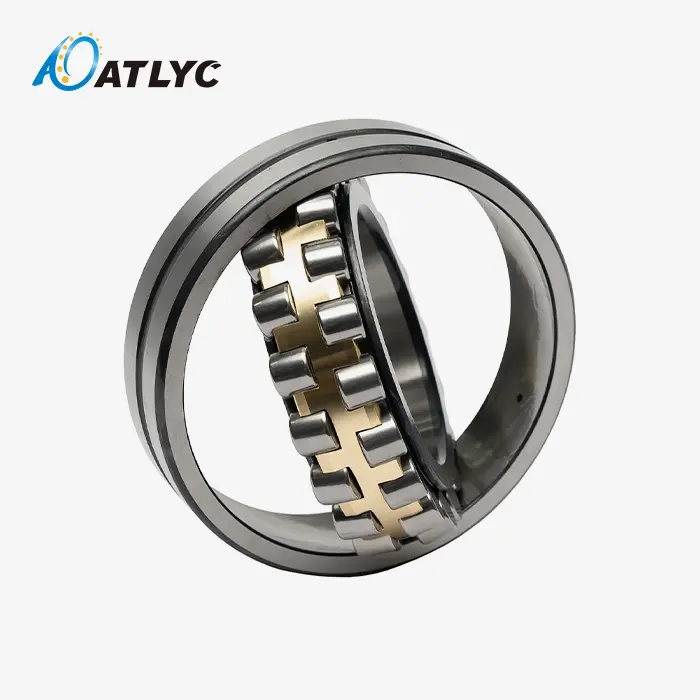
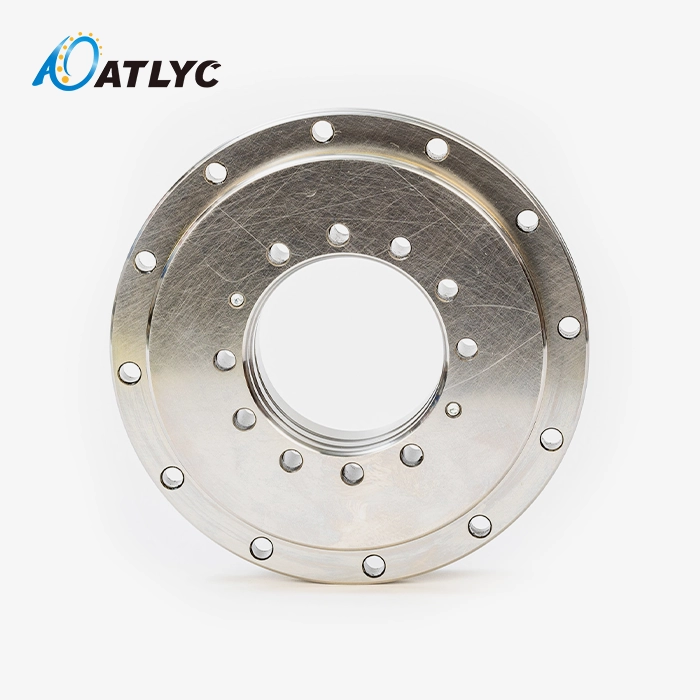
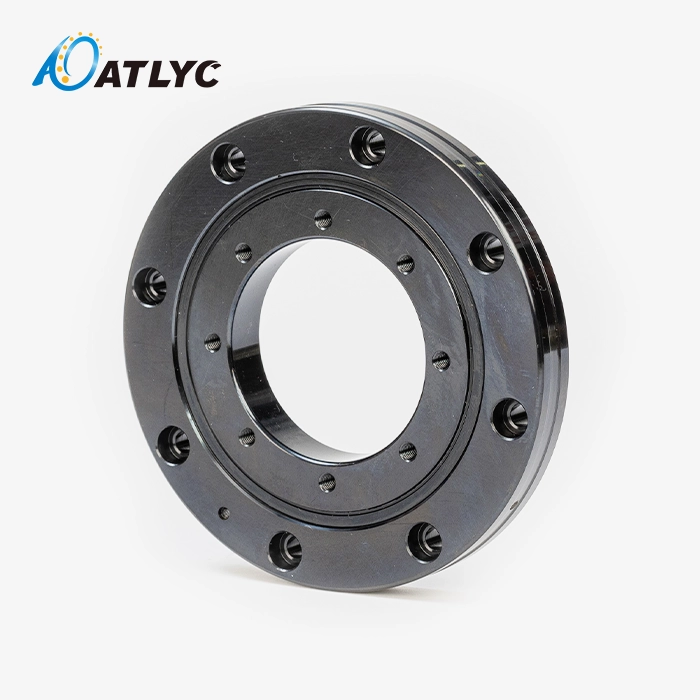
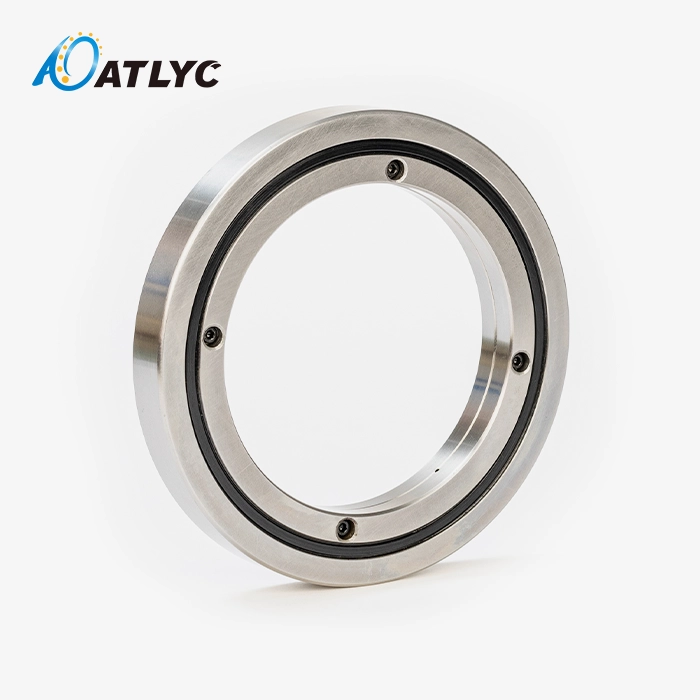
The design of the bearing is based on circular rollers that are placed perpendicularly within V-shaped raceways. There are gaps between the rollers to avoid contact between them. This setup makes it possible for the bearing to effectively handle forces that come from different directions. The combined outer ring design makes the structure more stable, which is especially helpful when the outer case turns while the inner shaft stays still, which could happen with split outer ring designs.
The inside diameters range from 20 mm to 1100 mm, the outside sizes from 70 mm to 1500 mm, and the widths from 12 mm to 110 mm. This wide range of sizes can be used for a wide range of business tasks while still delivering the same level of performance.
Material Composition and Precision Standards
High-quality Gcr15 and Gcr15SiMn bearing steels are used in production because they are very hard, don't wear down easily, and stay the same size. These metals keep their features even when the temperature changes, and they go through tough operating rounds.
There are different levels of accuracy, such as P6, P0, P5, and P4. For uses that need micrometer-level accuracy, tighter limits are available. When compared to ball bearings or regular slewing rings, cross roller setups can hold more weight while taking up less space. Standard bearing setups need several units to handle different types of loads. These combined solutions cut the room needed for assembly by 30 to 40 percent while making fitting easier.
Industry Applications and Performance Context
Industrial robots, machine center rotary tables, control joints, precise rotary platforms, medical imaging equipment, measuring tools, and devices used in IC manufacturing all count on these bearings to work properly. These parts have become industry standards thanks to steady quality and full expert support from top suppliers like IKO, NSK, SKF, THK, KOYO, and Nachi. Knowing these basic design principles helps buying teams choose the right models for the job, taking into account things like load needs, spinning speeds, and the surroundings.
Common Installation Challenges and Their Root Causes
Even repair teams with a lot of experience run into problems when installing bearings that can hurt the performance of the equipment if they are not fixed properly. Knowing about these problems ahead of time lets you come up with effective solutions that protect both the bearing and the machines around it.
Alignment Issues and Mounting Surface Problems
Misalignment is the most common installation problem for RE Cross Roller Bearings, typically caused by inadequate shaft or housing preparation. Surface imperfections, insufficient flatness, or contamination on mounting faces prevent proper seating. When bearing raceways are not aligned perpendicularly to rotation axes, stress concentrates in specific zones, accelerating wear patterns and inducing vibration. Standard mounting surface tolerances require flatness within 0.01mm and perpendicularity within 0.02mm relative to the rotational axis.
Contamination Risks During Installation
Particulate pollution, like dust, metal chips, or water, is very bad for the stability of bearings. Cross roller bearings have raceways and rollers that are precisely ground and have surface finishes that are measured in micrometres. Even tiny contaminants that get stuck during installation can cause damage called depression, which can lead to early failure modes. These risks are greatly reduced by following clean room rules or working in a controlled setting for assembly.
Improper Handling and Excessive Force
When mounting force is applied incorrectly, bearing parts are damaged before they are put to use. When you hammer directly on rings, use bad press-fit methods, or go beyond what is suggested for interference fits, you distort the raceways or make tiny cracks in the bearing steel. These flaws might not show up right away, but they greatly shorten the useful life of the system. In the same way, heating materials incorrectly can change their features if you don't understand thermal expansion factors well enough.
Lubrication Deficiencies
If you don't lubricate something properly, it will wear out quickly, get hot, and need to be serviced more often. Cross roller bearings need certain kinds of oil that are right for their speeds, temperatures, and the surroundings. When you use too much oil, it causes grinding resistance and heat buildup. When you use too little, border lubrication conditions happen, which speed up surface wear.
When one bearing fails, it can cause production to stop, emergency repair costs to go up, damage to other equipment that is linked, and lower quality products. When procurement and engineering teams use these root causes to guide preventative actions, they protect the investments in machinery and keep operations running smoothly. These risks are greatly reduced when you work with makers who provide thorough installation guides and expert help.
Step-By-Step Guide to Correctly Installing RE Cross Roller Bearings
Systematic fitting methods make sure that bearing parts work as intended and last as long as the manufacturer says they will. This approach covers all of the stages of planning, carrying out, and checking.
Pre-Installation Preparation Phase
Getting ready properly before starting sets the stage for a good installation. Check the model numbers of the bearings against the equipment's specs and the buy orders to make sure they are compatible in terms of their inner diameter, outer diameter, width, and accuracy grade. Check the package for damage that happened during shipping and make sure the protective layers stay on until right before installation.
Use accurate measuring tools to carefully look over the fastening areas. Shoulders of the shaft and case must be flat within certain limits, usually with a maximum variation of 0.01 mm. For best results, the surface roughness shouldn't be more than Ra 1.6μm. Get rid of any burrs, nicks, or rust that might make it hard for the part to sit properly. Use lint-free cloths and the right liquids to clean all surfaces fully. Let the solvents evaporate completely before moving on.
Gather the appropriate tools, such as torque wrenches, number indicators, feeler gauges, soft-faced mallets, bearing heaters or cooling equipment (based on the fit standards), and fitting covers that are the right size for the bearing. Set up a clean work area that is away from machines and other sources of contamination. Get the greasing materials that the bearing maker says are best for your use ready.
Installation Execution Process
Remove the preservative coatings from the RE Cross Roller Bearings immediately before installation to prevent contamination. When handling components, wear clean gloves and support the bearing weight properly without applying force to the rolling elements. Carefully position the bearing to achieve perfect alignment with the mounting axis. The split inner ring design allows you to install the outer ring assembly first, then the inner ring halves, while ensuring the rollers remain correctly positioned.
Use only the right rings and installation plates of the right size to apply installation force. Press fits need even, steady force application, and alignment must be checked at all times during the process. For interference fits, thermal installation methods are better. Heating the outer rings to 80–100°C above room temperature (but not more than 120°C to protect the material's properties) lets them expand thermally for clearance installation, and using dry ice to cool the inner rings has the same effects. Differences in temperature between 50°C and 70°C are usually enough for normal interference fits.
Before putting the whole thing together, lubricate the bearing parts according to the manufacturer's instructions. Spread grease evenly on the raceways and roller surfaces, but don't use too much because that will stop the wheels from turning. Sealed bearings come already oiled, so they shouldn't be opened or oiled again unless the manufacturer says to do so.
Post-Installation Verification
Before putting the equipment back into service, make sure it was installed correctly by going through thorough testing processes. Turn the bearing by hand and check to see how smooth it is throughout the whole turn. There shouldn't be any binding, roughness, or strange rubbing patterns in the resistance. Any odd resistance points to misalignment, contamination, or damaged parts that need to be looked into right away.
Using dial markers, check the axial and radial gaps and make sure the numbers are within the limits given in the standard. Too much clearance means the seat isn't properly seated, and not enough clearance means the seat is too tight or there are problems with temperature expansion. If there are any setup settings, make sure they are within the amounts suggested by the maker for your use.
Initial practical testing should be done at lower speeds and loads, while shaking, noise, and temperature rise should be closely watched. Set these settings as a standard for future care. Gradual load increase to working levels lets installation flaws be found before they cause catastrophic failure. This methodical approach to checking ensures the best performance of the bearings, which increases the equipment's uptime and lowers the number of surprise repair visits.
Maintenance Tips to Extend RE Cross Roller Bearing Lifespan
Strategic maintenance practices dramatically influence bearing service life, directly impacting operational costs and production reliability. Establishing preventive protocols tailored to your specific applications protects machinery investments.
Regular Inspection Protocols
Set inspection times based on how the equipment is being used. For example, equipment that is used for continuous high-speed tasks should be inspected every month, while equipment that is only used sometimes should be inspected every three months. During checks, use mobile analysers to keep an eye on sound signs and write down any patterns that show problems starting to form before they break. Temperature readings show if there are problems with lubrication or balance that show up as high running temperatures.
Visual inspections check the integrity of the seal, looking for oil leaks or contamination entry. If you hear grinding, clicking, or whining sounds, those could be signs of damage to the rollers or raceways. When equipment is turned off, rotational smoothness checks show changes in resistance that show wear is happening.
Lubrication Management Strategies
Relubrication frequency depends on operating speeds, loads, temperatures, and environmental exposure. High-speed applications (>1000 rpm) typically require lubrication every 1000-2000 operating hours, while lower-speed precision positioning systems may extend intervals to 3000-5000 hours. Use only lubricants matching original specifications—viscosity, base oil type, and additive packages significantly affect bearing performance.
Apply relubrication quantities carefully, following manufacturer guidelines to avoid over-greasing. Excessive lubricant elevates operating temperatures through churning resistance, while inadequate quantities fail to maintain protective films between rolling elements and raceways. Automated lubrication systems ensure consistent delivery for critical applications.
Troubleshooting Common Operational Issues
Addressing wear patterns, alignment shifts, or performance degradation in RE Cross Roller Bearings promptly prevents secondary damage. Increased vibration levels often indicate roller wear, raceway spalling, or cage damage. Temperature elevation beyond baseline measurements suggests lubrication breakdown or excessive preload. Noise changes reflect surface distress or contamination presence.
When issues arise, consult bearing suppliers promptly—manufacturers like THK, KOYO, and Nachi provide diagnostic support, helping identify root causes before implementing corrective actions. Genuine replacement components ensure compatibility and performance consistency. Establishing relationships with reputable suppliers guarantees access to technical expertise, authentic parts, and timely delivery, sustaining uninterrupted operations across your production facilities. These maintenance commitments transform bearing components from consumable items into long-term performance assets.
Making Informed Procurement Decisions for RE Cross Roller Bearings
Strategic procurement extends beyond initial purchase price, encompassing total cost of ownership, including reliability, technical support, and supply chain stability. Evaluating bearing options comprehensively supports operational objectives while controlling expenditures.
Application-Specific Selection Criteria
Match bearing specifications precisely to operational demands. Assess radial load magnitudes, axial thrust components, and moment loads acting on the bearing, selecting capacity ratings with appropriate safety factors—typically 1.5-2.0 for industrial applications. Operating speed ranges influence bearing design details, including cage materials, lubrication methods, and precision grades.
Environmental conditions, including temperature extremes, contamination exposure, and corrosive atmospheres, require special considerations. Sealed designs protect against particulate ingress, while material selections address chemical compatibility. Mounting space constraints favor the compact profiles these bearings provide compared to multi-bearing arrangements.
Comparative Analysis with Alternative Bearing Types
Cross roller configurations excel in applications requiring high rigidity and multi-directional load handling within limited envelope dimensions. Ball bearings offer advantages in high-speed, light-load scenarios but require multiple units for complex loading. Tapered roller bearings handle heavy radial and axial loads effectively but demand more mounting space. Slewing rings accommodate larger diameters but provide lower rotational accuracy.
Cost-performance analysis balances initial acquisition expenses against operational benefits. Premium accuracy grades command higher prices but deliver superior precision, extending equipment capabilities. Investing in appropriate quality levels matched to application requirements optimizes value realization.
Supplier Selection and Sourcing Strategies
Partner with bearing manufacturers demonstrating comprehensive technical expertise, consistent quality standards, and reliable delivery performance. Industry leaders, including NSK, SKF, and IKO, maintain extensive product catalogs covering diverse application requirements while providing engineering support throughout specification and installation phases.
Evaluate supplier certifications, including ISO 9001 and IATF 16949, confirming adherence to internationally recognized quality management systems. Manufacturing capacity influences delivery reliability—suppliers operating multiple production lines accommodate urgent requirements and volume fluctuations effectively. Geographic proximity or established logistics networks minimize lead times for both routine orders and emergency replacements.
Understand minimum order quantities, volume pricing structures, and payment terms affecting procurement costs. Direct manufacturer relationships often yield favorable pricing for regular purchasers while ensuring authentic products backed by warranty coverage. Technical support availability, including application engineering, installation guidance, and troubleshooting assistance, adds substantial value beyond component costs. Smart procurement decisions incorporating these factors strengthen supply chain resilience while controlling total ownership expenses.

Conclusion
Correct installation procedures directly determine whether RE Cross Roller Bearings achieve their performance potential and the designed service life. This guide outlined systematic approaches covering preparation protocols, execution techniques, verification methods, and ongoing maintenance strategies that protect machinery investments while maximizing operational reliability. Understanding design characteristics, recognizing common installation pitfalls, and implementing proven best practices empower engineering and procurement teams to specify appropriate bearing solutions confidently. Partnering with established manufacturers offering comprehensive technical support, consistent quality standards, and reliable supply chain performance transforms bearing procurement from transactional purchasing into strategic partnerships supporting long-term operational excellence and competitive advantage in demanding industrial applications.
FAQ
What distinguishes the RE series from standard cross roller bearing configurations?
The RE design incorporates an integrated outer ring combined with a separated inner ring structure, specifically engineered for applications where the outer ring rotates. This configuration delivers enhanced rigidity and rotational accuracy compared to models featuring split outer rings. The solid outer ring construction eliminates potential weak points, maintaining dimensional stability under demanding load conditions while simplifying housing design requirements.
How often should inspection and lubrication procedures occur?
Inspection frequency depends on operating intensity—continuous-duty equipment warrants monthly evaluations, while intermittent applications extend to quarterly intervals. Relubrication schedules range from 1000-2000 hours for high-speed operations to 3000-5000 hours for precision positioning systems. Operating temperatures, environmental contamination, and load conditions influence specific timing. Establishing baseline vibration and temperature measurements during commissioning enables condition-based monitoring, triggering maintenance when parameters exceed acceptable thresholds rather than relying solely on calendar schedules.
Can bearing specifications be customized for unique applications?
Manufacturers accommodate customization requests, including non-standard dimensions, modified internal clearances, special seal configurations, and material variations. Custom accuracy grades, specialized coatings for corrosive environments, and application-specific lubrication enhance bearing performance for demanding scenarios. Customization typically involves minimum order quantities and extended lead times, requiring early engagement during equipment design phases to ensure delivery aligns with project schedules.
Partner with ATLYC for Premium Cross Roller Bearing Solutions
ATLYC delivers precision-engineered bearing components backed by 15 years of manufacturing expertise and ISO 9001 plus IATF 16949 certified quality systems. Our extensive production capabilities spanning six specialized workshops serve mid-to-large automotive manufacturers, industrial equipment OEMs, and global distributors across South Korea, the United States, Germany, Russia, Iran, and Turkey. As a trusted RE Cross Roller Bearings manufacturer, we maintain rigorous quality control throughout production—from material selection through final inspection—ensuring every component meets international precision standards.
Our technical team provides comprehensive application engineering support, helping you specify optimal bearing configurations matched to your exact load requirements, operating conditions, and space constraints. Competitive lead times, flexible minimum order quantities, and customization capabilities address both standard replacement needs and specialized project requirements. Contact our engineering specialists at auto@lyautobearing.com to discuss your precision bearing requirements. Leverage our manufacturing scale, technical expertise, and commitment to long-term partnership reliability to enhance your equipment performance and operational uptime.
References
1. Harris, T.A. & Kotzalas, M.N. (2006). Advanced Concepts of Bearing Technology: Rolling Bearing Analysis, 5th Edition. CRC Press.
2. Eschmann, P., Hasbargen, L. & Weigand, K. (1985). Ball and Roller Bearings: Theory, Design and Application, 2nd Edition. John Wiley & Sons.
3. Nachi-Fujikoshi Corporation. (2019). Technical Manual for Cross Roller Bearings: Installation and Maintenance Guidelines. Nachi Technical Documentation Series.
4. ISO 492:2014. Rolling Bearings – Radial Bearings – Geometrical Product Specifications (GPS) and Tolerance Values. International Organization for Standardization.
5. SKF Group. (2020). Rolling Bearings Catalogue: Engineering and Mounting Guidelines. SKF Technical Publications.
7. Khonsari, M.M. & Booser, E.R. (2017). Applied Tribology: Bearing Design and Lubrication, 3rd Edition. John Wiley & Sons.
Learn about our latest products and discounts through SMS or email