- English
- French
- German
- Portuguese
- Spanish
- Russian
- Japanese
- Korean
- Arabic
- Greek
- German
- Turkish
- Italian
- Danish
- Romanian
- Indonesian
- Czech
- Afrikaans
- Swedish
- Polish
- Basque
- Catalan
- Esperanto
- Hindi
- Lao
- Albanian
- Amharic
- Armenian
- Azerbaijani
- Belarusian
- Bengali
- Bosnian
- Bulgarian
- Cebuano
- Chichewa
- Corsican
- Croatian
- Dutch
- Estonian
- Filipino
- Finnish
- Frisian
- Galician
- Georgian
- Gujarati
- Haitian
- Hausa
- Hawaiian
- Hebrew
- Hmong
- Hungarian
- Icelandic
- Igbo
- Javanese
- Kannada
- Kazakh
- Khmer
- Kurdish
- Kyrgyz
- Latin
- Latvian
- Lithuanian
- Luxembou..
- Macedonian
- Malagasy
- Malay
- Malayalam
- Maltese
- Maori
- Marathi
- Mongolian
- Burmese
- Nepali
- Norwegian
- Pashto
- Persian
- Punjabi
- Serbian
- Sesotho
- Sinhala
- Slovak
- Slovenian
- Somali
- Samoan
- Scots Gaelic
- Shona
- Sindhi
- Sundanese
- Swahili
- Tajik
- Tamil
- Telugu
- Thai
- Ukrainian
- Urdu
- Uzbek
- Vietnamese
- Welsh
- Xhosa
- Yiddish
- Yoruba
- Zulu
YRTM Rotary Table Bearing: Compact Design Benefits
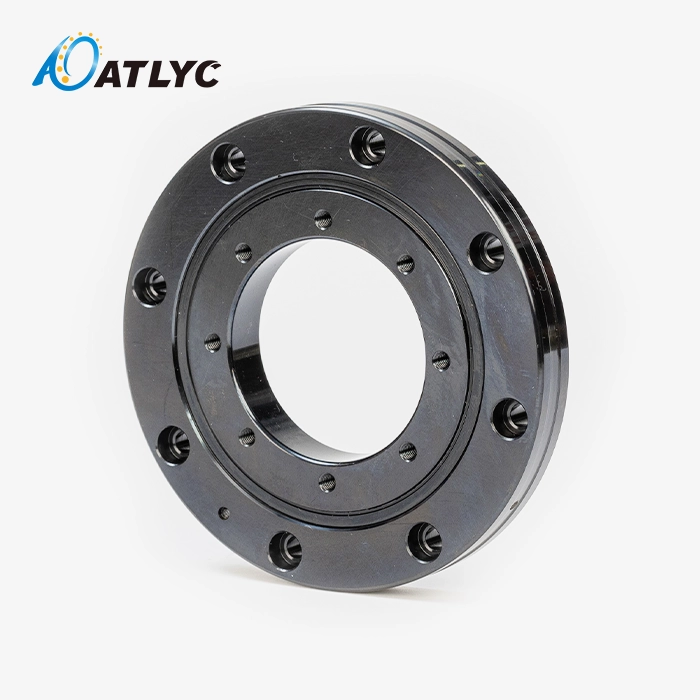
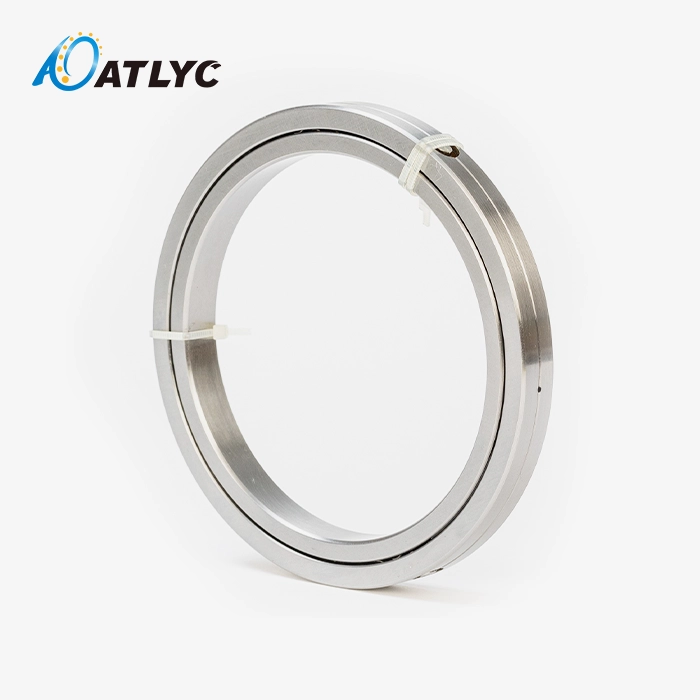
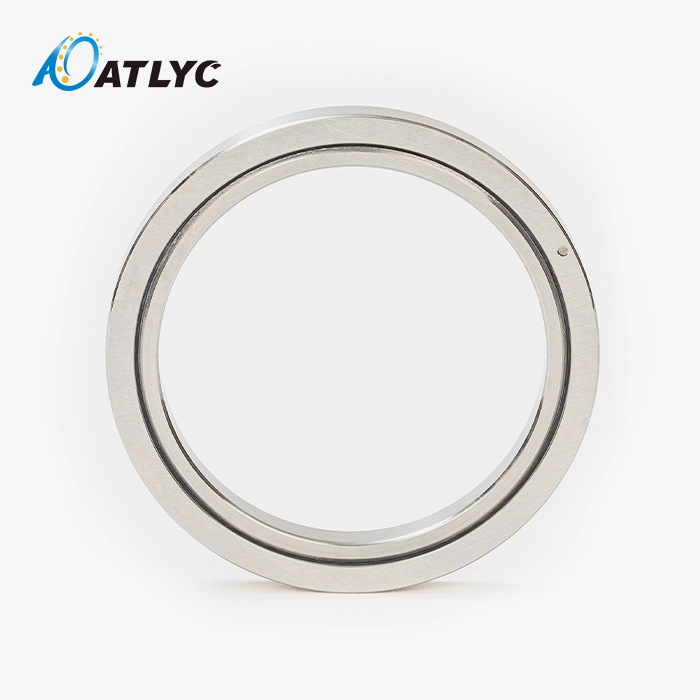
The YRTM Rotary Table Bearing is an engineering answer that changes the way you use your production tools when space is limited, but accuracy is essential. This small bearing type combines axial, radial, and moment load capacities into a very small unit, so you don't need to use different bearing types. The compact form allows for smooth spinning and accurate angle positioning, which are important for current CNC machines, robotic joints, and automation systems. These miniaturised rotary table bearings were created using decades of experience in precision production. They keep strict physical limits while lowering the size of your equipment by a large amount. This shows that high performance doesn't have to take up a lot of room.
Understanding YRTM Rotary Table Bearings: Features and Specifications
The world of rotary table bearings has changed a lot over the years. Now, there are small versions that can work around important space issues that used to force designers to make trade-offs. The YRTM series stands out among these new ideas because it was designed to work perfectly in situations where accuracy and a small installation footprint are important.
Integrated Three-Function Architecture
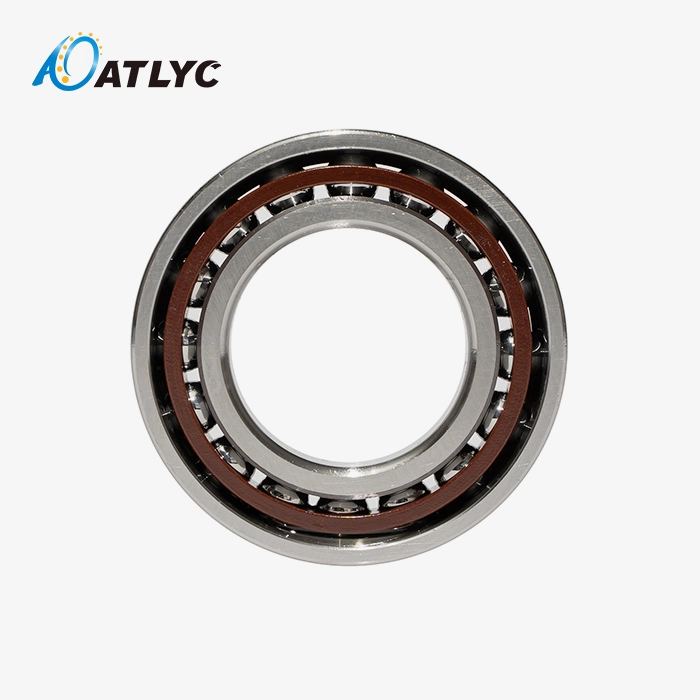
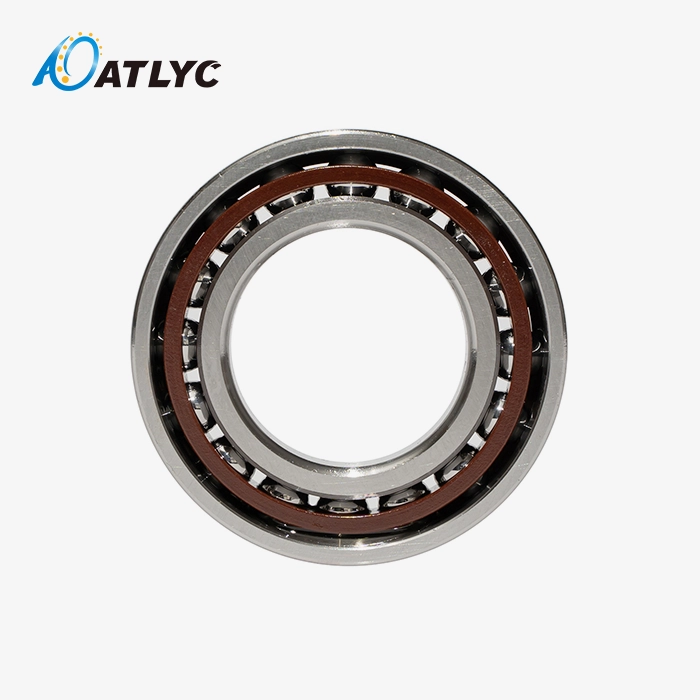
The main benefit is that the structure is getting stronger. In normal setups, thrust bearings, radial bearings, and often extra parts for moment resistance need to be kept separate. The YRTM design, on the other hand, has one unit that does all three jobs. This integration has precision-engineered outer rings that stay in place, spinning inner rings, sharpened steel balls, and cages that are carefully made to keep the balls at the right distance apart while they're working.
Precision grinding and superfinishing are used on both the inner and outer raceways of these parts during production to get surface roughness levels that reduce friction and increase operating lives. The small size cuts down on the number of contact points in your machine assembly. This means that installation is easier and there are fewer places where the bearing system could fail.
Double-Row Angular Contact Configuration
The way the balls are arranged determines how the load is distributed. The YRTM uses a double-row angular contact ball design. The contact angles are usually set at 45° or 60°, but this can change based on the needs of the application. This shape lets you control forces coming from different directions at the same time: axial loads pushing along the rotary axis, radial loads pushing perpendicular to it, and turning moments trying to move the spinning element.
This ability to hold loads in more than one direction is especially useful in machining, where cutting forces are always changing direction and strength. The preset ball arrangement stays rigid even when the load changes. This stops the tiny deflections that make placing less accurate in precision equipment. The tiny version of the YRT has similar rigidity ratios to normal versions, even though its cross-sectional measurements are smaller. This means it can be used in small machine designs without losing structural stiffness.
Dimensional Efficiency and Load Ratings
The "miniature" designation reflects genuine size reduction while preserving essential capabilities. Cross-sectional height decreases by approximately.
The word "miniature" refers to a real decrease in size while keeping important functions. Compared to standard rotary table bearing designs, the cross-sectional height drops by about 20 to 30 percent. However, the axial and rotational load rates are still high enough for hard industrial uses. A normal YRTM bearing with an 80mm hole diameter might have a total height of only 25mm, while similar combination bearing options might need 35mm or more.
These size requirements have a direct effect on the freedom of machine design. Equipment builders get more vertical space that they can use to place parts, route wires, or make room for tool gaps. Smaller bearing bands help move or flexible machinery because they reduce weight, which affects how well it moves and how much energy it uses.
Sealing and Lubrication Systems
Operational reliability of the YRTM Rotary Table Bearing depends heavily on effective contamination exclusion and lubricant retention. High-quality miniature rotary bearings utilize advanced sealing technologies that exclude environmental ingress while minimizing frictional drag. Contact or non-contact seals effectively block metal chips, coolant spray, and abrasive dust commonly encountered in industrial environments.
Different lubrication methods are used for different tasks. Most sporadic or moderate-speed uses can be lubricated with grease. Specialised greases made for high-precision bearings can go longer between relubrication cycles. Continuous operation or high-speed needs may require oil circulation systems. The small size of the bearing makes it easier to fit greasing ports and supply lines into equipment that isn't very big.
These design elements work together to solve one of the biggest problems that procurement managers and engineering teams face: how to meet performance requirements in a space that is getting smaller while still meeting the quality standards and operational dependability that ISO 9001 and IATF 16949 certifications require.
How YRTM Rotary Table Bearings Work and Their Maintenance Guide
Understanding operational mechanics helps optimize both application design and maintenance protocols, extending service life while minimizing unplanned downtime.
Load Distribution Mechanics
The angular contact ball arrangement creates defined load paths through the bearing structure. When axial force is applied, contact between balls and raceways occurs at the designed angle, generating both axial and radial force components within the bearing. The opposing row of balls creates mirror-image contact angles, enabling bidirectional axial load support without requiring external preload mechanisms.
Radial loads engage both ball rows simultaneously, with load magnitude distributed according to geometric relationships between ball position, contact angle, and applied force direction. Moment loads—those attempting to tilt the inner ring relative to the outer ring—generate complex force distributions across the ball complement, with maximum loading occurring on balls positioned along the tilting axis.
This load distribution mechanism maintains rotational accuracy even under challenging conditions. The compact bearing geometry keeps load reaction points close to mounting surfaces, reducing cantilever effects that could compromise positioning precision in your rotary table or indexing application.
Installation Best Practices
Proper installation establishes the foundation for reliable operation. The mounting surface flatness and perpendicularity directly affect bearing performance, with tolerance requirements typically specified within 0.01mm for precision applications. Surface roughness should not exceed Ra 1.6μm on mounting faces to ensure uniform load distribution across the bearing circumference.
Bolt tightening sequences follow star patterns, progressing incrementally to final torque values rather than fully tightening individual bolts in sequence. This approach prevents distortion of bearing rings that could preload balls unevenly or create binding conditions. Torque specifications vary with bearing size and mounting configuration, but typical values range from 10-50 Nm for miniature variants, applied using calibrated torque wrenches to ensure consistency.
Alignment verification after installation confirms proper geometry. Dial indicators measuring axial and radial runout at the inner ring should show values within specified tolerances, typically below 0.01mm for precision rotary applications. Deviations exceeding these limits indicate mounting surface issues or bearing damage requiring correction before operational startup.
Routine Maintenance Protocols
Extending bearing service life requires systematic attention to operational conditions and timely interventions. Inspection intervals depend on duty cycle, contamination exposure, and criticality of the application, but quarterly examinations provide a reasonable baseline frequency for typical industrial environments.
Visual inspection targets seal integrity, mounting bolt security, and evidence of lubricant leakage or contamination. Audible monitoring during rotation detects unusual noise patterns indicating wear, contamination ingress, or lubrication deficiency. Vibration analysis using accelerometers identifies developing issues before catastrophic failure, with spectral analysis distinguishing bearing defects from other machine component problems.
Temperature monitoring provides early warning of lubrication breakdown or excessive preload conditions. Infrared thermography offers non-contact measurement during operation, with bearing temperatures typically remaining within 20-30°C above ambient under normal conditions. Sustained temperature increases suggest investigating lubrication adequacy, contamination presence, or mounting stress issues.
Lubrication replenishment follows manufacturer guidelines based on operating conditions. Grease-lubricated bearings in clean environments with moderate duty cycles might operate 2,000-5,000 hours between relubrication, while harsh conditions necessitate more frequent attention. Oil-lubricated systems require monitoring oil condition, changing or filtering when contamination reaches specified limits, or oxidation degrades lubricant properties.
Troubleshooting Common Issues
Operational problems with the YRTM Rotary Table Bearing typically manifest through performance degradation rather than sudden failure. Increased rotational torque suggests contamination between raceways and balls, inadequate lubrication, or mounting stress causing binding. Disassembly and inspection reveal contamination sources or geometric issues that require correction. Addressing these early indicators can prevent more severe damage and extend service life.
Noise development during rotation indicates several possible conditions. Continuous rumbling suggests generalized wear or inadequate lubrication, while periodic clicking or grinding points to localized raceway damage or ball defects. Addressing these symptoms promptly prevents secondary damage that could necessitate complete bearing replacement rather than corrective maintenance.
Positioning accuracy deterioration reflects bearing wear or mounting looseness. Measuring axial and radial play quantifies the degradation, with values exceeding original specifications indicating wear requiring bearing replacement. Mounting bolt torque verification rules out loosening as the cause before concluding bearing wear necessitates replacement.
These maintenance practices align with quality management principles embedded in ISO 9001 frameworks, emphasizing preventive action and continuous monitoring to maintain operational reliability essential for automotive and industrial equipment manufacturers dependent on consistent production output.
YRTM Rotary Table Bearings vs. Cross Roller Bearings: A Comparative Analysis
Selecting between bearing types requires understanding their structural differences and performance characteristics relative to specific application demands.
Structural Design Comparison
Cross roller bearings arrange cylindrical rollers perpendicular to each other, alternating orientation within a single raceway path. This configuration provides high rigidity and load capacity within compact envelopes, making them popular for rotary table applications. The YRTM variant, employing angular contact balls in a double-row configuration, achieves comparable rigidity with different performance characteristics.
Ball bearings generally permit higher rotational speeds than roller designs due to lower friction and reduced mass of rolling elements. Applications involving rapid indexing or continuous rotation favor ball-type bearings where speed capability outweighs the marginal load capacity advantage of rollers. The compact structure of miniature rotary bearings maintains this speed advantage while reducing overall assembly dimensions.
Performance Metrics Evaluation
Load capacity per unit volume represents a critical comparison metric for space-constrained applications. Cross roller bearings typically achieve higher static load ratings due to linear contact between rollers and raceways versus point contact of balls. Dynamic load ratings, reflecting bearing life under rotating conditions, show smaller differences because ball bearings compensate for contact area disadvantages through superior material properties and surface finish capabilities.
Accuracy class availability differs between bearing types. Both configurations are manufactured to precision classes suitable for machine tool applications, with runout and positioning accuracy within micrometers. The compact ball bearing design sometimes offers advantages in achieving tight tolerance specifications because smaller components face less thermal expansion variation during manufacturing processes.
Cost-Performance Considerations
Procurement decisions balance performance requirements against budget constraints and total ownership costs. Manufacturing complexity influences pricing, with cross roller bearings typically commanding premium prices due to intricate roller spacing and orientation control requirements. Miniature ball bearings, despite precision manufacturing demands, often present more favorable cost structures, particularly for mid-range load and speed applications.
Maintenance costs over operational life contribute significantly to the total cost of ownership. The sealed designs available in miniature rotary table bearings reduce contamination susceptibility, extending lubrication intervals and reducing maintenance labor requirements. This advantage proves particularly valuable for automation equipment where maintenance accessibility poses challenges or production schedules limit maintenance windows.
Applications and Industry Usage of YRTM Rotary Table Bearings
Compact rotary bearing solutions enable innovation across diverse industrial sectors where spatial efficiency and precision intersect. Understanding typical applications clarifies how these components solve real-world engineering challenges.
CNC Machining Centers and Machine Tools
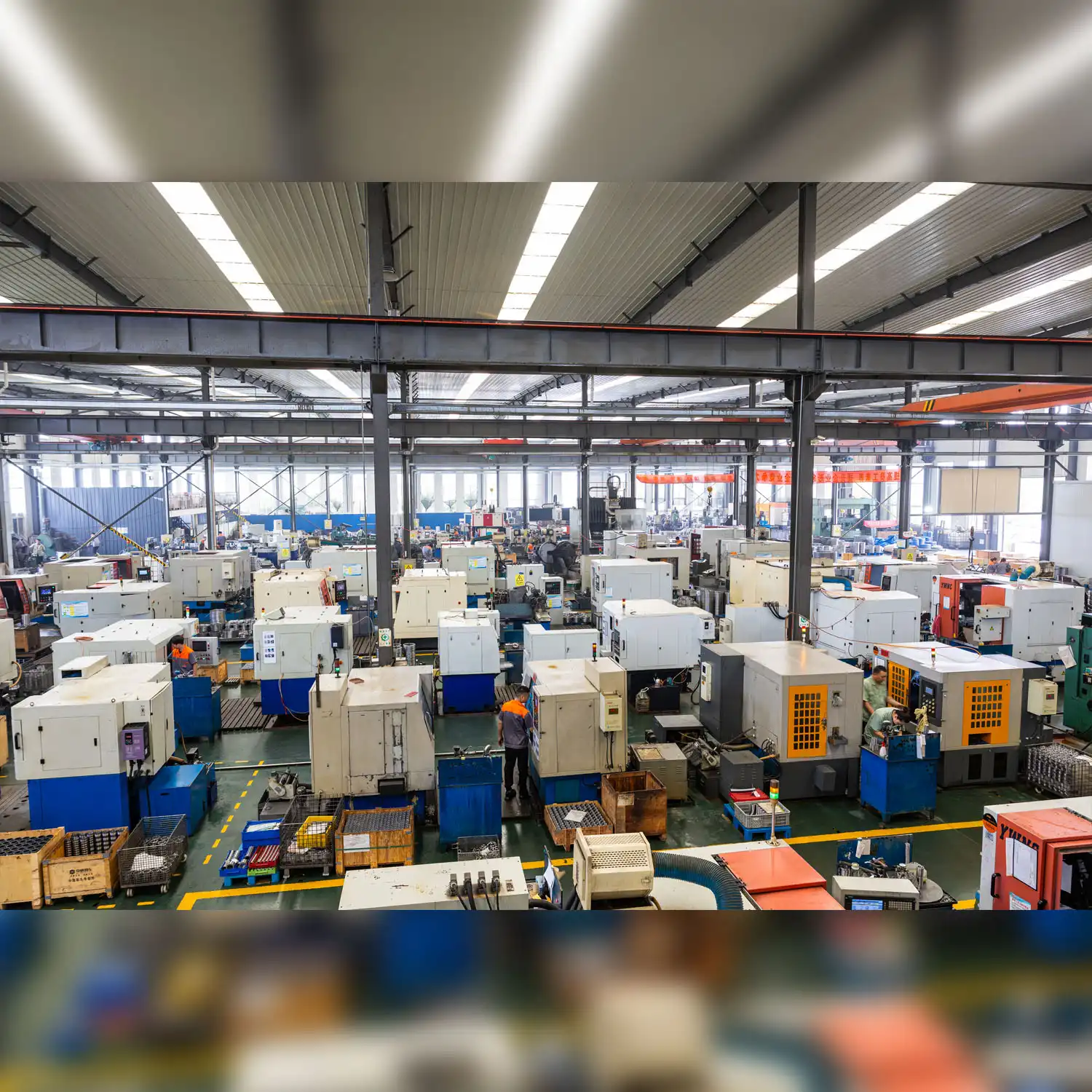
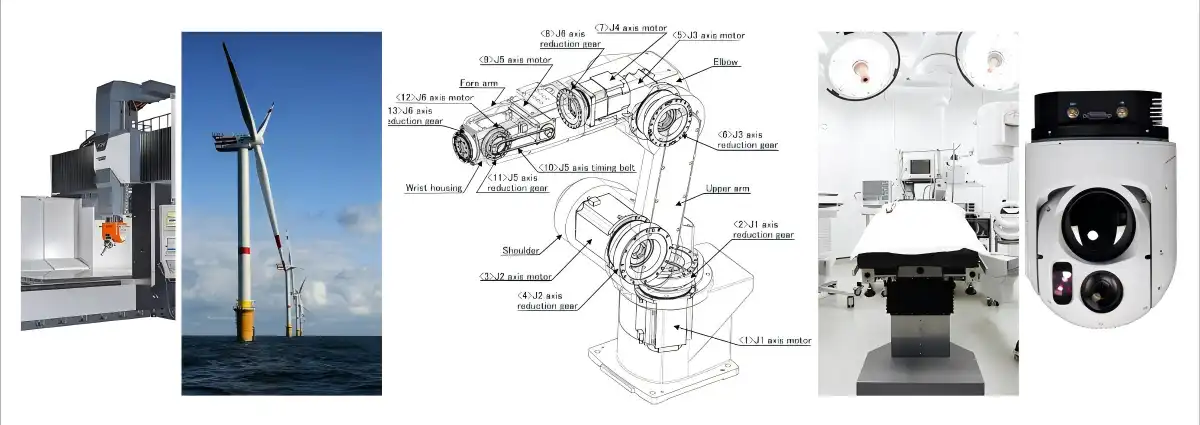
Five-axis machining centers represent the most demanding application environment for precision rotary bearings like the YRTM Rotary Table Bearing. The compact design enables manufacturers to build smaller, more agile machine architectures without sacrificing working volume or accuracy. Rotary axes incorporating miniature bearings achieve positioning accuracy within arc-seconds while supporting cutting forces from heavy milling operations. This combination of precision and compactness makes such bearings indispensable for advanced multi-axis machining.
Robotics and Automation Systems
Industrial robots demand bearing solutions balancing load capacity with minimal weight and size to optimize payload-to-robot-mass ratios. Joint articulations in six-axis robots employ miniature rotary bearings that provide precise positioning while withstanding dynamic loads from rapid acceleration and deceleration cycles. The integrated load capacity—axial, radial, and moment—eliminates complex bearing stacks that would increase joint dimensions and moving mass.
Precision Measurement and Testing Equipment
Coordinate measuring machines require rotary axes delivering exceptional accuracy without imposing significant mass or friction on measurement systems. Miniature rotary table bearings enable probe indexing mechanisms that achieve angular positioning within arc-seconds while maintaining low rotational torque that measurement system motors can overcome without influencing readings. The compact design integrates cleanly into probe head assemblies without interfering with workpiece access.
Semiconductor and Electronics Manufacturing
Wafer handling robots operating in cleanroom environments require bearing solutions that minimize particle generation while providing precise positioning. Vacuum-compatible sealed rotary bearings enable robot joints functioning in low-pressure environments without lubricant outgassing that would contaminate semiconductor processes. The compact design reduces robot joint profiles, improving access within crowded process tool interiors.
Procurement Guide for YRTM Rotary Table Bearings: What B2B Buyers Need to Know
Strategic procurement of precision bearings requires understanding technical specifications, supply chain considerations, and service support infrastructure that differentiate manufacturers and ensure successful long-term partnerships.
Specification Verification and Quality Standards
Before initiating procurement, confirm bearing specifications align with application requirements. Critical parameters include bore diameter, outer diameter, height, load ratings (dynamic and static), speed limits, and accuracy class. Manufacturers provide detailed specification sheets documenting these characteristics alongside mounting dimensions and recommended fits.
Quality certifications validate manufacturing processes and quality control systems. ISO 9001 certification demonstrates structured quality management, while IATF 16949 specifically addresses automotive sector requirements for defect prevention and continuous improvement. Suppliers serving global markets should provide certification documentation confirming compliance with international standards applicable to your industry and target markets.
Supplier Evaluation Criteria
Manufacturing capacity determines delivery reliability for both initial orders and ongoing supply requirements. Evaluate production volume capabilities, lead times for standard versus custom configurations, and inventory practices for commonly specified sizes. Suppliers maintaining reasonable stock levels demonstrate commitment to customer service and reduce procurement risk associated with extended delivery schedules.
Technical support capability separates transactional suppliers from strategic partners. Engineering teams should assess the supplier's ability to provide application assistance, mounting recommendations, and troubleshooting support throughout bearing service life. Manufacturers with experienced technical staff offer valuable guidance on optimizing bearing selection and installation practices that prevent premature failures and maximize operational performance.
Pricing Structures and Commercial Terms
Understanding pricing components enables effective negotiation and total cost evaluation. Unit price reflects manufacturing costs, material quality, and market positioning, but total acquisition cost includes shipping, handling, and any applicable duties or tariffs for international transactions. Request detailed quotations itemizing these components for accurate cost comparison between suppliers.
Volume pricing structures reward larger commitments with per-unit cost reductions. Discuss annual volume estimates and inquire about tiered pricing that recognizes long-term partnership value. Blanket purchase orders with scheduled releases balance inventory carrying costs against procurement pricing advantages, particularly for bearings used across multiple equipment models or production lines.
Logistics and Delivery Management
Shipping methods balance transit time against cost, with air freight expediting critical deliveries while ocean shipping offers economical solutions for production stock replenishment. Packaging quality prevents shipping damage, with individual bearing protection and secure pallet configuration essential for precision components. Inspect packaging standards during supplier evaluation, ensuring practices prevent contamination and physical damage during international transit.
Lead time reliability affects production scheduling and inventory planning. Establish a clear understanding of quoted lead times—whether representing manufacturing duration only or including shipping transit. Suppliers should communicate promptly regarding any schedule deviations, enabling a proactive response to potential supply interruptions.
After-Sales Support and Warranty Terms
Return and replacement procedures establish clear processes addressing quality issues if they occur. Reputable suppliers facilitate defect investigation through structured return processes, root cause analysis, and prompt replacement of confirmed defective products. These procedures demonstrate commitment to customer satisfaction and quality improvement essential for long-term partnership success.
Procurement strategies incorporating these considerations position your organization for successful bearing supply relationships that deliver technical performance, cost effectiveness, and operational reliability essential for competitive manufacturing operations. Selecting suppliers like ATLYC with demonstrated manufacturing capability, quality certifications, and customer support infrastructure establishes the foundation for productive long-term partnerships.
Conclusion
Compact rotary table bearing technology addresses the critical intersection of spatial constraints and performance demands facing modern equipment manufacturers. The YRTM Rotary Table Bearing variant delivers integrated axial, radial, and moment load capacity within miniaturized envelopes, enabling machine designs that maximize capability per unit volume. Through precision manufacturing, advanced sealing, and optimized angular contact geometry, these bearings provide the accuracy and reliability essential for CNC machining, automation systems, and precision equipment across diverse industries. Strategic procurement focusing on supplier capability, quality certifications, and comprehensive support infrastructure ensures successful implementation and long-term operational value that justifies investment in quality precision components.
FAQ
Are miniature rotary table bearings suitable for compact five-axis CNC designs?
Absolutely. These bearings specifically address spatial constraints in compact machine architectures while maintaining the positioning accuracy and rigidity essential for five-axis machining. The integrated load capacity eliminates complex bearing stacks, reducing rotary axis dimensions without compromising performance.
What lubrication intervals do these bearings require?
Intervals vary with operating conditions, but typical grease-lubricated applications in moderate industrial environments operate 2,000-5,000 hours between relubrication. Contaminated environments or continuous high-speed operation may require more frequent attention, while sealed designs in clean applications can extend intervals further.
Can bearing dimensions be customized for special applications?
Many manufacturers offer customization for unique requirements, modifying standard designs to accommodate specific bore diameters, load ratings, or mounting configurations. Customization typically involves engineering consultation, prototype development, and minimum order quantities that vary by supplier and modification complexity.
How do these bearings compare to European brands in quality?
Quality depends on manufacturing processes rather than geographic origin. Reputable manufacturers holding ISO 9001 and IATF 16949 certifications demonstrate comparable quality control and precision manufacturing capabilities regardless of location. Specification verification, test reports, and customer references provide objective quality assessment beyond brand perception.
Partner with ATLYC for Reliable Miniature Rotary Table Bearing Solutions
Equipment performance depends on component quality and supplier reliability. ATLYC combines 15 years of precision bearing manufacturing experience with comprehensive quality management certified to ISO 9001 and IATF 16949 standards. Our production capacity serves mid-to-large OEMs and industrial equipment manufacturers across global markets, including the United States, delivering consistent quality and competitive lead times. Contact our engineering team at auto@lyautobearing.com to discuss your rotary table bearing requirements. We provide detailed technical specifications, application guidance, and customization support, ensuring optimal bearing selection for your equipment designs. As an established YRTM Rotary Table Bearing manufacturer, we deliver the precision components and responsive service your production demands.
References
1. Harris, T. A., & Kotzalas, M. N. (2006). Advanced Concepts of Bearing Technology: Rolling Bearing Analysis (5th ed.). CRC Press.
2. Budynas, R. G., & Nisbett, J. K. (2015). Shigley's Mechanical Engineering Design (10th ed.). McGraw-Hill Education.
3. ISO 492:2014. Rolling Bearings — Radial Bearings — Geometrical Product Specifications (GPS) and Tolerance Values. International Organization for Standardization.
4. Weck, M., & Brecher, C. (2006). Machine Tools Production Systems 2: Components and Design. Springer-Verlag Berlin Heidelberg.
5. Tong, V. C., & Hong, S. W. (2016). "Characteristics of Tapered Roller Bearing Subjected to Combined Radial and Moment Loads." International Journal of Precision Engineering and Manufacturing, 17(12), 1569-1575.
6. Eschmann, P., Hasbargen, L., & Weigand, K. (1985). Ball and Roller Bearings: Theory, Design and Application (2nd ed.). John Wiley & Sons.
Learn about our latest products and discounts through SMS or email