- English
- French
- German
- Portuguese
- Spanish
- Russian
- Japanese
- Korean
- Arabic
- Greek
- German
- Turkish
- Italian
- Danish
- Romanian
- Indonesian
- Czech
- Afrikaans
- Swedish
- Polish
- Basque
- Catalan
- Esperanto
- Hindi
- Lao
- Albanian
- Amharic
- Armenian
- Azerbaijani
- Belarusian
- Bengali
- Bosnian
- Bulgarian
- Cebuano
- Chichewa
- Corsican
- Croatian
- Dutch
- Estonian
- Filipino
- Finnish
- Frisian
- Galician
- Georgian
- Gujarati
- Haitian
- Hausa
- Hawaiian
- Hebrew
- Hmong
- Hungarian
- Icelandic
- Igbo
- Javanese
- Kannada
- Kazakh
- Khmer
- Kurdish
- Kyrgyz
- Latin
- Latvian
- Lithuanian
- Luxembou..
- Macedonian
- Malagasy
- Malay
- Malayalam
- Maltese
- Maori
- Marathi
- Mongolian
- Burmese
- Nepali
- Norwegian
- Pashto
- Persian
- Punjabi
- Serbian
- Sesotho
- Sinhala
- Slovak
- Slovenian
- Somali
- Samoan
- Scots Gaelic
- Shona
- Sindhi
- Sundanese
- Swahili
- Tajik
- Tamil
- Telugu
- Thai
- Ukrainian
- Urdu
- Uzbek
- Vietnamese
- Welsh
- Xhosa
- Yiddish
- Yoruba
- Zulu
How to Install XSU080168UUP5 Precision Crossed Roller Bearing?
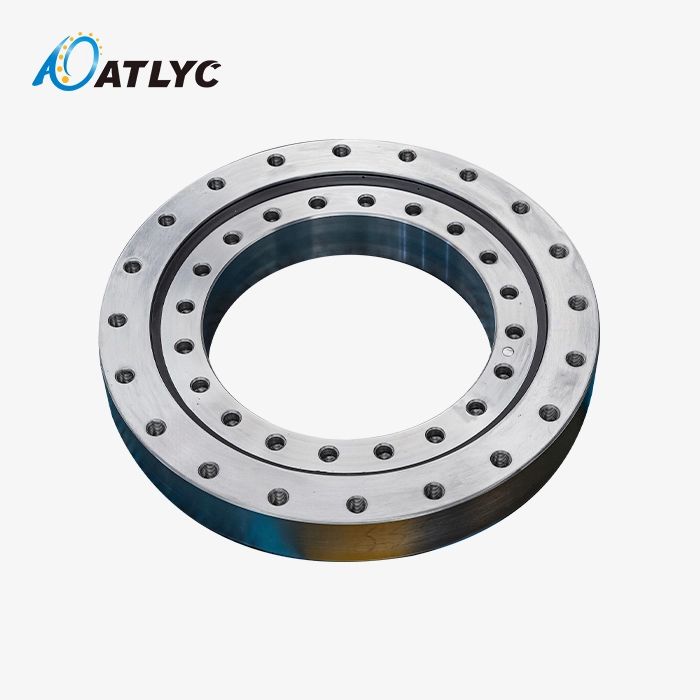
When you install the XSU080168UUP5 Precision Crossed Roller Bearing properly, it changes how well your equipment works. This unit has both an inner and an outer ring, and the fixing holes are already drilled, so it doesn't need a complicated housing. Cleaning the mounting surfaces, checking the tolerances for size, adding the right lubricant, exactly aligning both rings, and fastening them with the right bolt torque in a star design are all parts of the installation process. This crossed roller bearing has an inner diameter of 140 mm, an outer diameter of 215 mm, and a width of 25.4 mm. When placed according to the manufacturer's instructions, it can handle very high radial, axial, and moment loads.
Understanding the XSU080168UUP5 Precision Crossed Roller Bearing
Design Architecture and Load Distribution
Cylindrical rollers are set up perpendicularly between the inner and outer rings in the XSU080168UUP5 Precision Crossed Roller Bearing. This straight-line arrangement makes line contact instead of point contact, which spreads the weight over a bigger area. As a result? Better stiffness that stops elastomeric deformation under complicated stress conditions. To handle loads coming from different directions, traditional angular contact bearings need to be paired up. That is no longer necessary with this crossed roller bearing. Moment loads from off-center forces, axial thrust from processing operations, and radial loads from the weight of the tools all pass through the same small unit. When compared to dual-bearing configurations, the room savings can cut the size of your machine by 30 to 40 percent.
Technical Specifications and Material Composition
Every part of this bearing unit is shaped with precision engineering. The inner diameter of 140 mm can fit large shaft sizes that are popular in industrial settings. The outer width of 215 mm gives you a lot of mounting area while keeping the overall size small. The 25.4 mm width gives it a very high load capacity for its thin shape. The choice of material has a direct effect on how long a bearing lasts. These units are made from GCr15 and GCr15SiMn bearing steels that have been heated until they are HRC 58–64 hard. To get the P5 accuracy rating, the raceway surfaces are ground in a special way that keeps the rotational runout within micron-level limits. This very accurate level works with coordinate measuring machines and visual checking tools that can't handle any errors in their measurements.
Sealing Technology and Lubrication Protection
The two-sided covering that is shown by the letter "UU" in the model number does more than one thing to keep things safe. Contact seals keep lithium-based grease inside the bearing while keeping out other things that could cause it to wear out faster. Compared to open bearing designs, this sealed structure greatly increases the time between lubrication cycles. Metal bits, coolant mist, and outdoor dust can get into bearings in industrial settings. Our sealing technology keeps the inside clean during working cycles, which cuts down on repair needs and unplanned downtime. When making medical equipment, this protected design is especially useful because it keeps outside germs out of clean areas.
Preparing for Installation: Key Considerations
Authentication and Pre-Installation Inspection
In precise uses, fake bearings pose a huge risk of failure. Before you start installing the bearing, make sure that the part number that is written on it exactly matches your requirements. The number XSU080168UUP5 Precision Crossed Roller Bearing proves the size, accuracy level, and closing arrangement. Check the integrity of the package and look at the manufacturer's marks for signs of authenticity. A visual check shows that there may be damage from handling. Check both rings for rust spots, surface scratches, or nicks in the edges. Slowly turn the bearing by hand and check to see if it moves smoothly without any rough spots or stiffness. Any irregularity points to damage inside the system that lowers performance. If you have any concerns, you should contact your provider right away. We have quality assurance procedures in place that take care of pre-installation problems right away.
Environmental Control and Tool Preparation
How the bearings are stored before they are installed has a direct effect on how well they work. Keep bearings in their original packaging in places where the temperature stays between 15°C and 25°C. Surfaces that have been precisely ground can rust when the humidity is above 60%. Our plant sends bearings with coatings that stop rust, but they still need to be stored properly. Get the installation tools you'll need before you start putting things together. Socket wrenches or torque wrenches that are set to the manufacturer's specs make sure that the bolt tightness is correct. When touching things, using clean, lint-free cloths keeps them from getting dirty. Precision measuring tools: check that rods and mounting surfaces are within the allowed range of sizes. For interference-fit installs, hydraulic presses or thermal heating equipment may be helpful, but the mounting holes built into crossed roller bearings usually get rid of the need for press-fitting.
Safety Protocols and Workspace Organization
Contamination that leads to bearing failure can't happen in clean assembly areas. Set up areas for installation that are separate from areas where cutting, drilling, or painting is happening. Cover nearby equipment to keep flying particles from landing on bearing surfaces while the work is going on. Personal safety equipment is used to keep both workers and precision parts safe. Nitrile gloves keep skin oils from touching areas that are moving parts and keep hands safe from sharp edges. When cleaning, safety glasses protect your eyes from metal particles. Setting up organized processes cuts down on installation mistakes that show up as performance problems months after the installation was completed.
Step-by-Step Guide to Installing the XSU080168UUP5 Bearing
Surface Preparation and Dimensional Verification
Preparing the fixing area is the first step to a successful installation. Both the inside and outside of the fixing holes for the crossed roller bearing must be flat and clean. Use a fine gritty cloth to get rid of any burrs, paint leftovers, or rust. Use precision straightedges to check that the surface is flat; variations greater than 0.02mm can cause the ring to warp when the bolt is tightened.
Dimensional testing stops fit issues that hurt efficiency. Compare the attachment diameter on your gear to the 140 mm inner hole and 215 mm outer diameter specs. The tolerance classes tell you if you'll get the right amount of space or disturbance. When compared to traditional bearing setups, the continuous design with mounting holes usually only needs close-running fits instead of press-fits, which makes installation easier.
Solvent cleaners that don't leave behind any dust should be used to clean all mounting areas well. Compressed air cleans out bolt holes and mounting sides of any leftover dust or dirt. This small step keeps dirt and other things from getting stuck between the bearing and the machine, which would otherwise make high spots that bend rings and speed up wear.
Lubrication Application and Assembly Alignment
Even though the XSU080168UUP5 Precision Crossed Roller Bearing comes pre-oiled with sealed grease, make sure there is still enough oil before installing it. Turn the bearing and look for smooth motion that doesn't have any rough spots or dry spots. When sealed bearings are used, extra oil is rarely needed. However, if operation seems limited, check with the manufacturer's instructions.
Carefully place the bearing on the mounting surfaces, making sure that the pre-drilled holes line up with the equipment bolt designs. The design with an integrated fixing hole gets rid of the complicated alignment problems that come with having different bearing housings. But it is still very important that the inner and outer rings are perfectly perpendicular to the spinning line.
Threading mounting bolts until they are finger-tight lets you make small location changes at first. Make sure the bearing fits completely against the fixing surfaces, with no gaps or cocking. Any imbalance at this point causes uneven load distribution, which greatly shortens the life of the bearing. Precision measuring tools can check for perpendicularity; variations greater than 0.05 mm per 100 mm circle usually need to be fixed by moving the object.
Bolt Tightening Sequence and Preload Adjustment
Tightening the bolts the right way keeps the ring from warping and provides the necessary binding force. Use a star design series to apply torque so that the load is spread out evenly around the bolt circle. Tighten bolts slowly over several passes, hitting the final torque limit in small steps instead of all at once.
The manufacturer's torque specs find a balance between the need for enough binding force and the risk of ring deformation. Under-torquing lets the bearing and mounting surface move, which leads to stressing wear. Rings get distorted when they are over-torqued, which leads to changes in setup and runout mistakes. The torque numbers in our technical documents are specific and depend on the size of the bolt and the properties of the material.
Rotation testing proves that the fitting went well. Spin the bearing by hand a few times, checking to see if there are any rough spots or areas of constant resistance. For good alignment and clearance, smooth movement is a sign. If there is unusual resistance, it means that the equipment is not aligned correctly, is contaminated, or has too much loading. This needs to be looked into before it can be used.
Post-Installation: Maintenance and Troubleshooting Tips
Routine Monitoring and Lubrication Management
Precision crossed roller bearings need less care than open ones because they are covered, but they still need to be inspected regularly. Install accelerometers near the bearings and take standard measures of vibration right away after installation. Vibration analysis done once a month finds problems that are starting to form before they become too big to fix. Temperature tracking lets you know quickly if the grease is breaking down or there is too much pressure. Using infrared thermography during operation, you can find areas of increased warmth that mean friction is growing. During steady-state operation, the normal working temperature for crossed roller bearings stays within 20°C of the outdoor temperature.
Sealed bearings have enough grease to last for a long time, but harsh working conditions may speed up the breakdown of the grease. If the temperature is above 80°C, the machine is used continuously for more than 1000 hours a month, or the surroundings are dirty, the lubrication period may need to be changed. When you tell us about the equipment's parameters during procurement, we give you repair plans that are tailored to your needs and the situations under which it is used.
Diagnostic Techniques for Common Installation Issues
When excessive shaking shows up soon after starting, it's usually because of mistakes made during installation, not a problem with the bearings. When the inner and outer rings aren't lined up correctly, they cause irregular loading that shows up as shaking at the rotational frequency. Check the straightness and think about reinstalling if the vibration is 20% higher than the standard readings. Noise patterns that aren't normal can mean there are problems. High-frequency squealing is a sign of pollution or not enough lubricant. Low-frequency rumble is a sign of uneven loading or damage to the surface. When there are problems with the rollers or raceways, clicking sounds are timed with the turning point. When problems happen during work, our expert support team helps with diagnostic analysis.
Early wear patterns seen during checks show problems with the fitting or the way the product is being used. Normal function is shown by wear that is the same across the whole track. The wear spots may be caused by imbalance or shock loads. Damage from edge loading can lead to fitting mistakes with straight lines. Keeping track of wear patterns helps improve fitting methods and make sure the application is right for it.
Manufacturer Support and Warranty Services
ATLYC offers full expert help for questions about installation and problems with how the system works. Our technical team has been working with precision bearings for 15 years and can help with any application problems. Warranty coverage guards against flaws in the manufacturing process and boosts trust in the quality of the product. Every crossed roller bearing comes with paperwork that shows how it was made, the results of inspections, and quality approvals. Claims handling lets you fix problems quickly when they happen, so your production doesn't get interrupted as much.
Procurement Insights for B2B Buyers
Supplier Evaluation and Authentication Strategies
To find XSU080168UUP5 Precision Crossed Roller Bearings, you need to carefully evaluate the suppliers you talk to. ISO 9001 and IATF 16949 standards show that you can handle quality, which is important for making sure that bearings always work well. ATLYC got these certifications by keeping tight process controls in all six of our production workshops.
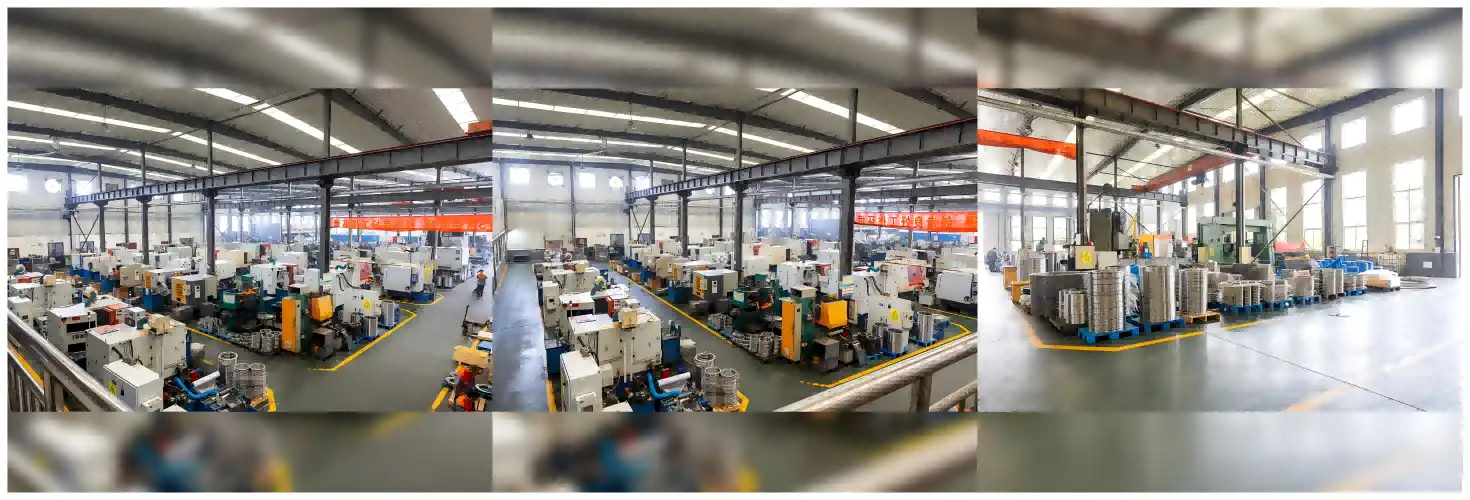
How reliable a source is directly affects how much can be made. Our 120-person production, research, quality control, and assembly team makes sure that we have enough capacity for both one-time sales and long-term supply deals. Check out the production size of possible suppliers. Facilities with multiple workshops and specialized equipment can handle high-volume needs while still meeting precision standards.
Geographic experience shows how well the provider knows how to meet foreign quality standards. We already have a foothold in South Korea, the US, Germany, Russia, Iran, and Turkey, which shows that we can adapt to different technology standards and government rules. Suppliers who work with global markets usually have stricter quality controls than suppliers who only work with local customers.
Volume Purchasing and Lead Time Optimization
Buying crossing roller bearing units in bulk saves money in ways other than lowering the price per unit. When you combine shipping, the cost of freight per bearing goes down. Dedicated production runs get rid of setup differences that make it hard to get consistent sizes in smaller batches. Help with inventory management from experienced makers stops both running out of stock and having too much working capital tied to inventory.
Predictability of lead time is just as important as length. We keep clear records of our work schedules so that we can keep our shipping promises. Our established supply lines for GCr15 bearing steel and specialty grinding wheels keep us from running out of materials, which would slow down production. Rather than missing promised delivery dates, sellers who talk to buyers ahead of time about possible delays get more business.
The total cost of buying is affected by the payment terms and currency choices. Well-known companies that make XSU080168UUP5 Precision Crossed Roller Bearing units offer various options that can meet the needs of foreign trade. Accepting letters of credit, billing in more than one currency, and coordinating trade insurance all show that the provider has experience with doing business with other countries.
Customization Capabilities and Engineering Support
Standard bearing designs work well for many uses, but they need to be changed sometimes for specific tools. Customization requests often include changes to the mounting hole design, higher accuracy grades than P5, or different materials for harsh settings. Check the engineering skills of the provider by looking at their past special projects and the qualifications of their technical staff.
Premium bearing makers are different from commodity providers because they offer application engineering help. To make sure the bearing is right for you, our team looks at your unique working conditions, such as the amount of load, the speed of spin, the temperature range, and any environmental factors. This consultative method stops mistakes that cost a lot of money and improves performance while staying within your budget.

Conclusion
A XSU080168UUP5 Precision Crossed Roller Bearing fitting that goes well requires careful surface preparation, exact alignment methods, and the right amount of bolt torque. The form of the integral mounting hole makes fitting easier than with standard bearing setups. It also provides great load capacity in the radial, axial, and moment directions. Routine tracking after installation finds problems before they get worse, which keeps equipment running as long as possible during the bearing's useful life. Working with a skilled manufacturer gives you professional support during the whole process, from buying the product to setting it up to running it. ATLYC has been making things for 15 years, has ISO certifications, and has experience supplying products all over the world. This makes us your trusted partner for precision crossed roller bearing applications that need steady quality and long-term supply stability.
FAQ
1. How do I verify the XSU080168UUP5 Precision Crossed Roller Bearing is the correct size for my application?
Make sure that the 140mm inner diameter fits your shaft, the 215mm outer diameter fits your fixing surface, and the 25.4mm width gives you enough room. Take exact measurements of the size of the tools you already have and compare them to these specs. Dimensional information is stored in the part number itself. The letters XSU stand for the series, and the numbers inside them are dimensional codes.
2. What kinds of special tools do I need to run it?
Because the fixing holes are built in, hydraulic presses are not needed, which is usually the case for interference-fit bearings. To make sure the bolts are properly tightened, you'll need precise torque wrenches, accurate measuring tools, clean, lint-free cloths, and the right chemical cleaners. Standard socket sets can be used to place bolts, but in serious situations, specialized tools may be needed to check the position.
3. How often do sealed crossed roller bearings need to be serviced?
When compared to open bearings, sealed designs greatly increase the time between repair visits. Monitoring sound and temperature once a month finds problems before they get worse. Every year, thorough checks make sure that everything is still working right. Extreme situations, like temperatures above 80°C, dirty environments, or activity 24 hours a day, seven days a week, may require more frequent review. Talk to the company that sells you the bearings to get application-specific advice based on the real working conditions.
Partner with ATLYC for Reliable XSU080168UUP5 Precision Crossed Roller Bearing Supply
ATLYC has been making precision parts for 15 years and has quality processes that are ISO 9001 and IATF 16949 approved. As a reliable XSU080168UUP5 Precision Crossed Roller Bearing manufacturer, we offer steady quality even for large production runs. We serve customers all over the world in the car parts, industrial machinery, and automation equipment sectors. Our 120-person engineering and production team provides full technical support throughout the entire buying process, from helping you with your application and making sure you're meeting all the requirements to helping you with installation and fixing problems that come up during operation. You can email our team at auto@lyautobearing.com to talk about your precision bearing needs, get full technical specifications, or get cheap quotes for both small quantities for prototypes and large quantities for mass production.
References
1. Harris, T.A. and Kotzalas, M.N. (2006). Rolling Bearing Analysis: Essential Concepts of Bearing Technology. CRC Press, Taylor & Francis Group.
2. ISO 492:2014. Rolling bearings — Radial bearings — Geometrical product specifications (GPS) and tolerance values. International Organization for Standardization.
3. Eschmann, P., Hasbargen, L., and Weigand, K. (1985). Ball and Roller Bearings: Theory, Design and Application. John Wiley & Sons.
4. SKF Group. (2018). Rolling Bearings Catalogue: Crossed Roller Bearings for Precision Applications. SKF Motion Technologies AB.
5. Hamrock, B.J. and Dowson, D. (1981). Ball Bearing Lubrication: The Elastohydrodynamics of Elliptical Contacts. John Wiley & Sons.
6. ANSI/ABMA Standard 20-1996. Radial Bearings of Ball, Cylindrical Roller and Spherical Roller Types — Metric Design. American Bearing Manufacturers Association.
Learn about our latest products and discounts through SMS or email