- English
- French
- German
- Portuguese
- Spanish
- Russian
- Japanese
- Korean
- Arabic
- Greek
- German
- Turkish
- Italian
- Danish
- Romanian
- Indonesian
- Czech
- Afrikaans
- Swedish
- Polish
- Basque
- Catalan
- Esperanto
- Hindi
- Lao
- Albanian
- Amharic
- Armenian
- Azerbaijani
- Belarusian
- Bengali
- Bosnian
- Bulgarian
- Cebuano
- Chichewa
- Corsican
- Croatian
- Dutch
- Estonian
- Filipino
- Finnish
- Frisian
- Galician
- Georgian
- Gujarati
- Haitian
- Hausa
- Hawaiian
- Hebrew
- Hmong
- Hungarian
- Icelandic
- Igbo
- Javanese
- Kannada
- Kazakh
- Khmer
- Kurdish
- Kyrgyz
- Latin
- Latvian
- Lithuanian
- Luxembou..
- Macedonian
- Malagasy
- Malay
- Malayalam
- Maltese
- Maori
- Marathi
- Mongolian
- Burmese
- Nepali
- Norwegian
- Pashto
- Persian
- Punjabi
- Serbian
- Sesotho
- Sinhala
- Slovak
- Slovenian
- Somali
- Samoan
- Scots Gaelic
- Shona
- Sindhi
- Sundanese
- Swahili
- Tajik
- Tamil
- Telugu
- Thai
- Ukrainian
- Urdu
- Uzbek
- Vietnamese
- Welsh
- Xhosa
- Yiddish
- Yoruba
- Zulu
How to Maintain RB12025 Bearing for Maximum Lifespan?
Maintaining your RB12025 Bearing correctly is the best way to make sure it works for longer and protects your equipment investment. For this precise part to work properly, it needs to be oiled regularly with the right kind of grease, kept clean by properly sealing it, inspected regularly to find early signs of wear, installed correctly, and loaded within its limits. Using these basic maintenance tips along with safe handling techniques will make sure that your RB12025 Bearing works well for thousands of hours in tough industrial settings.
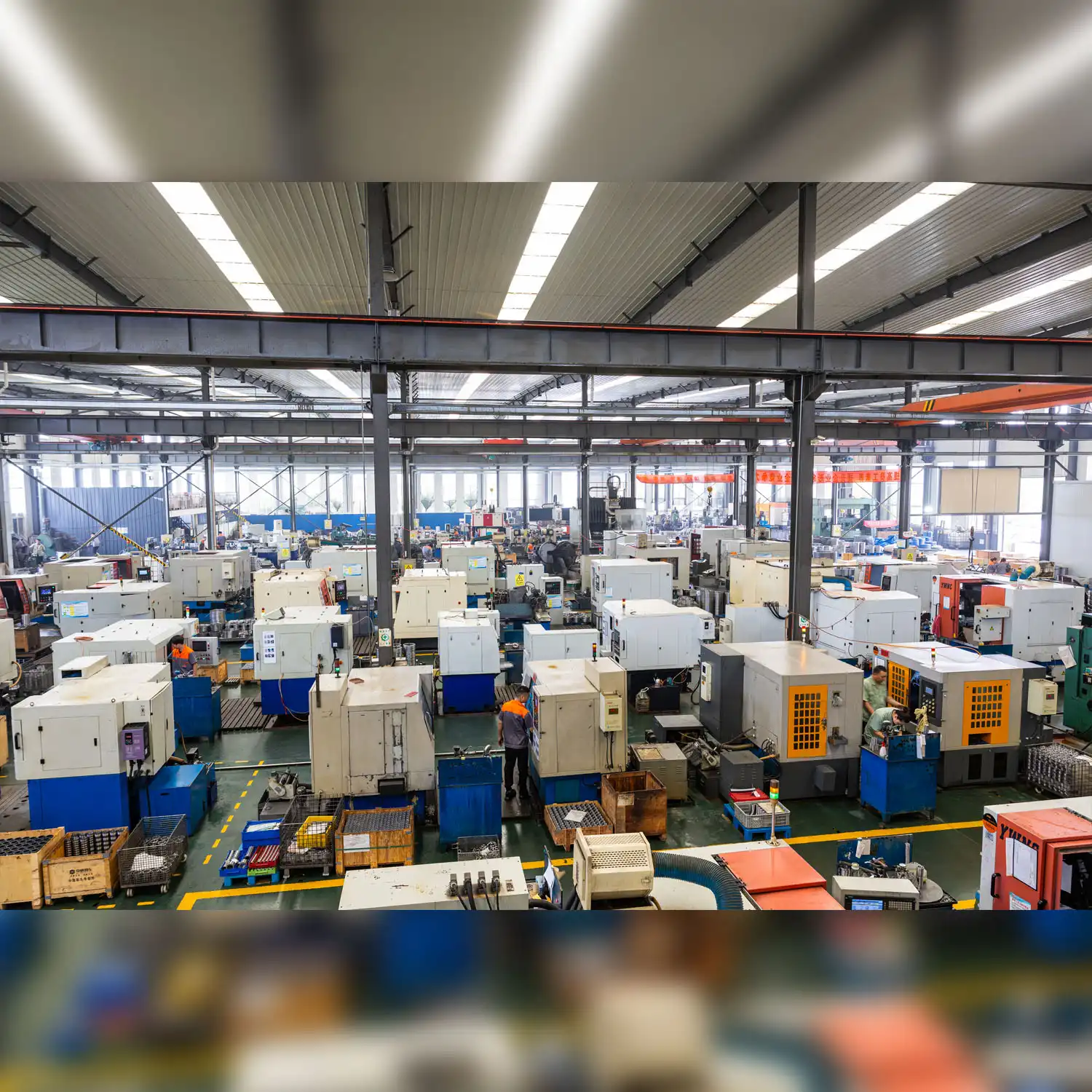
Why Proper Maintenance of Cross Roller Bearings Matters
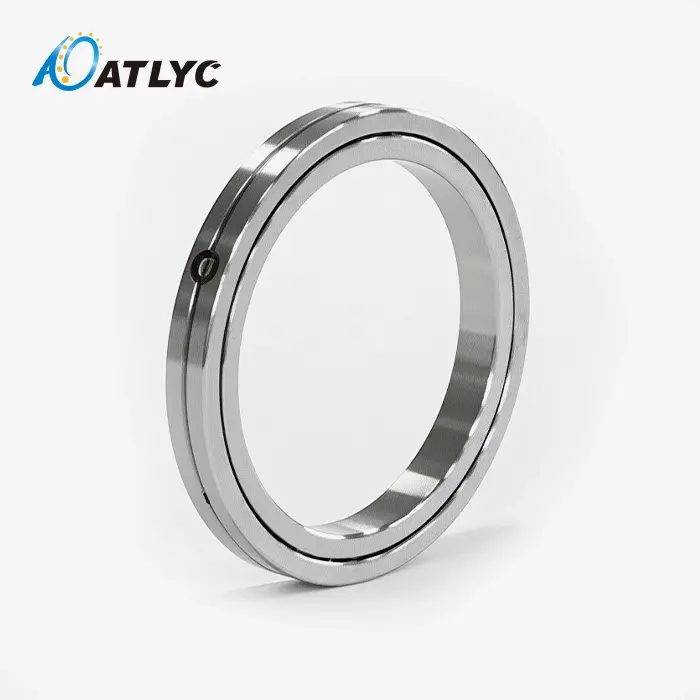
The cross roller bearing is the most reliable type of mechanical part in heavy-duty industrial settings, like robotic joints and precise spinning tables. The RB12025 Bearing is a unique part that is designed to handle radial, axial, and moment loads at the same time while taking up little space. Its one-of-a-kind design, with alternate perpendicular roller layouts, gives it the rigidity and precision that modern industry needs. Understanding maintenance procedures has a direct effect on operational uptime and total cost of ownership for purchasing managers, maintenance engineers, OEM clients, and bearing distributors who work with automotive and industrial machinery. U.S. manufacturers lose about $50 billion a year because of equipment breakdowns. Nearly 30% of these breakdowns are caused by bearing failures. These numbers are changed by preventive maintenance, which turns possible failures into regular service times that protect production schedules and capital investments. At Luoyang Auto Bearing Co., Ltd., we've seen how proper maintenance can increase the life of bearings by 200 to 300 per cent compared to units that aren't taken care of. We have been making precision bearings for 15 years and have ISO 9001 and IATF 16949 certifications. During that time, we have learned that the best way to care for a part is to understand it.
Understanding RB12025 Bearing Specifications and Design Features
Technical Specifications That Define Maintenance Requirements
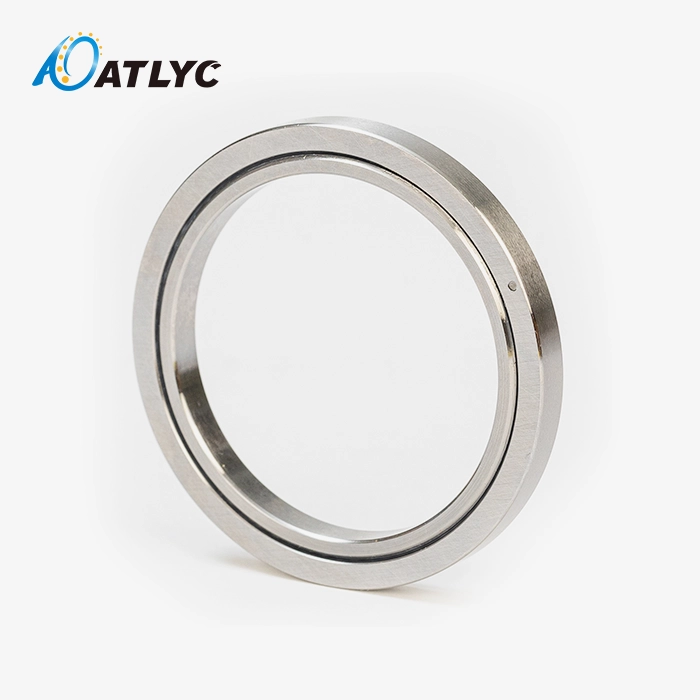
The RB12025 Bearing is a cross roller bearing in the RB line. It has an outer ring plug form and an inner and outer ring that are built together. It has an outer diameter of 120 mm, an inner diameter of 25 mm, and a certain width that makes it good for small mounting arrangements. This part is made from high-quality Gcr15 or Gcr15SiMn bearing steel, and its precision grades range from P6 to P4, depending on the needs of the application. This single bearing can replace several regular bearings because it has a crossed roller configuration, which means that the cylindrical rollers are arranged alternately at 90-degree angles. This shape spreads the loads over a bigger touch area, which lowers stress levels that usually speed up wear. This architecture's low friction coefficient helps with smooth spinning while generating as little heat as possible during operation.
How Design Elements Influence Maintenance Approaches
The integrated ring structure stops relative movement between ring parts. This makes it harder for contaminants to get in, but the plug contact needs extra care when closing. The roller cage, which is usually made of brass or engineered polymers, keeps the rollers in place and guides them. The choice of cage material affects how well it works with lubricants and how much temperature it can handle. These are direct factors that affect when upkeep needs to be done. Knowing about these design details helps maintenance teams guess how things will wear down. Roller paths create predictable contact stress zones, which make inspection focus areas easy to find. The precision-ground raceways have very accurate runout, but because they are so precise, they can be damaged by contamination. This makes preventive maintenance even more important.
| Specification Category | RB12025 Bearing Parameters | Maintenance Implication |
|---|---|---|
| Material Composition | Gcr15, Gcr15SiMn steel | Determines corrosion resistance and cleaning agent compatibility |
| Precision Grade | P6, P5, P4, P2 | Higher grades demand stricter contamination control |
| Load Capacity | Combined radial/axial/moment | Requires monitoring for overload conditions |
| Operating Temperature | -20°C to +120°C typical | Influences lubrication selection and inspection frequency |
Common Causes of Premature RB12025 Bearing Failure
Contamination: The Silent Performance Killer
Large particles getting into bearings is the main reason why they fail early in industrial settings. Dust, metal particles, water, and chemicals can get into bearing systems when they are not properly sealed or when they are being maintained. Once these contaminants get inside, they act like abrasives, making surface pits, speeding up wear, and making more particles that add to the damage cycle. Getting water on precision-ground surfaces is especially bad because it removes protective lubricant films and starts corrosion. In cross roller bearings like the RB12025 Bearing, dirt and dust throw off the delicate balance between the rollers and raceways. This causes more friction and too much heat, which breaks down the remaining lubricant.
Lubrication Deficiencies and Their Consequences
Poor lubrication can show up in a number of ways, including not using enough lubricant, choosing the wrong type of grease, using contaminated lubricant, or waiting too long to re-lubricate. Each situation speeds up wear by creating border lubrication conditions where metals touch each other. When protective lubricant films break down, the high contact pressures in crossed roller designs make the damage worse. Different problems arise when there is too much lubrication, especially in high-speed situations where spinning resistance creates heat and oxidation of the oil. This thermal breakdown makes acidic chemicals that eat away at bearing surfaces and leave behind layers that make roller motion impossible.
Misalignment and Installation Errors
Uneven load distribution across the roller set can be caused by a rough mounting surface, a misaligned shaft, or incorrect preload adjustment. The RB12025 Bearing can handle moment loads, which means it can handle some imbalance. However, big differences cause edge loading, which puts most of the stress on the roller ends and raceway edges. These areas of high stress cause surface flaking and speed up fatigue failure. Damage to the installation caused by bad handling of tools or using too much force during installation creates hidden flaws that show up as early failure. When bearing raceways are installed and hit with loads, they create stress patterns below the surface that finally lead to problems on the surface.
Environmental Stressors and Operating Conditions
Changing temperatures can make lubricants less stable and change the gaps between bearings by causing different amounts of thermal expansion. Vibrations from nearby machines or shock loads caused by the process put dynamic stresses that are higher than what was calculated in the design. Even when protective lubricants are used, corrosive atmospheres can damage bearing surfaces. This is especially true when environmental sealing fails. By spotting early warning signs, catastrophic failures can be avoided. Condition monitoring can find problems before they become functionally obsolete by detecting abnormal vibration signatures. Grinding, clicking, or squealing sounds that don't happen very often are a sign of lubrication failure or contamination. When temperatures rise above the standard, it means that there is more friction because of inadequate greasing or overloading.
Step-by-Step RB12025 Bearing Maintenance Best Practices
Cleaning Procedures That Protect Precision Surfaces
Disassembling things correctly in a clean area is the first step to cleaning them well. We suggest using solvents derived from petroleum or special bearing cleaning solutions that get rid of dirt and grime without hurting the bearings or any oils that are still on them. Do not use harsh alkaline cleaners that can damage brass cages or leave behind residues that make it harder to lubricate later. The cleaning process includes soaking the item in a solvent to get rid of large amounts of dirt, gently brushing with soft-bristle tools to get rid of tough deposits, and finally rinsing with clean solvent. Oil-free, filtered air must be directed at angles that keep rollers from spinning, which could damage unloaded raceways, for compressed air drying to work. Complete drying stops the buildup of moisture that starts corrosion.
Comprehensive Inspection Methodologies
When you look at the surface under good lighting, you can see if it has any pitting, spalling, discolouration from overheating, or corrosion. Magnification helps find cracks or surface irregularities that are just starting to show up. By comparing current values to standard specs and measuring running space with precision gauges, you can see how wear is progressing. Advanced inspection methods include dye penetrant testing to find cracks on the surface, ultrasonic testing to find problems below the surface, and vibration analysis using accelerometers to find unevenness or roughness that is growing. Written check records create valuable data that tells you how long something will last and when it should be replaced.
Lubrication: Selecting and Applying the Right Products
Grease lubrication works well for most RB12025 Bearing uses because it keeps dirt and dust out while also lubricating. When it comes to efficiency, lithium-complex greases that are NLGI grade 2 work really well at most temperatures. Synthetic greases made with polyurea or polyalphaolefin as the base stock work well in places where temperatures change a lot. In high-speed situations or systems with centralised lubricant spread, oil lubrication is better. ISO VG 68–150 oils meet the needs for both viscosity and pumpability. Quantity is important; too much grease leads to churning losses, while not enough grease lets metal touch. The bearing cavity should be filled with 30 to 50 per cent free volume of grease, not all the way to the top. When to re-grease depends on how the machine is being used. The following baseline plan gives starting points that have been changed to fit unique needs:
- Continuous use at moderate loads: Every 2,000 to 3,000 hours of use
- Every 500 to 1,000 hours for heavy loads or dirty environments
- Every 5,000 to 8,000 hours for light loads in clean conditions
Installation Techniques That Preserve Bearing Integrity
Carefully clean the fastening surfaces, getting rid of any burrs, nicks, or dirt that could cause them to not line up properly or cause stress to build up. Check that the shaft and housing measurements are within the allowed ranges by measuring them. To keep installation forces from damaging raceways, interference fits need thermal methods like heating housings or cooling shafts. Impact loads are avoided by hydraulic installation tools that spread forces out evenly. Before applying preload, make sure the seat is properly seated by checking the dimensions. Installing the seals completes the assembly and creates walls against pollution that are necessary for long service life. Before starting up the equipment, turn the attached bearing by hand to make sure it works smoothly and doesn't stick or feel rough.
Comparing RB12025 Bearing Maintenance with Alternatives
Design Variations That Affect Service Requirements
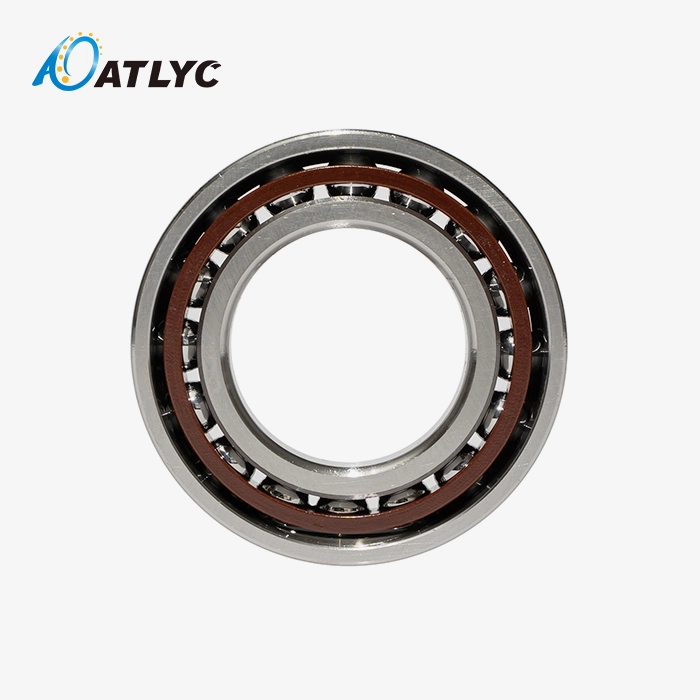
Other crossed roller designs, like the RE series, have inner and outer rings that are different from each other. This makes installation easier, but it requires careful ring alignment during assembly. Traditional angular contact ball bearings can handle the same amount of load when set up in a duplex or triplex configuration, but they are harder to change for loading and can't handle as much moment load as the RB12025 Bearing integrated design. These differences in form show up in the maintenance needs. Separable ring bearings make inspections easier by making it easier to take them apart, but they make sealing at the ring interfaces more difficult. Keeping track of multiple parts and matching sets for ball bearing arrangements is harder than keeping track of a single unit cross roller arrangement.
Cost-Benefit Analysis of Maintenance Investment
When you invest in proper maintenance, you get big returns in the form of longer service intervals and fewer breakdowns. In most industrial settings, a good cross roller bearing will last between 30,000 and 50,000 hours with regular maintenance. If you don't take care of similar bearings, they often fail before 10,000 hours, which costs a lot more than the upkeep costs. After doing some math, it becomes clear that preventative maintenance, which costs $200 to $400 a year in materials and labour, can save you $5,000 to $15,000 in repairs, replacement parts, and lost production. In many cases, the return on investment for maintenance is more than 1,000%. This makes maintenance programs one of the most valuable things that factories do.
Original Equipment Quality Advantages
When you buy bearings from well-known companies like NSK, SKF, FAG, Timken, NTN, KOYO, Nachi, and approved suppliers like ATLYC, you can be sure of their quality because they use controlled manufacturing methods and can track where the materials come from. These bearings always meet the published specifications, which makes planning maintenance easier. Technical support from reputable suppliers helps with fixing problems and making applications work better.OEM parts come with warranty security that covers problems with the way they were made and encourages proper maintenance through the terms of the guarantee. Fake or poor-quality bearings hurt maintenance efforts by using inconsistent materials, having different sizes, and breaking down early, no matter how well they are maintained.
| Bearing Type | Maintenance Frequency | Complexity Level | Typical Service Life |
|---|---|---|---|
| RB12025 Bearing | Moderate intervals | Medium complexity | 30,000-50,000 hours |
| RE Series (Separable) | Similar intervals | Higher complexity | 25,000-45,000 hours |
| Angular Contact Ball (Duplex) | More frequent | Higher complexity | 20,000-40,000 hours |
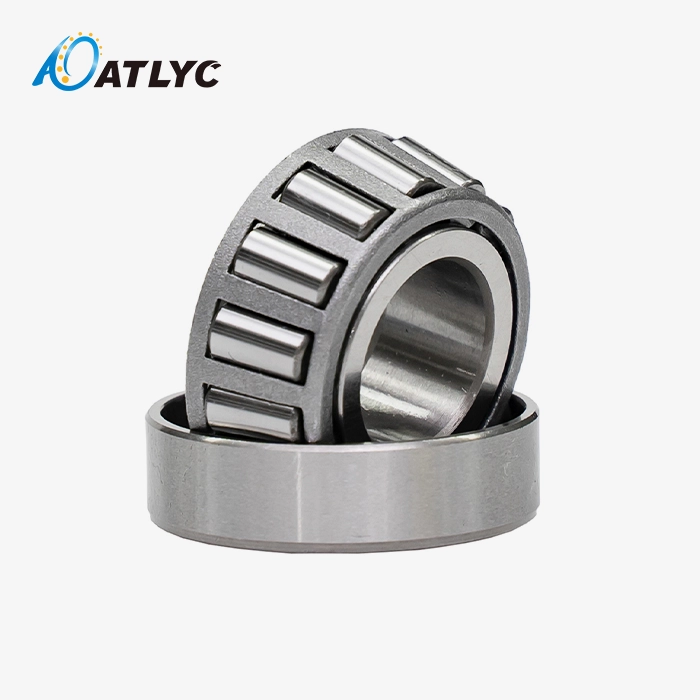
| Tapered Roller (Paired) | Similar intervals | Medium complexity | 25,000-45,000 hours |
Maximising RB12025 Bearing Lifespan: Case Studies and Real-World Applications
Robotic Manufacturing Cell: Precision Under Pressure
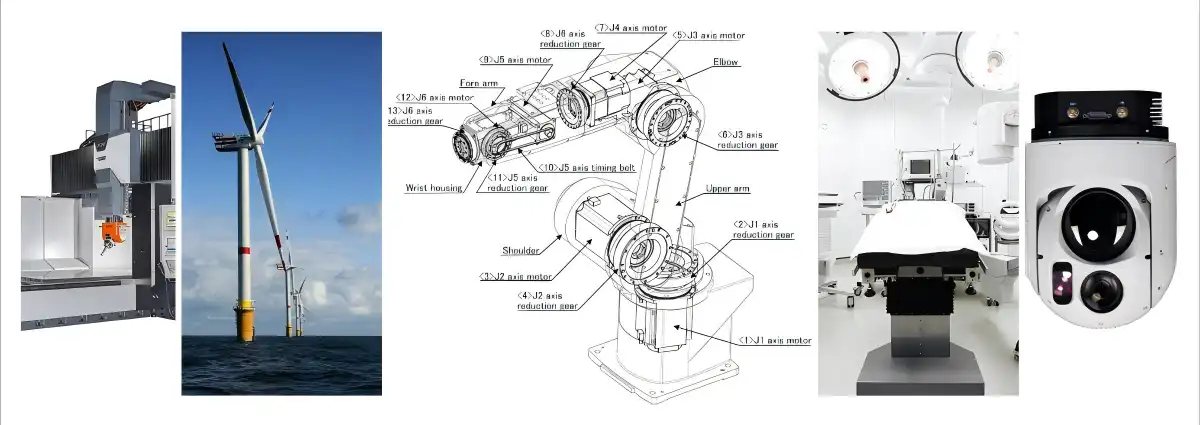
A company in the Midwest that makes parts for cars put RB12025 Bearings into the joints of robotic arms that can do more than 2 million cycles of motion every year. The first bearings chosen failed after 18 months because they weren't oiled properly. Using the right synthetic grease and relubricating the bearings on a regular basis every 1,500 hours of use increased their life to 4.5 years, which is a 200% increase. Better sealing helped keep things clean and increased reliability even more, getting rid of unplanned downtime that used to mess up production schedules. The maintenance program set up written check standards and taught techs how to use vibration tracking to spot early signs of wear. Trend analysis predicted when to replace things, which turned reactive failures into planned maintenance windows that had the least effect on production. The centre thought it could save $47,000 a year by cutting down on emergency fixes and increasing uptime.
Medical Equipment Application: Precision and Cleanliness
A medical device maker that used RB12025 bearings in CT scanner gantry parts had trouble meeting both cleaning and lubrication standards. In hospitals, lubricant leaks are not allowed because they can make the air dirty. However, the machines must be quiet and accurate in their positions. Using food-grade synthetic grease that meets FDA standards and putting in place sealed bearing designs fixed both problems. Maintenance intervals were increased to 8,000 hours by choosing the right lubricant and keeping the environment under control. The bearing sets kept the required level of accuracy throughout their service life, which upheld patient safety standards and cut down on the cost of upkeep labour. This application shows how customised maintenance methods can effectively meet the needs of specific industries.
Lessons Learned and Actionable Recommendations
These cases show common themes: disciplined maintenance works better than just quality parts, controlling the environment has a big effect on service life, and written processes make it easier for maintenance teams to share knowledge. When making purchases, people should look at the total cost of ownership instead of just the initial purchase price. This is because high-quality bearings that are properly maintained are more cost-effective than cheap alternatives that need to be replaced often. During commissioning, set baseline performance metrics like vibration signatures, operating temperatures, and acoustic profiles. This will create reference standards that can be used for future comparisons. Instead of waiting until something breaks down to do a repair, plan it for planned breaks in production. Spend money on training programs that make the repair team more skilled and help them follow methods consistently.
Conclusion
To get the most out of a cross roller bearing's service life, you need to pay close attention to how it is oiled, how it is installed, and how often it is inspected. The RB12025 Bearing works very well when basic care guidelines are followed by repair teams all the time. Knowing the part numbers, spotting signs of failure, and using tried-and-true maintenance methods can turn uncertain bearing reliability into a predictable one. An analysis of the economy shows that investing in maintenance pays off more than 10 times over because it stops problems before they happen and extends the time between services. Real-world examples in robotics, medical equipment, and industrial machinery show that these methods work and show that performance can be improved. Buying quality parts from reputable suppliers goes hand-in-hand with maintenance work. Together, they create synergistic effects that lower the total cost of ownership and keep operations running smoothly in tough manufacturing environments.
FAQ
What is the typical RB12025 bearing lifespan under optimal maintenance?
If you keep cross roller bearings in good shape by lubricating them properly, keeping them clean, and using them in the right way, they can last between 30,000 and 50,000 hours. Applications that have good conditions, like moderate loads, clean environments, and regular maintenance, can last longer than 60,000 hours. Lifespan changes a lot depending on how the RB12025 Bearing is used, so condition monitoring is a good way to figure out how much service life is left.
How often should I inspect and relubricate my bearings?
How often you inspect depends on how bad the program is. Most industrial uses can handle inspections every three months, but checks every month are better for harsh environments or important equipment. Depending on load, speed, temperature, and contamination exposure, relubrication should be done every 1,000 to 3,000 hours. Check the bearing manufacturer's instructions for specific advice, then make changes based on what you find during inspection and your experience using the bearing.
Do aftermarket lubricants affect warranty coverage?
Most manufacturers list the types of lubricants that are covered by their warranties. If you use unapproved products and something fails because the lubricant doesn't work with them, you might not be covered. Quality aftermarket lubricants that meet manufacturer specifications should usually keep the warranty valid, but it's important to keep proof that the specifications were met. If you're not sure what to do, talk to the bearing seller before switching brands or types of lubricant to keep your guarantee valid.
Partner with ATLYC for Reliable Cross Roller Bearing Solutions
The ATLYC (Luoyang Auto Bearing Co., Ltd.) company provides high-quality cross roller bearings and full technical help to make your tools last longer. As a company that is certified by both ISO 9001 and IATF 16949 to make RB12025 Bearings, we've spent 15 years perfecting production methods that always make parts that meet international quality standards. Our engineering team helps you set up maintenance protocols that get the most out of your investment while reducing the risk of downtime by giving you advice that is specific to your application. Email our bearing experts at auto@lyautobearing.com to talk about your needs, get technical specs, or look into bulk purchasing options that will give your manufacturing operations both quality security and reasonable pricing.
References
1. Harris, T. A., & Kotzalas, M. N. (2006). Advanced Concepts of Bearing Technology: Rolling Bearing Analysis, Fifth Edition. CRC Press.
2. Khonsari, M. M., & Booser, E. R. (2017). Applied Tribology: Bearing Design and Lubrication, Third Edition. John Wiley & Sons.
3. ISO 15243:2017. Rolling bearings — Damage and failures — Terms, characteristics and causes. International Organization for Standardization.
4. SKF Group. (2020). Bearing Maintenance Handbook: Lubrication and Maintenance Procedures for Industrial Applications. SKF USA Inc.
5. Budynas, R. G., & Nisbett, J. K. (2015). Shigley's Mechanical Engineering Design, Tenth Edition. McGraw-Hill Education.
6. Noria Corporation. (2019). Machinery Lubrication Magazine: Best Practices in Bearing Lubrication and Maintenance. Noria Corporation Publishing.
Learn about our latest products and discounts through SMS or email