- English
- French
- German
- Portuguese
- Spanish
- Russian
- Japanese
- Korean
- Arabic
- Greek
- German
- Turkish
- Italian
- Danish
- Romanian
- Indonesian
- Czech
- Afrikaans
- Swedish
- Polish
- Basque
- Catalan
- Esperanto
- Hindi
- Lao
- Albanian
- Amharic
- Armenian
- Azerbaijani
- Belarusian
- Bengali
- Bosnian
- Bulgarian
- Cebuano
- Chichewa
- Corsican
- Croatian
- Dutch
- Estonian
- Filipino
- Finnish
- Frisian
- Galician
- Georgian
- Gujarati
- Haitian
- Hausa
- Hawaiian
- Hebrew
- Hmong
- Hungarian
- Icelandic
- Igbo
- Javanese
- Kannada
- Kazakh
- Khmer
- Kurdish
- Kyrgyz
- Latin
- Latvian
- Lithuanian
- Luxembou..
- Macedonian
- Malagasy
- Malay
- Malayalam
- Maltese
- Maori
- Marathi
- Mongolian
- Burmese
- Nepali
- Norwegian
- Pashto
- Persian
- Punjabi
- Serbian
- Sesotho
- Sinhala
- Slovak
- Slovenian
- Somali
- Samoan
- Scots Gaelic
- Shona
- Sindhi
- Sundanese
- Swahili
- Tajik
- Tamil
- Telugu
- Thai
- Ukrainian
- Urdu
- Uzbek
- Vietnamese
- Welsh
- Xhosa
- Yiddish
- Yoruba
- Zulu
RB5013 Crossed Roller Bearing: How to Choose the Right Model?
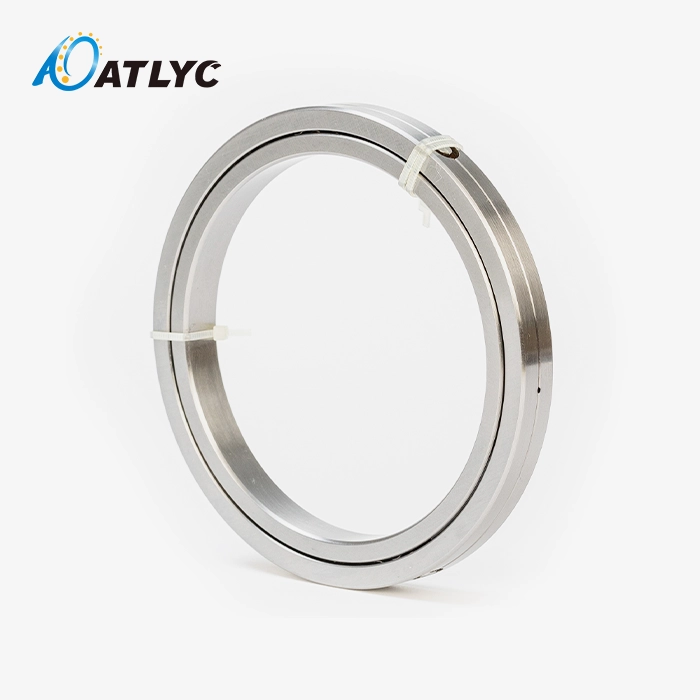
When choosing the RB5013 Crossed Roller Bearing, you need to think about the application's load capacity, precision needs, and size restrictions. This small bearing has an inner diameter of 60mm, an outer diameter of 85mm, and a width of 13mm. It is very rigid and can handle loads in more than one direction. Finding the right model means knowing your working environment, making sure the provider is certified, and matching the technical specs to the performance needs of your machinery to make sure it lasts a long time and doesn't cost too much.
Introduction
The RB5013 Crossed Roller Bearing is a very specialised part that is known for its exact rotation and ability to hold heavy loads in harsh industrial settings. Picking the right model is still very important for making sure that precision machinery works well, lasts a long time, and does its job well. This guide is for buying managers, engineers, distributors, and OEM clients who need to choose and source bearings for complex uses. It gives them the information they need to make better choices about purchases and lower their risk. To make precision parts, you need partners who know both the technical needs and the reliability of the supply chain. Luoyang Auto Bearing Co., Ltd. has spent fifteen years improving its production skills. It has grown from a single workshop in 2010 to six specialised facilities that serve customers all over the world. Mid-sized to large car and industrial equipment makers rely on our ISO 9001 and IATF 16949 certifications to show that we are committed to consistent quality standards.
Understanding RB5013 Crossed Roller Bearings: Features and Technical Specifications
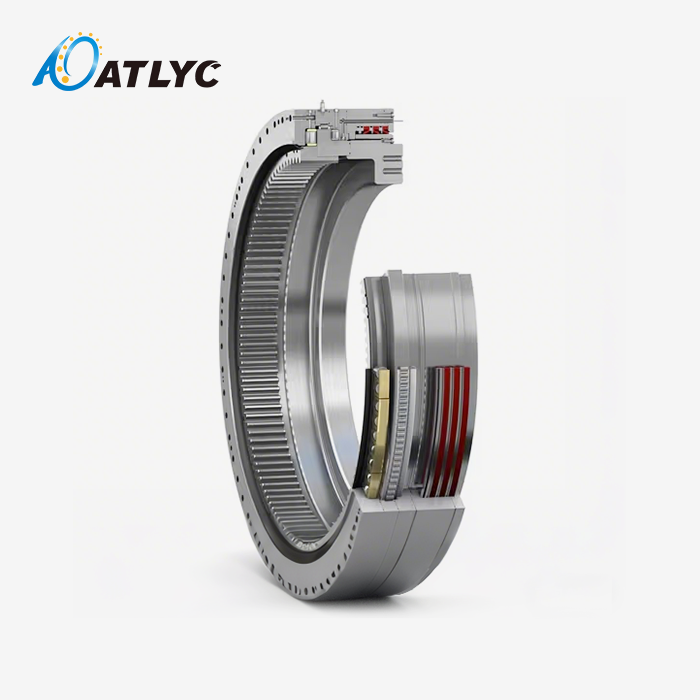
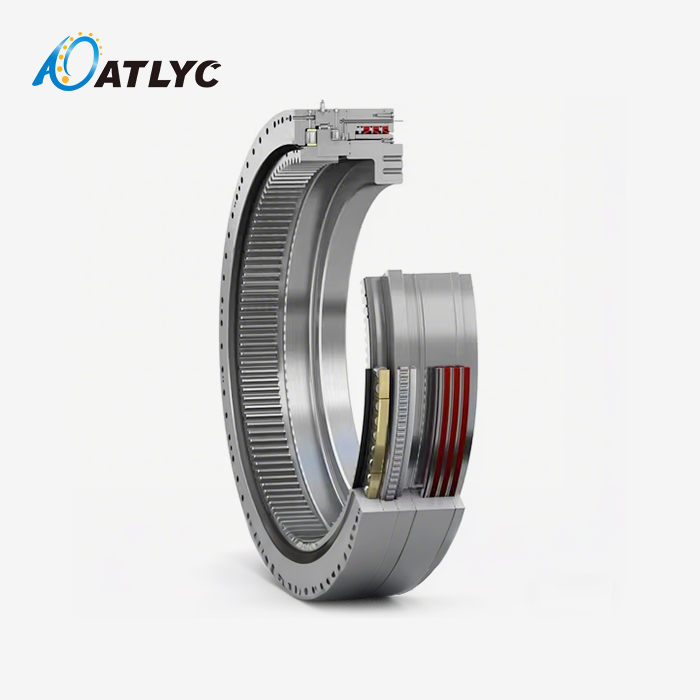
RB5013 Crossed Roller Bearings have cylinder-shaped rollers that are arranged alternately at right angles. This lets them handle loads from multiple directions at the same time while keeping their accuracy. This special design makes what engineers call "line contact" instead of the "point contact" that you find in ball bearings. This greatly increases the load capacity and rigidity while keeping the size small.
Core Structural Design
The RB5013 has an inner and outer ring integrity design, and the setting plug is built into the outer ring. Compared to traditional bearing assemblies that need multiple parts, this integrated design makes mounting easier and cuts down on installation time. The alternating roller arrangement spreads the load evenly in both the axial and radial directions, so there is no need for separate thrust and radial bearing sets.
Technical Specifications and Dimensions
Knowing the exact measurements helps engineers figure out if the new design will work with existing machinery. The RB5013 is 60 mm across the middle, 85 mm across the outside, and 13 mm wide. These small sizes make great use of the room, which is especially helpful in robotic joints and precision scanning tables where every millimetre matters. The choice of material is very important for how well a bearing works. After being made from GCr15 or GCr15SiMn bearing steel, these parts are heated until they reach a hardness level of 58 to 64 HRC. This process of hardening goes to a certain depth profile, which makes sure that the raceway can withstand millions of rotations without breaking down or wearing down too quickly.
Performance Advantages
The benefits of engineering directly lead to better operations. A single bearing that can handle high radial, axial, and moment loads makes assembly design simpler. The low friction coefficient keeps the rotation smooth even when heavy loads are applied, and the high runout accuracy keeps the positioning accuracy that is needed for CNC machines and medical imaging equipment.
| Performance Parameter | RB5013 Specification | Industry Benchmark |
|---|---|---|
| Inner Diameter | 60 mm | Standard |
| Outer Diameter | 85 mm | Standard |
| Width | 13 mm | Compact Profile |
| Load Capacity | Multiple directions | Superior |
| Friction Coefficient | Low | Optimized |
| Runout Accuracy | P5 and P4 capable | High Precision |
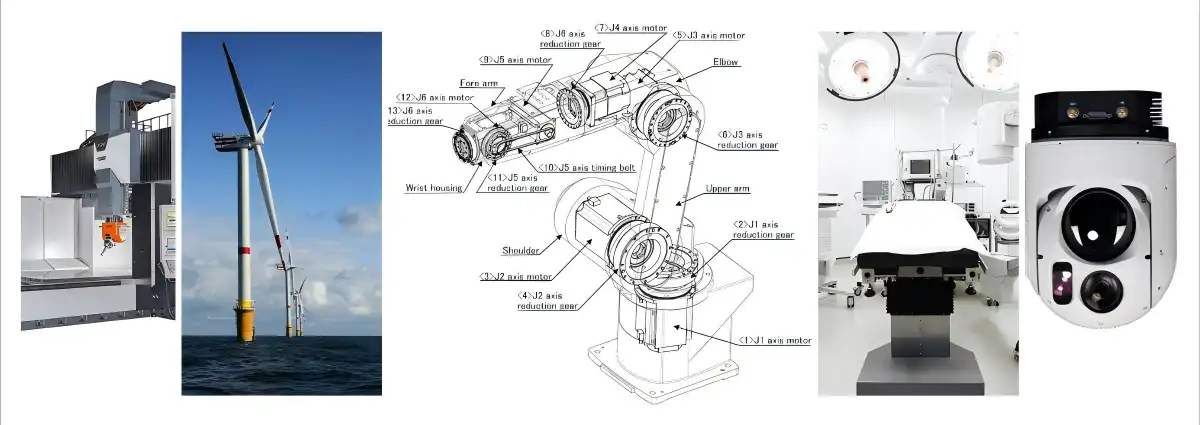
Since these things are true, crossed roller bearings are perfect for industrial robot joints or rotating parts, machining centre rotary tables, manipulator rotating parts, precision rotary tables, medical machines, measuring tools, and devices that make integrated circuits. Automation equipment makers who want reliable parts can solve some of their problems by making it possible to handle complex load combinations while keeping positioning accuracy.
Comparing RB5013 Crossed Roller Bearings With Other Bearing Types
People who work in procurement often have to choose between different bearing technologies, each of which has its own benefits depending on the needs of the application. Being aware of these differences helps balance the need to stick to a budget with the long-term benefits for operations.
Load Capacity and Contact Mechanics
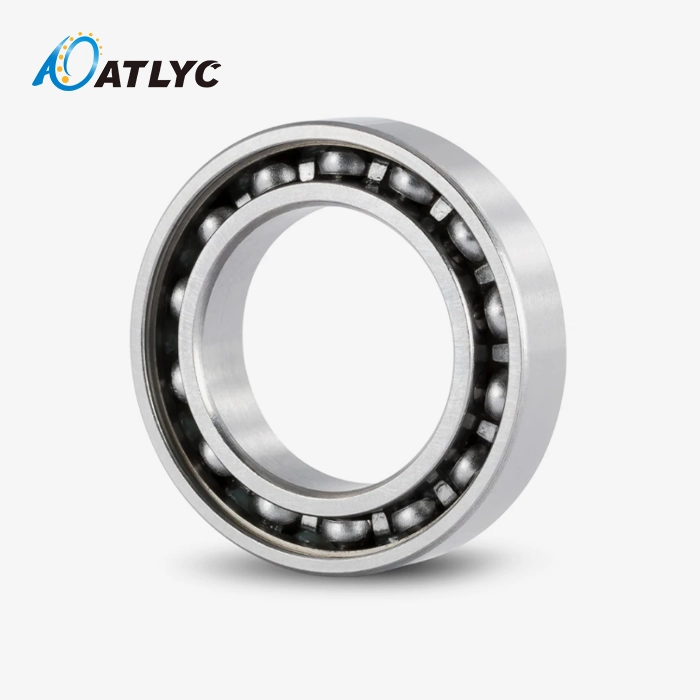
Ball bearings have point contact between the moving elements and the raceways, which means they can't hold as much weight as crossed roller designs, which use line contact. Ball bearings work best in high-speed situations with light loads. The RB5013 Crossed Roller Bearing, on the other hand, can handle radial, axial, and moment loads all at the same time without the need for extra support bearings. This feature makes the setup simpler and lowers the number of possible failure places.Tapered roller bearings can handle heavy loads, but they usually need to be installed in pairs to handle thrust loads that go in both directions. The crossed roller design does this in a single small unit, which saves room for installation and cuts down on the amount of material needed for upkeep.
Precision and Accuracy Classes
When crossed roller bearings are made to the P5 or P4 accuracy class, they have runout tolerances measured in microns. This is important for applications like semiconductor manufacturing equipment, where positioning errors can affect the whole production process. When loaded in both directions, standard ball bearings don't usually get this level of accuracy all the time. ATLYC's manufacturing processes make sure that accuracy classes from P6 to P2 are available, meeting the high standards needed by the industrial machinery and automation equipment sectors.
Service Life and Maintenance Requirements
Crossed roller bearings usually last longer than ball bearings in high-load situations because they are built to last. The bigger touch area spreads stress out more evenly, which lowers tiredness wear. When the right lubrication procedures are followed, maintenance intervals can be pushed back, which cuts down on production downtime. Here are the key differences that influence procurement decisions:
- Rigidity: Because their effective span is longer, crossed roller bearings are 3–4 times more rigid than similar ball bearing assemblies, which is important for keeping the accuracy of positioning even when loads change.
- Space Efficiency: Single-bearing solutions get rid of the need for dual-bearing setups, which makes housings simpler and machines lighter.
- Cost-Performance Ratio: Although they may cost more at first than normal bearings, they have a lower total cost of ownership for precision uses because they are easier to install and last longer.
These benefits directly meet the needs of OEM clients who want to improve machine performance while keeping long-term operating costs low. Adding mounting holes makes installation easier, which cuts down on production time and labour costs.
How to Choose the Right RB5013 Crossed Roller Bearing Model: Key Decision Criteria
To choose the right crossed roller bearing model, you have to carefully look at parameters that are specific to the application. This is to make sure that the capabilities of the part match the needs of the operation.
Load Characteristics Analysis
First, figure out how much radial, axial, and moment load your application is likely to put on the bearing. The RB5013 Crossed Roller Bearing can handle loads going in more than one direction well, but knowing the size of the loads and how they change over time can help you guess how long they will last. Dynamic loads from a robotic arm's acceleration are very different from steady loads in rotary tables, affecting the choice of bearings and preload requirements.To match bearing capacity with real-world situations, engineers should write down load cycles, peak forces, and job cycles. Underestimating loads can cause things to fail early, while over-specifying costs more than they need to.
Precision Requirements
The level of accuracy goes from P6 (standard) to P5, P4, and finally P2 (ultra-precision). To keep the cutting tool position within microns, machining centers that make aircraft parts need P4 or P2 standards. If the case calls for it, industrial robot joints may work well with P5 accuracy.
| Accuracy Class | Runout Tolerance | Typical Applications |
|---|---|---|
| P6 | Normal range of error | General tools for factories |
| P5 | Lots of accuracy | CNC rotary tables and measuring tools |
| P4 | Very accurate | Medical images and tools for semiconductors |
| P2 | Very accurate | Precision lenses and metrology gear |
Matching the accuracy class to the actual needs prevents overspending on unnecessary precision while ensuring performance meets operational needs.
Spatial Constraints and Integration
The RB5013's small 13mm width makes it possible to fit into designs with limited space, like robotic joints and self-driving cars. Carefully measure the mounting space that you have access to, taking into account how to get to it for installation and maintenance. When compared to split-ring designs that need to be perfectly aligned, the integrated outer ring design with positioning plug makes mounting easier.
Supplier Considerations
Real parts that have been authenticated keep fake goods from breaking down too soon. Check the supplier's qualifications, such as ISO 9001 and IATF 16949 certifications, which show that their quality control systems are constant. Regular third-party checks make sure that every bearing that leaves our six production sites meets international standards, which is how we keep these certifications. Warranty coverage shows that the company that made the product is confident in its quality. Buying things with comprehensive warranties and quick technical support lowers the risk of the purchase. When production schedules change, being able to change orders quickly is important. Suppliers who keep enough inventory on hand also avoid costly production delays.
Procurement Guide: Sourcing RB5013 Crossed Roller Bearings Efficiently
Technical checks and supplier qualifications are both important for efficient procurement because they make sure that both the quality of the product and its delivery are reliable.
Identifying Authorised Suppliers
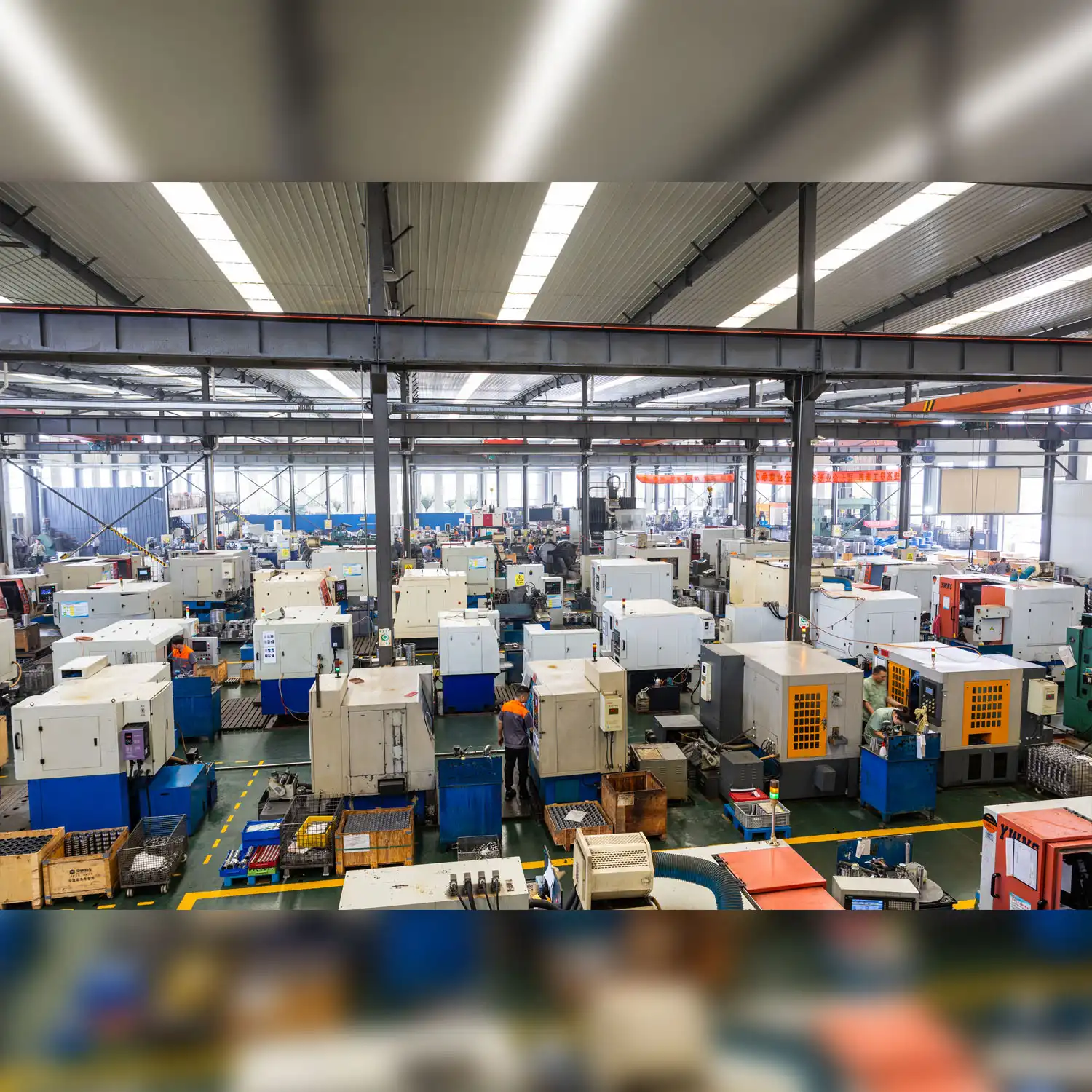
High-quality RB5013 Crossed Roller Bearings are made by well-known companies like NSK, THK, SKF, and KOYO. Over the past fifteen years, ATLYC has focused on manufacturing excellence and has built up production capabilities that meet similar standards. Our 120 skilled workers who work on production, research and development, quality control, and assembly make sure that all steps of the manufacturing process run smoothly and professionally.When evaluating suppliers, look at how much they produce and how they work to make things better all the time. With various specialised workplaces, a facility can handle more orders without lowering the quality of the work. Having customers from different parts of the world, like South Korea, the United States, Germany, Russia, Iran, and Turkey, shows that you can meet the high standards of quality expected around the world.
Verifying Product Authenticity
Fake bearings are a problem that keeps coming up in global supply lines. Real goods have clear marks like model numbers, manufacturer codes, and the place where they were made. Ask for material certifications that list the types of steel used and the conditions of their heat treatment. Reports from dimensional inspections that confirm tolerances are another way to be sure. Products from well-known suppliers can be tracked by batch codes that connect them to specific production runs. This documentation is very important if there are problems with the quality; it lets us quickly figure out what went wrong and fix it.
Practical Procurement Considerations
Depending on the supplier's ability and demand, order handling times can be different. Lead times for standard configurations are usually between 3 and 6 weeks, but custom specifications may take longer. Make sure that delivery times are clear during the quotation process so that they match the needs of production planning. Logistics of delivery affect the total cost of acquisition in more ways than just unit price. Reliable suppliers handle customs paperwork, organise international shipping, and keep track of shipments. Help with installation, like clear mounting directions or technical help at the job site, is valuable, especially for complicated connections. Being clear about prices helps build trust in long-term relationships. Accurate budget planning is possible with detailed quotes that break down the costs of parts, tooling, and shipping. Volume discounts for large orders make it more cost-effective for large OEM manufacturers to keep production going.
Maintenance and Longevity: Maximising RB5013 Crossed Roller Bearing Performance
RB5013 Crossed Roller Bearings last a lot longer if they are properly maintained. This protects capital investments and cuts down on unplanned downtime.
Lubrication Protocols
Crossed roller bearings usually use greases made from lithium soap that work with a range of temperatures and speeds. The first lubrication happens when the parts are put together, but how often they need to be re-oiled depends on the duty cycle and the environment. When compared to harsh workplace settings where contaminants are present, clean-room uses may allow longer intervals. During routine inspections, check the condition of the lubricant. Changes in colour, contamination, or consistency are all signs of wear and tear that the lube needs to be replaced. Too much lubrication raises operating temperatures and drag, while not enough lubrication speeds up wear.
Inspection Practices
Regular checks find early signs of wear and tear before a catastrophic failure happens. Regularly check the starting torque; big increases could mean that the bearings are dirty, not well-oiled, or surface damage is starting to form. The study of vibrations finds strange patterns that point to problems with the rollers or the raceways. During maintenance breaks, the surface can be inspected visually to see how it looks. If you see pitting, spalling, or discolouration, that means the bearing is worn out and needs to be replaced. Checking the accuracy of runout ensures that the exact standards that are important for positioning uses are still being met.
Troubleshooting Common Failures
Often, early failures are caused by mistakes in the installation, contamination, or not enough lubrication. Using the right mounting methods keeps the raceways from getting damaged during assembly. Abrasive wear is sped up by contamination from machine waste or dust particles in the air. Sealing systems that work well keep internal parts safe while still letting heat expand. Protocols for storage and handling keep bearings in good shape before they are installed. Keep bearings in places with controlled temperature and humidity and in safe packages. Handle with clean gloves to keep fingerprints from corroding surfaces that need to be careful. When engineers follow these guidelines, they protect their investment, cut down on downtime, and keep the machine's accuracy throughout the bearing's useful life. ATLYC's technical support team gives you detailed maintenance advice based on the needs of your application, backed by fifteen years of manufacturing experience.
Conclusion
To pick the ideal RB5013 Crossed Roller Bearing type, you need to weigh the technical details against the supplier's skills and their ability to provide long-term support. Understanding the characteristics of the load, the level of accuracy needed, and the space limitations will help make sure that the product works with the performance needs of your machinery. Checking the credentials of suppliers, such as ISO 9001 and IATF 16949 certifications, helps keep the supply chain running smoothly and avoids fake goods. When you follow the right care steps, your bearings will last longer and last longer, giving you a better return on your investment than buying new ones too soon. The RB5013 is the best choice for industrial robots, precision rotary tables, and medical equipment that needs to work at its best because of its small size, ability to carry loads in multiple directions, and high level of accuracy.
FAQ
What advantages do RB5013 crossed roller bearings offer over ball bearings?
RB5013 Crossed Roller Bearings offer better rigidity and the ability to carry loads in multiple directions while taking up little space. When loads are heavy or mixed, the line contact mechanism spreads the load better than point contact ball bearings, which increases the service life. Single-bearing solutions take the place of dual-bearing ones, which makes assembly easier.
How can I verify the authenticity of RB5013 bearings?
Check the markings on the product from the maker, ask for material certifications that list the steel's makeup, and use inspection records to make sure the measurements are correct. Authorised suppliers keep quality certifications up to date and make it possible to track batches. When prices seem too low to be true, it's likely that the goods are fake and don't have the right heat treatment or material specs.
What is the typical lifespan of RB5013 bearings?
Service life depends on how much work is being done, where it is being done, and how well it is being maintained. When used in normal manufacturing settings and with the right amount of grease, crossed roller bearings usually last longer than 20,000 hours. Heavy loads or dirty environments shorten its life, but proper maintenance makes it last a lot longer.
Partner With ATLYC for Reliable RB5013 Crossed Roller Bearing Supply
The performance of precision machinery depends on the quality of the parts and the dependability of the supplier working together. ATLYC has been making high-precision bearings that meet international standards for fifteen years and has quality systems that are ISO 9001 and IATF 16949 certified. Our six specialised production sites and 120 trained workers make sure that medium- to large car and industrial equipment makers can always get what they need. We know that you need a steady supply, fair prices, and technical support for the whole lifecycle of your product. Get in touch with us at auto@lyautobearing.com to talk about your RB5013 Crossed Roller Bearing needs. As a reliable RB5013 Crossed Roller Bearing manufacturer that works with global OEMs, we offer expert advice and flexible ordering, whether you need standard configurations or custom specifications.
References
1. Harris, T.A., & Kotzalas, M.N. (2006). Essential Concepts of Bearing Technology: Rolling Bearing Analysis (5th Edition). CRC Press.
2. Bhushan, B. (2013). Principles and Applications of Tribology (2nd Edition). John Wiley & Sons.
3. ISO 492:2014. Rolling bearings—Radial bearings—Geometrical product specifications (GPS) and tolerance values. International Organisation for Standardisation.
4. Weck, M., & Brecher, C. (2006). Machine Tools Production Systems Volume 2: Design and Calculation. Springer-Verlag Berlin Heidelberg.
5. Budynas, R.G., & Nisbett, J.K. (2015). Shigley's Mechanical Engineering Design (10th Edition). McGraw-Hill Education.
6. Hamrock, B.J., Schmid, S.R., & Jacobson, B.O. (2004). Fundamentals of Fluid Film Lubrication (2nd Edition). Marcel Dekker Inc.
Learn about our latest products and discounts through SMS or email