- English
- French
- German
- Portuguese
- Spanish
- Russian
- Japanese
- Korean
- Arabic
- Greek
- German
- Turkish
- Italian
- Danish
- Romanian
- Indonesian
- Czech
- Afrikaans
- Swedish
- Polish
- Basque
- Catalan
- Esperanto
- Hindi
- Lao
- Albanian
- Amharic
- Armenian
- Azerbaijani
- Belarusian
- Bengali
- Bosnian
- Bulgarian
- Cebuano
- Chichewa
- Corsican
- Croatian
- Dutch
- Estonian
- Filipino
- Finnish
- Frisian
- Galician
- Georgian
- Gujarati
- Haitian
- Hausa
- Hawaiian
- Hebrew
- Hmong
- Hungarian
- Icelandic
- Igbo
- Javanese
- Kannada
- Kazakh
- Khmer
- Kurdish
- Kyrgyz
- Latin
- Latvian
- Lithuanian
- Luxembou..
- Macedonian
- Malagasy
- Malay
- Malayalam
- Maltese
- Maori
- Marathi
- Mongolian
- Burmese
- Nepali
- Norwegian
- Pashto
- Persian
- Punjabi
- Serbian
- Sesotho
- Sinhala
- Slovak
- Slovenian
- Somali
- Samoan
- Scots Gaelic
- Shona
- Sindhi
- Sundanese
- Swahili
- Tajik
- Tamil
- Telugu
- Thai
- Ukrainian
- Urdu
- Uzbek
- Vietnamese
- Welsh
- Xhosa
- Yiddish
- Yoruba
- Zulu
How to Read RB8016 Dimensions for Precision Applications?
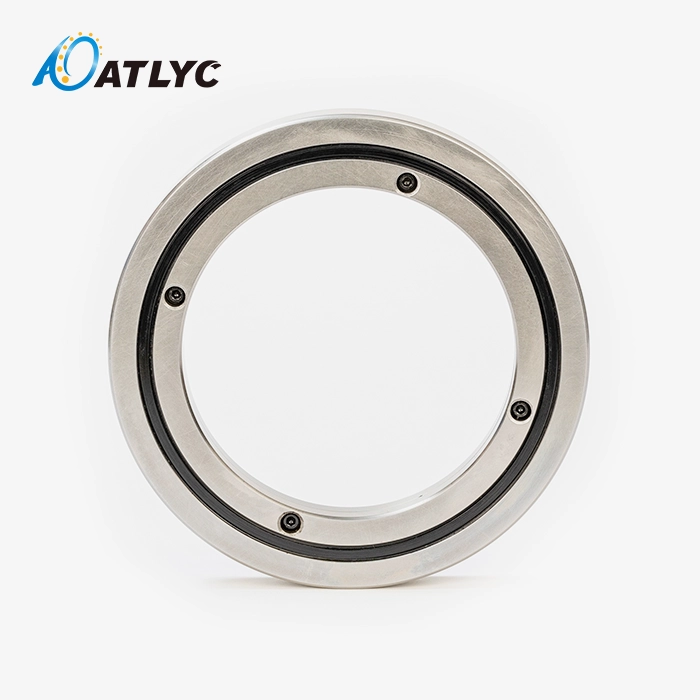
To understand RB8016 Dimensions, you need to pay close attention to the rules and requirements that apply to crossed roller bearings in the business. The RB8016 crossed roller bearing has a diameter of 80mm, an outer diameter of 120mm, and a width of 16mm. These are small but strong dimensions that allow it to work reliably in robotics and high-precision automation. If you read these measurements properly, you can be sure that the equipment will fit together correctly, avoid expensive installation mistakes, and get the most out of the bearings' service life. To ensure the success of an application, manufacturing tolerances, mounting surface requirements, and internal geometry are all very important. This is why verifying dimensions is an important part of both procurement and engineering workflows.
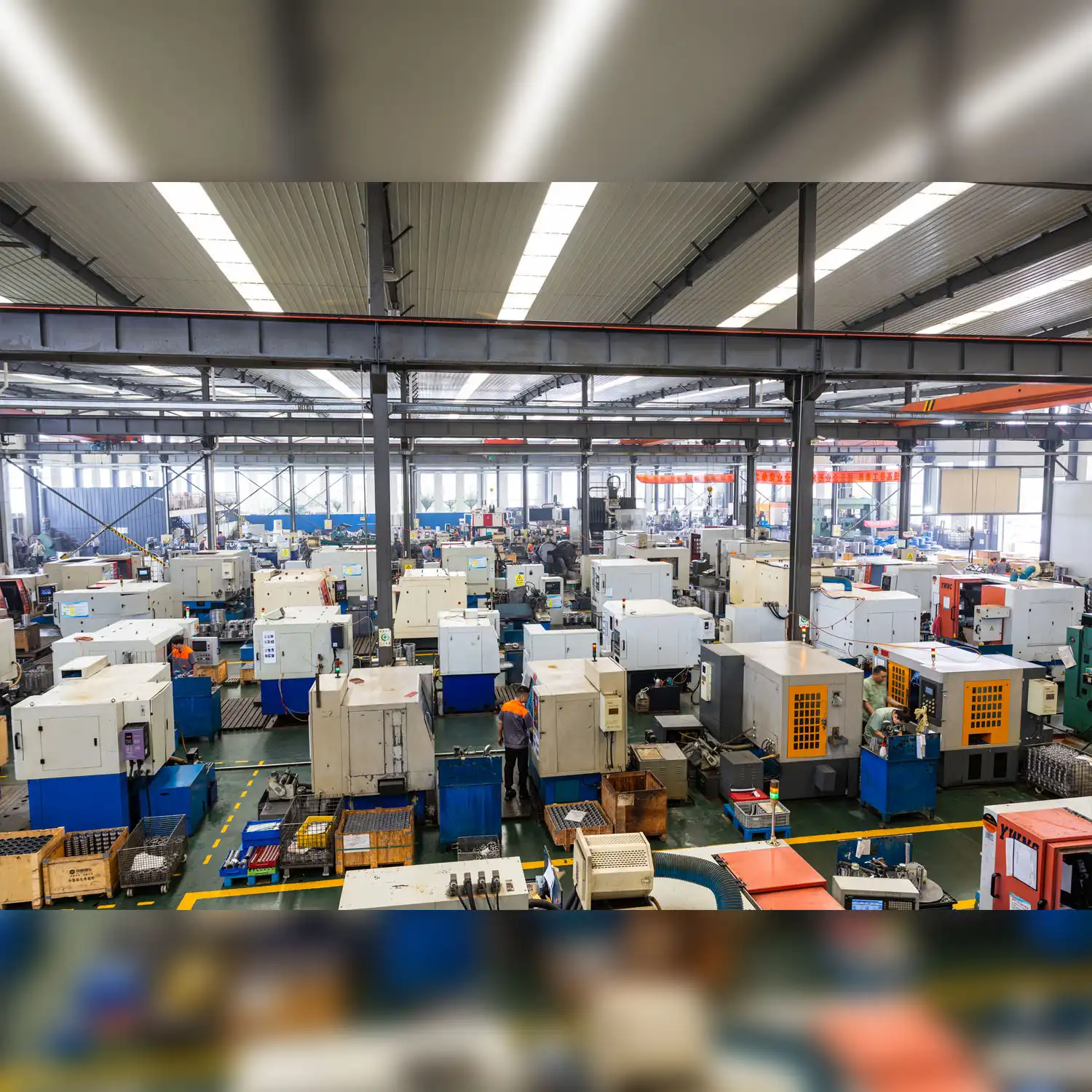
Understanding the Core Dimensions of RB8016 Crossed Roller Bearings
We've been helping procurement managers and design engineers understand the complicated world of bearing specifications for more than 15 years at Luoyang Auto Bearing. Learning about the RB8016 Dimensions core sizes is essential because performance is directly affected by how accurately they are measured.
Physical Specifications and Measurement Standards
Three main measurements describe the RB8016 crossed roller bearing's physical footprint. The inner diameter is 80mm, which means that shafts can fit within the tolerance ranges set by ISO 492 and ABEC standards. The outer diameter goes up to 120mm, which determines the size of the housing bore and how to account for thermal expansion. The 16mm width standard changes the vertical load capacity and the mounting setup choices. The rules for international standardization that these numbers follow make sure that the sizes are the same from one batch of making to the next. The factory where we make RB8016 units has ISO 9001 and IATF 16949 certifications. This means that every unit meets the exact size requirements needed for use in cars and factories.
Tolerance Classes and Precision Grades
Precision bearings, like the RB8016, are made to certain tolerance classes that tell you what kinds of environments they can be used in. Class P5 and P4 grades offer better control over dimensions, which lowers runout and raises the accuracy of spinning. When buying teams, read measurement standards; they should check both nominal dimensions and tolerance classifications to make sure they are compatible with the needs of precision equipment.
| Dimension Parameter | Nominal Value | Tolerance Range (P5) | Application Impact |
|---|---|---|---|
| Inner Diameter (d) | 80mm | ±5 microns | Shaft fit precision |
| Outer Diameter (D) | 120mm | ±7 microns | Housing integration |
| Width (B) | 16mm | ±0.2mm | Axial positioning |
| Raceway Runout | N/A | Max 8 microns | Rotational accuracy |
When engineers know these tolerance specs, they can choose the right bearing grades for robotic arms, CNC machining centers, and tools used to make semiconductors, where the accuracy of the dimensions directly impacts the quality of the finished product.
Comparison with Alternative Bearing Configurations
The RB8016 fits into a certain category of crossed roller bearings because it has the right amount of load capacity and a small installation size. The RB8016 has higher radial and axial load ratings than the RB7013 (70x100x13mm), but it still has a relatively thin cross-section. Compared to the RB10016 (100x140x16mm), the RB8016's smaller envelope size makes it better for uses where there isn't a lot of rotational room. During the selection phase, design engineers often look at these configurations side by side. The RB8016's 40mm radial section height (found by dividing (D-d) by 2) gives it enough bearing contact while keeping machine shapes small. Because of these dimensions, the RB8016 works especially well in rotary tables, medical imaging equipment, and automated assembly systems that need to make the best use of space.
How to Analyze RB8016 Dimensions for Procurement Efficiency
Logistics in procurement are more than just knowing the sizes of things. They also include things like packaging, transportation, and managing warehouses. Our 120-person Luoyang Auto Bearing team has come up with organized ways to help clients improve their supply chain operations by using the right RB8016 Dimensions analysis.
Packaging and Transportation Planning
The RB8016's physical dimensions have a direct effect on how it is packed and how much freight it costs. Precision bearings usually come in rigid outer cases, secure inner wrapping, and anti-corrosion treatment. The average RB8016 shipment takes up about 0.15 cubic meters of space per 50-unit carton, which affects both the cost of shipping and the amount of space needed in a warehouse. When shipping goods internationally to places like the US, Germany, and South Korea, you need to carefully compare the dimensional weight to the actual weight. The bearing's steel construction gives it good density ratios, but the packaging needs to protect the precision surfaces while they're being shipped. Knowing about these size factors helps procurement managers get better freight rates and plan how to receive goods.
Warehouse Storage Optimization
Accurate dimensional data is needed for efficient space allocation and retrieval in order for inventory management to work well. The RB8016's standard sizes make it possible to set up organized storage systems with bins in the right places. Proper measurement planning has a big effect on warehouse running costs when you multiply it by the number of items in stock. Our experience exporting to six major international markets has shown that clients who keep detailed records of dimensions cut down on picking mistakes by about 35% and increase the rate at which their inventory is sold. Because the RB8016 is small, it can be set up in vertical storage layouts that make the best use of cubic space in distribution centers.
Supplier Verification and Quality Assurance
Procurement teams can avoid quality and compatibility problems by checking dimensional standards through official methods. By asking manufacturers for certified measurement reports, you can be sure that the bearings you receive meet the requirements that were set. At several stages of production, our quality management system checks the dimensions by using a coordinate measuring machine (CMM) to confirm important parameters. When getting shipments, procurement workers should set up verification processes that include measuring the size of the items. Simple "go/no-go" gauges make it easy to quickly confirm the inner diameter, outer diameter, and width measurements. This practice keeps installations from taking too long and lowers the chance that equipment will be damaged by parts that aren't the right size.
Practical Applications of RB8016 Dimensions in Installation and Deployment
To turn precise standards into successful setups, you need to know how the geometry of the bearings affects the other parts of the machine. The crossed roller design of the RB8016 makes placing it different from attaching other ball bearings. Deployment using the RB8016 Dimensions requires unique mounting considerations.
Mounting Configuration Requirements
The RB8016's 16mm width determines how it is placed axially within equipment assemblies. To keep the bearing from getting edge-loaded and wearing out too quickly, the mounting surfaces must provide enough support across the whole width of the bearing. To make sure the load is spread evenly, housing sides usually need to be precisely machined to within a flatness error of 0.05mm.The way a shaft and housing fit together depends on the operating conditions and the interference or clearance requirements. For the 80mm hole, a transition fit (like k6) is often used to make assembly easier while keeping the accuracy of the turn. For the 120mm outer diameter, a clearance fit (like H7) is often used to make fitting easier and allow for heat extension while the machine is running.
Thermal Management and Dimensional Stability
Through thermal expansion effects, operating temperatures change the size of an effective bearing. When the temperature goes up by 100°C, steel bearings expand by about 11 microns per metre. The RB8016's 40mm radial section changes size by about 4.4 microns for every 100°C, which needs to be taken into account by making sure there are the right clearances.
| Operating Condition | Temperature Range | Dimensional Change | Design Accommodation |
|---|---|---|---|
| Ambient operation | 20-30°C | Minimal (<2 microns) | Standard clearances |
| Continuous duty | 50-70°C | 3-5 microns | Adjusted fits |
| High-speed operation | 80-100°C | 6-9 microns | Thermal compensation |
| Extreme environments | Above 100°C | >10 microns | Special materials |
When engineering teams understand these thermal effects, they can choose the right clearance classes and housing materials. In precision applications, you need to find ways to account for the fact that aluminum housings and steel bearings expand at different rates.
Case Study: Automated Assembly Line Integration
A big company that makes parts for cars just recently added RB8016 bearings to their robotic welding stations. For the application, the positioning had to be exact within 10 microns over 24 hours of production. During the design phase, careful dimensional analysis made sure that the housing was machined to the right tolerances and that the mounting preload specifications were met. The engineering team made sure that the 120mm outer diameter would fit within the footprints of existing equipment while still being able to hold the required amount of weight. The 16mm width made it possible for small bearing setups that kept the robotic arm's frame from having to handle too many cantilevered loads. With the right measurements, the installation went smoothly, with no need for rework, and production could begin right away.
Common Pitfalls in Reading and Using RB8016 Dimensions
In the 15 years we've been in business, we've seen a lot of measurement reading mistakes that slow down the buying process and make installation harder. Knowing about these problems helps the engineering and procurement teams avoid making mistakes that cost a lot of money when reading and using RB8016 Dimensions.
Confusion Between Similar Bearing Designations
When more than one standard is in use, bearing nomenclature systems can make things more confusing. The number sequence RB8016 is specific to a crossed roller bearing configuration, but there are other number sequences for different types of bearings as well. Ball bearings, cylindrical roller bearings, and tapered roller bearings may all use similar numbering systems that refer to completely different sizes. Along with part numbers, procurement papers should include full bearing type details. It is clearer and less likely that the wrong item will be shipped when you say "RB8016 crossed roller bearing" instead of just "8016 bearing." Our customer service team often helps clients explain specs so they can choose the right product.
Overlooking Critical Secondary Dimensions
When specifications are reviewed, primary dimensions like inner diameter, outer diameter, and width are given the attention they deserve. However, secondary parameters are often forgotten until problems with installation happen. Specifications for mounting hole patterns, chamfer sizes, and seal grooves affect how well they work with existing equipment designs. The RB8016 usually has chamfers on the inside and outside circle sides to make it easier to put together and protect against damage from sharp edges. These chamfers take up about 0.5mm of the bearing's standard width, which changes how the axial positioning is calculated. Instead of just using basic dimension tables, procurement specifications should include full dimensional drawings.
Inadequate Verification of Dimensional Tolerances
For precision uses, nominal measurements don't give enough information. Even though they have the same nominal dimensions, two RB8016 bearings made to different tolerance classes display very different performance traits. Class P5 bearings have tighter control over dimensions than Class P0 (normal precision) bearings, which changes how accurate positioning can be. Procurement teams that care about quality list both the nominal dimensions and the tolerance classes that are needed. Our IATF 16949 certification ensures that shipments come with written records of measurement inspections. These records can be used to track shipments and confirm that they meet the required levels of accuracy. This paperwork is very helpful when setting up equipment and doing quality checks.
Making Informed Procurement Decisions Using RB8016 Size Information
Dimensional requirements, performance requirements, and supply chain issues should all be taken into account in a good procurement strategy. There are more than just compatibility checks that are affected by using RB8016 Dimensions to make smart purchasing decisions.
Application-Specific Dimensional Requirements
Dimensional values change depending on the use case. For robotics, precise rotation and little runout are important, so inner diameter tolerances need to be tighter. The 16mm width of the bearing affects the vertical load capacity, which is important for turntable use. Understanding these application-specific needs helps procurement teams talk to suppliers clearly and choose the right tolerance classes. Early involvement of suppliers during the design phase is helpful for OEM integration projects. The engineering support team at our company works with equipment makers to help them choose the best bearings based on performance goals and size restrictions. This consultative approach cuts down on design changes and speeds up the time it takes for new equipment platforms to reach the market.
Comparative Evaluation of Alternative Bearing Solutions
By looking at the dimensions, you can often find better ways to choose bearings for certain uses. The RB8016 goes up against different types of bearings, such as angular contact ball bearing pairs, four-point contact bearings, and different sizes of crossed rollers. Each choice has its own trade-offs in terms of dimensions and function. When compared to the small RB8016, angular contact bearing pairs may need more axial room but can handle higher speeds. Four-point contact bearings use the same amount of space as crossed roller designs, but they can't hold as much weight. Systematic comparison of dimensions makes it clear which type of bearing fits the needs of the application the best.
Supplier Communication Best Practices
Dimensional communication that is clear cuts down on mistakes and shortens the time it takes to buy something. Dimensional requirements, tolerance requirements, and any unique inspection standards should be written on purchase orders. Asking for dimensional inspection reports along with shipments helps quality management systems by providing proof and supporting verification documents. Our six production workshops keep detailed records of the quality of the dimensions they work with. These records help meet the need for traceability in supply lines for the car and aerospace industries. Clients like the detailed paperwork that makes incoming inspections easier and helps with ISO compliance. Our dedication to high-quality manufacturing has grown over 15 years of doing business around the world, and this documentation discipline shows it.

Conclusion
To correctly read the RB8016 Dimensions, you need to know the standard specs, tolerance classes, and application-specific requirements that affect how well the bearing works. When properly specified and checked, the standard 80mm x 120mm x 16mm configuration can be used for a wide range of precise tasks. Comprehensive dimensional analysis helps people who work in procurement because it includes more than just basic measures. It also looks at tolerance grades, heat effects, and mounting requirements. Luoyang Auto Bearing has grown from a single workshop to six facilities in 15 years. This shows how committed we are to quality, stability, and accurate measurements. Our ISO 9001 and IATF 16949 certifications show that we use systematic ways to make bearings that ensure accurate measurements across large amounts of output.
FAQ
What are the exact RB8016 Dimensions for crossed roller bearings?
Standard industry measurements say that the RB8016 Dimensions for a crossed roller bearing are an inner diameter of 80mm, an outer diameter of 120mm, and a width of 16mm. These nominal dimensions are for different levels of precision. The actual dimensional tolerances depend on the class (P0, P5, P4). Making sure that specific tolerance requirements are met ensures that the application will work properly.
How do RB8016 dimensions compare to similar bearing models?
The RB8016 (70x100x13mm) can hold more weight in a slightly bigger space than the RB7013 (70x100x13mm). The RB10016 (100x140x16mm) can hold more weight, but it needs more space around the edges. The RB8016 is small enough to fit in small spaces while still being able to handle medium-duty precision tasks. This makes it a good choice for robotic systems and automation equipment that need to save space.
What dimensional considerations affect RB8016 shipping and storage?
The standard size for packaging is 150mm x 150mm x 50mm per unit, which includes the protected materials. Standard cartons with 50 units take up about 0.15 cubic meters of space and weigh 45 to 50 kg. Warehouse storage systems should be able to handle these sizes of packages while keeping the bearing surfaces clean and safe from damage during handling.
Partner with ATLYC for Precision RB8016 Dimensions and Reliable Supply
Luoyang Auto Bearing Co., Ltd. (ATLYC) has been making precision products for 15 years and can help you buy bearings. Our six specialized workshops make high-quality crossed roller bearings, including the RB8016 Dimensions you need. These workshops are certified by ISO 9001 and IATF 16949, which ensures consistent dimensions and quality. We know how important it is for your precision uses to have accurate dimensions because we are a trusted supplier to companies that make cars and industrial equipment in South Korea, the US, Germany, Russia, Iran, and Turkey. Our 120-person team combines high-quality production with quick technical support to help you understand specification requirements and choose the best bearings. At ATLYC, we offer reasonable prices, solid wait times, and full quality paperwork for all of our RB8016 options, whether you need standard or unique dimensional solutions. Email our engineering team at auto@lyautobearing.com to talk about your specific size needs and get detailed specifications that will help you make your buying decisions.
References
1. Harris, T.A., & Kotzalas, M.N. (2006). Advanced Concepts of Bearing Technology: Rolling Bearing Analysis (5th ed.). CRC Press.
2. ISO 492:2014. Rolling bearings — Radial bearings — Geometrical product specifications (GPS) and tolerance values. International Organization for Standardization.
3. Wensing, J.A. (1998). On the Dynamics of Ball Bearings. Ph.D. Thesis, University of Twente, Enschede, Netherlands.
4. SKF Group. (2018). Rolling Bearings Catalogue: Technical Reference Guide for Bearing Selection and Application. SKF Publication PUB BU/P1 10000/3 EN.
5. Palmgren, A. (1959). Ball and Roller Bearing Engineering (3rd ed.). SKF Industries Inc.
6. ISO 199:2014. Rolling bearings — Thrust bearings — Geometrical product specifications (GPS) and tolerance values. International Organization for Standardization.
Learn about our latest products and discounts through SMS or email