- English
- French
- German
- Portuguese
- Spanish
- Russian
- Japanese
- Korean
- Arabic
- Greek
- German
- Turkish
- Italian
- Danish
- Romanian
- Indonesian
- Czech
- Afrikaans
- Swedish
- Polish
- Basque
- Catalan
- Esperanto
- Hindi
- Lao
- Albanian
- Amharic
- Armenian
- Azerbaijani
- Belarusian
- Bengali
- Bosnian
- Bulgarian
- Cebuano
- Chichewa
- Corsican
- Croatian
- Dutch
- Estonian
- Filipino
- Finnish
- Frisian
- Galician
- Georgian
- Gujarati
- Haitian
- Hausa
- Hawaiian
- Hebrew
- Hmong
- Hungarian
- Icelandic
- Igbo
- Javanese
- Kannada
- Kazakh
- Khmer
- Kurdish
- Kyrgyz
- Latin
- Latvian
- Lithuanian
- Luxembou..
- Macedonian
- Malagasy
- Malay
- Malayalam
- Maltese
- Maori
- Marathi
- Mongolian
- Burmese
- Nepali
- Norwegian
- Pashto
- Persian
- Punjabi
- Serbian
- Sesotho
- Sinhala
- Slovak
- Slovenian
- Somali
- Samoan
- Scots Gaelic
- Shona
- Sindhi
- Sundanese
- Swahili
- Tajik
- Tamil
- Telugu
- Thai
- Ukrainian
- Urdu
- Uzbek
- Vietnamese
- Welsh
- Xhosa
- Yiddish
- Yoruba
- Zulu
How to Select RA15008UUCC0 Precision Cross Roller Bearing for Projects?
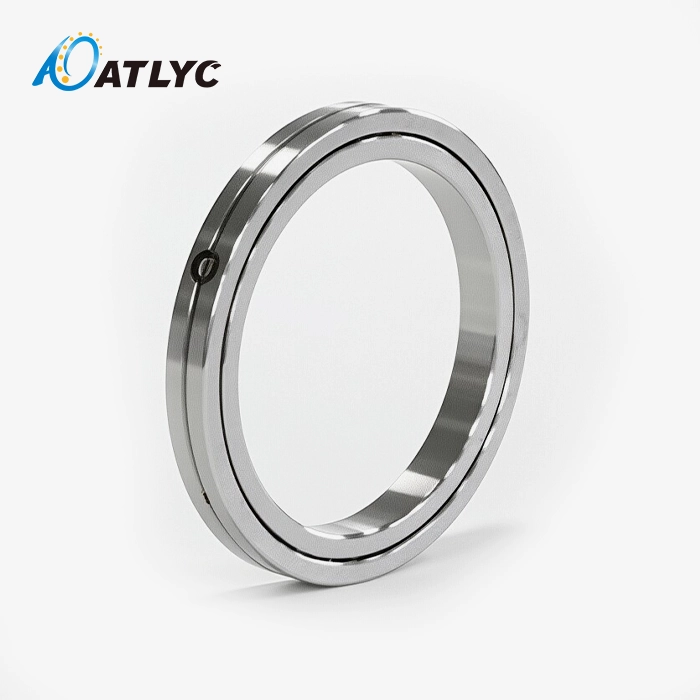
Selecting the right bearing for precision machinery is not simply a matter of matching dimensions—it's about ensuring long-term reliability, maximizing equipment uptime, and achieving the accuracy your project demands. The RA15008UUCC0 Precision Cross Roller Bearing stands out among compact bearing solutions by offering simultaneous multi-directional load handling within an ultra-slim 8mm profile. This bearing features a separable outer ring design, integrated inner ring for rotational stability, and CC0 negative clearance preload, making it suitable for industrial robots, precision rotary tables, medical imaging equipment, and semiconductor manufacturing tools. When evaluating bearing options, consider load characteristics, environmental conditions, precision class requirements, and the supplier's certifications to ensure compatibility with your specific application needs.
Understanding RA15008UUCC0 Precision Cross Roller Bearing Specifications
Knowing the scientific details of bearing solutions is important for engineers to make smart decisions when they are looking at bearing solutions. The RA15008UUCC0 Precision Cross Roller Bearing is a type of thin-section crossed roller bearings that were made to work in tight spaces without losing performance.
Dimensional and Structural Parameters
The bearing is 150 mm across the inside, 166 mm across the outside, and only 8 mm wide. This small profile makes it possible to fit into small areas where larger bearing sets would need a lot more room. The separate outer ring design makes installation easier while keeping the structure strong, which is especially important when upgrading old equipment or making flexible automation systems. The built-in inner ring keeps the spinning stable and maintains accuracy down to the micron level over many rounds.
Material Composition and Heat Treatment
Choosing the right materials is the first step in making good products. The RA15008UUCC0 Precision Cross Roller Bearing uses GCr15 and GCr15SiMn bearing steel that has been heat-treated to an HRC 60–64 hardness and then vacuum-degassed. This treatment process makes the material more resistant to wear and makes it last longer, even when big loads are applied continuously. The choice of material has a direct effect on how long a bearing lasts, especially when it comes to artificial joints and rotary indexing tables, which use moment loads and mixed stress patterns.
Cross Roller Geometry and Load Distribution
Between V-grooved rolling surfaces, cylindrical rollers are placed at right angles and 90° gaps. This setup lets a single small unit handle radial loads, axial loads, and moment loads all at the same time. When compared to point-contact ball bearings, the line-contact geometry is 3–4 times more rigid. This prevents the elastic displacement effects that make positioning less accurate in precision applications. Unlike angular contact ball bearings, which need to be mounted in pairs, this cross roller design doesn't need any extra bearing arrangements. This makes the system simpler and less likely to break.
Sealing and Clearance Configuration
The UU suffix means that there are two synthetic rubber seals that stop dust from getting in and grease from leaking out. These are important features for cleanrooms where semiconductors and medical devices are made. If the CC0 clearance standard is met, there should be negative internal clearance or loading. This makes sure that the spin is accurate and the stiffness is at its best when there are heavy moment loads. This preload setup gets rid of all backlash, giving you almost zero positional variation, which is important for sub-micron placement needs.
The table below outlines how precision classes correlate with typical application requirements:
| Precision Class | Runout Tolerance | Typical Applications |
|---|---|---|
| P6 | Normal tolerance for industry | Standard manipulators and general automation tools |
| P5 | Not too precise | CNC rotary tables and indexing tools |
| P4 | Lots of accuracy | Medical imaging and precision measuring tools |
| P2 | Extreme accuracy | Semiconductor etching and very accurate position measuring machines |
Key Criteria for Selecting RA15008UUCC0 Bearings for Your Project
Buying choices involve more than just matching size requirements. A methodical review process looks at practical needs, environmental factors, and the dependability of the supply chain to lower risk and raise total cost of ownership for the RA15008UUCC0 Precision Cross Roller Bearing.
Load Capacity and Operating Conditions
Figuring out the real load requirements keeps things from breaking down too soon and makes sure there are enough safety gaps. Cross roller bearings work best when radial, axial, and moment loads happen at the same time, which happens a lot in robotic arm joints when they extend and retract. Because cylindrical rollers have a line-contact geometry, they spread loads more evenly than ball bearings do. This lowers contact stress and increases fatigue life. Instead of just using steady formulas to figure out load capacity, you should also look at dynamic situations like acceleration, deceleration, and impact loading.
Speed Limitations and Thermal Management
At high speeds, the CC0 preload setup and line-contact friction properties make it hard to deal with heat. The RA15008UUCC0 Precision Cross Roller Bearing's normal stopping speed is between 500 and 800 RPM, but this can change based on the type of oil used and the cooling system. When these limits are crossed, there is a chance of thermal runaway, which happens when frictional heat production is higher than dissipation, causing the lubricant to break down and wear to happen faster. For continuous turning tasks, oil lubrication systems with external cooling work best. For intermittent placement tasks, grease lubrication works fine.
Environmental Compatibility and Sealing Requirements
Standard UU seals and grease formulas work well in places with normal air pressure. But in semiconductor manufacturing, vacuum applications need seal removal or venting, and lubricants need to be switched out for vacuum-compatible fluorinated grease like Krytox or Fomblin to stop outgassing. In cleanrooms, sealed bearings are needed to keep particles from getting into the machinery. In high-temperature settings, special seal materials and synthetic oils that can work in a wider range of temperatures may be needed.
Comparing Performance Against Alternative Solutions
Figuring out how you stand in the market helps you make good choices about what to buy. Crossed roller bearings from brands like SKF and THK are similar, but when choosing one, you should look at how certified the factory is, how consistent the quality is across production batches, and how much technical support there is after the sale, not just the brand name. The table below provides a comparative framework:
| Feature | RA15008UUCC0 | Traditional Ball Bearings | Angular Contact Pairs |
|---|---|---|---|
| Load directions handled | Radial, axial, and moment | Radial (first) | Radial + Axial (two together) |
| Rigidity level | Very high | Moderate | High (when paired) |
| Space efficiency | 8 mm wide | Needs more space along its length | Needs paired fixing room |
| Installation complexity | Moderate (separable ring) | Easy | Pairing and adjusting the setup are complex |
Procurement Factors and Supply Chain Considerations
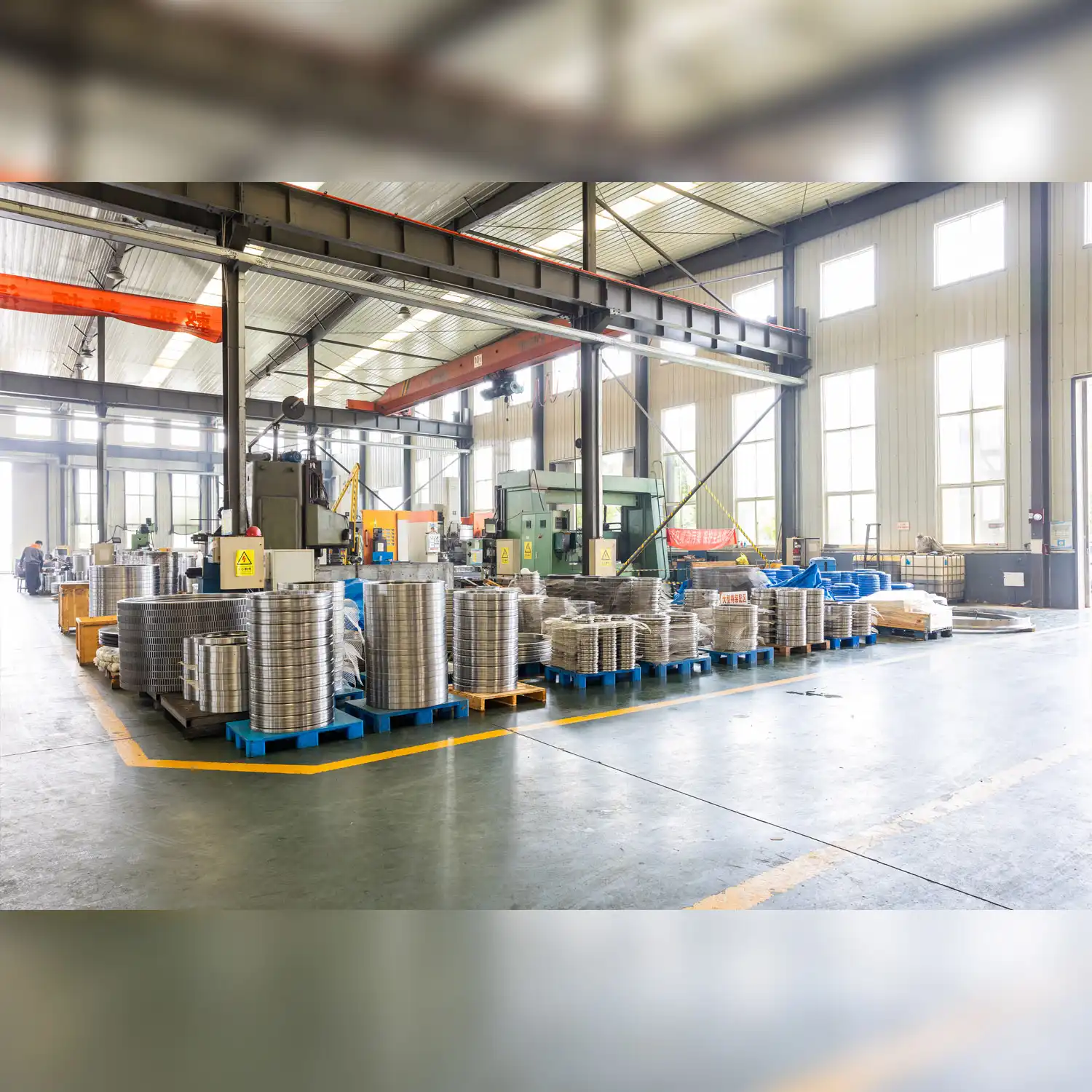
Project budgets and schedules are affected by lead times, minimum order quantities, and supplier certifications. Manufacturers who are ISO 9001 and IATF 16949 certified show they are dedicated to quality management systems and consistency at the automotive level. Luoyang Auto Bearing Co., Ltd. has been making products for 15 years and has exported to markets in the US, Germany, and South Korea. They offer reliable purchasing backed by scalable production across six specialised workshops. To lower supply chain risks, check suppliers' manufacturing capacity, quality certifications, and technical support skills when you're looking at them.
Maintenance and Longevity of RA15008UUCC0 Precision Cross Roller Bearings
For RA15008UUCC0 Precision Cross Roller Bearings to last as long as possible, they need to be maintained in a way that matches their working needs. Maintenance cuts down on unexpected downtime and lowers the total cost of ownership over the life of the bearing.
Inspection Routines and Early Detection
Regular inspections find patterns of wear before they lead to a fatal failure. Seal integrity should be checked visually, grease discolouration should be seen as a sign of contamination, and noises should be heard as a sign of roller wear or poor lubricant. Using accelerometers for vibration analysis can find defects that are starting to show up through frequency spectrum analysis. This lets you do condition-based maintenance instead of reactive failure response. The RA15008UUCC0 Precision Cross Roller Bearing's thin 8mm cross-section makes it very sensitive to changes in the mounting surface. Check the mounting flanges to make sure they are flat and that the bolt torque is evenly distributed.
Lubrication Schedules and Grease Selection
The UU-sealed design keeps the factory-applied grease in place under normal working conditions. However, the frequency of relubrication depends on the speed, temperature, and job cycle of the machine. Applications that run close to the 500–800 RPM limiting speed produce more frictional heat, which speeds up the breakdown of lubricants and shortens the time between relubrication intervals. The type of grease you choose should depend on how it will be used. Lithium complex greases are good for general commercial use, while high-temperature synthetic greases are better for use in places where the temperature is above 100°C. Oil lubrication systems cool better and last longer between service visits, but they need external circulation and filtration systems.
Cleaning Protocols and Contamination Prevention
Sealing the bearings keeps dirt from getting in from the outside, but keeping the installation clean stops rough particles from getting in during assembly. Use solvent cleaners and lint-free cloths to clean the mounting surfaces instead of compressed air, which could force dirt into the seal gaps. In cleanroom situations, install the bearings in a controlled environment and check the integrity of the seal afterward. The separate outer ring design lets the whole thing be taken apart every so often for cleaning and inspection, but the whole thing should only be taken apart when it's necessary to keep the preload settings safe.
Material Advantages and Wear Resistance
When you carefully heat treat GCr15 and GCr15SiMn steel, it makes them more resistant to wear and increases the time between repairs. The V-grooved rolling surfaces spread the contact stress evenly, which stops the localised wear patterns that happen in ball bearings when they are loaded momentarily. This structural benefit means that the product will last longer, even in harsh industrial settings with shock loads and mixed stress patterns. Manufacturers like ATLYC use their 15 years of experience with heat treatment to improve the properties of materials and make sure that the quality of each production batch is the same.
Comparing RA15008UUCC0 with Other Bearing Solutions: Decision-Making Guide
When matching bearing solutions to project needs, performance traits must be weighed against application needs. A structured comparison method keeps costly mistakes from happening when operational needs don't match up with RA15008UUCC0 Precision Cross Roller Bearing capabilities.
Segmentation by Load and Precision Requirements
Crossed roller shapes are better at distributing load and keeping them stable than ball bearings when there are high moment loads. Applications that need sub-micron positioning accuracy, like silicon chip alignment steps, need precision classes P4 or P2 with CC0 preload to get rid of backlash. On the other hand, general automation equipment that only needs middling accuracy and mostly rotational loading may be able to get by with P5 or P6 precision classes and pay less for them.
Speed-Optimized Bearing Selection
Applications that need continuous high-speed rotation go beyond what crossed roller bearings can handle in terms of temperature. The RA15008UUCC0 Precision Cross Roller Bearing can only go up to 800 RPM, which means it's best for indexing, positioning steps, and irregular spinning rather than high-speed spindles that run all the time. Angular contact ball bearings or cylindrical roller bearings made for high RPM and the right cooling and lubrication systems work best in high-speed applications.
Environmental Factor Analysis
Extreme temperatures, vacuum environments, and the need for cleanrooms all make it hard to choose the right bearing. Standard sealed bearings with regular greases don't work in vacuum situations because they leak gas, so they need to be set up in a certain way. For use at temperatures above 150°C, synthetic oils and seal materials that are rated for thermal stability are needed. Stainless steel bearings may be needed in corrosive conditions, even though they can't hold as much weight as hardened steel bearings.
Certified Sourcing and Warranty Considerations
Fake bearings are a big problem in global supply chains because they make tools less reliable and less safe. You can be sure of traceability, consistent quality control, and warranty support when you buy from manufacturers who are ISO 9001 and IATF 16949 certified. Luoyang Auto Bearing Co., Ltd. has strong quality control methods that are backed up by 15 years of export experience and foreign certifications. Warranty plans that cover problems with the way the product was made lower the risk even more, but they don't cover things like proper installation and upkeep, which are the customer's responsibility.
Where and How to Procure RA15008UUCC0 Precision Cross Roller Bearings
How you buy RA15008UUCC0 Precision Cross Roller Bearings affects how real the products are, how reliable the delivery is, and how much support you get after the sale. Getting to know certified manufacturers and authorised distributors and building relationships with them lowers the supply chain risks that come with global sourcing.
Trusted Purchasing Channels
Certified manufacturers offer direct procurement benefits such as technical support, the ability to make changes, and competitive prices without the markups that distributors add. ATLYC has been in business since 2010 and has 120 trained workers and six specialised workplaces. It has ISO 9001 and IATF 16949 certifications to back up its manufacturing and engineering skills. Authorised wholesalers help manufacturers reach regional markets by providing localised goods and technical support. However, fakes are kept out of sight by verifying the distributor's authorisation status.
Authenticity Verification Methods
Fake bearings get into supply lines through internet markets and distributors who aren't authorised to do so. Some ways to verify something are to check the manufacturer's marks, make sure the package is the same, and make sure the paperwork is real. Ask for material certifications, reports on dimensional inspections, and paperwork that shows how products can be tracked back to certified production batches. When you buy from verified channels with good names, you reduce the chances of getting fake products that damage the safety and reliability of your equipment.
Ordering Process and Lead Time Management
Accurate quotes based on full specs, such as precision class, seal configuration, and number needed, are the first step in effective buying. Lead times depend on how much you buy and how much production capacity you have. Standard configurations ship within weeks, but special requirements may need longer manufacturing cycles. Smaller numbers can be ordered from established sources for testing and prototypes, but the minimum order amounts are based on cost-effective production runs. Misunderstandings that cost a lot of money can be avoided by being clear about technical requirements, delivery schedules, and payment terms.
Shipping Logistics and International Delivery
Coordinating export paperwork, clearing customs, and making the best use of transportation are all parts of global buying. Established makers with experience exporting make international shipping easier by taking care of the necessary paperwork and working with goods forwarders. ATLYC has been exporting goods to markets in the US, Germany, South Korea, Russia, Iran, and Turkey for 15 years. This shows that they are good at logistics and following customs rules. Damage that happens in transit is covered by insurance, but the supplier is still responsible for proper packaging.
After-Sales Support and Technical Assistance
Post-delivery help is what sets transactional sellers apart from quality suppliers. Value goes beyond delivering a product by including technical help for installation, troubleshooting, and efficiency optimisation. If a product is faulty, the warranty covers it, but the customer is still responsible for making sure it is installed and used correctly. Ratings from past customers of a vendor can tell you a lot about how reliable, quick, and good at solving problems they are, but specs alone can't.

Conclusion
To choose the right crossed roller bearing, you need to carefully look at the technical details, the needs of the operation, and the supplier's skills. The RA15008UUCC0 Precision Cross Roller Bearing works very well in situations where a small size, the ability to carry loads in multiple directions, and accurate positioning are needed. Longevity and dependability of bearings are directly affected by the types of materials used, how they are heated, and how well they were made. When buying something, people should compare how well it works with what the application needs, and they should also check the supplier's credentials and post-sale help. Maintenance practices that are done correctly, such as regular inspections and managing lubrication, extend the life of an asset and lower its total cost of ownership. Buying from certified manufacturers with proven skills and international experience lowers the risks that come with buying things from other countries.
FAQ
What distinguishes the CC0 clearance configuration in precision cross roller bearings?
The label CC0 means negative internal clearance or preload, which gets rid of all pushback to make the structure as rigid as possible. This setup is necessary for robotics placement and precision sorting tasks that need almost no positional variation. CC0 preload needs careful heat control to keep it from binding when temperatures change, while normal C0 clearance has a little play.
How does the separable outer ring design affect installation procedures?
The split outer ring makes installation easier, but mounting flanges must be used for precise clamping. If the bolt torque isn't even, it can bend the thin 8mm section, which makes the rotation less accurate. Star-pattern torque steps should be used in installation methods to keep things round and stop stress concentrations that speed up wear.
Can the RA15008UUCC0 operate effectively in vacuum environments?
Normal UU seals and greases work well in situations with air pressure. To stop outgassing during hoover operations, seals must be taken off or vented, and lubricants must be replaced with vacuum-compatible fluorinated greases like Krytox or Fomblin. For vacuum-specific setups, talk to the makers.
What factors limit the maximum operating speed?
Line-contact friction and CC0 preload make it hard to handle high temperatures, which limits speed to between 500 and 800 RPM depending on the type of lubrication used. Going faster than the limiting speeds leads to thermal runaway, which is when frictional heat builds up faster than it can be removed. This causes the lubricant to break down and wear to happen faster. For continuous high-speed rotation applications, you might want to look at other bearing types that are better for high RPM.
Partner with ATLYC for Reliable Precision Cross Roller Bearing Solutions
ATLYC offers approved manufacturing quality and has been making precision bearings and exporting them around the world for 15 years. Our ISO 9001 and IATF 16949 certifications show that we are devoted to quality control and following global standards. We offer full expert support for the RA15008UUCC0 Precision Cross Roller Bearing, as well as reasonable prices and solid wait times that are suited to your project needs. Email our engineering team at auto@lyautobearing.com to talk about your unique needs and get quotes in more detail. We are a reliable supplier of precision cross roller bearings to original equipment manufacturers (OEMs) in the auto industry, manufacturers of industrial equipment, and bearing distributors in the US and around the world. We have the manufacturing capacity and technical know-how that your projects need.
References
1. Harris, T.A. & Kotzalas, M.N. (2006). Rolling Bearing Analysis: Essential Concepts of Bearing Technology. CRC Press, Boca Raton.
2. Hamrock, B.J., Schmid, S.R. & Jacobson, B.O. (2004). Fundamentals of Fluid Film Lubrication. Marcel Dekker, New York.
3. ISO 492:2014. Rolling bearings — Radial bearings — Geometrical product specifications (GPS) and tolerance values. International Organization for Standardization, Geneva.
4. Eschmann, P., Hasbargen, L. & Weigand, K. (1985). Ball and Roller Bearings: Theory, Design and Application. John Wiley & Sons, Chichester.
5. Khonsari, M.M. & Booser, E.R. (2008). Applied Tribology: Bearing Design and Lubrication. John Wiley & Sons, West Sussex.
6. Tallian, T.E. (1992). Simplified Contact Fatigue Life Prediction Model — Part I: Review of Published Models. Journal of Tribology, Transactions of the ASME, Vol. 114, pp. 207-213.
Learn about our latest products and discounts through SMS or email