- English
- French
- German
- Portuguese
- Spanish
- Russian
- Japanese
- Korean
- Arabic
- Greek
- German
- Turkish
- Italian
- Danish
- Romanian
- Indonesian
- Czech
- Afrikaans
- Swedish
- Polish
- Basque
- Catalan
- Esperanto
- Hindi
- Lao
- Albanian
- Amharic
- Armenian
- Azerbaijani
- Belarusian
- Bengali
- Bosnian
- Bulgarian
- Cebuano
- Chichewa
- Corsican
- Croatian
- Dutch
- Estonian
- Filipino
- Finnish
- Frisian
- Galician
- Georgian
- Gujarati
- Haitian
- Hausa
- Hawaiian
- Hebrew
- Hmong
- Hungarian
- Icelandic
- Igbo
- Javanese
- Kannada
- Kazakh
- Khmer
- Kurdish
- Kyrgyz
- Latin
- Latvian
- Lithuanian
- Luxembou..
- Macedonian
- Malagasy
- Malay
- Malayalam
- Maltese
- Maori
- Marathi
- Mongolian
- Burmese
- Nepali
- Norwegian
- Pashto
- Persian
- Punjabi
- Serbian
- Sesotho
- Sinhala
- Slovak
- Slovenian
- Somali
- Samoan
- Scots Gaelic
- Shona
- Sindhi
- Sundanese
- Swahili
- Tajik
- Tamil
- Telugu
- Thai
- Ukrainian
- Urdu
- Uzbek
- Vietnamese
- Welsh
- Xhosa
- Yiddish
- Yoruba
- Zulu
How to Select the Right RB Series Crossed Roller Bearing?
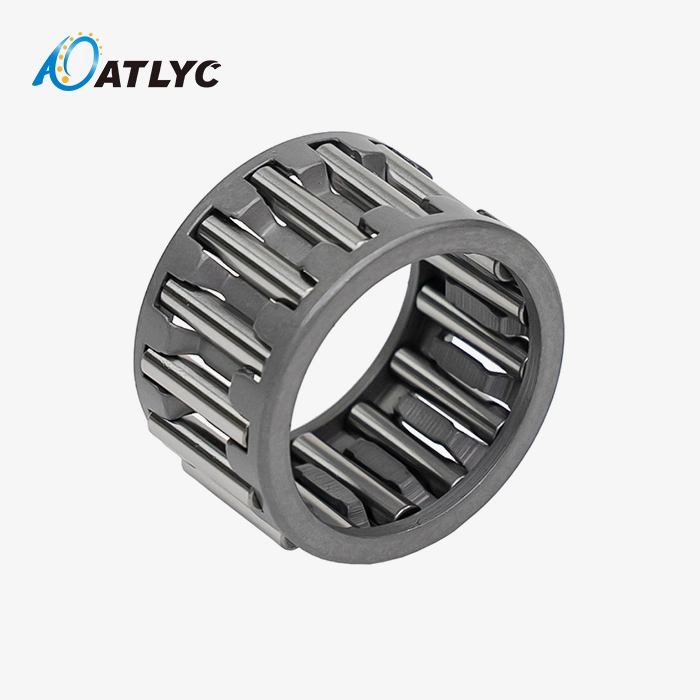
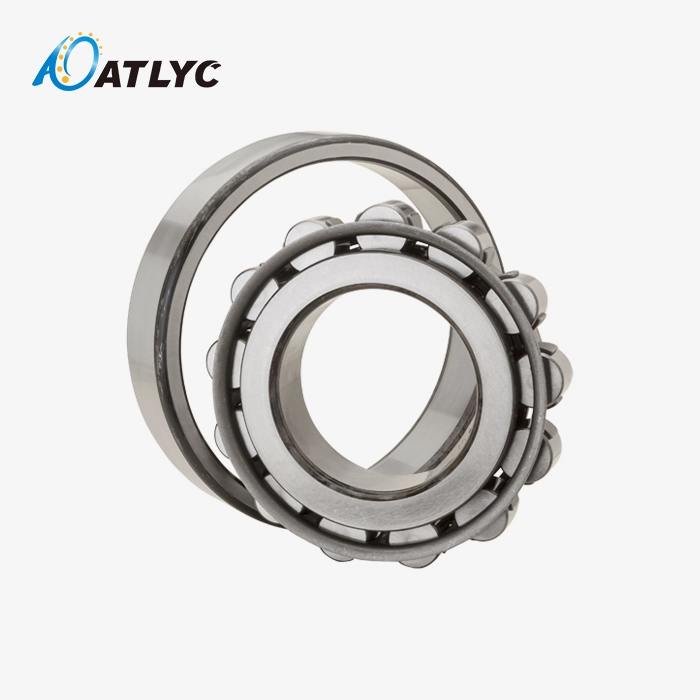
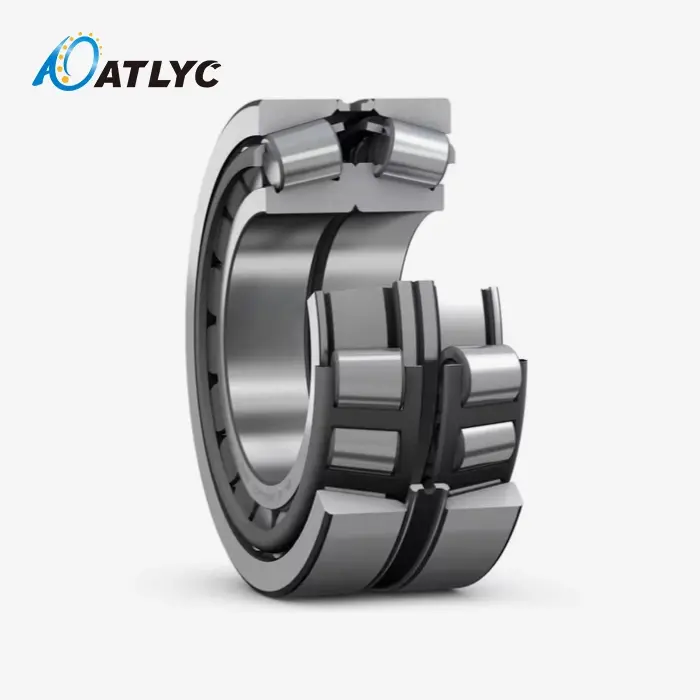
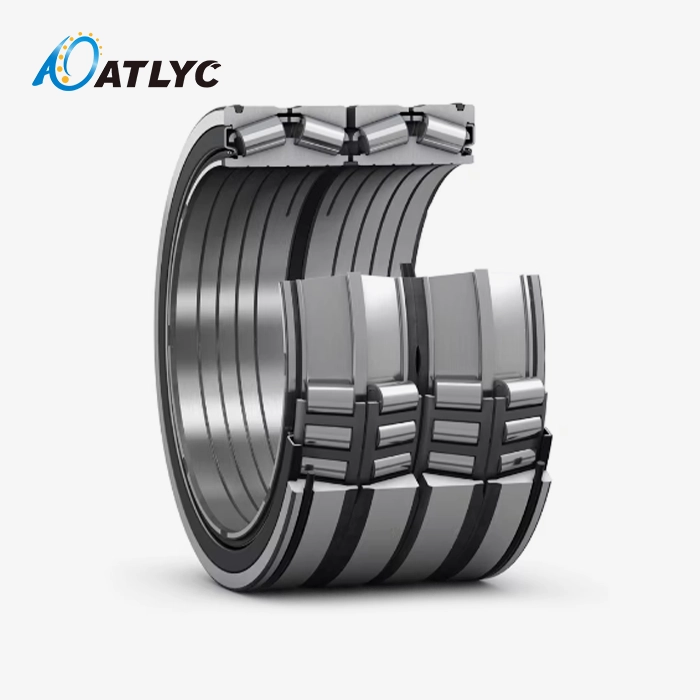
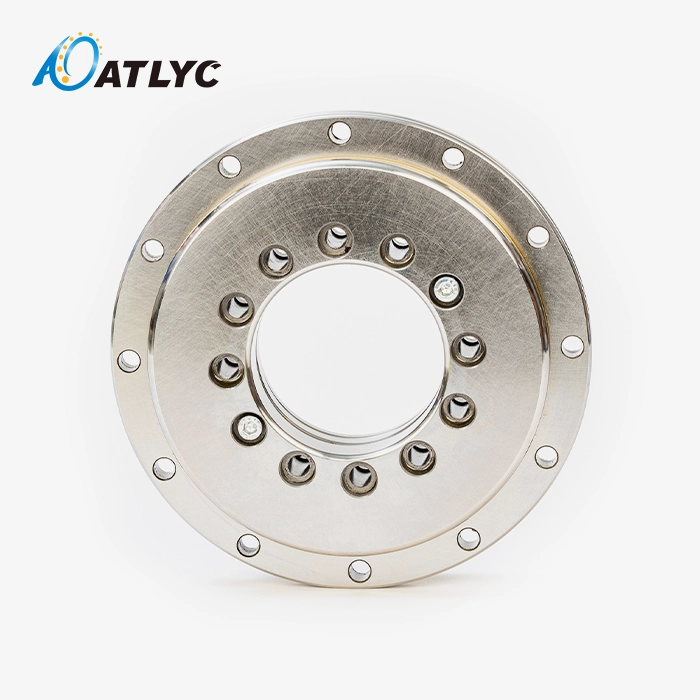
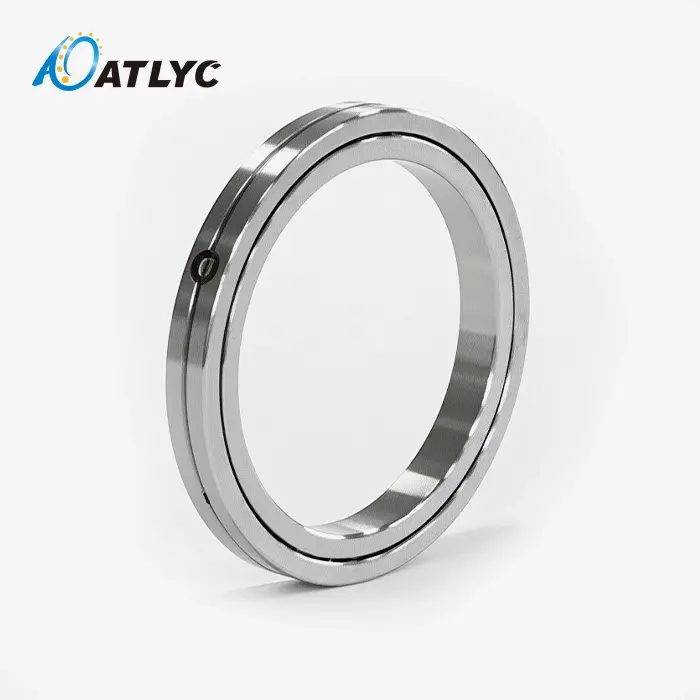
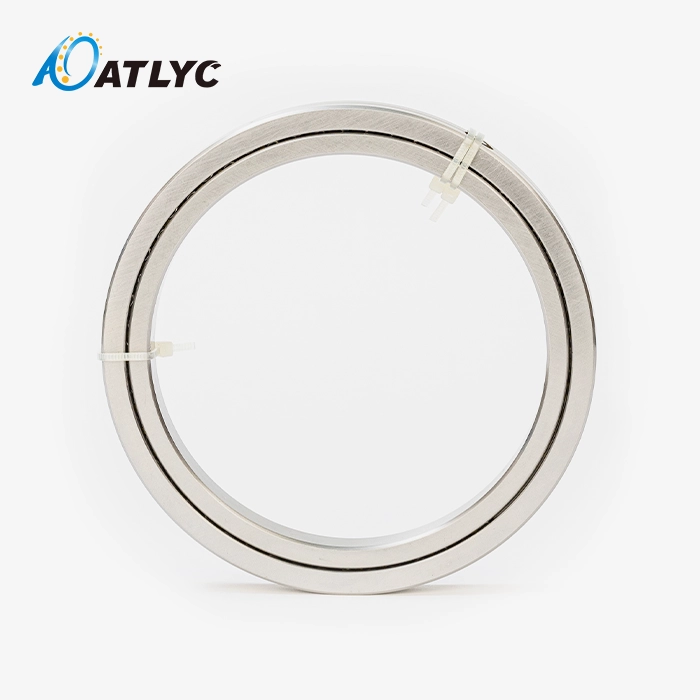
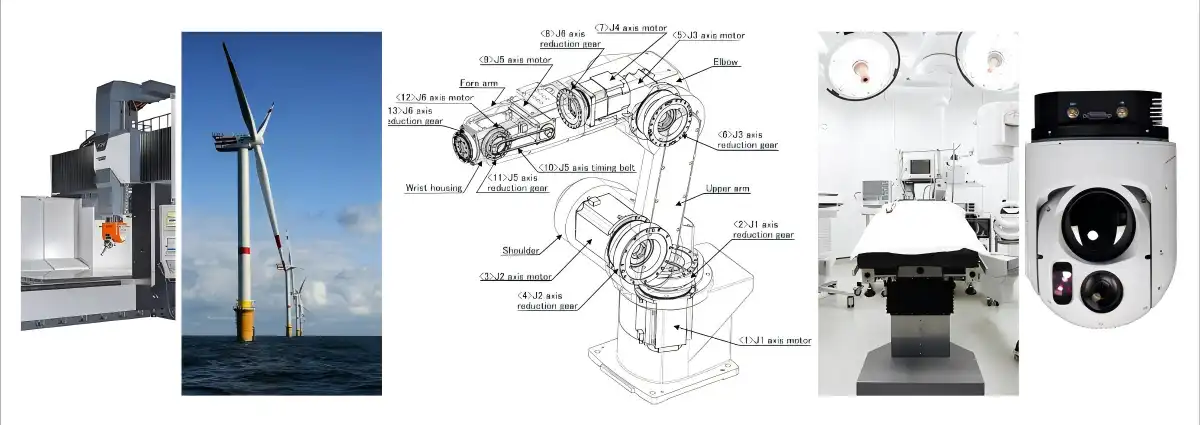
To choose the right crossed roller bearing, you must first know how much load you need to carry and how much room you have. The RB Series Crossed Roller Bearing works very well in tight spaces where radial, axial, RB Series Crossed Roller Bearing and moment loads all come together. In this bearing, the inner ring is built in, and the outer ring is split and has a secure plug design made for situations where the inner ring needs to spin. The orthogonal roller arrangement gets rid of the need for multiple bearing assemblies while keeping precision in high-stakes manufacturing tasks. This guide is useful for procurement teams that need to find reliable parts for robotic systems, machining centers, and precision equipment. It talks about important selection factors that have a direct effect on working uptime and the long-term reliability of equipment.
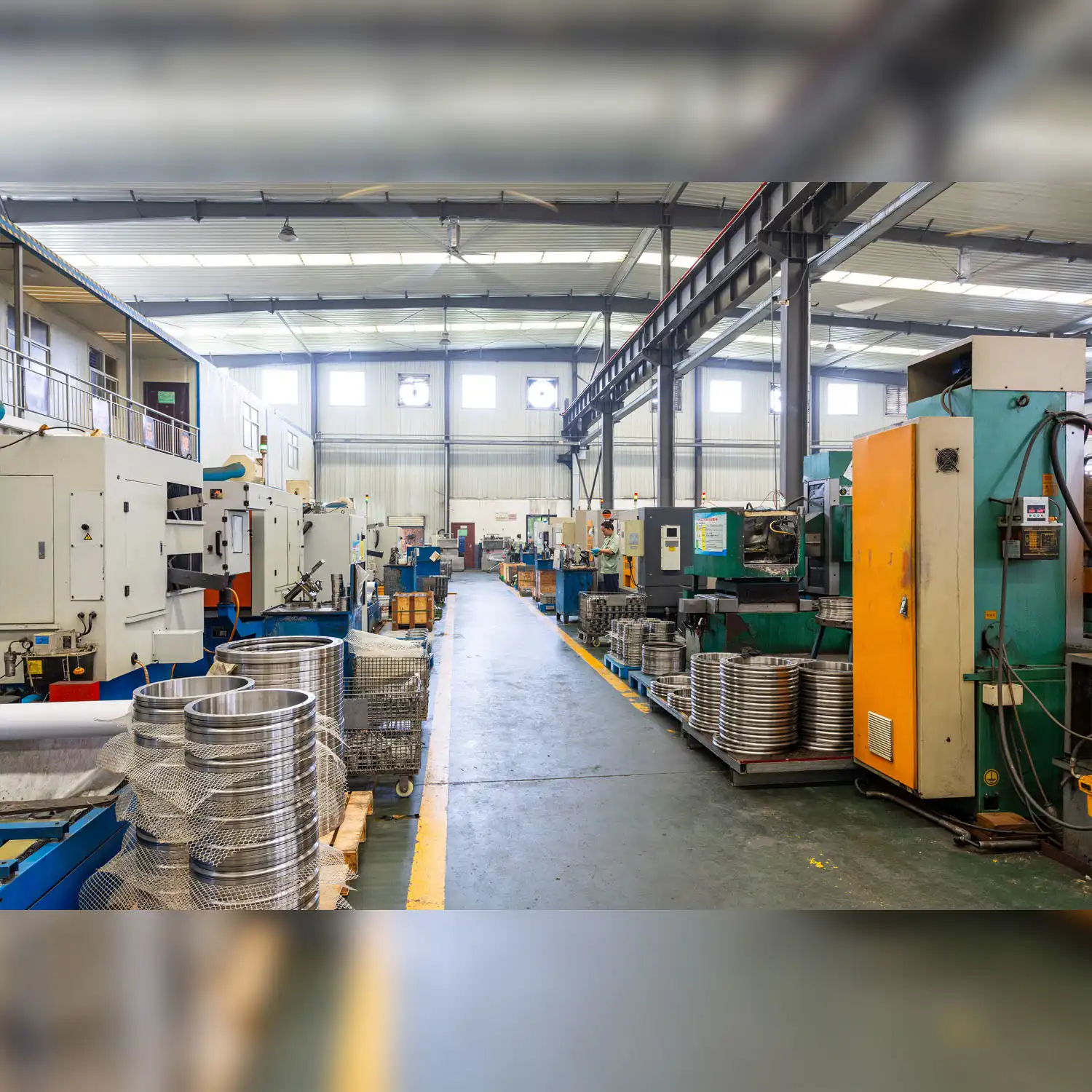
Understanding RB Series Crossed Roller Bearings
Unique Design Architecture
Because of how they are built, crossed roller bearings are different from regular radial or thrust types. When precision V-groove raceways hold cylindrical rollers at right angles to each other, they create many contact points that spread forces evenly along all directions of motion. This crossed design combines what used to be separate angular contact bearings or bearing pairs into a single, small unit. The built-in inner ring gives the structure extra rigidity, which is important for keeping the positional accuracy even when the load changes. The split outer ring with plug makes installation easier and upkeep easier because the equipment doesn't have to be taken apart completely. Rollers don't touch because of precision-machined spacing spacers. This gets rid of friction sources that cause premature wear and possible alignment problems during continuous operation.
Dimensional Range and Load Capacity
Size flexibility lets you use different kinds of tools. The inside diameters range from 20 mm to 1100 mm, the outside sizes from 70 mm to 1500 mm, and the widths from 12 mm to 110 mm. This wide range of sizes can be used for a lot of different things, from small robotic joints to big machine center rotary tables. The load capacity increases with bearing size and precision class. With an orthogonal roller design, radial forces, axial thrust, and overturning moments can all be supported at the same time in a single bearing assembly. This ability to handle loads in more than one way gets rid of the need for a lot of space and the hassle of aligning multiple bearing installations. This is a big help when installation limits design RB Series Crossed Roller Bearing choices.
Core Criteria to Consider When Selecting an RB Series Crossed Roller Bearing
Operational Load Analysis
To choose the right bearings, you need to accurately describe the load. Keep track of the amounts and directions of radial forces that act perpendicular to the shaft axis, axial loads that act parallel to the rotating axis, and moment loads that cause tilting forces. In a lot of precision applications, all three types of forces work at the same time, but at different strengths throughout the operational cycle. This is called dynamic loading, and it needs more thought. Bearings are put under more stress than can be calculated using static math when equipment is subjected to shock loads, vibration, or rapid acceleration cycles. Find the equivalent dynamic loads by using the right service factors that take into account how bad the process is. Robotic joints that do repeated pick-and-place tasks create different loading profiles than rotary tables in a machining center that move when cutting forces act on them.
Supply Chain Considerations
Procurement efficiency extends beyond technical specification matching. Minimum order quantities affect inventory carrying costs and cash flow, particularly for specialized sizes or precision classes. Manufacturers typically stock common dimensions in standard precision grades while treating unusual specifications as custom orders requiring extended lead times. Lead time management protects production schedules against supply disruptions. Establishing relationships with manufacturers holding ISO 9001 and IATF 16949 certifications provides quality assurance backed by documented process controls. Suppliers demonstrating production scale across multiple workshops can accommodate volume fluctuations and expedited delivery requirements that smaller operations cannot support. Verify manufacturing capacity through facility audits or third-party certifications rather than relying solely on marketing claims.
Comparing the RB Series with Other Crossed Roller Bearings
Performance Metrics Evaluation
Different crossed roller configurations serve distinct application requirements. Standard crossed roller bearings with solid outer rings provide maximum rigidity for applications where installation procedures allow shrink fitting or temperature-controlled mounting. The split outer ring design of RB Series bearings trades minimal rigidity reduction for substantial installation convenience, particularly valuable during maintenance operations or applications where thermal expansion clearances prohibit interference fits. Slewing bearings excel in large diameter, low-speed applications such as crane turrets and excavator platforms. However, their size and weight make them impractical for precision automation equipment requiring compact dimensions and high stiffness. The RB Series occupies the middle ground, delivering precision-grade accuracy in sizes supporting both compact robotic joints and substantial machining center components.
Supplier Authentication Methods
Counterfeit bearing incidents cause substantial financial and operational damage across industrial sectors. Verifying supplier authenticity protects against substandard components that fail prematurely despite meeting visual inspection criteria. Request material test certificates documenting steel composition and heat treatment parameters. Dimensional inspection reports generated on calibrated coordinate measuring machines provide objective evidence of manufacturing precision. Production facility audits reveal capabilities that marketing materials may misrepresent. Assess whether manufacturers possess appropriate machining equipment, heat treatment capabilities, and quality inspection instrumentation. A supplier claiming P4 precision capability should demonstrate ownership of high-precision grinding equipment and measurement systems traceable to recognized standards. Companies holding IATF 16949 certification undergo regular audits verifying process controls and continuous improvement systems that directly impact RB Series Crossed Roller Bearing product consistency.
Installation and Maintenance Best Practices for RB Series Crossed Roller Bearings
Precision Mounting Procedures
Installation accuracy directly determines operational performance and service life. Crossed roller bearings exhibit sensitivity to mounting surface parallelism, perpendicularity, and flatness that exceeds typical radial bearing tolerances. Mounting surfaces should achieve flatness within 0.01mm across the seating diameter to prevent preload variations that create stress concentrations. Handle components with clean, lint-free gloves to prevent corrosion from skin oils and contamination from particulates. Inspect mounting surfaces under adequate lighting to identify scratches, burrs, or residual machining debris. Remove any defects using fine abrasive stones rather than aggressive grinding that might create new surface irregularities. The split outer ring design with plug requires attention during assembly. Align the outer ring sections carefully before inserting the plug to avoid disturbing roller positioning. Tighten plug fasteners to specified torque values using calibrated tools, following a cross-pattern sequence that distributes clamping forces uniformly. Over-torquing can distort the outer ring, while insufficient torque may allow relative movement that damages raceways during operation.
Lubrication and Inspection Protocols
Proper lubrication extends bearing life while preventing premature failure from inadequate film formation. Lithium-based greases with EP (extreme pressure) additives suit most industrial applications operating across typical temperature ranges. Applications involving elevated temperatures or special cleanliness requirements may specify synthetic greases formulated for specific environmental conditions. Initial lubrication fills the bearing cavity to approximately 30% of free volume. Excess grease creates churning resistance that generates unnecessary heat while offering no performance benefits. Relubrication intervals depend on operational speed, load intensity, and environmental cleanliness. Equipment operating in clean environments at moderate speeds may extend intervals to 2000 operating hours, while contaminated or high-load conditions warrant intervals of 500 hours or less. Routine inspections detect developing problems before catastrophic failure occurs. Monitor operating temperature using contact thermometers or infrared sensors, watching for gradual temperature increases that signal deteriorating lubrication or developing damage. Listen for unusual noise patterns suggesting roller or raceway distress. Establish baseline vibration signatures using accelerometers, then track changes indicating wear progression or contamination ingress.
Common Installation Pitfalls
Several installation errors compromise bearing performance despite appearing inconsequential. Striking bearings directly during installation transmits shock loads through rollers and raceways, creating subsurface damage that manifests as premature spalling. Always use installation tools that distribute forces through bearing rings rather than rolling elements. Inadequate cleanliness during installation introduces contaminants that accelerate wear. Even microscopic particles trapped between rollers and raceways act as stress risers, initiating fatigue cracks that propagate into larger spalls. Maintain clean work areas, use filtered compressed air for cleaning, and avoid touching bearing internal components with bare hands. Misalignment between mounting surfaces creates uneven load distribution across rollers. Achieving parallel mounting surfaces within specified tolerances prevents edge loading that concentrates stress on roller ends. Verify alignment using precision measuring equipment rather than relying on visual assessment, which cannot detect deviations affecting bearing performance.
How to Procure RB Series Crossed Roller Bearings Efficiently
Identifying Qualified Suppliers
Supplier selection criteria should prioritize manufacturing capability and quality systems over pricing alone. Manufacturers demonstrating production scale across multiple specialized facilities can accommodate varying order volumes while maintaining consistent delivery schedules. Luoyang Auto Bearing Co., Ltd.'s expansion from one to six workshops over 15 years reflects the production capacity evolution necessary to serve global OEM customers across automotive and industrial sectors. Quality certifications provide objective evidence of process control maturity. ISO 9001 certification verifies documented quality management systems covering design, production, and customer service processes. IATF 16949 certification, specifically the RB Series Crossed Roller Bearing, addresses automotive industry requirements, incorporating additional controls for production part approval processes, measurement system analysis, and continuous improvement methodologies. Suppliers holding both certifications demonstrate the capability to serve demanding applications where component failure carries substantial consequences. Geographic considerations affect communication efficiency and supply chain resilience. Manufacturers serving customers across South Korea, the United States, Germany, Russia, Iran, and Turkey have developed export logistics expertise and often maintain technical support staff familiar with international standards and application requirements. This global experience translates into smoother order processing, accurate documentation, and responsive problem resolution compared to suppliers serving only domestic markets.
Strategic Order Management
Minimum order quantity policies balance manufacturing efficiency against customer inventory requirements. Negotiate MOQ terms that align with production consumption rates to minimize carrying costs while ensuring adequate safety stock against supply disruptions. Suppliers often show flexibility on MOQ for customers, demonstrating long-term partnership potential through consistent order patterns and growth trajectories. Lead time reduction requires proactive planning and supplier collaboration. Communicate forecasted requirements well ahead of production needs, allowing manufacturers to plan material procurement and production scheduling. Rush orders typically incur premium pricing and may compromise quality as manufacturers accelerate normal process timelines. Establishing blanket purchase orders with scheduled releases provides suppliers with visibility for efficient capacity planning while giving buyers flexibility to adjust quantities within agreed parameters. Pricing negotiations should emphasize the total cost of ownership rather than the unit price alone. A supplier offering 5% lower pricing but delivering inconsistent quality that increases rejection rates ultimately costs more than a premium supplier with demonstrated reliability. Request detailed quotations itemizing material costs, processing steps, quality inspection procedures, and packaging specifications. This transparency reveals where costs concentrate and identifies opportunities for value engineering that benefit both parties.
Technical Support Utilization
Manufacturers that offer strong expert support help customers choose the best bearings for their needs and design the best applications for them. Having access to engineering staff who can look over load figures, suggest the right precision classes, and suggest mounting configurations stops specification mistakes that lead to poor performance. This knowledge comes in handy when changing bearing solutions to new uses or fixing problems that come up out of the blue. Warranties show that the company behind the product is confident in its quality and give customers a way to get their money back if something goes wrong. Standard insurance coverage usually covers problems with the way the product was made that are found within 12 to 18 months of delivery. Longer warranty terms or performance guarantees show that suppliers are ready to stand behind their products, but these agreements usually need to be backed up by written instructions for installation and maintenance in order to stay valid. The ability to provide after-sales service affects the long-term costs of running a business. When suppliers keep popular sizes in stock, they can quickly replace parts that break when they're needed, which cuts down on production downtime. Technical troubleshooting support helps figure out whether a failed bearing is caused by a problem with the application or a flaw in the component. This helps determine the right steps to take to fix the problem. Building relationships with providers who see the success of their customers as good for both parties leads to partnerships that go beyond just buying parts.
Conclusion
Selecting crossed roller bearings that meet precision requirements while delivering reliable service across extended operational cycles requires systematic evaluation of technical specifications, operational parameters, and supplier capabilities. The RB Series configuration with integral inner rings and split outer rings serves applications where installation convenience and maintenance accessibility matter alongside performance specifications. Material composition, precision class, and dimensional specifications must align with load conditions, speed requirements, and environmental factors specific to each application. Procurement success extends beyond identifying technically appropriate components to encompass supplier quality systems, manufacturing capacity, and support infrastructure that protects production schedules against supply disruptions and quality incidents.
FAQ
1. What distinguishes RB Series crossed roller bearings from standard bearing types?
The orthogonal roller arrangement enables simultaneous support of radial, axial, and moment loads within a single compact assembly. This eliminates the space and complexity associated with multiple bearing installations while delivering superior rigidity essential for precision positioning applications.
2. How do I determine the correct size for my application?
Calculate operational loads including radial forces, axial thrust, and overturning moments. Compare these values against manufacturer load ratings for candidate bearing sizes, applying appropriate service factors for dynamic conditions. Verify dimensional compatibility with available mounting space and shaft/housing interfaces.
3. What maintenance practices extend bearing service life?
Maintain proper lubrication using appropriate grease types and relubrication intervals based on operating conditions. Monitor temperature and vibration signatures to detect developing problems early. Protect bearings from contamination through effective sealing and maintain cleanliness during maintenance procedures.
4. Which precision class should I specify for robotic applications?
Most industrial robotic joints operate satisfactorily with P5 precision bearings offering runout accuracy within 5 microns. Applications requiring exceptional positioning accuracy may justify P4 class components maintaining 2.5-micron runout tolerances despite higher costs.
Partner With ATLYC for Premium Crossed Roller Bearing Solutions
ATLYC combines 15 years of bearing manufacturing expertise with ISO 9001 and IATF 16949 certified quality systems to deliver reliable RB Series Crossed Roller Bearing solutions for global industrial customers. Our six specialized RB Series Crossed Roller Bearing production facilities, staffed by 120 skilled professionals, ensure consistent quality across inner diameters from 20mm to 1100mm, supporting applications from compact robotic joints to substantial machining center components. We serve as a trusted crossed roller bearing supplier for automotive OEMs, industrial equipment manufacturers, and precision automation builders across 20+ countries who demand components meeting international standards without compromising delivery reliability. Contact our technical team at auto@lyautobearing.com to discuss your specific application requirements, request detailed specifications for appropriate bearing configurations, or obtain quotations aligned with your production volume needs and delivery schedules.
References
1. Harris, T.A. and Kotzalas, M.N., "Advanced Concepts of Bearing Technology: Rolling Bearing Analysis, Fifth Edition," CRC Press, 2006.
2. Schaeffler Technologies AG & Co., "Crossed Roller Bearings: Design, Application, and Maintenance Guidelines," Technical Publication TI-0234, 2019.
3. ISO 492:2014, "Rolling Bearings — Radial Bearings — Geometrical Product Specifications (GPS) and Tolerance Values," International Organization for Standardization.
4. Budynas, R.G. and Nisbett, J.K., "Shigley's Mechanical Engineering Design, Tenth Edition," McGraw-Hill Education, 2015.
5. SKF Group, "Bearing Selection and Arrangement: Engineering Manual for Industrial Applications," SKF Publication PUB BU/P1 10000/3 EN, 2018.
6. JTEKT Corporation, "Crossed Roller Bearings for Precision Equipment: Technical Specifications and Application Guide," Technical Catalog CAT. No. 3301-VI E, 2020.
Learn about our latest products and discounts through SMS or email