- English
- French
- German
- Portuguese
- Spanish
- Russian
- Japanese
- Korean
- Arabic
- Greek
- German
- Turkish
- Italian
- Danish
- Romanian
- Indonesian
- Czech
- Afrikaans
- Swedish
- Polish
- Basque
- Catalan
- Esperanto
- Hindi
- Lao
- Albanian
- Amharic
- Armenian
- Azerbaijani
- Belarusian
- Bengali
- Bosnian
- Bulgarian
- Cebuano
- Chichewa
- Corsican
- Croatian
- Dutch
- Estonian
- Filipino
- Finnish
- Frisian
- Galician
- Georgian
- Gujarati
- Haitian
- Hausa
- Hawaiian
- Hebrew
- Hmong
- Hungarian
- Icelandic
- Igbo
- Javanese
- Kannada
- Kazakh
- Khmer
- Kurdish
- Kyrgyz
- Latin
- Latvian
- Lithuanian
- Luxembou..
- Macedonian
- Malagasy
- Malay
- Malayalam
- Maltese
- Maori
- Marathi
- Mongolian
- Burmese
- Nepali
- Norwegian
- Pashto
- Persian
- Punjabi
- Serbian
- Sesotho
- Sinhala
- Slovak
- Slovenian
- Somali
- Samoan
- Scots Gaelic
- Shona
- Sindhi
- Sundanese
- Swahili
- Tajik
- Tamil
- Telugu
- Thai
- Ukrainian
- Urdu
- Uzbek
- Vietnamese
- Welsh
- Xhosa
- Yiddish
- Yoruba
- Zulu
What Makes RA Series Crossed Roller Bearings So Rigid?
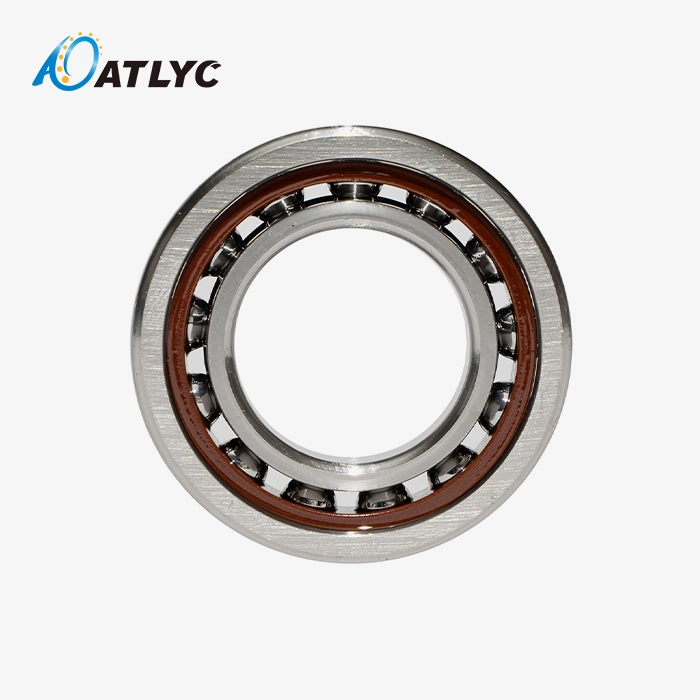
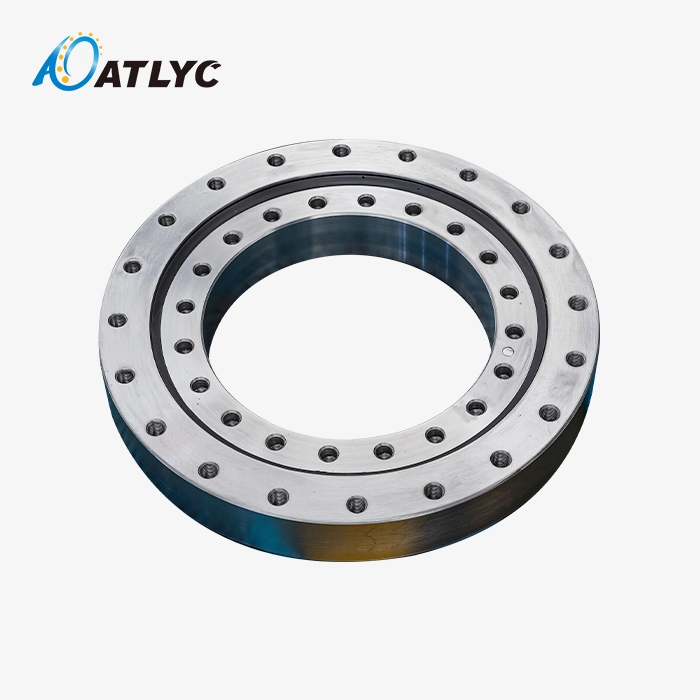
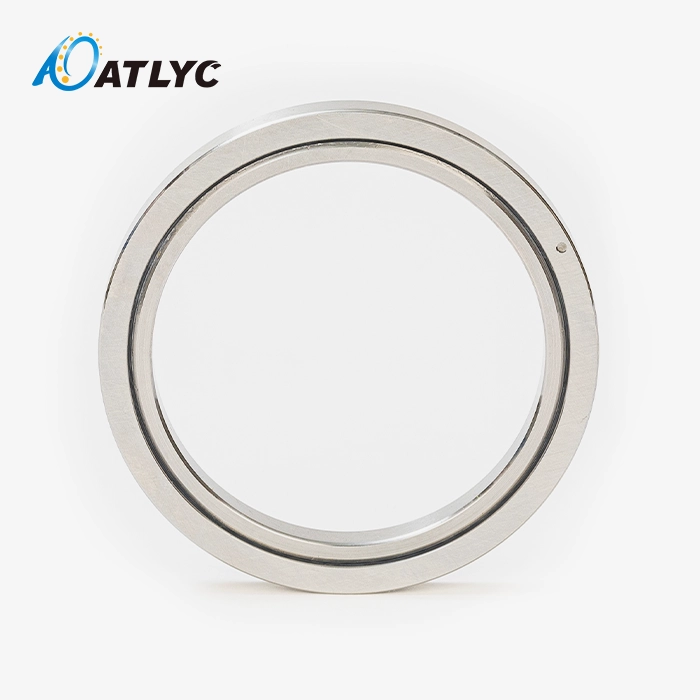
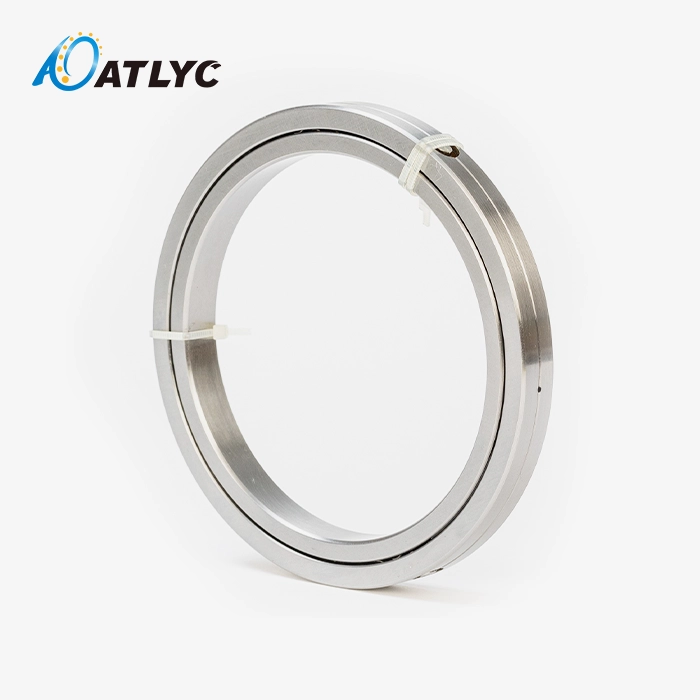
When your robotic equipment needs to be very precise even when it's carrying a lot of weight, you need to RA Series Crossed Roller Bearings know about rigidity. The RA Series Crossed Roller Bearings are very stiff because they have a new design with crossed rollers. In this design, cylindrical rollers alternate at 90-degree angles within precise V-groove raceways. This straight-line setup spreads radial, axial, and moment loads across many contact points at the same time, which greatly lowers bending when stressed. The design of a separate outer ring and an integral inner ring ensures that there is little play and that the preload stays the same. Higher-quality bearing steels, like Gcr15 and Gcr15SiMn, keep their shape better even in tough working conditions. This makes them perfect for situations where even tiny changes in shape can hurt performance.
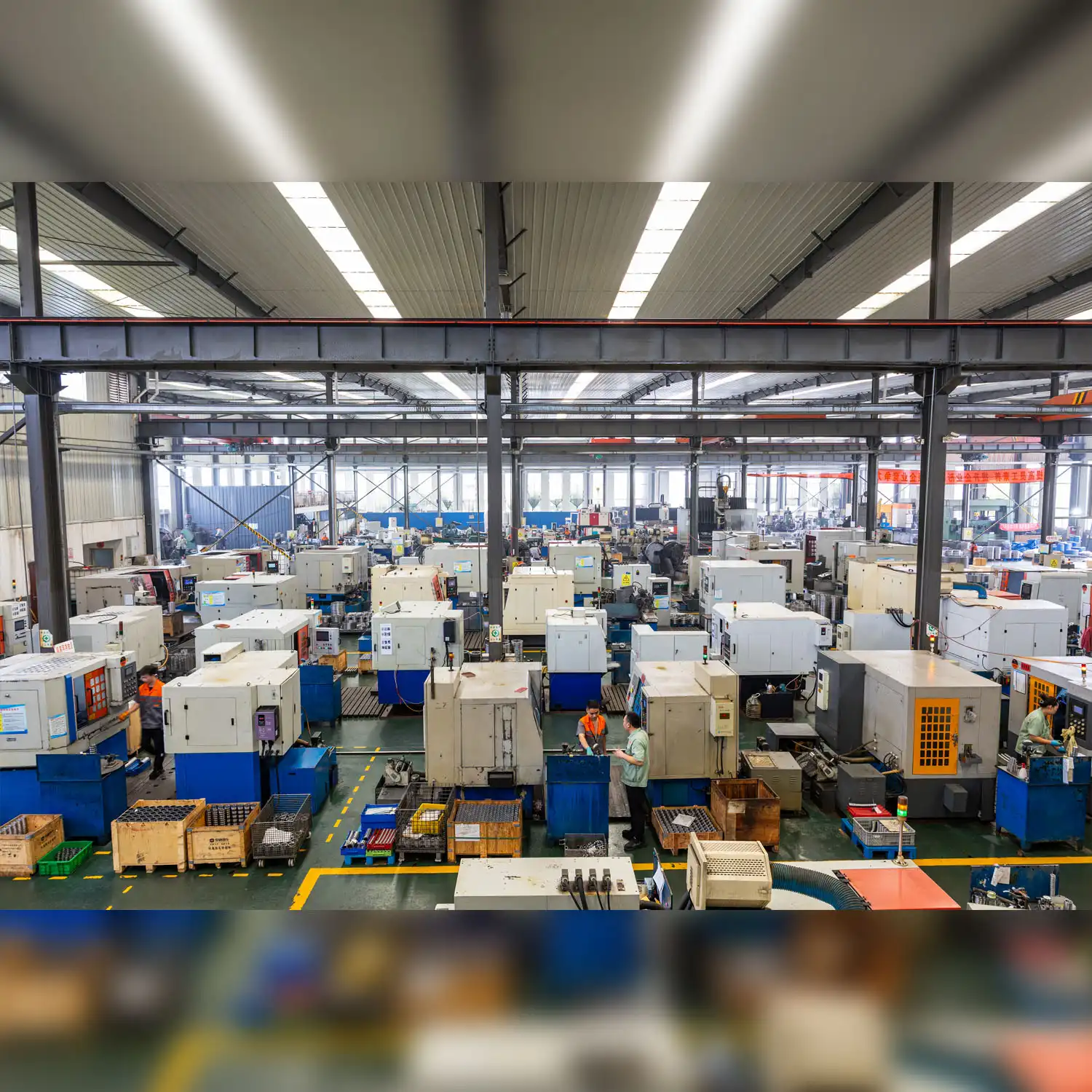
Understanding the Core Design Features That Ensure Rigidity in RA Series Crossed Roller Bearings
The structural foundation of crossed roller bearing rigidity lies in geometry and material science working in harmony. Unlike conventional bearing designs that require separate components to handle different load directions, the RA configuration integrates multidirectional load capacity into a single compact assembly.
Crossed Roller Arrangement and Load Distribution
By putting cylindrical rollers in alternate perpendicular rows, a load path is made that engages more than one contact surface, no matter the direction of the force. When you put loads on your robotic joint or rotating table as a whole, each roller evenly distributes the weight. This spread keeps stress from building up in one place, which can lead to early deformation in other types of bearing setups. Studies in engineering show that crossed roller configurations can handle moment loads up to 50% better than similar ball bearing setups with the same envelope size. At Luoyang Auto Bearing, the way we make things ensures that every roller stays within exact dimensional limits. The way the rollers and V-groove raceways interact provides the best contact angles that make the bearings strong enough to hold the most weight while also being as flexible as possible. Precision machinery makers always choose these bearings for uses that need to be very stiff because of this design principle.
Dimensional Parameters and Structural Efficiency
Size optimization contributes significantly to the rigidity-to-space ratio that makes these bearings valuable in compact designs. The RA series spans inner diameters from 20mm to 350mm, with outer diameters ranging from 70mm to 540mm and widths between 12mm and 45mm. This dimensional versatility allows engineers to select bearings that maximize load capacity within existing envelope constraints. The ultra-thin profile characteristic of crossed roller designs means you achieve higher rigidity per unit of axial space compared to conventional bearing arrangements. A typical RA bearing might replace a paired angular contact ball bearing setup while occupying 40% less axial space and delivering superior moment load capacity. The space efficiency of RA Series Crossed Roller Bearings becomes crucial in robotic joints where multiple degrees of freedom must coexist within limited installation volumes.
Comparing RA Series Crossed Roller Bearings to Other Bearing Types: Why Rigidity Matters
Understanding performance differences helps procurement teams make informed decisions that affect long-term operational costs and machine capabilities.
Performance Advantages Over Standard Ball Bearings
Ball bearings excel in high-speed applications but demonstrate limited rigidity under combined loading. The point contact between balls and raceways creates higher contact stresses and greater elastic deformation compared to the line contact achieved by cylindrical rollers. When your machining center rotary table requires position holding accuracy during heavy cutting operations, this deflection difference translates to measurable errors in workpiece positioning. The low friction coefficient of crossed roller assemblies enables smooth rotation even under preload conditions that would generate excessive drag in ball bearing configurations. This characteristic proves particularly valuable in indexing applications where frequent start-stop cycles demand both rigidity and motion control precision.
Cost-Benefit Analysis for Procurement Teams
Initial acquisition costs for precision crossed roller bearings typically exceed standard bearing solutions by 25-40%. However, total cost of ownership calculations reveal significant advantages. Reduced downtime from fewer bearing-related failures, extended maintenance intervals, and improved product quality from enhanced machine accuracy create compelling economic justification. When you factor in the simplified mounting arrangements that reduce assembly labor and eliminate additional support components, the investment payback period often falls within 18-24 months for production environments operating multiple shifts.
Maintenance and Lifespan: Ensuring Long-Term Rigidity and Performance
Preserving initial rigidity throughout the bearing's service life requires attention to operational factors that accelerate wear and deformation.
Lubrication Strategy and Contamination Prevention
Proper lubrication maintains the thin film between rollers and raceways that prevents metal-to-metal contact while minimizing friction losses. The RA series accepts both grease and oil lubrication methods, with selection depending on speed, temperature, and accessibility requirements. Grease lubrication proves more practical for sealed applications where relubrication intervals can extend to annual or biannual schedules. Oil circulation systems suit high-speed or high-temperature conditions where heat dissipation becomes critical. Contamination represents the primary cause of premature bearing failure. Particulate ingress creates three-body wear that rapidly degrades raceway surface finish and dimensional accuracy. Installing effective sealing systems prevents contaminant entry while retaining lubricant. Our technical support team assists customers in selecting appropriate seal configurations that balance RA Series Crossed Roller Bearings protection against environmental conditions with rotational resistance requirements.
Installation Best Practices
Improper installation compromises even the highest-quality bearings. Mounting surface flatness and perpendicularity directly affect load distribution across the bearing cross-section. Surface finish on mating components should meet specifications detailed in installation documentation—typically Ra 1.6 μm or better for precision applications. Shoulder dimensions and fillet radii must provide adequate support without interference that creates stress concentrations. Preload adjustment requires specialized knowledge and equipment. Insufficient preload allows internal clearance that reduces rigidity and permits fretting wear. Excessive preload generates unnecessary friction, shortens bearing life, and may cause plastic deformation of contact surfaces. Our engineering team provides detailed preload specifications and adjustment procedures that ensure optimal performance for your specific application conditions.
Procurement Insights: What B2B Buyers Should Know About Acquiring RA Series Crossed Roller Bearings
Strategic sourcing decisions affect product availability, quality consistency, and total project costs throughout your equipment's production lifecycle.
Pricing Structures and Order Quantities
Volume-based pricing creates economies of scale that benefit large manufacturers and distributors. Minimum order quantities vary by bearing size and specification complexity, with standard configurations offering lower MOQ thresholds than custom variants. Lead times for standard products typically range from 4-6 weeks ex-factory, while customized designs may require 8-12 weeks, depending on engineering requirements and material procurement. Establishing framework agreements with qualified manufacturers provides pricing stability and capacity allocation advantages. Our customer partnerships often include scheduled delivery arrangements that align bearing availability with production planning cycles, eliminating expediting costs and reducing inventory carrying expenses.
Customization Capabilities and Engineering Support
OEM partnerships enable bearing designs optimized for specific application requirements. Customization options include dimensional modifications within practical manufacturing limits, material selection for specialized environments, seal configurations adapted to contamination exposure, and accuracy grades matched to precision requirements. Engineering collaboration during the design phase prevents costly specification mismatches that compromise performance or complicate installation. Our technical team assists customers with bearing selection calculations, mounting arrangement design, lubrication specification, and troubleshooting guidance throughout the product lifecycle. This comprehensive support approach differentiates manufacturing partners from transactional suppliers, creating value that extends beyond component delivery.
Application Spotlight: Leveraging RA Series Crossed Roller Bearings in Advanced Machinery
Real-world implementations demonstrate how rigidity translates to measurable performance improvements across demanding industrial sectors.
Industrial Robotics and Automation
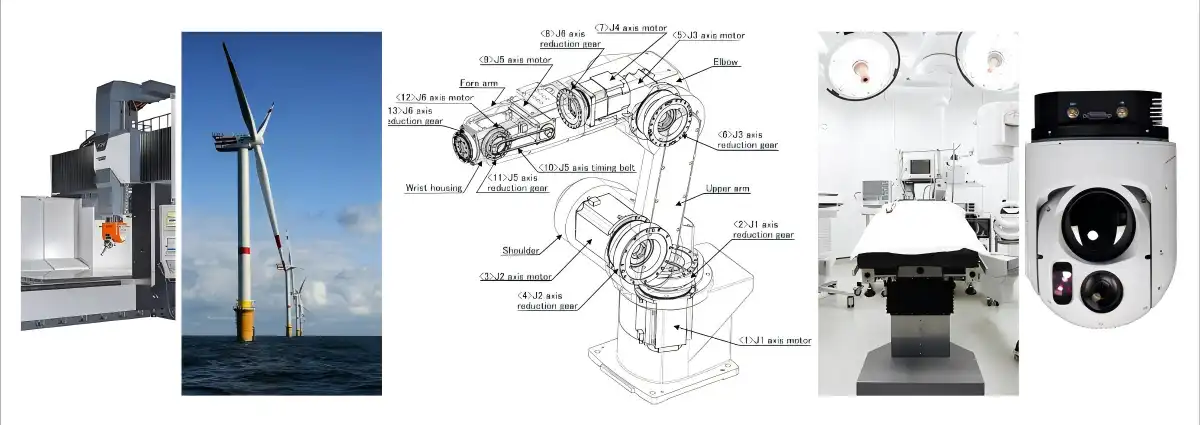
Robotic joints represent perhaps the most demanding crossed roller bearing application. Articulated arms must position payloads precisely while withstanding moment loads that vary continuously through the work envelope. The combination of high stiffness, compact cross-section, and excellent runout accuracy makes the RA series ideal for this challenging environment. A collaborative robot manufacturer integrated our precision-grade crossed roller bearings into their joint designs and documented positioning repeatability improvements from ±0.08mm to ±0.03mm—a 62% enhancement that enabled new application opportunities in assembly operations requiring tighter tolerances. Rotary tables on machining centers depend on bearing rigidity to maintain workpiece position during heavy cutting operations. Tool forces create moment loads that attempt to tilt the table, introducing geometric errors that compromise part accuracy. High-rigidity crossed roller bearing designs resist this deflection, preserving the programmed tool path relationship to the workpiece. Users report measurable improvements in surface finish consistency and dimensional tolerance achievement after upgrading to precision crossed roller turntables.
Medical and Precision Measurement Equipment
Medical imaging devices require smooth rotation combined with exceptional positioning RA Series Crossed Roller Bearings stability. CT scanner gantries rotate continuously while maintaining precise alignment between X-ray sources and detector arrays. Any wobble or deflection degrades image quality through motion artifacts. The low-friction and high-rigidity characteristics of crossed roller bearings ensure smooth rotation without position deviation, directly contributing to diagnostic image quality that affects patient care decisions. Coordinate measuring machines demand bearing performance that doesn't introduce measurement uncertainty. Rotary axes using high-accuracy crossed roller bearings contribute minimal geometric error to the measurement system's total uncertainty budget. This performance enables manufacturers to verify tight-tolerance components with confidence in measurement validity.
Semiconductor Manufacturing Equipment
IC manufacturing devices operate in cleanroom environments where contamination control is paramount. Sealed crossed roller bearing configurations prevent particulate generation while maintaining the positioning accuracy required for photolithography and inspection processes. The rigidity provided by these bearings ensures wafer positioning repeatability measured in nanometers—precision levels that enable current semiconductor feature sizes approaching atomic dimensions.
Conclusion
Rigidity in crossed roller bearings emerges from the synergistic interaction of design geometry, material properties, and manufacturing precision. The RA series achieves exceptional stiffness through perpendicular roller arrangement, high-grade steel materials, and tight tolerance control that minimizes deflection under combined loading. Understanding these technical factors enables engineering and procurement teams to specify bearing solutions that optimize machine performance while managing lifecycle costs. Proper maintenance practices preserve initial rigidity throughout extended service lives, protecting your precision equipment investment. Selecting qualified manufacturing partners with demonstrated production capacity, quality certifications, and technical support capabilities ensures supply reliability and application success. These bearings represent proven technology for industries demanding uncompromising precision and performance.
FAQ
1. What technical factors contribute most to RA bearing rigidity?
The crossed roller arrangement creates load distribution across multiple contact points, which significantly reduces deflection compared to point-contact designs. High-grade bearing steel materials maintain dimensional stability under operational stress, while precision manufacturing tolerances ensure consistent preload and minimal play. The combination delivers superior stiffness for precision applications.
2. How do maintenance practices affect long-term bearing rigidity?
Proper lubrication maintains protective films that prevent wear-related dimensional changes. Contamination prevention preserves the raceway surface finish critical for consistent contact geometry. Regular inspections detect developing issues before they compromise structural performance. Following the specified installation procedures ensures optimal preload that maximizes rigidity throughout the bearing's service life.
3. Where can procurement teams source authentic RA bearings with customization support?
Partnering directly with ISO 9001 and IATF 16949 certified manufacturers ensures quality consistency and specification compliance. Factory-direct relationships provide access to engineering expertise for customization requirements while eliminating intermediary markups. Verifying production capacity and certification validity through facility audits confirms supplier capabilities match project requirements.
Partner with ATLYC for Superior Crossed Roller Bearing Solutions
Optimizing your precision equipment starts with selecting the right bearing manufacturer, RA Series Crossed Roller Bearings, and supplier. ATLYC's 15-year manufacturing heritage combines advanced production capabilities across six specialized facilities with rigorous quality systems certified to ISO 9001 and IATF 16949 standards. Our RA Series Crossed Roller Bearings deliver the exceptional rigidity your automation systems, robotic applications, and precision machinery demand. We serve global customers across automotive components, industrial machinery, and measurement equipment sectors with consistent quality and reliable delivery. Our engineering team provides comprehensive technical support throughout your project lifecycle—from initial specification through installation guidance and ongoing service. Contact us today at auto@lyautobearing.com to discuss your precision bearing requirements and discover how our manufacturing expertise can enhance your equipment performance and competitive advantage.
References
1. Harris, T.A. & Kotzalas, M.N. (2006). Advanced Concepts of Bearing Technology: Rolling Bearing Analysis, Fifth Edition. CRC Press, Taylor & Francis Group.
2. Hamrock, B.J., Schmid, S.R. & Jacobson, B.O. (2004). Fundamentals of Fluid Film Lubrication, Second Edition. Marcel Dekker Inc., Mechanical Engineering Series.
3. ISO 492:2014. Rolling bearings — Radial bearings — Geometrical product specifications (GPS) and tolerance values. International Organization for Standardization.
4. Weck, M. & Brecher, C. (2006). Machine Tools 4: Automation and Control Systems. Springer-Verlag Berlin Heidelberg, Production Engineering Series.
5. Tsuji, T. & Ito, Y. (2009). Application of Crossed Roller Bearings to Industrial Robots and Precision Equipment. Journal of Advanced Mechanical Design, Systems, and Manufacturing, Volume 3, Issue 4.
6. Marsh, E.R. (2010). Precision Spindle Metrology. DEStech Publications Inc., Lancaster, Pennsylvania.
Learn about our latest products and discounts through SMS or email