- English
- French
- German
- Portuguese
- Spanish
- Russian
- Japanese
- Korean
- Arabic
- Greek
- German
- Turkish
- Italian
- Danish
- Romanian
- Indonesian
- Czech
- Afrikaans
- Swedish
- Polish
- Basque
- Catalan
- Esperanto
- Hindi
- Lao
- Albanian
- Amharic
- Armenian
- Azerbaijani
- Belarusian
- Bengali
- Bosnian
- Bulgarian
- Cebuano
- Chichewa
- Corsican
- Croatian
- Dutch
- Estonian
- Filipino
- Finnish
- Frisian
- Galician
- Georgian
- Gujarati
- Haitian
- Hausa
- Hawaiian
- Hebrew
- Hmong
- Hungarian
- Icelandic
- Igbo
- Javanese
- Kannada
- Kazakh
- Khmer
- Kurdish
- Kyrgyz
- Latin
- Latvian
- Lithuanian
- Luxembou..
- Macedonian
- Malagasy
- Malay
- Malayalam
- Maltese
- Maori
- Marathi
- Mongolian
- Burmese
- Nepali
- Norwegian
- Pashto
- Persian
- Punjabi
- Serbian
- Sesotho
- Sinhala
- Slovak
- Slovenian
- Somali
- Samoan
- Scots Gaelic
- Shona
- Sindhi
- Sundanese
- Swahili
- Tajik
- Tamil
- Telugu
- Thai
- Ukrainian
- Urdu
- Uzbek
- Vietnamese
- Welsh
- Xhosa
- Yiddish
- Yoruba
- Zulu
How to Select the Right Single Row Tapered Roller Bearing 30211?
It's not just a technical matter to choose the right tapered roller bearing; it affects whether your gear works smoothly for years or breaks down quickly when it's loaded. To choose the Single Row Tapered Roller Bearing 30211, procurement managers and engineers who work with automotive assemblies, industrial gearboxes, or farm equipment must look at its load capacity, dimensional accuracy, material quality, and the reliability of the provider. Because it can take both radial and axial loads, this bearing is essential for wheel hubs, machine tool spindles, and reducer systems. To help you make sure your sourcing decisions are in line with your budget and operational needs, this guide will walk you through specifications, selection criteria, comparisons with alternatives, and practical purchase strategies.
Understanding Single Row Tapered Roller Bearing 30211 – Key Specifications and Working Principle
When we examine the engineering behind metric-series tapered roller bearings, the 30211 model stands out for its balanced design optimised for medium-light load applications. This bearing features standardised dimensions with a 55mm inner diameter, 100mm outer diameter, and 21mm width, making it compatible with a wide range of shaft and housing configurations in industrial equipment.
Structural Components and Design Features
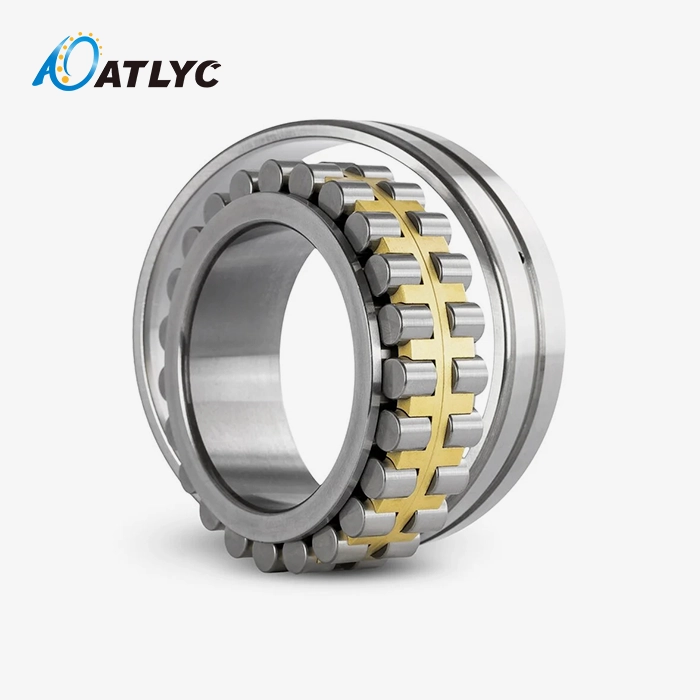
The bearing's separate design is made up of four important parts that work together. The inner ring, which is usually called the cone, has a raceway that is tapered and polished to exact angles. The upper ring, or cup, can be mounted on its own and moved around while the part is being put together. A single row of tapered rollers transfers loads from the shaft to the housing between these parts. During operation, a cast steel or brass cage keeps the rollers spaced out evenly. This open-type design lets you add a dust cover if the environment needs extra protection against contamination. The mechanical advantage that describes tapered roller bearing performance comes from the contact angle, which can be anywhere from 10° to 30°. This shape makes it possible for the bearing to handle axial thrust and radial forces easily in a single direction, which is a need that is common in automotive differentials and industrial gearboxes. Engineers like the separable construction because it makes installation easier, especially in small areas where it would be hard to put together full bearing units.
Material Composition and Precision Classes
The quality of manufacturing has a direct effect on how long a bearing lasts and how reliable it is. For the 30211 model, the inner and outer rings are usually made of GCr15 high-carbon chromium steel, which has high hardness values that keep the rings from deforming under long-term loads. Some companies use GCr15SiMn or 20Cr2Ni4A alloys to make rollers, which make them more resistant to wear in tough situations. For low-cost projects, cages are made of stamped steel. For better heat dissipation or corrosion resistance, they are made of brass. Precision grades P0, P6, and P5 meet different operating needs. Standard P0 grade is good for general industry machinery that needs to run with a moderate level of accuracy. P6 precision is used in automotive applications that need tighter tolerances to cut down on noise and vibration. The P5 grade is for machine tool spindles and positioning systems where the quality of the output is directly affected by how accurately the dimensions are met. By choosing the right precision class, you can effectively balance the need for efficiency Single Row Tapered Roller Bearing 30211 with the limitations of your budget.
Key Factors to Consider When Selecting a Single Row Tapered Roller Bearing 30211
Choosing the correct tapered roller bearing for your application requires systematic evaluation of mechanical demands, environmental conditions, and maintenance capabilities. We've seen procurement decisions based solely on dimensional compatibility result in costly failures when operational factors weren't adequately considered.
Load Capacity Analysis
Understanding the radial and axial loads in your application is the first step in choosing the right bearings. The 30211 model can handle mixed loads where radial forces are strong but axial thrust is still important. Figuring out dynamic load values helps figure out how long a bearing will last under certain conditions of use. When real loads get close to or go over the catalogue ratings, bigger bearings need to be used, or load-sharing plans need to be put in place. When engineers do their calculations, they often forget to include shock loading factors. Impact loads that are temporarily higher than normal operating forces happen on agricultural machinery gearboxes and building equipment. When used in places where shocks are likely to happen, safety factors of 1.5 to 2.0 keep bearings from breaking down without warning. On the other hand, over-specification raises costs without reason and can make it hard to fit parts in tight spaces.
Environmental Conditions and Lubrication Requirements
The operating setting has a big effect on how bearings are chosen and how they are maintained. Extreme temperatures change the viscosity of a lubricant and the qualities of a material. The standard GCr15 steel used to make the 30211 bearing works effectively up to 150°C. At higher temperatures, it needs synthetic lubricants or special heat-treatment processes to work properly. In cold places below -20°C, low-temperature greases may be needed to keep the oil film thick enough. Contamination is another important factor to think about. Open-type bearings that don't have covers have the lowest friction and can go the fastest, but they can still let dust and water in. Agricultural and mining equipment often works in harsh conditions, and extra dust covers are an important way to protect it. Sealed bearings have a little more friction, but they last longer between repair visits when they get dirty. Proper lubrication greatly increases bearing life. Grease lubrication works well in most industrial settings because it is easy to use and provides enough safety. For effective heat removal in high-speed processes or at high temperatures, oil baths or circulating oil systems may be needed. Choosing lubricants with the right viscosity grades and additive packages for the job stops wear and tear before it starts and lowers the cost of upkeep over the life of the equipment.
Comparison Guide: Single Row Tapered Roller Bearing 30211 vs Alternatives
Understanding how the 30211 compares with alternative bearing types and similar models helps identify the optimal solution for specific applications. Each bearing category offers distinct advantages that match particular operational requirements.
Comparison with Similar Tapered Roller Bearing Models
The 30210 bearing shares similar design principles but features slightly smaller dimensions with a 50mm bore diameter compared to the 30211's 55mm bore. This size difference impacts load capacity, with the 30211 providing approximately 15-20% higher radial and axial load ratings. Applications at the threshold between these sizes benefit from careful load calculations to select the most cost-effective option. The 30212 model steps up to 60mm bore diameter, delivering greater capacity but requiring larger shaft dimensions and increased space allocation. Engineers sometimes consider double-row tapered roller bearings when applications demand higher load capacity within a similar radial space. These configurations essentially stack two single-row bearings, doubling load ratings but increasing width significantly. The added complexity and cost make double row designs appropriate mainly when single row alternatives cannot meet load requirements or when rigid shaft support prevents angular deflection.
Brand Evaluation: Global Manufacturers and Quality Considerations
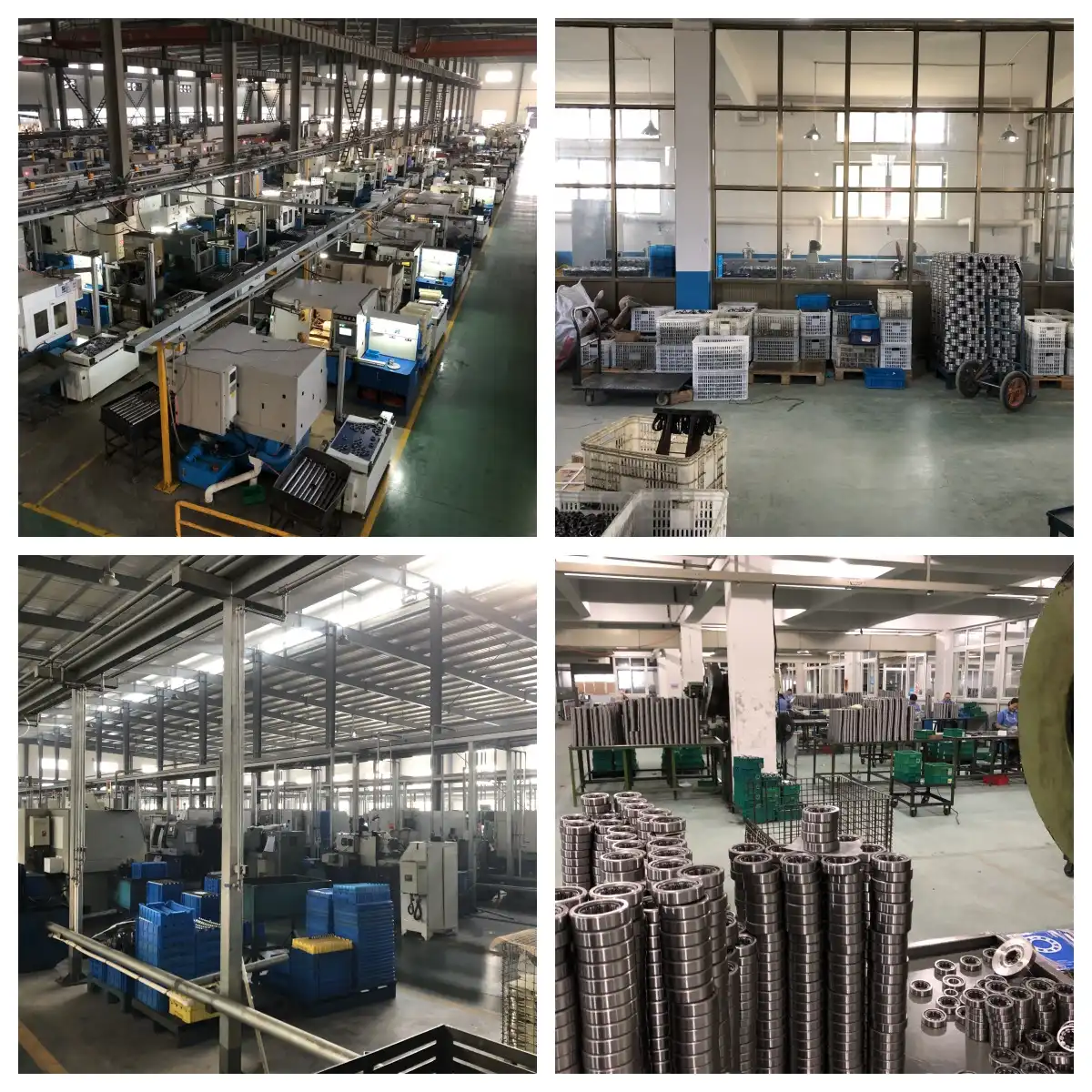
Timken pioneered tapered roller bearing technology and maintains Single Row Tapered Roller Bearing 30211 strong reputation for precision manufacturing and extensive technical support. Their products command premium pricing but deliver consistent quality backed by comprehensive engineering resources. SKF offers comparable quality with broader product ranges spanning multiple bearing types, appealing to customers seeking single-source suppliers for diverse needs.NSK and Koyo represent Japanese manufacturing excellence with a focus on tight tolerances and surface finish quality. These brands typically price between premium European manufacturers and value-oriented alternatives, balancing performance with cost considerations. FAG and INA, both under Schaeffler Group ownership, provide specialised solutions for automotive and industrial applications with a strong emphasis on innovation and application engineering support. Chinese manufacturers like ATLYC have expanded their capabilities significantly over recent years. Holding ISO 9001 and IATF 16949 certifications demonstrates a commitment to quality management systems meeting international standards. Our facility operates six specialised workshops producing high-precision bearings for global markets, including automotive OEMs and industrial equipment manufacturers. Volume purchasers benefit from competitive pricing without compromising essential quality attributes required for reliable long-term operation.
Procurement Insights: How to Buy a Single Row Tapered Roller Bearing 30211
Strategic procurement of tapered roller bearings balances multiple factors, including supplier reliability, pricing structures, quality assurance, and logistics capabilities. We've developed these insights from supplying industrial customers across automotive, agricultural machinery, and equipment manufacturing sectors.
Supplier Qualification and Verification
Selecting qualified suppliers protects against counterfeit products and substandard quality that plague industrial component markets. Verifying ISO 9001 certification confirms basic quality management systems exist, while IATF 16949 certification specifically addresses automotive industry requirements for process control and continuous improvement. Requesting certification documentation and conducting supplier audits for high-volume purchases provides additional assurance. Authorised distributors of major brands offer genuine products with full manufacturer warranties, though pricing typically includes distribution markups. Direct manufacturer relationships often deliver better pricing for volume purchases while maintaining quality standards. We operate as both manufacturer and direct supplier, eliminating intermediary costs while ensuring product authenticity through controlled production processes. Our 120-person team includes quality inspection specialists dedicated to verifying dimensional accuracy and material properties at multiple production stages.
Pricing Strategies and Volume Negotiation
Figuring out how bearing prices work can help you get the most out of your buying budgets. Because of handling and administrative costs, buying one unit costs the most per piece. Around 100 pieces is usually the minimum number of items needed to get a price of 10-15%. Price cuts get deeper when you commit to more than 500 or 1,000 units. This is because factory efficiency goes up when you do things in batches, and setup costs go down. Annual contracts with set supply dates keep prices stable while lowering the costs of keeping inventory. Both you and the seller will benefit from negotiating payment terms that balance your financial policies with the supplier's need for cash flow. We offer better terms to customers who have been with us for a while and have a history of paying their bills on time. This is because we know that partnership-based interactions are better for building long-term business relationships than transactional ones.
Quality Assurance and Testing Protocols
Setting clear criteria for quality acceptance before making a purchase stops disputes and makes sure that the goods you receive meet your needs. When inspecting tapered roller bearings, it's important to look at how well the taper surface fits together, how accurate the dimensions are within the tolerance class, and how good the surface finish is, because it affects the formation of the oil film. By asking for inspection records that include these parameters, you can objectively check the quality. Incoming inspection methods that go beyond normal manufacturer testing are needed for some applications. Coordinate measuring tools check the accuracy of the dimensions, and vibration analysis equipment finds problems with the assembly or differences in the materials. We include thorough inspection reports with all shipments and welcome customer audits of our quality control processes. This shows that we are honest, which makes people more confident in the reliability of our products.
Maintenance and Optimisation Tips for Longevity of Single Row Tapered Roller Bearing 30211
Extending bearing service life through proper maintenance practices delivers substantial cost savings by reducing replacement frequency and preventing unexpected equipment downtime. We've compiled these recommendations from field experience across diverse industrial applications.
Lubrication Best Practices
Appropriate lubrication forms the foundation of bearing longevity. Grease lubrication suits most applications of the 30211 bearing, with lithium-based greases providing good performance across moderate temperature ranges. High-temperature applications benefit from synthetic greases maintaining viscosity stability above 120°C. Proper grease quantity matters significantly—overfilling increases friction and operating temperatures, while insufficient grease fails to maintain protective film thickness between rollers and raceways. Relubrication intervals depend on operating conditions, including speed, load, temperature, and contamination exposure. General industrial machinery operating continuously at moderate conditions typically requires relubrication every 6-12 months. Heavy-duty applications with elevated temperatures or contaminated environments may necessitate quarterly or monthly Single Row Tapered Roller Bearing 30211 service. Establishing condition-based maintenance programs using vibration monitoring or temperature trending optimises relubrication timing, applying fresh grease when bearing condition indicates need rather than arbitrary time schedules.
Inspection Techniques and Early Failure Detection
Regular checks find problems as they start to form before they become too big to fix. Vibration analysis is the most accurate early warning method because it can find problems with bearings weeks or months before they make noise. Trending the amplitude and regularity of vibrations lets you plan maintenance ahead of time, which cuts down on unplanned downtime. Portable vibration analysers are now cheap diagnostic tools that maintenance teams can use to get professional results. Temperature monitoring goes along with vibration analysis to find problems with lubrication or too much preload. During operation, infrared thermography quickly checks several bearing areas to find problems that need to be looked into. Temperature changes of 10-15°C above usual readings need to be looked at right away to stop seizures or faster wear. As bearings get damaged, the way they make noise changes. A steady, smooth sound means the machine is working properly. Rough grinding sounds or a regular thumping sound mean the rollers or raceways are damaged. Instrumented condition assessment programs can be complemented by low-cost tracking that is done by maintenance staff trained to recognise unusual bearing sounds.
Installation Best Practices
Whether bearings last as long as they're supposed to depends on how well they were installed. To get the best internal clearance, tapered roller bearings need to have their preload adjusted in a controlled way. Too much preload causes friction and heat that aren't needed, which shortens the life of the bearing. If there isn't enough loading, the shaft can move too much, and the rollers may skid, which damages the surfaces they touch. The best working conditions are achieved by following the manufacturer's instructions for preload values and measurement methods. Mounting procedures have a big impact on the integrity of the bearing. Instead of open fires, which can cause overheating in some areas and changes in the material's properties, you should always use induction heaters or oil baths to heat bearings evenly. Keep things clean during the installation process, as dirt and other things that get into the parts during assembly often lead to early failures. Keep bearings in their original packaging until you are ready to place them. This will protect finished surfaces from dust and moisture in the air.

Conclusion
To choose the best Single Row Tapered Roller Bearing 30211, you need to think about both the technical aspects of the load capacity, the compatibility of the dimensions, and the material specs, as well as the strategic aspects of the supplier's reliability and the total cost of ownership. The tapered shape of this bearing has been studied to see how well it takes combined radial and axial loads in automotive, industrial machinery, and agricultural equipment. Knowing about precision grades, lubrication needs, and environmental factors is important to make sure that bearing performance meets practical needs. By comparing options, you can see when the 30211 is the best choice compared to other bearing types or sizes. Quality control, negotiating prices, and managing transportation should all be balanced in good procurement strategies. Proper upkeep, such as using the right oil, inspecting regularly, and installing things the right way, extends the life of bearings and keeps equipment running.
FAQ
1. What distinguishes the 30211 from the 30210 tapered roller bearing?
The 30211 features a 55mm bore diameter compared to the 30210's 50mm bore, resulting in approximately 15-20% higher load capacity. This size difference makes the 30211 suitable for slightly heavier applications while requiring larger shaft diameters. Both bearings share similar design principles and material specifications, though dimensional differences affect their compatibility with specific machinery configurations.
2. How often should I relubricate the 30211 bearing under heavy-duty conditions?
Heavy-duty applications with elevated temperatures, high speeds, or contaminated environments typically require relubrication every three to six months. Monitoring bearing temperature and vibration characteristics provides more accurate indicators of lubrication condition than fixed time schedules. Establishing condition-based maintenance programs optimises relubrication timing while preventing both under-lubrication failures and over-lubrication waste.
3. Can the 30211 bearing operate reliably in high-temperature environments?
Standard GCr15 steel construction enables operation up to 150°C when paired with appropriate high-temperature greases or synthetic lubricants. Applications exceeding this threshold require special heat treatments or alternative materials. Continuous operation near maximum temperature limits reduces bearing life expectancy, making thermal management through adequate lubrication and cooling essential for achieving expected service intervals in elevated temperature conditions.
Partner with ATLYC for Reliable Single Row Tapered Roller Bearing 30211 Supply
ATLYC brings 15 years of bearing manufacturing expertise to Single Row Tapered Roller Bearing 30211, supporting your procurement requirements with precision-engineered Single Row Tapered Roller Bearing 30211 solutions. Our ISO 9001 and IATF 16949 certified facility operates six specialised workshops staffed by 120 skilled professionals dedicated to quality control, ensuring every bearing meets international standards for dimensional accuracy and load capacity. As an established tapered roller bearing 30211 manufacturer, we serve automotive OEMs, industrial machinery builders, and global distributors across South Korea, the United States, Germany, Russia, Iran, and Turkey. We combine competitive pricing with reliable lead times and comprehensive technical support to help you optimise machinery performance and reduce total ownership costs. Contact our team at auto@lyautobearing.com to discuss your specific application requirements, request detailed specifications, or obtain volume pricing for the Single Row Tapered Roller Bearing 30211 supplier relationship that strengthens your supply chain reliability.
References
1. Harris, T.A. and Kotzalas, M.N. (2006). "Advanced Concepts of Bearing Technology: Rolling Bearing Analysis," Fifth Edition, CRC Press, Taylor & Francis Group.
2. ISO 492:2014. "Rolling bearings — Radial bearings — Geometrical product specifications (GPS) and tolerance values," International Organisation for Standardisation.
3. Eschmann, P., Hasbargen, L., and Weigand, K. (1985). "Ball and Roller Bearings: Theory, Design and Application," Second Edition, John Wiley & Sons.
.4 SKF Group. (2018). "Rolling Bearings Catalogue: Product Information and Selection Guidelines," SKF Motion Technologies AB, Gothenburg, Sweden.
5. Timken Company. (2019). "Tapered Roller Bearing Catalogue: Engineering and Design Principles," The Timken Company, North Canton, Ohio.
6. Budynas, R.G. and Nisbett, J.K. (2015). "Shigley's Mechanical Engineering Design," Tenth Edition, McGraw-Hill Education, Chapter 11: Rolling-Contact Bearings.
Learn about our latest products and discounts through SMS or email