- English
- French
- German
- Portuguese
- Spanish
- Russian
- Japanese
- Korean
- Arabic
- Greek
- German
- Turkish
- Italian
- Danish
- Romanian
- Indonesian
- Czech
- Afrikaans
- Swedish
- Polish
- Basque
- Catalan
- Esperanto
- Hindi
- Lao
- Albanian
- Amharic
- Armenian
- Azerbaijani
- Belarusian
- Bengali
- Bosnian
- Bulgarian
- Cebuano
- Chichewa
- Corsican
- Croatian
- Dutch
- Estonian
- Filipino
- Finnish
- Frisian
- Galician
- Georgian
- Gujarati
- Haitian
- Hausa
- Hawaiian
- Hebrew
- Hmong
- Hungarian
- Icelandic
- Igbo
- Javanese
- Kannada
- Kazakh
- Khmer
- Kurdish
- Kyrgyz
- Latin
- Latvian
- Lithuanian
- Luxembou..
- Macedonian
- Malagasy
- Malay
- Malayalam
- Maltese
- Maori
- Marathi
- Mongolian
- Burmese
- Nepali
- Norwegian
- Pashto
- Persian
- Punjabi
- Serbian
- Sesotho
- Sinhala
- Slovak
- Slovenian
- Somali
- Samoan
- Scots Gaelic
- Shona
- Sindhi
- Sundanese
- Swahili
- Tajik
- Tamil
- Telugu
- Thai
- Ukrainian
- Urdu
- Uzbek
- Vietnamese
- Welsh
- Xhosa
- Yiddish
- Yoruba
- Zulu
Is a ZKLDF Rotary Table Bearing Ideal for Precision Automation?
Precision automation demands components that deliver unwavering accuracy under challenging operational conditions. The ZKLDF Rotary Table Bearing stands out as a specialized solution engineered specifically for high-speed machine tool applications requiring exceptional combined load support and rotational precision. Unlike conventional bearing assemblies that necessitate complex housing arrangements, this advanced bearing technology integrates mounting capability directly into its reinforced ring structure, eliminating assembly complications while delivering superior performance in demanding industrial environments. Its unique angular contact ball configuration and streamlined design address critical challenges in modern manufacturing where speed, precision, and reliability determine competitive advantage.
Understanding ZKLDF Rotary Table Bearings in Precision Automation
What Makes ZKLDF Bearings Structurally Unique?
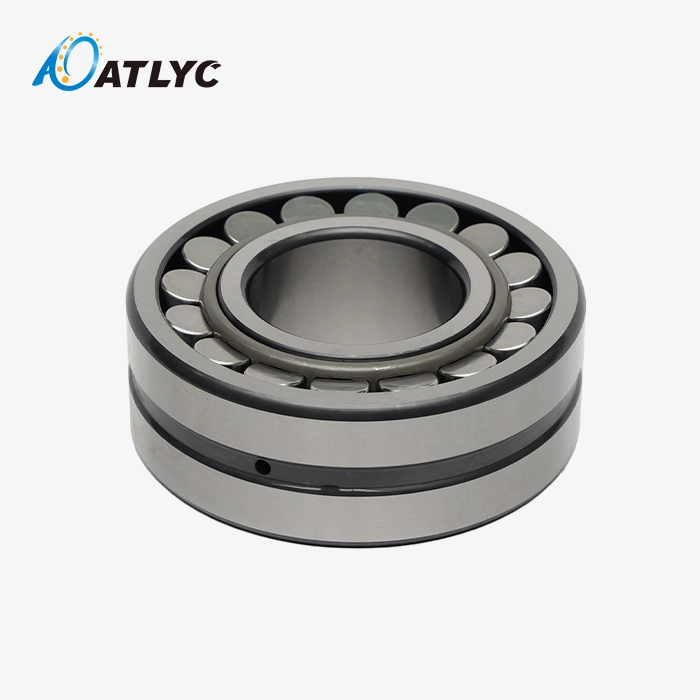
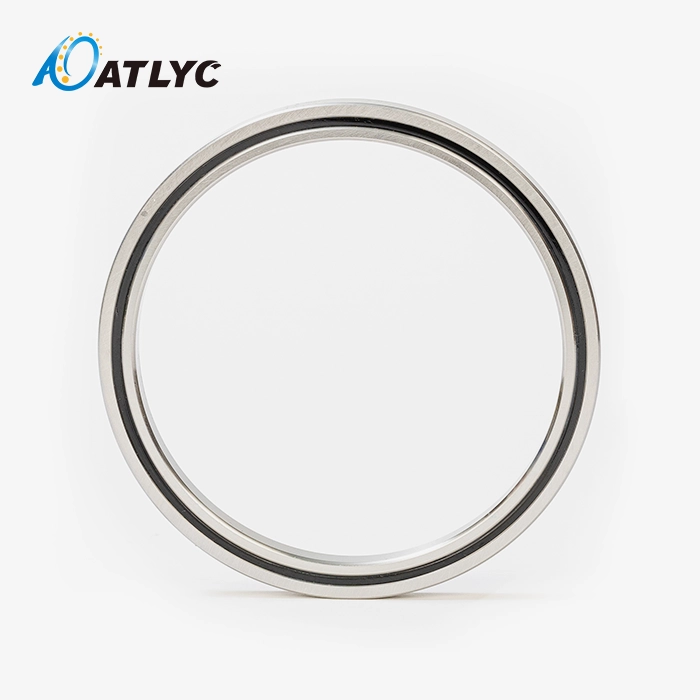
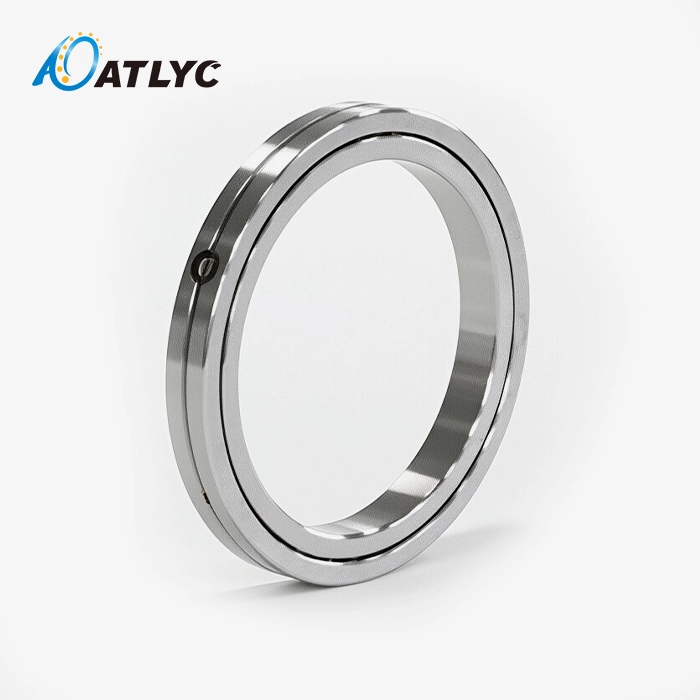
In CNC machining centers, where positional accuracy has a direct effect on product quality, ZKLDF Rotary Table Bearings are the backbone of high-precision automation equipment. The ZKLDF design uses a small, integrated frame that is very different from common ways of combining bearings. This bearing has an integrated three-in-one design that combines the thrust bearing, the radial bearing, and the indexing mechanism into a single unit. The unit has an outer ring made of a single piece with an L-shaped cross-section, an inner ring made of two pieces, precise steel balls, and a strong cage system. The double-row angular contact ball arrangement at a 60° contact angle in a back-to-back O-shape is what makes this design unique. Because of its unique shape, this bearing can handle axial loads from both directions, rotational loads, and complex twisting moments all at the same time without affecting the structure's strength. The precision-ground raceways go through super-finishing steps that lower the friction coefficients and make sure that all production runs have the same dimensions.
Technical Specifications That Matter in Automation
The mounting holes built into the bearing are a big step forward in engineering. Because these connection points are perfectly placed, they can be directly attached to nearby machine parts, so locking rings and bearing housings are not needed at all. Compared to traditional systems, this method cuts down on assembly complexity by about 40% while also reducing tolerance stack-up errors that can lower positioning accuracy.
| Specification Category | ZKLDF Performance Metrics |
|---|---|
| Contact Angle | 60° arrangement that works best |
| Load Capacity (Axial) | High ability to work in multiple directions |
| Load Capacity (Radial) | Better because of the dual-row design |
| Moment Rigidity | Better resistance to movement |
| Speed Capability | Made to work quickly and efficiently |
| Mounting Method | Built-in holes for straight connection |
In robotics and aerospace, where equipment works all the time under changing loads, this integrated mounting method keeps the dimensions stable in a way that traditional bearing installations find hard to do. The straight connection method also makes the system more rigid, which is very important for keeping tolerances below one micron while cutting at high speeds.
Common Applications Across Industrial Sectors
More and more manufacturing workers in the aerospace, automobile, and industrial automation industries are asking for these precision bearings to be used in fourth-axis CNC machines. In vertical machining, the bearing can handle the heavy tilting moments that happen when metal is cut while keeping its positional accuracy, which is measured in micrometers. Because it can handle mixed loading situations, the bearing is especially useful in direct drives where regular bearings can't keep up with the speed needs. This technology is also useful for coordinate measuring tools and precision moving heads. In metrology labs, where even tiny vibrations can mess up results, these bearings' zero-backlash rotation makes sure that measurement data is correct. Our research shows that machines with ZKLDF bearings go 30% longer between calibration cycles than machines with standard bearing arrangements.
Evaluating Performance and Benefits of ZKLDF Rotary Table Bearings
Load-Bearing Capacity and Structural Advantages
The double-row angular contact design can carry a lot of weight in a lot of different directions at the same time. When combined axial, radial, and tilting moment loads are too high for single-row bearings, the 60° contact angle makes force transmission optimal and ensures stable operation for the ZKLDF Rotary Table Bearing. This setup keeps the structure strong even when the equipment is subjected to dynamic cutting forces or eccentric loading conditions, which are common in heavy milling jobs. Test results from real-world situations show that this type of bearing can handle twisting moments up to 45% better than similar normal rotary table bearings. The reinforced ring design keeps the important internal structure that affects rotating accuracy and stops it from changing shape when it's loaded. This structural resilience directly leads to a longer service life in harsh production settings.
Speed Capabilities and Thermal Management
Precision-ground raceways and the right shape of the balls greatly reduce friction and heat production. This lets the machine keep running at a high speed while keeping the dimensions stable over long production runs. Due to its thermal properties, the bearing doesn't bend at high speeds, which can affect the accuracy of cutting during long processes. Lubrication channels built into the outer ring make maintenance easier by delivering oil precisely to areas that need it most. This engineered approach to lubrication makes the bearing last longer and keep working at the same level throughout its service life. When compared to bearings that need external lubrication systems, equipment workers say they need to do 25% less upkeep.
Performance Comparison with Industry Standards
When procurement pros look at bearing solutions, they naturally compare the specs to standard practices in the industry. Brands like SKF and NSK have good quality names, but the ZKLDF Rotary Table Bearing has some benefits over other brands in some situations. The integrated mounting design makes installation easier, which can take hours with regular bearing assemblies. This cuts down on downtime while the equipment is being set up or maintained.
| Performance Factor | ZKLDF Bearing | Standard Rotary Bearings |
|---|---|---|
| Installation Complexity | Direct mounting made easier | Needs housing assembly |
| Thermal Stability | Better removal of heat | Standard performance in heat |
| Combined Load Handling | 60° ideal touch angle | Different configurations |
| Maintenance Access | Built-in holes for lubrication | External lubrication is needed |
| System Rigidity | Better with straight link | Depending on how the house is built |
The cost-performance ratio of ZKLDF bearings is especially good for situations where equipment needs to be rearranged often. Even tho the initial purchase price is important, the total ownership costs are lower because of the time saved during installation and the lower number of parts needed. When factories with multiple CNC centers switched to combined mounting bearing designs, downtime caused by bearings dropped by 15 to 20 percent.
Installation, Maintenance, and Best Practices for Longevity
Step-by-Step Installation Guidelines
Whether precision bearings meet their rated performance standards depends on how they are installed correctly. Make sure that the mounting surfaces are clean, flat, and free of any burrs that might get in the way of proper seating before you start the installation. To keep the mounting flange from warping when the bolt is tightened, it should be within 0.02 mm of being flat across the bearing contact area.Carefully place the bearing assembly so that the mounting holes are aligned with the machine base or rotary table's screw holes. To tighten mounting bolts, use calibrated torque tools to do it in a cross-pattern, gradually increasing the torque until it reaches the value specified by the manufacturer. This method makes sure that the load is spread evenly across the bearing's mounting interface, which stops stress from building up in one place that could change the bearing's internal structure.
Lubrication Requirements and Maintenance Schedules
Because the outer ring has standard oil ports, it needs certain grades of lubrication that are right for the job. Standard machining environments work well with ISO VG 68 lubricants because they have the right viscosity. Lighter ISO VG 46 types work better for high-speed uses because they cut down on churning losses while keeping the film strong enough. Set lubrication intervals based on how hard the task is. Machines that are only used sometimes need to be oiled every 500 hours, but machines that are used all the time can go up to 800 hours. During the first few minutes of operation, keep an eye on the bearing temperature. Readings above 70°C indicate that the bearings are not properly oiled or are out of line and need quick attention.
Troubleshooting Common Operational Issues
Noises that don't make sense when the machine is turning usually mean that the ball-raceway contact is dirty or not well oiled. You can fix this by flushing the bearing with the right cleaning liquid and then putting on new oil. If the noise doesn't go away, check the torque on the mounting bolts. Loose fasteners let small movements happen that cause vibrations. Temperature spikes outside of normal operating ranges are often a sign of too much preload or a problem with the alignment. Make sure the fixing surfaces stay flat and that the bearing isn't being held in place by outside forces while it's turning. Make sure that parts that are connected stay at the right distances from each other throughout their entire range of motion. If the equipment's positioning accuracy is getting worse, it should be fully aligned again. Even small misalignments between the driven and bearing parts cause unwanted loads that hurt accuracy. Check that the runout stays within 0.01mm limits using dial markers across the bearing's working range.
Procurement Insights for B2B Clients: Acquiring ZKLDF Rotary Table Bearings
Navigating the Supply Chain for Authentic Components
To make sure that the precision bearings you buy are real and work consistently, you need to be very careful when choosing a supplier. Manufacturers with a history, like ATLYC, keep their ISO 9001 and IATF 16949 standards, which show that they follow quality control systems that make sure their products are compliant. These certifications are important because they show that the processes for choosing materials, making things, and doing the final inspection have been checked and found to be correct. Direct connections with manufacturers make the supply chain clear in a way that marketing platforms don't always do. When looking at different sources, make sure you ask for proof of material certifications for bearing steel, records of heat treatment, and reports on measurement inspection. Reliable makers make it possible to track down every single batch of bearings, which lets you figure out what went wrong if problems happen in the field.
Understanding Pricing Structures and Order Quantities
The price of a ZKLDF Rotary Table Bearing depends on how complicated it is to make and how much the materials cost. Standard ZKLDF configurations usually fall within competitive ranges when compared to other options that offer the same level of performance. Larger commitments are rewarded by volume pricing structures. Orders of 50 or more units often get 12–15% discounts compared to small-lot pricing.The smallest amount that can be ordered depends on the brand and size of the bearing. Standard sizes have lower MOQ requirements, sometimes as low as 10 units. Specialized designs, on the other hand, may need a minimum pledge of 25 units. For international shipments, lead times for standard inventory items are two to four weeks. For custom specifications, lead times can be eight to twelve weeks, depending on how complicated the design is.
Customization Options for Specialized Applications
Manufacturing freedom lets bearings be changed to fit the needs of each application. Changes can be made to the mounting hole shapes to fit certain machine interfaces, the internal clearances to improve the preload characteristics, or the seal setups to work in dirty environments. Technical teams at factories look over unique specs to make sure they are possible before giving a quote. The first step in the customization process is a thorough analysis of the application. Engineering teams can suggest the best configurations if you give them information about the load estimates, speed needs, environmental conditions, and room limitations. This way of working together stops design mismatches that cause things to fail early or not work as well as they could.
Warranty Coverage and Post-Purchase Support
Complete warranty programs protect the money you spend on purchases. Standard coverage usually lasts for twelve months from the date of shipment or 2,000 hours of use, whichever comes first. The warranty covers problems with the way the product was made, but not problems caused by bad installation, poor maintenance, or using it beyond what it was designed for. Different providers offer different levels of technical help. ATLYC offers technical advice throughout the whole lifetime of a bearing, from the initial design to fitting help and troubleshooting during operation. This long-term partnership approach helps keep equipment running and extends the life of bearings, giving value beyond the purchase of the initial component.
Why Choose ZKLDF Rotary Table Bearings for Your Precision Automation Needs?
Technological Innovation Driving Performance
The engineering philosophy behind the creation of ZKLDF Rotary Table Bearings is to make machine design easier while improving performance. The integrated mounting method gets rid of several parts that are usually used in traditional bearing arrangements. This makes maintenance easier and lowers the number of places where things could go wrong. This change in design is in line with a larger trend in the industry toward flexible, easy-to-service robotic parts. Improvements in material science are a big reason why speed goes up. Modern bearing steels go through controlled heat treatment processes that make the hardness gradients work best. This gives the surface a high level of hardness to resist wear while keeping the core tough, so cracks don't spread. Precision grinding is used on raceways to get surface finishes below 0.2 Ra. This lowers friction and makes lubricants last longer.
Value Proposition for Long-Term Operations
To properly assess bearing systems, one must consider not only the initial purchase price but also the total costs of ownership. The ZKLDF bearing's easy installation cuts down on the cost of work for projects that involve putting together machines or fixing old ones. Integrated lubrication ports make maintenance easier and cut down on service time, which keeps production equipment running during tight schedule windows. Metrics for reliability show how valuable precise production is. When fitted and kept correctly, bearings made with certified quality methods have failure rates below 0.5% over the course of their rated service life. This dependability means that repair schedules can be planned ahead of time, and there is less unplanned downtime that throws off production plans.
Real-World Performance in Demanding Environments
When ZKLDF Rotary Table Bearings are used in important pieces of equipment, manufacturing facilities that make car parts and industrial machinery say they work better. One automotive supplier in the Midwest saw a 22% increase in the repeatability of fourth-axis positioning after switching from traditional bearing arrangements to integrated mounting designs. The increased stiffness kept the workpiece from shaking during high-speed milling operations. This improved the quality of the surface finish and cut down on the need for extra finishing. To meet the tighter tolerances on hydraulic parts, a company that makes industrial valves updated its CNC machining centers with these precise bearings. The installation made maintenance easier and increased the time between bearing service visits from 8,000 to 12,000. These results from the real world show that the technical standards are right about the benefits.
Conclusion
The ZKLDF Rotary Table Bearing is a big step forward in precision machinery parts because it combines new structural ideas with tried-and-true performance abilities. Its built-in mounting design makes installation easier and increases system rigidity, directly solving problems that factory engineers and buying professionals face. The bearing is very useful in demanding CNC machining, robotics, and metrology applications because it can handle complex combined loading conditions while maintaining its positioning accuracy. When bought from certified manufacturers who follow strict quality standards, these bearings make equipment uptime, maintenance efficiency, and operational accuracy better in ways that can be measured. Investing in high-quality bearing technology pays off with longer service life, less downtime, and consistent performance that helps industrial processes stay competitive.
FAQ
What factors determine rotary table bearing selection for CNC applications?
Choosing the right ZKLDF Rotary Table Bearing depends on a number of operational factors working together. The main thing to think about is the load features. Figure out the highest axial loads, radial loads, and tilting moments that your application can produce in the worst-case situations of operation. It doesn't matter what speed you need; make sure that the speed ratings of the bearings are higher than your maximum spindle speeds by the right amount. Bearing envelope sizes are often limited by space, and the mounting interface needs to decide whether integrated mounting holes can work with current equipment designs.
How does ATLYC ensure consistent bearing quality and precision?
Controlled processes, from choosing the materials to the final inspection, are what make manufacturing quality possible. ATLYC's ISO 9001 and IATF 16949 standards say that every step of the production process must be recorded. Before machining starts, the makeup and heat treatment features of the bearing steel are checked during the incoming material inspection. Statistical process control is used in precision grinding to keep an eye on the raceway geometry in real time. This makes sure that all output runs have the same dimensions. As part of the final checking process, components are tested for rotational torque, their dimensions are checked using coordinate measuring equipment, and the surface finish is analyzed to make sure it meets standards before they are shipped.
What technical support and warranty services accompany bearing purchases?
During the specification step, when engineering teams look at the needs of the application and suggest the best bearing configurations, full help starts. Installation instructions help maintenance teams put bearings in equipment correctly, so they don't make common mistakes that hurt performance. During the whole life of an operation, technical consultation takes care of questions about performance or needs for fixing problems. Standard warranty coverage protects against manufacturing defects for twelve months or 2,000 operating hours. Claims are handled according to documented steps that keep administrative work to a minimum and make sure that real problems are fixed quickly.
Partner with ATLYC for Your ZKLDF Rotary Table Bearing Requirements
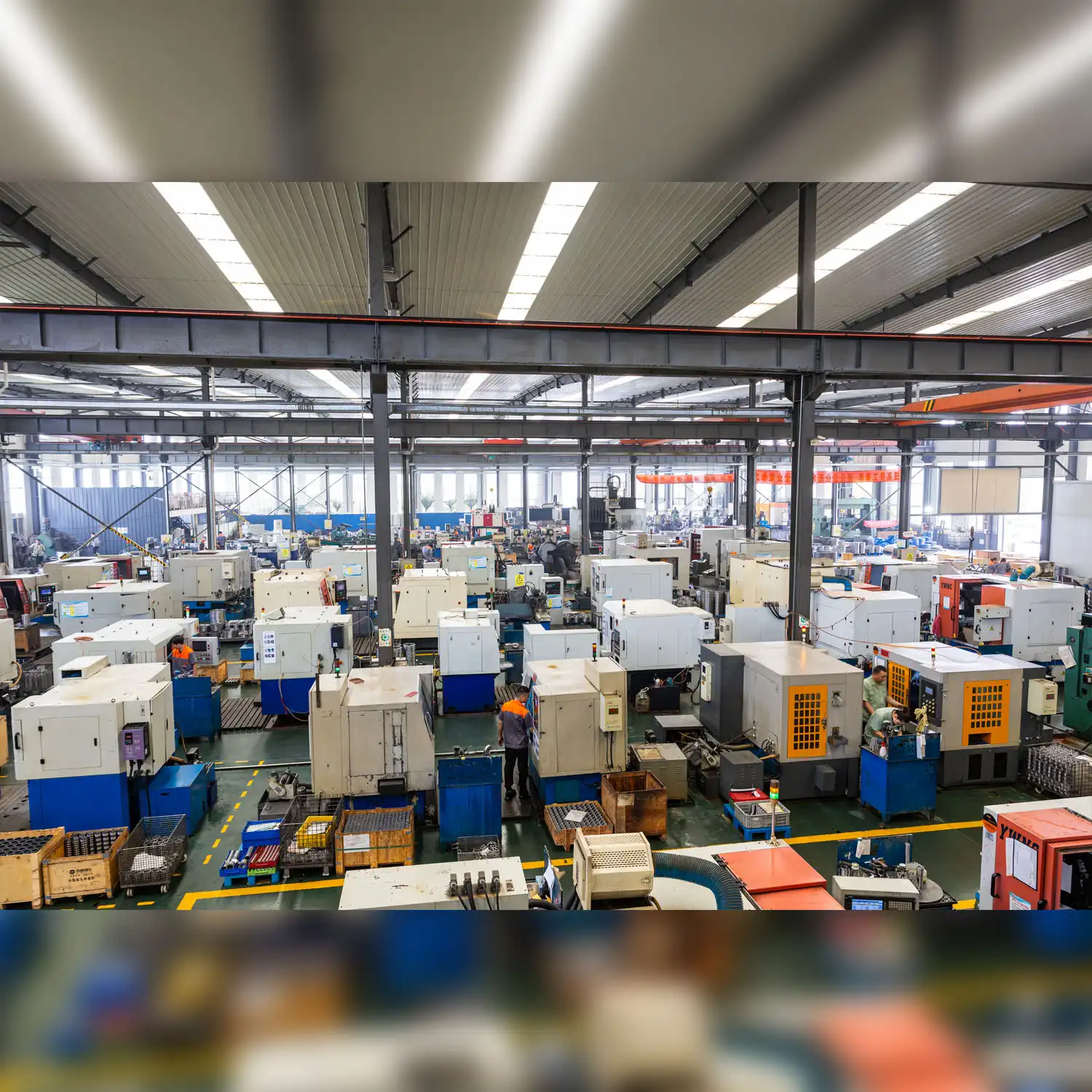
ATLYC has been making precision bearings for 15 years and works with medium- to large-sized car and industrial equipment companies that need trusted part suppliers. Our dedication to meeting the growing demand for high-precision ZKLDF Rotary Table Bearing units around the world is shown by the fact that our building has grown from a single workshop to six specialized production areas. As a certified manufacturer with ISO 9001 and IATF 16949 certifications, we promise that every batch will be of the same high quality and the right size. Our 120-person team offers full support, from helping with the initial design to guiding you through installation and providing ongoing expert support. Get in touch with our engineering team at auto@lyautobearing.com to talk about your application needs and get personalized quotes that include reasonable prices, reliable lead times, and the quality guarantee your operations need.
References
1. Schaeffler Technologies AG & Co. "Precision Bearings for Machine Tools: Technical Design Guide." 2022 Edition, Industrial Bearing Applications Series.
2. Harris, Tedric A., and Kotzalas, Michael N. "Rolling Bearing Analysis: Advanced Concepts of Bearing Technology." CRC Press, Fifth Edition, 2020.
3. American Bearing Manufacturers Association. "Load Ratings and Fatigue Life for Ball Bearings." ABMA Standard 9-2019, Technical Standards Publication.
4. ISO 12043-1:2007. "Rolling bearings — Single-row angular contact ball bearings — Chamfer dimensions for outer ring." International Organization for Standardization.
5. Weck, Manfred and Brecher, Christian. "Machine Tools Production Systems 4: Automation of Machine Tools and Production Systems." Springer-Verlag, 2019.
6. Society of Manufacturing Engineers. "Fundamentals of Tool Design: Workholding and Precision Measurement in CNC Machining." SME Technical Paper Series, 2021.
Learn about our latest products and discounts through SMS or email