- English
- French
- German
- Portuguese
- Spanish
- Russian
- Japanese
- Korean
- Arabic
- Greek
- German
- Turkish
- Italian
- Danish
- Romanian
- Indonesian
- Czech
- Afrikaans
- Swedish
- Polish
- Basque
- Catalan
- Esperanto
- Hindi
- Lao
- Albanian
- Amharic
- Armenian
- Azerbaijani
- Belarusian
- Bengali
- Bosnian
- Bulgarian
- Cebuano
- Chichewa
- Corsican
- Croatian
- Dutch
- Estonian
- Filipino
- Finnish
- Frisian
- Galician
- Georgian
- Gujarati
- Haitian
- Hausa
- Hawaiian
- Hebrew
- Hmong
- Hungarian
- Icelandic
- Igbo
- Javanese
- Kannada
- Kazakh
- Khmer
- Kurdish
- Kyrgyz
- Latin
- Latvian
- Lithuanian
- Luxembou..
- Macedonian
- Malagasy
- Malay
- Malayalam
- Maltese
- Maori
- Marathi
- Mongolian
- Burmese
- Nepali
- Norwegian
- Pashto
- Persian
- Punjabi
- Serbian
- Sesotho
- Sinhala
- Slovak
- Slovenian
- Somali
- Samoan
- Scots Gaelic
- Shona
- Sindhi
- Sundanese
- Swahili
- Tajik
- Tamil
- Telugu
- Thai
- Ukrainian
- Urdu
- Uzbek
- Vietnamese
- Welsh
- Xhosa
- Yiddish
- Yoruba
- Zulu
Quick Selection Guide: RE Crossed Roller Bearings
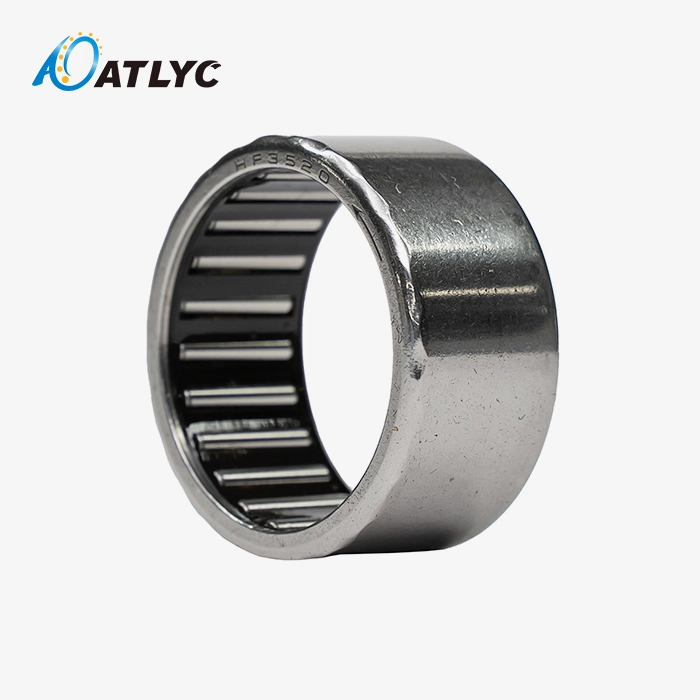
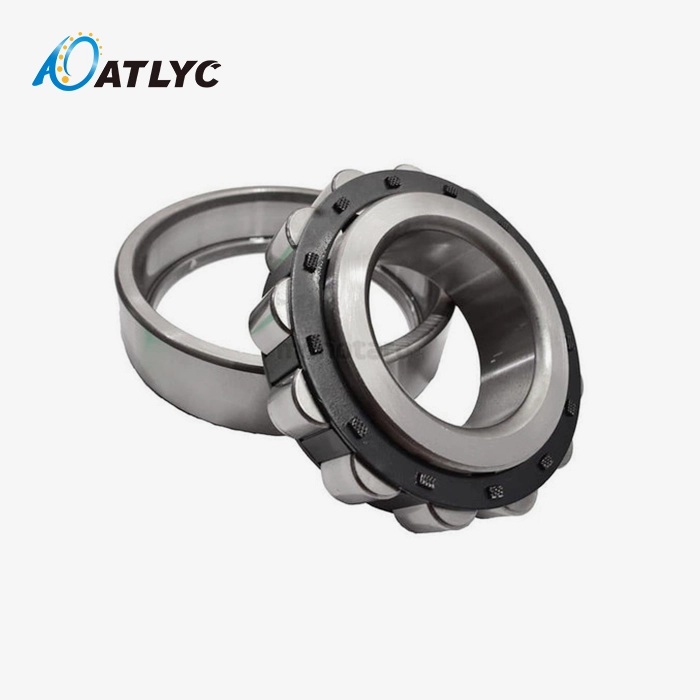
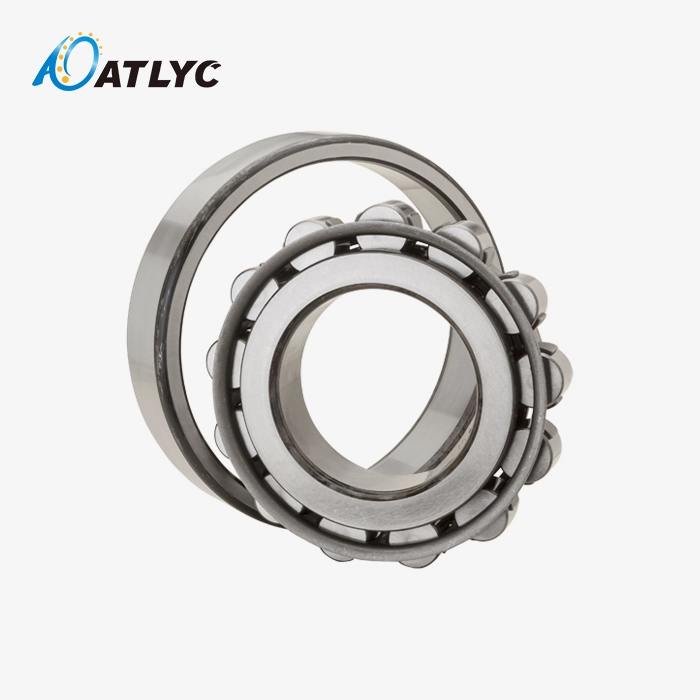
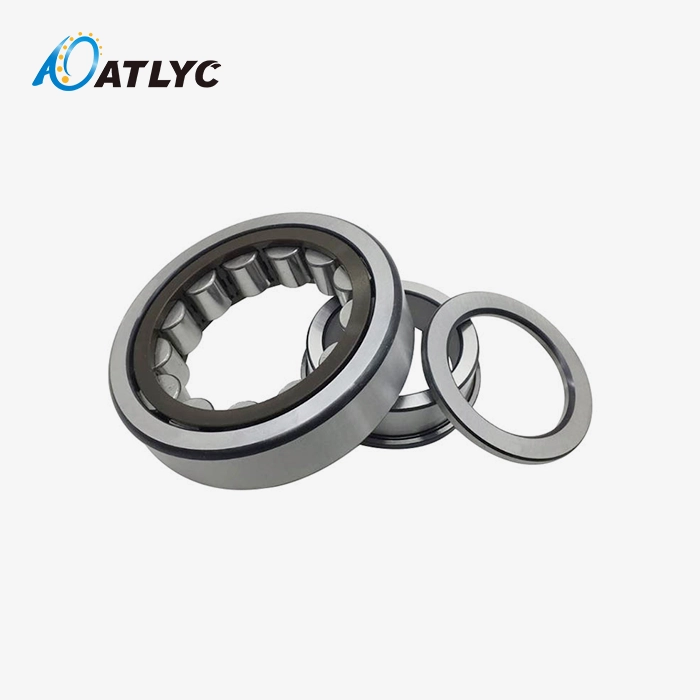
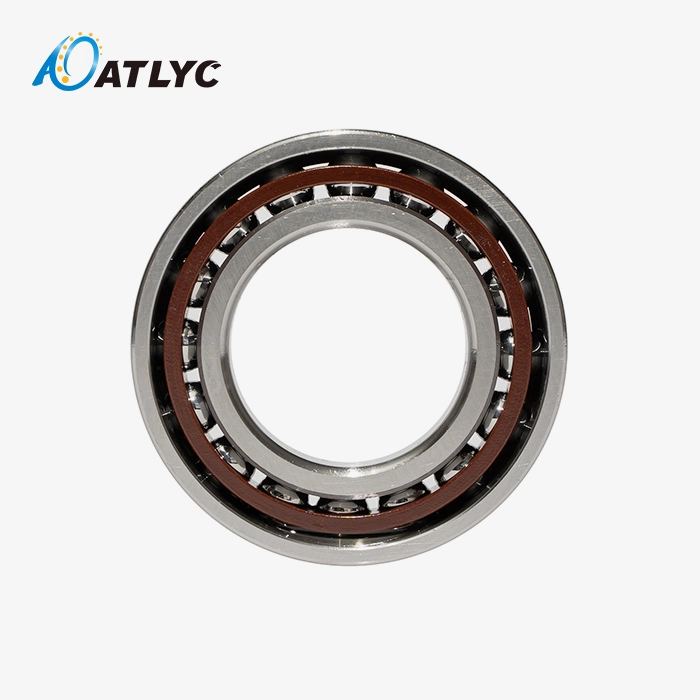
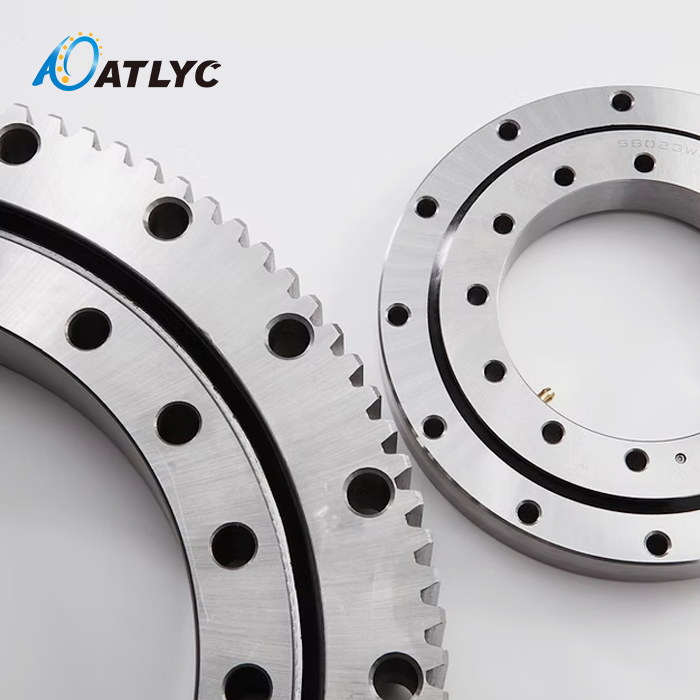
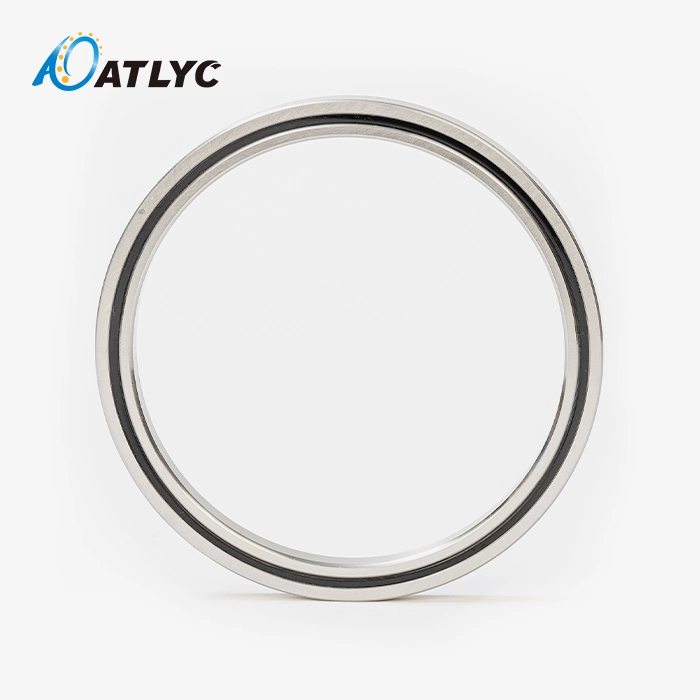
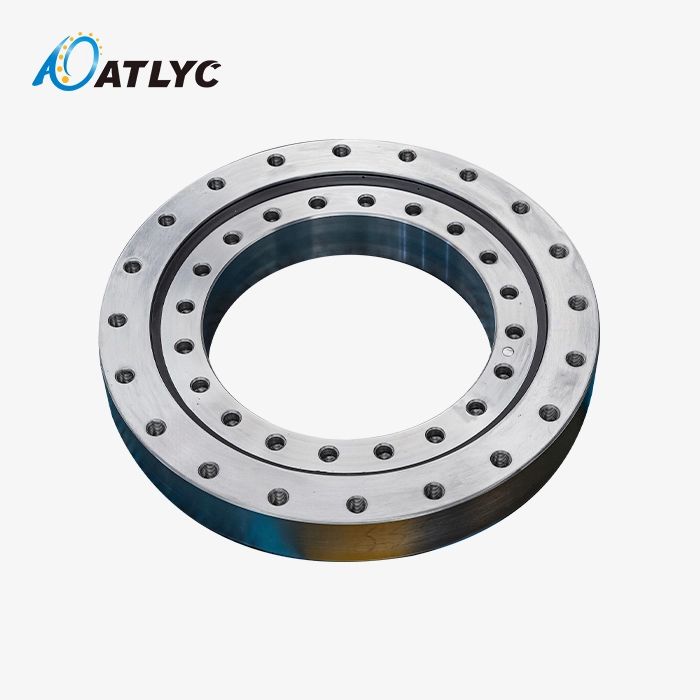
Getting the right bearing can mean the difference between production going smoothly and costly downtime. RE Crossed Roller Bearings are a special kind of precision part that was made for tough jobs that need the outer ring to rotate, the size to be small, and the ability to hold a lot of weight. The outer ring of these bearings is one piece, and the inner ring is split. The cylindrical rollers are placed orthogonally between V-grooved raceways. This arrangement lets a single small unit handle radial, vertical, and moment loads at the same time. For procurement managers, engineers, and OEMs, our guide walks you through important selection criteria, application insights, and maintenance strategies that will help them make decisions that will improve the performance and stability of their machines.

Understanding RE Crossed Roller Bearings
What Makes RE Crossed Roller Bearings Unique?
RE Crossed Roller Bearings are based on a unique way of thinking about engineering. These parts are different from normal bearings because they have a solid outer ring and an inner ring system made of two pieces. Precision-ground V-shaped raceways hold cylindrical rollers at right angles to them. Rollers don't rub against each other because of spacers between them. This orthogonal design makes the structure very stiff while keeping its slim shape. Precision cutting is used to make these bearings out of high-quality Gcr15 or Gcr15SiMn steel, so they can last in harsh industrial settings. The inner diameters range from 20 mm to 1100 mm, the outer diameters from 70 mm to 1500 mm, and the widths from 12 mm to 110 mm. This makes them suitable for a wide range of uses in the industrial automation and precision machinery sectors.
Core Structural Advantages
The crossed roller design solves an ongoing engineering problem: supporting loads in more than one way without making the assembly size bigger. To handle complex loads, traditional bearing sets often need double-row arrangements or combination designs. With this system, all of that utility is put into a single bearing unit. The location of the orthogonal rollers spreads forces evenly across the contact surfaces, reducing stress areas that usually shorten the life of bearings. The rigid raceway shape and accurate roller spacing make for high rotational accuracy. During operation, the contact angles stay the same because of this. When friction factors are low, spinning is smooth even when moment loads are high. This saves energy and keeps temperatures from building up. These structural advantages have a direct effect on how things work. Designers of equipment can make assemblies lighter and easier to put together while keeping or even increasing their load capacity. There are fewer failures of bearings in manufacturing facilities, and repair times are longer. The small size frees up useful space inside machine parts, letting engineers make the biggest pieces of equipment work best without lowering performance. Precision rotary uses benefit from very accurate runout, usually reaching P4 or P2 class tolerances based on the needs of the design.
Operational Mechanics and Load Distribution
It's easier to see why RE Crossed Roller Bearings are good for accurate uses when you know how they handle loads. Because the rollers are crossed, when rotational force works on the bearing, contact points are spread out across several rollers at the same time. Axial loads act on wheels that are positioned perpendicular to the direction of the load, while moment loads use the shape of the track to fight against tilting forces. With this multi-vector load handling, you don't need separate thrust or angular contact bearings. The V-groove track design keeps the rollers in place even when the load changes. This stops edge loading, which wears out parts faster. When the ring is turned, the outer ring usually moves while the inner ring stays still, but this can be different depending on the purpose. The roller spacers keep the rollers far enough apart so that the load is evenly distributed throughout the spinning cycle. Precise preload sets make the best use of internal clearance, combining the need for stiffness with the need for rotational resistance. This way of designing keeps movement to a minimum when the structure is loaded, which is important for keeping robotic joints, spinning tables, and medical imaging RE Crossed Roller Bearings equipment in the right place.
How to Choose the Right RE Crossed Roller Bearing for Your Application
Defining Operational Parameters
Figuring out the correct load conditions is the first step in choosing the right RE Crossed Roller Bearings. Find the highest radial, axial, and moment loads that your product can handle during normal use and times of high demand. Bearing size and greasing strategy are affected by the required rotational speed. For example, higher speeds need precise balance and the right oil viscosity. Extreme temperatures, pollution exposure, and humidity levels are some of the environmental factors that affect the choice of material and the closing requirements. Tolerance class selection is based on the level of accuracy needed. For uses that need runout margins below 5 microns, P4 or P2 precision grades are suitable.
Evaluating Bearing Specifications
Compare the estimated load needs with the bearing load ratings given in the technical specs. The static load capacity tells you how much weight the bearing can hold without permanently deforming. Dynamic load capacity has to do with how long something can work when it's moving. The bending under load is determined by the stiffness number. This is very important for keeping the positional accuracy in precision systems. The specs of a material make sure that it can handle the temperatures and chemicals that are used. Gcr15 steel is good for most industrial uses, but Gcr15SiMn works better in places where the temperature is high. The choice of accuracy class has a direct effect on how well the machine works. P0 class bearings are good for general industry uses where positioning errors are bigger than 10 microns. The P5 class is good for automatic assembly equipment that needs to be moderately accurate. The P4 and P2 classes are used in high-precision uses like medical devices, coordinate measuring tools, and equipment for making semiconductors. By matching the accuracy class to the needs of the application, you can avoid either over-specifying, which raises costs needlessly, or under-specifying, which lowers speed.
Customization and OEM Collaboration
Standard sizes of RE Crossed Roller Bearings work for a lot of different tasks, but custom options are better for specific needs. Changes to the mounting link are needed to work with certain housing types. For certain load rates, custom preload values balance how stiff something is against how much it resists movement. In corrosive settings, special coats or treatments make things last longer. Working with manufacturers during the planning process makes sure that the specs of the bearings match the needs of the whole piece of equipment. Our research team at ATLYC works directly with OEM partners to create unique solutions for RE Crossed Roller Bearings. With ISO 9001 and IATF 16949 licenses and 15 years of experience making things, we can guarantee quality throughout the research and production stages. We keep enough capacity to handle medium to large production numbers, and we're also flexible enough to meet the needs of prototypes and small runs. This way of working together cuts down on development times and makes sure that the performance of the bearings fits in perfectly with the design of your machinery.
Procurement Considerations
Understanding purchase procedures makes the process of buying RE Crossed Roller Bearings easier. Minimum order numbers depend on the bearing size and level of customization. For example, smaller minimums are usually needed for regular catalog items than for custom specs. Lead times vary from weeks for standard bearings to months for unique designs and rely on production plans and the level of customization. The price is based on the cost of materials, the level of accuracy needed for the work, and the number of orders. For customers who already have a supplier, there are mass breaks available. Setting up long-term supply partnerships helps keep prices stable and gives you more control over when and how much to make. Qualified makers of bearings keep quality high by writing down their processes and doing regular checks. Checking quality standards and production ability helps keep supplies from running out. Access to technical support promises help during the stages of installation, setup, and troubleshooting. These things add up to the total cost of ownership, which is different from the buying price.
Maintenance and Longevity of RE Crossed Roller Bearings
Inspection and Monitoring Protocols
Setting up regular check schedules is the first step in extending the life of RE Crossed Roller Bearings. Visual inspections find damage on the outside, the stability of the seal, and the state of the housing. Vibration monitoring finds problems that are starting to show up before they become too big to fix. Measurements taken during installation serve as baselines for ongoing monitoring. Temperature tracking finds deteriorating grease or unusual friction. Documented inspection schedules that are in line with machine repair plans make sure that the state of the bearings is always being checked. How often you should inspect something depends on how it's being used and how important it is. Applications that are clean and only occasionally used should not be monitored as often as applications that are in harsh settings or are always running. Vibration analysis tools find specific flaw frequencies that are linked to contamination, damaged raceways, or worn rollers. Thermal imaging shows differences in temperature that mean there isn't enough grease or too much loading. With these proactive tracking methods, condition-based maintenance is possible, which means that bearings are replaced based on their real state instead of on random plans.
Lubrication Best Practices
When you lubricate something properly, it keeps metals from touching, gets rid of heat, and stops rust. Most RE Crossed Roller Bearing uses are best lubricated with grease because it is easy to use and seals well against contamination. It is important to choose the right base oil thickness and grease consistency for the temperatures and speeds that will be used. Lithium-based greases are used in a wide range of industrial settings, while synthetic versions make them last longer in harsh conditions. Oil lubrication works best for systems that distribute lubricant centrally or for high-speed uses. The time between relubrication sessions protects bearings from over-greasing risks. Too much grease causes friction and heat that aren't needed, which could damage seals. Not enough oil speeds up wear and lowers the load capacity. Following the manufacturer's advice on the type and amount of oil to use will improve the operation of the bearing. Extreme temperatures, water contact, or chemical pollution in the application area may need specialty lubricants that go above and beyond what is normally recommended.
Troubleshooting Common Issues
By recognizing the signs of failure, you can fix the problem before the bearing completely fails. Strange noises could mean that there is contamination, not enough oil, or that surface damage is getting worse. If the working temperature goes up, it means that there is too much preload, not enough greasing, or a problem with the alignment. Vibration speeds up the wear and tear on signals or makes mounting problems worse. Taking care of these signs right away stops damage from spreading to nearby parts and reduces downtime. Misalignment is a common reason why bearings fail too soon. Uneven load distribution can be avoided by making sure that the fixing areas stay flat and straight within certain limits. Installing things correctly keeps them from breaking; using the right tools and following the pressure specs protects the integrity of the bearings. Controlling contamination through good seals and clean working conditions greatly increases the service life. These preventative steps pay off in a big way by cutting down on repair costs and making tools more reliable.
Procurement and Brand Selection Guide for RE Crossed Roller Bearings
Pricing and Delivery Considerations
For RE Crossed Roller Bearings, material costs, machining precision, testing standards, and order numbers all affect how much a bearing costs. Standard catalog items have low prices and faster wait times because they are made using tried-and-true methods and tools. Engineering and tooling costs for custom specs are spread out over the number of units ordered. As the number of units ordered goes up, the cost per unit goes down due to economies of scale. Precision grades are more expensive because they are made with tighter standards and go through more testing. Delivery times depend on when goods are manufactured and how much stock is available. Distributor stock makes standard sizes available right away. Usually, the manufacturer's stock ships within a few weeks. When you make something to order, you need to allow more time for getting the materials, making them, putting them together, and checking the quality. Planning purchases around when equipment is being made saves money on late-stage shipping costs. Setting up the framework deals with chosen providers, making sure that pricing and shipping are predictable and that capacity is allocated.
Real-World Applications of RE Crossed Roller Bearings
Industrial Robotic Joints
RE Crossed Roller Bearings are used in moving joints of collaborative robots and industrial manipulators so that the body can turn around fixed shafts. The moment stiffness of the bearing keeps the arm from deflecting under load, which keeps the end-effector in the correct position. When doing the same thing over and over, less vibration and faster settling times make the loop more efficient. Small bearing sizes let robot arms have smoother shapes without lowering their load capacity. These performance traits make it possible for smaller, faster robots that can handle a wide range of loads in industrial settings.
Precision Rotary Indexing Tables
CNC machining centers use rotating tables to work on parts that have more than one side. When cutting with a lot of force, RE Crossed Roller Bearings keep the movement stable while keeping the tracking accurate. When forceful machining is done, moment loads are put on the bearings. This stops location drift that leads to scrap parts. Coolant resistance and protected designs keep bearings in good shape in rough machine settings. Longer service times cut down on repair downtime, which makes the equipment work better overall.
Medical Imaging Equipment
For good picture quality, CT and X-ray gantries need to be able to rotate smoothly and quietly while keeping their exact shape. RE Crossed Roller Bearings hold up the spinning parts and handle the radial and moment loads that image parts and patient positioning systems create. Low vibrations keep picture flaws from showing up, and quiet operation makes the patient more comfortable. In healthcare situations, where equipment downtime directly affects patient care and facility income, reliable performance is very important.
Conclusion
To choose the right RE Crossed Roller Bearings, you need to know about the load conditions, accuracy needs, and working surroundings of your application. When small size, supporting loads in multiple directions, and high hardness all come together, these specialized parts do their best. When you look at crossed roller shapes next to other types of bearings, you can see why they are better for precision motion uses. Bearings last as long as possible if they are properly maintained with regular checks, the right oil, and the removal of any dirt or debris. Working with reputable makers gives you access to technical know-how, uniform quality, and a steady supply. When properly specified and kept, these bearings offer measurable performance gains whether you're designing new equipment or making current machinery work better.
FAQ
1. Why do RE Crossed Roller Bearings excel in precision applications?
Their orthogonal roller design gives them great toughness and supports loads in multiple directions while keeping their size small. Line contact between the rollers and the raceways spreads forces more evenly than ball bearings do, so the RE Crossed Roller Bearings don't bend as much when they're loaded. Tight runout tolerances are necessary for accurate setting and can only be reached through precision cutting.
2. How do I select the correct size and load capacity?
Find the highest radial, axial, and moment loads that your product can produce. Compare these numbers to the static and dynamic capacities listed in the bearing book. Think about safety factors that take into account vibrations, shock loads, and changes in the job cycle. Talk to bearing makers to make sure that the choices you make meet the needs of your application.
3. What maintenance practices extend bearing service life?
Set up regular review times and keep an eye on the noise, shaking, and temperature levels. Maintain proper oil by following the manufacturer's instructions for the type of lube to use, how much to use, and how often to reapply it. Keep bearings clean and free of contamination by covering them well and keeping the work area clean. Fix the mounting's balance to keep the load from being spread out unevenly.
Partner with ATLYC for Your RE Crossed Roller Bearing Needs
We know that finding trustworthy crossing roller bearing makers can have an effect on how well your equipment works and how quickly you can make things. ATLYC has quality systems that are approved by both ISO 9001 and IATF 16949, and has been making specialized products for 15 years. During the design process, our engineering team gives you expert advice to make sure that the RE Crossed Roller Bearings specs meet your needs. We provide samples for proof tests and can make OEM solutions that meet the specific needs of each application. Our six specialized workshops keep up with mid- to large-scale production demands while offering low prices and reliable lead times. Email us at auto@lyautobearing.com to talk about how our RE Crossed Roller Bearings can improve the accuracy, dependability, and long-term value of your equipment.
References
1. Harris, T. A., & Kotzalas, M. N. (2006). Advanced Concepts of Bearing Technology: Rolling Bearing Analysis (5th ed.). CRC Press.
2. Yoshida, K. (2018). "Design and Application of Crossed Roller Bearings in Precision Machinery." Journal of Tribology and Surface Engineering, 42(3), 215-228.
3. Schaeffler Technologies AG & Co. (2019). Rolling Bearings: Catalogue HR 1 (Technical Documentation). Herzogenaurach, Germany.
4. ISO 492:2014. Rolling Bearings — Radial Bearings — Geometrical Product Specifications (GPS) and Tolerance Values. International Organization for Standardization.
5. Hamrock, B. J., Schmid, S. R., & Jacobson, B. O. (2004). Fundamentals of Fluid Film Lubrication (2nd ed.). Marcel Dekker.
6. Weck, M., & Brecher, C. (2006). Werkzeugmaschinen 2: Konstruktion und Berechnung [Machine Tools 2: Design and Calculation]. Springer-Verlag Berlin Heidelberg.
Learn about our latest products and discounts through SMS or email