- English
- French
- German
- Portuguese
- Spanish
- Russian
- Japanese
- Korean
- Arabic
- Greek
- German
- Turkish
- Italian
- Danish
- Romanian
- Indonesian
- Czech
- Afrikaans
- Swedish
- Polish
- Basque
- Catalan
- Esperanto
- Hindi
- Lao
- Albanian
- Amharic
- Armenian
- Azerbaijani
- Belarusian
- Bengali
- Bosnian
- Bulgarian
- Cebuano
- Chichewa
- Corsican
- Croatian
- Dutch
- Estonian
- Filipino
- Finnish
- Frisian
- Galician
- Georgian
- Gujarati
- Haitian
- Hausa
- Hawaiian
- Hebrew
- Hmong
- Hungarian
- Icelandic
- Igbo
- Javanese
- Kannada
- Kazakh
- Khmer
- Kurdish
- Kyrgyz
- Latin
- Latvian
- Lithuanian
- Luxembou..
- Macedonian
- Malagasy
- Malay
- Malayalam
- Maltese
- Maori
- Marathi
- Mongolian
- Burmese
- Nepali
- Norwegian
- Pashto
- Persian
- Punjabi
- Serbian
- Sesotho
- Sinhala
- Slovak
- Slovenian
- Somali
- Samoan
- Scots Gaelic
- Shona
- Sindhi
- Sundanese
- Swahili
- Tajik
- Tamil
- Telugu
- Thai
- Ukrainian
- Urdu
- Uzbek
- Vietnamese
- Welsh
- Xhosa
- Yiddish
- Yoruba
- Zulu
RA Cross Roller Bearing: Ultimate Guide to Precision Load Support
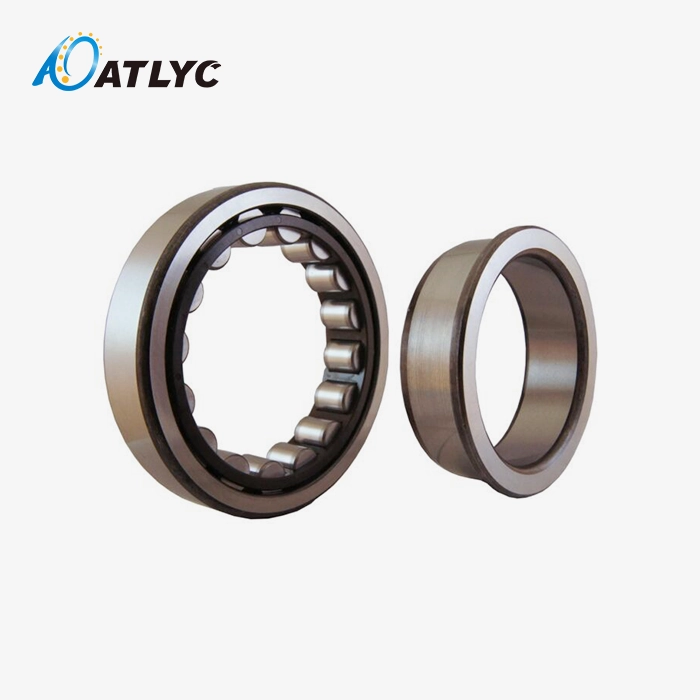
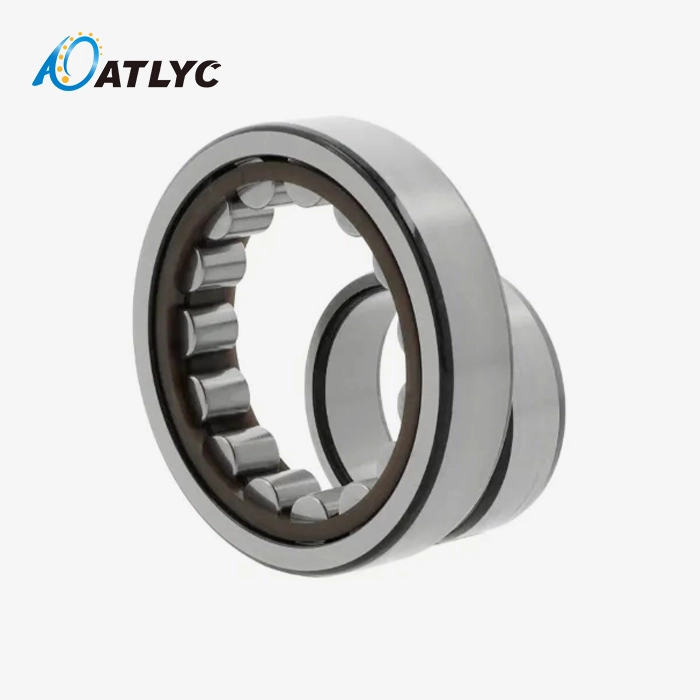
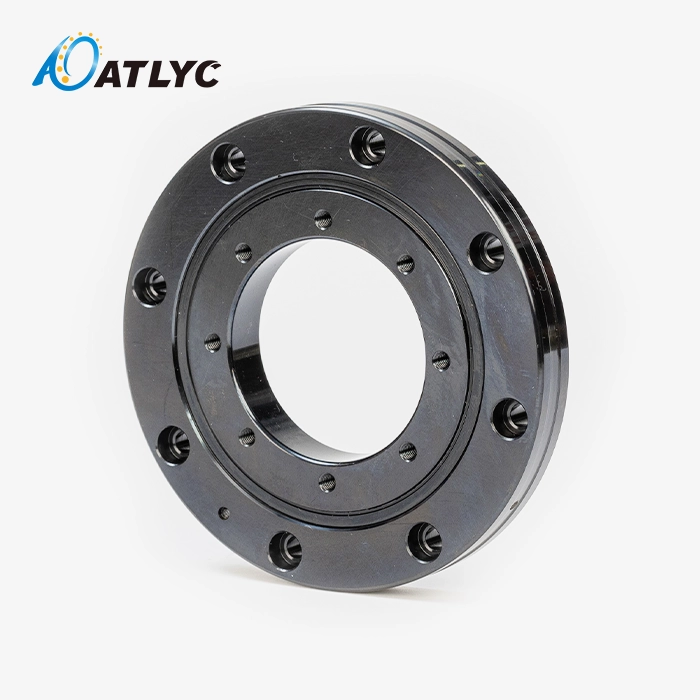
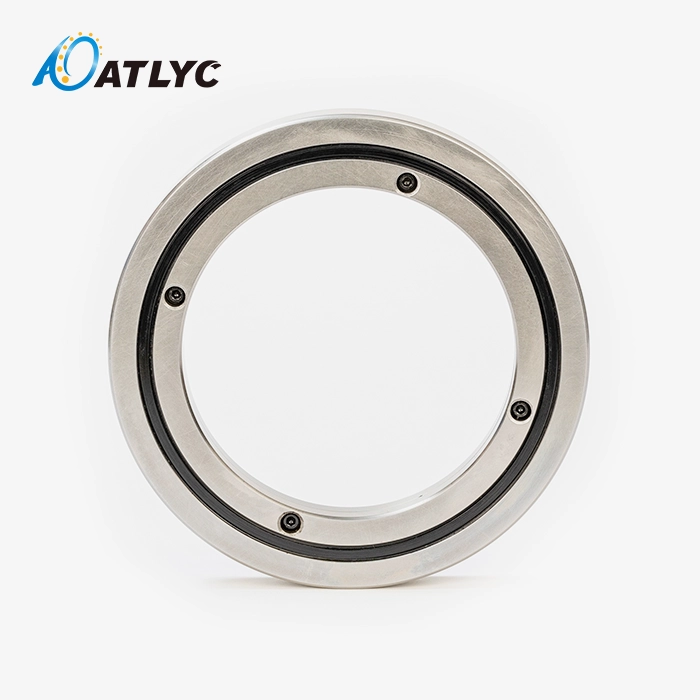
The RA Cross Roller Bearing is a big step forward in engineering for fields that need to support very thin, precise loads in tight areas. Unlike regular radial or thrust bearings, these special parts have cylindrical wheels organized orthogonally in a 90-degree V-groove raceway. This lets one bearing handle radial, axial, and moment loads at the same time. 'RA' stands for an ultra-thin wall series with a much lower cross-sectional height. It has a solid inner ring that is merged and a separable outer ring. This series is perfect for users who need very accurate inner ring spinning while keeping equipment size and weight as low as possible.
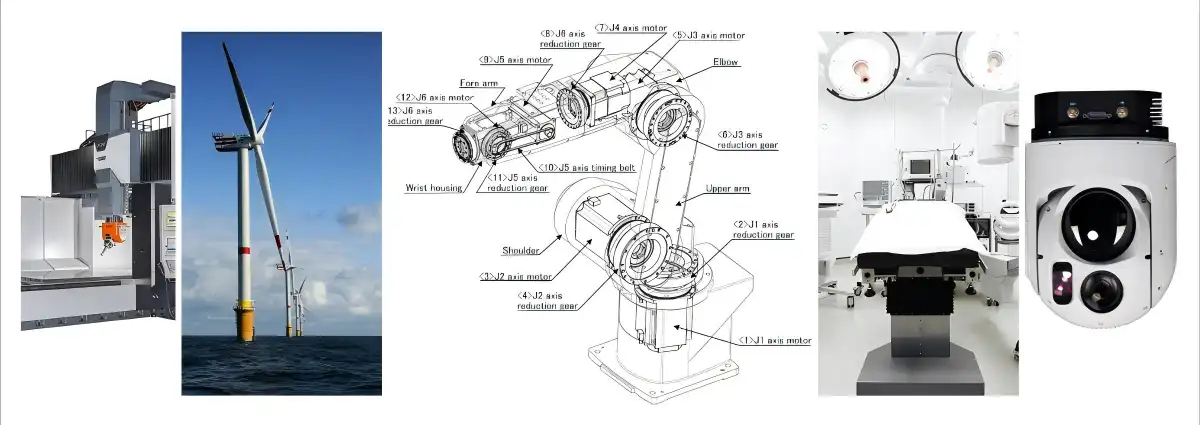
Understanding RA Cross Roller Bearings – Design and Performance
RA Cross Roller Bearings are available in a wide size range and are manufactured using high-strength bearing steel such as GCr15, ensuring durability, hardness, and long service life under demanding industrial conditions.
Precision Grades and Performance Parameters
International standards are used to classify RA Cross Roller Bearing accuracy, with labels P6, P0, P5, P4, and P2 showing increasingly tighter tolerances. The procurement teams should know how these grades affect how well the applications work. A P4 grade RA Cross Roller Bearing keeps the radial runout below 3 microns and the face runout below 4 microns. These are important requirements for equipment used to handle semiconductors, since placement mistakes can lead to production flaws. Under normal maintenance conditions, the temperature range for operation is usually between -20°C and +120°C. For uses near heat sources, certain types of grease can raise the upper limit to 150°C. Compared to deep groove ball bearings, rotational speeds stay modest. Most RA series uses run below 500 RPM because their main job is to position, not rotate quickly. The shape is very thin, which makes great use of the room. It might take 80 mm of axial room for a normal bearing setup to work with the same load ratings, but a RA Cross Roller Bearing can do the same job in 20 to 25 mm. This simplicity affects the design of machines, making them lighter, cheaper to make, and better at responding to changes in automatic systems.
Comparing RA Cross Roller Bearings with Other Bearing Types
Performance Differentiation Across Bearing Categories
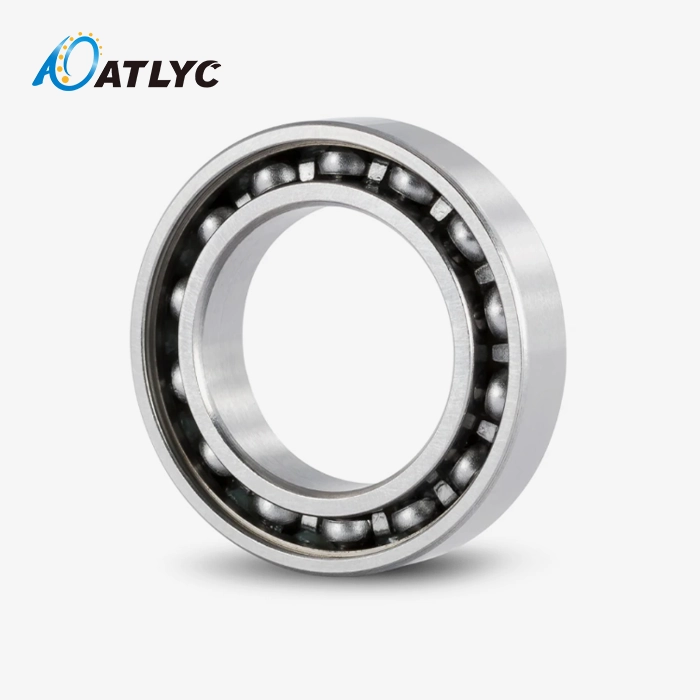
When engineers are looking at RA Cross Roller Bearing options, they often have to choose between several methods that look a lot alike. Understanding the subtle differences in performance can help you avoid making mistakes with the specs that cost a lot of money and show up after the fact. Ball-to-raceway contact angles of angular contact ball bearings are usually between 15 and 40 degrees. They can handle joint loads. Even though they can handle both horizontal and vertical loads at the same time, they need to be preloaded and mounted in pairs. A RA Cross Roller Bearing can hold the same amount of weight from a single unit and doesn't change when the load is applied. When there is line contact between the roller and the raceway instead of ball point contact, stress is spread over a bigger surface area. This makes the fatigue life longer in high-cycle situations. When there is only a linear load, thrust ball bearings work great, but they can't handle much rotational load. Cylindrical roller bearings are great at supporting rotational loads, but they have trouble with axial forces. Needle bearings can handle moment loads but not rotational loads because their shells are so thin. The RA Cross Roller Bearing can handle all three types of load because its cross-section is so small.
Rigidity and Deflection Characteristics
How bearing systems work when they are loaded depends on how rigid they are. When forces are applied to a bearing system, the internal gaps get smaller, and the contact surfaces bend elastically. In precision equipment, this deflection adds up to positioning errors. The crossing roller design in RA series bearings makes them 2-3 times more rigid than ball bearing sets with the same width. This extra toughness is very important for machining center rotating tables, where cutting forces create changing moment loads. A less stiff bearing lets tiny tilting happen, which causes problems with the surface finish of the workpieces. Our RA Cross Roller Bearing solutions keep the position stable even when the cutting settings change during the cycle of grinding. Wear development trends are also very different. In ball bearings, there are areas of high contact stress that can cause spalling, which is the breaking off of raceway material that speeds up wear and tear. Roller line contact spreads wear out more evenly, which means that parts don't need to be serviced as often, and there are fewer unexpected failures that mess up production plans.
Applications and Advantages of RA Cross Roller Bearings in Global B2B Markets
Industrial Robotics and Automation Systems
Manufacturing technology is now an important part of all production processes around the world that want to stay competitive. Robotic systems need bearing solutions that can keep their positions accurately over millions of motion cycles while taking up as little room as possible. In a number of important robotic devices, the RA Cross Roller Bearing meets these needs. When manipulators move, stretch, retract, and spin while carrying different loads, they put a lot of stress on the joints in robotic arms. Eight to twelve RA Cross Roller Bearing units could be built into the joints of a six-axis industrial robot. When the arm is fully loaded and extended horizontally, it creates strong twisting forces that would be too much for easier bearing types to handle. This means that each bearing has to be able to handle the moment loads that are created.RA Cross Roller Bearings move workpieces from one processing station to the next on rotary tables in automatic assembly systems. Accurate positioning has a direct effect on the quality of the assembly, especially in the electronics industry, where placement margins for parts are measured in hundredths of millimeters. When crossed rollers are properly oiled, they have a low friction coefficient—usually below 0.002—which makes sure that motion starts smoothly and there is no stick-slip behavior that causes placement RA Cross Roller Bearing error.
Machine Tool Spindles and Feed Systems
To get tight specs and high-quality surface finishes, precision machining processes rely on how well the bearings work. RA Cross Roller Bearings are used in CNC machining center rotating tables to place workpieces more accurately than 10 arc-seconds. When making aircraft parts, where bolt hole shapes have to line up perfectly across multiple parts, this level of accuracy is very important.
These bearings help industrial processes in more ways than just meeting accurate standards.
- Compact Integration: When compared to designs using standard bearing arrangements, equipment designers can cut total machine sizes by 15–25%. This means that less building space is needed, which lowers the costs of real estate.
- Simplified Maintenance: Maintenance is easier because the outer ring can be taken off and replaced without taking apart the whole structure. This cuts down on maintenance downtime from days to hours during regular service times.
- Load Consolidation: Managing radial, axial, and moment loads through a single bearing gets rid of the precision stack-up problems that come up with designs with multiple bearings. This makes the system more reliable and makes quality control easier.
- Thermal Stability: Evenly distributing the load reduces localized heating that can lead to changes in measurement over long operation cycles. This keeps the accuracy of the cutting throughout production shifts.
These performance characteristics address the main concerns of car and industrial equipment makers who use RA Cross Roller Bearing, as they value reliable quality output and minimized production downtime. When procurement teams look at bearing options, they should keep in mind that the original cost of the parts is only one part of the total cost of ownership. Lower maintenance costs and longer service lives often provide a better return on investment.
Procurement and Supplier Guidance for RA Cross Roller Bearings
Sourcing Strategies for B2B Procurement Teams
Getting precision RA Cross Roller Bearing units means handling a complicated supply chain where differences in product quality can have a big effect on how well operations run. Professionals in procurement have to think about a lot of things at once, like how reasonable prices are, how reliable deliveries are, how accessible technical help is, and how stable the supply chain will be in the long term. Direct connections with manufacturers have benefits that can't be found with middlemen. Working with well-known bearing makers gives you access to technical knowledge when you're making specifications. Collaborative engineering meetings help improve the choice of bearings, the design of the mounting interface, and lubrication techniques for a new robotic joint or rotary table assembly before committing to making the tools. These talks keep expensive redesigns from having to be done when off-the-shelf parts don't work well in real-world situations. When buying needs more than one type of part or when small orders don't warrant direct maker accounts, distribution partners are very helpful. Authorized distributors keep extra stock on hand to cut down on lead times for common setups. But buyers should check the credentials of the distributors because fake bearings sometimes get into supply lines through routes that aren't supposed to, especially when the prices seem to be much lower than market rates.
Quality Certifications and Compliance Verification
International quality standards set the rules for how things should be made consistently. Our building has both ISO 9001 and IATF 16949 certifications, which show that we follow quality management systems that are used around the world in the car and industry sectors. For these certifications, you need to write down processes that cover everything, from inspecting arriving materials to testing the finished product and setting up methods for tracking it. The IATF 16949 standard specifically talks about the needs of the car industry. It covers things like how to approve production parts, how to analyze measurement systems, and how to make improvements all the time. Partnering with IATF 16949 certified bearing sources makes audits easier for companies that make car parts and Tier 1 providers, and gives them peace of mind that the parts meet strict automotive quality standards. During talks for purchasing, asking for material certifications and measurement inspection reports sets quality standards before the purchase orders are finalized. Manufacturers with a good reputation always send these papers, which include a study of the material's composition, proof of heat treatment, and measurement data that can be traced back to tools that have been calibrated. This paperwork is very important when deciding which providers to work with for a long time, or when following the rules requires full supply chain tracking.
Lead Time Management and Order Fulfillment
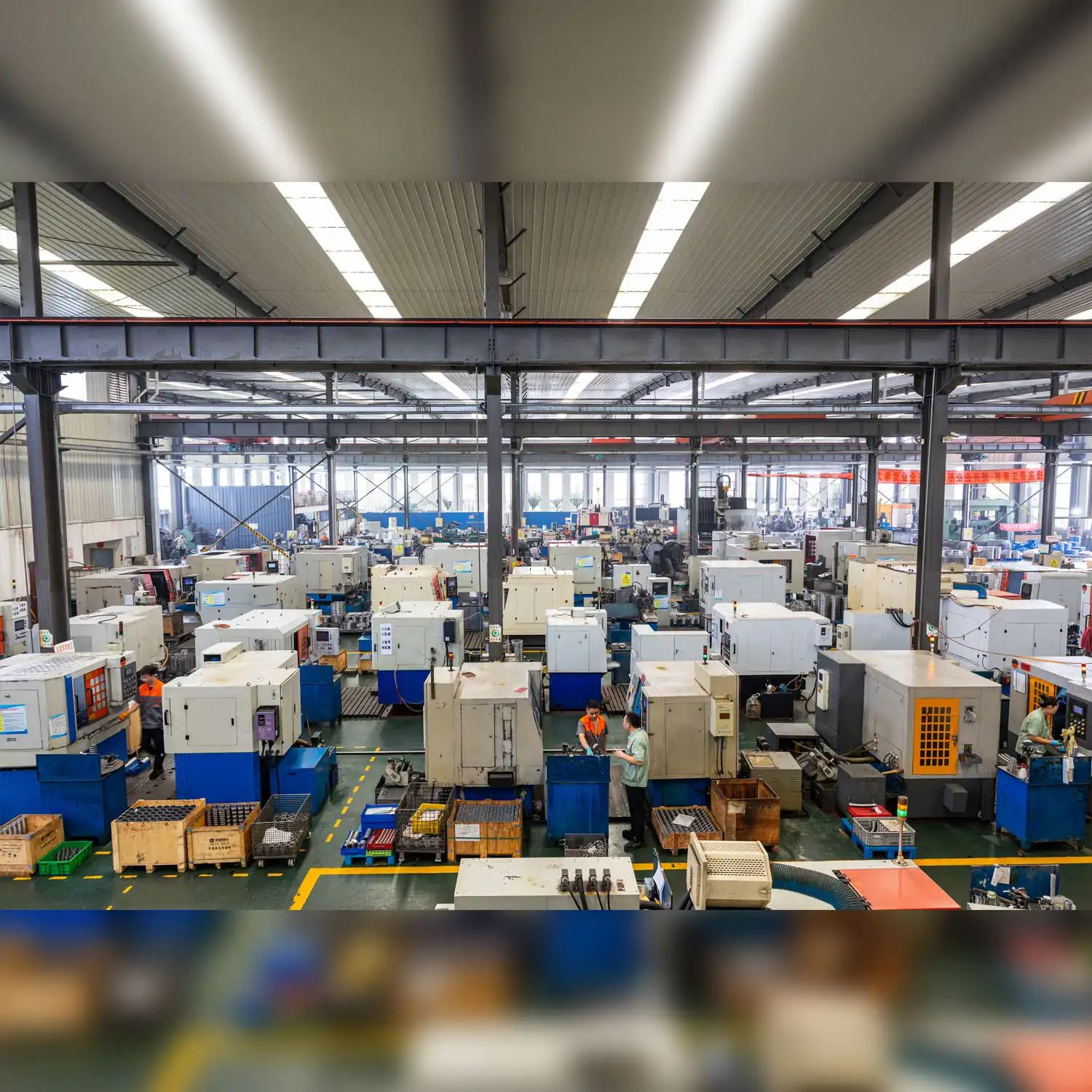
Knowing when things are made helps procurement RA Cross Roller Bearing teams make sure that the supply of parts matches the plans for making them. Standard catalog setups of RA Cross Roller Bearings usually ship two to four weeks after an order is confirmed, though this depends on how busy the production line is and how many are in stock. Custom specs that need different sizes, special cage materials, or special lubrication mixes make wait times 6 to 10 weeks longer while tooling is adjusted and proof testing is done. When negotiating a bulk order, you should talk about more than just unit prices. You should also talk about shipping options and how to consign goods. A lot of the time, big buyers make framework deals that spell out yearly amount promises and quarterly delivery drops that match production forecasts. These agreements make sure that prices are fair and that working capital is used efficiently by avoiding high costs related to keeping goods. Suppliers who have shown they can make things give customers faith that they can increase production when demand goes up. In 2010, our building had only one workshop. By 2025, it had six specialized production areas, showing that both our capabilities and our output capacity had grown. This infrastructure helps customers whose businesses are growing quickly without causing them to change their supply base too soon, which is important for keeping quality consistent.
Maintenance, Troubleshooting, and Maximizing Performance
Preventive Maintenance Protocols
To increase the service life of an RA Cross Roller Bearing, working conditions must be carefully monitored, and action must be taken before wear and tear lead to failure. The amount of time between routine inspections should match the job cycle of the equipment and the level of exposure to the environment. For example, a bearing that works in a temperature-controlled lab needs to be checked less often than one that is exposed to coolant contamination in a machining environment. The first step in a visual check is to look for patterns of lubricant spread on the seals and mounting surfaces. Grease should stay inside the seals; if grease leaks past the seals, it means that the seals are overfilled or breaking down. Verifying the tightness of mounting bolts stops them from coming loose, which would let fretting rust happen between the bearing rings and the housing surfaces. Fine metal bits are made by fretting, which contaminates the grease and speeds up wear. How often you need to lubricate depends on the loads, speeds, and factors outside. In controlled settings, light-duty positioning devices may work for three to five years before they need to be re-oiled. Applications with a lot of heading changes and a high task cycle need to be oiled once a year or every six months. We suggest synthetic bearing greases that are made to work with crossed rollers because they have better film strength when there is line contact stress, which is common in roller bearings.
Conclusion
Precision RA Cross Roller Bearing load support is still a key part of making automation, robots, and industrial technology better. Crossed roller configurations have a unique structure design that can handle loads acting in multiple directions while still taking up very little space. In this guide, we looked at how these specialized parts improve performance in a wide range of demanding industrial settings, such as medical imaging systems, precision machining centers, and robotic joint articulation. Professionals in procurement can save time and money by learning about quality standards, supply chain issues, and total ownership costs that go beyond the price of each component. Service life and return on investment are both increased by following the right upkeep steps. Partnering with providers who offer technical know-how, large production volumes, and quality control systems is becoming more and more important for staying competitive as manufacturing equipment gets better.
FAQ
1. What load capacities can RA cross roller bearings handle?
RA Cross Roller Bearing load values depend on the size and shape of the bearing. A normal RA6008 type (with an inner diameter of 60mm) can handle rotational loads of about 12.5kN and axial loads of about 10.5kN. It has a moment load limit of about 800Nm. These multidirectional features in a single 80 mm outer diameter unit get rid of the need for complicated bearing setups. The actual capacity depends on the working conditions, duty cycles, and service life that is needed. To get application-specific advice, engineering teams should look at full catalog data or call manufacturers.
2. Are customization options available for specialized applications?
Customization options are a big thing that sets RA Cross Roller Bearing sellers apart from each other. Changes include different size requirements, special cage materials like PEEK for chemical protection, different seal designs, and lubrication that is right for the job. Custom preset settings make speed work best for certain types of loads. Lead times are longer for special orders (6–10 weeks) than for standard items (2–4 weeks). Custom configurations usually have minimum order numbers because of the costs of tools and setup.
3. What typical lead times should procurement teams expect for bulk orders?
Standard stock setups are sent out two to four weeks after the order is confirmed. Large orders of more than 500 units may take 4 to 6 weeks because production plans are set up to handle batch production. Custom specs add 6 to 10 weeks to the time frame, which includes engineering approval and quality verification. The framework deals with yearly volume promises and quarterly releases protect supplies while keeping schedules flexible. For time-sensitive production needs, lowering supply chain risk means building ties with manufacturers that can consistently meet delivery standards.
Partner with ATLYC for Precision RA Cross Roller Bearing Solutions
RA Cross Roller Bearing solutions with ATLYC as a partner bring 15 years of specialized manufacturing expertise to global customers. Our ISO 9001 and IATF 16949-certified factories make sure that the quality of all six types of bearings is the same. They also offer full expert support and reasonable prices. Automakers, makers of industrial tools, and companies that put together robotic systems all know how important stable supply chains are. Our research team works with customers to make sure that the specs for bearings, the mounting interfaces, and the maintenance procedures are all optimized so that they work as well as possible. Get in touch with our technical experts at auto@lyautobearing.com to talk about your unique needs and find out how our RA Cross Roller Bearing options can meet your needs for precision, dependability, and long life. As an experienced producer with clients in South Korea, the US, Germany, and other places, we offer the kind of relationship that your procurement team values.
References
1. Harris, T.A. & Kotzalas, M.N. (2006). Advanced Concepts of Bearing Technology: Rolling Bearing Analysis, Fifth Edition. CRC Press, Taylor & Francis Group.
2. Hamrock, B.J., Schmid, S.R. & Jacobson, B.O. (2004). Fundamentals of Fluid Film Lubrication, Second Edition. Marcel Dekker, Mechanical Engineering Series.
3. ISO 492:2014. Rolling bearings — Radial bearings — Geometrical product specifications (GPS) and tolerance values. International Organization for Standardization.
4. Bhushan, B. (2013). Principles and Applications of Tribology, Second Edition. John Wiley & Sons, Ltd.
5. Weck, M. & Brecher, C. (2006). Werkzeugmaschinen: messtechnische Untersuchung und Beurteilung, dynamische Stabilität (Machine Tools: Measurement, Analysis and Dynamic Stability). Springer-Verlag Berlin Heidelberg.
6. SKF Group. (2018). Rolling Bearings Catalogue: Technical Product Information and Engineering Data. SKF Global Technical Center.
Learn about our latest products and discounts through SMS or email