- English
- French
- German
- Portuguese
- Spanish
- Russian
- Japanese
- Korean
- Arabic
- Greek
- German
- Turkish
- Italian
- Danish
- Romanian
- Indonesian
- Czech
- Afrikaans
- Swedish
- Polish
- Basque
- Catalan
- Esperanto
- Hindi
- Lao
- Albanian
- Amharic
- Armenian
- Azerbaijani
- Belarusian
- Bengali
- Bosnian
- Bulgarian
- Cebuano
- Chichewa
- Corsican
- Croatian
- Dutch
- Estonian
- Filipino
- Finnish
- Frisian
- Galician
- Georgian
- Gujarati
- Haitian
- Hausa
- Hawaiian
- Hebrew
- Hmong
- Hungarian
- Icelandic
- Igbo
- Javanese
- Kannada
- Kazakh
- Khmer
- Kurdish
- Kyrgyz
- Latin
- Latvian
- Lithuanian
- Luxembou..
- Macedonian
- Malagasy
- Malay
- Malayalam
- Maltese
- Maori
- Marathi
- Mongolian
- Burmese
- Nepali
- Norwegian
- Pashto
- Persian
- Punjabi
- Serbian
- Sesotho
- Sinhala
- Slovak
- Slovenian
- Somali
- Samoan
- Scots Gaelic
- Shona
- Sindhi
- Sundanese
- Swahili
- Tajik
- Tamil
- Telugu
- Thai
- Ukrainian
- Urdu
- Uzbek
- Vietnamese
- Welsh
- Xhosa
- Yiddish
- Yoruba
- Zulu
RB2008: The 20 mm Bore Bearing That Packs 3.23 kN Capacity
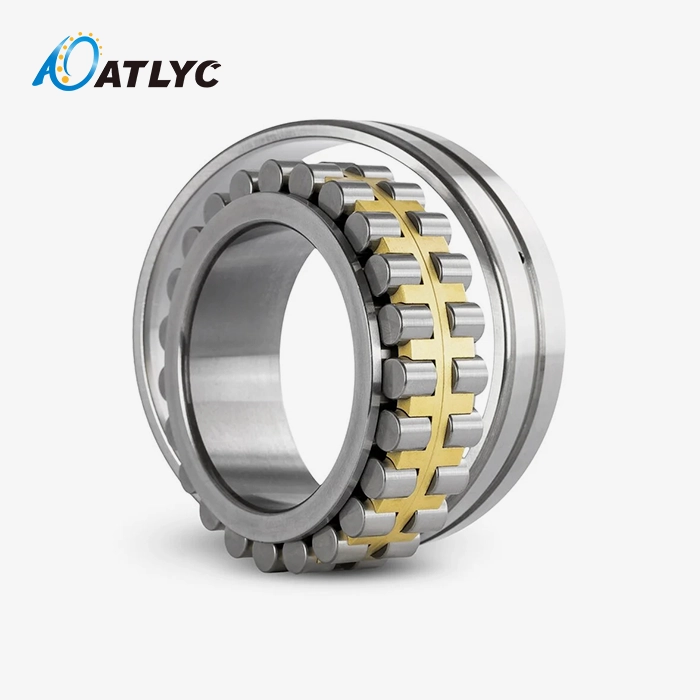
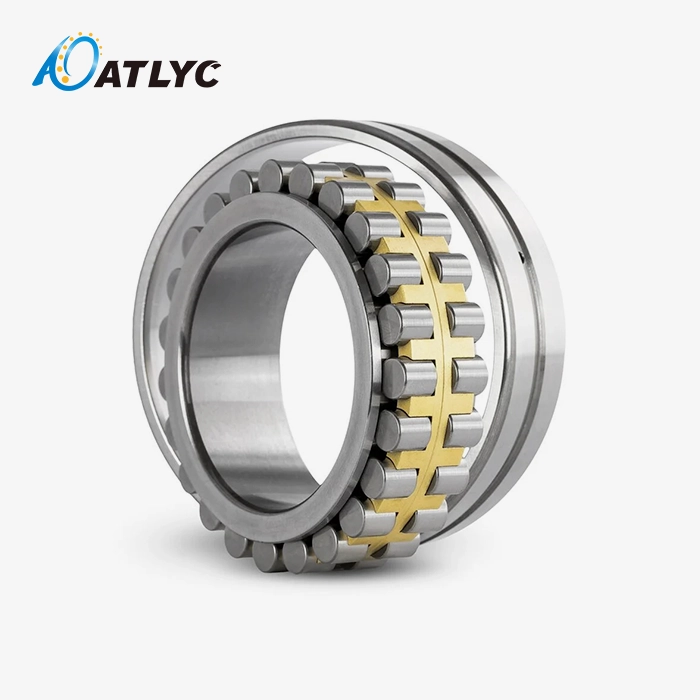
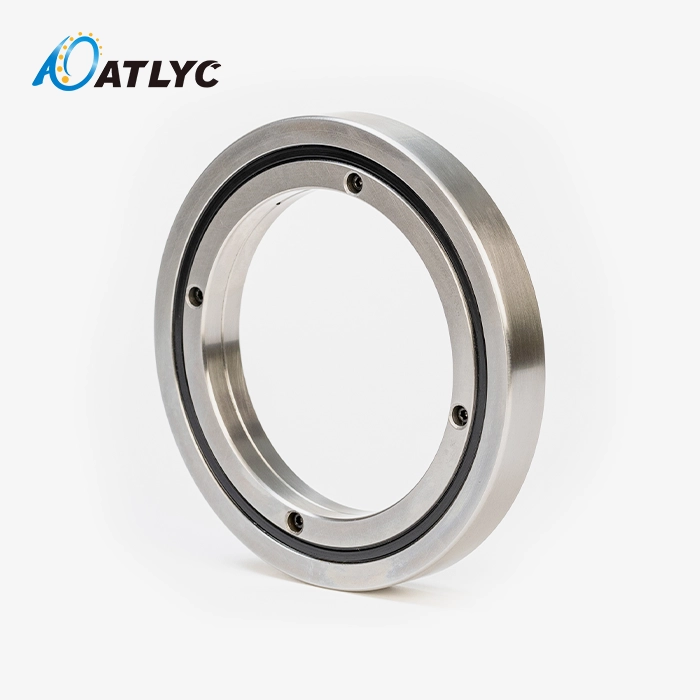
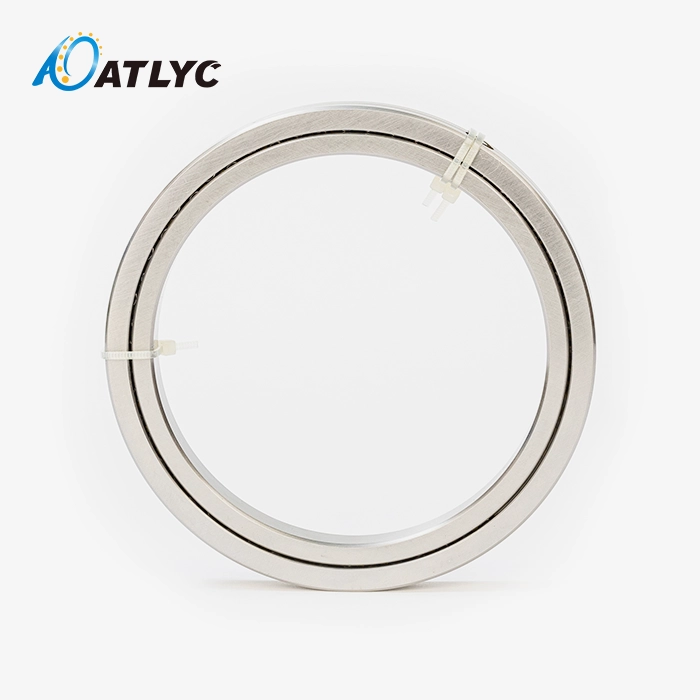
When machinery performance and uptime define your bottom line, the cross roller bearing you choose becomes a strategic decision. The RB2008 represents a specialized 20 mm bore solution engineered with a dynamic load capacity of 3.23 kN, specifically designed to address the precision and reliability challenges faced by automotive component manufacturers, industrial machinery builders, and OEM production lines. This compact yet robust bearing integrates advanced crossed-roller technology within a space-efficient profile, enabling simultaneous handling of radial, axial, and moment loads. As procurement teams navigate increasing pressure for quality consistency and supply chain stability, understanding how this bearing delivers performance becomes essential to making informed sourcing decisions.

Understanding RB2008 Bearing: Specifications and Core Features
Technical Specifications That Define Performance
The RB2008 cross roller bearing has an inner width of 20 mm and is made for uses that need to be small without losing its ability to handle load. This model is at the lower end of the RB series size range, which goes from 20 mm to 1100 mm in bore diameter. This makes it perfect for robotics joints and precision rotary tables where space constraints mean careful component choice. The dynamic load value of 3.23 kN is high enough for automation equipment to work continuously while still being rigid enough for precise placing.
Material Composition and Manufacturing Standards
The bearing is made from high-quality Gcr15 and Gcr15SiMn bearing steels and goes through special heat treatment methods that make the hardness spread across the contact surfaces the best it can be. These materials have the stress strength and wear resistance needed for a long service life in harsh industrial settings. Following ISO 9001 and IATF 16949 standards during production ensures consistency between batches, which is a key factor when establishing long-term supply relationships for automotive and industrial uses. From P6 to P4 grades, there are different levels of accuracy that can be used to meet the specific needs of different types of applications. This range lets procurement teams perfectly match bearing specs to business needs without going overboard and making costs go up for no reason.
Integral Ring Design with Plug Configuration
When both inner and outer rings of a cross roller bearing are intact, the structure is more stable than when two separate bearing designs are used. There is a special plug system in the outer ring that does two things: makes installation easier during assembly and makes sure the rollers stay in place throughout the bearing's operating lifetime. This way of designing makes maintenance easier and helps the bearing have very accurate runout, which is very useful in measuring tools and devices used to make integrated circuits (ICs), where repeatability of position has a direct effect on the quality of the production. The following table outlines the core dimensional specifications across select RB series models:
| Model | Inner Diameter (mm) | Outer Diameter (mm) | Width (mm) | Dynamic Load (kN) |
|---|---|---|---|---|
| RB2008 | 20 | 70 | 12 | 3.23 |
| RB2510 | 25 | 80 | 14 | 4.15 |
| RB3010 | 30 | 90 | 16 | 5.20 |
| RB4010 | 40 | 110 | 18 | 7.35 |
These specifications demonstrate how the compact profile maintains meaningful load capacity, addressing a common procurement challenge: achieving performance targets within restricted mounting envelopes.
How RB2008 Works and Where to Use It: Application Insights
Operational Principles of Crossed-Roller Configuration
The unique performance features of the bearing come from the way its rollers are arranged. When two cylindrical rollers are placed perpendicular to each other at 90-degree angles, they make the best contact geometry for distributing load in more than one direction. This setup sets up line contact patterns between wheels and precisely cut raceways, effectively transferring forces while reducing stress concentrations. This makes a bearing system that can handle complicated loading situations like radial, axial, and moment loads all at the same time in a single small unit, instead of the usual need for multiple bearing arrangements. This design concept has real-world benefits that have a direct effect on how efficiently things are made. The crossed-roller geometry's low friction coefficient means that less energy is used during operation, and less heat is produced. This means that lubrication intervals are longer, and less maintenance is needed. The engineering teams like that this lowers the total cost of ownership over the whole lifecycle of the equipment. RB2008 crossed roller bearings are designed to provide reliable performance in applications where compact size, high precision, and multi-directional load capacity are required.
Industrial Sectors Where the Bearing Excels
In factories that make cars, these bearings are used in robots for the assembly line and in automatic positioning systems. The 20 mm hole size is the same as the shaft sizes used in joint robot arms and high-precision material handling equipment. When production schedules call for uptime 24 hours a day, seven days a week, the bearing's ability to last through continuous rotation is more than just a datasheet parameter. Bearings are used in rotary turning tables and CNC machining center parts made by industrial machinery makers. Precision grinding and strict quality control keep runout to a minimum, which makes sure that the setting of the workpiece stays within tight tolerances during multi-axis machining processes. This ability has a direct effect on the quality of the finished part and the rate at which scrap is reduced. These are two metrics that procurement professionals closely watch when they are evaluating component suppliers. Manufacturers of medical equipment depend on the bearing's ability to work smoothly and quietly. Imaging systems and surgical robots need motion control parts that make as little noise and sound as possible. Crossed-roller bearings clearly perform better in these situations than regular ball-bearing arrangements. The small size and ability to support loads in multiple directions make the bearing ideal for medical gadget uses that must meet strict rules.
Installation and Maintenance Best Practices
How the bearing is mounted has a big effect on how well it works and how long it lasts. When compared to separate bearing types, the integral ring design makes installation easier. This cuts down on setup time and the chances of contamination during handling. Maintenance teams can easily access the lubrication system thru the outer ring plug, which means that regular greasing can be done without having to take the whole thing apart. These useful factors cut down on downtime during planned repair periods, which is something operations managers think about a lot when they are choosing a component. Rotational torque and temperature trends should be tracked by monitoring programs, as deviations often show problems before they become catastrophic. This proactive method fits with the ideas of lean manufacturing and stops unplanned breaks in production that mess up delivery plans and customer promises.
Comparing RB2008 with Alternative Bearings: Making the Right Choice
Size and Load Capacity Considerations
When buying something, people often compare the RB2008 to types that are close by, like the RB2510 and RB3010. The 20 mm bore bearing can handle loads of up to 3.23 kN, while the RB2510, which has a 25 mm bore, can handle loads of up to 4.15 kN. When making decisions, people weigh the limits on the diameter of the shaft against the load needs. They know that oversizing bearings raises the cost of the parts and needs more space for mounting. Taking into account both efficiency and cost, the bearing works well in situations where its small size is a useful asset. Robotics makers like that the smaller envelope lets them make joints that are more flexible, and machine tool builders like that it saves space in multi-axis setups where mounting room is very important.
Operational Efficiency Analysis
When compared to standard ball bearing arrangements, the crossed-roller design is more efficient. Line contact geometry spreads loads over a larger area, which lowers contact stress and increases fatigue life. This means that bearings don't have to be replaced as often, which lowers the overall cost of ownership, even if the initial unit price is higher than other options. More and more, procurement teams are seeing things from the point of view of the total cost, going beyond just comparing prices to do full value studies. The low starting force of this bearing is especially useful in situations where the motor starts and stops a lot. When automation equipment moves workpieces between multiple stations, it uses less energy and loads the actuators less, which benefits add up over thousands of daily rounds.
Competitive Product Positioning
The world market for bearings has a lot of options, so it's important to make an informed choice. The bearing stands out because it is small, can hold loads in multiple directions, and was made with high quality that is backed by ISO 9001 and IATF 16949 standards. These credentials are very important for auto OEMs and industrial equipment makers who have to meet audit requirements and customer demands for quality documentation. The following comparison table highlights key decision factors:
| Feature | RB2008 Cross Roller | Deep Groove Ball Bearing | Tapered Roller Bearing |
|---|---|---|---|
| Multi-axis Load Capacity | Excellent | Limited | Moderate |
| Mounting Space | Compact | Compact | Larger |
| Runout Accuracy | Superior | Moderate | Moderate |
| Installation Complexity | Straightforward | Simple | Complex |
| Cost-Performance Ratio | High | Moderate | Variable |
This analysis reveals how the bearing addresses specific application challenges that alternative designs handle less effectively, particularly in precision positioning scenarios requiring simultaneous load handling from multiple directions.
Procurement Essentials: Where to Buy, Pricing, and Support for RB2008
Sourcing from Qualified Manufacturers
Setting up supply chains with certified makers guarantees that the parts are real and that the standard is always the same. Luoyang Auto Bearing Co., Ltd. (ATLYC) is a good place to get cross roller bearings because they have been making them for 15 years and have both ISO 9001 and IATF 16949 certifications. From its start as a single-workshop business to now having six different types of production facilities shows that it has the size to meet the needs of growing OEMs and aftermarket channels. When procurement teams look at possible suppliers, they should check their ability to make things, their quality control systems, and their experience with foreign supply. ATLYC has been in business for a long time in many countries, such as the US, Germany, South Korea, Russia, Iran, and Turkey. This shows that they can handle a wide range of legal and logistical needs.
Pricing Strategies for Volume Purchases
Prices for bearings change based on how many are ordered, the level of accuracy, and when they need to be delivered. Specific prices need a direct quote based on the project details, but knowing how costs usually work helps procurement pros make budgets that are reasonable. When planning new equipment programs or combining existing multi-source supply chains, early engagement with suppliers is helpful because it often unlocks better pricing tiers based on volume commitments. When buyers show that they understand technical needs and reasonable volume forecasts, they have more negotiating power. Suppliers like it when buying teams talk directly about how they think demand will change in the future. This lets production planning happen, which is good for everyone because it makes managing supplies and deliveries more reliable.
Warranty Coverage and After-Sales Support
Full warranty plans protect against mistakes in manufacturing and show that the seller trusts the quality of the product. Responding to technical support requests is especially helpful when setting up new equipment and fixing problems. Having access to engineering tools that know how to solve problems in a specific application speeds up the process and keeps work from being interrupted as little as possible. Logistics skills that work well have a direct effect on the stability of the supply chain. Lead time consistency is just as important as the stated duration—production plans for cars and deliveries of industrial tools don't leave much room for delays in parts. When buying something, it's easier to do business with suppliers who have a history of shipping and customs paperwork. This is especially true for foreign deals that need compliance paperwork.
RB2008 Manufacturer and Brand Trust: Building Confidence in Your Purchase
Manufacturing Heritage and Continuous Improvement
The way ATLYC has changed since 2010 shows the kind of growth that makes procurement professionals feel good. The company's move from automatic deep groove ball bearing production to full six-category bearing production shows its dedication to growing its capabilities and improving its technology. This growth is a reflection of bigger changes in China's precision bearing industry, which is changing people's ideas about the past by showing quality gains and being accepted by the international market. The 120 people who work at the facility are split into specialized teams that do production, research and development, quality control, and assembly. This organizational structure makes sure that professionals are in charge of all stages of production, from checking the raw materials to putting them in boxes for shipping. The three-level quality control structure includes life testing, vibration testing, and RB2008 key performance verification alongside 12 other critical performance markers that make sure the specifications are met before the product is shipped.
Customer Validation and Performance Evidence
More and more confirmed customer experiences, not just marketing claims, are used to make B2B purchasing choices. Third-party testimonials from companies that make car parts and industrial equipment can tell you a lot about how well a provider does in terms of quality consistency, shipping reliability, and technical support responsiveness. These validations from real life help buying teams figure out if a supplier's skills match their business needs. In the bearing business, long-term relationships with suppliers depend on consistent high-quality performance rather than a few successful orders. Maintaining specification compliance over years of production shows that a supplier has the process control and quality culture that is needed for a strategic partnership to be considered. This track record is especially important when failed parts cost a lot of money because they cause production to stop or void the warranty.
Technical Support Infrastructure
Competent suppliers are different from simple product distributors because they offer direct access to engineering experts. Procurement teams like it when makers give them specialized expert contacts who can answer questions about specific applications, help with installation, and fix operational problems. This support infrastructure makes it easier for internal engineers to do their jobs and speeds up the process of fixing problems that come up during the equipment integration or production ramp-up phases. Clear lines of contact for sales questions, technical questions, and help after the sale make the buying process and the connection with the provider easier. When manufacturers put out direct contact information and follow prompt communication standards, they show that they care about their customers in a way that goes beyond the original transaction.
Conclusion
The RB2008 cross roller bearing delivers a compelling combination of compact dimensions, multi-directional load capacity, and precision performance for demanding industrial applications. Its 20 mm bore and 3.23 kN dynamic rating address specific challenges in robotics, automation equipment, and precision machinery where space constraints intersect with performance requirements. Procurement professionals evaluating bearing options should consider the total value proposition: lifecycle costs, supply chain reliability, and technical support infrastructure alongside unit pricing. Sourcing from certified manufacturers with documented quality systems and international supply experience reduces risk while supporting long-term operational stability. As component selection directly influences equipment performance and production uptime, informed bearing procurement becomes a strategic contribution to manufacturing competitiveness rather than a routine purchasing task.
FAQ
What technical documentation is available for the bearing?
You can get full datasheets from manufacturers that include dimensional drawings, load rating tables, and installation instructions. These papers give engineering teams the specific information they need to choose the right parts and plan their integration.
How does load capacity differ between the bearing and the RB2510 model?
The bearing has a 20 mm bore and can hold 3.23 kN of dynamic load. The RB2510 has a 25 mm bore and can hold 4.15 kN of dynamic load. The choice is based on the real application loads and the width limits of the shaft, weighing performance needs against the amount of mounting space that is available.
What warranty coverage applies to bulk orders?
Warranty terms usually cover problems with the way the product was made and not meeting specifications. Purchase agreements spell out the exact length of the warranty and what it covers. As part of complete supply contracts that include technical support promises and delivery guarantees, buyers who buy a lot of something often get better warranty terms.
Partner with a Certified RB2008 Manufacturer for Your Precision Bearing Needs
ATLYC brings 15 years of bearing manufacturing excellence to your supply chain, combining ISO 9001 and IATF 16949 certified production with proven international delivery capabilities. Our RB2008 cross roller bearings deliver the precision, load capacity, and reliability your automotive and industrial equipment applications demand. We support procurement teams with transparent technical specifications, competitive volume pricing, and responsive engineering assistance throughout your equipment lifecycle. Connect with our team at auto@lyautobearing.com to discuss your bearing requirements, request detailed quotations, and explore how partnering with an experienced manufacturer strengthens your supply chain stability while meeting your precision motion control needs.
References
1. Harris, T.A. & Kotzalas, M.N. (2006). Advanced Concepts of Bearing Technology: Rolling Bearing Analysis. CRC Press, Taylor & Francis Group.
2. Hamrock, B.J., Schmid, S.R. & Jacobson, B.O. (2004). Fundamentals of Fluid Film Lubrication. Marcel Dekker Inc., Mechanical Engineering Series.
3. ISO 5753-1:2009. Rolling bearings — Internal clearance — Part 1: Radial internal clearance for radial bearings. International Organization for Standardization.
4. Eschmann, P., Hasbargen, L. & Weigand, K. (1985). Ball and Roller Bearings: Theory, Design and Application. John Wiley & Sons Ltd.
5. Tallian, T.E. (1992). Simplified Contact Fatigue Life Prediction Model—Part I: Review of Published Models. Journal of Tribology, Transactions of the ASME, Vol. 114.
6. Warda, B. & Chudzik, A. (2014). Fatigue Life Prediction of the Radial Roller Bearing with the Correction of Roller Generators. International Journal of Mechanical Sciences, Elsevier Ltd.
Learn about our latest products and discounts through SMS or email