- English
- French
- German
- Portuguese
- Spanish
- Russian
- Japanese
- Korean
- Arabic
- Greek
- German
- Turkish
- Italian
- Danish
- Romanian
- Indonesian
- Czech
- Afrikaans
- Swedish
- Polish
- Basque
- Catalan
- Esperanto
- Hindi
- Lao
- Albanian
- Amharic
- Armenian
- Azerbaijani
- Belarusian
- Bengali
- Bosnian
- Bulgarian
- Cebuano
- Chichewa
- Corsican
- Croatian
- Dutch
- Estonian
- Filipino
- Finnish
- Frisian
- Galician
- Georgian
- Gujarati
- Haitian
- Hausa
- Hawaiian
- Hebrew
- Hmong
- Hungarian
- Icelandic
- Igbo
- Javanese
- Kannada
- Kazakh
- Khmer
- Kurdish
- Kyrgyz
- Latin
- Latvian
- Lithuanian
- Luxembou..
- Macedonian
- Malagasy
- Malay
- Malayalam
- Maltese
- Maori
- Marathi
- Mongolian
- Burmese
- Nepali
- Norwegian
- Pashto
- Persian
- Punjabi
- Serbian
- Sesotho
- Sinhala
- Slovak
- Slovenian
- Somali
- Samoan
- Scots Gaelic
- Shona
- Sindhi
- Sundanese
- Swahili
- Tajik
- Tamil
- Telugu
- Thai
- Ukrainian
- Urdu
- Uzbek
- Vietnamese
- Welsh
- Xhosa
- Yiddish
- Yoruba
- Zulu
Robot Bearings Manufacturer for Advanced Robotic Systems
When looking for a Robot Bearings manufacturer for advanced robotic systems, accuracy and dependability are key to running a successful business. Robot Bearings are specialised mechanical parts designed to keep alignment across artificial joints, support smooth motion, and reduce friction. These parts, unlike most industrial bearings, are made to meet the strict needs of robotics. They can handle complex load profiles, keep backlash to a minimum, and make sure that the positional accuracy is always the same. Manufacturers that are trusted follow ISO 9001 and IATF 16949 standards and can increase or decrease their production capacity. This ensures consistent quality and technical know-how that automakers and makers of industrial equipment depend on every day.
Understanding Robot Bearings and Their Functionality
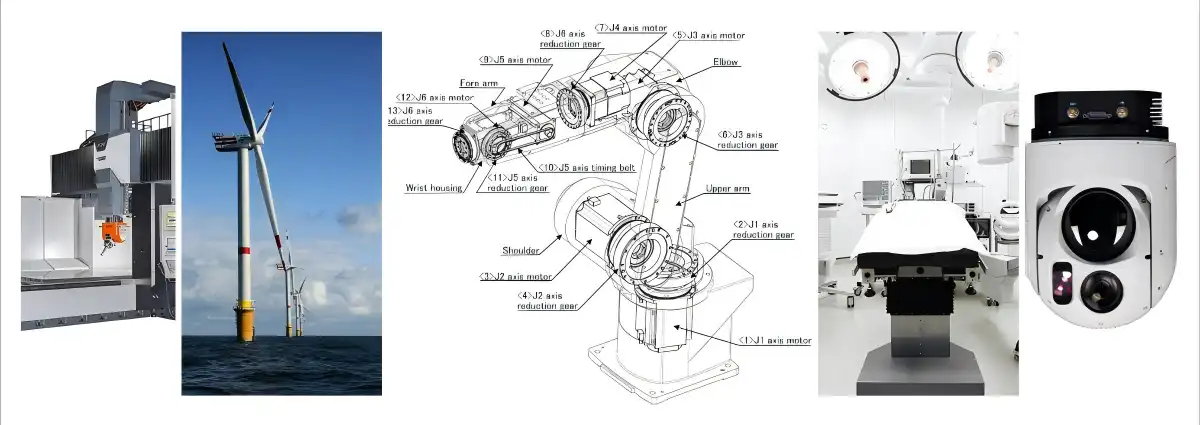
Bearing technology that is used in more than just normal situations is needed for advanced robotic systems. Robot arm bearings are important parts of the base that rotate, the shoulder joints, the elbow sections, and the wrist systems. To turn motor power into exact movement while supporting radial, axial, or combined load conditions, each joint needs its own set of bearing properties.
Types of Bearings in Robotic Applications
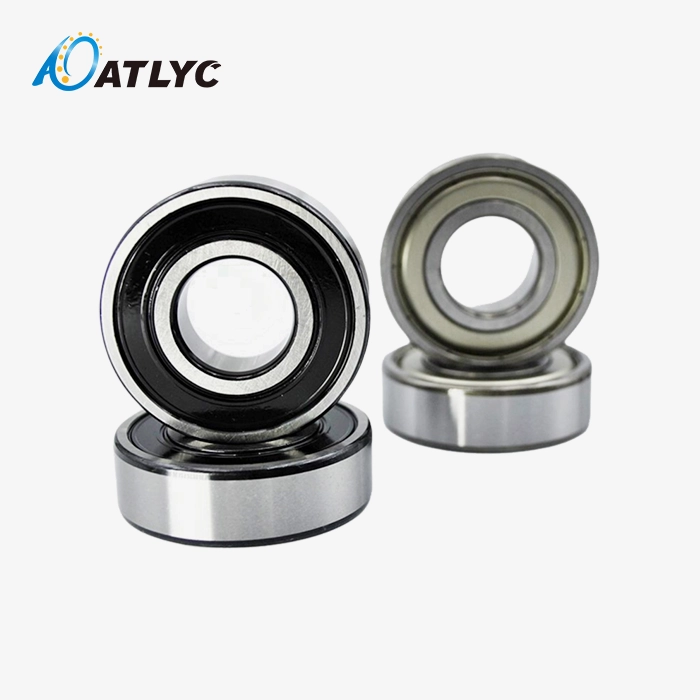
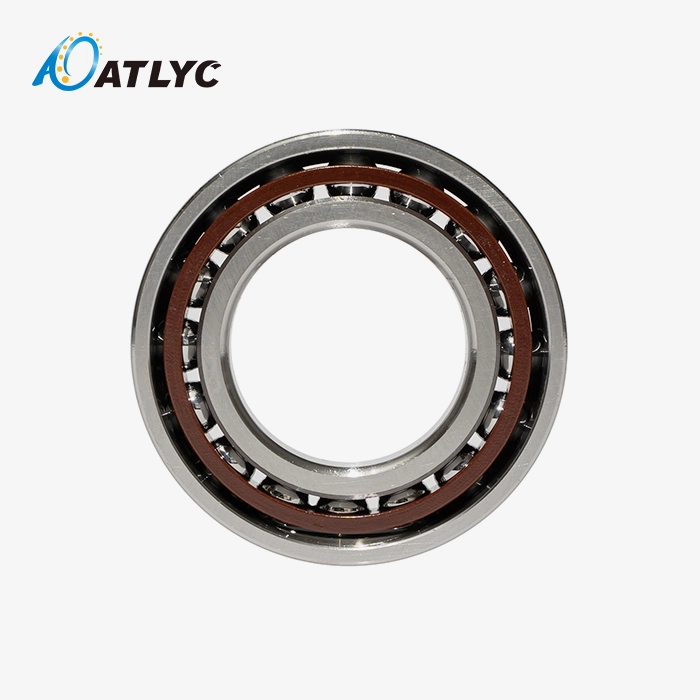
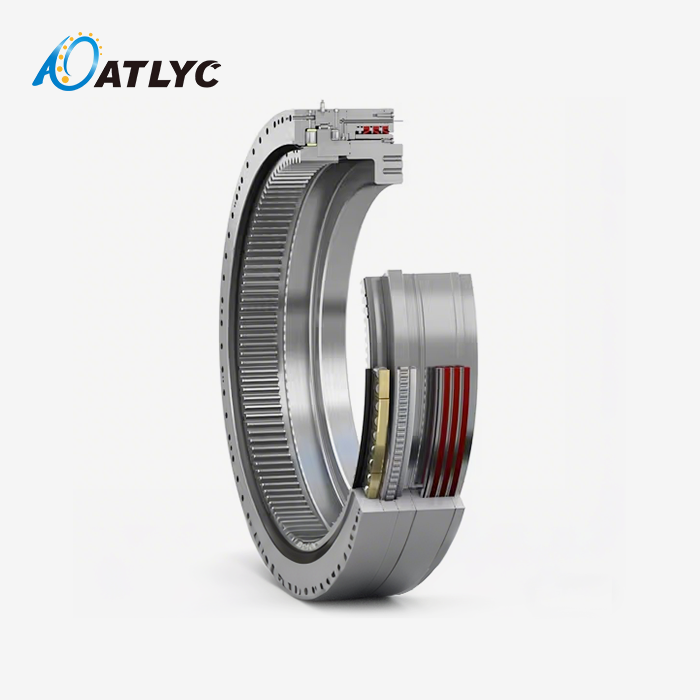
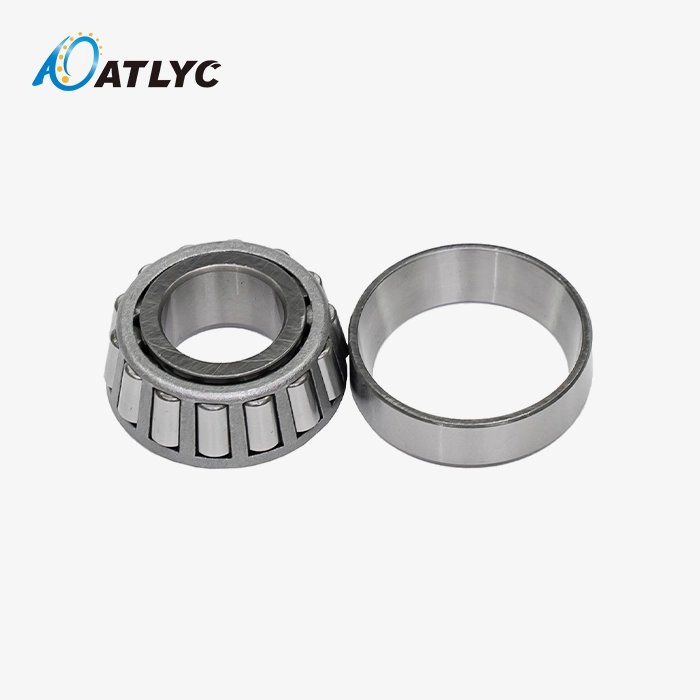
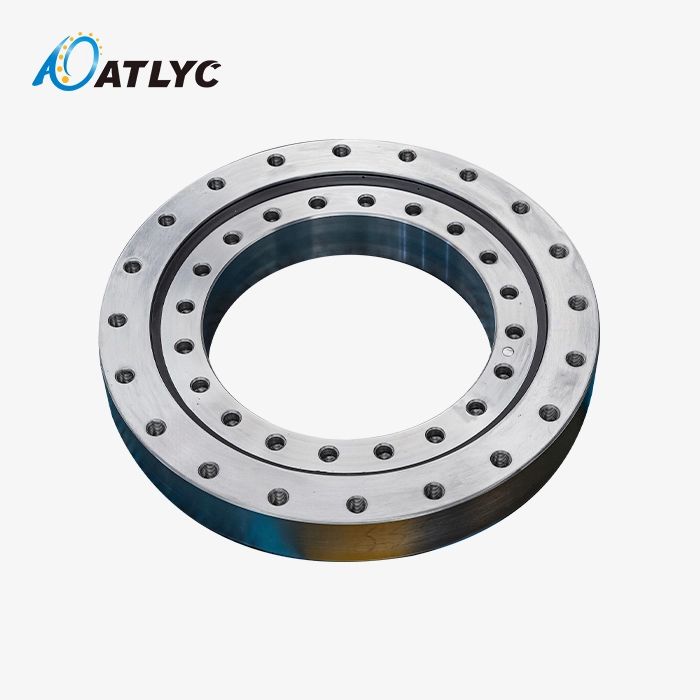
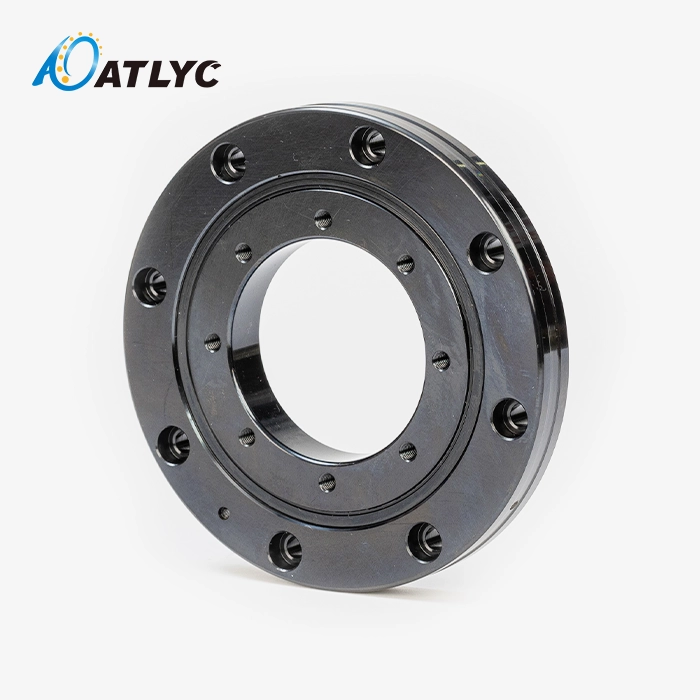
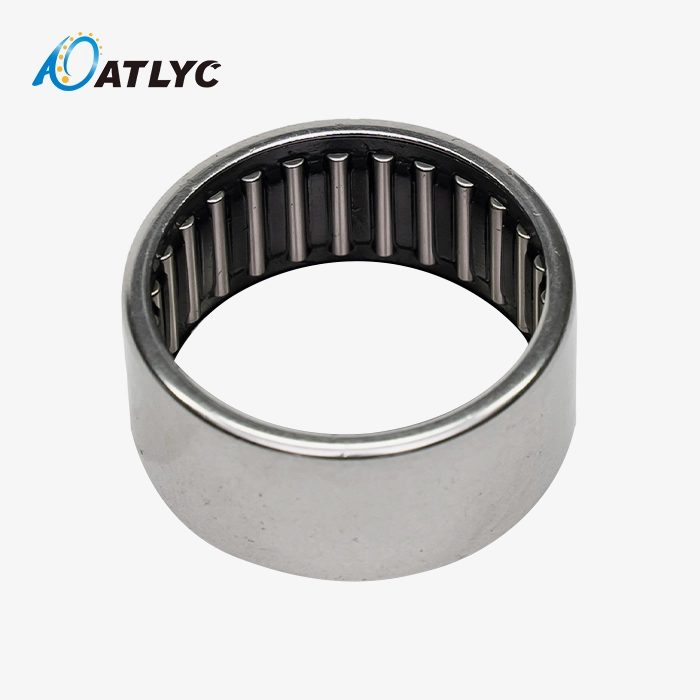
For different robotic tasks, different bearing designs are needed. Radial ball bearings are good at supporting loads that are not parallel to them, which makes them a good choice for rotating joints in assembly robots. Angular contact bearings can handle both radial and axial forces at the same time, which is helpful for multi-axis robotic arms that move in complicated ways. Cross-roller bearings are very rigid and can hold a lot of weight in a small space. You can find them in robot speed reducers and harmonic drives. Thin-section deep groove ball bearings are strong but light, and they support robot axes in places where traditional designs can't work because of lack of space.
Material Selection and Performance Impact
Material choices have a direct effect on how well a system works and how long it lasts. Steel bearings are a cheap option that has been shown to last in moderate-speed situations. Ceramic bearings work better in high-speed settings than steel ones because they don't expand when heated and lose up to 40% less friction. Hybrid composite designs use both ceramic rolling elements and steel races to find the best balance between performance and cost. Medical device makers often choose ceramic options for surgical robots that need to be very resistant to contamination. On the other hand, car part makers like steel options because they are easy to source and have known wear patterns.
Precision Grades and Tolerance Classes
Robotic repeatability is directly affected by how precise the bearings are. Tolerance levels in ABEC and ISO range from standard grades that can be used for general automation to ultra-precision levels that CNC machine tool turntables need. When making cars, even a positioning error of 0.05 millimetres can ruin the quality of the assembly, so buying bearings with tight tolerances is a must. Precision levels higher than ±0.001 millimetres are needed for radar antenna systems and aircraft parts that use Ru42 bearings and metric thin-section bearings. To avoid spending too much money on things that aren't needed and still get good performance, procurement teams have to make sure that precise specifications match up with actual application needs.
Key Advantages and Maintenance of Robot Bearings
Specialised Robot Bearings provide quantifiable operational benefits that show how well-designed they are. Robotic arms can stay in the same place over millions of cycles thanks to better precision control. Because they can hold more weight, single bearing sets can be used instead of several normal units, which makes the design simpler. Less noise makes the workplace better for people and robots that work together. Environmental longevity keeps things clean in tough industrial settings, which means they don't need to be fixed as often. These benefits lead to real changes in production. During high-speed palletising tasks, motion mistakes can be avoided by making sure the joints rotate smoothly. Spreading the load evenly across the bearing surfaces stops the structure from deforming, which can lead to placement mistakes over time. Vibration dampening keeps motion stable even when robotic end-effectors run into different levels of resistance while they are machining.
Common Challenges and Performance Degradation
Robot Bearings wear out in predictable ways, just like any other mechanical system. Lack of lubrication speeds up surface wear and tear, creating tiny cracks that spread when the material is loaded and unloaded over and over again. Particulate contamination puts rough particles between the rolling elements and the raceways, which damages the surfaces and makes friction worse. Stress concentrations caused by bad fitting shorten the estimated lifespan by 30 to 50 per cent. Extreme temperatures change the properties of materials, which leads to changes in size that make internal clearances bigger and accuracy worse.
Proven Maintenance Strategies
Systematic approaches are needed to extend the life of bearings. Visual checks done regularly can find early warning signs like discolouration, which means the machine is overheating or lubricant leaks, which means the seal has failed. When lubrication schedules are optimised, the right grease is used for the job. Synthetic lubricants work better than mineral oils in temperatures above 120°C. Predictive condition monitoring technologies use thermal imaging and vibration analysis to find problems before they become too big to fix. These proactive steps cut down on unplanned downtime costs, which in car assembly processes are about $22,000 an hour on average. The life of a bearing depends on several factors working together. The speed of operation affects the thickness of the lubricant film; faster speeds need thinner greases to keep the proper separation. The amount of load affects the stress cycles that build up on touch surfaces. How much contamination gets into an area depends on how clean it is. Corrosion can't happen during warehouse staging if things are stored correctly. Precise installation makes sure that the load is spread evenly across all of the rolling elements. Procurement professionals get the best return on investment by making sure that the total cost of ownership factors are taken into account when negotiating with suppliers and laying out the right upkeep procedures.
How to Choose the Right Robot Bearings for Your Application
To choose the best bearing solutions, you need to do a structured evaluation of the operational parameters. Load capability needs are based on the weight and speed of the robotic object. Maximum joint speeds must be included in speed rates, along with enough safety gaps. Specifications for placement accuracy are in line with precision grades. Temperature ranges, levels of contamination, and chemical exposures in the environment limit the materials that can be used. Due to limited funds, performance benefits must be weighed against the costs of acquisition over the expected service lifetimes. A systematic choice framework makes it clear what the selection factors are. At each joint location, engineering teams write down the load conditions, including the size and direction of the load. They figure out how long the bearings need to last by using the L10 method and aiming for operating hours that match the equipment's amortisation times. They look at the limitations of space to figure out what bearing sizes are acceptable. They look at how easy it is to do upkeep and how that affects serviceability choices. They look at the qualifications of suppliers, such as quality certifications, technical support skills, and the dependability of the supply chain. The following table compares robot-specific bearings against standard industrial variants across critical performance dimensions:
| Performance Dimension | Robot-Specific Bearings | Standard Industrial Bearings | Impact on System Performance |
|---|---|---|---|
| Precision Grade | ISO P4 to P2 | ISO P6 to P5 | ±0.002mm vs ±0.010mm repeatability |
| Friction Coefficient | 0.0010 - 0.0015 | 0.0020 - 0.0030 | 50% lower power consumption |
| Backlash Control | <0.0005mm | 0.005mm - 0.015mm | 10x improvement in positioning |
| Noise Level | 45-55 dB | 60-70 dB | Safer collaborative environments |
Material Trade-offs: Ceramic Versus Steel
Ceramic bearings are 40% lighter than steel bearings of the same size. This is good for robotic arms because less inertia means better acceleration response. In servo-motor uses, they stop electrical current from flowing, which stops the bearing from fluting. But ceramics are brittle, which means they can break under shock loads that are common in pick-and-place operations. Steel bearings can handle impact loads better than ceramic ones, and they cost 30–50% less. Hybrid designs combine the friction-reducing benefits of ceramic with the hardness benefits of steel, but they cost more. Application-specific analysis shows if performance gains are worth the extra cost. For example, high-speed semiconductor handlers benefit from the thermal stability of ceramics, while automotive welding robots work fine with steel solutions. Robot Bearings
High-Precision Classes and Budget Alignment
Ultra-precision bearings with ISO P2 tolerances cost three times as much as standard P6 grades, but they make positioning better, which is important for micron-level assembly tasks. Mid-range P4 accuracy is good enough for most workplace robotic tasks, like moving things around and taking care of machines. Buyers who want to save money should specify the minimum acceptable precision instead of the maximum available grades to avoid spending extra money on things they don't need. Through technical discussions with bearing makers, the best precision-cost balance points that meet the needs of each application are found. Long-term supply deals are a key part of procurement strategies that ensure low prices and consistent quality.
Exploring the Market: Leading Robot Bearings Manufacturers and Suppliers
There are well-known European and Japanese companies in the global bearing market, as well as new Chinese companies that offer competitive value. Leaders in the industry, like SKF, NSK, Schaeffler, THK, and Timken, have wide ranges of products that are backed by decades of new ideas. Because they are very good at engineering, they can make plans that work best for robotic uses. Quality assurance methods that meet the standards of the automotive business make sure that performance is the same from batch to batch. During the system design phase, technical support networks help with application engineering. Working with specialised providers can help your business in more ways than just buying parts. Custom bearing designs are made to fit specific load curves or limited room that can't be met by standard catalogue items. For ISO 9001 and IATF 16949 audits, certification documentation makes it easier to check for compliance. Dedicated account management makes contact more effective, which cuts down on the time it takes to buy something. Working together gives people early access to new technologies before they become widely available.
Procurement Considerations for B2B Buyers
When negotiating to buy in bulk, a few important things should be brought up. Structures for volume discounts reward committed order quantities while keeping prices low. Different suppliers offer customisation options such as changing geometries, using special materials, or meeting specific lubrication needs. Total landing costs are affected by logistics plans that include sending goods internationally, clearing customs, and storing goods locally. Warranty terms that spell out coverage periods, failure criteria, and replacement procedures keep bearings from breaking down too soon. After-sales service that includes technical troubleshooting, training in maintenance, and the availability of spare parts helps with ongoing operational needs. To build trusting relationships with suppliers, you need to look at their performance in a number of different areas. The manufacturing capacity shows how well a company can meet rising demand without having to wait longer for supplies. Continuous improvement programs show a dedication to raising quality by solving problems in a planned way. International experience shows that you know how to ship goods, what paperwork is needed, and how to do business in other cultures. Clear communication sets reasonable delivery goals and alerts you to problems before they happen. This comparison table illustrates key differentiators among supplier categories serving the robotics market:
| Supplier Category | Quality Certification | Customization Capability | Lead Time | Technical Support | Price Competitiveness |
|---|---|---|---|---|---|
| European Premium Brands | ISO 9001, IATF 16949 | High | 8-12 weeks | Extensive | Premium |
| Japanese Tier-1 Suppliers | ISO 9001, IATF 16949 | Moderate | 6-10 weeks | Strong | Mid-High |
| Chinese Specialised Manufacturers | ISO 9001, IATF 16949 | High | 4-8 weeks | Growing | Competitive |
| Regional Distributors | Varies | Limited | 2-6 weeks | Basic | Variable |
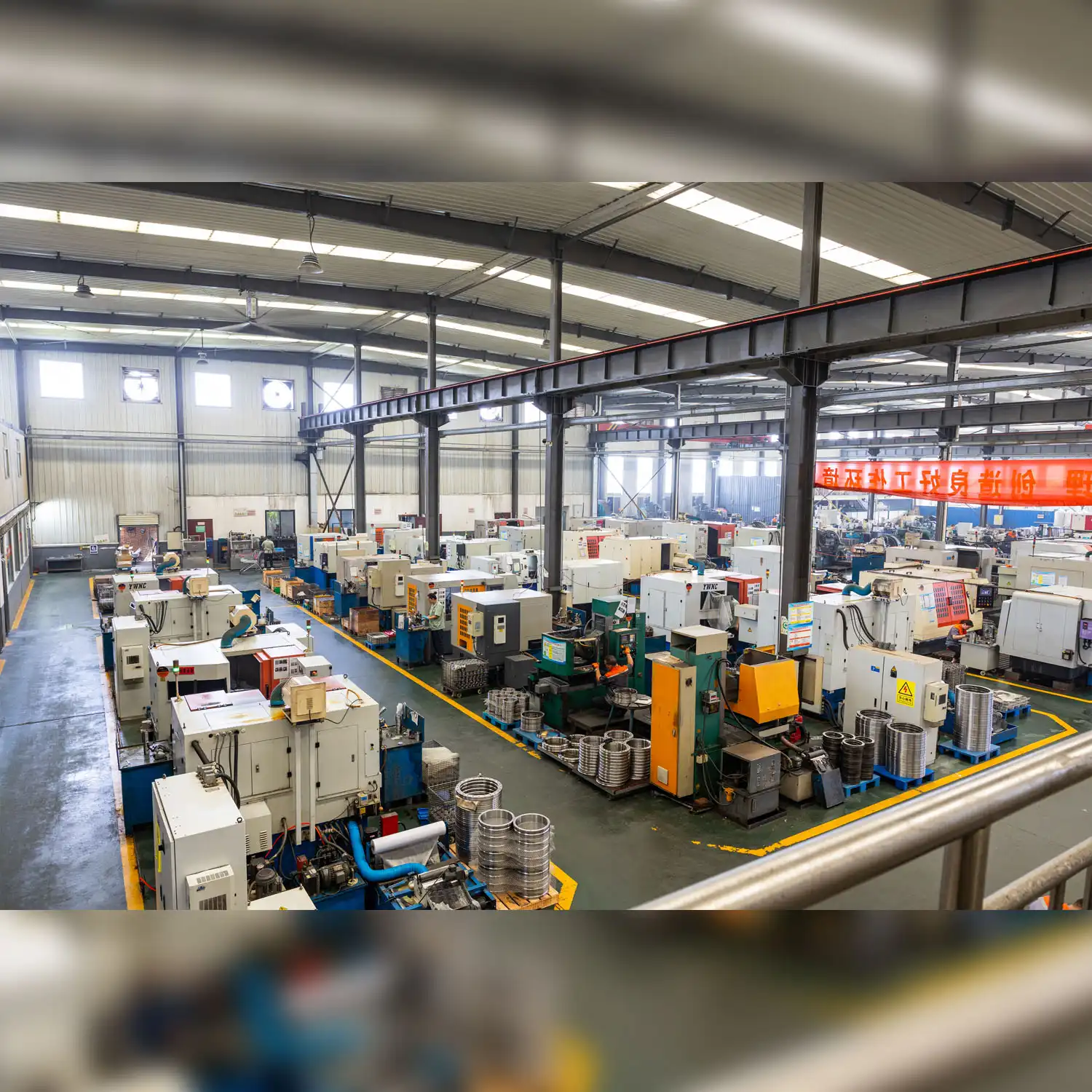
In the last few decades, Chinese companies that make bearings have changed a lot. Luoyang Auto Bearing Co., Ltd. is an example of this change; it went from being a single workshop to a full-service manufacturing company that makes six main types of bearings. Businesses that have been around for a while have ISO 9001 and IATF 16949 licenses, which mean they meet world quality standards. Professional operations are maintained by production teams with 120 trained workers who do things like manufacturing, research and development, quality control, and assembly. Global competitiveness is proven by exporting to South Korea, the US, Germany, Russia, Iran, and Turkey, among other places. When you combine their ability to make precise products with reasonable pricing and quick service, these makers offer a great value offering.
Future Trends and Innovations in Robot Bearings
As the performance needs of robots get higher, traditional bearing designs are starting to have problems. To keep the workplace safe, collaborative robots need to be run at a noise level below 50 decibels. High-speed pick-and-place systems need bearings that can handle 10,000 RPM all the time without getting too hot. Industrial robots that carry heavy loads need small bearings that can handle loads of several tonnes within limited joint spaces. Longer service times lower the cost of repair in dangerous or remote locations.
Advanced Materials and Smart Technologies
These problems are being solved by cutting-edge advances in material science. Newer ceramic formulations make them 25% harder to break than older ones, which increases their shock-load tolerance. Hybrid composite bearings have good strength-to-weight ratios because they use carbon fibre support in polymer structures. Diamond-like carbon coats and other surface treatment technologies lower friction coefficients below 0.0008 and make things more resistant to rust. With embedded sensor technologies, bearings go from being passive parts to being smart system parts. Small accelerometers keep an eye on shaking patterns and can spot problems weeks before they stop working. Sensors that measure temperature keep an eye on thermal conditions that show whether there is enough lubrication or too much load. Robot Bearings Wireless communication modules send data to central monitoring systems in real time without adding more wiring complexity. With these smart bearings, predictive maintenance plans can be made that schedule repairs for planned downtime instead of having to be done when something breaks down unexpectedly.
Industry 4.0 Integration and Data-Driven Maintenance
Through full data integration, Industry 4.0 principles change the way bearing lifecycle management is done. The operational data from thousands of bearing locations in production sites is put together by cloud-based systems. Machine learning algorithms find patterns that connect how the machine is being used with estimates of how long it will still be useful. Digital twin studies show how bearings work in different loading conditions, which helps improve system designs before they are built. Condition-based maintenance protocols only schedule service actions when sensor data shows they are needed, not when they happen on a random calendar. This cuts down on unnecessary actions by 40% while increasing the availability of the equipment. Customisation is becoming more and more popular over standardisation as the market changes. Robotics companies are looking for bearing options that can be customised to fit their own joint shapes and performance needs. To meet this demand, suppliers are putting money into collaborative engineering processes and flexible manufacturing systems. Time-to-market for new robotic platforms is sped up by shorter development cycles. Rapid-prototyping technologies, such as additive manufacturing, make it possible to test custom bearings without spending a lot of money on production tools.
Conclusion
Choosing the right Robot Bearings maker has an effect on how reliably production lines for cars, industrial automation systems, and precision assembly tools work. Procurement workers can make technically sound choices when they know how bearings work, how often they need to be serviced, and how to choose the right ones. Supply chain resilience is built by analysing the market and finding specialised suppliers with proven quality certifications, the ability to customise products, and global service networks. New technologies, like advanced materials and sensors built right in, promise to keep making robots better at what they do to meet changing needs. Long-term success in manufacturing depends on strategic relationships with suppliers that offer low prices and reliable quality delivery.
FAQ
What distinguishes robot bearings from standard industrial bearings?
In comparison to P6 grades that are typically used in general industrial applications, Robot Bearings have tighter tolerance specifications. They have design improvements that lower backlash to cut down on positional errors when changing directions. When choosing materials, low friction coefficients and thermal stability are given the most weight, which is important for precise motion control. Because of these unique features, the measurement can be accurate to within 0.005 millimetres over millions of operating cycles.
How frequently should robot bearings undergo maintenance inspections?
Maintenance schedules depend on how hard the equipment is used and the weather. Robots that work 16-hour shifts and are used a lot can benefit from checkups once a month that check the lubrication, temperature, and shaking. Moderate-duty systems that work 8-hour shifts usually need to be checked every three months. In contaminated areas, checks need to be done more often, no matter what time they are open. Instead of sticking to set schedules, predictive monitoring technologies change how often bearings need to be inspected based on how they are actually working.
Do ceramic robot bearings justify their premium cost compared to steel alternatives?
In some situations, ceramic bearings are clearly better than other options. Their 40% lighter weight helps high-speed robots because less drag makes them better at accelerating and using energy. Temperature stability works well in places hotter than 150°C, where steel properties start to break down. But the brittleness of ceramics is dangerous when it comes to shock loading. Justifying the cost means weighing application-specific performance gains against price increases of two to three times the original amount. A lot of buyers think that hybrid ceramic-steel forms are the best way to match performance and cost.
Partner with ATLYC for Precision-Engineered Robot Bearings
ATLYC has been making bearings for 15 years and has quality systems that are ISO 9001 and IATF 16949 certified. They make reliable Robot Bearings for advanced robotic systems. Our 120-person team works in six specialised workshops to make thin-section bearings, cross-roller assemblies, and custom solutions that meet the needs of auto OEMs. We serve customers all over the world, such as in the US, Germany, and South Korea, and our prices are competitive without sacrificing accuracy. Get in touch with our technical team at auto@lyautobearing.com to talk about your robotic bearing needs and find out why top manufacturers choose ATLYC as their Robot Bearings supplier for reliable quality and quick service.
References
1. International Organisation for Standardisation. (2020). ISO 492: Rolling Bearings - Radial Bearings - Geometrical Product Specifications and Tolerance Values. Geneva: ISO Publications.
2. Harris, T.A., & Kotzalas, M.N. (2021). Advanced Concepts of Bearing Technology: Rolling Bearing Analysis (6th ed.). Boca Raton: CRC Press.
3. Schaeffler Technologies AG. (2022). Bearing Solutions for Industrial Robotics: Technical Design Guide. Herzogenaurach: Schaeffler Engineering Publications.
4. Society of Tribologists and Lubrication Engineers. (2019). Ceramic Bearing Technology: Performance Characteristics and Industrial Applications. Park Ridge: STLE Technical Papers.
5. Wang, J., & Zhou, L. (2023). Precision Bearing Manufacturing in China: Quality Evolution and Global Competitiveness. Beijing: China Machine Press.
6. Robotic Industries Association. (2024). Advanced Materials in Robotic Components: Market Analysis and Technology Trends. Ann Arbor: RIA Research Publications.
Learn about our latest products and discounts through SMS or email