- English
- French
- German
- Portuguese
- Spanish
- Russian
- Japanese
- Korean
- Arabic
- Greek
- German
- Turkish
- Italian
- Danish
- Romanian
- Indonesian
- Czech
- Afrikaans
- Swedish
- Polish
- Basque
- Catalan
- Esperanto
- Hindi
- Lao
- Albanian
- Amharic
- Armenian
- Azerbaijani
- Belarusian
- Bengali
- Bosnian
- Bulgarian
- Cebuano
- Chichewa
- Corsican
- Croatian
- Dutch
- Estonian
- Filipino
- Finnish
- Frisian
- Galician
- Georgian
- Gujarati
- Haitian
- Hausa
- Hawaiian
- Hebrew
- Hmong
- Hungarian
- Icelandic
- Igbo
- Javanese
- Kannada
- Kazakh
- Khmer
- Kurdish
- Kyrgyz
- Latin
- Latvian
- Lithuanian
- Luxembou..
- Macedonian
- Malagasy
- Malay
- Malayalam
- Maltese
- Maori
- Marathi
- Mongolian
- Burmese
- Nepali
- Norwegian
- Pashto
- Persian
- Punjabi
- Serbian
- Sesotho
- Sinhala
- Slovak
- Slovenian
- Somali
- Samoan
- Scots Gaelic
- Shona
- Sindhi
- Sundanese
- Swahili
- Tajik
- Tamil
- Telugu
- Thai
- Ukrainian
- Urdu
- Uzbek
- Vietnamese
- Welsh
- Xhosa
- Yiddish
- Yoruba
- Zulu
SX Series Cross Roller Bearings for Precision Assembly Lines
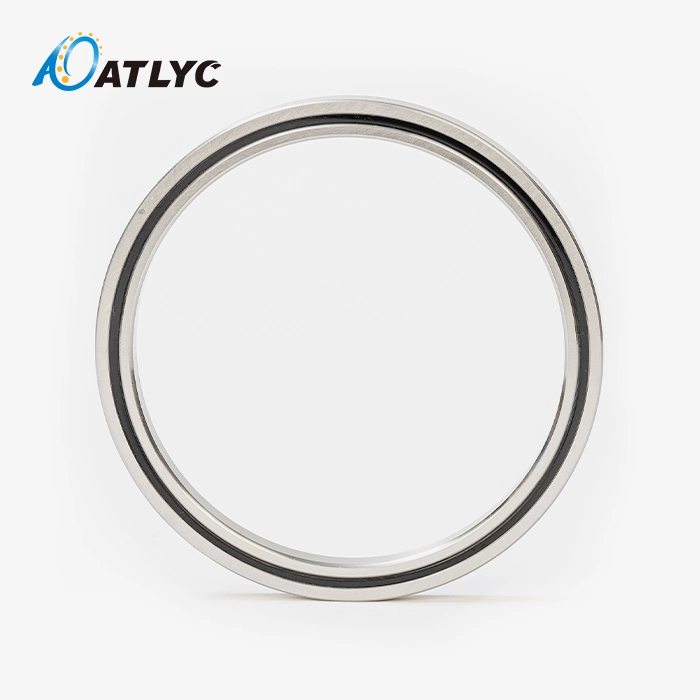
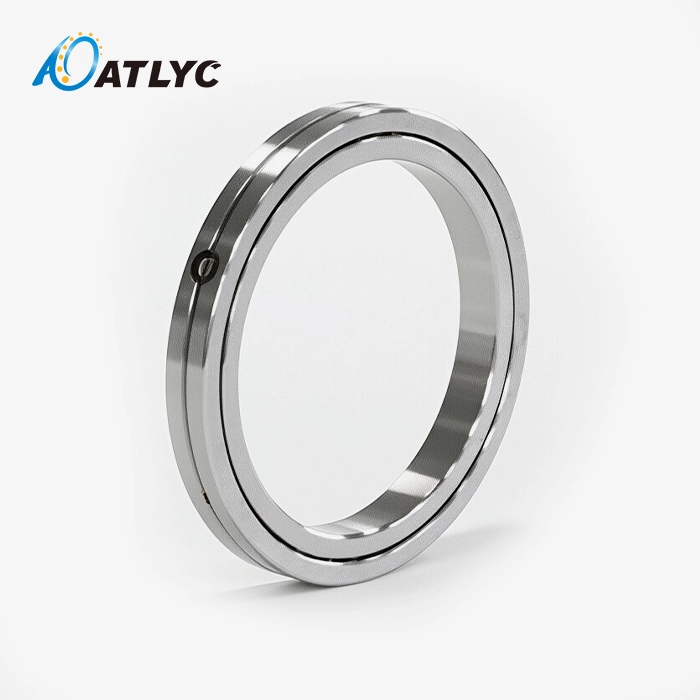
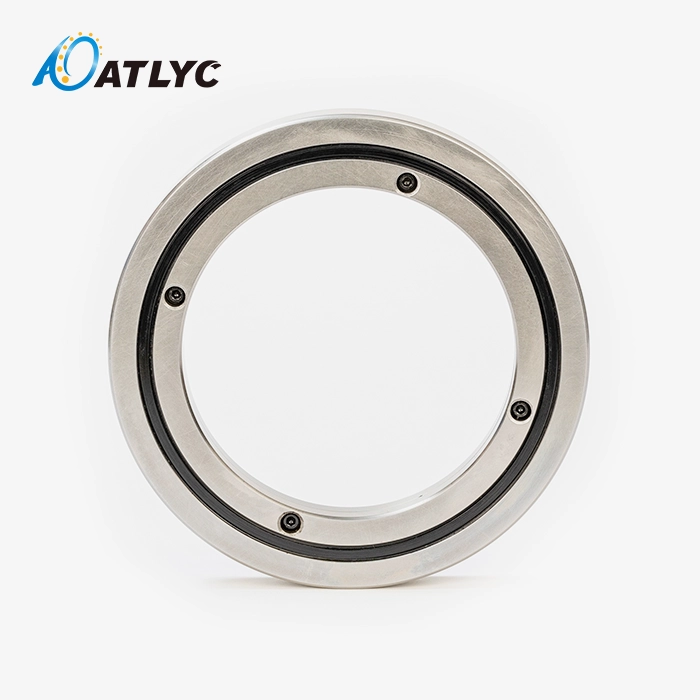
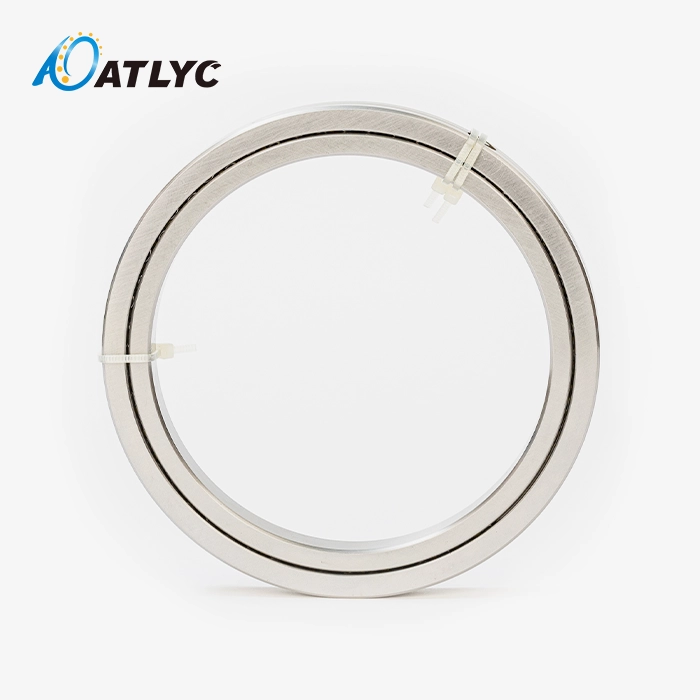
Modern assembly lines need parts that are very precise, cross roller bearing SX series, and can work in areas that are getting smaller and smaller. The Cross roller bearing SX series meets these important needs with cutting-edge engineering that blends very thin profiles with great load-carrying capacity. These special bearings have a combined inner ring and a split outer ring. This lets makers get better rotational accuracy in situations where regular bearings don't work. The SX series handles radial, axial, and moment loads at the same time in a single compact unit, thanks to cylindrical rollers placed orthogonally within precision V-groove raceways. This changes the way that space-limited mechanical design problems are solved on precision assembly lines.
Understanding the SX Series Cross Roller Bearings
The Cross roller bearing SX series is a big step forward in bearing technology. It was made to meet the high standards for accuracy and longevity that are needed in modern assembly lines. One thing that makes these bearings stand out is their unique design, which improves efficiency while minimizing space needs.
Revolutionary Design Architecture
The SX series employs a distinctive structural configuration that sets new benchmarks for precision bearing applications. The design uses cylinder-shaped rollers grouped in a crossed pattern inside V-groove raceways that are 90 degrees apart and are held in place by precision-machined gap supports. This design of orthogonal rollers lets the bearing handle complex loads acting in multiple directions at the same time while keeping a level of rotational accuracy that other bearings can't match. The split outer ring design makes installation more flexible without affecting the structure's strength, and the continuous inner ring design makes it stiffer and more precise. The outer ring assembly is made up of two perfectly cut halves that are held together by three fastening rings. This makes a strong housing that stays the same size even when the load changes.
Technical Specifications and Load Capacity
Precision in manufacturing is still very important in the SX series, and bearings come in a wide range of sizes to meet the needs of a wide range of applications. The series has inner sizes ranging from 20mm to 1,100mm, outer diameters ranging from 70mm to 1,500mm, and widths ranging from 12mm to 110mm. This gives engineers a lot of design options for making complicated assembly lines. The SX series's crossed roller design makes it great at carrying heavy loads, which is an important performance factor. The orthogonal design evenly spreads forces across the raceway surfaces, which makes it possible to use a single bearing in places where multiple bearings were needed before. This way of designing cuts down on the complexity of the building process while also making the system more reliable overall. Choosing the right materials is a key part of making sure that performance standards are always met. The bearings are made of high-quality Gcr15 and Gcr15SiMn steels, which were chosen because they keep their strength, don't wear down easily, and stay the same size at different temperatures. Specialized heat treatment methods are used on these materials to get the best metallurgical qualities that allow them to last longer in use.
Precision Manufacturing Standards
The SX series has accuracy ratings for P6, P0, P5, P4, and P2 grades. The cross roller bearing SX series lets you match the right part to the job perfectly. The ultra-thin profile design makes the best use of space while still keeping the structural strength needed for precise assembly line work. Advanced grinding and finishing methods are used in the manufacturing process to make sure that the surface quality and measurement accuracy are the same from one production batch to the next.
Comparing the SX Series to Other Bearing Solutions
When purchasing, professionals know how the Cross roller bearing SX series stacks up against other bearing technologies; they can make choices that meet their business needs and stay within their budget.
Performance Against Standard Cross Roller Bearings
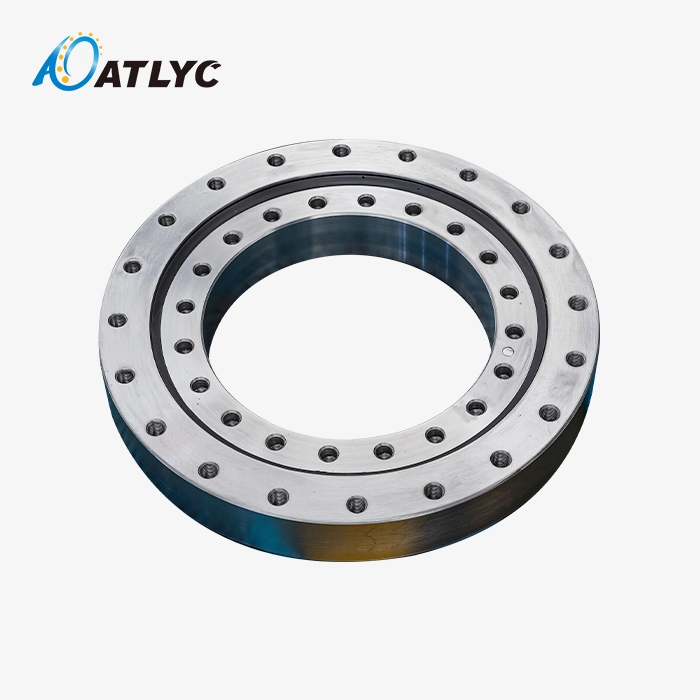
Comparison with regular cross roller bearings shows that the SX series has better load distribution and higher spinning accuracy. The design of the integrated inner ring keeps deflection to a minimum when the bearing is loaded, and precise production guarantees consistent runout accuracy, which means that the bearing can be placed reliably in demanding situations. Standard cross roller bearings often need holes in the rings to be able to be mounted, which can weaken the structure and make installation less flexible. With its flange and housing fixation method, the SX series gets rid of this limitation. This gives engineers more design freedom while still keeping its better load-bearing capabilities.
Comparison with Alternative Bearing Types
When compared to standard ball bearing and angular contact bearing combinations, the SX line has clear benefits. In most cases, complex load situations need more than one bearing. But with the SX series, a single bearing can handle radial, axial, and moment loads at the same time. This consolidation makes building easier, gets rid of alignment issues, and lowers the need for upkeep. Another option is crossed cylindrical roller bearings, but they don't usually save room or allow for as many mounting options as the SX series. The very thin shape of SX bearings makes it possible to fit them into tight spaces while still providing the same or better load-carrying capabilities.
Cost-Performance Considerations
An economic analysis shows that even though SX series bearings may cost more than normal solutions, the combined usefulness of these bearings often leads to lower overall system costs. Getting rid of the need for multiple bearings, cutting down on assembly time, and lowering the amount of upkeep needed all help to make the total cost of ownership estimates more favorable, which makes the initial investment worth it. The SX series is a great choice for users who need high precision without having to pay a lot of money for ultra-premium bearing grades because it has a great cost-to-accuracy ratio. This combination makes the technology useful for more industrial uses while still meeting the high standards needed for accurate assembly lines.
Procurement and Supply Chain Considerations for SX Series
To successfully buy Cross roller bearing SX series parts, you need to know a lot about global supply networks, production skills, and logistical issues that can affect project timelines and the continuity of operations.
Supplier Selection and Qualification
To find suitable makers, you need to look at their production skills, quality standards, and the expert support resources that are important for a successful long-term relationship. Leading providers keep their ISO 9001 and IATF 16949 certifications, which show that they are committed to quality control and meeting foreign standards. When looking at possible sources, it's important to know how much manufacturing ability they have, especially for high-volume uses or custom designs. Well-known companies like ATLYC have grown from having a single workshop to having huge factories with many production lines. This lets them offer supply options that can be expanded as needed by customers. Lead times and transportation costs are affected by how close a seller is to key markets. This is why supplier location is an important part of procurement plans. Manufacturers who sell their goods in countries like South Korea, the US, Germany, Russia, Iran, and Turkey show that they have the foreign experience and cultural awareness that is needed for business Cross roller bearing SX series relationships to run smoothly.
Custom Manufacturing and Engineering Support
Because precision assembly lines are so complicated, they often need custom bearing solutions that can't be found in a normal catalog. Leading makers offer engineering support services that include application analysis, custom design development, and making prototypes to test how well the product works before committing to full production. In addition to saving money, buying directly from a factory has other benefits as well, such as direct access to engineering experts, priority scheduling for production, and better exposure for quality control. These connections are especially helpful when making custom solutions for the needs of a specific production line.
Lead Time Management and Inventory Planning
Knowing how long wait times usually are helps procurement workers make project schedules and inventory management plans that are more realistic. Standard setups usually have faster delivery times than custom options. For projects with tight deadlines, early application planning is very important. Minimum order amounts are different for each maker and product configuration, which affects how to buy things and how much you need to spend on inventory. Setting up blanket orders or planned delivery deals can help you keep track of your cash flow and make sure that you always have the parts you need to keep production going.
Maintenance and Longevity Optimization
To get the most out of SX series bearings, you need to follow certain maintenance procedures and use smart load management techniques that keep the bearings' stability over long periods of use.
Lubrication Requirements and Schedules
Proper lubrication is the key to longer bearing life. For the SX series, you need high-quality lithium soap group grease with extreme pressure additives. Crossed rollers have special lubricant needs because the contact patterns are not parallel to each other, and the film width needs to stay the same even when the load changes. When to re-grease depends on the speed of operation, the temperature, and the surroundings. In normal conditions, plans are usually between six and twelve months. In high-speed situations or places with high temperatures, the oil film may need to be checked more often to keep it in good shape.
Load Management and Operational Guidelines
Knowing the limits of a load's ability to support it ensures peak performance and prevents premature wear or failure. The Cross roller bearing SX series can handle a wide range of load types, but it is still essential to remain within specified limits to meet design life standards. When calculating loads, factors such as dynamic conditions, shock loads, and thermal expansion must be considered, as they can significantly influence bearing stress levels. During installation, careful attention should be given to housing fit and preload settings, particularly because the outer ring is split. Proper housing support is critical to prevent ring deformation, which could affect rotational smoothness and bearing lifespan. Since the ring structures do not include fastening holes, the flange and housing design must be precisely engineered to ensure effective support and proper load transmission.
Preventive Maintenance Best Practices
Setting up regular review times helps find problems early on, before they become expensive failures. Visually checking the seals, noting how smooth the spinning is, and keeping an eye on the working temperatures are all early warning signs of problems that can be fixed by maintenance. Common reasons for failure include not enough lubrication, pollution getting in, and bad-fitting methods. When maintenance teams understand these ways that bearings fail, they can take preventative steps that make bearings last much longer while still meeting exact performance standards.
Applications and Case Studies in Precision Assembly Lines
Due to their performance and adaptability, the Cross roller bearing SX series is an important part of many high-precision industrial uses that need accurate rotation and a small size.
Industrial Robotics and Automation
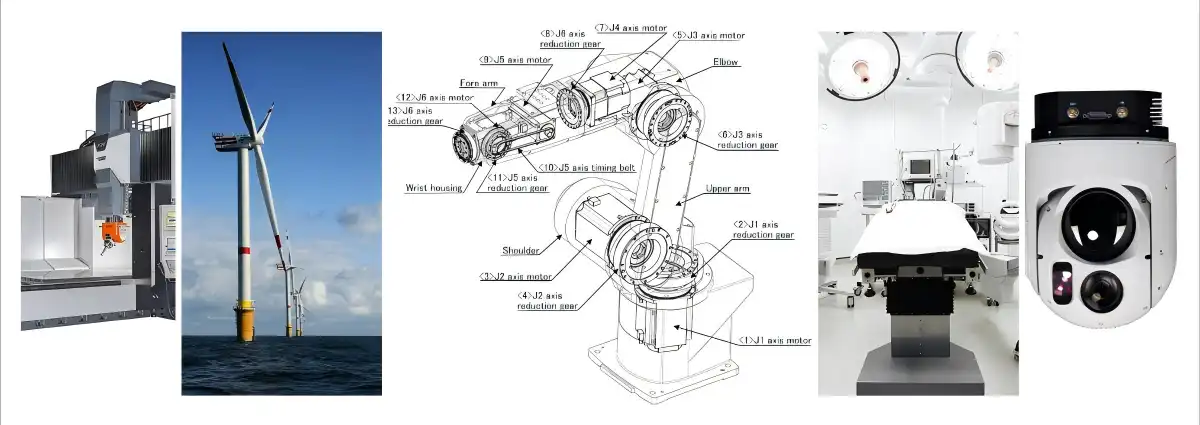
In industrial robotics applications, SX series bearings are very important in joint setups and rotating parts where space is limited, and accuracy is needed. Six-axis articulated robots use these bearings in joint pivots. The ability of the inner ring to rotate allows for smooth, precise movement that is needed for repeatable, accurate placement. For automatic assembly tasks, the SX series is very useful because it can handle the extra weight that comes from robot arms that hang over other parts while still being able to place things with micron-level accuracy. When manufacturing facilities switch from traditional bearing solutions to SX series components, run times get faster, and upkeep needs go down.
Precision Machining Centers
CNC machining centers and precision cutting tools use SX series bearings in rotary table applications. Cross roller bearing SX series, where very accurate runout has a direct effect on the quality of the part. The design of the continuous inner ring keeps the rotational accuracy needed for complicated multi-axis machining processes while minimizing deflection under heavy object loads. Case studies from companies that make car parts show that using SX series bearings in rotary table assemblies led to measured changes in the quality of parts and the efficiency of production. Precision manufacturing markets are more competitive because setup times are shorter and surface finish quality is better.
Medical Device Manufacturing
The SX series easily meets the high standards for cleanliness and accuracy needed in places that make medical devices. Precision positioning systems for surgery robot parts, imaging equipment rotation mechanisms, and laboratory automation equipment that need to keep things clean and run smoothly are all examples of uses. The low friction and smooth spinning features keep vibrations from getting through, which could lower the quality of images or measurements. After using SX series bearing technology, companies that make medical devices say their equipment is more reliable and needs less upkeep.
Semiconductor and Electronics Manufacturing
IC manufacturing devices and semiconductor processing equipment use SX series bearings in chip handling systems, precision positioning stages, and measurement tools that need to be very sensitive to contamination and very accurate in their position. The sealed design choices available in the SX series help keep it compatible with cleanrooms while giving it the accuracy needed for advanced industrial processes.
Conclusion
The Cross roller bearing SX series is a great value for precision assembly line uses, thanks to its unique design that blends very thin profiles with great load-bearing abilities. The building of the combined inner ring and split outer ring gives it better rotational accuracy while still being able to handle complex load scenarios in tight spaces. With a wide range of sizes, different levels of exact accuracy, and years of proven use in a wide range of industrial settings, these bearings are the best choice for companies that want to improve the accuracy and dependability of their assembly lines. With its advanced materials, precise manufacturing, and well-thought-out engineering, the SX series is an essential part of the next wave of precision manufacturing tools.
FAQ
1. What distinguishes the SX series from standard cross roller bearings?
The main difference is between designs with a complete inner ring and those with a split outer ring, which is best for rotating the inner ring. Cross roller bearings that aren't part of the SX series don't have fixing holes that weaken the structure. Instead, they use flange and housing fastening, which keeps the bearings more rigid and precise.
2. Can the split outer ring be disassembled during installation?
When it is made, the split outer ring is precisely adjusted to make sure that the parts fit together perfectly. If you take this matched set apart, you'll lose the carefully controlled preload settings and clearance changes. This will hurt performance and greatly shorten the life of the bearings.
3. What lubrication specifications are recommended for SX series bearings?
The best greasing is high-quality lithium soap group grease that has extreme pressure ingredients in it. Re-lubricating at regular times, usually every six to twelve months, depending on the conditions of use, keeps the film intact and increases the life of the bearing.
4. How do I determine proper housing tolerances for split outer ring installation?
To keep the structure strong, the split outer ring form needs careful attention to how the housing goes. Transition fits or small interference fits usually give enough support to keep the accuracy needed for the best bearing performance while stopping the ring from creeping under load.
5. What accuracy grades are available in the SX series?
The SX series has a wide range of accuracy grades, such as P6, P0, P5, P4, and P2. This makes it possible to precisely match products to a wide range of needs, from general commercial use to ultra-precision uses that need the highest level of rotational accuracy.
Partner with ATLYC for Your Cross Roller Bearing SX Series Requirements
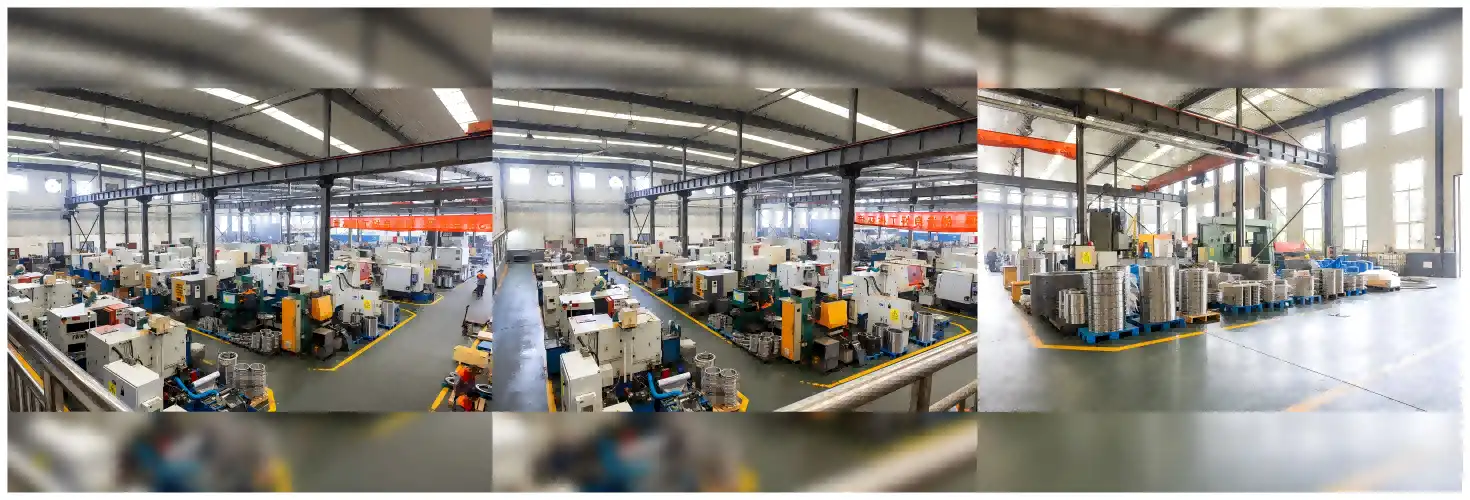
ATLYC is ready to help you with your precise assembly line needs with a full range of Cross roller bearing SX series options backed by fifteen years of manufacturing excellence and foreign knowledge. Our ISO 9001 and IATF 16949-certified building has six specialized production workshops with 120 skilled workers whose sole goal is to provide consistent quality and dependable supply solutions. ATLYC has the technical know-how and manufacturing skills to handle even the most difficult projects. They offer unique engineering help and scalable production capacity. Get in touch with our team at auto@lyautobearing.com to talk about your needs and find out why ATLYC is the chosen provider for top manufacturers around the world for the Cross roller bearing SX series.
References
1. Thompson, R.J. "Advanced Bearing Technologies for Precision Manufacturing Equipment." Journal of Manufacturing Engineering, Vol. 45, No. 3, 2023, pp. 78-92.
2. Chen, L. and Martinez, A. "Cross Roller Bearing Performance in High-Speed Automation Applications." International Conference on Industrial Bearings and Tribology, Berlin, 2024.
3. Industrial Automation Research Institute. "Precision Assembly Line Component Selection Guide: Bearing Technologies for Modern Manufacturing." Technical Publication Series, 2023.
4. Williams, K.M. "Load Distribution Analysis in Crossed Roller Bearing Systems." Tribology and Mechanical Engineering Quarterly, Vol. 28, No. 2, 2024, pp. 156-171.
5. European Precision Manufacturing Association. "Quality Standards and Performance Metrics for Industrial Bearing Applications." Industry Standards Manual, 4th Edition, 2023.
6. Zhang, H., Parker, D., and Johnson, S. "Thermal Stability and Dimensional Precision in Advanced Cross Roller Bearing Designs." Materials Science and Engineering Applications, Vol. 67, 2024, pp. 203-218.
Learn about our latest products and discounts through SMS or email