- English
- French
- German
- Portuguese
- Spanish
- Russian
- Japanese
- Korean
- Arabic
- Greek
- German
- Turkish
- Italian
- Danish
- Romanian
- Indonesian
- Czech
- Afrikaans
- Swedish
- Polish
- Basque
- Catalan
- Esperanto
- Hindi
- Lao
- Albanian
- Amharic
- Armenian
- Azerbaijani
- Belarusian
- Bengali
- Bosnian
- Bulgarian
- Cebuano
- Chichewa
- Corsican
- Croatian
- Dutch
- Estonian
- Filipino
- Finnish
- Frisian
- Galician
- Georgian
- Gujarati
- Haitian
- Hausa
- Hawaiian
- Hebrew
- Hmong
- Hungarian
- Icelandic
- Igbo
- Javanese
- Kannada
- Kazakh
- Khmer
- Kurdish
- Kyrgyz
- Latin
- Latvian
- Lithuanian
- Luxembou..
- Macedonian
- Malagasy
- Malay
- Malayalam
- Maltese
- Maori
- Marathi
- Mongolian
- Burmese
- Nepali
- Norwegian
- Pashto
- Persian
- Punjabi
- Serbian
- Sesotho
- Sinhala
- Slovak
- Slovenian
- Somali
- Samoan
- Scots Gaelic
- Shona
- Sindhi
- Sundanese
- Swahili
- Tajik
- Tamil
- Telugu
- Thai
- Ukrainian
- Urdu
- Uzbek
- Vietnamese
- Welsh
- Xhosa
- Yiddish
- Yoruba
- Zulu
What Are 60 Series Ball Bearings Used For?
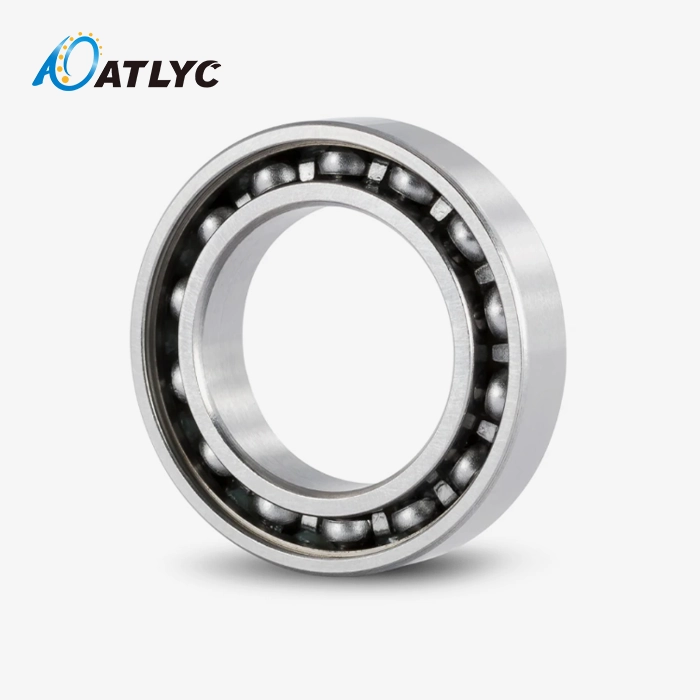
60 Series Ball Bearings are precision-engineered single-row deep groove ball bearings that serve as critical components in applications requiring compact design with exceptional performance. These ISO metric 'Light' series bearings excel in space-constrained environments where weight reduction remains paramount. Manufactured from high-carbon chrome steel (GCr15) with specialized heat treatment achieving 60-64 HRC hardness, these bearings accommodate radial loads and moderate axial loads in both directions at high speeds. Their optimized raceway geometry and compact outer diameter enable engineers to downsize housing dimensions without sacrificing rotational precision, making them indispensable for modern mechatronics and high-efficiency electric motors.
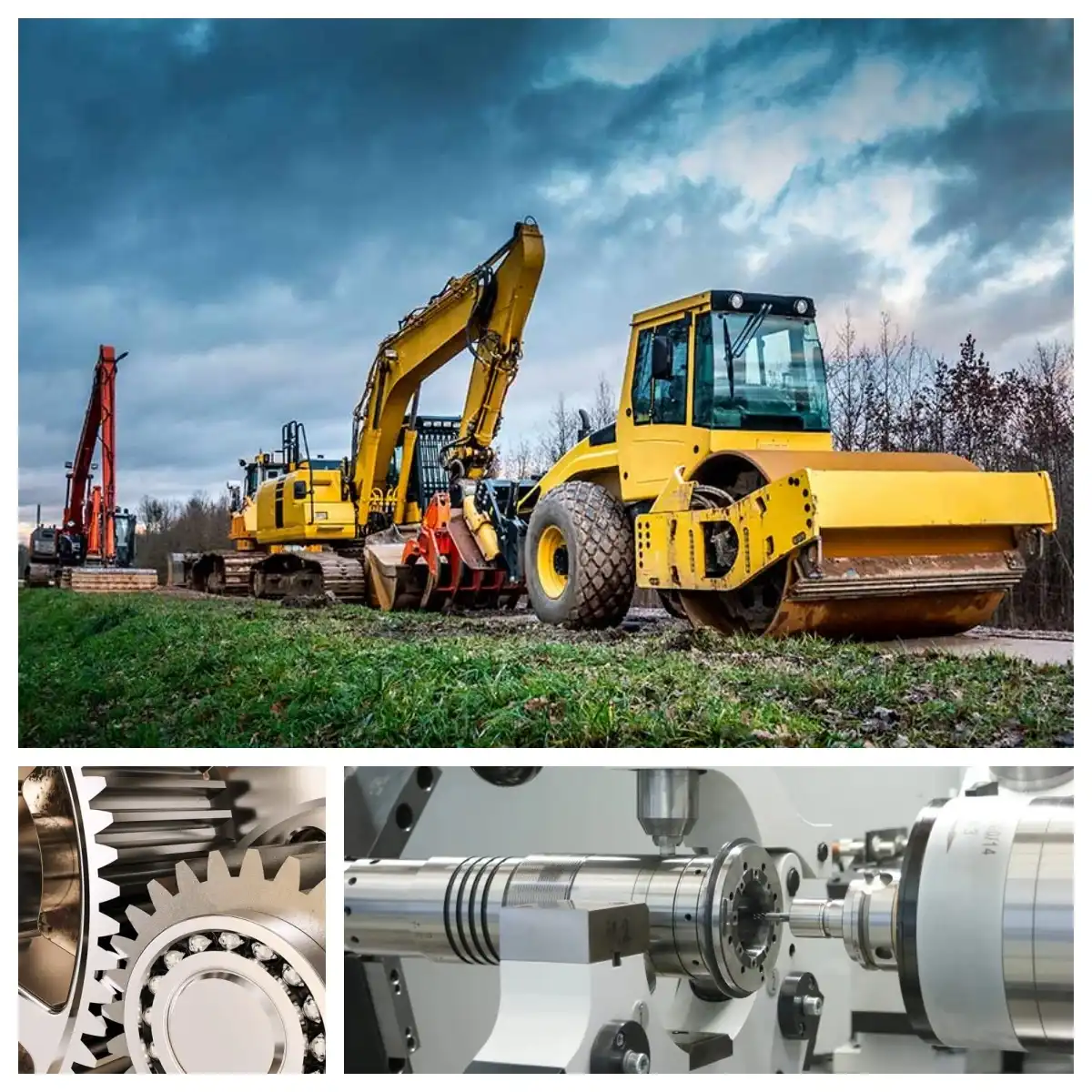
Introduction to 60 Series Ball Bearings
Due to their steady performance and small size, the 60 series ball bearings are precision-engineered parts that are important in many industrial settings. These bearings are made to exact measurements set by ISO 15 and DIN 625. This makes sure that they work with machinery made in other countries.
Core Specifications and Design Features
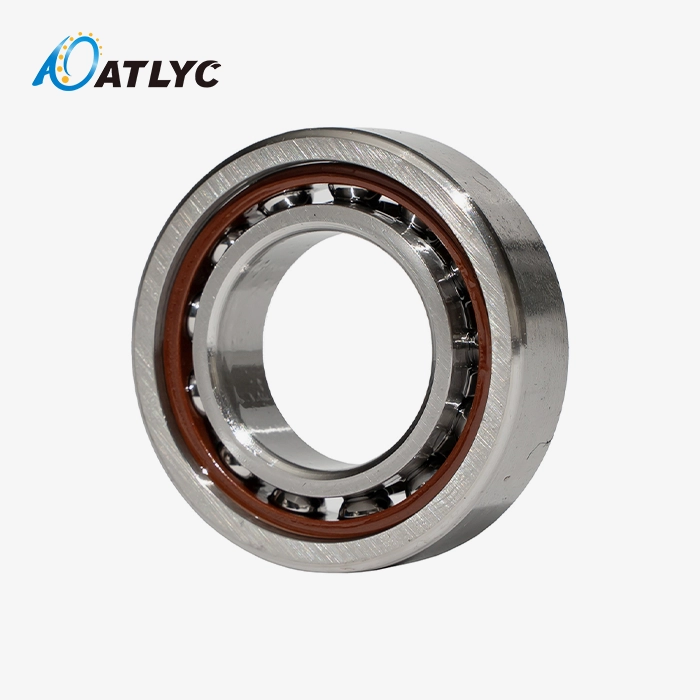
The main idea behind these bearings is that their cross-section is smaller compared to their bore size, compared to the 62 (Medium) and 63 (Heavy) series options. The number "60" clearly refers to the width series, and the outer circle optimization is aimed at users who need the least amount of radial room. This feature is very helpful when the housing size needs to be kept as small as possible while still ensuring high spinning accuracy. There are a number of important parts in the internal framework that make it work better. The inner and outer rings have deep, continuous raceway lines that make sure the load is spread out evenly. Precision steel balls make sure that the machine runs smoothly for long periods of time. More modern cage systems use steel stamped, brass, or synthetic materials, based on the needs of the application. There are optional sealing options that offer better defense against pollution in tough settings.
Material Composition and Engineering Properties
High-carbon chrome steel (GCr15/SAE 52100) that goes through special heat treatment methods is the first step in making high-quality products. This process makes the material as hard as it can be, which is between 60 and 64 HRC. This gives it the best protection against fatigue and wear. The choice of material has a direct effect on how long the bearing lasts and how consistently it performs in a range of operating circumstances. Precision in geometry is also an important part of how well a bearing works. The deep raceway groove design creates osculation ratios of about 52 to 53%, which balances the performance between high load capacity and low friction torque. With radial runout values of less than 5 micrometers, high-precision versions of the 60 Series Ball Bearings are very accurate and meet strict quality standards for demanding uses.
Key Applications of 60 Series Ball Bearings
For many years, these bearings have been used in many different types of industries. Each one benefits from its special mix of small size and good performance. Professionals in procurement can find the best bearing options for each project by understanding these uses.
Industrial Machinery and Equipment
One of the most important places where these precise parts are used is in electric motors. Motor density is very important for the total efficiency of high-speed electric motors, especially brushless DC and servo setups. The small size lets developers get the most power out of the device while reducing the need for housing. These bearings handle high-frequency spinning well while reducing the problems with thermal expansion that come with smaller gaps. The bearings can handle both radial and mild axial loads at the same time, which is useful for gearbox use. The precise production makes sure that power is sent smoothly with little energy loss, which improves the efficiency of the whole system. Pumps and conveyor systems depend on these bearings to keep working properly for long periods of time. When they don't, it directly affects the continuation of production.
Automotive and Transportation Components
The automotive sector utilizes these bearings extensively in transmission systems where space constraints demand compact solutions without performance compromise. Wheel bearing sets are useful because they can work at high speeds and carry loads. The bearings' ability to maintain precision under varying temperature conditions makes them suitable for diverse automotive applications. When used in electric vehicles, these bearings handle the unique problems that come up well. Meeting Z2V2 noise standards, the quiet operation features add to the total refinement of the car. Their high efficiency at high rotational speeds is exactly what current electric motors need for power systems in cars.
Precision Industrial Robotics and Automation
Low starting force and high positional precision are needed for robotic joints and optical encoders. These bearings give robotic arms the strength they need while also cutting down on weight. This makes the dynamic reaction better. They work effectively in complicated settings where they have to speed up and slow down quickly, which is common in industrial automation. Flow meters and anemometers work in fluid-dynamically sensitive areas where bearing drag must be very low. The bearings, which are usually oiled with low-viscosity instrument oil or solid lubricants, keep the rotor turning even when the flow rate is low. This keeps the measurement accuracy that is important for process control applications.
Technical Insights — How 60 Series Ball Bearings Work and Their Advantages
If you understand the mechanical principles behind these bearings, you can make smart choices for engineering uses. The bearings work by spreading loads evenly across their track surfaces and reducing friction by designing the ball-to-raceway contact shape in the best way possible.
Load Distribution and Friction Characteristics
Dynamic and steady load rates are important ways to figure out how much 60 Series Ball Bearings weight something can hold under normal use. The bearing's dynamic load rating tells you how long it can handle moving loads, and the bearing's static load rating tells you how much weight it can hold without permanently deforming. These specs help engineers choose the right bearings for different types of loads. It has a low friction rate because the touch between the ball and the raceway is maximized, which lowers the energy lost during operation. This trait is especially useful in high-speed situations where the production of heat needs to be kept under control. Because of how they are made, the bearings have very little internal wear and stay structurally sound even when the load changes.
Comparative Performance Advantages
When compared to other types of bearings, like roller bearings or sleeve bearings, these parts are much better at speed performance and durability. Roller bearings can hold more weight, but when they're going fast, they make more friction. More care needs to be taken on sleeve bearings because they need to be oiled all the time.
Here are the core operational advantages these bearings provide:
- High-Speed Capability: Low heat production at high RPMs lets high speeds be maintained without lowering efficiency.
- Flexible Configuration Options: Comes in open, protected (ZZ), and sealed (2RS) versions to meet different weather needs.
- Better Noise Control: Standard output meets Z2V2 noise levels, and electric motor quality variations meet Z3V3 or Z4V4 standards.
- Longer Service Life: Better internal geometry and higher-quality materials help keep repair gaps short.
These benefits successfully solve common production problems like machine breakdowns, worries about energy use, and keeping track of maintenance costs. The total cost of ownership goes down, and operational effectiveness goes up in manufacturing sites.
Operating Parameters and Maintenance Protocols
For normal setups, the operating temperature range is usually between -20°C and +120°C. However, there are special versions that can handle wider temperature ranges. Choosing the right lubricant has a big effect on how well the bearing works and how long it lasts. Most of the time, lithium-based greases work best in most situations, while synthetic lubricants are better in places with very high or low temperatures. Monitoring grease, analyzing vibrations, and keeping an eye on temperatures are all important parts of maintenance plans. Setting up regular check times helps find problems before they cause tools to break down. Correct fitting methods, such as using the right mounting processes and making sure the housing fits well, have a direct effect on how well the bearing works and how long it lasts.
How to Choose the Right 60 Series Ball Bearings for Your Project
A lot of technical and practical factors must be taken into account when choosing the right bearings. To make sure the best bearing is chosen, this process needs to know both what the current application needs and what the future operating needs will be.
Load Requirements and Speed Considerations
The first step in load analysis is to figure out the radial 60 Series Ball Bearings and axial forces that the bearing will have to deal with while it is working. Continuous working loads and peak loads, such as during start-up and shutdown, must both be taken into account. Depending on how important the application is and how bad the working setting is, safety factors are usually between 1.5 and 2.0. The required speed directly affects the choice of bearing, especially when it comes to the cage material and lubricant. For high-speed uses, specific cage shapes may be needed to keep the ball in place while reducing rotational forces. The link between speed and load capacity is based on well-known engineering concepts for bearings that help with the choice.
Environmental Conditions and Material Preferences
The operating environment review looks at temperature ranges, amounts of contamination, exposure to moisture, and the need for chemicals to work well together. When working in dirty places, sealed bearings offer better protection, while open bearings are better at getting rid of heat in clean, high-temperature situations. In addition to normal chrome steel, you can choose from stainless steel options for areas that are likely to rust. There are ceramic ball choices that are better for electrical isolation or places that need nonmagnetic qualities. When choosing a material, there are trade-offs between how well it works and how much it costs.
Customization Options and Supplier Evaluation
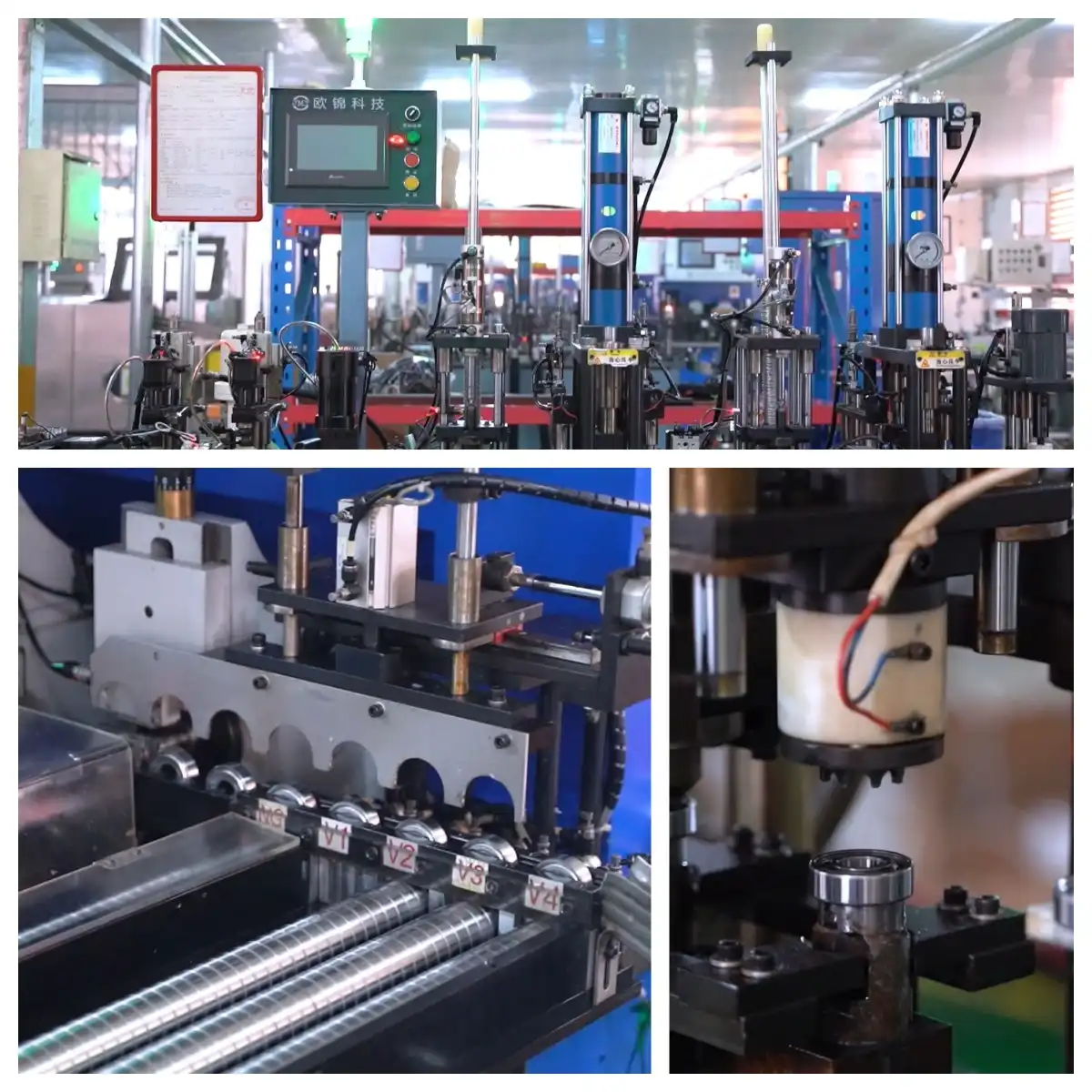
Bearings can be optimized for specific uses when they can be customized. Among the changes that can be made are different lubricants, cage materials, gaps, or better closing systems. With these choices, you can precisely match the bearing's properties to the needs of the application. Evaluation of a supplier includes more than just the original buy price. Quality licenses, like ISO 9001 and IATF 16949 approval, show that a company is dedicated to meeting high-quality standards. A manufacturing capacity review makes sure that providers can meet volume needs while keeping quality standards high. Help with engineering and application advice are two types of technical support that are very useful for complicated applications.ATLYC has a complete way of making bearings that includes all the customization choices that are needed and is backed by a lot of technical knowledge. Our ISO 9001 and IATF 16949 certifications show that we are dedicated to high achievement at every stage of production.
Conclusion
60 Series Ball Bearings are the best choice for uses that need a small size and high performance. Their usefulness in current engineering methods is shown by the fact that they can be used in a wide range of situations, including cars, factories, and precise instruments. Their ability to work at high speeds, carry heavy loads, and be precise in size makes them essential parts for use in limited spaces. Knowing their technical specs, what they need to be used for, and how to choose them lets you make smart purchases that improve machine performance while lowering the total cost of ownership. As the needs for manufacturing continue to change toward greater efficiency and smaller parts, these bearings will stay important for engineering success.
FAQ
What distinguishes 60 series bearings from other bearing series?
The main difference is that their cross-sections are smaller compared to the sizes of their bores. The outer diameters of the 60 series bearings are smaller than those of the 62 (Medium) and 63 (Heavy) series bearings. This makes them perfect for use in a limited room. This feature of the design lets the housing get smaller without affecting the accuracy of rotation, which is very useful in current mechatronics applications.
How do different accuracy grades affect bearing performance?
The accuracy scores P0, P6, P5, and P4 show that the level of accuracy is rising, which means that the performance is also getting better. The P0 grade has average accuracy that is good for most uses, and the P4 grade has the best accuracy, with axial runout values of less than 5 micrometers. Higher accuracy grades have better rotating smoothness, less shaking, and higher speed capabilities, but they cost more at first.
What maintenance practices extend bearing service life?
Maintenance that works well focuses on managing oil correctly, keeping an eye on vibrations, and keeping track of temperatures. The amount of time between lubrications depends on how the machine is used, but for most situations, it's between 6 months and 2 years. Vibration analysis helps find problems before they become major, and temperature tracking makes sure that the system works within its intended limits. The right way to store and handle bearings also makes a big difference in how long they last.
Partner with ATLYC for Premium 60 Series Ball Bearing Solutions
ATLYC combines 15 years of experience making things and ISO 9001 and IATF 16949 certifications to give you the best bearing options for your toughest needs. Our wide range of production options includes making precision GCr15 bearing steel with accuracy grades from P0 to P4, which guarantees the best performance in a wide range of settings. We have been serving car and industrial equipment makers in South Korea, the USA, Germany, Russia, Iran, and Turkey for a long time, so we know how important it is to have stable supply lines and consistent quality. For specific uses, our technical team can fully customize our products, and we offer fast 7-day shipping that keeps your production lines going smoothly. Get in touch with our 60 Series Ball Bearings manufacturer team at auto@lyautobearing.com to talk about your unique needs and find out how our careful engineering can improve the performance of your equipment.
References
1. Harris, T.A. and Kotzalas, M.N. "Advanced Concepts of Bearing Technology: Rolling Bearing Analysis, Fifth Edition." CRC Press, 2006.
2. Hamrock, B.J., Schmid, S.R., and Jacobson, B.O. "Fundamentals of Fluid Film Lubrication, Second Edition." Marcel Dekker Inc., 2004.
3. ISO 15:1998. "Rolling bearings— Radial bearings—Boundary dimensions, general plan." The International Organization for Standardization.
4. SKF Group. SKF released a book in 2018 called "Rolling Bearings Catalogue: Technical Handbook for Deep Groove Ball Bearings."
5. The Tallian, T.E. In 1999, ASME Press published "Failure Atlas for Hertz Contact Machine Elements, Second Edition."
6. Association of American Bearing Manufacturers. "Load Ratings and Fatigue Life for Ball Bearings." ABMA Standard 9-1990, Revised 2016.
Learn about our latest products and discounts through SMS or email