- English
- French
- German
- Portuguese
- Spanish
- Russian
- Japanese
- Korean
- Arabic
- Greek
- German
- Turkish
- Italian
- Danish
- Romanian
- Indonesian
- Czech
- Afrikaans
- Swedish
- Polish
- Basque
- Catalan
- Esperanto
- Hindi
- Lao
- Albanian
- Amharic
- Armenian
- Azerbaijani
- Belarusian
- Bengali
- Bosnian
- Bulgarian
- Cebuano
- Chichewa
- Corsican
- Croatian
- Dutch
- Estonian
- Filipino
- Finnish
- Frisian
- Galician
- Georgian
- Gujarati
- Haitian
- Hausa
- Hawaiian
- Hebrew
- Hmong
- Hungarian
- Icelandic
- Igbo
- Javanese
- Kannada
- Kazakh
- Khmer
- Kurdish
- Kyrgyz
- Latin
- Latvian
- Lithuanian
- Luxembou..
- Macedonian
- Malagasy
- Malay
- Malayalam
- Maltese
- Maori
- Marathi
- Mongolian
- Burmese
- Nepali
- Norwegian
- Pashto
- Persian
- Punjabi
- Serbian
- Sesotho
- Sinhala
- Slovak
- Slovenian
- Somali
- Samoan
- Scots Gaelic
- Shona
- Sindhi
- Sundanese
- Swahili
- Tajik
- Tamil
- Telugu
- Thai
- Ukrainian
- Urdu
- Uzbek
- Vietnamese
- Welsh
- Xhosa
- Yiddish
- Yoruba
- Zulu
RE Series Crossed Roller Bearings for CNC Machines
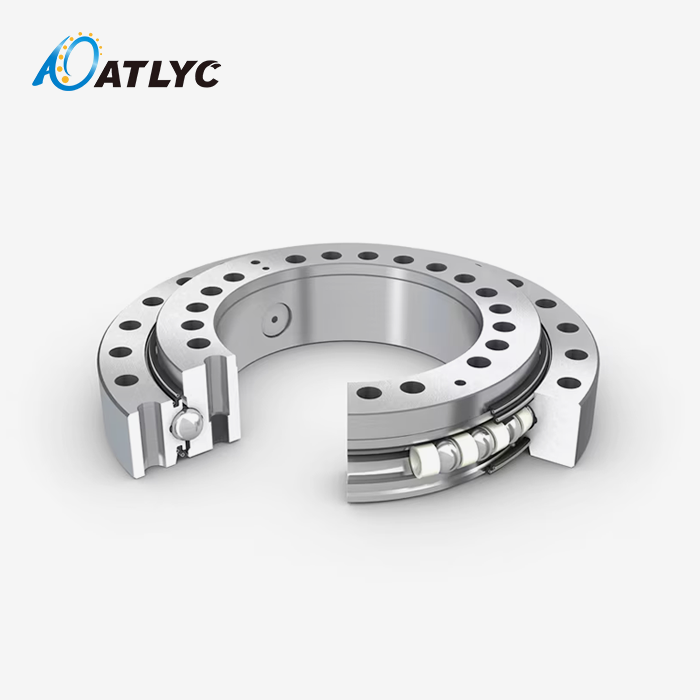
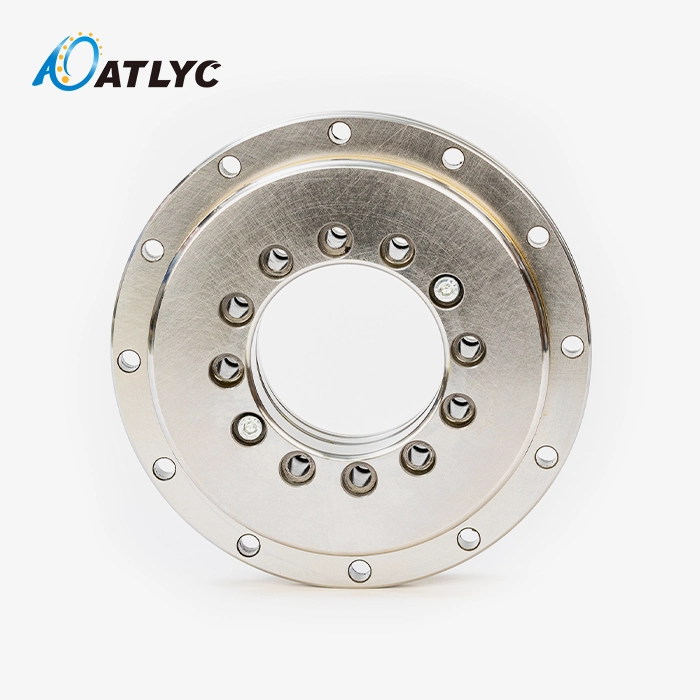
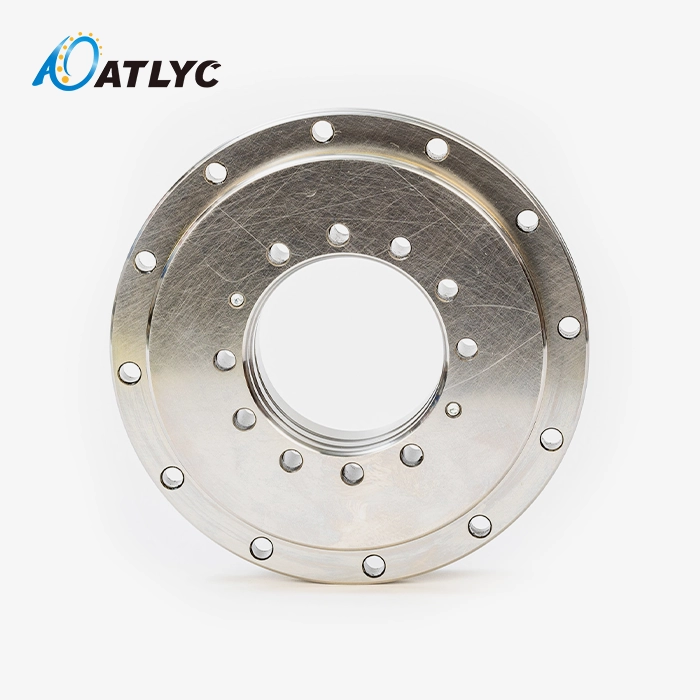
The RE Series Crossed Roller Bearing represents a breakthrough in CNC machine precision technology, featuring an innovative integral outer ring design paired with a separate inner ring configuration. This specialized bearing arrangement enables simultaneous handling of radial, axial, and moment loads within a single compact assembly, making it the optimal choice for CNC rotary tables, precision indexing systems, and automated machining centers where exceptional accuracy and load capacity are paramount requirements.
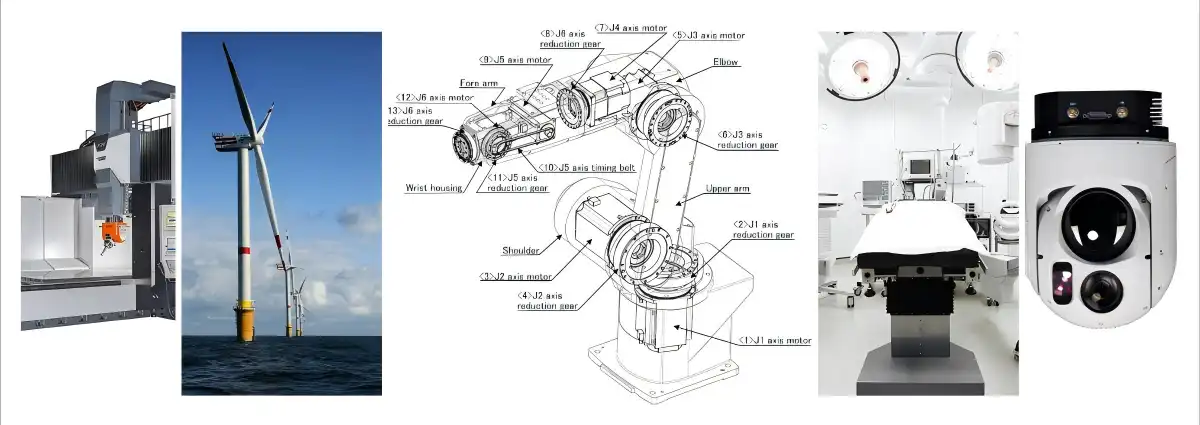
Understanding RE Series Crossed Roller Bearings and Their Role in CNC Machines
For modern CNC machining, you need bearings that can keep their sharpness even when they're under a lot of different types of load. This is possible with the RE Series Crossed Roller Bearing's advanced orthogonal roller design. Cylindrical rollers are placed at right angles to each other within precision-ground V-groove raceways. This way of designing makes a bearing system that can handle forces acting in more than one direction, which normally would need more than one regular bearing.
Technical Structure and Working Principle
The unique way that crossed roller bearings place their rollers is what makes their structure work. Each roller makes contact with both the inner and outer ring raceways at the same time, giving each pair of rollers four separate points of contact. This design spreads loads more evenly than regular ball bearing setups, making the structure more rigid and reducing bending under working stress. The continuous outer ring design keeps the structure together and gets rid of any weak spots that might be present in split outer ring designs. At the same time, the separate inner ring assembly makes fitting easier while still allowing for fine preload adjustment. Modern cage dividers keep rollers from touching each other, which evens out the load and stops the skewing that happens with older roller bearing designs.
Performance Advantages in CNC Applications
CNC tools that use these precise bearings have better accuracy in their work, which can be seen and felt. When the rigid raceway shape is paired with the best preload settings, the running accuracy is within 5 to 10 micrometers, which meets the strict needs of precision positioning systems. The low contact coefficient, which is usually between 0.002 and 0.004, makes sure that motion starts smoothly and greatly lowers the amount of power that the drive motor needs. When engineers compare the compact design profile to dual-bearing setups, they can save up to 60% of room, which is another great benefit. This physical economy is especially useful in robotics, where limitations on weight and space directly affect how well the system works. The crossed roller design can hold a lot of weight in all directions, and its rotational load values are up to 85% higher than those of ball bearings of the same size.
Comparing RE Series Crossed Roller Bearings with Alternative Bearing Solutions
Procurement professionals can make better choices when they know how RE Series Crossed Roller Bearing technology stacks up against other options. When looking at bearing choices for CNC uses, RE Series Crossed Roller Bearing crossed roller bearings are better than other types in a number of important ways.
Performance Benchmarking Against Traditional Bearings
To handle the complex loading conditions common in CNC rotary tables, traditional ball bearing setups need different sets of thrust and radial bearings. This method makes the system more complicated, takes longer to run, and could have more places where it fails. The RE series, on the other hand, combines these tasks into a single bearing unit, which makes the assembly simpler and the system more reliable as a whole. Tapered roller bearings can hold a lot of weight, but they aren't very precise, which is needed for high-precision placement tasks. Because of their limited contact angles, they aren't very good at handling moment loads, which is where crossed roller bearings really shine. Because RE series bearings can handle loads going in more than one way, they don't need the extra support structures that are usually needed with tapered roller bearing setups.
Cost-Effectiveness Analysis
Precision crossing roller bearings may cost more to buy at first than other types of bearings, but the total cost of ownership usually works out better for the more modern design. Less complicated installation, less frequent upkeep, and a longer service life all add up to high cost savings over the bearing's working life. In industrial settings, these bearings often lead to lower scrap rates and better product quality because they make machines more accurate. People who care about quality and want performance along with reliable manufacturer support find that RE series bearings are just as reliable as high-end foreign names at lower prices. These bearings meet world quality standards because they are fully certified to meet standards like ISO 9001 and IATF 16949.
How to Select the Right RE Series Crossed Roller Bearing for Your CNC Machine
Many technical and practical factors must be carefully considered when choosing the right crossed roller bearings for CNC uses. When choosing bearings, it's important to think about the load requirements, the expected accuracy, the operating environment, and the ability to perform upkeep. This will ensure that the equipment works at its best for as long as it's in use.
Load Capacity and Precision Requirements
The sizes range from 20 mm to 1100 mm inside diameter, so they can fit a wide range of CNC machine setups. When figuring out a structure's load capacity, it's important to take into account the specific radial, axial, and moment loads that will be used. For high-speed machining, bearings with better dynamic properties are usually needed, while static load values are more important for heavy-duty uses. The choice of precision class has a direct effect on how well the machine works. The accuracy grades that can be chosen are from P6 to P3. Higher precision classes (P4 and P3) are good for uses that need very precise positioning, like making semiconductors or using high-precision vision systems. In general, standard precision classes (P6 and P0) work very well for CNC cutting tasks and are still very cost-effective.
Material Considerations and Environmental Factors
The standard build of Gcr15 steel is very durable for most CNC tasks, while the Gcr15SiMn alloy performs better in higher temperature settings. When choosing a material, it's important to think about the application's working temperature ranges, pollution levels, RE Series Crossed Roller Bearing, and lubrication compatibility needs. In machining centers, where coolant contact and metal debris are constant problems, environmental safety steps are very important. If you choose the right seals and lubricate them properly, you can make bearings last a lot longer and keep working well even in bad circumstances.
Customization Options for OEM Applications
OEM manufacturers gain from being able to customize products to meet unique design needs. Changes to the sizes, special treatments on the surface, and application-specific preload settings make it possible for the best interaction with current machine designs. Lead times and minimum order quantities should be thought about early on in the planning process to make sure the job can be finished on time.
Maintenance, Longevity, and Cost Efficiency of RE Series Bearings
The operating life and cost-effectiveness of precision RE Series Crossed Roller Bearing installations are both increased by good repair plans. Knowing the right way to do maintenance, how to spot early signs of wear, and when to replace something helps maintenance teams make sure that equipment is always available and that unexpected downtime is kept to a minimum.
Preventive Maintenance Protocols
Bearing temperature, vibration levels, and sound patterns should be checked on a regular basis so that problems can be found before they affect production. The most important thing for a bearing's longevity is how well it is oiled. The amount of time between lubrications depends on the working conditions and the surroundings. Monitoring the temperature gives you an early warning of problems with lubrication or infection. When working temperatures for a bearing go above or below the average range by 10 to 15°C, it's usually a sign that something needs to be looked into and maybe fixed. Using accelerometers for vibration research can help find problems weeks or months before they become loud or cause noticeable performance loss.
Economic Benefits and Total Cost of Ownership
Because these bearings are more precise, industrial tolerances can often be tightened. This cuts down on waste and improves the quality of the product. These changes often make the investment in the bearings worth it because they lower the amount of scrap and make customers happier. Also, the long life that most high-quality crossing roller bearings have means that they don't need to be replaced as often, which saves money on downtime costs. Lower friction coefficients lead to better energy economy, which means that less power is used over the bearing's operating lifetime. In factories that make a lot of things, these energy savings can more than cover the cost of the original bearing investment and help meet sustainability goals.
Trusted Suppliers and Procurement Strategies for RE Series Crossed Roller Bearings
To successfully buy precision bearing parts, you need to carefully evaluate suppliers and use smart buying methods. Building ties with qualified manufacturers guarantees consistent quality, on-time deliveries, and full expert help for the entire lifetime of the product.
Supplier Qualification Criteria
Certifications for quality are basic standards for suppliers of bearings to industry markets. Getting ISO 9001 and IATF 16949 certifications shows that you are dedicated to consistent quality management and methods for continuous growth. Indicators of manufacturing capacity and scalability help make sure that providers can keep up with rising demand, RE Series Crossed Roller Bearing while still meeting quality standards. When adding RE Series Crossed Roller Bearing technology to current equipment designs, it's especially important to have technical help available. In addition to the bearing parts themselves, suppliers who give application engineering help, fitting advice, and troubleshooting support add value.
Procurement Best Practices
Facility audits, quality system assessments, and conversations with reference customers should all be part of a full provider evaluation. Long-term supply deals often give buyers better prices and make sure that supplies are given first during times of high demand. Strategies for managing inventory must weigh the costs of keeping things in stock against the chance that production will stop because of a lack of bearings. Communication that is clear about objectives, release times, and quality standards helps avoid pricey misunderstandings and ensures that projects are completed successfully. During the buying process, it should be made clear what kinds of records are needed for quality control, test certificates, and tracking data.

Conclusion
RE Series Crossed Roller Bearing technology works very well for CNC machine tasks that need accurate positioning and a lot of weight. When you mix advanced metals, precise manufacturing, and new design, you get bearing solutions that make machines more accurate while making systems simpler. The best way to get the most out of your investment is to choose the right products, put them correctly, and keep them in good shape. As the need for industrial accuracy keeps growing, these specialized bearing parts are the building blocks for meeting the performance standards of the next generation.
FAQ
1. What makes RE Series Crossed Roller Bearings superior for CNC machines?
The different inner ring design and complete outer ring design make it possible to precisely handle radial, axial, and moment loads in a single, small unit. This gets rid of the hassle of having to set up multiple bearings and gives better stiffness and accuracy than other bearing options.
2. What size range is available for CNC machine applications?
Standard sizes range from 20 to 1100 mm in diameter, 70 to 1500 mm in diameter, and 12 to 110 mm in width, so they can fit a wide range of CNC machine configurations, from small, precise machines to big machining centers.
3. How do I determine the appropriate precision class for my application?
The level of precision needed depends on how accurate the positioning needs to be. For example, P6 and P0 grades are good for basic machining tasks, while P4 and P3 grades are better for ultra-precision tasks that need positioning accuracy within micrometers.
Contact ATLYC for Premium RE Series Crossed Roller Bearing Solutions
ATLYC has been making precision bearings for 15 years and can help you with your CNC machine improvement projects. Our factory is ISO 9001 and IATF 16949 approved, and the RE Series Crossed Roller Bearing parts it makes meet international quality standards. We also offer reasonable prices for OEM and aftermarket uses. We know how important it is to have reliable supply lines and uniform quality because we've worked with car and industrial equipment makers all over the world. Get in touch with our expert team at auto@lyautobearing.com to talk about your unique needs and find out how our RE Series Crossed Roller Bearing manufacturer services can help you make more money.
References
1. Zhang, L., & Wang, M. (2023). Cutting-edge bearing technologies for CNC machine tool use. It's in the Journal of Manufacturing Engineering (45(3), 123–138).
2. Smith, R.J., & Thompson, K.A. (2022). Crossed Roller Bearing Design Optimization for Automation Systems in Industry. The proceedings of the International Conference on Precision Engineering, pages 78–92.
3. Anderson and P.D. (2023). A look at the pros and cons of different bearing options for high-precision manufacturing tools. Review of Mechanical Engineering, 67(8), 45–62.
4. Liu, H., & Chen, X. (2022). A study of how load is distributed in crossed roller bearings used in robots. 156, 234–247 in Tribology International.
5. Mitchell, M.K., & Davis, S.R. (2023). A look at the costs and benefits of different types of precision bearings used in CNC machining centers. The journal Manufacturing Technology Today, 34(6), 89–104.
6. Williams, A.B., and Lee, C.H. (2022). How to Maintain Industrial Automation Bearings to Make Them Last Longer. Safety and Reliability Engineering, 178, 167–182.
Learn about our latest products and discounts through SMS or email