- English
- French
- German
- Portuguese
- Spanish
- Russian
- Japanese
- Korean
- Arabic
- Greek
- German
- Turkish
- Italian
- Danish
- Romanian
- Indonesian
- Czech
- Afrikaans
- Swedish
- Polish
- Basque
- Catalan
- Esperanto
- Hindi
- Lao
- Albanian
- Amharic
- Armenian
- Azerbaijani
- Belarusian
- Bengali
- Bosnian
- Bulgarian
- Cebuano
- Chichewa
- Corsican
- Croatian
- Dutch
- Estonian
- Filipino
- Finnish
- Frisian
- Galician
- Georgian
- Gujarati
- Haitian
- Hausa
- Hawaiian
- Hebrew
- Hmong
- Hungarian
- Icelandic
- Igbo
- Javanese
- Kannada
- Kazakh
- Khmer
- Kurdish
- Kyrgyz
- Latin
- Latvian
- Lithuanian
- Luxembou..
- Macedonian
- Malagasy
- Malay
- Malayalam
- Maltese
- Maori
- Marathi
- Mongolian
- Burmese
- Nepali
- Norwegian
- Pashto
- Persian
- Punjabi
- Serbian
- Sesotho
- Sinhala
- Slovak
- Slovenian
- Somali
- Samoan
- Scots Gaelic
- Shona
- Sindhi
- Sundanese
- Swahili
- Tajik
- Tamil
- Telugu
- Thai
- Ukrainian
- Urdu
- Uzbek
- Vietnamese
- Welsh
- Xhosa
- Yiddish
- Yoruba
- Zulu
What Are the Benefits of YRT 150 High Precision Rotary table bearing?
The YRT 150 High Precision Rotary table bearing delivers measurable advantages for CNC machining centers, indexing heads, and precision automation equipment. With dimensions of 150mm (ID) × 240mm (OD) × 40mm width, this axial-radial bearing integrates thrust, radial, and moment load capacity into one compact unit. It achieves axial runout within 3–5 micrometers under P4/P2 precision grades, supports axial static loads of 400–500 kN, and eliminates the assembly complexity of traditional multi-bearing setups—making it a preferred rotary table bearing for global OEM procurement teams.
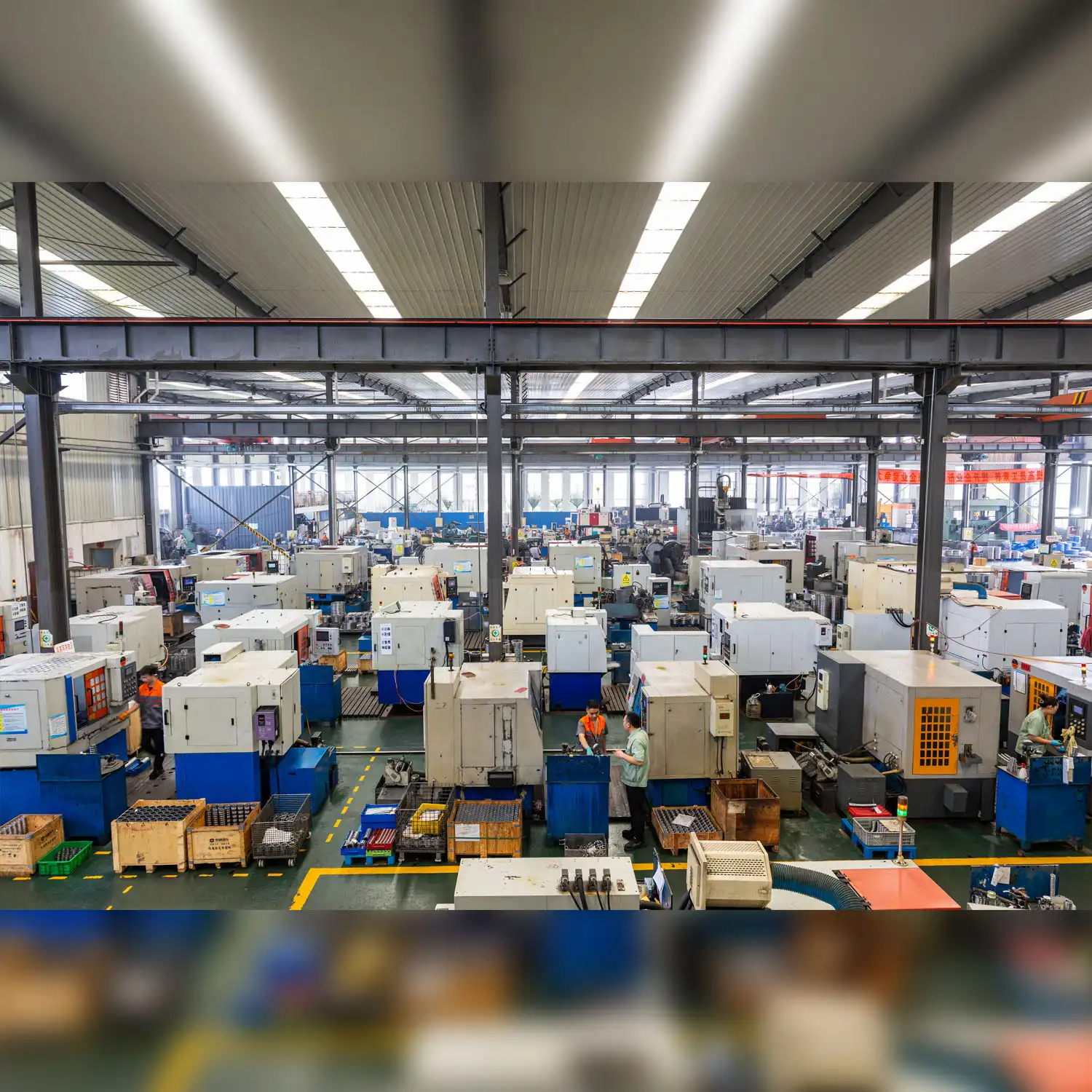
Understanding YRT 150 High Precision Rotary Table Bearing
Technical Specifications at a Glance
The YRT 150 rotary table bearing is made of high-quality GCr15 (100Cr6) bearing steel that has been heated to 58–62 HRC to make it resistant to wear. Its core measurements—150 mm bore, 240 mm outer diameter, and 40 mm width—make it perfect for use in mid-size CNC rotary tables. The axial static load capacity is 400–500 kN, and the radial static load capacity is 150–200 kN. The limiting speed is around 200–250 RPM because of the high preload for maintaining stiffness. The inner diameter is 150 mm, the outer diameter is 240 mm, and the width is 40 mm. The axial static load capacity is 400–500 kN, and the radial static load capacity is 150–200 kN. The limiting speed is 200–250 RPM. The precision grade is P4/P2 (ISO), and the axial runout is ≤ 3–5 μm. The material is GCr15/100Cr6.
| Parameter | Value |
|---|---|
| Inner Diameter | 150 mm |
| Outer Diameter | 240 mm |
| Width | 40 mm |
| Axial Static Load Capacity | 400–500 kN |
| Radial Static Load Capacity | 150–200 kN |
| Limiting Speed | 200–250 RPM |
| Precision Grade | P4 / P2 (ISO) |
| Axial Runout | ≤ 3–5 μm |
| Material | GCr15 / 100Cr6 |
| Hardness (HRC) | 58–62 |
How the Integrated Design Works
Three different types of bearings are built into one unit: a push bearing, a radial bearing, and an indexing device. In this case, the inner ring turns while the outer ring stays in place. The frame is finished off with precision steel balls and a cage assembly. Because of this integration, there is no longer a need for separate bearing housings or retainers. This cuts down on the total mechanical footprint and greatly speeds up assembly on the production floor.
Precision Raceway Engineering
Both the inner and outer raceways are finely ground and super-finished. The double-row angular contact ball setup sets the steel balls at either 45° or 60° contact angles. This lets the bearing handle axial loads, rotational loads, and tilting moments all at the same time. The YRT 150 High Precision Rotary table bearing is different from regular single-direction thrust bearings because of its shape. The surface roughness (Ra) of the raceways meets the requirements to stop micro-pitting and keep the oil film in place throughout the service life.
Advantages of YRT 150 Compared to Other Rotary Table Bearings
People in charge of buying things often want to know how the YRT 150 compares to other types like the YRT 110 that are similar or use cross roller bearings. The table below shows the most common selection scenarios. It shows the bearing type, tilting rigidity, multi-load handling, installation complexity, and typical application. The YRT 150 has very high axial and radial and moment forces, and its moment forces are low (integrated unit). It is used for CNC 4th/5th axis indexing. The Cross Roller Bearing has high axial and radial forces and low precision rotation stages. The YRT 110 has high axial and radial forces and low precision rotation stages. It also has slewing rings. It has high axial and radial forces and heavy loads that cause it to rotate slowly. It is similar to the NTN Equivalent, which has high axial and radial forces and low similar CNC applications.
| Bearing Type | Tilting Rigidity | Multi-Load Handling | Installation Complexity | Typical Application |
|---|---|---|---|---|
| YRT 150 | Very High | Axial + Radial + Moment | Low (integrated unit) | CNC 4th/5th axis, indexing |
| Cross Roller Bearing | High | Axial + Radial | Moderate | Precision rotation stages |
| YRT 110 | High | Axial + Radial + Moment | Low | Smaller rotary tables |
| Slewing Ring | Moderate | Axial + Radial | Higher | Heavy-load slow rotation |
| NTN Equivalent | High | Axial + Radial + Moment | Low | Similar CNC applications |
Where the YRT 150 Outperforms Cross Roller Bearings
It's easy to place things precisely with cross roller bearings, but they're not as good at handling shifting moments as the YRT 150. Cutting forces create strong tilting loads in 4th and 5th axis CNC machining. The YRT 150's double-row angular contact design can handle these forces without deflection, so positional error stays below the micron levels needed for aerospace and automotive tools.
YRT 150 vs. YRT 110: Scaling Up for Larger Loads
The YRT 110 has the same three-in-one design, but its smaller size means it can handle less horizontal and rotational load. When a machining center has to work with heavier pieces or needs a bigger table diameter, the YRT 150 gives it that extra load margin without changing the type of bearings or the way they are mounted. This makes it easy for design experts who are in charge of multiple types of machines to upgrade.
YRT 150 vs. Slewing Rings in Automation
Slewing rings work well for uses with large diameters and slow spinning. The YRT 150 is designed for high-precision, moderate-diameter tasks that require runout accuracy of less than 5 micrometers. The factory preload on the YRT 150 stops backlash in a way that a slewing ring at this hole size can't, making it ideal for robotic joint systems and precision indexing heads.
Practical Considerations for Selecting YRT 150 Bearings
It's not enough to just match the bore sizes when choosing the right axial-radial rotary bearing, such as the YRT 150 High Precision Rotary table bearing. For engineering and procurement teams, these are the most important evaluation criteria:
- Precision grade alignment: P4 grade suits most CNC machining centers; P2 grade is reserved for metrology equipment and medical imaging systems where axial runout must stay below 3 micrometers. Specify your application's tolerance budget before ordering.
- Load case verification: Confirm that your combined axial, radial, and tilting moment loads fall within the bearing's rated static capacities. Overloading a P4-grade bearing with excessive tilting moments accelerates raceway fatigue and shortens service intervals.
- Supplier certification status: ISO 9001 and IATF 16949 certifications are the baseline for automotive-grade supply chains. Verify that your YRT 150 supplier holds current certificates—not just expired ones posted on a product page.
- Lead time and inventory depth: For production lines that cannot tolerate stoppage, confirm that your supplier maintains buffer stock or offers a committed replenishment schedule.
These factors have a direct effect on the performance and total cost of ownership of CNC tools. It's much more expensive for a bearing to come late or not meet the tolerance specifications than for two different providers to offer the same price.
OEM Customization Options
Many machine builders need small changes, like different mounting hole patterns, special lubrication ports, or non-standard preload levels. A good YRT 150 manufacturer should offer engineering advice and help with prototypes without setting low minimum order quantities that put a strain on project budgets.
Quality Control Checkpoints
Using a CMM and Taylor Hobson roundness tools to check for dimensions and runout makes sure that the runout of the inner and outer rings stays within the P4/P2 limits. Starting torque testing confirms that the preload is consistent; irregular torque points to problems with the raceways or the wrong size rollers. The depth of the heat treatment is confirmed by hardness tests using metallographic analysis and HRC measurement. Before they can be shipped, raceways must be tested for surface roughness (Ra).
Installation and Best Practices for Maximizing YRT 150 Bearing Benefits
The precision you pay for is safest when it is installed correctly. Before mounting, make sure that all surfaces that touch are clean and that the housing bore and shaft dimensions are within the allowed ranges. Any dirt or unevenness on the surface goes straight into the bearing runout. For applications requiring this level of accuracy, the YRT 150 High Precision Rotary table bearing should be installed with the same attention to surface condition and dimensional tolerances.When tightening fixing screws, use torque wrenches that have been measured. To spread the preload evenly across the raceway contact zones, follow the cross-pattern tightening sequence. The most common reason why rotary table bearings lose their runout too soon is that they are not tightened evenly.Managing the temperature is also important. If you run the YRT 150 above 120°C without checking with the maker first, the lubricant's viscosity can drop, and the steel on the track surface will temper faster. For uses with a lot of cycles, keep an eye on the working temperature and choose a grease grade that fits your thermal profile.Keep dirt and germs out. Within a few hours of operation, even small metal chips from nearby cutting operations can get stuck in raceways and cause micro-pitting. Set up the right closing systems and plan how often to check them based on how dirty your surroundings is.
Why YRT 150 Is the Preferred Choice for High-Precision Rotary Applications
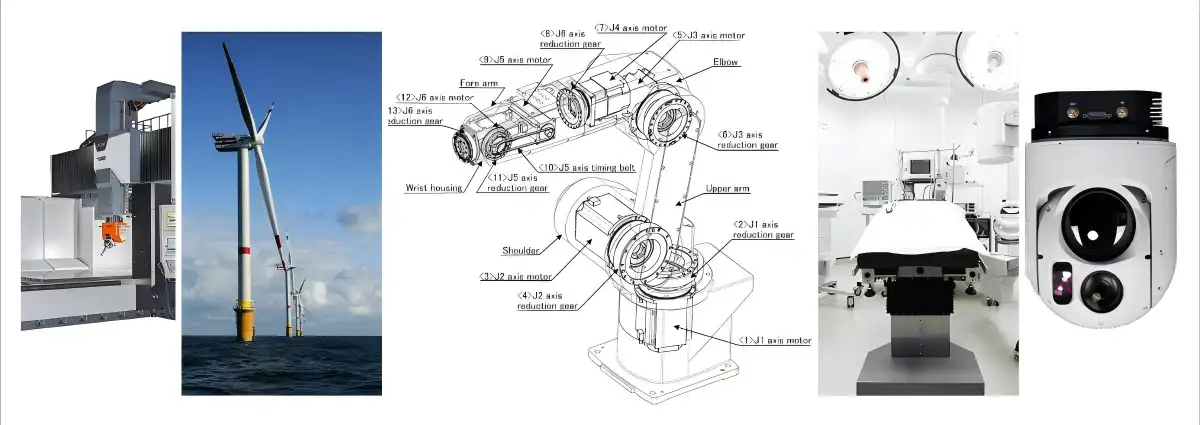
The YRT 150 rotary table bearing is widely used in CNC machines that work on the 4th and 5th axs because it keeps the table in the same place during heavy milling processes. Manufacturers of gears and turbine parts depend on it for zero-backlash angular indexing, which means that a single arc-second of error can render a part nonconforming. Medical tomography scanner makers say that the bearing must rotate in a way that is ultra-smooth and doesn't stick or slip so that shaking doesn't change the images.You really will get your money back in the long run. Over the life of a machine, less assembly work, fewer repair rounds, and lower downtime costs add up. The YRT 150 axial-radial bearing regularly shows its value in the automobile, aerospace, and industrial automation markets, where buyers look at the total cost of ownership instead of just the unit price.
Conclusion
The YRT 150 High Precision Rotary table bearing meets the most important needs of precision manufacturing: it can handle loads in multiple directions, can position itself without backlash, and can go a long time between servicing all in a small, integrated unit. Because it has a 150mm bore, P4/P2 precision grades, and a raceway hardness of 58–62 HRC, it is a good choice for CNC machines, bearing heads, and medical measurement equipment. It is still just as important for buying teams that care about quality approval, technical support, and supply consistency to choose a verified manufacturer as it is to choose the bearing itself.
FAQ
What is the expected service life of a YRT 150 bearing under heavy CNC use?
Under properly maintained conditions with correct lubrication and contamination control, a P4-grade YRT 150 rotary table bearing typically delivers tens of thousands of operating hours. Service life depends heavily on actual load levels, speed, lubrication interval, and temperature. Applications running near maximum rated loads will require more frequent inspection cycles than lightly loaded positioning systems.
Can the YRT 150 be customized for OEM requirements?
Yes. Custom mounting hole patterns, modified preload levels, and special surface treatments are achievable through a qualified YRT 150 manufacturer. Provide your technical drawing and application parameters early in the design phase to confirm feasibility and lead time.
What maintenance prevents unscheduled downtime?
Relubrication at manufacturer-specified intervals is the single most effective maintenance action. Inspect raceways for surface pitting or discoloration during planned shutdowns. Check starting torque periodically—a rising torque trend signals wear or contamination before catastrophic failure occurs. Store spare bearings in sealed packaging away from moisture and vibration.
Is the YRT 150 compatible with direct-drive torque motors?
Yes. Its compact axial-radial integrated structure accommodates direct-drive torque motor assemblies where the motor rotor mounts directly to the inner ring. This configuration is common in modern CNC rotary tables and robotic joint modules.
How do I verify a supplier's quality certifications?
Request current ISO 9001 and IATF 16949 certificates with valid dates and issuing body details. Cross-reference certificate numbers with the certification body's public registry when possible.
Partner with ATLYC for Your YRT 150 Rotary Table Bearing Supply
Luoyang Auto Bearing Co., Ltd. has been making precision products for 15 years and is ISO 9001/IATF 16949 certified. ATLYC sells the YRT 150 High Precision Rotary table bearing with quality guarantee straight from the plant. We are a reliable source for YRT 150 High Precision Rotary table bearings in the US, Germany, South Korea, and other places. We can handle large sales, OEM customization, and engineering advice. To get a quote right away, email our team at auto@lyautobearing.com or go to https://aotezhoucheng.aixdb.cn/.
References
1. Rolling Bearings: Fundamentals, Technology, and Practice — Schaeffler Technologies AG & Co. KG, 2023
2. ISO 492: Rolling Bearings — Radial Bearings — Dimensional and Geometrical Specifications — International Organization for Standardization, 2014
3. Machine Tool Engineering Handbook — Society of Manufacturing Engineers (SME), 2019
4. Precision Machine Design — Alexander H. Slocum, MIT Press, 2021
5. IATF 16949:2016 — Quality Management System Requirements for Automotive Production — International Automotive Task Force, 2016
6. Tribology and Interface Engineering Series: Rolling Contact Fatigue in Bearing Steels — Elsevier, 2020
Learn about our latest products and discounts through SMS or email
