- English
- French
- German
- Portuguese
- Spanish
- Russian
- Japanese
- Korean
- Arabic
- Greek
- German
- Turkish
- Italian
- Danish
- Romanian
- Indonesian
- Czech
- Afrikaans
- Swedish
- Polish
- Basque
- Catalan
- Esperanto
- Hindi
- Lao
- Albanian
- Amharic
- Armenian
- Azerbaijani
- Belarusian
- Bengali
- Bosnian
- Bulgarian
- Cebuano
- Chichewa
- Corsican
- Croatian
- Dutch
- Estonian
- Filipino
- Finnish
- Frisian
- Galician
- Georgian
- Gujarati
- Haitian
- Hausa
- Hawaiian
- Hebrew
- Hmong
- Hungarian
- Icelandic
- Igbo
- Javanese
- Kannada
- Kazakh
- Khmer
- Kurdish
- Kyrgyz
- Latin
- Latvian
- Lithuanian
- Luxembou..
- Macedonian
- Malagasy
- Malay
- Malayalam
- Maltese
- Maori
- Marathi
- Mongolian
- Burmese
- Nepali
- Norwegian
- Pashto
- Persian
- Punjabi
- Serbian
- Sesotho
- Sinhala
- Slovak
- Slovenian
- Somali
- Samoan
- Scots Gaelic
- Shona
- Sindhi
- Sundanese
- Swahili
- Tajik
- Tamil
- Telugu
- Thai
- Ukrainian
- Urdu
- Uzbek
- Vietnamese
- Welsh
- Xhosa
- Yiddish
- Yoruba
- Zulu
What Industries Use RE Cross Roller Bearings Most?
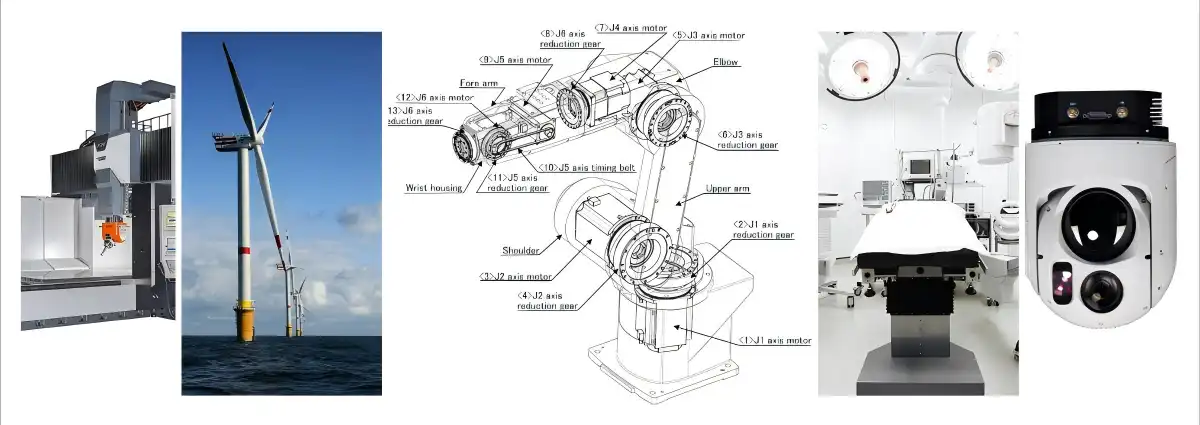
Robotics, CNC machine tools, medical imaging systems, equipment for making semiconductors, and aircraft instruments all use RE Cross Roller Bearings a lot. The outer ring of these precision-engineered bearings is continuous, and the inner ring is split. This lets them handle radial, axial, and moment loads at the same time. Because they are small and very accurate when rotating, they are essential in automation joints, rotary tables, robot parts, and high-precision measuring devices, where accuracy and space requirements determine which parts to use.
Overview of RE Cross Roller Bearings and Their Key Features
Understanding the Design Architecture
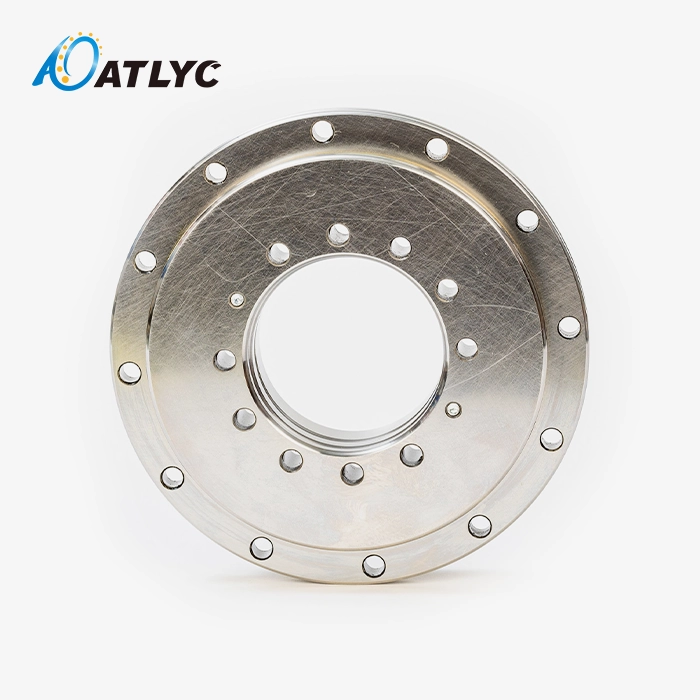
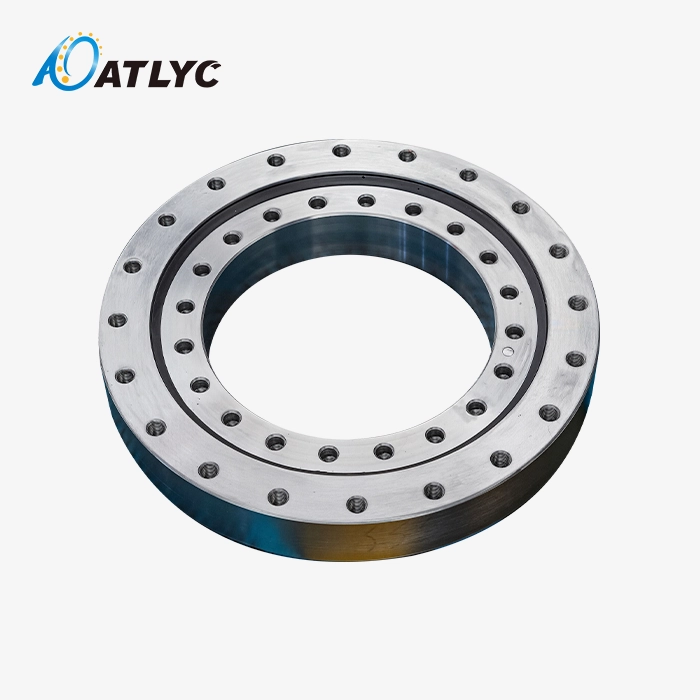
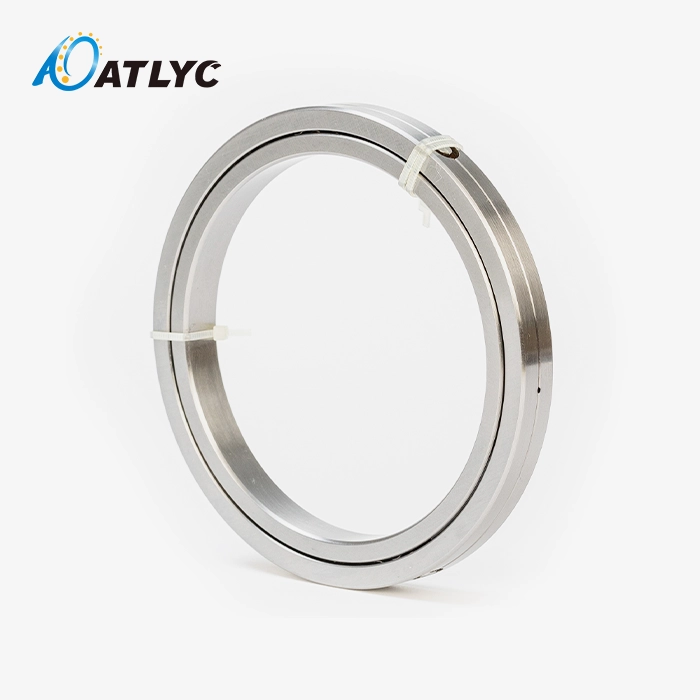
These special rotating parts have circular rollers that are placed perpendicular to each other in V-shaped raceways. There are spacers between the rollers to keep them from touching directly. This type of bearing is different from others because it has a solid outer ring and a split inner ring. This design of orthogonal rollers makes it possible for a single small unit to handle forces coming from multiple directions at the same time. This gets rid of the need for complicated multi-bearing systems that take up valuable installation space.
Performance Characteristics That Matter
The engineering benefits directly lead to practical benefits that solve real problems in industry. Load capacity includes radial, axial, and moment forces in a single bearing system. This makes design easier and cuts down on the number of parts needed. In accuracy classes P6, P0, P5, and P4, rotational accuracy is as precise as a micrometre, which meets the strict tolerance requirements for automatic systems. The low friction coefficient makes sure that the spin is smooth even when the load is high, and the high runout accuracy keeps the position stable over long service cycles. Inner diameters range from 20mm to 1100mm, outer diameters from 70mm to 1500mm, and widths from 12mm to 110mm. These sizes can be used for a variety of purposes. Some of the materials that can be used are Gcr15 and Gcr15SiMn bearing steel types. These were chosen because they are hard, stable in size, and don't wear down easily, so they work well even in harsh conditions.
Why Material Selection Drives Reliability
The makeup of bearing steel has a direct effect on how long it lasts and how stable it is to use. Gcr15 chromium steel has the right amount of hardness and toughness for normal industrial conditions. On the other hand, Gcr15SiMn formulations make it easier to harden for bigger cross-sections and uses that involve shock loads or changes in temperature. Knowing these qualities of the material helps sourcing experts match the specifications of bearings to the real working pressures. This keeps parts from breaking too soon because they weren't chosen correctly. The precise heat treatment methods used on these materials keep the dimensions stable over the life of the bearing, keeping the important limits that keep the spinning accuracy.
Industries That Most Commonly Use RE Cross Roller Bearings
Robotics and Industrial Automation
Precision motion control across multiple axes is fundamental to robotic systems. In industrial robots, articulation points demand bearings that accommodate multi-directional loads while maintaining positional accuracy over millions of rotational cycles. The compact cross-section of RE Cross Roller Bearings fits within limited joint housing envelopes, while the integrated load-handling capability eliminates the need for bulky bearing stacks that would increase joint dimensions. Their inherent rigidity prevents deflection in the robot arm wrist, elbow, and base rotation mechanisms even as payload conditions vary. In automated production lines, manipulator systems need the same level of accuracy. While moving workpieces or putting them together, rotating parts must stay in the same place. Because there is less friction, the actuator needs less power, which saves energy and speeds up cycle times. Automated guided vehicles and joint robots use these bearings more and more in turning systems and flexible tool holds, which are places where room is limited, and accuracy is needed.
Machine Tool Applications
The rigid spindle support and precise rotating table positioning in CNC machine centers make it possible to get accurate measurements. Cross roller bearings on rotary tables keep the part in place during multi-axis operations. This lets complex shapes be made without making mistakes when moving. The moment load capacity stops cutting forces that would otherwise bend workpieces, so the dimensions stay the same over long production runs. These bearings are used in tracking heads and rotating parts of precision grinding machines, drill machines, and gear-making systems. The high rotational stiffness keeps the surface finish quality by stopping displacement when the grinding wheel presses down on it. When used in vertical machine centers, the small height of the turntable helps keep the working area measurements while providing the stiffness needed for heavy cutting tasks. Builders of machine tools use these parts when the accuracy of the spinning has a direct effect on the quality of the object and the amount of waste that is produced.
Medical Equipment Engineering
For accurate diagnosis, medical imaging devices need to be able to rotate without any vibrations. In order to keep the X-ray sources and detector arrays rotating during scanning processes, CT scanners need bearings that can keep the speeds stable without causing problems when the images are reconstructed. The small size fits inside gantry housings, and the low noise level helps keep patients comfortable during operations. Instrument wrists and flexible tool holders in surgical robotic systems use small cross roller bearings. During minimally invasive treatments, where millimeter-level settings can change how well a patient does, surgeons need precise motion control. These bearings are used in radiation therapy tools for patient positioning systems and treatment head movement mechanisms. Accurate positioning has a direct effect on how well the treatment works. These parts are used in spinning sample racks and precision dispensing systems, which are types of laboratory automation tools like robots that handle samples and diagnostic analysers.
Semiconductor and IC Manufacturing
In cleanrooms where semiconductors are made, bearings that produce little dust pollution are needed. Wafer handling robots move silicon slabs from one processing station to another. They need to move smoothly so that flaws caused by shaking don't happen. The precision rotation enables accurate wafer alignment with photolithography patterns, directly affecting chip yield rates. Cross roller bearings are used in precision placement steps of inspection platforms, die bonding tools, and wire bonding machines. The thermal stability keeps the accuracy even when process equipment changes the temperature, and the small size allows a lot of production tools to fit. When making LCD panels, these bearings are also used for material handling and orientation systems where big glass sheets need to be able to rotate without warping.
Aerospace and Defense Systems
Bearings in aircraft radar antenna mounts need to be able to handle shaking, high temperatures, and constant movement while the load changes. The high moment capacity keeps the signal strong during flight operations, even when wind loads are put on outdoor antenna setups. These bearings are used in tracking antenna gimbals for satellite communication systems. Precise aiming is what affects the quality of signal reception and data transfer. Turret systems for military vehicles need parts that are strong and work reliably in battle. Cross roller bearings are used in weapon stabilisation platforms to keep aiming accurate even when the vehicle is moving. For spying and espionage tasks, unmanned aerial vehicle camera gimbals need to be able to rotate smoothly and accurately. These bearings are used in missile tracking systems and launch platform mechanisms, where failure would have bad results if they weren't reliable and performed consistently in a wide range of weather conditions.
Comparative Analysis – RE Cross Roller Bearings vs Other Bearing Types
Performance Advantages Over Ball Bearings
Standard ball bearings perform well at high rotational speeds but offer lower rigidity and reduced load capacity compared to roller designs. In high-torque joint applications or where motion is limited, the cylindrical roller contact surface of RE Cross Roller Bearings distributes forces across a larger area, reducing contact stresses and extending system life. Furthermore, the crossed roller configuration can accommodate moment loads that would otherwise require paired angular contact ball bearings in complex mounting arrangements.
Distinguishing Features from Standard Cylindrical Roller Bearings
Traditional cylindrical roller bearings are good at handling rotational loads, but they need separate thrust bearings to handle axial forces. This problem is fixed by the orthogonal roller design, which combines push capability into a single unit. This combination cuts down on installation room, makes house designs easier, and gets rid of the alignment problems that come with using multiple bearings. This combined design method works best for situations where small size and the ability to handle loads in multiple directions are needed.
Comparison with Turntable Bearings
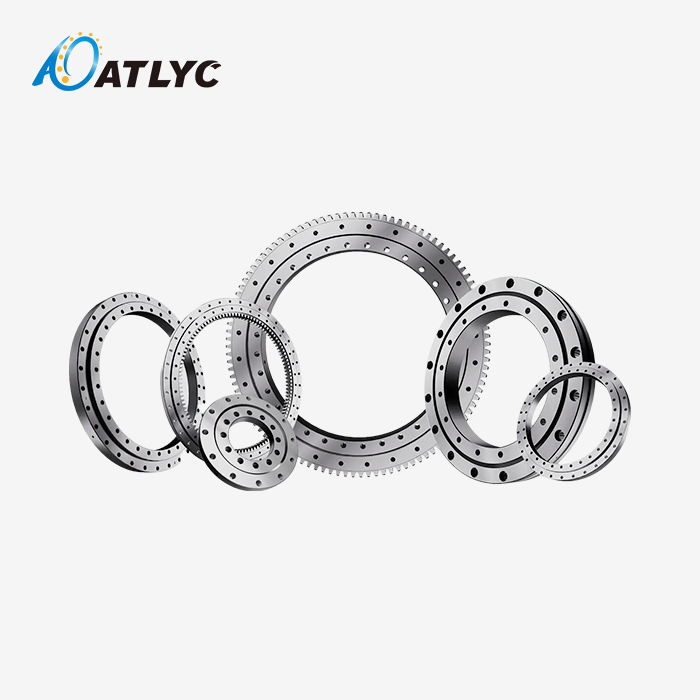
Large turntable bearings typically feature ball or tapered roller elements in single-row or double-row configurations. While suitable for slow-speed, heavy-load rotations, these designs often sacrifice precision for load capacity. Cross roller technology maintains higher rotational accuracy across the bearing's diameter, making it preferable for applications where positioning precision affects product quality or operational safety. The lower profile also benefits applications with vertical space constraints.
When to Select Alternative Bearing Types
Cost-sensitive applications with moderate precision requirements may find standard bearing types adequate. High-speed spindle applications benefit from angular contact ball bearings optimized for rotational velocity rather than load capacity. Extremely heavy industrial applications like mining equipment or steel mill rolls require robust tapered roller bearings designed for shock loads. Understanding these application boundaries helps procurement teams select cost-effective solutions that match performance requirements without over-specifying components.
Procurement Considerations for RE Cross Roller Bearings
Matching Specifications to Application Requirements
Successful bearing selection starts with accurate load calculations encompassing radial forces, axial thrusts, and applied moments. Engineering teams must evaluate dynamic and static load ratings against actual operating conditions, including shock loads and vibration environments. Dimensional constraints often drive size selection, requiring a balance between load capacity and installation space. Operating speed limitations and lubrication requirements influence bearing configuration choices. Understanding accuracy class specifications ensures dimensional tolerances align with equipment precision requirements. P5 and P4 accuracy classes suit high-precision applications like machine tools and medical devices, while P0 and P6 grades serve general industrial automation adequately. Preload settings affect rigidity and rotational torque, requiring coordination between bearing suppliers and equipment designers to optimize performance characteristics.
Evaluating Supplier Capabilities
Reliable bearing procurement depends on supplier quality systems and manufacturing capabilities. ISO 9001 certification demonstrates commitment to consistent quality management, while IATF 16949 certification specifically addresses automotive industry requirements. Established manufacturers like ATLYC possess both certifications, assuring process controls and product consistency that prevent costly equipment failures. Production capacity determines delivery reliability, particularly for high-volume applications or custom specifications. Suppliers with multiple manufacturing facilities and diversified production capabilities maintain supply continuity despite market disruptions. Technical support services differentiate capable suppliers, offering engineering assistance for bearing selection, mounting guidance, and troubleshooting support that accelerates equipment commissioning and reduces downtime.
Understanding Lead Times and Customization Options
Standard bearing sizes typically ship within shorter timeframes compared to custom configurations requiring modified dimensions or special materials. Minimum order quantities vary by manufacturer and bearing size, affecting inventory planning for maintenance operations or production builds. Establishing relationships with manufacturers offering flexible MOQ terms provides procurement advantages, particularly for prototype development or low-volume specialized equipment. Customization capabilities extend beyond dimensional modifications to include special sealing arrangements, unique preload settings, and application-specific lubrication specifications. Suppliers with in-house engineering resources collaborate effectively on modified designs that address unique application challenges. Bulk purchasing agreements often include value-added services like consignment inventory programs, vendor-managed inventory, and dedicated technical support that reduce the total cost of ownership.
Maintenance Tips and Lifespan Expectations
Establishing Effective Lubrication Practices
Proper lubrication of RE Cross Roller Bearings determines bearing lifespan and operational reliability. Grease-lubricated installations require periodic relubrication intervals based on operating speed, temperature, and environmental conditions. Using manufacturer-recommended lubricants ensures compatibility with bearing materials and seal designs. Contamination during lubrication procedures causes premature wear, necessitating clean application methods and proper storage of lubricants. Oil lubrication systems suit high-speed or high-temperature applications where grease consistency becomes problematic. Circulating oil systems provide cooling benefits and enable filtration that removes wear debris. Monitoring oil condition through periodic analysis detects early wear indicators, allowing proactive maintenance before catastrophic failures occur.
Implementing Inspection Protocols
Vibration monitoring detects developing bearing defects before noise or temperature increases become apparent. Establishing baseline vibration signatures during commissioning enables comparison trending that identifies gradual deterioration. Temperature monitoring reveals lubrication problems, excessive preload, or mounting misalignment issues affecting bearing performance. Visual inspections during scheduled maintenance intervals assess seal integrity, mounting condition, and external contamination risks. Rotating components by hand detects roughness or binding that indicates internal damage. Documenting inspection findings creates maintenance history that supports reliability analysis and informs bearing replacement decisions.
Environmental Factors Affecting Service Life
Operating temperature extremes affect lubricant viscosity and bearing material properties. High temperatures accelerate lubricant degradation and reduce bearing steel hardness, while low temperatures increase lubricant viscosity and operating torque. Moisture ingress causes corrosion and lubricant contamination, particularly problematic in outdoor installations or high-humidity environments. Sealing arrangements protect against contamination, though sealed bearings may require more frequent replacement compared to open designs with proper maintenance. Shock loads and vibration from adjacent equipment transmit forces that exceed bearing design limits. Proper mounting and vibration isolation protect bearings from external disturbances. Understanding these environmental influences enables realistic service life predictions and appropriate maintenance interval scheduling.
Conclusion
Precision rotary bearings serve critical functions across diverse industrial sectors, from robotic automation systems to medical imaging equipment and aerospace applications. Their unique integrated outer ring design and orthogonal roller arrangement deliver multi-directional load capacity within compact installations that simplify equipment design. Understanding industry applications and performance advantages enables procurement specialists to specify appropriate bearing types that balance cost considerations with reliability requirements. Proper maintenance practices and supplier selection further ensure these precision components deliver the expected service life. Manufacturers holding ISO 9001 and IATF 16949 certifications provide quality assurance that meets global industrial standards, supporting long-term supply reliability essential for production equipment and critical systems.
FAQ
What load capacities do cross roller bearings support?
Load ratings vary by bearing size and design configuration. Smaller bearings with 20mm inner diameters handle lighter loads suitable for medical instruments and measurement devices, while larger units exceeding 1000mm inner diameter support heavy industrial equipment loads. Manufacturers provide specific dynamic and static load ratings for each bearing model, accounting for radial, axial, and moment load components. Consulting detailed specification sheets ensures selected bearings match calculated application loads with appropriate safety factors.
How do accuracy classes affect bearing performance?
Accuracy class designations indicate dimensional and rotational tolerances maintained during manufacturing. P4 class represents the highest precision with the tightest tolerances, suitable for ultra-precision applications. P5 class serves most high-precision equipment, including CNC machine tools. P0 class meets general industrial requirements where moderate precision suffices. Higher accuracy classes increase component cost but deliver improved rotational runout and positioning repeatability essential for quality-critical applications.
Can manufacturers customize bearing specifications?
Reputable bearing manufacturers offer customization services including modified dimensions, special materials, unique preload settings, and application-specific sealing arrangements. Custom solutions address unique application requirements that standard catalog products cannot satisfy. Engaging engineering teams early in equipment design facilitates effective collaboration on custom specifications. Minimum order quantities for custom bearings typically exceed standard products, requiring consideration during procurement planning.
Partner with ATLYC for Precision RE Cross Roller Bearing Solutions
ATLYC delivers engineering excellence through ISO 9001 and IATF 16949 certified manufacturing processes, refined over 15 years of bearing production experience. Our six specialized workshops produce precision cross roller bearings spanning 20mm to 1100mm inner diameters, manufactured from premium Gcr15 and Gcr15SiMn bearing steels. We serve global customers across South Korea, the United States, Germany, Russia, Iran, and Turkey with consistent quality, competitive pricing, and reliable delivery schedules that support your production requirements. Our technical team collaborates with OEMs and equipment manufacturers to specify optimal bearing configurations matching your application's load characteristics, dimensional constraints, and accuracy requirements. Whether you need standard catalog products or custom-engineered solutions, ATLYC functions as your dependable RE Cross Roller Bearings supplier committed to long-term partnership success. Contact our bearing specialists at auto@lyautobearing.com to discuss your specific application requirements, request detailed technical specifications, or obtain volume pricing for your procurement needs. We stand ready to support your equipment performance objectives with precision-manufactured components and responsive customer service.
References
1. Harris, T.A., & Kotzalas, M.N. (2006). Essential Concepts of Bearing Technology: Rolling Bearing Analysis (5th Edition). CRC Press.
2. Society of Tribologists and Lubrication Engineers. (2018). Bearing Lubrication and Maintenance Best Practices for Industrial Applications. STLE Technical Paper Series.
3. American Bearing Manufacturers Association. (2019). Load Rating Standards and Application Guidelines for Precision Rolling Bearings. ABMA Engineering Standards Publication.
4. International Organization for Standardization. (2014). ISO 492:2014 Rolling Bearings - Radial Bearings - Geometrical Product Specifications and Tolerance Values. ISO Technical Committee.
5. Eschmann, P., Hasbargen, L., & Weigand, K. (1985). Ball and Roller Bearings: Theory, Design and Application (2nd Edition). John Wiley & Sons.
6. Machine Tool Technologies Research Foundation. (2020). Precision Bearing Applications in Modern CNC Machine Tools and Automated Manufacturing Systems. MTTRF Industry Report.
Learn about our latest products and discounts through SMS or email