- English
- French
- German
- Portuguese
- Spanish
- Russian
- Japanese
- Korean
- Arabic
- Greek
- German
- Turkish
- Italian
- Danish
- Romanian
- Indonesian
- Czech
- Afrikaans
- Swedish
- Polish
- Basque
- Catalan
- Esperanto
- Hindi
- Lao
- Albanian
- Amharic
- Armenian
- Azerbaijani
- Belarusian
- Bengali
- Bosnian
- Bulgarian
- Cebuano
- Chichewa
- Corsican
- Croatian
- Dutch
- Estonian
- Filipino
- Finnish
- Frisian
- Galician
- Georgian
- Gujarati
- Haitian
- Hausa
- Hawaiian
- Hebrew
- Hmong
- Hungarian
- Icelandic
- Igbo
- Javanese
- Kannada
- Kazakh
- Khmer
- Kurdish
- Kyrgyz
- Latin
- Latvian
- Lithuanian
- Luxembou..
- Macedonian
- Malagasy
- Malay
- Malayalam
- Maltese
- Maori
- Marathi
- Mongolian
- Burmese
- Nepali
- Norwegian
- Pashto
- Persian
- Punjabi
- Serbian
- Sesotho
- Sinhala
- Slovak
- Slovenian
- Somali
- Samoan
- Scots Gaelic
- Shona
- Sindhi
- Sundanese
- Swahili
- Tajik
- Tamil
- Telugu
- Thai
- Ukrainian
- Urdu
- Uzbek
- Vietnamese
- Welsh
- Xhosa
- Yiddish
- Yoruba
- Zulu
Cross Roller Bearing XSU Series for High Speed Applications
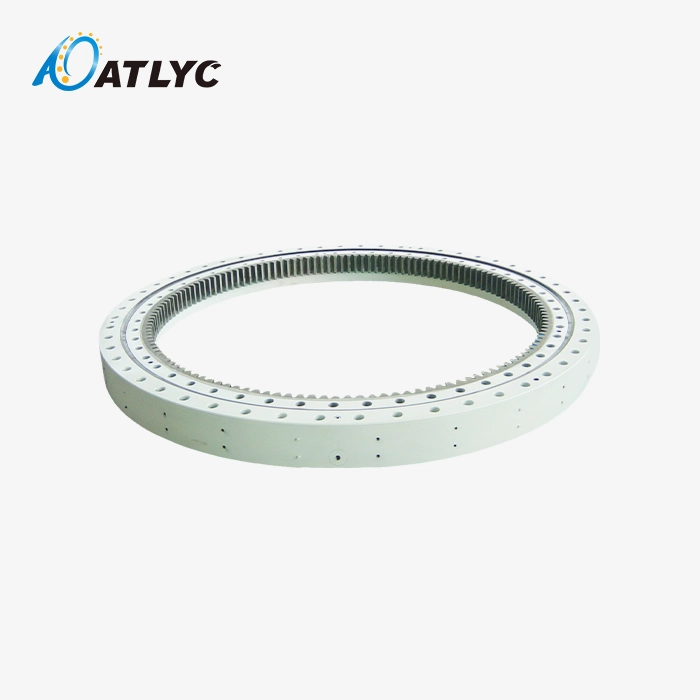
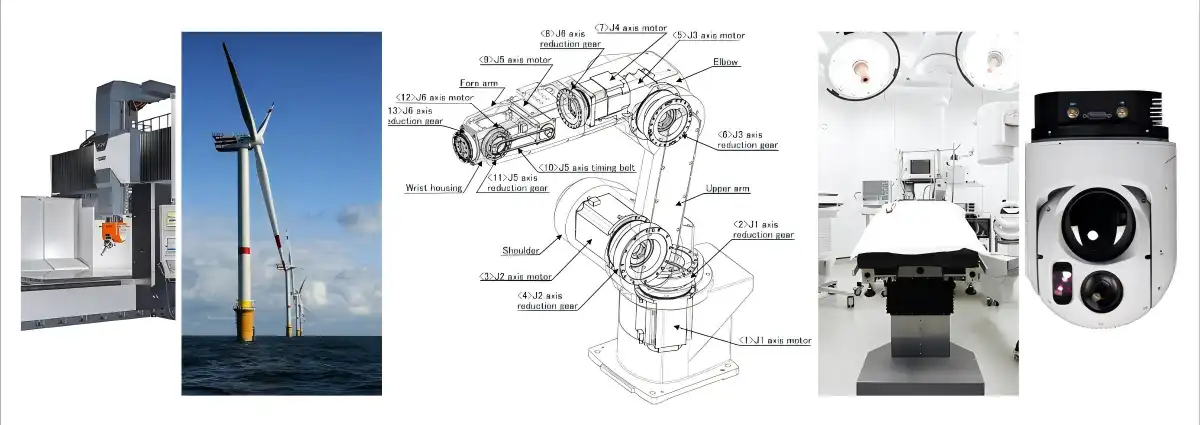
When it comes to industrial motion control systems, the Cross roller bearing XSU series is a proven solution for manufacturers requiring high stiffness and load-carrying capability. This unique bearing design features integrated inner and outer rings with precision mounting holes, eliminating the need for additional housing components while improving structural rigidity. The orthogonal roller arrangement within V-shaped raceways supports radial, axial, and moment loads simultaneously in a single compact assembly. Consequently, these bearings are essential components in high-precision medical equipment, advanced robotics, and CNC machining centers, where installation simplicity and operational reliability directly impact production efficiency.
Understanding Cross Roller Bearing XSU Series: Features and Specifications
Structural Design and Core Specifications
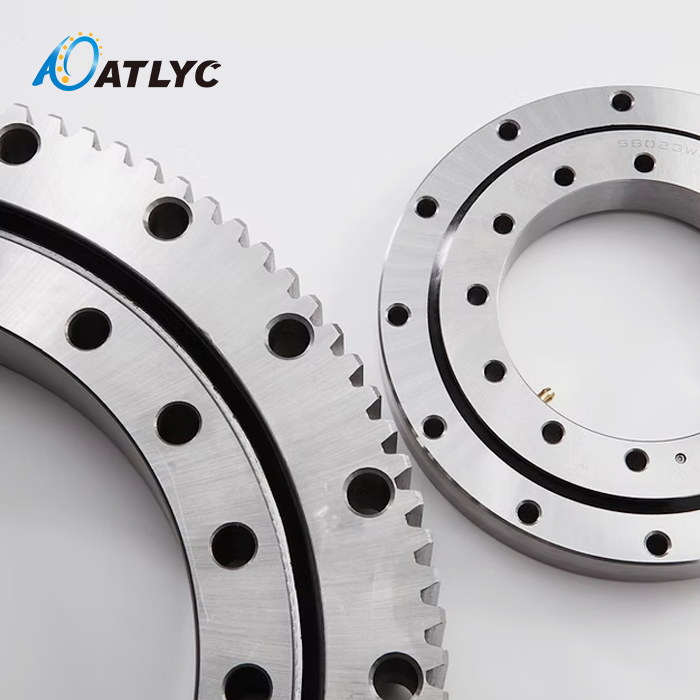
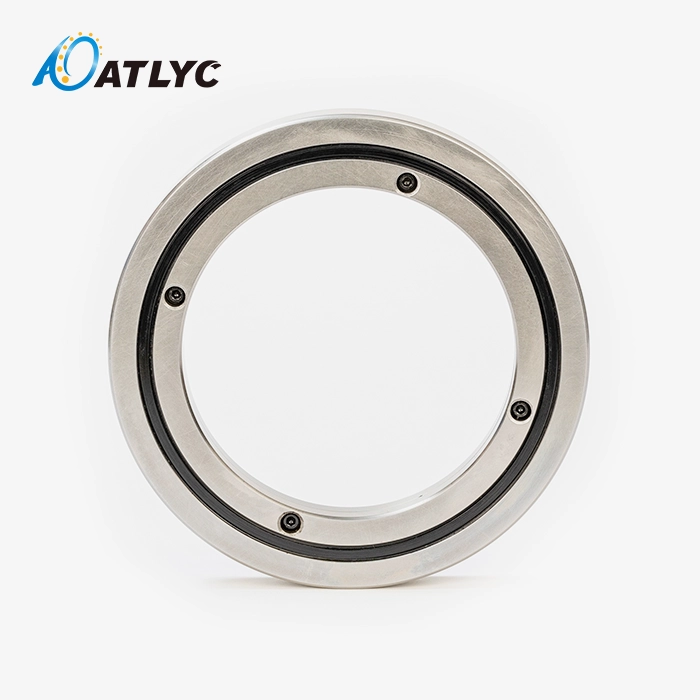
The main benefit of these precise bearings is their combined ring design. In contrast to other designs that need separate mounting flanges, this series has mounting holes drilled directly into both rings at the factory. This lowers the height of the unit and gets rid of tolerance stack-up mistakes that hurt accuracy. The inner diameter of these bearings ranges from 20 mm to 1100 mm, the outer diameter from 70 mm to 1500 mm, and the width from 12 mm to 110 mm. This means that they can be used in a wide range of industrial areas. The parts are made from high-quality Gcr15 and Gcr15SiMn bearing steel and are carefully heated to get the right level of toughness and stability in their dimensions. This choice of materials guarantees steady performance even in tough operating circumstances and long-term longevity.
Cross-Roller Configuration Explained
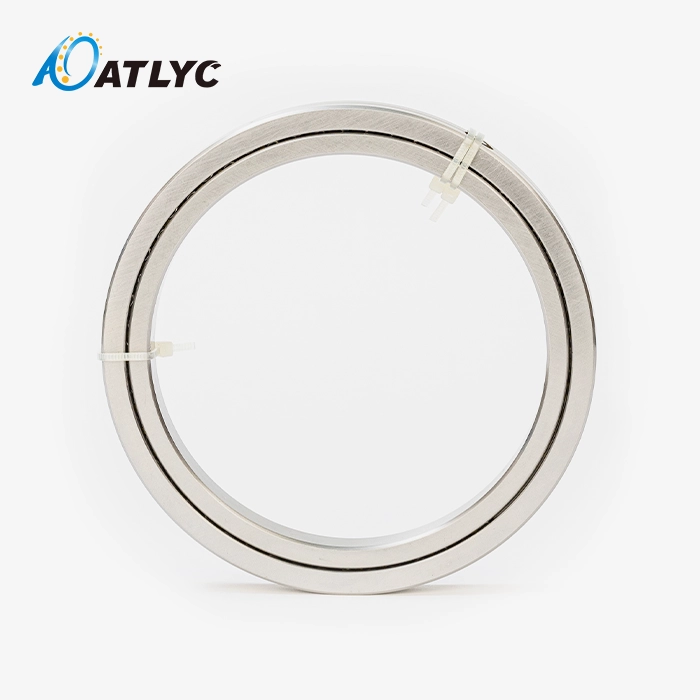
The working concept is based on two circular rollers that are placed perpendicular to each other in raceways with V-grooves. Precision spacers keep the loads evenly distributed between neighbouring wheels by separating them with precision spacers. This set-up at a 90-degree angle makes several touch places that can take pressure from all directions at the same time. The V-groove raceway design makes the contact area between the rollers and rings as big as possible, spreading the load over a lot of longer surfaces. This arrangement makes the structure stiffer than regular ball bearings while still allowing for smooth movement, which is important for precision positioning systems.
Accuracy Classes and Performance Standards
These precision bearings are made to meet world standards for accuracy, such as the P6, P0, P5, P4, and P2 classes. The P2 grade is the most precise, with a runout accuracy of less than 2 microns. This is very important for uses like making semiconductors and using precision measuring tools, where small differences can affect the quality of the final product. The low friction coefficient of the Cross roller bearing XSU series minimizes heat generation during operation, which reduces lubrication frequency and overall maintenance requirements. This performance characteristic is particularly valuable in automated production environments where unplanned downtime directly impacts manufacturing costs.
Comparing Cross Roller Bearing XSU Series with Other Bearing Types
Performance Advantages Over Traditional Ball Bearings
Advantages over regular ball bearings in terms of performance
To handle combined loads well, traditional angular contact ball bearings need to be mounted in pairs. Crossed roller bearings' combined design combines these functions into a single unit, making the system easier to put together and lighter overall. Comparing load capacities shows that crossed roller configurations can handle moment loads three to five times better than ball bearing pairs of the same size. These types of bearings have very different contact physics. When heavy loads are put on ball bearings, they make point contact with the raceways, which limits how the load is distributed and speeds up surface wear. When crossed cylindrical rollers make line contact, they spread forces over larger areas, which greatly increases both static and dynamic load rates.
XSU Series Versus XSD Series Comparison
Crossed roller technology is used in both series, but the XSU version has fastening holes in both rings, while the XSD series usually has a split outer ring design. The XSU design is more rigid and is better for situations where structural toughness is more important than being able to change bearings. When compared to XSD versions that need different mounting tools, installation time is cut by about 40%. A study of costs and benefits reveals that the XSU series is the best choice for uses that need to be permanently installed in hard buildings. This family of bearings is good for manufacturing equipment, industrial robot joints, and precision spinning tables because they make things stiffer and make putting them together easier.
Market Positioning and Value Analysis
When purchasing managers look at bearing options, they have to compare the original costs of buying them to the total costs over their entire lifespan. When compared to regular ball bearings, these precise bearings cost more, usually between 15% and 30% more, based on the size and accuracy class. The investment pays off in a measured way: the service life is stretched, upkeep is cut down, and machine uptime is increased. Performance data from companies that make car parts shows that switching from regular bearing arrangements to crossed roller designs cuts down on unnecessary repair by 60–70% over three years of use. This increase in dependability directly leads to higher output capability and a lower total cost of ownership.
Application Scenarios and Benefits of the XSU Series in High-Speed Operations
Industrial Robotics and Automation Systems
Robotic joint systems represent the most demanding application environment for precision bearings. Six-axis industrial robots require bearing solutions that maintain positional accuracy within micrometers while accommodating complex loads during rapid acceleration and deceleration cycles. In these demanding applications, the Cross roller bearing XSU series excels due to its zero-clearance design, which is essential for precise positioning. When these bearings are used in robot waist rotation and joint systems, factories say that setting accuracy is better by 0.005mm or more than with older bearing technologies. This higher level of accuracy makes it possible to make margins smaller and lowers the amount of waste in precision assembly tasks.
CNC Machining Centers and Rotary Tables
In machine centers, precision rotary tracking tables need bearings that can keep the angles accurate even when cutting forces are high. Crossed roller bearings' built-in stiffness stops movement caused by machine noises, keeping the part in place during multi-axis operations. This steadiness has a direct effect on the quality of the surface finish and the accuracy of the dimensions of parts that are made. After improving their machining center rotary tables with these precise bearings, a European company that makes car parts saw a 35% drop in the cost of repairs. The gain came from better rotational accuracy, which got rid of placement mistakes that were causing important engine parts to deviate in size.
Medical Imaging Equipment Applications
To make diagnostic-quality pictures, CT scanner gantries need to be able to rotate very smoothly and not shake at all. Because they have low friction and great runout accuracy, crossed roller bearings keep things rotating smoothly even when imaging equipment is attached to them. The narrow shape lets bigger hole sizes work, meeting the needs of patient tunnel design while keeping the structure's strength. Manufacturers of medical equipment define accuracy grades of P4 or P2 for imaging tasks where bearing performance directly impacts the ability to diagnose. By spending money on accurate bearings, equipment makers avoid guarantee claims and improve their image for dependability in healthcare settings, which are very important.
Semiconductor and IC Manufacturing Devices
In cleanrooms, bearing systems that keep particles to a minimum while still allowing precise motion control are needed. When specified with the right grease for cleanroom use, these bearings work reliably in robots that handle wafers and tools for inspection. When you choose a sealed design, it stops contamination from getting in and keeps the low outgassing properties that semiconductor production facilities need.
Installation, Maintenance, and Lifetime Optimization of XSU Bearings
Best-Practice Installation Guidelines
Preparing the area well is the first step in fixing something correctly. To keep the ring from warping when the bolt is tightened, the mounting surfaces must be flat to within 0.01 mm. Cleanliness of the surface is also very important. If there are any contaminants between the bearing and the mounting surface, they will create high spots that cause stress to build up and cause the part to fail early. Using measured torque tools, bolts are tightened in a star design. When the rings are tightened unevenly, they bend, which changes the shape of the track and makes friction worse. Recommended torque ranges depend on the size of the bearing but are usually between 5 and 50 Nm for bolts with a certain width. During the tightening process, installation teams must check the spinning smoothness several times to make sure there is no binding. Verification of alignment completes the installation process. There are dial markers all around the bearing's edge to make sure that the fitting process hasn't caused any runout mistakes. When placed correctly, bearings show total suggested runout that is less than the accuracy class standard for the bearing.
Lubrication Strategies and Schedules
Most bearings arrive pre-filled with lithium soap-based grease suitable for general industrial applications. Operating temperatures between -20°C and +80°C allow standard lubrication to perform adequately. Applications exceeding these temperature ranges require specialized high-temperature or low-temperature greases specified during procurement. Relubrication intervals depend on operating conditions, including rotational speed, load magnitude, and environmental contamination levels. General guidance suggests inspection and potential relubrication every 2000-5000 operating hours for standard industrial applications. High-speed or heavily loaded applications may require more frequent attention. Cleanroom and vacuum applications necessitate specialized lubricants that minimize outgassing and particle generation. Procurement specifications must clearly communicate environmental requirements to ensure appropriate lubrication selection during manufacturing.
Troubleshooting Common Operational Issues
Unusual noise during the rotation of the Cross roller bearing XSU series typically indicates inadequate lubrication or contamination ingress. Immediate inspection and bearing cleaning followed by fresh lubrication often resolves early-stage problems before permanent damage occurs. Grinding or clicking sounds suggest roller or raceway damage requiring bearing replacement. Excessive heat generation points to incorrect preload, misalignment, or lubrication breakdown. Thermal imaging during operation identifies localized hot spots indicating specific problem areas. Addressing root causes rather than symptoms prevents recurring failures and extends operational life. Vibration increases measured through regular condition monitoring provide early warning of developing problems. Trending vibration data allows maintenance teams to schedule replacements during planned downtime rather than responding to unexpected failures that disrupt production schedules.
Procurement Guide: Buying Cross Roller Bearing XSU Series for Your Business
Selecting Qualified Suppliers and Distributors
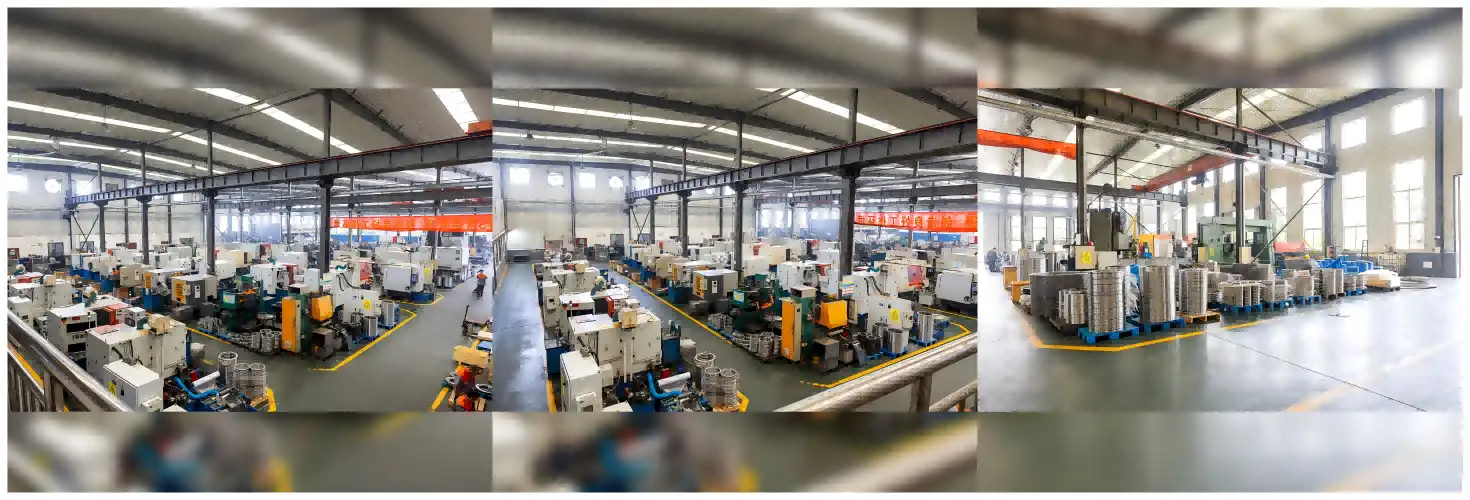
Sourcing precision bearings requires verification of supplier qualifications and quality management systems. ISO 9001 and IATF 16949 certifications demonstrate a commitment to consistent quality and process control essential for producing reliable bearing products. Established manufacturers with documented production capacity provide supply stability that sustains long-term manufacturing operations. Luoyang Auto Bearing Co., Ltd. exemplifies the manufacturing capabilities required for dependable bearing supply. Since its establishment in 2010, the company has expanded from a single workshop to six specialized production facilities, employing 120 skilled professionals dedicated to production, quality inspection, and engineering support. ISO 9001 and IATF 16949 certifications validate the quality management systems governing manufacturing operations. Global distribution networks serving customers in South Korea, the United States, Germany, Russia, Iran, and Turkey demonstrate the international experience essential for supporting export-focused manufacturers. This geographic reach ensures consistent supply chains regardless of production facility locations.
Understanding Pricing Structures and Lead Times
Bearing prices vary based on size, accuracy class, and order quantities. P6 and P0 accuracy grades represent standard precision levels with moderate pricing, while P5, P4, and P2 classes command premium costs reflecting the additional manufacturing precision required. Volume purchases typically qualify for tiered pricing structures that reduce per-unit costs for large production runs. Standard lead times range from 4-8 weeks, depending on size and specification complexity. Custom modifications, including non-standard dimensions, special materials, or unique mounting configurations, extend delivery schedules to 10-14 weeks. Maintaining a strategic inventory of commonly used sizes helps manufacturers buffer against supply chain disruptions.
Customization Services and Technical Support
OEM partnerships enable bearing customization tailored to specific application requirements. Engineering teams collaborate with customers to optimize bearing selection, modify mounting configurations, or develop entirely new designs addressing unique operational challenges. This technical support capability differentiates manufacturers committed to customer success from transactional suppliers focused solely on product delivery. Responsive technical support addressing installation questions, troubleshooting operational issues, and providing application guidance builds long-term partnerships that benefit both parties. Manufacturers seeking reliable bearing suppliers should evaluate responsiveness and technical depth during supplier qualification processes.
Conclusion
The precision engineering embodied in crossed roller bearing technology delivers measurable performance advantages for manufacturers requiring exceptional accuracy, rigidity, and load capacity in compact assemblies. The integrated mounting design simplifies installation while enhancing structural stability, reducing both initial setup time and ongoing maintenance requirements. Applications spanning industrial robotics, precision machining, medical imaging, and semiconductor manufacturing benefit from the unique combination of capabilities these bearings provide. Careful supplier selection, emphasizing quality certifications, production capacity, and technical support capabilities, ensures a reliable supply of precision components essential for competitive manufacturing operations. The investment in premium bearing technology generates returns through improved machine uptime, enhanced product quality, and reduced total lifecycle costs that strengthen competitive positioning in global markets.
FAQ
What load capacity factors should engineers consider when specifying these bearings?
Load capacity depends on bearing size, accuracy class, and the specific combination of radial, axial, and moment loads present in the application. Engineers must calculate the equivalent dynamic load, incorporating all force components to ensure selected bearings provide adequate safety margins. Manufacturer catalogs provide load rating tables and calculation formulas enabling proper selection. Operating speed affects dynamic load capacity—higher rotational speeds reduce permissible loads due to centrifugal forces on rollers.
How do these bearings perform in high-speed rotational applications?
Crossed roller bearings excel in applications prioritizing rigidity and accuracy over maximum rotational speed. The sliding contact between rollers and spacers generates friction that limits speed capabilities compared to ball bearings. Typical maximum speeds range from 300 to 500 RPM, depending on bearing size and lubrication method. Applications requiring both high speed and high rigidity may benefit from hybrid designs or alternative bearing technologies optimized for speed performance.
What maintenance schedule optimizes bearing service life?
Maintenance frequency depends on operating conditions, including speed, load, temperature, and environmental contamination levels. Visual inspection every 1000 operating hours identifies obvious problems like seal damage or lubricant leakage. Lubrication assessment and potential relubrication occur every 2000-5000 hours under normal conditions. Vibration monitoring provides objective condition data guiding predictive maintenance decisions. Establishing baseline measurements during commissioning enables trending analysis that detects developing problems before failure occurs.
Partner with ATLYC for Reliable Cross Roller Bearing XSU Series Supply
ATLYC brings 15 years of bearing manufacturing expertise to support your precision motion control requirements. Our ISO 9001 and IATF 16949-certified production facilities employ advanced manufacturing processes, ensuring consistent quality across all crossed roller bearing products. As a trusted Cross roller bearing XSU series manufacturer, we maintain a comprehensive inventory supporting rapid delivery to customers throughout North America, Europe, and Asia. Our engineering team provides technical consultation, helping you select optimal bearing specifications for your specific applications, while our customer service professionals ensure smooth procurement experiences from initial inquiry through delivery and beyond. Contact our team at auto@lyautobearing.com to discuss your bearing requirements, request detailed technical specifications, or obtain competitive quotations for your next project. We deliver the combination of precision manufacturing, responsive support, and reliable supply chains that OEMs and industrial equipment manufacturers depend upon for competitive advantage.
References
1. Harris, T.A. & Kotzalas, M.N. (2006). Rolling Bearing Analysis: Essential Concepts of Bearing Technology, CRC Press, Fifth Edition.
2. SKF Group. (2018). Rolling Bearings Catalogue: Product Information and Application Guidelines for Industrial Bearings, SKF Publication.
3. ISO 492:2014. Rolling Bearings - Radial Bearings - Geometrical Product Specifications (GPS) and Tolerance Values, International Organization for Standardization.
4. Weck, M. & Brecher, C. (2006). Werkzeugmaschinen 2: Konstruktion und Berechnung (Machine Tools Volume 2: Design and Calculation), Springer-Verlag Berlin Heidelberg.
5. Tsutsumi, M. & Saito, A. (2004). "Identification of Angular and Positional Deviations Inherent to 5-Axis Machining Centers with a Tilting-Rotary Table by Simultaneous Four-Axis Control Movements", International Journal of Machine Tools and Manufacture, Volume 44, Issue 12-13.
6. Schaeffler Technologies AG & Co. (2019). Crossed Roller Bearings and Slewing Rings: Technical Product Information and Application Guidelines, Industrial Publication Series.
Learn about our latest products and discounts through SMS or email