- English
- French
- German
- Portuguese
- Spanish
- Russian
- Japanese
- Korean
- Arabic
- Greek
- German
- Turkish
- Italian
- Danish
- Romanian
- Indonesian
- Czech
- Afrikaans
- Swedish
- Polish
- Basque
- Catalan
- Esperanto
- Hindi
- Lao
- Albanian
- Amharic
- Armenian
- Azerbaijani
- Belarusian
- Bengali
- Bosnian
- Bulgarian
- Cebuano
- Chichewa
- Corsican
- Croatian
- Dutch
- Estonian
- Filipino
- Finnish
- Frisian
- Galician
- Georgian
- Gujarati
- Haitian
- Hausa
- Hawaiian
- Hebrew
- Hmong
- Hungarian
- Icelandic
- Igbo
- Javanese
- Kannada
- Kazakh
- Khmer
- Kurdish
- Kyrgyz
- Latin
- Latvian
- Lithuanian
- Luxembou..
- Macedonian
- Malagasy
- Malay
- Malayalam
- Maltese
- Maori
- Marathi
- Mongolian
- Burmese
- Nepali
- Norwegian
- Pashto
- Persian
- Punjabi
- Serbian
- Sesotho
- Sinhala
- Slovak
- Slovenian
- Somali
- Samoan
- Scots Gaelic
- Shona
- Sindhi
- Sundanese
- Swahili
- Tajik
- Tamil
- Telugu
- Thai
- Ukrainian
- Urdu
- Uzbek
- Vietnamese
- Welsh
- Xhosa
- Yiddish
- Yoruba
- Zulu
What Is RB3510 and Why Does It Matter for Modern Networks?
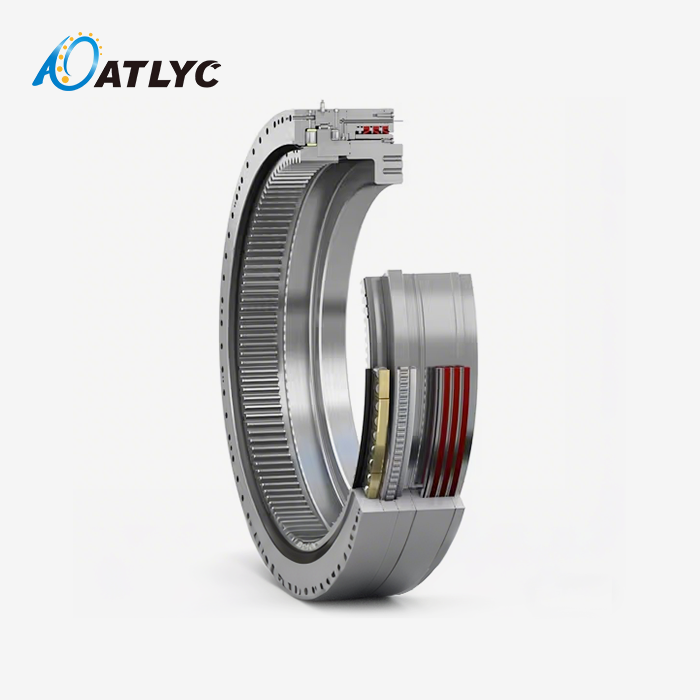
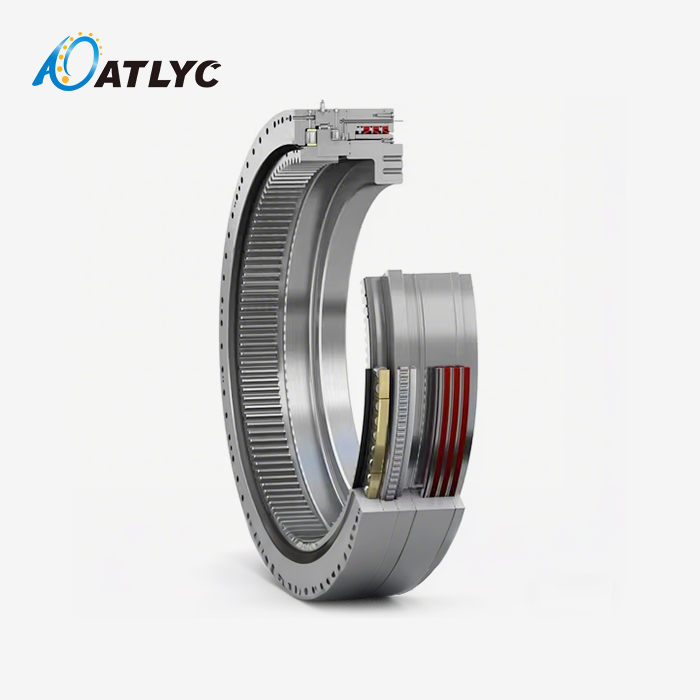
To comprehend the RB3510 for precise motion control and consistent rotational performance in your industrial automation system, it’s important to know what it is. The RB3510 is a particular cross roller bearing with integrated inner and outer ring construction and an outer ring with a plug mechanism. This engineering solution provides excellent load-handling capabilities in all radial, axial, and moment directions simultaneously. This is an important feature for modern automated manufacturing networks, where precision in positioning and operational reliability are key to the production results and the lifespan of equipment.

Understanding RB3510: Specifications and Core Features
Cross roller bearings have revolutionised precise positioning in applications across a wide range of industries. The RB3510 series is a state-of-the-art technical concept to meet the tough operating needs of automated manufacturing facilities.
Crossed-Roller Configuration Design
The basic principle of the RB3510 is the arrangement of rollers perpendicular to each other. In precision-ground raceways, cylindrical rollers switch over at 90° angles and provide a perfect contact geometry. This arrangement allows the bearing to meet complicated load requirements that would normally need many traditional bearing configurations. Manufacturing teams like this design because it is space-efficient and yet meets strict performance criteria. The crossing configuration guarantees that each roller takes part in load distribution, no matter what the direction of the force is. During operation, when the robotic manipulator is subjected to radial thrust and moment loading at the same time, the RB3510 design helps to distribute these stresses equally to all contact surfaces. Manufactured by precision machining, tolerances within microns, assuring constant performance throughout the bearing’s service life.
Integral Ring Structure and Plug System
The RB3510 maintains the integrity of the inner and outer rings, unlike segmented bearing designs. An outer ring with a plug mechanism for installation and optimal roller retention. The design of the structure minimises deflection under stress, preserving perfect clearances for high-accuracy applications. Easy assembly is not the only purpose of the plug system. It offers controlled lubrication management and maintenance processes without total disassembly of the bearings. Manufacturing experts like this capability when building equipment that must be run for long periods of time between servicing intervals.
Dimensional Range and Material Specifications
The RB3510 series is available in a wide variety of sizes to meet varied application needs. Inner diameters range from 20mm to 1100mm. Outer diameters range from 70mm to 1500mm, with widths available from 12mm to 110mm. That flexibility makes it appropriate for tight robotic joints as well as big industrial turntables. The choice of material used for a bearing strongly affects its performance and durability. The RB3510 is made of high-quality bearing steels Gcr15 and Gcr15SiMn selected for their excellent hardness and fatigue properties. The rings and rollers undergo special heat treatment techniques to optimise the hardness throughout the component, to provide a consistent performance under difficult operating circumstances.
| Specification Category | RB3510 Parameters | Performance Impact |
|---|---|---|
| Inner Diameter Range | 20-1100mm | Accommodates diverse shaft sizes |
| Outer Diameter Range | 70-1500mm | Flexible housing integration |
| Width Options | 12-110mm | Load capacity scalability |
| Base Material | Gcr15, Gcr15SiMn | Superior wear resistance |
| Precision Grades | P6, P5, P4, P2 | Application-specific accuracy |
| Load Capacity | Multi-directional | Consolidated bearing arrangement |
These parameters are the result of engineering trade-offs between performance and manufacturability. Procurement teams should align bearing dimensions and accuracy grades with application objectives to achieve optimum cost-performance ratios without over-specification.
Precision Accuracy Classifications
Accuracy directly determines the positioning repeatability of automated systems. The RB3510 series is available in a variety of precision grades, including P6, P5, P4, and P2. Higher precision grades are characterised by stricter tolerances for accuracy of dimensions, raceway geometry and runout characteristics. P6 and P5 are used for ordinary industrial equipment applications that need positioning accuracy, but not extreme precision. P4 and P2 grades are used in semiconductor production equipment, precise measurement instruments, and medical imaging systems where micron-level accuracy is critical to operational success. Understanding these differences may assist in ensuring that the procurement managers use the right grades without unnecessarily increasing the costs.
RB3510 in Action: Performance, Troubleshooting, and User Experience
Real-world performance verifies engineering standards. The RB3510 offers dependable performance in tough industrial environments, but to get the most out of it, you need to understand its capabilities and limits.
Multi-Directional Load Handling Capacity
It is unusual that industrial automation equipment receives only radial or axial stress. During their work, robotic arms experience complicated combinations of forces: radial loads due to the weight of the workpiece, axial thrust due to assembly processes, and moment loads due to positions of extended reach. The RB3510’s cross-roller design can accommodate these simultaneous loads inside a single compact bearing unit. The total load capacity allows you to avoid using pairs of angular contact bearings or separate thrust bearing setups. Your equipment has reduced assembly complexity, fewer components, and easier maintenance processes. “Plants report better machine uptime when they move from multi-bearing arrangements to integrated cross roller bearing solutions.”
Low Friction Coefficient Performance
Friction wears things down; it wastes energy and creates heat. RB3510 is designed to have low friction coefficients with precise production and an optimised roller shape. The rollers touch the raceways across a line, reducing resistance and spreading the loads properly. Less friction means real operational advantages. Motors need less torque to keep rotating, reducing energy usage throughout industrial plants. The lower heat production allows for longer lubrication intervals and also lowers thermal expansion effects that affect positioning precision. When automation engineers upgrade to cross roller bearing technology, they always see smoother motion profiles and better servo responsiveness.
Exceptional Runout Accuracy Maintenance
The positioning inaccuracy of runout variation is accumulated during repeated operation. The RB3510 is built for minimum runout by precise grinding methods and stringent quality control. Each bearing is dimensionally inspected to ensure it meets the prescribed tolerances before shipping. For applications requiring constant positioning accuracy, such as semiconductor wafer handling or precision assembly activities, control of runout is vital. Even the smallest differences may impact yield rates in high-value industrial operations. At our facility, we test for runout in many axes and record the performance characteristics for quality assurance, which may be used by procurement teams to assess the capabilities of their suppliers.
Common Operational Considerations
The RB3510 is a solid performer, but operating considerations will ensure the best possible service life. Proper installation techniques are crucial – mounting surface smoothness, alignment precision and proper preload settings directly impact bearing performance. Technical support resources are available to give extensive installation assistance related to certain bearing sizes and application requirements. Lubrication management promotes low-friction performance over service life. The plug design permits regulated entry of lubricant and relubrication without disassembly of the bearing. Lubrication intervals should be dependent on operating speeds, load circumstances, and environmental considerations to minimise premature wear and over-lubrication, which increases friction. Environmental pollution impacts precise bearings. Effective sealing systems prevent the entrance of particulates and moisture into interior components. Additional means of protection, such as labyrinth seals and positive pressure devices, to ensure clean working conditions are required for use in severe industrial settings.
RB3510 Compared: How It Stands Against Competitor Alternatives
Informed procurement decisions require comparative analysis. Understanding how the RB3510 positions against alternative bearing technologies clarifies its value proposition for specific applications.
Cross Roller Bearings Versus Conventional Bearing Arrangements
Traditional approaches to multi-directional load handling combine multiple single-row bearings in paired configurations. Angular contact bearings arranged in tandem or back-to-back patterns provide radial and axial capacity, while separate thrust bearings handle moment loads. These arrangements function reliably but require precise alignment, increased axial space, and more complex assembly procedures. The RB3510 consolidates these functions into a single bearing unit. This integration reduces assembly complexity, decreases component inventory requirements, and simplifies maintenance procedures. Manufacturing engineers appreciate the design flexibility enabled by compact cross roller bearing packages, particularly in space-constrained robotic applications. Performance comparisons reveal trade-offs worth understanding. Paired angular contact bearings may offer higher ultimate speed capabilities for specific applications, while cross roller bearings provide superior stiffness characteristics and simplified mounting requirements. Application-specific factors, including load patterns, speed requirements, and space constraints, determine optimal bearing selection.
RB3510 Performance Across Industrial Sectors
Different industries impose distinct operational demands on bearing systems. Understanding these sector-specific requirements helps clarify where the RB3510 delivers maximum value.
Robotics and automation applications benefit substantially from the RB3510's compact form factor and multi-directional load capacity. Industrial robot joints experience complex loading during operation—radial forces from component weight, axial thrust during assembly operations, and moment loads from extended reach positions. The crossed-roller design handles these simultaneous loads while maintaining the positioning accuracy essential for automated operations. Machine tool rotary tables demand exceptional stiffness and positioning accuracy. Cutting forces generate significant moment loads that conventional bearing arrangements struggle to resist without deflection. The RB3510's high contact ratio between rollers and raceways provides the rigidity necessary for maintaining workpiece position during machining operations. This stiffness directly influences surface finish quality and dimensional accuracy in precision manufacturing. Medical equipment manufacturers specify cross roller bearings for imaging systems and surgical robotics where smooth motion and positioning precision directly affect diagnostic accuracy and procedural outcomes. The RB3510's low-friction characteristics enable precise motion control while minimizing noise generation—important factors in healthcare environments. Reliability requirements in medical applications demand bearing solutions with proven longevity and consistent performance characteristics. Semiconductor manufacturing equipment operates under extreme precision requirements. IC fabrication devices position wafers and tooling with sub-micron accuracy. The RB3510's P4 and P2 precision grades deliver the runout control and positioning repeatability these applications demand. Clean room compatibility and low particulate generation further enhance suitability for semiconductor production environments.
| Application Sector | Primary Requirements | RB3510 Advantages | Performance Benefits |
|---|---|---|---|
| Industrial Robotics | Compact design, multi-axis loads | Integrated load handling | Simplified joint design |
| Machine Tool Rotary Tables | High stiffness, positioning accuracy | Superior rigidity | Improved machining precision |
| Medical Imaging Equipment | Smooth rotation, low noise | Low friction coefficient | Enhanced diagnostic quality |
| Semiconductor Manufacturing | Extreme precision, clean operation | P4/P2 accuracy grades | Sub-micron positioning |
| Precision Measurement Instruments | Repeatability, thermal stability | Minimal runout variation | Consistent measurement accuracy |
These application examples demonstrate how the RB3510's design characteristics address sector-specific challenges. Procurement teams should evaluate bearing specifications against operational requirements within their particular industry context, ensuring alignment between bearing capabilities and application demands.
Procurement and Purchase Guide for RB3510
Effective procurement processes ensure product authenticity, appropriate specifications, and reliable supply continuity. Understanding sourcing considerations helps manufacturing organizations establish dependable bearing supply chains.
Supplier Qualification and Certification Verification
Quality management system certifications provide objective evidence of manufacturing capability. ISO 9001 certification demonstrates standardized quality processes, while IATF 16949 specifically addresses automotive industry requirements. These certifications indicate systematic approaches to quality control, continuous improvement, and customer satisfaction. Verification extends beyond certificate review. Requesting quality documentation, including material certifications, dimensional inspection reports, and performance test data, confirms that supplied bearings meet specifications. Establishing clear quality requirements within purchase agreements protects procurement teams from non-conforming products that compromise equipment performance. Manufacturing capacity assessment ensures suppliers can meet volume requirements while maintaining consistent quality. Facility audits reveal production capabilities, quality control systems, and technical support infrastructure. Long-term supply relationships benefit from transparent communication regarding capacity planning, lead time expectations, and quality assurance procedures.
Technical Support and Customization Capabilities
Standard bearing products serve many applications effectively, though specific requirements sometimes demand customized solutions. Bearing manufacturers with engineering expertise can modify dimensions, adjust internal clearances, or specify alternative materials to address unique application challenges. Technical support availability influences the total cost of ownership beyond initial purchase prices. Suppliers providing application engineering assistance help optimize bearing selection, recommend proper installation procedures, and troubleshoot performance issues. This expertise proves particularly valuable when designing new equipment or upgrading existing systems. Customization capabilities enable bearing optimization for specialized applications. Modifying cage designs, adjusting preload characteristics, or incorporating integrated sealing systems can enhance performance in challenging operating environments. Discussing application requirements with suppliers possessing in-house engineering resources often reveals optimization opportunities that standard catalog products cannot address.
Global Logistics and After-Sales Considerations
International bearing procurement involves logistics coordination across shipping, customs clearance, and delivery scheduling. Experienced bearing suppliers maintain established logistics networks that streamline international shipping, reducing lead times and minimizing disruption risks to production schedules. After-sales support ensures operational continuity beyond initial equipment commissioning. Warranty terms, replacement part availability, and technical assistance responsiveness significantly impact total ownership costs. Establishing clear after-sales support expectations for RB3510 within procurement agreements protects manufacturing organizations from extended downtime situations.
Supporting Your Manufacturing Operations with RB3510 Resources
Maximizing bearing performance requires ongoing optimization throughout the equipment's service life. Leveraging available resources enhances operational efficiency and extends bearing longevity.
Installation Best Practices and Technical Documentation
Proper installation procedures directly influence bearing performance and service life. Mounting surface preparation, alignment verification, and appropriate fitting practices prevent premature failures. Comprehensive technical documentation should detail installation procedures specific to bearing size ranges and application types. Training programs enhance maintenance team capabilities. Understanding proper handling procedures, recognizing installation errors, and implementing correct mounting techniques reduce bearing damage during equipment assembly. Manufacturing organizations benefit from investing in personnel training that prevents costly installation mistakes.
Maintenance Protocols and Lubrication Management
Establishing appropriate maintenance intervals optimizes bearing longevity while minimizing unnecessary interventions. Condition monitoring techniques, including vibration analysis, temperature measurement, and periodic inspection, identify developing issues before catastrophic failures occur. Lubrication management proves critical for maintaining low-friction performance. Selecting appropriate lubricant types, establishing relubrication intervals, and implementing proper application methods prevent premature wear. The RB3510's plug design facilitates controlled lubrication introduction, enabling effective maintenance without bearing removal.
Quality Assurance and Performance Verification
Incoming inspection procedures verify that received bearings conform to specifications before installation. Dimensional verification, visual examination, and functional testing identify non-conforming products before they compromise equipment performance. Documented inspection results provide traceability supporting quality management systems. Performance validation confirms that installed bearings deliver expected operational characteristics. Runout measurement, friction torque testing, and operational temperature monitoring establish baseline performance data. Comparing periodic measurements against baseline values enables early detection of performance degradation requiring corrective action.

Conclusion
The RB3510 cross roller bearing delivers integrated solutions for demanding industrial automation applications requiring precision positioning and multi-directional load capacity. Its crossed-roller configuration, integral ring structure, and plug-equipped outer ring provide the performance characteristics essential for robotic systems, machine tool components, medical equipment, and precision instrumentation. Understanding specification parameters, application-specific requirements, and proper implementation practices enables manufacturing organizations to optimize bearing selection and maximize operational performance. Qualified suppliers offering ISO 9001 and IATF 16949 certification, comprehensive technical support, and reliable global logistics establish the foundation for successful long-term supply partnerships supporting production efficiency and equipment reliability.
FAQ
What distinguishes RB3510 bearings from standard ball or roller bearings?
The RB3510 features a crossed-roller configuration where cylindrical rollers alternate at 90-degree angles, enabling simultaneous handling of radial, axial, and moment loads within a single compact unit. Standard ball bearings primarily handle radial loads, while conventional roller bearings address either radial or axial forces but rarely both effectively. This integrated load capacity eliminates the need for complex multi-bearing arrangements, simplifying equipment design and reducing assembly complexity.
Which precision grade should I specify for my application?
Precision grade selection depends on positioning accuracy requirements. P6 and P5 grades suit general industrial machinery where positioning accuracy remains important but extreme precision isn't critical. P4 and P2 grades serve semiconductor equipment, precision measurement instruments, and medical imaging systems requiring micron-level accuracy. Specifying unnecessarily tight tolerances increases costs without performance benefits, while insufficient precision compromises equipment capabilities.
How does the plug design benefit maintenance operations?
The outer ring plug system facilitates controlled lubrication introduction without complete bearing disassembly. Maintenance teams can perform relubrication procedures during scheduled intervals, extending bearing service life while minimizing equipment downtime. The plug design also enables inspection access for condition monitoring without disturbing bearing installation, supporting predictive maintenance strategies.
Partner with ATLYC for Precision RB3510 Cross Roller Bearing Solutions
ATLYC brings 15 years of bearing manufacturing excellence to serve mid-to-large automotive and industrial equipment manufacturers worldwide. Our RB3510 cross roller bearing manufacturer capabilities combine ISO 9001 and IATF 16949 certified quality management systems with advanced precision grinding technology, delivering consistent accuracy across our complete dimensional range from 20mm to 1100mm inner diameters. We maintain rigorous three-level quality control processes, including vibration testing, life testing, and verification of 12 core performance indicators before shipment. Our 120-person team operates six specialized workshops equipped to produce high-precision bearings meeting P6, P5, P4, and P2 accuracy grades. Technical support specialists provide application engineering assistance, helping optimize bearing selection and installation procedures for your specific requirements. Global logistics networks ensure reliable delivery to customers across the United States, Germany, South Korea, and beyond. Contact our procurement specialists at auto@lyautobearing.com to discuss your RB3510 application requirements and receive customized technical recommendations. Visit our comprehensive resource library at https://aotezhoucheng.aixdb.cn/ for detailed specifications, installation guides, and performance documentation supporting informed bearing selection decisions.
References
1. Bearing Technology and Design Fundamentals for Industrial Applications, Society of Tribologists and Lubrication Engineers, 2022.
2. Precision Crossed Roller Bearing Applications in Automated Manufacturing Systems, International Journal of Precision Engineering and Manufacturing, Volume 24, 2023.
3. Comparative Analysis of Multi-Directional Load Bearing Solutions for Robotic Applications, Journal of Mechanical Design, ASME Transactions, 2023.
4. Quality Management Systems for Bearing Manufacturing: ISO 9001 and IATF 16949 Implementation Guidelines, American Bearing Manufacturers Association, 2024.
5. Lubrication Management and Maintenance Best Practices for Cross Roller Bearings, Tribology and Lubrication Technology, Society of Tribologists and Lubrication Engineers, 2023.
6. Material Selection and Heat Treatment Optimization for High-Performance Bearing Steels, Materials Science and Engineering Journal, Volume 856, 2024.
Learn about our latest products and discounts through SMS or email