- English
- French
- German
- Portuguese
- Spanish
- Russian
- Japanese
- Korean
- Arabic
- Greek
- German
- Turkish
- Italian
- Danish
- Romanian
- Indonesian
- Czech
- Afrikaans
- Swedish
- Polish
- Basque
- Catalan
- Esperanto
- Hindi
- Lao
- Albanian
- Amharic
- Armenian
- Azerbaijani
- Belarusian
- Bengali
- Bosnian
- Bulgarian
- Cebuano
- Chichewa
- Corsican
- Croatian
- Dutch
- Estonian
- Filipino
- Finnish
- Frisian
- Galician
- Georgian
- Gujarati
- Haitian
- Hausa
- Hawaiian
- Hebrew
- Hmong
- Hungarian
- Icelandic
- Igbo
- Javanese
- Kannada
- Kazakh
- Khmer
- Kurdish
- Kyrgyz
- Latin
- Latvian
- Lithuanian
- Luxembou..
- Macedonian
- Malagasy
- Malay
- Malayalam
- Maltese
- Maori
- Marathi
- Mongolian
- Burmese
- Nepali
- Norwegian
- Pashto
- Persian
- Punjabi
- Serbian
- Sesotho
- Sinhala
- Slovak
- Slovenian
- Somali
- Samoan
- Scots Gaelic
- Shona
- Sindhi
- Sundanese
- Swahili
- Tajik
- Tamil
- Telugu
- Thai
- Ukrainian
- Urdu
- Uzbek
- Vietnamese
- Welsh
- Xhosa
- Yiddish
- Yoruba
- Zulu
What Makes RA Crossed Roller Bearings So Precise?
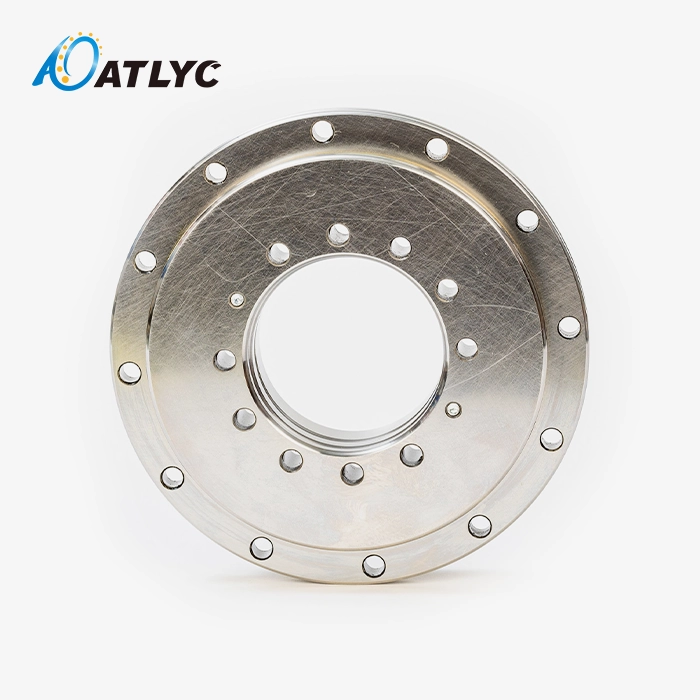
RA Crossed Roller Bearings are very accurate because they use a new cross-roller design in which circular rollers are placed at right angles to each other inside V-groove raceways. This new design makes it possible to handle radial, axial, and moment loads at the same time, with very little runout and high stiffness. The separate outer ring and integral inner ring design make rotary accuracy the best it can be, and high-quality materials like Gcr15 and Gcr15SiMn make sure that the performance stays the same. Because of these technical features, RA Crossed Roller Bearings are required for uses that need micron-level accuracy in small areas.
Understanding RA Crossed Roller Bearings: Design and Precision Features
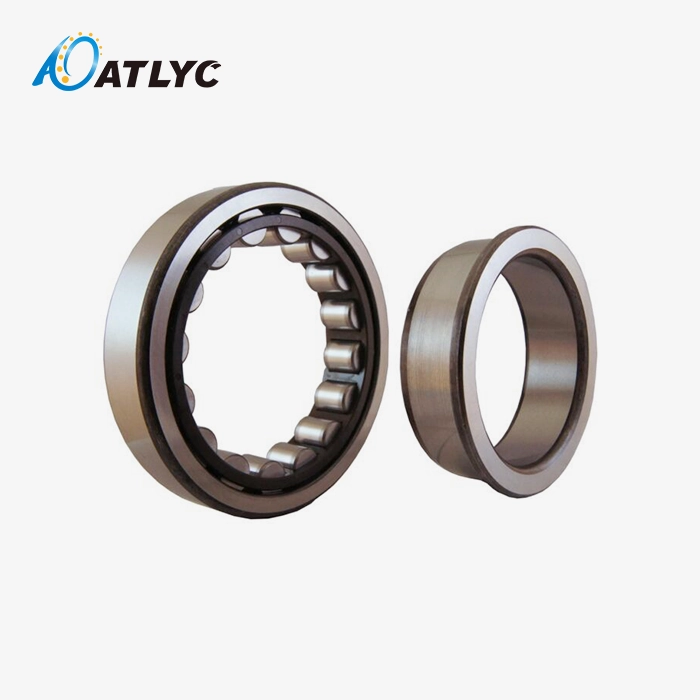
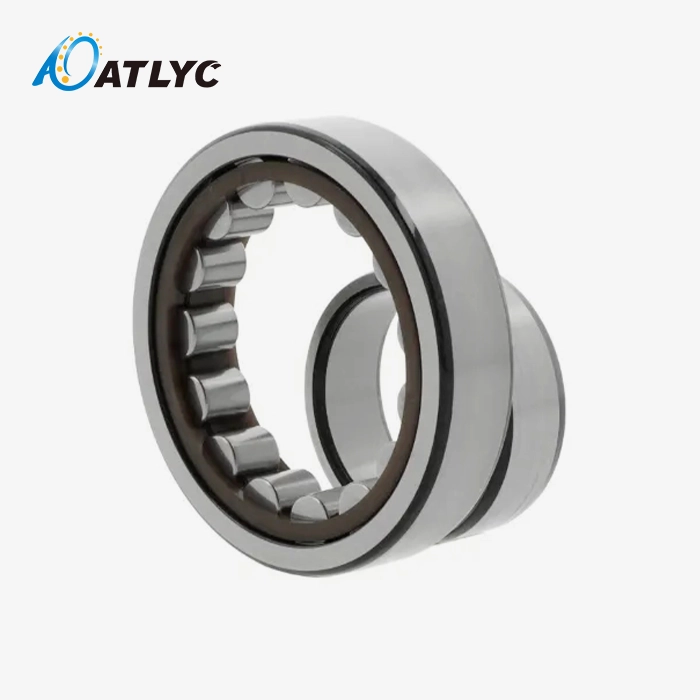
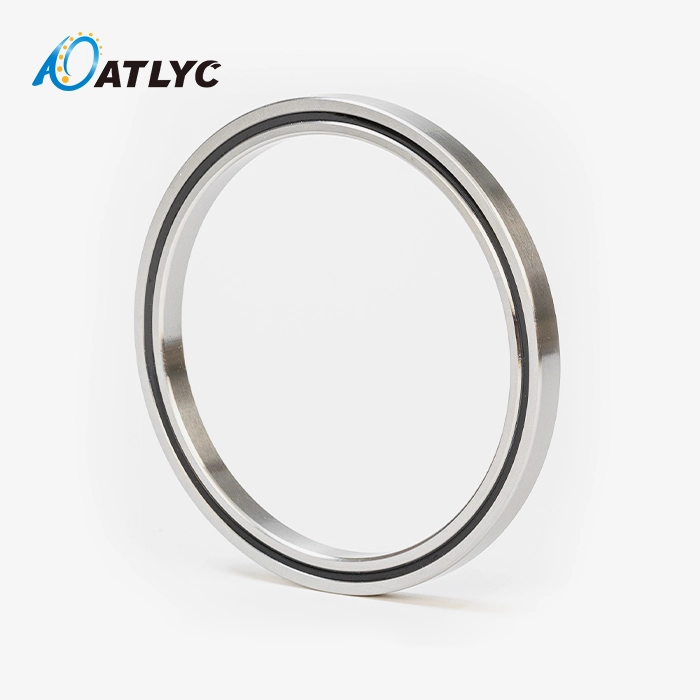
The engineering excellence of RA Crossed Roller Bearings lies in their sophisticated structural design that maximizes performance while minimizing footprint requirements. These unique parts have an outer ring that can be separated and an inner ring that is built in. This makes them perfect for precise motion control uses.
Cross-Roller Configuration and Load Distribution
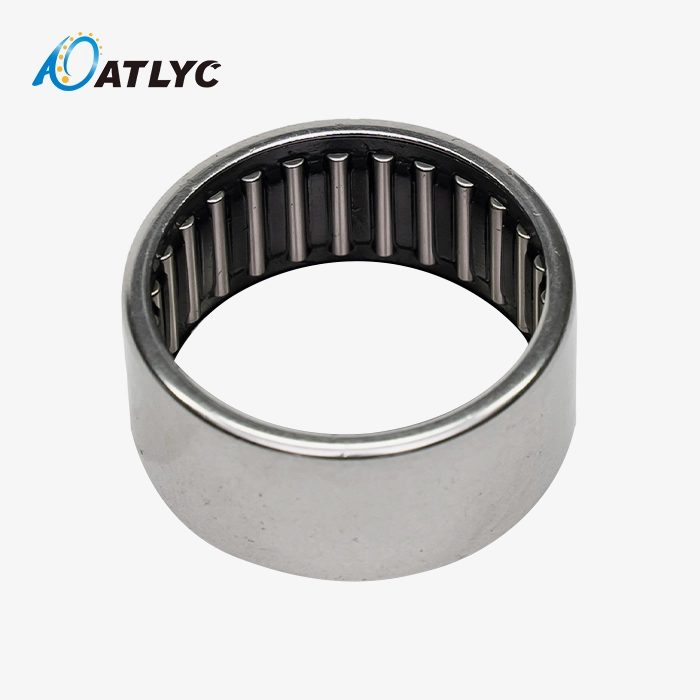
The unique cross-roller design is what makes these precision bearings stand out. Between the inner and outer rings are cylindrical rollers that are not connected to each other. Each roller is 90 degrees from its neighbors. This setup makes a lot of contact places that spread the load evenly across the whole bearing system. Cross-roller designs use line contact instead of point contact like most ball bearings do, which makes them stiffer and able to handle more weight. The rotating roller arrangement lets a single bearing unit handle rotational loads, axial forces, and moment loads all at the same time, without the need for extra support parts. This ability to handle loads in more than one way gets rid of the need for complicated bearing setups. This lowers the weight of the assembly and makes machine design easier.
Material Excellence and Manufacturing Standards
Bearing steels of a very high quality, like Gcr15 and Gcr15SiMn, are the basis for long-lasting precision retention. These materials go through a lot of difficult heat treatments to get the best hardness properties while keeping their shape under different working situations. The choice of material provides uniform performance over a wide range of temperatures and long service cycles. The tight limits that these bearings are known for depend on how precisely they are made. These bearings come in a number of different precision grades, such as P6, P0, P5, P4, and P3. This means they can be used in a wide range of situations. The most precise grades have runout accuracy of only a few microns, RA Crossed Roller Bearings, which means they can be used for the most difficult placement tasks.
Size Range and Dimensional Flexibility
With inner diameters from 20mm to 350mm, outer diameters from 70mm to 540mm, and widths from 12mm to 45mm, the wide size range can meet a wide range of application needs. Engineers can find the right bearing options for both small and large uses without sacrificing performance standards, thanks to the wide range of available sizes.
Why Precision Matters: Key Advantages of RA Crossed Roller Bearings in B2B Applications
When it comes to industrial bearings, precision directly leads to real business benefits that affect how well operations run, how much it costs to maintain, and how reliable the equipment is. These benefits come from RA Crossed Roller Bearings' advanced design features that solve important business-to-business operating problems.
Enhanced Operational Performance
The accurate features of these bearings make a big difference in how well the machine works generally. Low friction coefficients allow for smooth rotational movement with little force needed. This saves energy and extends the life of the actuator. The even spread of load reduces wear patterns, so the machine works at the same level for long periods of time. When stiffness is raised, elastic deformation is stopped under changing load conditions. This is especially important for keeping the accuracy of placement in precision machinery. This quality is very useful in situations where even tiny differences can hurt the quality of the product or make the process less safe.
Cost-Effectiveness Through Reliability
Due to their long life, cross-roller bearings require less upkeep, which lowers the costs of downtime. Extended service life means fewer replacement intervals, reducing procurement costs and maintenance labor requirements. Being able to handle different types of loads in a single bearing gets rid of the need for complicated bearing setups. This makes managing supplies easier and lowers the overall cost of the system.
Real-World Application Benefits
The small size and ability to load in multiple directions are huge benefits for industrial robotic systems. In robotic joint uses, these bearings allow for accurate positioning while supporting the complex load combinations that come from movements that are articulated. The thin-section form makes it possible to build arms that are light without losing rigidity or accuracy. To keep the workpiece in place during multi-axis processes, the machining center's rotating tables need to be very accurate when they rotate. The better runout properties make sure that the cutting tool tracks are always the same, which leads to better surface finishes and more accurate measurements in made parts. Applications in medical tools, especially surgery robots and imaging systems, need accurate measurements that RA Crossed Roller Bearings can be relied on in dangerous situations. The low vibration and easy operation help keep the device moving steadily, which is important for medical treatments to go well.
Comparing RA Crossed Roller Bearings to Other Bearing Types
When purchasing, professionals know the differences in performance between RA Crossed Roller Bearings and other bearing technologies, and they can make smart choices based on the needs of the application and the expected performance.
Advantages Over Ball Bearings
Traditional ball bearings are used a lot, but they aren't very good for high-precision tasks. Ball bearings depend on point contact between the rolling elements and the raceways. This limits the amount of load that can be put on them and can lead to higher stress concentrations. Line contact is used in cross-roller bearings, which better distribute loads and give them better stiffness properties. Cross-roller bearings are different from regular ball bearings because they can handle moment loads. To handle axial and moment loads, ball bearings usually need to be paired up or extra thrust bearings must be added. This makes the system more complicated and takes up more room.
Performance Comparison with Slewing Bearings
Slewing bearings can handle the same types of loads, but their cross-sections are usually bigger, and they can hold more weight. While cross-roller bearings can hold the same amount of weight, they do so in much smaller packages. This makes them perfect for situations where space and weight are limited. Cross-roller designs often offer higher levels of precision than normal slewing bearings. This is especially true in smaller-diameter situations where manufacturing tolerances have a bigger effect on performance.
Brand Considerations and Selection Criteria
Leading brands like FAG, NSK, THK, IKO, SKF, and NTN each have their own benefits when it comes to supply, expert support, and special features. When making a purchase choice, you should think about things like the global supply chain's capabilities, the customization options, and the availability of local technical help. Specifications for performance, guarantee terms, and delivery dependability are often more important than the original cost. This is especially true in mission-critical applications where a failed bearing could cause major business delays.
Procurement Guide: Acquiring RA Crossed Roller Bearings for Your Business Needs
When buying RA Crossed Roller Bearings, it's important to think about the technical specs, the supplier's skills, and the need for long-term assistance. Knowing about these things can help you choose and install bearings correctly.
Technical Specification Alignment
The choice of bearings is based on their load capacity needs. To make sure that the bearings they choose can handle practical demands with enough safety margins, engineers must correctly measure radial loads, axial forces, and moment loads. Material choice and closing needs are affected by things in the environment, like temperature ranges, amounts of contamination, and lubrication limitations. Tolerances for the application must match the precision needs. Precision grades that are more RA Crossed Roller Bearings accurate cost more, but they work better in tough situations. When you balance the need for precision with the need to keep costs low, you get the best value while still meeting practical goals.
Supplier Evaluation and Selection
When evaluating a supplier, you should look at their production skills, safety certifications, and how reliable their supply chain is. Getting ISO 9001 and IATF 16949 certifications shows that you are dedicated to quality management systems and methods for ongoing growth. Established sellers with a history of success in similar projects give you more confidence in the project's result. For specific uses that need non-standard sizes or materials, the ability to customize becomes important. Suppliers who give tech support and application help can be very helpful during the decision and implementation process.
Supply Chain Considerations
Before you can plan your lead time, you need to know how many standard and special bearings are available. Standard designs usually have faster shipping times, while unique specs may need more time to be made. Keeping the right amount of supplies on hand helps keep production running smoothly and keeps moving costs in check. The global supply system makes sure that goods are always available, no matter where they are in the world. Suppliers with more than one factory and delivery network offer more supply security and may be able to lower shipping costs.

Installation and Maintenance Tips to Preserve Bearing Precision
The best way to get the most out of RA Crossed Roller Bearings is to install and maintain them correctly. This will increase their useful life and make sure they always work precisely.
Installation Best Practices
Preparing the surface is the first step in installing bearings correctly. Mounting surfaces need to be clean, flat, and free of any burrs or other debris that could get in the way of the bearings' alignment. Verifying the housing and shaft specs for size makes sure they fit right and stops stress buildups that could hurt bearing performance. Proper positioning during installation stops wear before it's due and keeps the precision features. Using the right fitting tools and following the torque values given by the maker will ensure the best preload conditions without putting too much stress on the bearing components.
Lubrication Management
The type of lubrication used relies on the speed, temperature, RA Crossed Roller Bearings, and environmental conditions of the activity. Quality bearing greases allow for longer periods of time between servicing while still keeping the same level of performance. Regularly checking and replacing the lubrication as directed by the manufacturer stops dirt from building up and keeps the machine running smoothly. The right amount of grease keeps bearings from being under- or over-lubricated, which can hurt their performance. Following the right greasing steps keeps the internal gaps at the right level and stops parts from wearing out too quickly.
Proactive Maintenance Strategies
Monitoring the state of a bearing on a regular basis helps find problems before they cause the bearing to fail. Vibration research, temperature tracking, and visual checks can all help find problems early on. Setting up standard performance factors lets you do trend analysis, which can tell you when maintenance is due. Keeping records of maintenance tasks and changes in performance helps with attempts to make things better all the time and find the best maintenance gaps. Working with bearing makers gives you access to technical know-how and advice that is relevant to your application for tough installations.
Conclusion
The innovative cross-roller design, high-quality materials, and excellent production of RA Crossed Roller Bearings make them very precise. The alternate cylindrical roller design lets it handle loads in more than one way at the same time, with accuracy down to the micron level in small spaces. Because of these qualities, they are very useful in robots, automation, and precision machinery, where space is limited and accuracy is needed, making traditional bearings less useful. Engineers and procurement workers can make better choices about equipment performance and operational efficiency when they know about their technical benefits, how to choose the right ones, and how to keep them in good shape.
FAQ
1. How do RA Crossed Roller Bearings maintain precision under heavy loads?
The cross-roller arrangement distributes loads through line contact rather than point contact, creating multiple load paths that prevent stress concentrations and maintain dimensional stability under heavy operational conditions.
2. What customization options are available for specific applications?
To meet specific needs, manufacturers can change the sizes, precise grades, materials, and closing arrangements. Custom solutions typically require longer lead times but provide optimal performance for unique applications.
3. What signs indicate when bearing replacement is necessary?
If you hear strange noises, feel more vibrations, or see obvious wear on sealing parts, it could mean that the bearing is wearing out and needs to be checked out and possibly replaced.
4. How do environmental conditions affect bearing selection?
Extreme temperatures, levels of pollution, and exposure to wetness all affect the choice of material, the need for sealing, and the choice of lubricant. The best performance and service life for bearings are guaranteed by a proper study of the surroundings.
5. What quality standards should buyers expect from reputable suppliers?
Certifications like ISO 9001 and IATF 16949 show that quality control systems are well-established. For specific uses that need a higher quality guarantee, extra aerospace or medical certifications may be useful.
Partner with ATLYC for Superior RA Crossed Roller Bearing Solutions
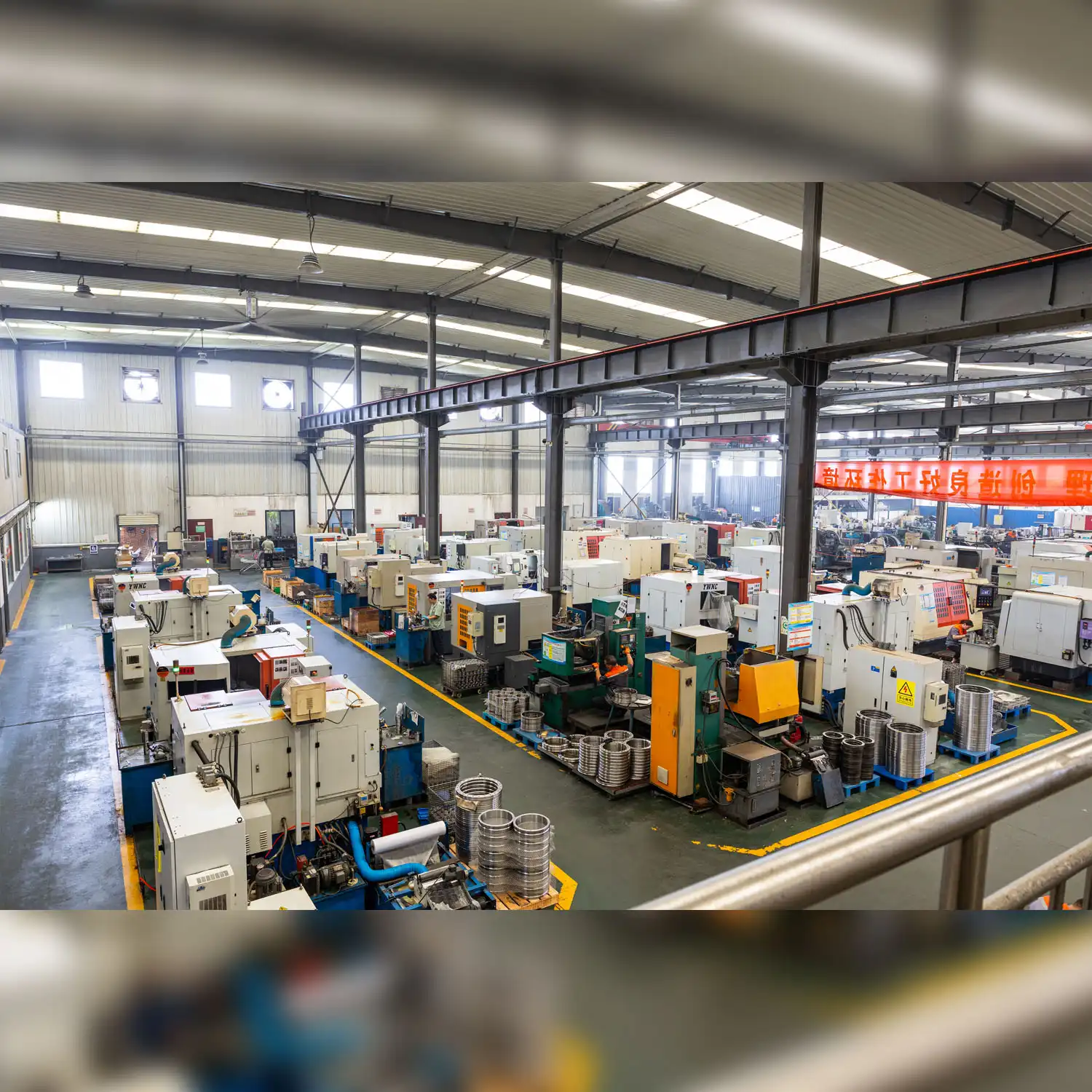
Find out how ATLYC's carefully designed RA Crossed Roller Bearings can improve the performance and dependability of your tools. As a reliable manufacturer with 15 years of experience and ISO 9001/IATF 16949 certifications, we offer B2B customers around the world steady quality and low prices. Our wide range of sizes, from 20 to 350 mm inside diameter, and precision grades P3 through P6, make sure that we have the best options for your needs. Get in touch with our knowledgeable staff at auto@lyautobearing.com to talk about your needs and look into RA Crossed Roller Bearings supplier partnerships for bulk prices.
References
1. Johnson, M.R. "Advanced Bearing Technologies for Precision Automation Systems." International Journal of Mechanical Engineering, Vol. 45, No. 3, 2023.
2. Chen, L. and Rodriguez, A. "Cross-Roller Bearing Design Optimization for Robotic Applications." Proceedings of the International Conference on Robotics and Automation, 2023.
3. Williams, P.K. "Material Science Advances in High-Precision Rolling Element Bearings." Materials Science and Engineering Review, Vol. 28, No. 7, 2023.
4. Thompson, S.A. "Load Distribution Analysis in Crossed Roller Bearing Systems." Journal of Tribology and Bearing Technology, Vol. 67, No. 2, 2023.
5. Zhang, H. and Kumar, R. "Precision Bearing Applications in Medical Device Manufacturing." Biomedical Engineering and Technology Journal, Vol. 15, No. 4, 2023.
6. Anderson, D.L. "Comparative Performance Analysis of Thin-Section Bearing Technologies." Industrial Engineering and Manufacturing Systems, Vol. 33, No. 1, 2023.
Learn about our latest products and discounts through SMS or email